


Can what you eat actually change your blood chemistry — or is that just a persuasive idea that sounds true?
This evidence-based review explains what advocates claim and what the science really shows.
The central claim is that foods leave an acidic or alkaline “ash” that shifts body pH. In reality, healthy bodies keep blood pH tightly regulated between 7.35 and 7.45. Stomach acid sits near 1.5–2.0 to do its job, and diet mainly alters urine pH, not blood.
We’ll review peer-reviewed research and clarify terms like PRAL and the acid-ash idea. You’ll learn why claims linking acid-forming foods to osteoporosis or cancer lack strong support, and why the apparent benefits mostly come from eating more whole foods and fewer ultra-processed options.
For practical guidance, we’ll note when dietary acid load matters — such as in chronic kidney disease — and when to consult a clinician. For a clear, readable primer, see a concise review here: the Healthline overview.
Key Takeaways
- Blood pH is tightly controlled: diet does not change it in healthy people.
- Urine pH can shift: but it is not a reliable health marker alone.
- Benefits are real but different: whole-food patterns drive most positive effects.
- No clear links to osteoporosis or cancer from acid-forming meals in current studies.
- Clinical exceptions exist: people with kidney disease need tailored medical advice.
Why this myth-busting review matters right now
Social media has turned a tidy nutrition idea into a sweeping health promise. That hype can steer people away from evidence-based care and into restrictive eating patterns that offer little real protection.
Short summary: online marketing and influencers amplify claims that a specific eating approach prevents serious disease. Those claims outpace what peer-reviewed studies show.
Blood pH in a healthy body stays within narrow levels for survival. If food could push that range, it would signal illness — not better health. Diet does change urine acidity because kidneys excrete acids, but urine shifts are not a measure of whole‑body alkalization or lower disease risk.

Following strict rules can cut out nutritious foods and increase nutrition risk without proven benefits. Many reported gains come from eating more plants and fewer ultra‑processed foods, not from altering blood chemistry.
- What’s at stake: delayed diagnosis, wasted effort, and avoidable nutrient gaps.
- Takeaway: keep the real benefits — more produce, adequate protein — and skip the pH rhetoric.
What the alkaline diet claims versus what it actually is
The central marketing pitch sorts everyday food by the chemistry left after we metabolize it. Followers are told that this leftover shifts body pH and drives health outcomes.
How the acid-ash system groups common foods
The acid-ash hypothesis labels fruits and vegetables as base-forming, while meat, dairy, eggs, and grains are classed as acid-forming. Neutral items include many fats, starches, and sugars.
What PRAL and “acid load” really measure
PRAL — potential renal acid load — estimates the net acid the kidneys must excrete. Minerals such as potassium, calcium, magnesium and phosphorus shape PRAL. A negative PRAL (many produce) means less renal acid work; a positive PRAL (meat, grains, dairy) means more.

Crucially, PRAL reflects urine chemistry and kidney workload, not a change in blood pH. Healthy physiology keeps blood tightly steady; higher acid excretion in urine is expected and normal.
Why do people feel better on these plans? Often they cut ultra-processed products and eat more whole foods, which improves health markers independently of pH. Be wary of removing entire groups without need.
For a research-focused overview of acid load and health, see this acid-ash hypothesis review.
pH 101: How your body really regulates acidity
Your body runs continuous chemistry work behind the scenes to keep acidity in a very narrow band. That tight control is what lets enzymes and organs function reliably every day.

How tight is “tight” for blood?
Human blood pH sits around 7.35–7.45. Small shifts matter: falling outside that range signals medical emergencies, not dietary success.
Why the stomach is so acidic
The stomach normally keeps pH near 1.5–2.0. This low pH helps break down proteins and kills microbes—very different from the slightly alkaline blood the body preserves.
Who does the heavy lifting?
The lungs remove volatile acid by exhaling CO2. The kidneys reabsorb and regenerate bicarbonate and excrete fixed acids. Together they keep blood chemistry steady.
Why urine changes but blood does not
Urine pH ranges roughly 4.6–8.0 and varies with what the kidneys excrete. A steak, for example, can raise renal acid excretion and lower urine pH temporarily; that’s expected physiology in a healthy person.
Urine test strips reflect hydration, timing, and kidney handling—not the pH of your blood. Significant blood acidity shifts come from illness (ketoacidosis, respiratory failure) and need urgent care.
Bottom line: you can’t reliably raise or lower blood pH with foods. Trust lungs, kidneys, and bicarbonate buffers to manage acidity while you focus on a balanced, varied diet.
Osteoporosis and the acid-ash hypothesis: where the evidence lands
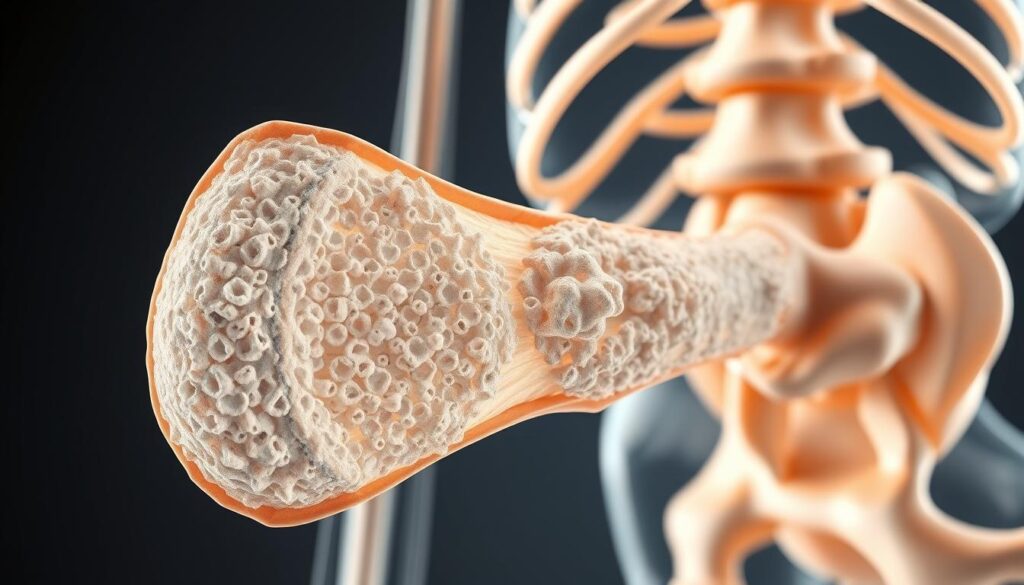
The idea that acid-forming meals dissolve bone sounds simple, but long-term research does not back it up. Multiple studies show that urine acid excretion and a higher acid load track kidney workload — not progressive bone loss or fracture risk in healthy adults.
Does high protein harm bone, or help it?
Higher protein intake often raises IGF-1, a hormone that supports bone formation and maintenance. Clinical trials and cohort studies generally find that adequate protein improves bone strength and reduces fracture risk when calcium and vitamin D are sufficient.
Why urinary calcium isn’t the same as bone loss
Short-term increases in urinary calcium after protein-rich meals do not prove net bone mineral loss. Whole-body calcium balance depends on absorption, hormonal regulation, and other buffers such as phosphate.
Recent analyses show phosphate can preserve or even improve calcium balance, countering old models that assumed phosphate automatically worsens bone health.
What about sodium, potassium, and practical risk factors?
Modern U.S. diets often have excess sodium and too little potassium. That imbalance can raise bone resorption and promote muscle protein loss, especially with inactivity. Increasing fruits and vegetables improves the K/Na ratio and supports bone and muscle.
- Bottom line: the acid-ash hypothesis is not supported as a primary cause of osteoporosis.
- Focus on: adequate protein, sufficient calcium and vitamin D, resistance training, and potassium-rich produce.
- Remember: dairy and grains contribute important nutrients; labeling whole groups as “acidic” misses their value and may increase risk if avoided without reason.
Cancer and acidity: separating cell-culture findings from human evidence
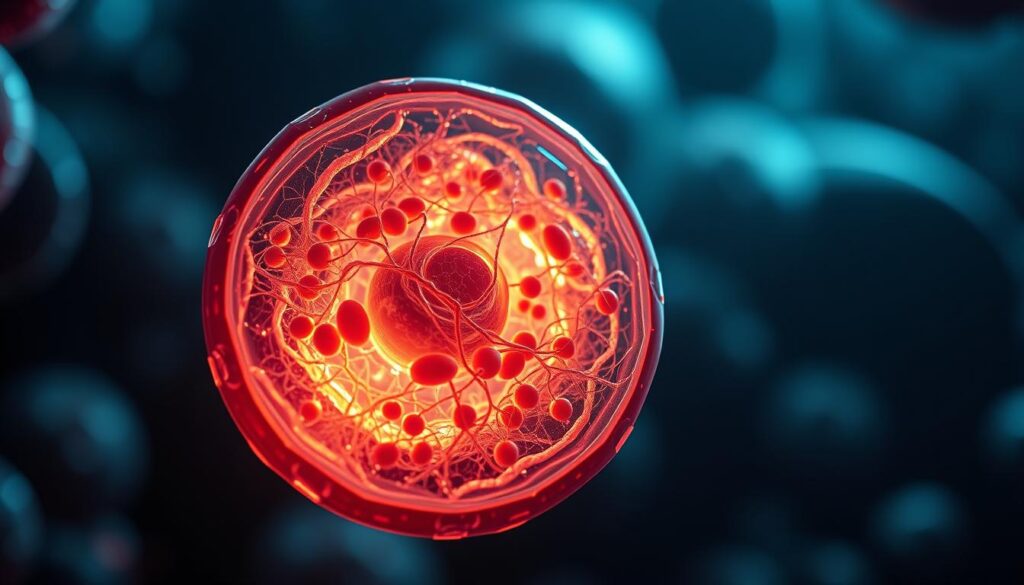
Tumor acidity reflects cancer metabolism, not the result of what you ate. Low pH in a tumor microenvironment is a consequence of altered cell pathways, not a dietary trigger.
How tumors and pH relate
Tumors often create acidic pockets because cancer cells ferment glucose and export acid. That local acidity is part of cancer biology, not a signal that blood pH or overall risk shifts with meals.
What human studies and reviews show
A BMJ review and other systematic assessments found no high-quality evidence that adopting an alkaline approach lowers cancer risk. A prospective study on urinary pH and bladder cancer showed no meaningful link.
When pH matters in treatment
Some chemotherapy agents have pH-dependent effects, and clinicians may use medical alkalinization in controlled settings. Those strategies are clinical interventions, not food fixes.
“Do not replace proven oncology care with unproven pH protocols; nutrition supports treatment but does not substitute for it.”
| Topic | Finding | Implication |
|---|---|---|
| Tumor acidity | Result of metabolism | Not caused by food |
| Human studies | No strong benefit shown | Don’t rely on pH menus |
| Treatment | Medical pH modulation exists | Requires clinical oversight |
Bottom line: focus on nourishing, produce-forward eating during cancer care and follow clinician guidance. Evidence does not support changing cancer outcomes by altering meals to shift pH.
Did our ancestors eat “alkaline”? Looking at evolutionary claims
Not all ancestral eating patterns point toward a single acid-or-base story; they varied with climate, season and food access. Analyses of pre‑agricultural diets show wide variation rather than one uniform model.

Many hunter-gatherer diets were acid-forming, especially at higher latitudes where animal foods and grains dominated. Studies show that populations farther from the equator often had lower plant intake and higher net acid in daily intake.
What changed with agriculture and modern food systems?
With farming and industrialization, typical diet patterns shifted: potassium fell relative to sodium, and chloride rose versus bicarbonate. That altered the average acid load people present to their kidneys—without changing the blood chemistry in healthy bodies.
Soil, plants and practical context
Soil pH affects how many minerals plants absorb. Crops from acidic or depleted soils can differ in mineral content and PRAL traits. That’s another reason a single ancestral ideal is misleading.
“Evolutionary evidence should guide, not dictate, modern nutrition choices.”
| Factor | Ancient pattern | Modern shift |
|---|---|---|
| Latitude | More animal foods away from tropics | Global grain and processed food reliance |
| Mineral balance | Higher K/Na in many plant-rich groups | Lower K, higher Na in modern menus |
| Soil influence | Variable plant mineral content | Intensive agriculture alters crop mineral profiles |
Bottom line: both ancient and modern diets can be healthful or harmful. Focus on balance now—more potassium-rich fruits and vegetables, adequate protein, and less sodium—rather than chasing a single ancestral pH pattern.
Alkaline Diet Myth
Urine tests show kidney output, not whole‑body pH. A strip can change color quickly, but that result reflects what the kidneys excrete at a moment in time—affected by food, fluid, and when you test.
How urine differs from blood as a health signal
Urine pH can swing roughly from 4.6 to 8.0. Those swings are normal and show renal housekeeping, not a shift in blood chemistry.
Blood pH stays tightly controlled by lungs and kidneys. A urine strip is not a valid proxy for your blood values or overall health in a healthy person.
Influencer narratives vs clinical reality: the Robert Young cautionary tale
Influencers promote quick wins with test strips and selling products. That easy proof appeals to many, but it misreads physiology and overstates what food can do.
Robert Young exemplifies the hazard: he faced legal consequences for treating cancer patients with unproven alkalizing protocols. Charisma cannot replace medical oversight.
- Debunk the strip test: urine varies with diet, hydration, and timing; it does not equal blood pH.
- Why confusion persists: visual results feel convincing and sell bottles, powders, and pricey waters.
- Anchor in reviews: systematic reviews conclude these claims exceed the available evidence.
| Topic | What strips show | Clinical meaning |
|---|---|---|
| Urine pH | 4.6–8.0, variable | Kidney excretion; influenced by diet and fluids |
| Blood pH | ~7.35–7.45, stable | Tightly regulated; changes signal illness |
| Commercial products | Alkaline waters, drops, powders | Often market-driven with little credible benefit |
Bottom line: don’t confuse renal output with whole‑body chemistry. Trust high‑quality reviews and licensed clinicians for disease management. For a balanced, evidence‑focused primer on the topic, see this concise review of the claims.
Where the alkaline diet overlaps with good nutrition—and where it goes wrong
Switching to more whole foods often delivers clear health wins, even if it doesn’t alter blood chemistry. The true gains come from adding vegetables, fruits, legumes, nuts, and fewer ultra-processed products.

Real benefits come from better food choices, not raising blood pH
Produce-forward patterns increase potassium, fiber, and phytonutrients. Those changes improve blood pressure, gut health, and bone support — independent of any claim about raising systemic pH.
Who may need acid-load adjustments?
People with chronic kidney disease may benefit from lowering dietary acid load under medical guidance. In some cases clinicians also prescribe bicarbonate to correct acid levels, but that is a clinical treatment — not a general eating plan.
What to keep and what to skip
Keep: vegetables, fruits, legumes, nuts, adequate protein from fish, poultry, eggs, tofu, dairy, and whole grains. These support muscle, calcium status, and overall health.
Skip: hyped products like alkaline water and chlorophyll supplements; they add cost and little proven benefit beyond a balanced food pattern.
Practical plate rules
Fill half the plate with colorful plants, add a palm-sized portion of protein, include a fist of whole grains or starchy vegetables, and keep sodium low. This approach supports calcium and protein needs while improving the K/Na ratio.
Bottom line: the sensible overlap is produce-forward, protein-adequate eating. For more on food patterns and low PRAL strategies, see this concise resource:
alkaline foods and low-PRAL approaches.
Conclusion
Your body keeps blood pH tightly near 7.35–7.45; meals change urine chemistry, not that core level.The strongest benefits of an “alkaline” approach come from eating more whole foods and fewer ultra‑processed products—not from shifting systemic pH.
Meals alter what the kidneys excrete, but they do not rewrite core blood chemistry. The acid-ash hypothesis lacks solid evidence for preventing osteoporosis or lowering cancer risk. Studies show urine and renal workload change while blood stays stable.
For bone health, focus on protein, calcium, vitamin D, and resistance training. These drive strength and reduce loss more than chasing pH labels.
If you have chronic kidney disease, clinicians may use bicarbonate or adjust acid load. Otherwise, build plates around plants and quality protein, cut sodium, and trust evidence over products.
FAQ
What is the core claim behind the alkaline diet?
The claim says certain foods produce an “acid” or “alkaline” ash after digestion and that shifting eating patterns can raise blood pH to improve health. In reality, the body keeps blood pH tightly between 7.35 and 7.45, so diet mainly affects urine pH, not systemic acidity.
Can food change my blood pH?
No. Healthy kidneys and lungs maintain blood pH within a narrow range using bicarbonate and carbonic acid buffering and acid excretion. Diet can alter urine pH but not blood pH in people with normal kidney and lung function.
Why do vegetables and fruits often get labeled “alkaline” while meat, dairy, and grains are called “acid-forming”?
That labeling comes from the acid-ash or PRAL concept, which estimates net acid load from foods based on mineral and protein content. It’s useful for research on acid load but doesn’t imply those foods will change blood pH.
Does a higher dietary acid load cause osteoporosis by leaching calcium from bone?
The evidence doesn’t support that oversimplified view. Protein can increase urinary calcium but also raises IGF‑1 and supports bone formation. Urinary calcium losses don’t directly equal bone loss; overall diet quality, calcium intake, and activity matter more for bone health.
Could the eating pattern associated with this approach still be beneficial?
Yes. Emphasizing vegetables, fruits, legumes, and nuts improves nutrient intake and often reduces processed foods and excess sodium. Those real dietary changes—rather than changing blood pH—likely explain many reported benefits.
Is there any role for changing acid load in medical care?
Yes, in specific clinical contexts such as chronic kidney disease, clinicians may adjust dietary acid load or prescribe bicarbonate to manage acid–base balance. That’s medical management, not a general wellness trend.
Tumors often maintain acidic microenvironments, but cell-culture acidity isn’t the same as whole-body pH. Systematic reviews do not show that following an alkaline-style eating pattern prevents cancer; treatment decisions about pH manipulation belong to oncology teams in clinical settings.
Does measuring urine pH tell me my overall health status?
No. Urine pH reflects recent intake and kidney handling of acids and bases; it’s not a proxy for blood pH or general health. Occasional home urine tests are low-value unless guided by a clinician for a specific condition.
What about alkaline water, bicarbonate supplements, or chlorophyll products—do they help?
There’s little reliable evidence that alkaline water or over-the-counter alkalinizing products provide health benefits for most people. Supplements can interfere with medications or electrolyte balance, so consult a clinician before regular use.
How did ancestral diets factor into this debate — were they mostly “alkaline”?
Ancestral diets varied widely by geography and season. Many traditional eating patterns were acid-forming due to meat, fish, and grains. The modern issue is often too much sodium and too little potassium from fruits and vegetables, not a simple return to a single prehistoric ideal.
Who should be cautious about attempting to manipulate acid load at home?
People with chronic kidney disease, electrolyte imbalances, or those on certain medications should avoid self-directed alkalinization. These conditions require medical oversight because kidneys and electrolytes play central roles in acid–base balance.
If I want to apply evidence-based advice, what practical changes should I make?
Focus on whole foods—more vegetables, fruits, legumes, nuts; adequate but not excessive protein; reasonable dairy and whole grains; and less ultra-processed food and excess sodium. These steps improve bone, kidney, and overall health without chasing blood pH changes.




Don’t Miss These Picks