

Are smoothies really healthy, or are they just sugary drinks dressed up as breakfast? The answer depends on what goes into your blender. A smoothie made with whole fruit, vegetables, protein, and healthy fats can be a nutritious snack or even a light meal.
But not every smoothie deserves a healthy label. Large servings, fruit juice, sweetened yogurt, and extra syrups can turn a simple drink into something high in calories and sugar. Even a homemade smoothie can be unbalanced if it contains mostly fruit.
The good news? You don’t need expensive powders or special ingredients to make a healthier smoothie. This guide explains the benefits and drawbacks, how to balance your ingredients, what portion sizes make sense, and a simple recipe you can try at home.
Key Takeaways
- Smoothies can be healthy. Their nutritional value depends on the ingredients, portions, and what you eat throughout the day.
- Include protein, fiber, and healthy fat. These nutrients can help make a smoothie more satisfying.
- Choose whole fruit over fruit juice. Blending whole produce keeps much of its fiber, while juicing removes most of it.
- Watch added sugars. Sweetened yogurt, flavored milk, honey, and syrups can increase calories quickly.
- Match the portion to your needs. A small snack smoothie requires less energy and protein than one replacing breakfast or lunch.
Helpful Products at a Glance
For convenient extra protein: Optimum Nutrition Gold Standard Whey Protein in Extreme Milk Chocolate provides a concentrated protein option when yogurt or milk alone doesn’t meet your needs. It contains dairy and isn’t necessary if your meals already provide enough protein.
- 24 g High-Quality Whey Protein per Scoop – 100% of the protein from whey for a fast-absorbing, complete protein source that supports muscle maintenance and growth.
- 5.5 g Naturally-Occurring BCAAs + 11g of naturally occurring EAAs – Delivers essential amino acids including leucine, isoleucine, and valine to support post-workout muscle recovery, muscle strength and muscle building when taken over time with regular resistance training.

For extra fiber and plant-based fats: Viva Naturals Organic Chia Seeds can add thickness, fiber, and omega-3 fats to homemade smoothies. The 2-pound bag is more practical for regular use than occasional blending.
- PLANT-BASED OMEGAS-3 — Omega fatty acids are essential fatty acids, and luckily chia seeds organic contain omega-3s. Incorporate them into almost any diet or lifestyle to help meet your nutritional needs.
- NUTRIENT-DENSE SUPERFOOD — Not only do chia seeds contain plant-based omega-3s and 6s, but they also contain calcium and are high in fiber, too.

How to Tell If Your Smoothie Is Actually Healthy
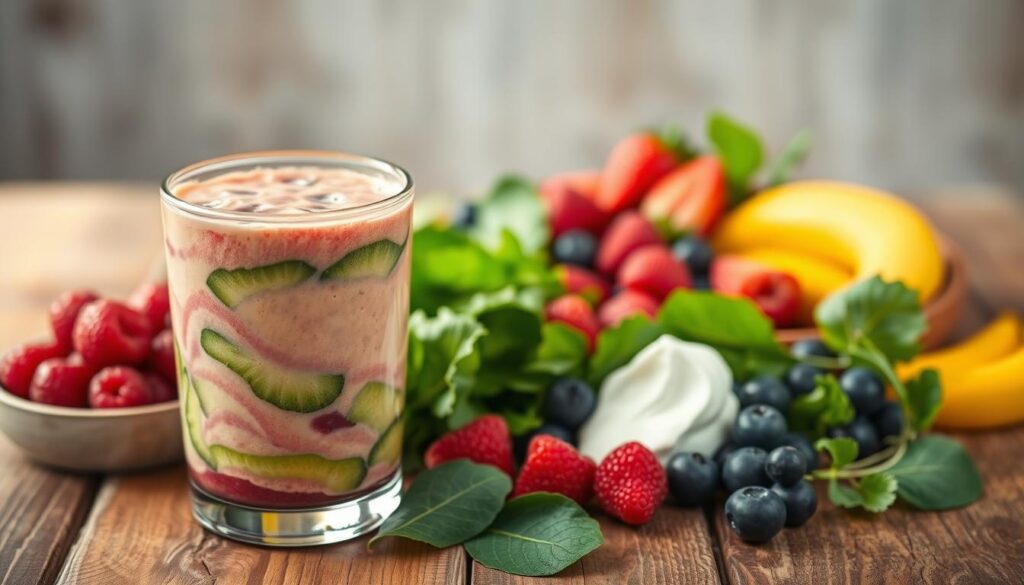
A healthy smoothie doesn’t need a long ingredient list. Start with whole fruit or vegetables, add a clear protein source, and include a little healthy fat if it fits your needs. Together, these ingredients offer more balanced nutrition than fruit juice alone.
Fiber helps with digestion and fullness. Protein supports muscle maintenance and repair, while fats provide energy and help your body absorb certain vitamins. However, adding these nutrients does not guarantee stable blood sugar or make every smoothie a complete meal.
What Should a Balanced Smoothie Include?
- Fiber: Berries, spinach, oats, chia seeds, or ground flaxseed.
- Protein: Plain Greek yogurt, dairy milk, soy milk, silken tofu, or protein powder.
- Healthy fat: Nut butter, avocado, chia, flaxseed, or walnuts.
- Liquid: Water, plain milk, or an unsweetened plant-based alternative.
Watch for smoothies made mostly with juice, sweetened yogurt, or several servings of fruit. They may provide vitamins but lack enough protein to keep you satisfied. Portion size still matters, even when every ingredient is nutritious.
Are Smoothies Good for You? What the Research Says
Smoothies offer a convenient way to consume fruits, vegetables, and other nutritious foods. They are especially helpful when you’re short on time or struggle to include enough produce in your meals.
Blending whole fruit keeps much of its fiber, unlike traditional juicing. However, Harvard’s Nutrition Source notes that eating whole fruits and vegetables may keep you satisfied longer than drinking them.
Benefits of Drinking Smoothies
- More produce: An easy way to include vegetables and fruit in your routine.
- Useful nutrients: Ingredients may supply vitamins, minerals, fiber, and beneficial plant compounds.
- Convenience: Frozen ingredients make preparation quick.
- Flexible nutrition: You can adjust protein, calories, and texture to suit your appetite.
Possible Downsides
- Too much sugar: Juice, syrups, and sweetened ingredients can increase sugar intake.
- Unexpected calories: Generous servings of nut butter, seeds, and other add-ins can make drinks energy-dense.
- Less fullness: Some people find drinking calories less satisfying than eating solid food.
- Unbalanced diets: Replacing several meals with smoothies or relying on smoothie cleanses can leave nutritional gaps.
Bottom line: Smoothies can support a balanced diet, but they aren’t automatically healthier than eating their ingredients separately.
Choose the Right Liquid for Your Smoothie
Your liquid base affects flavor, thickness, protein, and calories. Choose it based on what you want from the smoothie rather than assuming every plant-based milk is nutritionally similar to dairy.
For example, cow’s milk and fortified soy milk generally provide more protein than unsweetened almond milk. Water has no calories, while coconut water contributes natural sugars and some electrolytes.
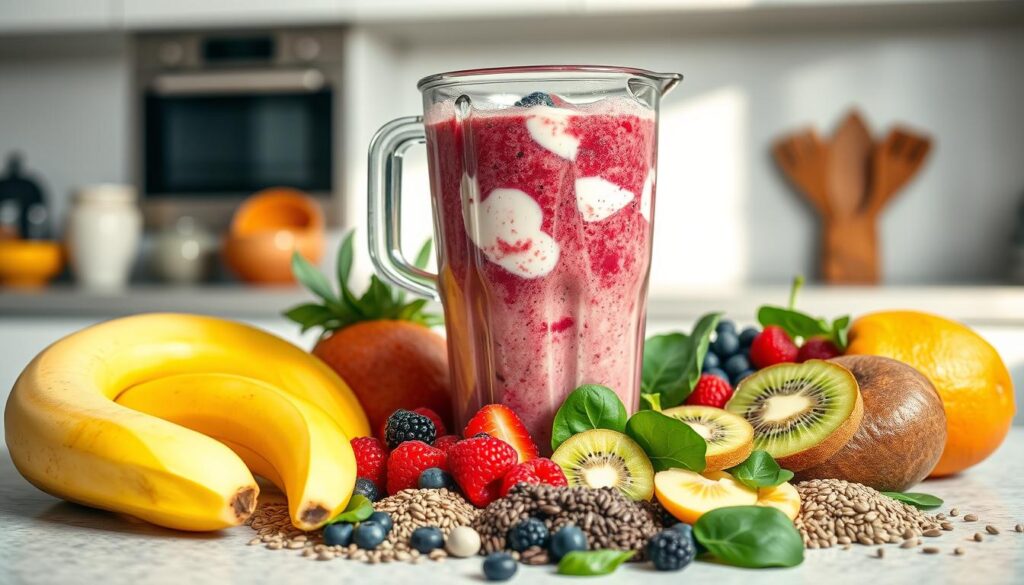
| Liquid | Main Benefit | Best Use |
|---|---|---|
| Dairy milk | Protein and calcium | Meal smoothies |
| Unsweetened almond milk | Light flavor, often low calorie | Lighter smoothies |
| Coconut water | Potassium and refreshing flavor | Tropical blends |
| Water | No calories or sugar | Thinning thick blends |
Start with around half a cup of liquid and add more gradually. Too much liquid can make your smoothie thin before everything blends properly. For additional preparation ideas, see Johns Hopkins Medicine’s smoothie guide.
Protein in Smoothies: Whole Foods vs. Protein Powder
Protein helps make a smoothie more filling and supports the body’s normal muscle repair process. It becomes particularly important when you’re using a smoothie to replace a meal.
Whole foods are a practical starting point. Plain Greek yogurt can supply roughly 15–20 grams of protein per cup, depending on the brand. Silken tofu, cottage cheese, soy milk, and dairy milk are other useful choices.
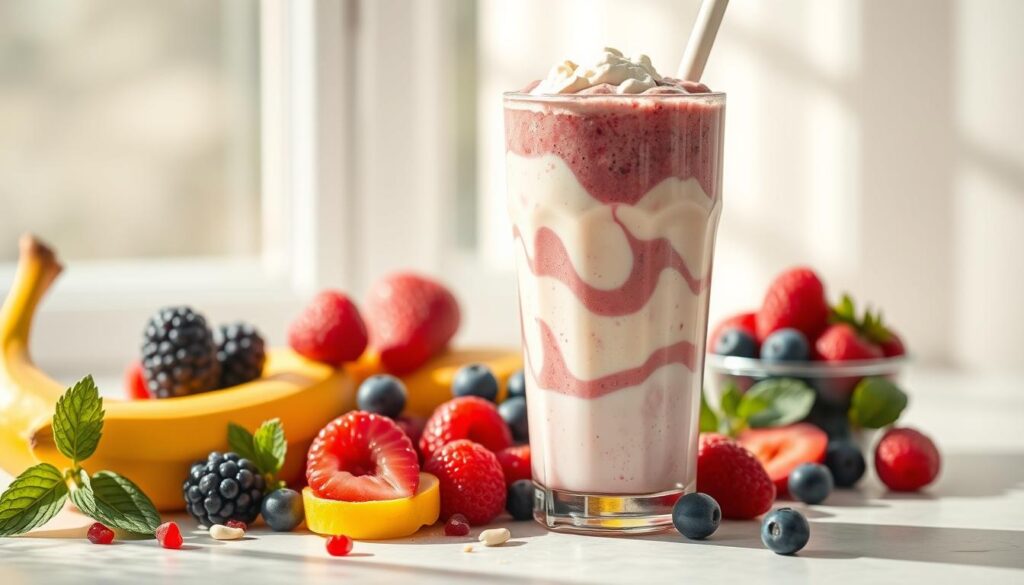
When Does Protein Powder Make Sense?
Protein powder is optional, but it can help when you need more protein without adding large amounts of food. Whey supplies all essential amino acids, while soy, pea, and other plant-based products offer dairy-free alternatives.
One example is Optimum Nutrition Gold Standard 100% Whey Protein, Extreme Milk Chocolate, 2 lb. The listed formula provides 24 grams of protein per serving. Its chocolate flavor works well in banana or peanut butter smoothies, although it also changes the drink’s sweetness and flavor.
It’s a convenient option for people who struggle to reach their protein needs through food. However, it contains milk ingredients and may not suit people with milk allergies or certain digestive sensitivities. Start with the label’s serving instructions and account for protein from your other ingredients.
- 24 g High-Quality Whey Protein per Scoop – 100% of the protein from whey for a fast-absorbing, complete protein source that supports muscle maintenance and growth.
- 5.5 g Naturally-Occurring BCAAs + 11g of naturally occurring EAAs – Delivers essential amino acids including leucine, isoleucine, and valine to support post-workout muscle recovery, muscle strength and muscle building when taken over time with regular resistance training.
- Low Sugar, Low Carb, Low Fat — Ideal for Lean Muscle or Cutting Phases – With just ~1 g sugar, ~3 g carbs per serving, and whey protein isolate as the primary ingredient with further carbs and fat “isolated” out. It’s a high quality choice for athletes focused on lean muscle, weight management, or body-composition goals.
- Instantized & Easy-Mix Formula (Great Mixability) – Designed to dissolve smoothly in water, milk, or smoothies with a spoon, shaker, or blender — perfect for fast post-workout shakes or convenient protein boosts.
How to Choose a Protein Powder
- Check protein grams and serving size.
- Compare added sugars, sweeteners, and other ingredients.
- Look for independently verified testing programs, such as NSF Certified for Sport, when relevant.
- Consider allergies, digestion, and dietary preferences.
The FDA explains that dietary supplements are regulated but generally aren’t approved for safety and effectiveness before sale. Third-party testing can provide additional quality assurance, but don’t assume every powder has been independently certified.
Best Fruits and Vegetables for Healthy Smoothies
Whole fruits and vegetables provide fiber, vitamins, minerals, and flavor. Frozen varieties are often just as practical as fresh produce and can retain valuable nutrients during storage.
For better balance, choose one or two fruits rather than mixing several large servings into the same drink. A handful of vegetables can add variety without making your smoothie overly sweet.
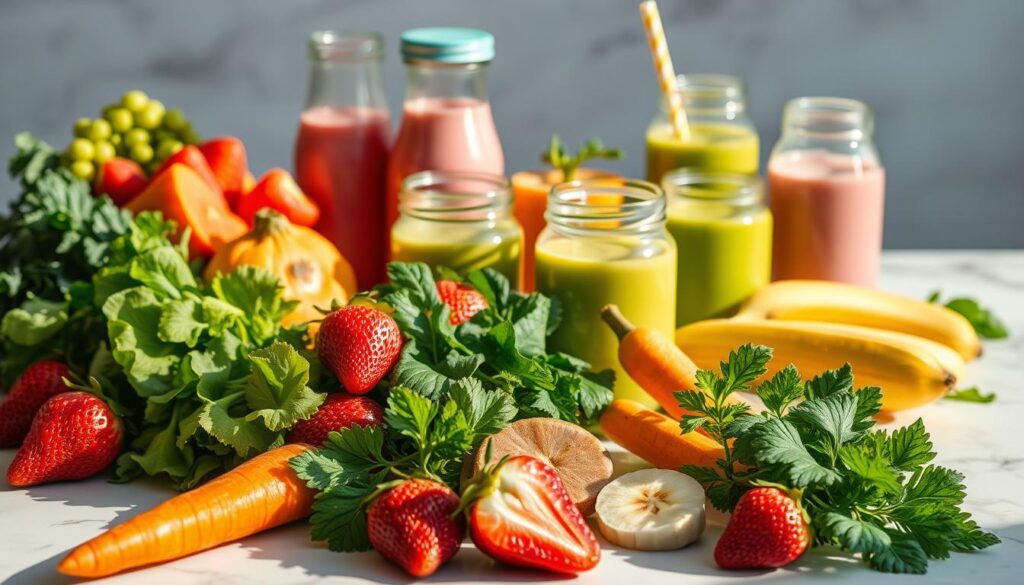
Easy Ingredients to Try
- Berries: Raspberries, blackberries, and strawberries add fiber and a naturally sweet-tart flavor.
- Banana: Adds creaminess, potassium, and sweetness.
- Mango: Provides vitamin C and a tropical taste.
- Spinach: Mild flavor that blends easily with fruit.
- Kale: Provides nutrients but has a stronger taste.
- Cauliflower or zucchini: Adds body with a relatively mild flavor.
- Cooked sweet potato: Creates a thicker texture and adds fiber.
Keep frozen berries, spinach, and cauliflower ready for busy mornings. Choose frozen produce without added sugar or sauces, and rotate your ingredients to get a wider variety of nutrients.
Healthy Fats: Small Additions That Make a Difference
Healthy fats add richness and help your body absorb fat-soluble vitamins. Combined with protein and fiber, they may make your smoothie more satisfying.
Start with around one tablespoon of seeds or nut butter. Add more if the drink is replacing a meal and the extra calories fit your needs.
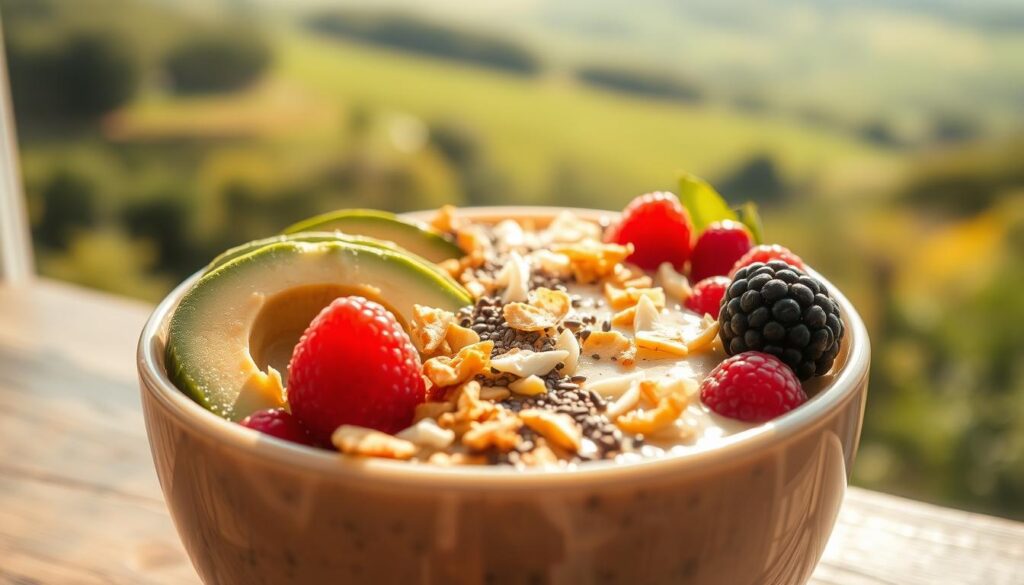
Which Healthy Fats Work Best?
- Chia seeds: Add fiber, plant-based omega-3 fats, and thickness.
- Ground flaxseed: Offers fiber and omega-3 fats with a mild, nutty taste.
- Hemp hearts: Provide fats and some plant protein.
- Avocado: Makes smoothies creamy without a strong flavor.
- Peanut or almond butter: Adds richness, some protein, and extra calories.
For regular smoothie makers, Viva Naturals Organic Chia Seeds, 2 lb, offer a simple way to add fiber and plant-based fats. The listed product contains whole organic chia seeds, which can be blended into smoothies or added to yogurt and oats.
Begin with one tablespoon, particularly if you’re not used to high-fiber foods. Chia absorbs liquid and thickens smoothies as they sit, so add more liquid when necessary. It’s not a replacement for a meaningful protein source, and people with swallowing difficulties should avoid consuming dry chia seeds by themselves.
- PLANT-BASED OMEGAS-3 — Omega fatty acids are essential fatty acids, and luckily chia seeds organic contain omega-3s. Incorporate them into almost any diet or lifestyle to help meet your nutritional needs.
- NUTRIENT-DENSE SUPERFOOD — Not only do chia seeds contain plant-based omega-3s and 6s, but they also contain calcium and are high in fiber, too.
- PERFECT FOR SMOOTHIES, SALADS AND MORE — With a neutral flavor, chia seeds ground can be easily mixed into drinks, savory dishes and baked goods. Stir some into your salad dressings and marinades, sprinkle over yogurt, or overnight oats.
- VEGAN PROTEIN — Looking for a versatile plant-based protein to incorporate in your diet? Mix some chia seeds into your morning smoothie or juices for an added veggie-friendly protein.
You don’t need a dedicated seed product to make a good smoothie. A small spoon of nut butter or some avocado can serve a similar practical role, depending on which nutrients and texture you want.
How Much Sugar Is Too Much in a Smoothie?
One of the biggest smoothie mistakes is confusing natural sugar with added sugar. Whole fruit contains naturally occurring sugars alongside fiber and other nutrients. Added sugars come from ingredients such as syrups, honey, or sweetened yogurt.
Even 100% fruit juice can contribute a concentrated amount of natural sugar without the fiber found in whole fruit. According to the CDC, reducing added sugars is an important part of healthy eating.
Simple Ways to Reduce Sugar
- Choose plain Greek yogurt instead of sweetened varieties.
- Use unsweetened milk or plant-based milk.
- Replace juice with water or milk and whole fruit.
- Try cinnamon, vanilla, or ginger for extra flavor.
- Taste before adding honey, maple syrup, or other sweeteners.
- Check both total carbohydrates and added sugars on packaged smoothie labels.
If you have diabetes, remember that fruit, milk, and oats still provide carbohydrates even when no sugar is added. The American Diabetes Association recommends considering fruit portions as part of your overall carbohydrate intake.
Smoothie Calories and Portion Sizes: Snack vs. Meal
A smoothie meant to replace breakfast should contain more nourishment than one you drink between meals. There is no perfect calorie target for everyone because needs vary with age, activity, appetite, and health goals.
Use the following ranges as flexible starting points rather than strict requirements.
For a Snack Smoothie
- Approximately 150–300 calories.
- About 10–15 grams of protein, when practical.
- A modest portion of fruit with a protein source.
- Optional small amounts of seeds or nut butter.
For a Meal Smoothie
- Often around 350–600 calories, adjusted to individual needs.
- Roughly 20–30 grams of protein as a useful starting point.
- Fruit and vegetables for fiber and nutrients.
- Some healthy fat, with oats or other ingredients when more energy is needed.
Nut butter, seeds, oats, and avocado are nutritious but can increase calories quickly. Measure these ingredients occasionally so you understand how much you’re adding. A meal smoothie should leave you comfortably satisfied, not force you to meet an arbitrary number.
How to Make a Healthy Smoothie: Easy Step-by-Step Recipe
This simple berry smoothie uses familiar ingredients and needs no protein powder. It works as a starting recipe that you can adjust for a lighter snack or a more substantial breakfast.
Ingredients
- 3/4 cup plain Greek yogurt
- 1/2 cup milk or unsweetened soy milk
- 3/4 cup frozen mixed berries
- 1 handful fresh spinach
- 1 tablespoon chia seeds or ground flaxseed
- A little water if needed
- Optional: 1–2 tablespoons rolled oats for additional thickness and energy
Instructions
- Add the liquid first. Pour milk into your blender so the other ingredients can move freely.
- Add the yogurt and spinach. Blend briefly until the greens are well mixed.
- Add frozen berries. Blend until the fruit breaks down.
- Add chia or flaxseed. Blend again to combine evenly.
- Adjust the texture. Add a small splash of liquid if the mixture is too thick.
- Taste and serve. Let the fruit provide sweetness before considering any extra sweetener.
Want more protein? Add some protein powder according to its label instructions or increase the yogurt portion. For a dairy-free version, use silken tofu and unsweetened soy milk. These changes will affect the total nutrients and calories.
If your smoothie tastes bitter, try reducing the greens or adding a little more berry or banana. If it’s too thin, use less liquid next time or add a small amount of oats or frozen fruit.
Frequently Asked Questions
Can I drink a smoothie every day?
Yes. A well-balanced smoothie can fit into your daily eating routine. Vary your ingredients, watch portions, and continue eating a variety of whole foods rather than relying on smoothies for all your nutrition.
Does blending fruit destroy its fiber?
No. Blending changes the texture and breaks food into smaller pieces, but it does not remove fiber the way juicing often does. Whole fruit may still be more filling for some people.
Are frozen fruits as healthy as fresh fruits?
Both can be nutritious. Freezing can preserve many nutrients, though some vitamin levels change during storage and processing. Choose frozen fruits without added sugar whenever possible.
Can smoothies help with weight loss?
They can fit into a weight-management plan, but smoothies do not cause weight loss on their own. Total calorie intake, appetite, portion size, and your overall eating habits matter more than whether a meal is blended.
Can people with diabetes drink smoothies?
Yes, with attention to carbohydrate amounts and portions. Use whole fruit rather than juice, include protein and fiber, and avoid unnecessary sweeteners. Individual blood sugar responses vary, so use your diabetes meal plan and glucose readings to guide choices.
Final Verdict: Are Smoothies Really Healthy?
Yes, smoothies can be a healthy choice when you build them thoughtfully. Whole fruit, vegetables, enough protein, and a little healthy fat can turn a convenient drink into a nutritious snack or meal.
Start with ingredients you already have. Use frozen produce to save time, keep added sugars low, and choose a portion that matches your appetite. Protein powder and other add-ins are optional conveniences, not requirements.
For more on the benefits and possible drawbacks, read Utah State University Extension’s guide to smoothies. The best smoothie is one that tastes good, meets your nutritional needs, and fits naturally into a varied diet.