

Ever wished your morning coffee could help you focus without making you feel restless or jittery? Matcha might be worth trying. This bright green tea contains caffeine alongside L-theanine, an amino acid that may support attention and a calmer state of mind.
Matcha is powdered green tea made from shade-grown leaves of the Camellia sinensis plant. Unlike regular green tea, where you steep and discard the leaves, matcha lets you consume the finely ground leaf itself. That means you get caffeine, L-theanine, and plant compounds called catechins in one drink.
Research suggests that L-theanine and caffeine together may improve certain attention tasks. However, matcha does not guarantee jitter-free energy, and much of the research uses isolated compounds rather than ordinary cups of tea.
Let’s explore how this combination works, what the science supports, and how to prepare matcha for a satisfying daily routine.
Key Takeaways
- Matcha contains caffeine and L-theanine. Together, these compounds may support alertness and attention.
- Some people find matcha gentler than coffee, but fewer jitters and caffeine crashes are not guaranteed.
- Research is promising but limited. Short-term attention benefits have stronger support than claims about anxiety, memory, or long-term brain health.
- Matcha also contains antioxidants, including EGCG, although its long-term health effects need more research.
- Start with a small serving. About 1 teaspoon (roughly 2 grams) is a practical starting point, depending on your caffeine tolerance.
What Makes Matcha Different From Regular Green Tea?
Matcha and regular green tea come from the same plant, but they are grown and prepared differently. Traditional Japanese matcha is made from leaves shaded before harvesting. The leaves are processed into a fine powder that mixes directly with water.
Why Shade-Growing Matters
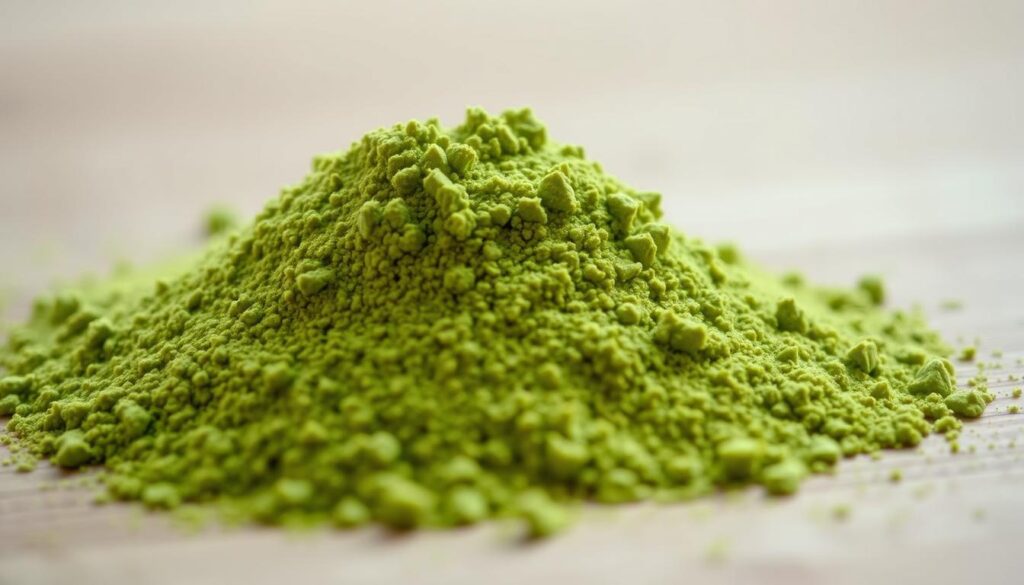
Farmers typically shade the tea plants for about two to three weeks before harvest. This process influences the leaves’ chlorophyll and amino acid content, contributing to matcha’s deep green color and distinctive savory taste.
L-theanine is one of the important amino acids found in tea. Matcha also contains caffeine and catechins, including epigallocatechin gallate (EGCG), which have been studied for their antioxidant properties.
Matcha Powder vs. Brewed Green Tea
The biggest difference is how much of the leaf you consume. With matcha, the powder stays in your drink. With regular green tea, you drink water that has absorbed compounds from the steeped leaves.
| Feature | Matcha | Brewed Green Tea |
|---|---|---|
| Preparation | Whisk powder into water | Steep leaves and remove them |
| What you consume | Finely ground whole leaf | Tea infusion |
| Caffeine | Often more per serving | Usually less per cup |
| Flavor | Rich, grassy, slightly savory | Lighter and more delicate |
| Common uses | Tea, lattes, smoothies | Hot or iced tea |
Actual caffeine and antioxidant levels depend on the tea, serving size, and preparation. Consuming the whole leaf does not automatically make every cup of matcha healthier than regular green tea.
How L-Theanine and Caffeine Work Together
The main reason matcha attracts attention is its combination of two naturally occurring compounds with different effects on the nervous system.
- Caffeine: Helps you feel awake by blocking adenosine, a brain chemical involved in sleepiness.
- L-theanine: An amino acid that may influence brain activity associated with attention and relaxation.
When consumed together, these compounds may support certain types of mental performance. But they do not cancel each other out, and L-theanine does not remove caffeine’s side effects.
Can L-Theanine Promote Relaxed Alertness?
Some small studies suggest L-theanine can influence alpha brain-wave activity. These brain-wave patterns are often associated with relaxed wakefulness, although their presence does not prove that someone will feel calm or concentrate better.
Scientists are also investigating L-theanine’s effects on brain signaling. However, claims that drinking matcha reliably increases GABA, dopamine, or serotonin enough to improve mood go beyond what human research has established.
What Does Research Say About the Combination?
A 2025 systematic review and meta-analysis examined 50 randomized controlled trials involving tea, L-theanine, caffeine, or their combinations. Fifteen studies provided data for at least one pooled analysis.
The researchers found possible small-to-moderate improvements in certain attention tasks, including attention switching and accuracy. However, several results remained uncertain, and the evidence was largely based on controlled testing rather than everyday matcha drinking.
A 2026 review of 31 randomized trials also found evidence of short-term attention benefits from L-theanine. Its effects on stress and anxiety were less consistent.
One important limitation: Studies sometimes use concentrated amounts of L-theanine that are much higher than those found in a normal serving of matcha. Results from those studies cannot automatically be applied to one cup of tea.
Can Matcha Improve Focus, Memory, and Mood?
Matcha may be a useful drink during mentally demanding activities, but different benefits have different levels of scientific support.
1. Attention and Reaction Time
This is one of the more promising areas. Research on caffeine and L-theanine suggests the combination may help people respond accurately or switch attention between tasks in short-term tests.
For example, you might choose matcha before studying, reading, or completing focused computer work. Whether it noticeably improves your performance will depend on your response to caffeine and other factors.
2. Stress and Mental Calmness
Some L-theanine research suggests modest stress-related benefits, but findings vary. Matcha still contains caffeine, which may increase nervousness or anxiety in sensitive people.
If you already feel tense after caffeinated drinks, start with a smaller serving rather than assuming matcha will prevent that reaction.
3. Memory and Verbal Fluency
A few studies have examined memory and verbal performance, but the findings are not strong enough to promise better recall or smoother speaking during meetings.
Matcha may help you feel more alert, but it cannot replace sleep, regular breaks, or other habits that support cognitive performance.
When Should You Drink Matcha for Focus?
If you want to see how it affects your concentration, try a small serving roughly 30–60 minutes before a planned work or study session. This is a practical trial period, not a scientifically proven ideal time for matcha.
Avoid relying on matcha to compensate for poor sleep. If caffeine affects your sleep, keep it earlier in the day.
Does Matcha Provide More Steady Energy Than Coffee?
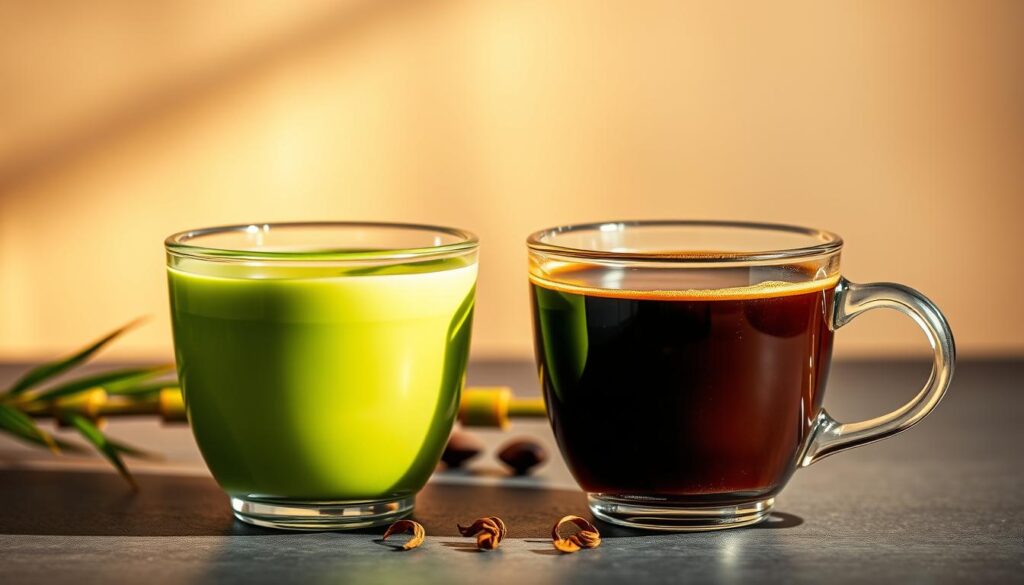
Many people describe matcha as providing smoother energy than coffee. That experience is possible, but the science does not establish that matcha always produces fewer jitters or prevents an energy crash.
Serving size may explain some of the difference. A small matcha drink often contains less caffeine than a large cup of brewed coffee.
How Much Caffeine Is in Matcha?
Matcha’s caffeine content varies widely by product. A 2025 laboratory comparison of matcha products reported caffeine concentrations ranging from about 21 to 55 milligrams per gram among tested samples.
That means a 2-gram serving could provide approximately 40–110 milligrams of caffeine across products with similar concentrations. Your own powder may differ.
By comparison, an ordinary 8-ounce brewed coffee often contains roughly 80–100 milligrams, although amounts can vary substantially.
The practical difference: If you replace a strong coffee with a smaller amount of caffeine from matcha, you may feel less stimulated. That does not necessarily mean L-theanine alone caused the difference.
For another comparison, see this matcha versus coffee overview.
Beyond Focus: Matcha Antioxidants and Health Benefits
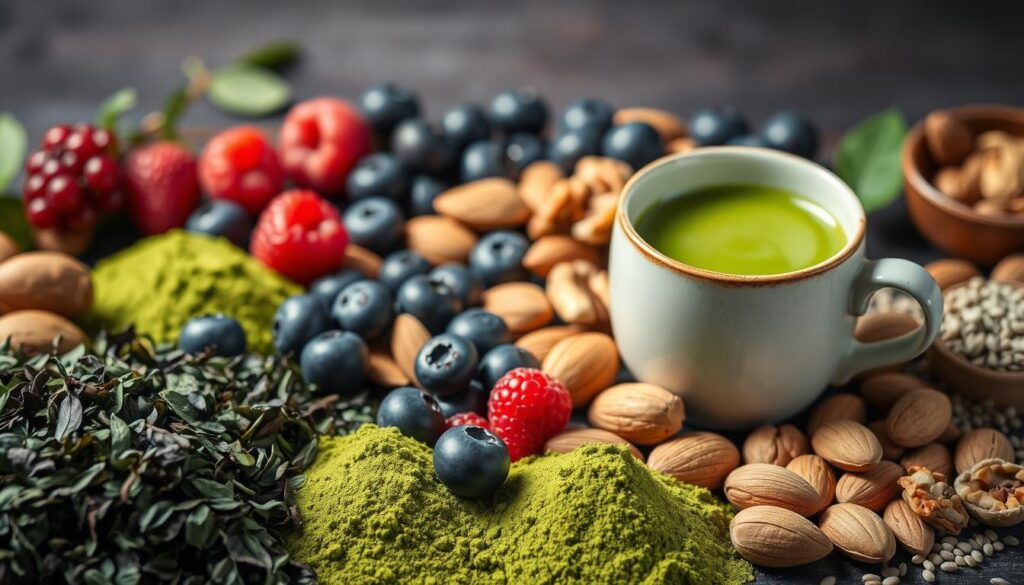
Matcha contains plant compounds known as polyphenols, especially catechins. One of the best studied is EGCG, which can act as an antioxidant in laboratory experiments.
Antioxidant Activity
Antioxidants interact with free radicals, molecules that can contribute to cell damage. However, high antioxidant activity in a laboratory does not automatically prove that drinking matcha prevents disease or slows aging.
Matcha can contribute useful plant compounds to a balanced diet, alongside foods such as fruits, vegetables, nuts, and beans.
Heart Health
Research on green tea suggests it may modestly improve certain cholesterol measures. Some observational studies also connect tea drinking with better cardiovascular outcomes, but those associations do not prove that tea caused the benefits.
The National Center for Complementary and Integrative Health notes that much of the clinical evidence involves green tea extracts, not matcha beverages.
Matcha should therefore be viewed as a possible part of a heart-healthy routine rather than a treatment for high blood pressure or cholesterol.
Weight Management and Metabolism
Green tea compounds and caffeine may have small effects on energy expenditure or body weight, but research results vary. Drinking matcha alone is unlikely to produce meaningful weight loss.
What may be more useful is replacing a high-calorie sweetened beverage with unsweetened matcha. That changes your calorie intake without depending on an uncertain metabolism-boosting effect.
For long-term weight management, nutrition, physical activity, adequate sleep, and sustainable habits matter much more.
How to Prepare Matcha for Better Flavor
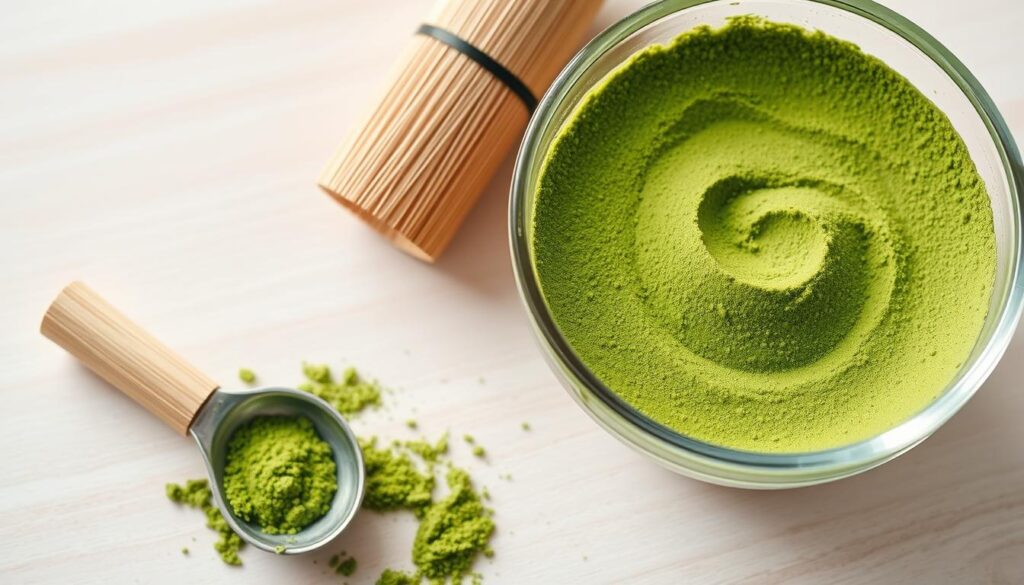
You do not need expensive equipment or a complicated tea ceremony to enjoy matcha. The basic method uses powder, hot water, and a whisk.
Simple Matcha Recipe
- Measure the powder. Start with approximately 1 teaspoon (2 grams), using a scale if you want consistent servings.
- Sift it. A fine kitchen strainer can remove clumps.
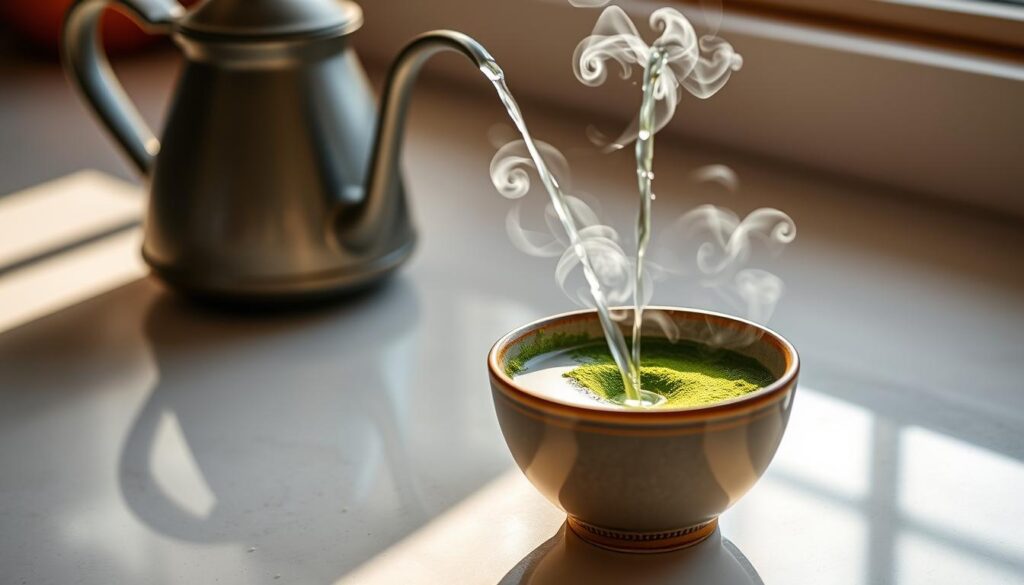
- Heat the water. Aim for about 160–175°F (71–79°C) to help avoid an overly bitter taste.
- Make a smooth mixture. Add 1–2 ounces of water and mix until the powder is evenly combined.
- Whisk and adjust. Add more water to taste, then whisk in a quick zigzag motion until lightly frothy.
A traditional bamboo whisk can help create fine foam, but it is optional. A small kitchen whisk or handheld frother can also work. Hot-water temperature mainly affects taste; it does not guarantee stronger cognitive benefits.
Other Easy Ways to Enjoy Matcha
- Matcha latte: Mix prepared matcha with warm milk or an unsweetened milk alternative.
- Iced matcha: Blend the powder with a little water, then add cold water and ice.
- Smoothie: Blend a small amount into yogurt, fruit, and milk.
- Breakfast bowl: Stir a little powder into oatmeal or yogurt for a different flavor.
Choose unsweetened options when possible. Café-style matcha drinks may contain considerable added sugar, which changes their nutritional value.
How to Choose and Store Quality Matcha
Good matcha should have a fine texture, a fresh aroma, and a flavor suited to how you plan to drink it. You do not automatically need the most expensive powder.
Ceremonial vs. Culinary Matcha
These are common marketing categories rather than a single universal quality standard.
- Ceremonial-style matcha: Often made from younger leaves and chosen for its smoother taste when prepared with water.
- Culinary matcha: Usually more affordable, with a stronger flavor that works well in lattes, smoothies, and recipes.
Higher price does not necessarily mean more antioxidants. The 2025 laboratory comparison linked above found higher average levels of several phenolic compounds in the culinary products tested.
What to Check Before Buying
- Ingredients: Look for 100% matcha green tea without unnecessary sweeteners or fillers.
- Origin and freshness: Choose brands that clearly explain sourcing and provide useful packaging information.
- Contaminant testing: Prefer brands that provide credible, recent testing information for heavy metals and pesticides.
- Packaging: An airtight, light-resistant container helps preserve flavor and quality.
Organic certification addresses production practices, but it does not guarantee that a product is free of heavy metals. Transparent testing information is a more useful additional quality check.
After opening, seal the container tightly and store it away from heat, moisture, and direct sunlight. Follow the manufacturer’s storage directions.
Matcha Safety: Side Effects and Daily Limits
Matcha is generally well tolerated as a beverage, but its caffeine content can cause problems for some people. Drinking more does not automatically produce better focus.
Common Side Effects
Possible reactions include:
- Jitteriness, anxiety, or restlessness
- Difficulty falling or staying asleep
- Headaches or a faster heartbeat
- Nausea or stomach discomfort
- Palpitations in caffeine-sensitive individuals
If you experience these symptoms, reduce your caffeine intake or stop drinking matcha and seek medical advice when appropriate. Persistent or severe symptoms need prompt assessment.
How Much Matcha Is Safe per Day?
The FDA cites 400 milligrams of caffeine per day as an amount not generally associated with negative effects in most healthy adults. This is not a target everyone should try to reach.
There is no single proven matcha serving that is optimal for everyone. Consider starting with 1–2 grams, checking the caffeine information supplied by the brand, and counting caffeine from coffee, tea, energy drinks, and other sources.
People with anxiety, heart rhythm concerns, uncontrolled blood pressure, or significant caffeine sensitivity may need lower amounts.
Pregnancy, Medications, and Liver Health
- Pregnancy: The American College of Obstetricians and Gynecologists advises keeping total caffeine below 200 milligrams daily during pregnancy. Discuss individual limits with your prenatal clinician.
- Breastfeeding: Caffeine passes into breast milk. High intake may contribute to fussiness or sleep difficulties in some infants.
- Medication interactions: Green tea may interact with certain medicines, including nadolol. Check with your pharmacist or clinician if you take regular medication.
- Liver concerns: Rare liver injuries have been linked mainly to concentrated green tea extract supplements, not ordinary tea drinking. Avoid treating extracts as interchangeable with matcha beverages.
Tea polyphenols can also reduce the absorption of iron from plant foods when consumed with meals. If you have iron deficiency, consider separating tea from iron-rich meals or supplements according to your clinician’s guidance.
Conclusion: Is Matcha Worth Trying for Calm Focus?
Matcha offers an interesting combination of caffeine and L-theanine. Research suggests these compounds may provide small improvements in certain attention tasks, but claims about guaranteed calm energy, fewer crashes, or lasting brain benefits remain uncertain.
If you enjoy green tea, try a small serving of unsweetened matcha earlier in the day and pay attention to how you feel. Choose a quality powder, monitor your caffeine intake, and use a preparation method you enjoy.
Matcha can be a pleasant part of a healthy routine. It works best as a beverage you enjoy, not as a replacement for sleep or proven health practices.
Frequently Asked Questions
Does matcha contain enough L-theanine to improve focus?
Matcha naturally contains L-theanine, but its amount varies among products. Some studies showing attention benefits have used larger isolated doses than an ordinary cup provides. Your results may therefore differ from those reported in clinical trials.
Does matcha prevent caffeine crashes?
Not reliably. Some people describe matcha as providing smoother energy, but there is not enough evidence to promise fewer crashes than coffee. Total caffeine intake, serving size, sleep, and personal sensitivity all matter.
Can I drink matcha every morning?
Many healthy adults can include moderate amounts of matcha in their routine. Start small, monitor total caffeine, and adjust if you notice anxiety, stomach discomfort, palpitations, or disturbed sleep.
Is matcha better than taking L-theanine supplements?
They serve different purposes. Matcha is a caffeinated beverage containing several plant compounds, while supplements may contain a measured amount of isolated L-theanine. Their effects are not interchangeable, and supplements require their own safety and quality considerations.
Should I drink matcha before a workout?
You can, provided you tolerate caffeine. It may help you feel more alert, but matcha-specific evidence for improved exercise performance is limited. Avoid combining it with a strong caffeinated pre-workout if doing so would push your intake too high.
Is ceremonial matcha healthier than culinary matcha?
Not necessarily. Ceremonial-style matcha is often selected for its smoother flavor, while culinary matcha can contain comparable or higher levels of certain antioxidant compounds. Choose based on ingredient quality, flavor, intended use, and reliable testing rather than the label alone.