


You do not need a perfect diet to improve heart and metabolic health. A few repeatable changes—especially cutting back on sugary drinks, processed meats, foods high in unhealthy fats, high-mercury fish, and heavily refined packaged foods—can lower your intake of added sugar, sodium, and saturated fat while making room for more fiber and nutrient-dense foods.
Current American Heart Association guidance emphasizes vegetables and fruits, whole grains, healthier protein sources, unsaturated fats, minimally processed foods, less sodium, and fewer added sugars. The goal is not to ban every food on this list forever. It is to make the less-helpful choices occasional rather than routine.
Key Takeaways
- Sugary drinks are an easy place to cut added sugar because they provide little fullness.
- Processed and cured meats can add substantial sodium and are better treated as occasional foods.
- Industrial trans fats are now uncommon in the U.S., but saturated fats from coconut and palm oils still deserve moderation.
- Choose lower-mercury seafood such as salmon, sardines, anchovies, herring, and Atlantic mackerel more often.
- Read labels on “healthy” packaged foods; added sugar, sodium, saturated fat, and low fiber matter more than front-of-pack claims.
Helpful Products at a Glance
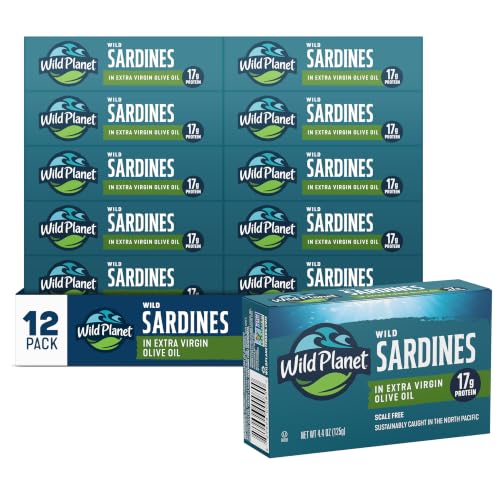
For a convenient lower-mercury seafood option, Wild Planet sardines are practical, but they contain sea salt, so compare sodium if you are limiting salt closely.
- DELICIOUS WILD SARDINES- Meaty, and scale-free, WIld Planet's Wild Sardines in Extra Virgin Olive Oil are delicious, tender, and have a light smokey flavor.
- CONVENIENCE AND QUALITY- With a convenient pull tab, enjoy these sardines at home or on-the-go for a great-tasting, satisfying snack or healthy lunch.
Why these five foods matter
Heart-health guidance consistently points in the same direction: eat more minimally processed plant foods, whole grains, legumes, nuts, fish, and unsaturated oils, while reducing added sugars, excess sodium, saturated fat, and heavily processed foods. Sodium can raise blood pressure in salt-sensitive people, while replacing saturated fats with unsaturated fats can help lower LDL cholesterol.

The biggest payoff usually comes from habits you repeat every day. Swapping one soda, one deli-meat lunch, or one highly refined snack may sound small, but those changes can meaningfully improve the overall pattern of your diet.
1. Sugar-sweetened drinks
Regular soda, sweet tea, fruit drinks, energy drinks, and sweetened coffees can deliver a large amount of added sugar without the fiber or fullness you would get from whole food. The CDC notes that frequent intake of sugar-sweetened beverages is associated with weight gain, type 2 diabetes, heart disease, and other health problems.
Water, sparkling water, and unsweetened tea are straightforward swaps. If you drink juice, choose 100% juice and keep portions modest; whole fruit is usually more filling because it retains fiber. Be especially careful with labels such as “juice drink” or “juice cocktail,” which may include added sweeteners.
Energy drinks need extra caution: caffeine content varies widely, and large doses can temporarily raise heart rate or blood pressure in some people and interfere with sleep. If you have cardiovascular concerns or are sensitive to stimulants, check the caffeine amount rather than assuming every can is similar.
2. Processed and cured meats
Bacon, sausage, salami, ham, and many deli meats can be high in sodium and saturated fat. Regularly relying on them can make it much harder to stay within a heart-friendly sodium pattern, especially because the American Heart Association notes that most dietary sodium comes from packaged, prepared, and restaurant foods rather than the salt shaker.

Better everyday sandwich or snack options include leftover chicken or turkey, eggs, hummus, beans, canned salmon, or sardines. You do not have to eliminate cured meat completely; reducing how often you eat it is a realistic first step.
3. Foods high in trans fat or saturated tropical fats
Industrial trans fat deserves a little context. The FDA removed partially hydrogenated oils—the former main source of artificial trans fat—from most U.S. food uses, so they are far less common than they once were. Still, checking the ingredient list is useful, particularly with imported or specialty products.
Coconut, palm, and palm-kernel oils are different: they are not trans fats, but they are high in saturated fat. The American Heart Association recommends limiting saturated fat and replacing it with unsaturated fat when possible. For routine cooking, oils such as olive, canola, avocado, or other liquid plant oils are usually better fits.
Label cue: compare saturated fat per serving and avoid products that still list partially hydrogenated oil. For baking, choose the fat that works for the recipe, but keep your overall saturated-fat intake in mind rather than treating one ingredient as automatically “good” or “bad.”
4. High-mercury seafood
Fish can be an excellent source of protein and healthy fats, so the goal is not to avoid seafood. The FDA and EPA identify several higher-mercury choices to avoid for people who are pregnant or breastfeeding and for children, including king mackerel, marlin, orange roughy, shark, swordfish, Gulf of Mexico tilefish, and bigeye tuna. Mercury levels also vary by species and location, so broad labels such as “tuna” or “mackerel” can be misleading.

Lower-mercury choices include salmon, sardines, anchovies, herring, Atlantic mackerel, trout, and canned light tuna. Rotate species rather than eating the same fish every time, especially if seafood is a frequent part of your diet.
If canned fish helps you eat seafood more consistently, Wild Planet Wild Sardines in Extra Virgin Olive Oil, 4.4-ounce cans are a convenient option. The verified Amazon listing is for a 12-pack and the product provides 18 grams of protein per 3-ounce serving. Because this version contains sea salt, people closely limiting sodium may prefer to compare it with no-salt-added sardines.
- DELICIOUS WILD SARDINES- Meaty, and scale-free, WIld Planet's Wild Sardines in Extra Virgin Olive Oil are delicious, tender, and have a light smokey flavor.
- CONVENIENCE AND QUALITY- With a convenient pull tab, enjoy these sardines at home or on-the-go for a great-tasting, satisfying snack or healthy lunch.
- NUTRITIONAL POWERHOUSES- One 3 oz serving contains 18 g of clean protein, 1,800 mg of EPA & DHA Omega 3s and 50% of your daily value of vitamin D.
- SCALE-FREE- Our Wild Sardines in EVOO contain scale-free skin and bones and are Non-GMO verified, gluten-free, and OU Kosher Pareve.
5. Refined and “health halo” packaged foods
A food does not become nutritious because the package says “natural,” “energy,” or “wellness.” Flavored yogurts, granola bars, sweetened cereals, snack cakes, and some packaged breakfast foods can contain plenty of added sugar while providing little fiber or protein.

Use the Nutrition Facts label rather than the marketing copy. Compare added sugars, sodium, saturated fat, fiber, and serving size. Plain Greek yogurt with fruit, oatmeal, nuts, whole-grain toast, or a minimally sweetened muesli can be more filling choices than products built mainly around refined grains and sweeteners.
Fruit is not the problem—added syrup can be
Whole fruit is a useful source of fiber, vitamins, minerals, and plant compounds. For canned fruit, choose versions packed in water or 100% juice more often than heavy syrup. Even 100% juice is less filling than whole fruit, so treat it as a drink rather than a substitute for all your fruit servings.
Simple swaps that make the plan easier
- Drink: soda or sweet tea → water, sparkling water, or unsweetened tea.
- Lunch: deli meat most days → chicken, eggs, hummus, beans, salmon, or sardines.
- Cooking fat: frequent coconut or palm oil → olive, canola, avocado, or another liquid plant oil.
- Breakfast: sweet cereal or flavored yogurt → oats or plain Greek yogurt with fruit and nuts.
- Snack: candy or low-fiber snack bars → fruit, unsalted nuts, vegetables with hummus, or a higher-fiber option.
How to read labels without overthinking it
Start with the serving size, then compare added sugars, sodium, saturated fat, and fiber. The American Heart Association recommends limiting added sugar and saturated fat and keeping sodium to no more than 2,300 mg a day, with an ideal target of 1,500 mg for most adults. Personal sodium targets can differ, so follow clinician guidance if you have been given a specific sodium plan.
The FDA’s Nutrition Facts label guide is a useful reference. When comparing similar products, choose the one that better fits your priorities instead of assuming a short ingredient list automatically means healthier.
A simple day that puts these swaps into practice
Breakfast: plain Greek yogurt with berries, oats, and nuts. Lunch: a whole-grain sandwich or bowl with chicken, hummus, beans, or fish plus vegetables. Snack: fruit with a small handful of unsalted nuts. Dinner: salmon, sardines, or lentils with a whole grain and vegetables. Water and unsweetened tea can cover most hydration needs.
For more practical snack ideas, see this meal-friendly snack guide.
Conclusion
The most useful nutrition changes are the ones you can repeat. Start by reducing one frequent source of added sugar, sodium, or saturated fat rather than trying to rebuild your entire diet in a weekend. Replace it with something you genuinely like, and make that swap your new default.
Over time, a pattern built around vegetables and fruit, whole grains, legumes, nuts, fish, lean proteins, and unsaturated oils gives you more nutritional value without requiring rigid food rules.
FAQ
What are the five foods to limit most?
A practical evidence-based list is sugar-sweetened drinks; processed and cured meats; foods high in industrial trans fat or frequently used saturated tropical fats; high-mercury seafood; and refined packaged foods high in added sugar and low in fiber.
Do I need to completely stop eating these foods?
No. Except for specific higher-mercury fish that certain groups are advised to avoid, the bigger goal is frequency and overall dietary pattern. Foods such as bacon, coconut oil, or sweetened cereal can fit occasionally if most meals are built around minimally processed, nutrient-dense foods.
Which fish are lower in mercury?
FDA “Best Choices” include salmon, sardines, anchovies, herring, Atlantic mackerel, trout, shrimp, and canned light tuna. People who are pregnant or breastfeeding and children should follow FDA/EPA serving guidance closely.
Are partially hydrogenated oils still common?
They are much less common in the U.S. because FDA actions removed partially hydrogenated oils from most food uses. Trans fat can still occur naturally in small amounts in some animal foods, and imported or specialty products still make label reading worthwhile.
What is the easiest first change?
If you regularly drink sugary beverages, replacing one with water or unsweetened tea is often a simple high-impact place to start. Otherwise, pick whichever item on this list you eat most frequently and choose one realistic substitute.