

Can traditional herbs really help with stress, sleep, menopause, and women’s health? Some may offer benefits, but the science is stronger for certain herbs than others.
Ayurveda, a traditional healing system from India, has used plants such as shatavari, ashwagandha, amla, and moringa for centuries. Red clover, another popular women’s wellness herb, comes mainly from Western herbal traditions.
These five herbs have different strengths. Ashwagandha has promising research for stress and sleep, shatavari has emerging evidence for menopausal symptoms, and moringa provides valuable nutrients. However, none is a proven solution for every hormonal or reproductive concern.
This guide explains their potential benefits, what research actually shows, practical ways to use them, and important safety concerns before choosing a supplement.
Key Takeaways
- Shatavari: Small clinical studies suggest it may help some menopausal symptoms, but fertility benefits remain unproven.
- Ashwagandha: Research suggests short-term benefits for stress and sleep, although it has important medication and pregnancy risks.
- Red clover: Contains plant compounds similar to estrogen, but evidence for hot flash relief remains inconsistent.
- Amla: Supplies antioxidants, with early research suggesting possible benefits for blood sugar and cholesterol.
- Moringa: Provides nutrients and has promising research on breast milk production, but cannot replace treatment for nutritional deficiencies.
- Safety matters: Choose appropriately tested products and consider medication interactions, pregnancy, and possible heavy-metal contamination.
Helpful Products at a Glance
Banyan Botanicals Organic Shatavari Tablets: A convenient shatavari root option for adults exploring traditional midlife wellness support. Evidence remains limited, and the tablets are not proven fertility treatments.
- THE QUEEN OF HERBS FOR VITALITY Shatavari (Asparagus racemosus) is revered in Ayurveda as "the queen of herbs." This cooling, nourishing, and pure (sattvic) rejuvenating tonic is best known for its traditional use in supporting all facets of a healthy female reproductive system and promoting long-term vitality.*
- COOLING SUPPORT FOR MODERN STRESS Navigate a fast-paced life stress-free. As a well-known adaptogen, Shatavari helps the body manage stress. Its naturally cooling properties help soothe excess heat in the system, making it an ideal support for anyone seeking a more peaceful, easeful daily experience.*

Gaia Herbs Ashwagandha Root: An herbal extract in vegan capsules for adults considering short-term stress or sleep support. It is unsuitable during pregnancy and may interact with medications.
- CLINICALLY STUDIED STRESS AND SLEEP SUPPORT: Ashwagandha root was shown to support healthy stress balance and restorative sleep in a clinical study of healthy adults.*
- ADAPTOGEN FOR CORTISOL BALANCE: This traditional Ayurvedic herb supports healthy cortisol levels and helps women and men adapt to life's everyday stressors.*

Organic India Moringa Leaf Capsules: A convenient alternative to loose moringa powder for adults who prefer capsules. It does not replace vegetables, prescribed iron, or prenatal supplements.
- IMMUNE SUPPORTING: Harness the antioxidant and bioactive compounds of Organic India Moringa Oleifera to bolster a healthy immune system, providing robust support for overall wellness and vitality
- THE POWER OF THE MORINGA LEAF: Hailed as one of the most complete, nutrient-dense plants on earth, containing essential organic compounds and antioxidants to support your body's needs

Why Ayurvedic Herbs Interest Women Today
Ayurveda focuses on daily routines, eating habits, movement, rest, and traditional plant preparations. Its central idea is that caring for the whole person matters, rather than focusing on a single symptom.
That approach can fit modern wellness goals. Balanced meals, regular activity, and adequate sleep have well-established health benefits. Certain herbs may offer additional support for specific concerns, but traditional use alone does not prove that a treatment works.

Different life stages also bring different needs. A woman struggling with stress may consider very different options from someone managing menopause, low iron, or breastfeeding difficulties.
The most useful question is not whether an herb is natural. It is whether there is reliable evidence for your particular goal and whether the product is safe for you.
Five Herbs for Women’s Health Compared
Each plant has its own uses, research limitations, and safety considerations. This overview makes the differences easier to understand.
- Shatavari: Traditionally used for reproductive wellness; early human research focuses mainly on menopause.
- Ashwagandha: Studied for stress reduction, sleep quality, and changes in cortisol, a hormone involved in the stress response.
- Red clover: Contains isoflavones and is commonly promoted for menopause, although clinical findings are mixed.
- Amla: A vitamin C–containing fruit studied for antioxidant and metabolic effects.
- Moringa: A leafy plant used as food and studied for nutritional support and lactation.
These herbs are not interchangeable. For example, evidence supporting ashwagandha for stress does not mean it will correct menstrual irregularities. Similarly, moringa’s nutrient content does not make it an established anemia treatment.
1. Shatavari (Asparagus racemosus): Reproductive and Menopause Support
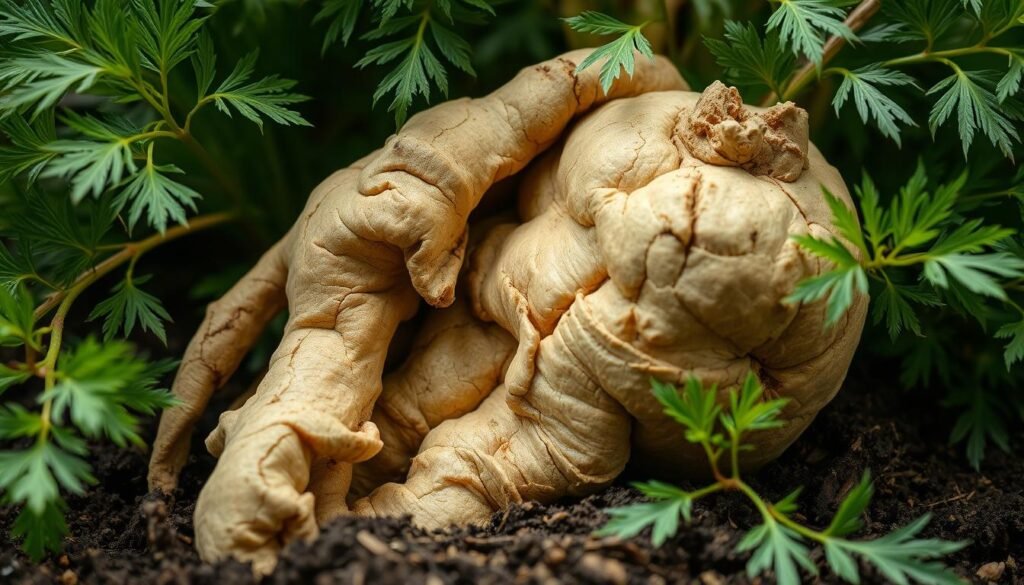
Shatavari is one of the best-known plants in traditional Ayurvedic women’s wellness. Its roots are used in powders, tablets, and extracts, often marketed for reproductive health and hormonal balance.
The plant contains compounds called saponins and flavonoids. Researchers are exploring their possible effects on menopausal symptoms, but the exact mechanisms in humans are not fully understood.
What the research shows
A 2024 randomized clinical trial involving 70 women found improvements in several menopausal symptoms among participants receiving a shatavari formulation compared with placebo.
Another randomized study involving 80 women reported improvements in symptoms including hot flashes and perceived stress over eight weeks. These findings are encouraging, but larger, longer, and independent studies are still needed.
Shatavari has not been proven to improve fertility, treat infertility, or reliably regulate menstrual cycles. Research on menopause should not be treated as proof of those different benefits.
How to use shatavari thoughtfully
- Powders: Can be mixed into food or drinks, but the amount and concentration vary.
- Tablets or capsules: Offer a convenient way to take a labeled serving without measuring powder.
- Standardized extracts: May help with consistent dosing, although different extracts are not necessarily equivalent.
For someone who prefers tablets, Banyan Botanicals Organic Shatavari Tablets provide a single-herb option in a 90-tablet bottle. The product is labeled USDA Organic, but that designation does not establish whether it treats menopausal symptoms or meets every contaminant-testing requirement.
Before using a concentrated shatavari preparation, discuss it with your clinician if you are pregnant, trying to conceive, breastfeeding, or receiving treatment for a hormone-sensitive condition.
- THE QUEEN OF HERBS FOR VITALITY Shatavari (Asparagus racemosus) is revered in Ayurveda as "the queen of herbs." This cooling, nourishing, and pure (sattvic) rejuvenating tonic is best known for its traditional use in supporting all facets of a healthy female reproductive system and promoting long-term vitality.*
- COOLING SUPPORT FOR MODERN STRESS Navigate a fast-paced life stress-free. As a well-known adaptogen, Shatavari helps the body manage stress. Its naturally cooling properties help soothe excess heat in the system, making it an ideal support for anyone seeking a more peaceful, easeful daily experience.*
- SUPPORT FOR GRACEFUL AGING & CALM Nourish your body and mind against the wear and tear of daily stressors. This grounding root powder helps maintain a steady state of calm while supporting the body's natural ability to age gracefully. Its restorative qualities help replenish the vital essence of the body, leaving you feeling rejuvenated and resilient.*
- TRADITIONAL "RASAYANA" REJUVENATION RITUAL Experience the purity of an additive-free Ayurvedic tonic. Shatavari powder is most effective when whisked into a warm, nourishing liquid like milk or water. This bulk powder format provides the most traditional delivery method, ensuring maximum absorption of the herb's protective and building properties.*
2. Ashwagandha (Withania somnifera): Stress and Sleep Support
Ashwagandha is an Ayurvedic herb commonly called an adaptogen, meaning a substance promoted for helping the body respond to stress.
Unlike many traditional remedies, ashwagandha has several human clinical trials studying its effects on stress and sleep. However, the results depend on the preparation, dose, study population, and treatment period.
Potential benefits supported by research
- Stress: Some trials found lower perceived stress among adults taking ashwagandha extracts.
- Cortisol: Several studies reported reductions in this stress-related hormone.
- Sleep: Certain preparations may modestly improve sleep quality or sleep duration.
- Anxiety symptoms: Early results are encouraging, but ashwagandha is not an established replacement for anxiety treatment.
The NIH Office of Dietary Supplements notes that short-term benefits are possible, while long-term safety and effectiveness remain uncertain.
Choosing an ashwagandha supplement
Products differ considerably. Some contain powdered roots, while others use concentrated extracts or blends of root and leaf. More milligrams do not automatically mean a more effective product.
Gaia Herbs Ashwagandha Root is one capsule-based option using a concentrated root extract. The 120-capsule version is designed around 60 servings, and the product listing identifies independent identity and potency testing.
It may be worth considering for adults interested in short-term stress support, provided a healthcare professional confirms it is appropriate. Breathing exercises, consistent sleep schedules, and relaxation routines remain useful options without supplements.
- CLINICALLY STUDIED STRESS AND SLEEP SUPPORT: Ashwagandha root was shown to support healthy stress balance and restorative sleep in a clinical study of healthy adults.*
- ADAPTOGEN FOR CORTISOL BALANCE: This traditional Ayurvedic herb supports healthy cortisol levels and helps women and men adapt to life's everyday stressors.*
- HERBAL EXTRACT BLEND: Our 350mg Ashwagandha root from India is delivered as a concentrated liquid extract in a easily dissolvable vegan capsule - Adults take 1 capsule twice daily
- QUALITY YOU CAN TRUST: Gluten-Free, Dairy-Free, Soy-Free and Vegan, with no artificial sweeteners, colors, or flavors added.* Independently tested by SuppCo for identity and potency against label claims.
Important side effects and precautions
Ashwagandha can cause stomach upset, diarrhea, and drowsiness. Rare cases of liver injury have also been reported.
It may affect thyroid function or interact with medications for blood pressure, diabetes, sleep, and immune suppression. Avoid ashwagandha during pregnancy, and do not use it while breastfeeding without medical guidance.
If symptoms such as yellowing skin, dark urine, unusual fatigue, or severe nausea develop during use, stop the supplement and seek medical care.
3. Red Clover (Trifolium pratense): Menopause and Plant Estrogens
Red clover is commonly used in Western herbal medicine rather than classical Ayurveda. It is included here because of its popularity in women’s health products, particularly those promoted for menopause.
The plant contains isoflavones, compounds that can interact with some estrogen receptors. Estrogen is a hormone that changes significantly during perimenopause and menopause.

Does red clover relieve hot flashes?
Research has produced mixed results. Some studies reported improvements in hot flashes or vaginal symptoms, while others found little meaningful benefit.
According to the National Center for Complementary and Integrative Health, evidence is not conclusive for menopause symptoms, cholesterol, or bone density.
Red clover is available as tea and standardized isoflavone extracts, but the amount of active compounds can vary widely. Tea and concentrated capsules should not be assumed to have the same effects.
Safety: Avoid red clover supplements during pregnancy and breastfeeding. Women with estrogen-sensitive conditions, those receiving hormone therapy, and anyone using medications that affect blood clotting should discuss concentrated preparations with their clinician.
For persistent hot flashes or night sweats, proven menopause treatments may provide more predictable relief than herbal supplements alone.
4. Amla (Phyllanthus emblica): Antioxidant and Metabolic Support
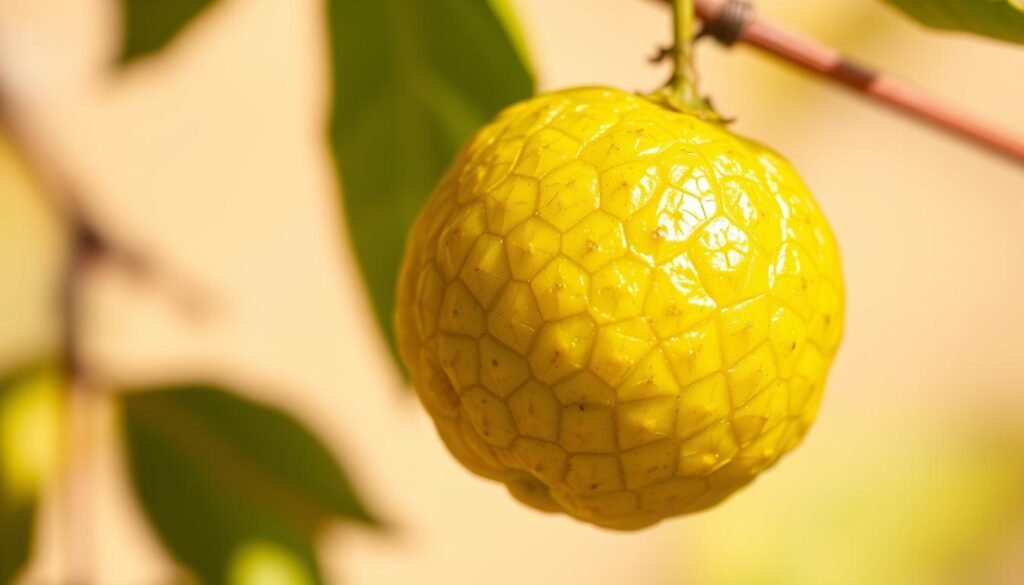
Amla, also known as Indian gooseberry, is a fruit widely used in Ayurveda. It contains vitamin C and plant compounds called polyphenols, which have antioxidant activity.
Antioxidants help protect cells from oxidative stress, a process involving unstable molecules that can damage cell structures. However, antioxidant content alone does not prove a supplement prevents disease.
Potential benefits for women’s wellness
A 2023 systematic review and meta-analysis of five randomized trials found improvements in several markers, including fasting blood glucose, LDL cholesterol, and triglycerides.
However, the studies were relatively small and short. More research is needed to determine whether these effects lead to meaningful long-term health improvements.
Amla is sometimes promoted for PCOS, menstrual irregularities, skin health, and hormonal balance. Although its nutritional profile is useful, there is not enough direct clinical evidence to claim it treats PCOS or regulates menstrual cycles.
Simple ways to include amla
- Fresh fruit: Eat as part of a varied diet when available.
- Unsweetened powder: Mix a small culinary amount into yogurt, smoothies, or food.
- Juice: Choose unsweetened varieties and check serving sizes.
- Concentrated extracts: Review the label and possible medication interactions before use.
Amla’s vitamin C can help the body absorb iron from plant foods. Pairing vitamin C–containing foods with beans, lentils, or leafy greens can be useful, especially for women who eat little meat.
If you take blood-sugar-lowering medication, speak with your healthcare provider before trying concentrated amla supplements because they may affect glucose levels.
5. Moringa (Moringa oleifera): Everyday Nutritional Support
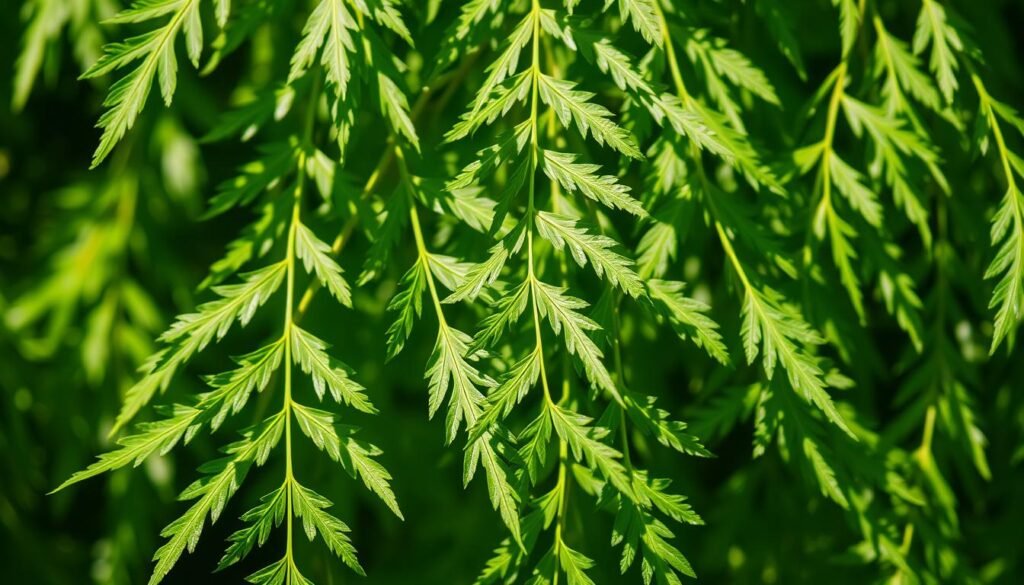
Moringa, also called Shigru in Ayurveda, is a tree whose leaves and pods are eaten in several parts of the world.
The leaves contain nutrients such as iron, calcium, plant protein, and various vitamins. Nutrient levels depend on growing conditions, processing, and the amount eaten.
What moringa may offer women
- General nutrition: Leaves can contribute nutrients to meals, especially where dietary variety is limited.
- Iron intake: Moringa contains plant-based iron, although the amount absorbed and provided per serving varies.
- Bone health: Its calcium content can contribute to overall intake, but moringa itself is not a proven osteoporosis treatment.
- Breast milk production: Clinical research suggests some moringa leaf preparations may help increase milk volume in postpartum women.
A 2026 systematic review and meta-analysis involving 14 studies and 865 participants reported improvements in breast milk production. However, preparations and measurement methods differed, and these findings do not establish the safety or effectiveness of every moringa product.
Food, powder, or capsules?
For everyday nutrition, cooked moringa leaves or food-grade leaf powder are reasonable food-first options. They can be added to soups, vegetable dishes, and smoothies without making supplements a requirement.
If someone prefers a capsule, Organic India Moringa Leaf Capsules offer a 90-capsule plant-based option. This format avoids measuring powder but may provide different nutrient amounts from a full serving of moringa leaves.
Women with diagnosed anemia should still follow recommended iron treatment. Breastfeeding mothers concerned about milk supply should seek lactation support rather than relying on moringa alone. Concentrated preparations also deserve individual medical review during pregnancy or breastfeeding.
- IMMUNE SUPPORTING: Harness the antioxidant and bioactive compounds of Organic India Moringa Oleifera to bolster a healthy immune system, providing robust support for overall wellness and vitality
- THE POWER OF THE MORINGA LEAF: Hailed as one of the most complete, nutrient-dense plants on earth, containing essential organic compounds and antioxidants to support your body's needs
- ENERGIZING: Feel revitalized and energized with Moringa, as it helps convert calories from food into fuel rather than storing them as fat, promoting sustained energy levels throughout the day
- SUPPORT DIGESTION: Moringa capsules contain fiber and compounds that support digestive health, promoting regularity, easing digestion, and supporting gut health
How to Choose Safe Ayurvedic and Herbal Supplements
Supplement quality matters as much as the herb itself. Products can differ in their plant ingredients, strength, added substances, and contamination risks.
In the United States, dietary supplements are not routinely approved by the FDA for safety and effectiveness before they reach the market. A product being sold legally does not guarantee it works.
Check these details before buying
- Exact plant identity: Look for the botanical name, such as Withania somnifera for ashwagandha.
- Plant part: Confirm whether the product contains root, leaf, fruit, seed, or another part.
- Ingredient amounts: Avoid formulas that hide individual quantities inside proprietary blends.
- Independent testing: Look for evidence of testing for identity, potency, and contaminants, including heavy metals.
- Batch documentation: A batch-specific certificate of analysis is more useful than a broad claim that a brand is tested.
- Safety instructions: Review allergens, warnings, medication interactions, and the manufacturer’s suggested serving.
Why heavy-metal testing is especially important
Some Ayurvedic preparations have been found to contain harmful amounts of lead, mercury, or arsenic. Certain traditional formulas deliberately include processed metals, while contamination can also occur through other routes.
The NIH’s overview of Ayurvedic medicine describes documented poisoning concerns and explains why product safety deserves careful attention.
USDA Organic certification, a GMP manufacturing claim, or attractive packaging alone does not establish that a finished supplement has passed comprehensive heavy-metal testing.
If a company cannot provide meaningful testing information, consider a different product or a food-based alternative.
Who Should Avoid or Use Extra Caution With These Herbs?
Natural products can affect hormones, liver function, blood sugar, and the way medicines work. The right decision depends on your health, not simply whether a supplement has positive reviews.
- Pregnant or trying to conceive: Avoid self-prescribing concentrated herbal supplements. Ashwagandha is particularly concerning during pregnancy, and safety information is limited for several other herbs.
- Breastfeeding: Food use and medicinal extracts are different. Discuss supplements with your maternal healthcare team.
- Thyroid disorders: Ashwagandha may alter thyroid function and interact with thyroid medication.
- Diabetes or high blood pressure: Some herbs may add to medication effects, making monitoring important.
- Hormone-sensitive conditions: Review red clover and other potentially hormone-active supplements with your clinician.
- Liver disease or immune-suppressing treatment: Seek medical advice before using ashwagandha or herbal blends.
- Planned surgery or blood-thinning medication: Tell your care team about all supplements you use.
Do not use herbs to self-treat persistent heavy menstrual bleeding, missed periods, severe pelvic pain, suspected anemia, or fertility problems. These symptoms may have causes that require proper testing and treatment.
How to Add Herbal Support to a Healthy Daily Routine
Herbs are most useful when they fit a clear goal and do not crowd out basic health habits. Rather than starting several products together, focus on one concern at a time.
A practical four-step approach
- Choose a specific goal: For example, improving sleep, reviewing menopausal symptoms, or increasing dietary variety.
- Start with daily habits: Improve meal quality, keep a consistent sleep schedule, and include regular physical activity.
- Review supplement suitability: Check your medications, health conditions, product quality, and the evidence for your intended use.
- Track meaningful changes: Record sleep quality, symptoms, side effects, and other relevant measures over a reasonable period.
If you and your clinician decide to try a supplement, follow an appropriate labeled or professionally recommended dose. Do not increase it simply because improvements are not immediate.
For sleep and stress, consistent bedtimes, relaxing evening routines, and regular movement are useful regardless of whether you take ashwagandha. For metabolic health, nutrition and exercise have much stronger supporting evidence than amla supplements alone.
Similarly, women concerned about anemia should prioritize iron-rich foods, appropriate testing, and prescribed treatment when needed. Moringa can be part of meals, but it is not a replacement for medical care.
Frequently Asked Questions
Which Ayurvedic herb has the strongest evidence for women’s health?
Ashwagandha has relatively more human research for stress and sleep, although studies are not always specific to women. Shatavari has promising smaller trials for menopausal symptoms. The strongest choice depends on the health goal, not just the number of studies.
Can shatavari and ashwagandha balance female hormones?
Neither herb has been proven to correct hormonal imbalances broadly. Ashwagandha may influence stress-related hormones and thyroid function, while shatavari is being studied for menopausal symptoms. Neither should replace evaluation for PCOS, infertility, thyroid disease, or irregular periods.
Is red clover safe for menopause?
Some clinical studies suggest red clover extracts are generally tolerated, but evidence of benefits is inconsistent. Women with hormone-sensitive conditions or those using certain medications need individualized guidance.
Can amla and moringa help with anemia?
Amla contains vitamin C, which helps absorb plant-based iron. Moringa leaves provide some iron. However, neither reliably treats diagnosed iron-deficiency anemia, which may require iron supplementation and investigation of the cause.
Can moringa improve breast milk supply?
Some clinical studies suggest moringa leaf preparations may increase milk volume. Results vary, and concerns about low milk supply should also include assessment of feeding technique, milk transfer, and infant growth with a qualified lactation professional.
How long do herbal supplements take to work?
There is no universal timeline. Some ashwagandha trials measured improvements over several weeks, while menopause studies of shatavari commonly lasted around eight weeks. These research periods do not guarantee personal results or justify taking supplements indefinitely.
Is taking several Ayurvedic herbs together better?
Not necessarily. Combining herbs increases the difficulty of identifying side effects and interactions, while evidence for individual ingredients does not prove that a blend works better. Single-ingredient products are often easier to evaluate.
Conclusion: Choose Evidence and Safety Over Herbal Hype
Shatavari, ashwagandha, red clover, amla, and moringa each offer a different way to explore plant-based wellness. Some have promising clinical evidence; others are more valuable as nutritious foods or subjects for further research.
The best approach is to match the herb to a clear need, understand the limits of the evidence, and check product quality and safety. Supplements are optional, and no single herb is essential to women’s health.
Start with nutritious meals, physical activity, quality sleep, and appropriate preventive care. If an herbal supplement makes sense for your situation, choose carefully, review medication interactions, and monitor how you respond.