

Do you really need to give up carbs, stop eating dairy, or follow a strict keto diet to manage polycystic ovary syndrome (PCOS)? If you’ve searched for PCOS diet advice online, you’ve probably seen these claims. But most people with PCOS don’t need extreme food rules to improve their health.
PCOS is a hormonal and metabolic condition that can affect periods, blood sugar, skin, weight, and fertility. Because symptoms differ from person to person, a diet that helps one individual might not suit another.
The 2023 International Evidence-Based PCOS Guideline found no strong evidence that one specific diet is better than all others for managing PCOS. Instead, it recommends balanced, sustainable eating that fits your health needs and preferences.
Let’s explore five common PCOS diet myths, what the research actually shows, and simple changes you can make without unnecessary restrictions.
Key Takeaways
- You don’t need to eliminate carbohydrates. Fiber-rich whole grains, beans, vegetables, and fruit can fit into a healthy PCOS diet.
- Keto isn’t required. Very-low-carb diets may help some people, but they aren’t proven superior for everyone with PCOS.
- Gluten and dairy aren’t automatically harmful. Avoiding them makes sense when you have a diagnosed condition or a clear intolerance.
- High-intensity exercise isn’t forbidden. Walking, strength training, and HIIT can all support metabolic health when matched to your abilities.
- Supplements aren’t a cure. Inositol has uncertain benefits, while vitamins and minerals are most useful when they address a specific need.
- Healthy fats belong in your meals. Olive oil, nuts, seeds, and fatty fish can support a balanced eating pattern.
Helpful Products at a Glance
For optional home strength training, Fit Simplify Resistance Loop Bands (Set of 5) offer different resistance levels without bulky gym equipment. They contain latex, so they’re unsuitable for anyone with a latex allergy.
- High End Exercise Bands. Our 12"³ By 2"³ Heavy Duty Loop Resistance Bands Come In 5 Varying Resistance Levels. This Makes Them Perfect Whether You Are Just Starting To Workout Or A Seasoned Workout Warrior. Our Extra Light And Light Bands Are Great For Beginners, While Our Medium, Heavy And Extra Heavy Exercise Bands Are Targeted For More Intermediate And Advanced Strength Training.
- Great With Any Workout. This Resistance Band Set Can Be Integrated Seamlessly With Various Popular Workout Program. Or Use Them For General Exercise, Stretching, Strength Training, Power Weight Programs. The Included Carry Bag Makes It Easy To Take Your Bands With You And Do Any Workout Away From Home Or Your Home Gym.

Why PCOS Diet Myths Are So Common
PCOS can involve insulin resistance, irregular ovulation, and higher levels of certain hormones called androgens. Some people experience acne or unwanted facial hair. Others struggle with irregular periods, fertility, or weight changes.
Insulin resistance means the body’s cells don’t respond to insulin as effectively as they should. The body may produce more insulin to manage blood sugar, which can also influence androgen production in people with PCOS.
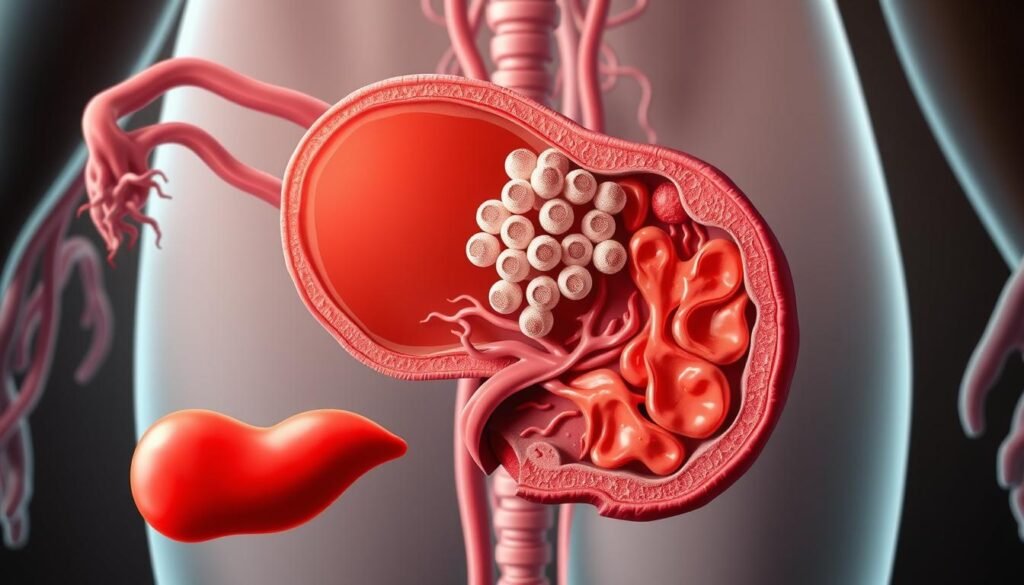
Because PCOS affects several body systems, simple promises like “stop eating carbs to balance your hormones” can sound appealing. However, these claims often overlook individual differences and the limits of available research.
Following restrictive advice without a clear reason can lead to:
- Missing important nutrients by eliminating entire food groups.
- Feeling anxious or guilty about everyday foods.
- Spending money on unnecessary supplements.
- Struggling to maintain an overly restrictive eating plan.
- Delaying appropriate treatment for metabolic or reproductive concerns.
A better starting point is to understand the evidence and build habits you can maintain.
Myth #1: You Must Follow Keto or Cut All Carbs to Manage PCOS
Fact: Carbohydrates aren’t the enemy, and a ketogenic diet isn’t necessary for everyone with PCOS.
Because insulin resistance is common in PCOS, people sometimes assume that eliminating carbohydrates will solve the problem. But carbs provide energy, and many carbohydrate-rich foods also contain fiber, vitamins, and minerals.
What does research say about keto and PCOS?
Some short-term studies suggest ketogenic diets may improve certain weight and metabolic measurements. However, research remains limited, especially regarding long-term benefits and safety specifically in people with PCOS.
Keto diets can also be difficult to maintain. Depending on food choices, a diet high in saturated fat may increase LDL cholesterol, a concern because PCOS is associated with greater long-term metabolic and cardiovascular risks.
The important difference is carbohydrate quality, quantity, and your overall eating pattern—not simply whether you eat carbs.
Better carbohydrate choices for PCOS
Instead of cutting out carbs, try including more fiber-rich options:
- Whole grains: Oats, brown rice, quinoa, and barley.
- Beans and lentils: Chickpeas, black beans, and lentil soup.
- Vegetables: Broccoli, leafy greens, carrots, and peppers.
- Whole fruit: Berries, apples, oranges, and pears.
Pairing carbohydrates with protein, fiber, or healthy fats can help make meals more filling and may support a steadier blood sugar response.
For example, try oatmeal with Greek yogurt and walnuts instead of a bowl of sugary cereal alone. For lunch, pair brown rice with grilled salmon or tofu and vegetables.
You can still enjoy bread, pasta, potatoes, and other familiar foods. Portions and overall meal balance matter more than treating individual foods as forbidden.
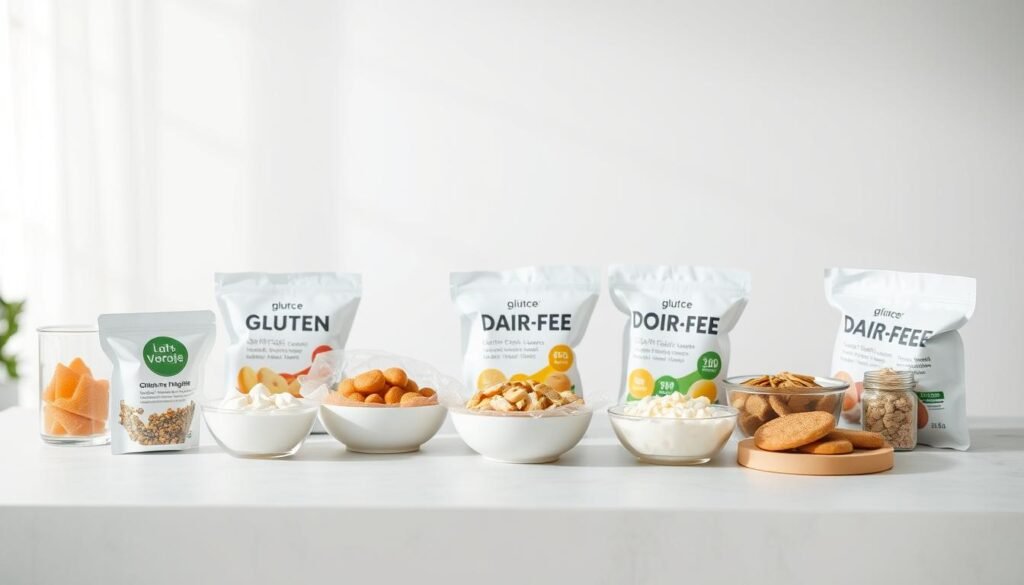
Myth #2: Everyone With PCOS Should Avoid Gluten and Dairy
Fact: Having PCOS doesn’t automatically mean you need a gluten-free or dairy-free diet.
Gluten is a protein found in wheat, barley, and rye. Dairy foods include milk, yogurt, and cheese. Neither food group has been shown to worsen PCOS symptoms in everyone who consumes it.
When does avoiding gluten make sense?
A gluten-free diet is necessary for people with celiac disease. Some people with other diagnosed wheat-related conditions may also need restrictions.
However, eliminating gluten solely because you have PCOS isn’t supported by strong evidence.
If you suspect celiac disease, arrange testing before removing gluten. According to the National Institute of Diabetes and Digestive and Kidney Diseases, starting a gluten-free diet before testing can affect the results.
What about milk, yogurt, and cheese?
Dairy products provide protein, calcium, and other nutrients. Plain Greek yogurt, milk, and cheese can fit into a balanced PCOS diet if you tolerate them.
Research examining dairy intake and PCOS symptoms is mixed. There isn’t enough reliable evidence to recommend that everyone with PCOS avoid dairy or choose only low-fat dairy products.
If dairy causes digestive discomfort, lactose-free milk or fortified dairy alternatives may help. People with a milk allergy need to avoid milk proteins rather than simply switch to lactose-free products.
If you consistently notice symptoms after certain foods, consider these steps:
- Record what you eat and the symptoms you experience.
- Discuss possible allergies, intolerances, or digestive conditions with a clinician.
- If appropriate, work with a registered dietitian on a structured elimination and reintroduction plan.
- Replace important nutrients if a food group must be removed long-term.
There’s no benefit in making your diet harder to follow without a clear health reason.
Myth #3: You Can’t Do HIIT or Vigorous Exercise With PCOS
Fact: High-intensity exercise isn’t automatically harmful for people with PCOS.
Exercise helps muscles use glucose and can improve insulin sensitivity, cardiovascular fitness, and mental well-being. The benefits aren’t limited to gentle walking or yoga.
High-intensity interval training (HIIT) alternates harder efforts with recovery periods. It may be a useful option if you enjoy it and can perform it safely. However, HIIT hasn’t been proven superior to every other form of exercise for managing PCOS.

How much exercise should you aim for?
The international PCOS guideline recommends the same general activity goals used for most adults:
- Moderate aerobic activity: Aim for 150–300 minutes weekly, such as brisk walking or comfortable cycling.
- Vigorous aerobic activity: Alternatively, aim for 75–150 minutes weekly, or a suitable combination of moderate and vigorous exercise.
- Strength training: Include muscle-strengthening activities on at least two nonconsecutive days each week.
These are goals to build toward, not requirements you must meet immediately. Even shorter sessions offer benefits when you’re starting out.
A simple beginner-friendly workout
- Warm up with five minutes of easy walking or cycling.
- Try 30 seconds of faster movement followed by 90 seconds at an easy pace.
- Repeat three to five times if comfortable.
- Finish with a few minutes of slower movement.
Adjust the effort to your fitness level. If vigorous activity causes unusual dizziness, chest pain, or severe shortness of breath, stop and seek appropriate medical care.
Can resistance bands help with home workouts?
Strength training is useful alongside aerobic exercise, but you don’t need a gym membership to begin. Bodyweight squats, wall push-ups, and controlled chair exercises can provide a practical starting point.
If you prefer adjustable resistance, the Fit Simplify Resistance Loop Exercise Bands (Set of 5) offer five resistance levels and a carrying bag. These small latex loops can be used for selected lower-body movements and accessory strength exercises. Their fixed loop shape makes them less suitable for some full-body exercises than long resistance bands or dumbbells.
The bands aren’t a PCOS treatment, and buying them isn’t necessary to benefit from exercise. They simply provide another way to add resistance at home. Avoid them if you have a latex allergy, inspect them for damage, and begin with controlled movements.
- High End Exercise Bands. Our 12"³ By 2"³ Heavy Duty Loop Resistance Bands Come In 5 Varying Resistance Levels. This Makes Them Perfect Whether You Are Just Starting To Workout Or A Seasoned Workout Warrior. Our Extra Light And Light Bands Are Great For Beginners, While Our Medium, Heavy And Extra Heavy Exercise Bands Are Targeted For More Intermediate And Advanced Strength Training.
- Great With Any Workout. This Resistance Band Set Can Be Integrated Seamlessly With Various Popular Workout Program. Or Use Them For General Exercise, Stretching, Strength Training, Power Weight Programs. The Included Carry Bag Makes It Easy To Take Your Bands With You And Do Any Workout Away From Home Or Your Home Gym.
- Multiple Uses. While These Resistance Bands Are Often Used For Sports And Fitness, Physical Therapists Love These Physical Therapy Bands (Rehab Bands) To Help Them Rehabilitate Their Patients. Our Stretch Bands Work For People Suffering From Leg, Knee And Back Injuries. They Are Also Perfect For Use By Women After Pregnancy And Birth To Keep Their Bodies In Shape.
- Superior Quality. All Of Our Exercise Resistance Bands Are Thoroughly Tested Before We Ship Them Out To You. This Ensures Your Bands Are Easy On Skin And Will Provide You With A Worry Free Experience. The Instruction Booklet Includes Dozens Of Different Illustrated Exercises That Demonstrate How To Use Our Resistance Bands For Legs, Arms, Back, Shoulders, Ankles, Hips And Stomach.
Whether you choose resistance bands, walking, cycling, swimming, or strength training, the most useful routine is one that fits your abilities, schedule, and recovery needs.
For another example of combining different activities, see this PCOS workout routine.
Myth #4: You Need Lots of Supplements to Treat PCOS
Fact: More supplements don’t necessarily mean better PCOS management.
Supplements are widely marketed for hormone balance, insulin sensitivity, weight loss, and fertility. But advertising claims often go beyond what clinical studies have demonstrated.
A balanced diet should provide most essential nutrients. Supplements may be helpful when you have a confirmed deficiency, inadequate intake, or another specific medical reason.

Which PCOS supplements are worth discussing?
- Vitamin D: Supplementation may be appropriate when blood tests show low levels. Correcting a deficiency supports overall health, but vitamin D isn’t a proven cure for PCOS.
- Inositol: Some studies suggest possible improvements in certain metabolic measurements. However, evidence for meaningful benefits in ovulation, weight, or excess hair growth is limited.
- Iron: Useful for diagnosed iron deficiency, including some people with heavy menstrual bleeding. Excess iron can be harmful.
- Omega-3 fatty acids: Found in fatty fish and supplements. They may help with certain lipid concerns, but they aren’t an established treatment for PCOS itself.
- Multivitamins: May help fill nutritional gaps in some diets, but they don’t automatically improve PCOS symptoms.
A 2024 systematic review of inositol for PCOS found that the evidence remains limited and inconclusive. The international guideline also states that no specific inositol form, dose, or combination can currently be recommended for PCOS management.
Inositol should not be treated as a proven fertility therapy or substitute for prescribed treatment.
Before buying supplements, review your diet, medications, pregnancy plans, and relevant test results with your healthcare team. Look for appropriate independent quality testing where available, and remember that third-party testing doesn’t prove a product will treat PCOS.
Myth #5: You Must Eat a Very Low-Fat Diet to Lose Weight With PCOS
Fact: A very low-fat diet isn’t required for weight management or metabolic health.
Dietary fats help your body absorb certain vitamins, provide essential fatty acids, and make meals more satisfying. Eliminating nearly all fat can make healthy eating unnecessarily restrictive.
The type of fat matters. Unsaturated fats are generally better choices for heart health than regularly eating large amounts of saturated fat.
Healthy fats to include
- Olive oil: Use in dressings, cooking, and roasted vegetables.
- Nuts: Almonds, walnuts, and pistachios make convenient snacks.
- Seeds: Chia, flaxseeds, and pumpkin seeds add texture and nutrients.
- Avocado: Provides unsaturated fats and fiber.
- Fatty fish: Salmon, sardines, and trout provide omega-3 fats.
These foods can be included in reasonable portions based on your appetite, energy needs, and goals.
If weight loss is appropriate for you, a sustainable eating pattern that creates a manageable calorie deficit may help. But you don’t have to lose weight to benefit from healthier eating and exercise. People with PCOS can improve their health at different body sizes.
What Is the Best Evidence-Based PCOS Diet?
There isn’t one universally best diet for PCOS. A practical approach is to build balanced meals using familiar foods and adjust them to your needs.
Try this simple balanced plate
For many main meals, use the following as a flexible starting point:
- Half your plate: Non-starchy vegetables, such as broccoli, spinach, peppers, or salad greens.
- One-quarter: Protein, such as chicken, fish, tofu, eggs, or beans.
- One-quarter: Fiber-rich carbohydrates, such as brown rice, quinoa, or whole-grain pasta.
- Add healthy fat: Olive oil, nuts, seeds, or avocado in a portion that fits the meal.
This isn’t a strict formula. Legumes, mixed dishes, and traditional meals may provide several food groups together. Your portions can also change according to hunger, activity, medications, and metabolic needs.
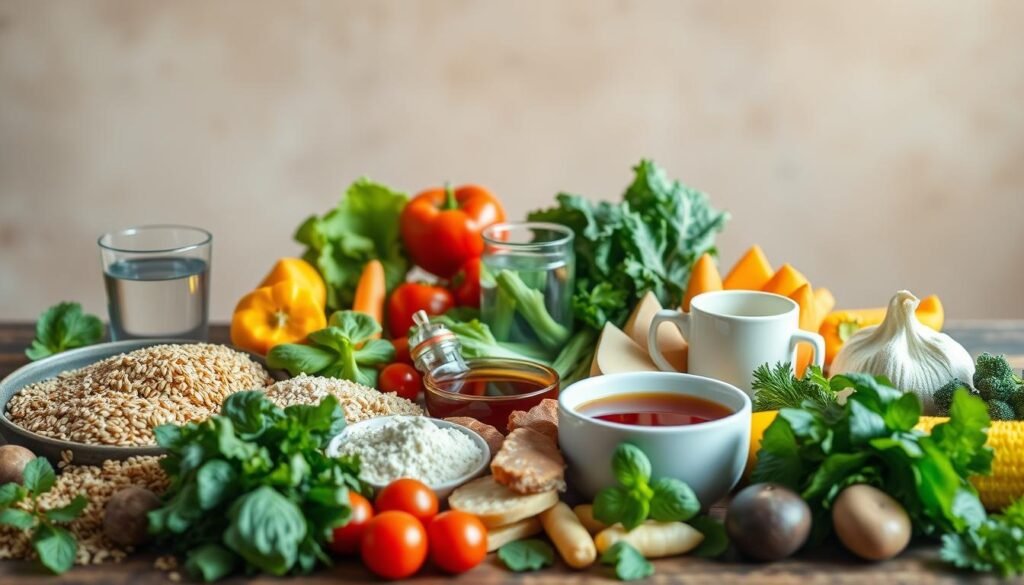
Example of a balanced day of eating
- Breakfast: Oatmeal with plain Greek yogurt, blueberries, and walnuts.
- Lunch: Brown rice or quinoa with grilled chicken or tofu and roasted vegetables.
- Snack: An apple with peanut butter, or hummus with carrots.
- Dinner: Salmon or lentils with vegetables and a baked sweet potato.
These are examples, not a required meal plan. Swap ingredients to match your preferences, allergies, cultural foods, and budget.
How to make balanced eating easier
Consistency often comes from making ordinary meals more convenient rather than following complicated rules.
- Choose two or three easy breakfasts. Rotate meals you already enjoy instead of searching for a new recipe every day.
- Prepare useful ingredients ahead. Cook grains, wash vegetables, or prepare protein for multiple meals.
- Keep simple snacks available. Fruit, nuts, yogurt, or hummus can be convenient options.
- Make gradual swaps. Add beans to soup, choose whole grains more often, or include an extra vegetable at dinner.
- Stay flexible. Restaurant meals, celebrations, and favorite foods can still fit into your eating pattern.
How to Personalize Your PCOS Diet and Lifestyle
PCOS management should consider more than your weight or food choices. Depending on your health history, your clinician may recommend checking blood sugar, cholesterol, blood pressure, and other relevant measurements.
The international guideline recommends a lipid profile at diagnosis and regular blood pressure assessment. It also identifies the 75-gram oral glucose tolerance test as the most accurate way to assess blood sugar problems in people with PCOS, regardless of body size.
Routine insulin blood tests aren’t generally recommended to guide PCOS care because currently available tests have limited clinical usefulness.
Work with a registered dietitian or clinician to connect your eating plan with your symptoms, lab results, medications, activity, and fertility goals.
Weight, fertility, and long-term health
PCOS isn’t caused solely by lifestyle, and people without obesity can have it. Visible ovarian cysts also aren’t required for every diagnosis.
For some people with higher weight, losing around 5–10% of body weight may improve certain metabolic or reproductive outcomes. However, individual results vary, and weight loss isn’t appropriate or necessary for everyone.

Irregular ovulation can make conception harder, but it doesn’t mean pregnancy is impossible. If you’re trying to conceive and your cycles are irregular, seek guidance rather than relying on dietary changes alone.
PCOS-related metabolic risks may also continue after menopause. Long-term care should include appropriate diabetes and cardiovascular risk assessment, along with attention to sleep, movement, and mental well-being.
Frequently Asked Questions
Can I eat rice, bread, and potatoes if I have PCOS?
Yes. You don’t need to eliminate these foods. Consider portions, choose higher-fiber varieties when practical, and pair them with protein and vegetables. Your needs may differ if you also have diabetes or another metabolic condition.
Is a Mediterranean-style diet good for PCOS?
It can be a sensible choice because it emphasizes vegetables, legumes, whole grains, fish, olive oil, and nuts. However, evidence doesn’t show that it’s the only effective eating pattern for PCOS.
Do I need to eat every two or three hours to balance insulin?
No specific meal frequency has been proven best for everyone with PCOS. Regular, satisfying meals may help manage hunger and energy. Choose a schedule that fits your needs, especially if you take medication that can lower blood sugar.
Can I manage PCOS without losing weight?
Yes. Balanced eating, physical activity, sleep, and appropriate medical treatment can support health even without weight loss. Your goals may include improving blood sugar, menstrual symptoms, cardiovascular risk, or quality of life.
Are PCOS supplements necessary for getting pregnant?
No supplement has been shown to reliably treat PCOS-related infertility. Inositol remains an experimental option for fertility treatment because benefits and risks are uncertain. If you’re planning pregnancy, discuss fertility care and recommended prenatal nutrients, including folic acid, with your clinician.
Can sleep and stress management help with PCOS?
Healthy sleep and manageable stress can support overall well-being and make nutrition and exercise routines easier to maintain. They aren’t cures for PCOS, but they’re useful parts of a broader care plan. Persistent snoring, daytime sleepiness, anxiety, or low mood also deserve attention.
Conclusion: Manage PCOS Without Extreme Food Rules
Managing PCOS doesn’t require giving up every carbohydrate, avoiding dairy without a reason, buying expensive supplements, or forcing yourself into a restrictive diet.
Instead, begin with a few realistic changes: eat more fiber-rich foods, include enough protein and healthy fats, move in ways you enjoy, and make time for recovery. Use medical guidance to address symptoms and metabolic risks that lifestyle changes alone may not resolve.
Your next step: Choose one manageable habit this week—perhaps adding protein to breakfast, walking regularly, or preparing balanced lunches. Build on what works for your body rather than chasing another one-size-fits-all PCOS rule.