

Can spraying magnesium on your skin help you sleep better without taking another pill? Magnesium sprays, oils, lotions, and bath flakes have become popular bedtime products. Many promise better sleep, relaxed muscles, and faster recovery.
But there is an important difference between applying magnesium to your skin and absorbing enough of it to benefit your body. Magnesium is essential for healthy nerves, muscles, and energy production. However, scientists have not established that topical magnesium products deliver enough magnesium through healthy skin to improve sleep or correct a deficiency.
That doesn’t mean you cannot enjoy a magnesium spray or warm mineral bath as part of a calming evening routine. It means understanding what these products may offer, what remains unproven, and how to use them safely.
Key Takeaways
- Magnesium is essential: Your body needs it for normal nerve signaling, muscle function, and hundreds of chemical reactions.
- Skin absorption remains uncertain: Limited studies have investigated transdermal magnesium, but meaningful absorption into the bloodstream has not been reliably established.
- Sleep benefits are unproven: There is not enough high-quality evidence that magnesium sprays, lotions, or baths treat insomnia or improve deep sleep.
- Topical products may support relaxation: Gentle massage, warm baths, and a consistent bedtime routine can feel soothing, even without proven magnesium absorption.
- Choose products carefully: Consider skin sensitivity, ingredients, intended use, and realistic expectations. Topical magnesium should not replace treatment for a diagnosed deficiency.
Helpful Products at a Glance
Ancient Minerals Magnesium Oil Spray (4 oz): A fragrance-free magnesium chloride spray for people who prefer a quick topical application. It may cause tingling, especially on sensitive skin.
- Elemental Magnesium, Straight from the Source - Formulated with Genuine Zechstein magnesium chloride, this topical spray delivers mineral support in its simplest form.
- Fast-Absorbing Mineral Spray - Apply to legs, arms, or torso as part of your daily skincare or wind-down ritual; absorbs without residue.

Ancient Minerals Magnesium Bath Flakes (1.65 lb): Unscented magnesium chloride flakes for warm baths or foot soaks. A relaxing soaking routine does not guarantee mineral absorption.
- Mindful Magnesium Soak for Daily Wind-Downs - A clean, water-soluble form of magnesium chloride designed to complement warm baths or foot soaks - no added fragrance or fillers.
- Purity from the Zechstein Seabed - Harvested from a protected deposit deep underground, untouched by modern pollutants and gentle on all skin types.

Ancient Minerals Magnesium Lotion Ultra with MSM (5 oz): A moisturizing option for people who prefer massaging lotion into their skin rather than using a concentrated spray. Its added MSM does not establish improved magnesium absorption.
- Pure and Concentrated: This smooth emulsion of pure magnesium chloride plus MSM, in a skin-nourishing base of certified organic oils, provides a gentle topical magnesium application.
- A Post-workout Favorite: Our Ultra magnesium lotion with the added benefits of OptiMSM delivers a soothing, post-workout mineral massage.

How Does Transdermal Magnesium Actually Work?
Transdermal means passing through the skin. Magnesium products marketed for transdermal use usually contain magnesium chloride dissolved in water or blended into a lotion or gel.
When applied, the magnesium chloride dissolves into charged particles called ions. The product spreads across your skin, but whether those ions reach the bloodstream in meaningful amounts is another question.
The Skin Barrier: Why Absorption Is Difficult
Your skin is designed to keep unwanted substances out and moisture in. Its outermost layer, called the stratum corneum, is particularly effective at blocking the movement of many substances.
Magnesium ions carry an electrical charge and are surrounded by water molecules. These properties make it difficult for them to pass through the skin’s protective outer layer.
Scientists have investigated whether magnesium can enter through hair follicles, sweat glands, or specialized formulations. Some laboratory findings suggest limited penetration may occur, but the amount absorbed and its medical importance remain unclear.
A 2017 scientific review published in Nutrients examined the evidence and concluded that transdermal magnesium could not yet be recommended as an effective method of magnesium supplementation.
Does Magnesium Chloride Absorb Better?
Magnesium chloride dissolves easily in water. That is why it works well in sprays, soaks, and other topical formulas.
However, good water solubility does not automatically mean good skin absorption. Magnesium chloride may be absorbed effectively through the digestive system when taken orally, but those findings cannot be applied directly to the skin.
Likewise, a warm shower or massage may make application more comfortable, but neither has been shown to reliably increase magnesium levels in the body.
What Does Research Say About Magnesium and Sleep?
Magnesium helps regulate normal nerve and muscle activity. It also participates in processes important for overall health and the body’s response to stress.
These biological roles provide reasons to study magnesium and sleep. Still, there is a difference between knowing magnesium is essential and proving that applying it to your legs helps you sleep.
Does Topical Magnesium Improve Sleep Quality?
Research specifically testing magnesium sprays and lotions for sleep is limited. There is no strong clinical evidence that regular application reliably:
- Helps people fall asleep faster.
- Increases deep or REM sleep.
- Prevents nighttime awakenings.
- Reduces insomnia symptoms.
- Improves daytime energy through mineral absorption.
Research on oral magnesium supplements has produced mixed findings, too. The National Center for Complementary and Integrative Health notes that available sleep studies have important limitations.
A more recent systematic review of randomized trials also found inconsistent results for oral magnesium and low to very low certainty of evidence. These oral studies do not establish benefits for topical products.
What About Muscle Tension and Recovery?
Magnesium is necessary for normal muscle contraction and relaxation. A true magnesium deficiency can contribute to muscle problems, including weakness and cramps.
However, there is insufficient clinical evidence that rubbing magnesium chloride onto a specific muscle delivers enough magnesium to relieve spasms, treat restless legs syndrome, or speed exercise recovery.
Some people enjoy the massage itself, especially after exercise. Warm water, gentle stretching, and a quiet evening routine may also help them feel comfortable. Those experiences should not be confused with proven effects of magnesium entering muscle tissue.
BetterYou Magnesium Sleep Body Spray: What the Label Tells Us
BetterYou Magnesium Sleep Body Spray is one example of a topical product marketed for nighttime relaxation. It combines magnesium chloride with lavender and chamomile essential oils.
According to BetterYou’s official product information, a 3.38 fl oz (100 mL) bottle provides approximately 600 sprays, and 10 sprays contain 75 mg of elemental magnesium.
That 75 mg figure describes magnesium in the amount of product applied. It does not mean your body absorbs 75 mg through your skin.
The manufacturer recommends applying 5–10 sprays, massaging them into the skin, and using the product around half an hour before bed. Its label identifies the product as suitable for ages 13 and older.
BetterYou also describes absorption testing involving Cardiff University and research relationships with academic and clinical organizations. Such claims deserve careful interpretation. A university partnership or laboratory absorption test does not, by itself, demonstrate that a finished product improves insomnia, restores deficient magnesium levels, or reduces muscle pain.
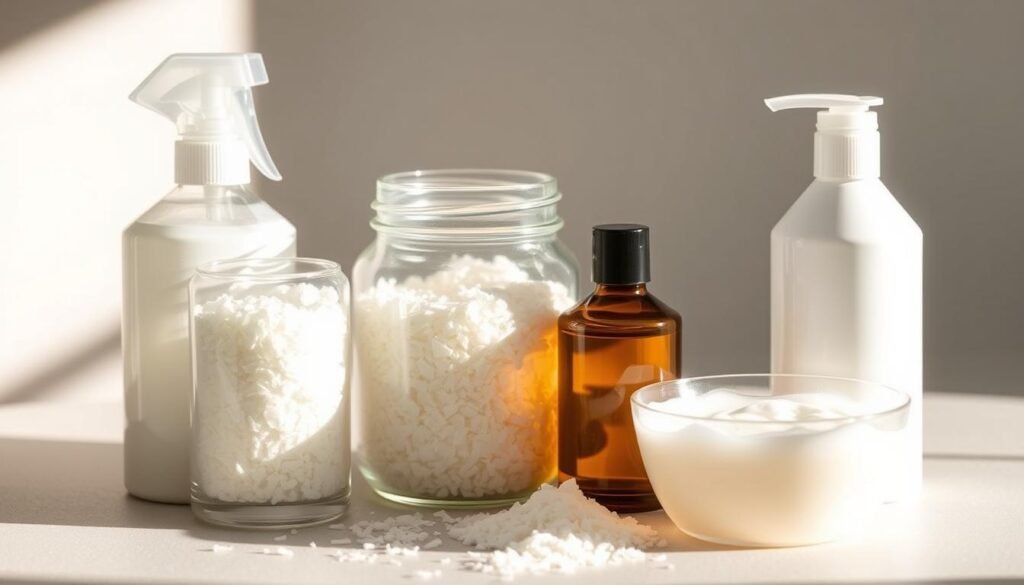
Choosing Between Magnesium Sprays, Flakes, Lotions, and Gels
These products differ mainly in how they feel, how they are applied, and what makes them convenient.
Since meaningful magnesium absorption has not been established for everyday topical products, choose a format for its practical use rather than a promise of faster mineral delivery.
1. Magnesium Sprays for Quick Application
A spray is convenient when you want to apply a small amount to your legs, feet, or shoulders without preparing a bath. Most magnesium oil sprays are actually water-based magnesium chloride solutions rather than traditional oils.
For a simple, fragrance-free option, Ancient Minerals Magnesium Oil Spray (4 oz) contains magnesium chloride sourced from the Zechstein seabed. Its spray bottle makes application convenient, and the manufacturer describes it as a water-based formula without added fragrance.
The main drawback is that concentrated sprays can sting or tingle. They also have no proven advantage over a regular calming massage for sleep or over oral magnesium for treating deficiency. If you dislike the feeling, a plain moisturizer may be more comfortable.
- Elemental Magnesium, Straight from the Source - Formulated with Genuine Zechstein magnesium chloride, this topical spray delivers mineral support in its simplest form.
- Fast-Absorbing Mineral Spray - Apply to legs, arms, or torso as part of your daily skincare or wind-down ritual; absorbs without residue.
- Genuine Zechstein Purity You Can Trust - Our magnesium is harvested from a pristine seabed over a mile underground, protected from modern pollutants.
- Clean Formula, Consistent Application - Each six-spray application delivers approximately 100 mg of elemental magnesium in a simple, water-based formula.
2. Magnesium Bath Flakes for Evening Soaks
Bath flakes dissolve in warm water and are often used in full-body baths or foot soaks. They can be appealing if sitting in warm water already helps you unwind.
Ancient Minerals Magnesium Bath Flakes (1.65 lb) contain magnesium chloride rather than magnesium sulfate, the mineral found in traditional Epsom salts. This version is unscented and can be used in either a bath or a foot soak according to its directions.
A comfortable 15–20-minute soak can be a pleasant part of a bedtime routine. Follow the product’s mixing instructions, avoid excessively hot water, and remember that a plain warm bath can offer a similar relaxing experience. The added flakes have not been proven to replenish magnesium through the skin.
- Mindful Magnesium Soak for Daily Wind-Downs - A clean, water-soluble form of magnesium chloride designed to complement warm baths or foot soaks - no added fragrance or fillers.
- Purity from the Zechstein Seabed - Harvested from a protected deposit deep underground, untouched by modern pollutants and gentle on all skin types.
- Beyond Epsom Salt - Unlike Epsom salt (magnesium sulfate), Ancient Minerals uses magnesium chloride flakes - known for fast solubility and ease of topical use.
- Trusted Since 2007 - Ancient Minerals remains a go-to name in topical magnesium, valued by customers around the world for its quality, sourcing, and simplicity.
3. Magnesium Lotions and Gels for Moisturizing
Lotions may feel gentler than a concentrated spray because their formulas include moisturizing ingredients. They can also make a slow, relaxing hand or leg massage easier.
One example is Ancient Minerals Magnesium Lotion Ultra with MSM (5 oz). It combines magnesium chloride with MSM (methylsulfonylmethane) in a moisturizing base. The product is intended for topical body care and massage.
MSM is another ingredient promoted for joint and muscle comfort, but its presence does not establish better magnesium delivery or improved sleep. Check the full ingredient list before use, particularly if you have sensitive skin. An ordinary fragrance-free body lotion is a reasonable lower-cost alternative.
- Pure and Concentrated: This smooth emulsion of pure magnesium chloride plus MSM, in a skin-nourishing base of certified organic oils, provides a gentle topical magnesium application.
- A Post-workout Favorite: Our Ultra magnesium lotion with the added benefits of OptiMSM delivers a soothing, post-workout mineral massage.
- Rich in Plant Moisturizers: This lotion soothes and hydrates the skin without leaving it feeling waxy or greasy.
- Precise Packaging: Don't waste a drop of your topical magnesium lotion. Dispense 1 mL per pump for maximum convenience thanks to our mess-free, airless pump.
How to Use Topical Magnesium Safely Before Bed
You do not need an elaborate routine involving several magnesium products. Start with one format, and focus on making your evening feel predictable and comfortable.
Here’s a simple approach for adults who want to try a topical magnesium product as a relaxation ritual.
- Start with a warm shower or wash: Choose a comfortable temperature and gently dry your skin. Warm water may help you feel relaxed, although increased magnesium absorption has not been demonstrated.
- Test a small area first: Apply a little product to healthy skin and check for irritation. This is especially useful for concentrated sprays or formulas containing essential oils.
- Use the product as directed: Follow its specific label rather than copying the spray count from another brand. Different products contain different concentrations.
- Massage gently: Spread the product over an appropriate area, such as your calves or shoulders. Avoid harsh rubbing and painful pressure.
- Finish with a calming activity: Read, journal, stretch gently, or practice slow breathing. Keep the routine comfortable instead of treating it like a medical dosing schedule.
If your bedtime routine is already working, you do not need to add a magnesium product.

What If Your Skin Tingling or Stinging?
Concentrated magnesium chloride solutions can cause temporary tingling, especially on recently shaved, dry, or sensitive skin.
- Start with a small amount rather than a full application.
- Avoid broken skin, cuts, open wounds, and irritated or inflamed areas.
- Keep sprays away from your eyes and other delicate areas.
- Wash the product off if stinging becomes uncomfortable.
- Stop using it if irritation continues or a rash develops.
Products containing lavender, chamomile, or other fragrances can also trigger skin reactions in susceptible people. If you have eczema or another skin condition, seek advice before using a new concentrated topical formula on affected areas.
Can You Combine Sprays, Soaks, and Lotions?
You can build an evening routine around a bath and moisturizer, but there is no established benefit to layering several magnesium products to increase your mineral intake.
Using multiple concentrated products may increase skin exposure and irritation. Choose the approach you find comfortable, and introduce only one new product at a time.
Likewise, combining topical magnesium with oral supplements should not be treated as a way to deliver a larger predictable dose. The amount absorbed through skin is unknown.
Topical vs. Oral Magnesium: Which Is Better?
The biggest practical difference is how magnesium enters your body.
Oral magnesium goes through the digestive system, where absorption has been studied. Topical magnesium is applied to the skin, but its ability to raise magnesium levels reliably remains uncertain.
| Feature | Topical Magnesium | Oral Magnesium |
|---|---|---|
| How it is used | Applied to skin or added to bathwater | Swallowed as a tablet, capsule, powder, or liquid |
| Magnesium absorption | Not reliably established in meaningful amounts | Documented, varies by form and dose |
| Sleep benefits | Not proven in high-quality clinical trials | Limited and inconsistent evidence |
| Common drawbacks | Tingling, irritation, possible fragrance reactions | Diarrhea, nausea, or stomach cramps |
| Treating deficiency | Not an established treatment | Can be used when medically appropriate |
When Oral Magnesium May Be More Appropriate
If you have a diagnosed magnesium deficiency or a clinician recommends supplementation, oral magnesium is a better-studied way to increase intake.
According to the NIH Office of Dietary Supplements, forms such as magnesium chloride, citrate, lactate, and aspartate are generally absorbed more completely through the gut than some less soluble forms.
For adults, the usual upper limit for magnesium from supplements and medications is 350 mg per day unless a healthcare professional recommends otherwise. This limit does not include magnesium naturally present in food.
People with kidney disease and those taking certain medications should be particularly careful with oral supplements. Magnesium may interact with some antibiotics and osteoporosis medications, among other treatments.

Food First: Everyday Sources of Magnesium
For most healthy adults, food is a practical starting point. Magnesium occurs naturally in many nutritious foods, including:
- Pumpkin seeds and almonds: Convenient snacks containing magnesium and other nutrients.
- Spinach and leafy greens: Easy additions to meals.
- Black beans and lentils: Sources of magnesium, protein, and fiber.
- Whole grains: Oatmeal and whole-wheat foods can contribute to daily intake.
- Peanuts and cashews: Other practical magnesium-containing choices.
Improving dietary intake supports overall nutrition without depending on uncertain skin absorption.
Does Zechstein Magnesium Mean Better Quality?
Zechstein magnesium comes from ancient underground mineral deposits associated with a geological formation beneath parts of Europe, including the Netherlands.
Manufacturers often highlight this origin because the deposits developed millions of years ago and are separated from many modern surface conditions.
However, ancient geological origin does not automatically prove a product is contaminant-free, clinically effective, or better absorbed. Purity depends on processing, manufacturing controls, and appropriate testing.
What About Laboratory Testing and Certifications?
Brands may refer to laboratory testing, scientific partnerships, customer reviews, sports certifications, and product awards. These signals answer different questions and should not be treated as interchangeable.
- Independent contaminant testing: Can provide useful information about heavy metals and other impurities when results are relevant to the actual product or batch.
- ISO-accredited laboratories: Accreditation can demonstrate competence for specified tests, but it does not prove that a magnesium spray improves sleep.
- Sports certifications: May address substances prohibited in sports, depending on the certification and exact product.
- Customer reviews: Can help assess texture, smell, packaging, and irritation, but personal stories cannot prove a medical benefit.
- Awards and research partnerships: May reflect recognition or ongoing research, not necessarily completed clinical trials showing effectiveness.
For example, a certification associated with one magnesium spray should not be assumed to cover every product from that brand. Similarly, claims about vegan formulas, parabens, allergens, manufacturing location, or sustainable packaging must be checked for the specific product and current formulation.
If these details matter to you, look for a complete ingredient list, meaningful testing documentation, and certification information that identifies the exact product.
Better Sleep Habits That Do Not Require Magnesium Products
When your main goal is better sleep, a consistent routine offers a more useful starting point than relying on an unproven topical treatment.
Try these steps before spending money on several bedtime products:
- Keep a consistent sleep schedule: Aim for similar bedtimes and wake-up times, including weekends.
- Make your bedroom comfortable: A dark, quiet, and comfortably cool room can help support sleep.
- Reduce late caffeine: Coffee, energy drinks, and some teas may interfere with sleep for hours.
- Use a wind-down routine: Reading, gentle stretching, relaxing music, or a warm shower may help you settle.
- Be active during the day: Regular physical activity supports general health and healthy sleep patterns.
- Limit screens and bright light before bed: Create a calmer environment when approaching bedtime.
For further guidance, see the CDC’s information on healthy sleep.
If you regularly struggle to fall asleep, wake repeatedly, snore loudly, or experience persistent nighttime leg discomfort, it is worth investigating the underlying cause. Sleep apnea, restless legs syndrome, medication effects, and other conditions may require more specific treatment.
Frequently Asked Questions
Does magnesium spray actually absorb through the skin?
Some experimental studies suggest limited penetration may occur, but researchers have not established that typical sprays deliver enough magnesium into the body to produce a reliable health benefit. Skin absorption remains an area of investigation.
Can magnesium spray help you fall asleep faster?
There is not enough strong clinical evidence to say that it does. A bedtime spray may be part of a relaxing routine, but improvements in sleep cannot automatically be attributed to magnesium absorption.
Is magnesium chloride better than magnesium sulfate?
Magnesium chloride dissolves readily in water and is commonly used in sprays and bath flakes. Magnesium sulfate is commonly found in Epsom salts. Neither has been shown to be a superior topical treatment for sleep or magnesium deficiency.
How long does topical magnesium take to work?
There is no scientifically established timeline for sleep or muscle benefits from topical magnesium. Claims that sprays work within minutes or improve sleep after a set number of days are not supported by strong clinical evidence.
Can magnesium spray replace oral magnesium tablets?
Not when you need reliable magnesium supplementation or treatment for a deficiency. Oral magnesium has established absorption evidence; topical magnesium does not provide a dependable equivalent dose.
Can I use magnesium products on sensitive skin?
Some people experience tingling or irritation, particularly with concentrated sprays and scented formulas. Patch-test first, avoid irritated or broken skin, and stop if a rash or persistent burning develops.
Are topical magnesium products safe during pregnancy?
Safety and suitability depend on the formulation, other ingredients, and individual circumstances. Some manufacturers label specific products for pregnancy, but this does not establish the safety of every topical magnesium product. Check with your prenatal care professional before adding a new magnesium product, especially one containing essential oils.
Can magnesium oil help restless legs or muscle cramps?
There is insufficient evidence that topical magnesium reliably treats restless legs syndrome or muscle cramps. Frequent or persistent symptoms deserve proper evaluation rather than repeated application of an unproven product.
Conclusion: Is Transdermal Magnesium Worth Trying for Sleep?
Transdermal magnesium can be an optional part of a calming nighttime routine, but it is not a proven sleep treatment or a reliable replacement for oral magnesium.
Magnesium chloride sprays, bath flakes, and lotions offer different experiences. A spray is convenient, a warm soak can feel relaxing, and a lotion adds moisturizing comfort. Choose based on your preferences, skin tolerance, and budget rather than promises of faster absorption or deeper sleep.
If you want to experiment, start with one product, follow its directions, and pay attention to skin reactions. There is no need to use several magnesium products together or continue buying one that provides no noticeable value.
For lasting improvements, prioritize healthy sleep habits, adequate dietary magnesium, and appropriate care for persistent symptoms. Those steps offer a more dependable foundation than assuming magnesium placed on your skin will reach your cells or improve your sleep.