

In 2024, 30.5% of U.S. adults reported sleeping less than seven hours in a typical 24-hour period, according to the CDC’s National Health Interview Survey summary. One of the simplest ways to support better sleep timing costs little or nothing: use brighter light after waking and reduce bright light in the evening.
This is not a guaranteed seven-day sleep fix. Light is one of the strongest signals that sets your circadian rhythm, so consistent timing can help your body distinguish “day” from “night.” The goal is a repeatable routine, not a pile of gadgets.
Start with morning outdoor light, a steady wake time, and dimmer evenings. If you still need screens or your bedroom is too bright, a low-cost filter or sleep mask can be an optional add-on rather than the foundation of the plan.
Key Takeaways
- Get outdoor light soon after waking to reinforce your daytime signal.
- Dim bright indoor light and screens during the last one to two hours before bed.
- Blue-light-blocking glasses are optional; research on sleep benefits is mixed.
- Keep the bedroom dark, quiet, and comfortably cool.
- Track bedtime, wake time, sleep latency, and morning alertness for one to two weeks before changing several variables at once.
Helpful Products at a Glance
For unavoidable evening screen use, this wearable filter is a practical option, but it should not replace dimmer lighting and reduced screen exposure.
- PROTECTS YOUR EYES: Orange Lens features Spectrum Control Technology (SCT) that absorbs 98% of blue light from laptops, computers & tablets, which helps prevent cataracts and macular degeneration
- REDUCES EYE FATIGUE: SCT-Orange lens reduces eye strain so you can work longer & more comfortably; also makes for more screen contrast with sharper details for improved focus and further reduced eye fatigue

For bedrooms with streetlights, early sunrise, or other light leaks, this contoured mask adds darkness without changing the room itself.
- Low - Rebound Memory Foam, Soft and Comfortable.
- Zero Eye Pressure: The Deepest 13mm arc-shaped widened eye cups provide makeup-safe space and allow natural blinking

Why Light Timing Matters for Sleep
Your circadian rhythm is a roughly 24-hour timing system that helps coordinate sleep and wakefulness. The National Heart, Lung, and Blood Institute explains that the light-dark cycle influences melatonin release and that bright artificial light late in the evening can interfere with this process. Morning light, meanwhile, helps signal that the biological day has started.
That is why this routine works best as a pair: brighter mornings and dimmer evenings. Morning light does not need to be a special “biohacking” device. For many people, going outdoors shortly after waking is the simplest starting point.
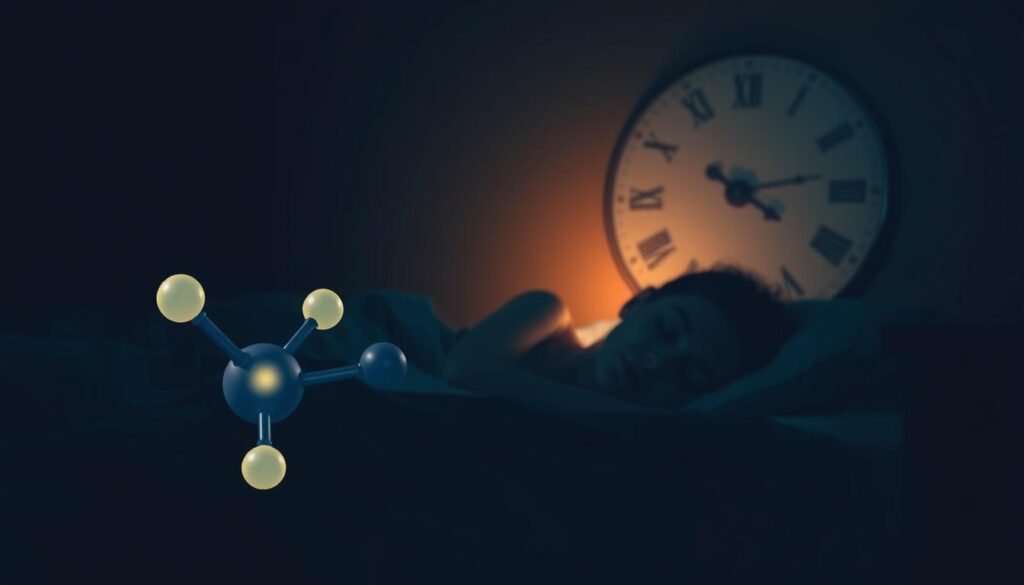
Light timing can influence when you feel alert or sleepy, but it does not guarantee more deep sleep or REM sleep. Sleep stages are also affected by total sleep time, health conditions, alcohol, medications, stress, and other factors.
The Morning Half: Get Bright Light Soon After Waking
A practical starting point is to spend about 10–30 minutes outdoors within the first hour after waking. Brightness varies with weather, season, latitude, and shade, so treat that range as a routine target rather than a precise medical dose. Do not stare at the sun.
If you cannot get outside immediately, open curtains and use the brightest normal daytime environment available, then get outdoors when practical. A consistent wake time also makes the light signal more predictable from day to day.
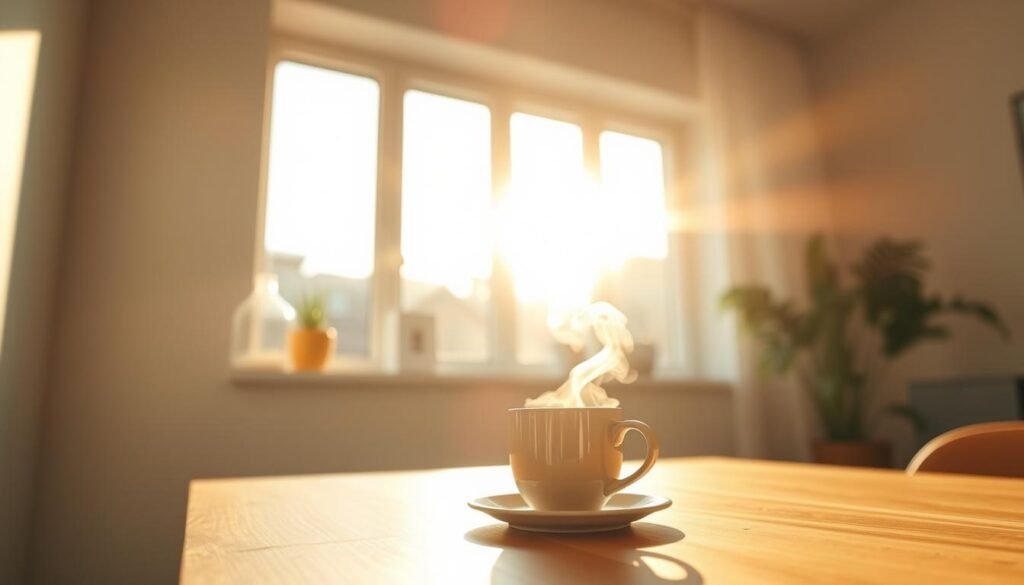
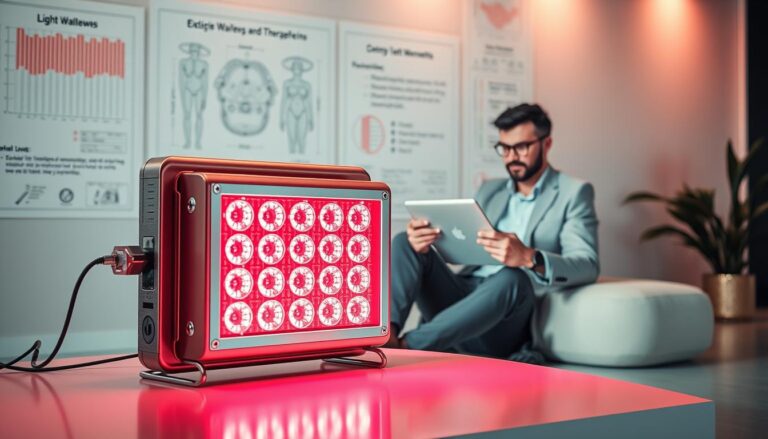
People with delayed sleep timing, shift work, or jet lag may need more deliberate timing than this basic routine. Clinical light therapy uses brighter, controlled devices and should not be treated as interchangeable with casually sitting near a window.
The Evening Half: Reduce Bright Light Before Bed
During the last one to two hours before bed, lower room brightness, switch harsh overhead lights to warmer lamps, and reduce screen intensity. Night-mode settings can make devices more comfortable, but lowering overall brightness and shortening late-night screen use matters too.
If you must work on a computer late, blue-light-blocking glasses can be a physical filter. However, a Cochrane review found that evidence for improved sleep from commercially available blue-light-filtering lenses is uncertain. Think of glasses as an optional tool for difficult evenings, not a proven treatment for insomnia.
The Honeywell Uvex Skyper model uses an orange lens and an adjustable wraparound design. That makes it a reasonable budget tool when screen use cannot be avoided, although the lens changes color perception and the product itself should not be expected to “fix” sleep.
- PROTECTS YOUR EYES: Orange Lens features Spectrum Control Technology (SCT) that absorbs 98% of blue light from laptops, computers & tablets, which helps prevent cataracts and macular degeneration
- REDUCES EYE FATIGUE: SCT-Orange lens reduces eye strain so you can work longer & more comfortably; also makes for more screen contrast with sharper details for improved focus and further reduced eye fatigue
- MULTI-ANGLE VIEWING: 3-Position lens inclination system allows for optimal screen viewing at different heights & positions; helps prevent neck strain while working, sitting, standing or stretched out
- WORK IN COMFORT: Adjustable-length Duoflex temples allow for custom, comfortable fit; temple tips are cushioned to prevent digging in to side of head; molded nose bridge rests easily on the face
Make the Bedroom Support the Same Signal
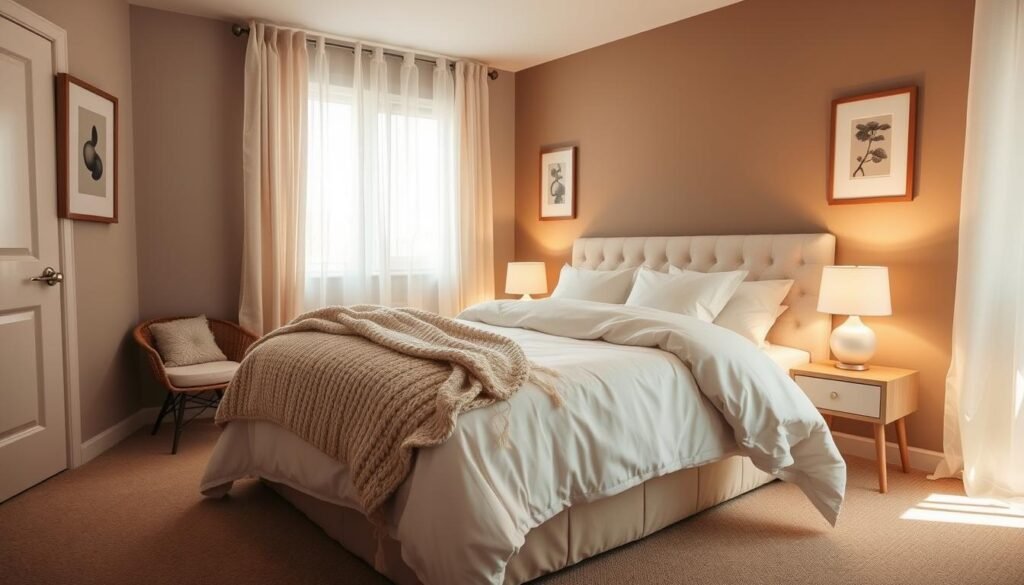
Once evening light is reduced, keep the sleep environment as dark, quiet, and comfortably cool as you can. Blackout curtains are useful when you control the room; an eye mask is easier for travel, shared bedrooms, rentals, and daytime sleep.
Noise matters too. A fan, earplugs, or a steady background sound can help if unpredictable noises wake you. Avoid turning the bedroom into a shopping project: fix the specific problem that is actually disturbing sleep.
If stray light is the main issue, the MZOO contoured sleep mask is an optional solution. Its shaped eye cups and adjustable strap are designed to block light while leaving space around the eyes; people who dislike pressure or heat around the face may still prefer curtains instead.
If you can solve the problem at the source, blackout curtains or covering a bright display may be simpler for nightly use. The mask makes more sense when the light source is outside your control or you need a portable option.
- Low - Rebound Memory Foam, Soft and Comfortable.
- Zero Eye Pressure: The Deepest 13mm arc-shaped widened eye cups provide makeup-safe space and allow natural blinking
- Great for Side Sleepers: Upgraded 15°-curved thin sides ensure smooth transitions with no uncomfortable bulge, minimizing temple pressure for all sleeping positions
- 100% Light Blocking: Patented contoured eye cups seal completely around each eye. Deep 22mm nose padding blocks all light leakage
Build a Simple Sleep Routine Around the Light Plan
Light timing works better when the rest of the schedule is reasonably stable. Keep wake time consistent, especially after a poor night. Limit caffeine late in the day, and remember that alcohol may make you feel sleepy while still disrupting sleep later in the night.
A short wind-down can help reduce mental and physical arousal. Reading, gentle stretching, slow breathing, or another quiet routine is enough. The goal is to create the same sequence most nights so your brain gets predictable cues that the active part of the day is ending.
Exercise generally supports sleep, but timing is personal. If a hard late-night workout leaves you wired, move it earlier when possible instead of following a rigid cutoff that does not match your schedule.
Track the Routine for One to Two Weeks
You do not need a wearable. Use a simple note with four fields: bedtime, wake time, estimated time to fall asleep, and how alert you feel in the morning. Add awakenings if they are a major problem.
Change one major variable at a time when possible. For example, keep wake time and morning light consistent for several days before adding another habit. That makes it easier to tell what is actually helping instead of crediting every change to the newest gadget.
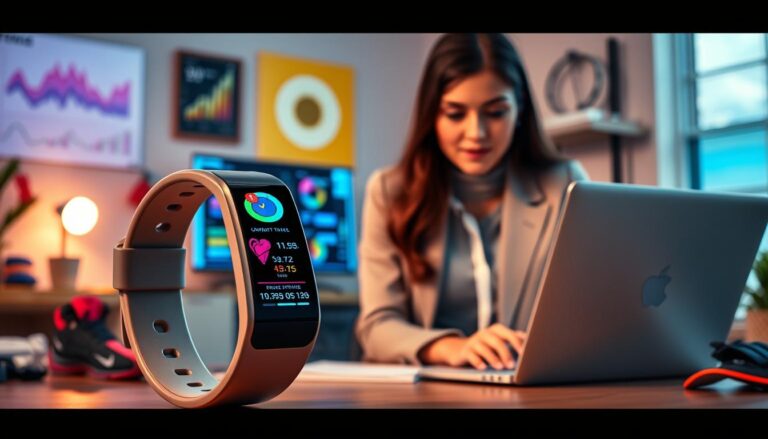
Wearables can be useful for trends, but do not chase nightly sleep-stage scores. Your ability to function during the day, your sleepiness, and your consistency matter more than trying to optimize every graph.
What About Magnesium, Melatonin, and Other Sleep Aids?
Start with timing and environment before supplements. The National Center for Complementary and Integrative Health notes that evidence for magnesium in insomnia is limited and inconsistent. Melatonin can be useful for some circadian-timing problems, including jet lag, but it is not a universal solution for chronic insomnia.
If poor sleep continues despite a consistent routine, look for the cause rather than simply adding more supplements. Cognitive behavioral therapy for insomnia (CBT-I) is a recommended first-line treatment for chronic insomnia and addresses the behaviors and thought patterns that keep sleep problems going.
When to Get Medical Help
Talk with a clinician if insomnia is persistent, daytime sleepiness is affecting safety, or you have signs of another sleep disorder such as loud snoring with pauses in breathing, gasping during sleep, or uncomfortable urges to move the legs at night.
Ask for medical guidance before using a clinical light box if you have an eye condition or take medicines that increase light sensitivity. The NHLBI notes that light therapy can cause side effects such as eye strain, headache, nausea, or agitation in some people.
Conclusion
The useful part of this “$20 biohack” is not the product. It is the timing: brighter mornings, dimmer evenings, and a dark sleep environment. Those signals are simple, inexpensive, and easier to repeat than a complicated sleep stack.
Use optional gear only to solve a real obstacle—such as unavoidable late screens or unwanted bedroom light—then track the routine long enough to judge the pattern. Better sleep habits are built through consistency, not one perfect night.
FAQ
How soon should I get morning light?
Aim for outdoor light soon after waking, ideally within the first hour. A practical starting point is about 10–30 minutes, adjusted for brightness, weather, and your schedule.
Do blue-light-blocking glasses improve sleep?
The evidence is mixed. They can reduce some short-wavelength light reaching the eyes, but clinical evidence that commercial blue-light-filtering glasses reliably improve sleep is uncertain. Dimming lights and reducing late screen exposure remain the simpler first steps.
Can this routine help shift workers?
Light timing can help shift workers, but the timing is different because the goal may be to stay alert at night and sleep during daylight. A sleep specialist can help plan light and darkness around a rotating or overnight schedule.
Do I need melatonin with this plan?
No. Many people can start with light timing, a regular schedule, and bedroom changes. Melatonin is more useful for certain circadian-timing problems than as a general fix for every type of poor sleep.
What should I track?
Track bedtime, wake time, time to fall asleep, awakenings if relevant, and morning alertness. Use the same measures for one to two weeks so you can compare trends.
When should I stop experimenting and see a clinician?
Get help when sleep problems persist, interfere with daytime function, or come with symptoms that suggest sleep apnea, restless legs syndrome, or another medical condition. Chronic insomnia often responds well to structured treatment such as CBT-I.