

Can a smart ring really help you sleep better, recover faster, and make smarter training decisions? The Oura Ring 4 promises exactly the kind of personal health data that biohackers love. But useful information is not the same as proven health improvement.
The Oura Ring 4 can be worth the money if you want comfortable sleep tracking, long-term recovery trends, and insights you’ll actually use. However, its $349 starting price and ongoing membership fee make it harder to justify if you only want basic activity tracking.
There’s another consideration: the newer Oura Ring 5 is now available, starting at $399. That makes the Ring 4 a potential value choice rather than the latest model. This review compares its features, accuracy, ownership costs, and alternatives to help you decide whether it deserves a place in your daily routine.
Key Takeaways
- Best for sleep and recovery: Oura Ring 4 tracks overnight patterns and turns them into useful daily insights.
- Ongoing costs matter: The ring starts at $349, while full app access costs $5.99 monthly or $69.99 annually in the US.
- Battery life is generally 5–8 days: Blood oxygen monitoring and frequent workout tracking can shorten that time.
- Accuracy has limits: Sleep and heart-rate trends can be helpful, but individual readings are not always exact.
- Ring 4 versus Ring 5: The newer model is smaller and offers updated sensing technology, but Ring 4 remains a reasonable lower-cost option.
Helpful Products at a Glance
Oura Ring 4 (Silver, Size 8): A screen-free health tracker focused on sleep, readiness, and everyday activity. The Amazon listing below is for one specific size, so check your fit before ordering.
- ACCURACY - SMART SENSING - Oura tracks over 50 health metrics, including sleep, activity, stress, heart health, and women’s health metrics. Oura Ring 4 is powered by Smart Sensing, which adapts to you — delivering accurate, continuous data, day and night
- ACCURATE SIZING ESSENTIAL - Oura Ring 4 uses unique sizing different from standard jewelry rings; use the Oura Ring 4 Sizing Kit to find your perfect fit before purchasing

Who Should Consider the Oura Ring 4?
The biggest benefit of the Oura Ring is that it collects health information without demanding much attention. There is no screen to check during every workout or a constant stream of notifications competing for your time.
It may be particularly useful for:
- Sleep optimizers: People who want to understand how bedtime, sleep consistency, and daily habits affect their nights.
- Biohackers: People experimenting with routines such as earlier meals, less evening caffeine, or different sleep schedules.
- Everyday athletes: Runners, gym users, and fitness enthusiasts interested in recovery patterns alongside training.
- Busy professionals: People who prefer a quick morning summary instead of reviewing dozens of separate measurements.
However, someone who mainly wants step counts, workout notifications, or live exercise information may get better value from a fitness watch they already own.
What Does the Oura Ring 4 Actually Track?
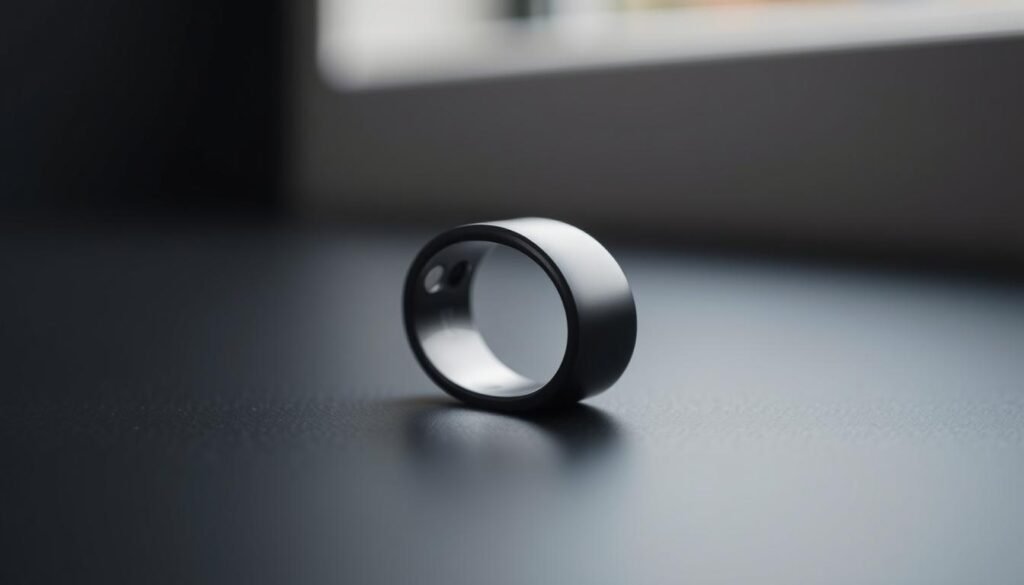
The Ring 4 uses light-based sensors, a temperature sensor, and motion tracking to collect information about your body. Its Smart Sensing system adjusts how it collects optical signals to help maintain consistent readings.
The app organizes much of this information into three main scores: Sleep, Readiness, and Activity.
1. Sleep Score: Understanding Your Nights
The Sleep Score combines several measurements to describe how well you slept. These include total sleep time, sleep timing, nighttime movement, and estimated sleep stages.
For example, imagine your sleep score repeatedly drops after late dinners. That pattern might encourage you to eat earlier and observe whether your sleep improves. It does not prove that dinner timing caused the change, but it gives you something practical to investigate.
2. Readiness Score: Planning Recovery
Readiness estimates how prepared your body may be for the day. It considers recent sleep, resting heart rate, heart rate variability (HRV), temperature changes, and activity.
HRV measures small differences in the time between heartbeats. Changes from your usual HRV pattern can reflect stress, exercise, illness, or poor sleep.
A lower Readiness Score may encourage a lighter workout or an earlier bedtime. However, it should not automatically cancel your training plans. Consider how you feel, your workout schedule, and any symptoms alongside the score.
3. Activity Score: Tracking Everyday Movement
The Oura Ring also tracks steps, movement, inactive time, and supported workouts. Automatic Activity Detection can recognize certain activities, while integrations can bring workouts from other fitness platforms into the app.
It is useful for understanding activity patterns, but the ring lacks the convenient on-wrist display of a sports watch. For runners or lifters who need immediate performance feedback, a dedicated fitness device may be more practical.
Oura Ring 4 Price: What Will You Really Spend?
The initial price is only part of the decision. Unlike some fitness trackers, Oura requires a paid membership to unlock detailed health trends and many of its most useful features.
Hardware and Membership Costs
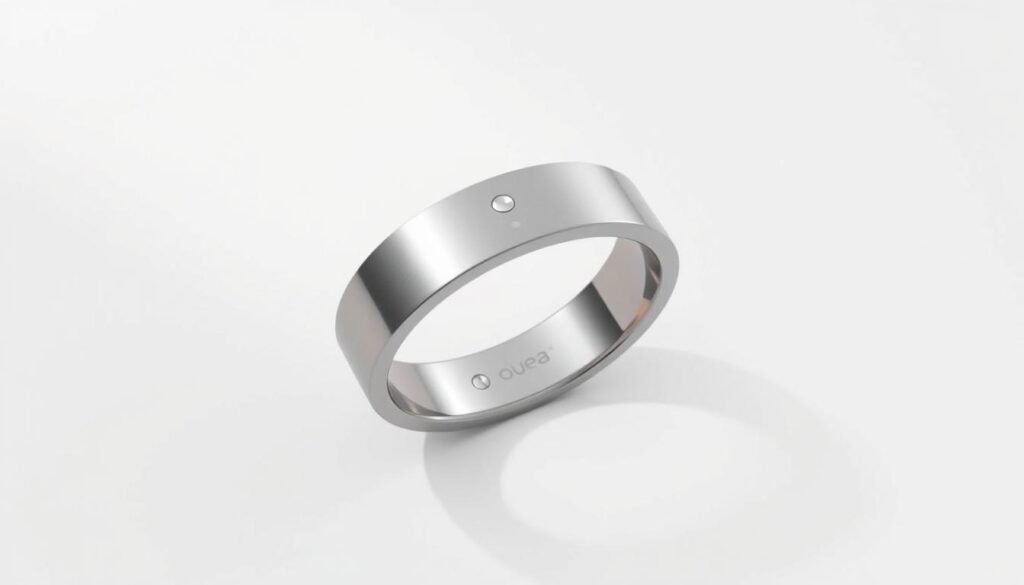
Oura currently lists the Ring 4 Silver at $349 in the United States. Other finishes and the ceramic version may cost more, although discounts and availability change.
Membership costs:
- Monthly: $5.99 before applicable taxes.
- Annual: $69.99 before applicable taxes.
- New members: One included month of membership.
What does that mean over time? Using the $349 Ring 4 and monthly billing, a new member would spend approximately:
- First 12 months: $414.89, including 11 paid membership months.
- First 36 months: $558.65, including 35 paid membership months.
- Optional extra charger: $59 at Oura’s listed price.
- Optional Ring 4 charging case: $99 for portable charging.
These examples exclude taxes, shipping, promotions, and replacement costs. The standard charging dock and USB cable already come with the ring, so an additional charger is not necessary for most buyers.
You can confirm current membership terms through Oura’s official membership information.
What Happens Without a Subscription?
Without active membership, the app provides the three daily Sleep, Readiness, and Activity Scores, along with basic account and device information.
However, detailed metrics, personalized guidance, and much of the deeper analysis are unavailable. That is a meaningful limitation for someone buying the ring specifically to study health patterns.
Cost-benefit takeaway: Evaluate the Oura Ring as a continuing service, not just a one-time hardware purchase.
Oura Ring 3 vs. 4 vs. 5: Which Offers Better Value?
The Ring 4 improved on Generation 3 with a fully titanium design, recessed interior sensors, and updated Smart Sensing technology. Its smoother interior can feel more comfortable, especially when worn overnight.
The Ring 5 takes the design further. According to Oura, it has approximately 40% less volume than Ring 4, revised sensing hardware, and a typical battery-life range of 6–9 days.
Here is how to approach the decision:
- Keep Ring 3: If your existing ring is comfortable, holds a useful charge, and gives you the information you need, upgrading may offer limited practical value.
- Choose Ring 4: If you want Oura’s core sleep and recovery experience for less money, particularly when a suitable size and finish are discounted.
- Consider Ring 5: If comfort, slimmer dimensions, updated hardware, or longer battery life justify spending more.
At the listed starting prices, Ring 5 costs $50 more than Ring 4. For a device you intend to wear every night, that difference may be reasonable if the smaller design improves comfort.
Remember that ring sizes differ across generations. A size that fits your older Oura Ring may not fit the newer model correctly.
How Accurate Is the Oura Ring 4?
Accuracy is important because a health tracker becomes less useful when its readings are inconsistent or misleading.
Oura has published information about its sensing technology, and researchers have compared earlier Oura generations with clinical sleep testing. One published Gen 3 validation study found good agreement with laboratory testing for several overall sleep measurements.
Another study comparing consumer wearables found that detecting sleep was generally easier than correctly identifying every sleep stage.
These findings support the usefulness of tracking broad sleep patterns. They do not mean that every minute of REM or deep sleep shown by the Ring 4 is correct, or that results from older generations prove identical accuracy for the Ring 4.
Which Measurements Should You Trust Most?
- Sleep duration: Useful for watching general trends, although periods of quiet wakefulness can sometimes be mistaken for sleep.
- Resting heart rate: Helpful for comparing your own nighttime patterns over time.
- HRV: Best interpreted against your personal baseline rather than someone else’s number.
- Temperature: Can show changes from your usual pattern, but cannot identify a specific illness.
- Blood oxygen (SpO2): Provides overnight breathing-related information but does not diagnose sleep apnea.
If you regularly snore loudly, wake up gasping, or experience strong daytime sleepiness, seek a medical evaluation rather than relying on a reassuring ring score. Likewise, unusual heart-rate or temperature readings should be considered alongside symptoms, not treated as a diagnosis.
Battery Life, Charging, and Everyday Comfort
Oura estimates 5–8 days of battery life for a new Ring 4 under its defined testing conditions. Your results may be shorter because of ring size, battery age, settings, and activity tracking.
Blood Oxygen Sensing operates during sleep rather than continuously throughout the entire day. Oura says leaving it enabled may shorten battery life by up to two days, depending on use.
Charging typically takes approximately 20–80 minutes, depending on the remaining battery level.
How to Make Daily Wear Easier
- Charge during desk work, a shower, or another routine when you do not need the ring.
- Keep the ring adequately charged before bedtime to avoid missing overnight information.
- Use the correct Oura Ring 4 sizing kit and wear a trial sizer for at least 24 hours, including overnight.
- Choose a snug but comfortable fit, with the sensors facing the palm side of your finger.
- Remove the ring during heavy lifting or activities involving strong gripping, friction, or a risk of finger injury.
The titanium construction is water-resistant up to 100 meters, but scratches and everyday wear are still possible. The finish affects appearance more than tracking ability, so paying extra for a premium color does not automatically improve your health data.
Integrations: Does Oura Work With Other Fitness Apps?
One advantage of Oura is that it can work alongside other health and fitness tools. This matters if you already use a smartwatch or regularly record workouts elsewhere.

- Strava: Oura can import workouts from Strava and export supported activity information and scores. This helps keep your activity history more complete.
- Natural Cycles: Nightly temperature trends can support the separate Natural Cycles fertility and birth-control app. It requires its own subscription and an eligible Oura membership.
- Apple Health and Health Connect: Supported data sharing helps connect Oura with broader fitness and wellness apps.
- Therabody routines: You can use Oura tags to compare recovery practices, such as massage sessions, against later trends. A change in your score does not establish that the treatment caused it.
An Apple Watch or another workout tracker can also complement Oura. The watch can handle convenient live training feedback, while the ring focuses on overnight and long-term patterns.
Review the current list of supported services through Oura’s integration guide, as available connections and features can change.
Is the Oura Ring 4 Worth Buying for Biohacking?
The Ring 4 makes the most sense when you have a clear reason to collect its information. Owning more biometric data does not automatically improve your health.
For example, suppose you want to know whether moving your bedtime earlier helps your recovery. You could record your usual sleep pattern, change one routine, and then compare several nights of sleep duration, resting heart rate, and how refreshed you feel.
This approach is more useful than reacting to every daily score. Sleep patterns naturally vary, and one unusually good night does not prove an experiment worked.
What to Consider Before Ordering
The Oura Ring 4 Silver is a practical choice if you value discreet monitoring more than real-time workout features. Its recessed sensors, multi-day battery, and detailed membership-supported app make it suitable for people who want to track sleep and recovery consistently.
The Amazon product listing below is specifically the Silver, Size 8 version. Oura uses its own sizing system, so do not order that size unless it matches your fit. Other sizes and finishes are separate configurations, and availability or prices may differ.
- ACCURACY - SMART SENSING - Oura tracks over 50 health metrics, including sleep, activity, stress, heart health, and women’s health metrics. Oura Ring 4 is powered by Smart Sensing, which adapts to you — delivering accurate, continuous data, day and night
- ACCURATE SIZING ESSENTIAL - Oura Ring 4 uses unique sizing different from standard jewelry rings; use the Oura Ring 4 Sizing Kit to find your perfect fit before purchasing
- LONG LASTING BATTERY - With up to 8 days of battery life, no screens and no vibrations, Oura Ring 4 allows you to focus on the present. From a workout to a night out — you’re free to forget it’s on. Until you start getting compliments
- OURA MEMBERSHIP - First month of membership is included with purchase, for new members only. Subscription is 5.99/mo afterwards. Membership is tied to your account via the Oura App, not your physical ring
Before buying, ask yourself three questions: Will I wear it consistently? Will I act on the information? And am I comfortable paying the membership fee for several years?
If the answer to any of those is no, try improving your sleep schedule and tracking your habits without a new device first.
Oura Ring 4 Pros and Cons
What Makes It Appealing
- Discreet, screen-free design suitable for nighttime wear.
- Detailed sleep, recovery, and temperature trends.
- Multi-day battery life and relatively short charging sessions.
- Useful connections with established fitness and wellness services.
- A straightforward daily summary that reduces the need to review raw data.
Where It Falls Short
- High upfront cost plus an ongoing subscription.
- Limited detailed information without membership.
- No on-ring screen for live workout feedback.
- Fit may be challenging because only whole sizes are available.
- Sleep stages and recovery scores are estimates, not clinical measurements.
- The newer Ring 5 offers design improvements for an additional cost.
What About Privacy and Health Data?
The Oura app collects personal information about sleep, movement, heart rate, and other body measurements. This makes account security and data-sharing choices important.
Oura provides options to export personal data and request deletion. You can also manage access granted to connected apps.
Before enabling an integration, check what information it shares and whether that service needs the data. Review Oura’s data export and sharing guidance for available controls.
Final Verdict: Is the Oura Ring 4 Worth the Money?
Yes, for the right person—but it is not an essential health purchase. The Oura Ring 4 is most valuable for someone who wants to understand sleep consistency, recovery, and long-term changes in body measurements without wearing a traditional smartwatch overnight.
Its main weakness is the continuing cost of membership. The newer Ring 5 also makes paying full price for the older model less attractive unless you prefer its fit or find a meaningful discount.
If you already follow healthy routines and rarely review fitness data, the ring is unlikely to transform your results. But if you’re willing to track patterns and make thoughtful adjustments, it can be a useful tool for building better habits.
The best next step: Compare Ring 4 and Ring 5 prices, test the correct sizing kit, and decide whether the information you expect to use justifies both the initial purchase and the subscription.
Frequently Asked Questions
Can the Oura Ring 4 improve sleep quality?
It cannot improve sleep on its own. However, its information may help you recognize habits linked with better or worse sleep. Any improvement depends on the changes you make, not simply wearing the device.
Is Oura Ring 4 better than an Apple Watch?
Neither is better for everyone. Oura is especially appealing for comfortable overnight tracking and recovery insights. An Apple Watch generally offers more convenient live workout features, notifications, and smartwatch functions.
Can you use Oura Ring 4 without paying monthly?
Yes, but the experience is limited. You can see the three main daily scores and basic device information, while detailed insights and many advanced features require membership.
How long does the Oura Ring 4 battery last?
Oura estimates 5–8 days for new rings under its test conditions. SpO2 monitoring, frequent activity tracking, ring size, and battery aging can reduce the time between charges.
Should existing Oura Ring 3 owners upgrade?
Upgrade if you have problems with comfort, battery performance, or the existing hardware. If your current ring works well, its data still meets your needs, and you already pay for membership, replacing it may not provide enough additional value.
Is the Oura Ring 4 worth buying now that Ring 5 exists?
It can be, especially at a meaningful discount. Both generations support Oura’s core sleep and recovery experience, while Ring 5 offers a smaller design and newer hardware. Compare the actual prices and comfort before choosing.