


Could standing barefoot on grass really help you sleep better, feel calmer, or recover from a stressful day? I wanted to find out, so I explored grounding, also called earthing, for 30 days using outdoor sessions and indoor grounding products.
The results were interesting. My sleep diary suggested better rest, and I noticed calmer evenings. But my blood pressure showed no major change. More importantly, I couldn’t tell whether these differences came from grounding itself, spending time outdoors, or simply following a relaxing routine.
Research offers a similar mix of curiosity and uncertainty. Some small studies suggest grounding may improve sleep and stress, but there’s still no strong proof that it treats inflammation, chronic pain, or disease. Here’s what the 30-day experiment involved, what the science says, and how to explore grounding safely without spending money unnecessarily.
Key Takeaways
- Grounding means making electrical contact with the earth through bare skin or specially designed conductive products.
- My 30-day observations suggested calmer evenings and better sleep, but they cannot establish that grounding caused those changes.
- Research is promising but preliminary. Small studies have reported sleep and stress improvements, while stronger evidence for medical benefits is lacking.
- Start with 10–20 minutes if it’s safe for you. This is a practical trial period, not a scientifically established treatment dose.
- Products are optional. Grounding mats and sheets offer indoor convenience, but their health benefits are not proven.
- Safety comes first. Protect your feet outdoors, verify electrical connections indoors, and never replace prescribed treatment with grounding.
Helpful Products at a Glance
Hooga Grounding Mat: An optional conductive surface for desk or floor sessions. It offers convenience without requiring a long outdoor session.
- BEST-SELLING GROUNDING MAT WITH 7,400+ REVIEWS: Hooga’s conductive carbon grounding mat helps you stay grounded indoors at your desk, on the floor, or beside the bed — a simple daily wellness habit backed by thousands of verified Amazon reviews.
- SAFE, TESTED & BUILT TO LAST: Every cord includes a 100K Ohm safety resistor. Carbon-infused vegan leather top surface with durable non-slip rubber backing. Waterproof and wipe-clean. Size 24" x 16" — roomy for both feet or forearm contact.

GroundingWell Grounding Sheet: A cotton-and-silver conductive strip for people interested in nighttime grounding. Improved sleep is not guaranteed.
- Grounding Sheet for Deep Rest and Balance Designed for in-bed use, this grounding sheet connects to a grounded outlet to support a calm, restorative night’s sleep. Wake up refreshed and recharged—naturally with our premium grounding sheets.
- Premium GroundingWell Sheet with Silver Weave Crafted with 5% pure silver fiber and 95% organic cotton, this soft and breathable groundingwell sheet ensures reliable conductivity and nightly comfort—ideal among grounding bed sheets.

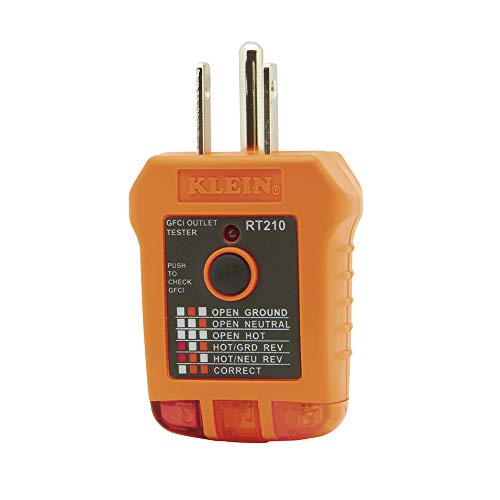
Klein Tools RT210 Outlet Tester: A tool for checking common wiring faults before using outlet-connected equipment. It does not replace an electrician’s inspection.
- EFFECTIVE GFCI WIRING PROBLEM DETECTION: GFCI Tester detects common wiring problems in standard and GFCI receptacles, ensuring electrical safety
- COMPATIBLE WITH GFCI OUTLETS: Works on GFCI outlets and verifies the proper operation of the ground fault protective device, providing peace of mind
What Is Grounding (Earthing), and How Does It Work?
Earthing is the practice of connecting your body electrically to the earth. People commonly do this by touching grass, soil, or sand with bare skin. Some use conductive mats or sheets connected to an electrical grounding system.
The idea comes from a simple fact: the earth has an electrical potential, and the human body can conduct electricity. Grounding enthusiasts believe that connecting the two may influence processes inside the body.
The electron theory explained
Supporters suggest that electrons from the earth may enter the body and help neutralize free radicals. Free radicals are unstable molecules involved in normal cell processes that can also contribute to cell damage when present in excess.
Sometimes called electronic nutrition, this theory is an interesting scientific hypothesis—not an established medical fact. Electrical contact with the ground is real, but researchers have not demonstrated that electron transfer produces meaningful health benefits in everyday life.
The Cleveland Clinic’s explanation of earthing makes an important distinction: spending time in nature can be good for well-being even when the specific claims about grounding remain unproven.
Common ways to practice grounding
- Barefoot contact: Standing or sitting with bare feet on clean grass, soil, or sand.
- Hand contact: Resting your hands on a clean, safe patch of ground while sitting.
- Indoor mats: Using a conductive surface designed to connect to an appropriately grounded outlet.
- Grounding sheets: Lying on conductive fabric connected to a grounding system.

You don’t need special equipment to enjoy nature. A peaceful walk in supportive shoes, gardening, or sitting outdoors may provide meaningful relaxation without direct bare-skin contact.
My 30-Day Grounding Experiment: What I Tracked and Noticed
I wanted to explore two questions: Would regular grounding fit naturally into daily life, and would I notice any changes in sleep, stress, or comfort?
For one week before starting, I established a baseline using a sleep diary and simple daily check-ins. Then I divided the experiment into two parts.
Week 1–2: Outdoor grounding
I focused on brief barefoot sessions on grass and soil, usually aiming for 10–20 minutes. I also noted occasional contact with natural water when conditions were suitable.
Rather than treating each session like a workout, I used the time to slow down, breathe normally, and pay attention to how I felt.
Week 3–4: Indoor grounding
During the second half, I explored conductive mats and sheets while sitting or resting indoors. These were more convenient on days when outdoor sessions were difficult.
However, switching methods halfway through the month meant I couldn’t fairly compare indoor and outdoor grounding. Changes in weather, activity, expectations, and daily routines could all affect the results.
What I recorded
- Sleep: Bedtime, nighttime awakenings, perceived sleep quality, and morning alertness.
- Stress and mood: Daily self-ratings and general feelings of calm.
- Discomfort: Pain ratings and how my body felt after normal activities.
- Heart-related readings: Home blood pressure, resting heart rate, and wearable heart rate variability (HRV) trends.
- Consistency: Session duration, setting, and the type of contact used.
HRV describes small changes in the time between heartbeats. Wearables estimate it, but readings vary with sleep, exercise, illness, and device accuracy. I treated these measurements as personal trends, not medical test results.
What surprised me after 30 days
The clearest changes in my notes involved feeling less stressed and reporting better sleep after regular sessions. I also noticed slightly less discomfort on some active days. Blood pressure did not show a dramatic improvement.
Those observations are useful for understanding my experience, but they aren’t proof of a grounding effect. I didn’t use a blinded comparison, and I can’t separate grounding from relaxation, outdoor time, or normal day-to-day changes.

My biggest takeaway: The routine encouraged me to make more time for rest. Whether the electrical connection contributed anything beyond that remains an open question.
Grounding Benefits: What Does the Research Actually Say?
Grounding research has explored sleep, stress, pain, inflammation, and heart-related measurements. Some findings are encouraging, but the overall evidence remains limited.
1. Sleep quality and stress
A randomized, double-blind study published in 2025 assigned 60 participants to use grounding or non-grounding mats for six hours daily over 31 days.
Researchers reported improvements in several sleep and stress measures, including longer total sleep time in the grounding group compared with the control group.
That’s worth studying further. However, the trial was small and short, and it received funding from companies. Independent studies with larger groups are needed before claiming grounding reliably improves sleep.
2. Inflammation and exercise recovery
Some small studies have reported changes in inflammatory markers and creatine kinase, a substance that can rise after muscle damage.
But a change in a laboratory measurement doesn’t automatically mean people heal faster, experience less pain, or recover better in everyday life. Stronger trials are needed to establish those outcomes.
3. Blood pressure and circulation
Early investigations have explored blood viscosity, blood pressure, and HRV. A few reported changes after grounding sessions, but these results have not established a reliable treatment for high blood pressure or cardiovascular disease.
Anyone managing hypertension should continue recommended blood pressure monitoring, medication, and medical follow-up regardless of whether they practice grounding.
4. Mood, pain, and wound healing
Small studies and case reports have described improvements in mood, fatigue, discomfort, and wound-related measures. However, many findings depend on self-reports, have limited controls, or have not been independently repeated.
Claims that grounding can heal diabetic wounds, treat depression, or reverse chronic disease go far beyond what current evidence supports.
How strong is the evidence?
- Sleep and stress: Some controlled findings, but evidence remains preliminary.
- Inflammation and recovery: Interesting laboratory signals with uncertain real-world benefits.
- Blood pressure and circulation: Too little reliable evidence for treatment recommendations.
- Pain and wound healing: Insufficient evidence to establish medical effectiveness.
Researchers still need larger, independent trials that compare grounding with realistic alternatives, measure meaningful health outcomes, and control for expectation effects.
How to Try Grounding Safely: A Beginner’s Routine
If you’re curious, start with the simplest option that fits your health and surroundings. There’s no established medical dose or proven minimum session length for earthing.
A simple 10–20-minute outdoor routine
- Choose a safe location. Find clean, level grass or another surface free from sharp objects, animal waste, and chemicals.
- Check your feet. Do not walk barefoot if you have diabetes or another condition that makes foot injuries more likely.
- Get comfortable. Sit in a stable chair with your feet on the ground, or stand where balance is easy.
- Relax naturally. Breathe comfortably, notice the surroundings, and avoid treating the session like a medical procedure.
- Record how you feel. Note stress, comfort, and sleep later that evening or the following morning.
Start with five minutes if that feels easier. Increase gradually only if the surface is safe and the practice remains comfortable.
Can you practice grounding without bare feet?
You can still enjoy fresh air, movement, and a calming outdoor routine while wearing protective shoes. Those activities have value even if they don’t create the same electrical contact described by earthing supporters.
This is especially important for people with diabetes. The CDC recommends never going barefoot if you have diabetes, because foot injuries can be difficult to detect and may develop into serious infections.
Grounding Mats, Sheets, and Outlet Testers: What Is Worth Considering?
Indoor grounding products are designed to provide a conductive connection without going outdoors. They may be convenient for people living in apartments, cold climates, or places without safe barefoot areas.
Still, a product’s ability to establish electrical contact does not prove that it improves health. Before buying anything, think about where you’d use it, whether the materials suit your needs, and whether your home’s electrical setup is appropriate.

1. Hooga Grounding Mat: For Desk and Floor Sessions
The Hooga Grounding Mat offers a 24-by-16-inch conductive carbon surface with a non-slip backing and a 15-foot grounding cord. It’s designed for contact with bare feet or hands while sitting at a desk or relaxing.
Its main advantage is convenience. You can place it where you normally sit rather than changing your entire routine. However, the mat requires a suitable grounding connection, and there’s no reliable evidence that this specific product reduces inflammation, improves sleep, or treats pain.
- BEST-SELLING GROUNDING MAT WITH 7,400+ REVIEWS: Hooga’s conductive carbon grounding mat helps you stay grounded indoors at your desk, on the floor, or beside the bed — a simple daily wellness habit backed by thousands of verified Amazon reviews.
- SAFE, TESTED & BUILT TO LAST: Every cord includes a 100K Ohm safety resistor. Carbon-infused vegan leather top surface with durable non-slip rubber backing. Waterproof and wipe-clean. Size 24" x 16" — roomy for both feet or forearm contact.
- EVERYTHING YOU NEED, READY IN UNDER A MINUTE: Includes the grounding mat, 15-foot heavy-duty cord, and silver connector pin. Snap, plug into any standard 3-prong grounded outlet, and go. 1-year warranty and 60-day money-back guarantee.
- WORKS ANYWHERE AT HOME OR THE OFFICE: Use under your desk for your feet, beside the bed, on the couch, or on the floor. The 15-foot cord reaches grounded outlets without rearranging furniture.
2. GroundingWell Grounding Sheet: For Nighttime Contact
The GroundingWell Grounding Sheet is a conductive fabric strip measuring approximately 20 by 104 inches. Its cotton-and-silver blend is designed to lie across a mattress and make contact with the sleeper’s skin.
It’s an option for people who prefer a bedtime setup instead of a floor mat. Keep in mind that it is a conductive strip, not a complete replacement for ordinary bedding. Check its positioning and care instructions before use, and don’t assume a branded sheet works better than the products studied in clinical trials.
- Grounding Sheet for Deep Rest and Balance Designed for in-bed use, this grounding sheet connects to a grounded outlet to support a calm, restorative night’s sleep. Wake up refreshed and recharged—naturally with our premium grounding sheets.
- Premium GroundingWell Sheet with Silver Weave Crafted with 5% pure silver fiber and 95% organic cotton, this soft and breathable groundingwell sheet ensures reliable conductivity and nightly comfort—ideal among grounding bed sheets.
- Universal Fit with Generous Coverage Measuring 8.5 feet long, the sheet fits all standard bed sizes—Full, Queen, King, and Cal King—providing full-body grounding during sleep or rest. One of the most versatile earthing sheets on the market.
- GroundingWell Safety Built-In Equipped with a 50k Ohm safety resistor, the included 15.5 ft grounded cord ensures safe connection through standard outlet ground ports—tested and inspected for quality. Trusted in grounded sheets design.
3. Klein Tools RT210: For Checking Common Outlet Wiring Problems
If you are considering an outlet-connected grounding product, checking the electrical setup matters more than choosing an expensive mat. A basic receptacle tester can identify certain common wiring problems, including an open ground.
The Klein Tools RT210 is designed for standard North American 110/125-volt outlets, including GFCI receptacles. Its indicator lights help identify common wiring faults. However, a normal test result does not guarantee that an outlet is completely safe or that a grounding product is connected correctly.
Use it according to the manufacturer’s instructions and have a qualified electrician assess questionable wiring. A separate product continuity test may also be needed to check a mat or sheet.
- EFFECTIVE GFCI WIRING PROBLEM DETECTION: GFCI Tester detects common wiring problems in standard and GFCI receptacles, ensuring electrical safety
- COMPATIBLE WITH GFCI OUTLETS: Works on GFCI outlets and verifies the proper operation of the ground fault protective device, providing peace of mind
- DURABLE AND TOUGH: Built to withstand a 6.6-foot (2m) drop, ensuring durability and reliability in various working conditions
- WIDE OPERATING TEMPERATURE RANGE: Can be used in temperatures ranging from 32-Degree to 140-Degree Fahrenheit (0-Degree to 40-Degree Celsius), offering versatility
What about grounding rods and adhesive patches?
Some products use outdoor grounding rods or adhesive electrodes instead of ordinary mats. These introduce additional setup, maintenance, and safety questions.
Don’t improvise a grounding rod connection or run cables outdoors without qualified electrical guidance. A dedicated rod is not automatically a safe substitute for a properly installed electrical grounding system.
Grounding Safety: Risks You Shouldn’t Ignore
Outdoor earthing and indoor electrical products have different risks. The fact that grounding is described as natural doesn’t make every method safe.
Outdoor precautions
- Foot injuries: Watch for glass, thorns, sharp stones, and hot surfaces.
- Infections: Avoid contaminated soil and water, especially with open cuts or weakened immunity.
- Falls: Choose level ground and use a stable chair if your balance is uncertain.
- Weather: Avoid extreme temperatures, dangerous water conditions, and thunderstorms.
Electrical precautions for mats and sheets
- Use only the connections and accessories specified by the manufacturer.
- Have a qualified electrician check grounding and wiring when uncertain.
- Never use outlet-connected grounding equipment during thunderstorms.
- Keep cords intact and away from damaged outlets, moisture hazards, and walking paths.
- Disconnect the product if you notice tingling, shocks, overheating, or unusual sensations.
Who should take extra precautions?
Ask a healthcare professional about the relevant risks before trying unfamiliar methods if you have a pacemaker or other implanted electronic device, are pregnant, have recently undergone surgery, or have conditions that affect sensation or immunity.
People with diabetes should avoid barefoot grounding. Anyone with a foot ulcer, active infection, or poor wound healing should avoid exposing the affected area to soil or potentially contaminated water.
These precautions concern real injury, infection, and electrical risks—not proven medical effects of the grounding process itself.
How to Track Your Own 30-Day Grounding Experiment
You don’t need expensive equipment or a laboratory to record how you feel. A simple notebook can help you see whether a routine fits your lifestyle.
Start with several days of baseline observations before changing your habits. Then keep the same bedtime schedule, exercise pattern, and other routines as consistent as practical.
Record these five details each day:
- Session: Date, duration, outdoor or indoor method.
- Sleep: Bedtime, wake time, and a 1–10 sleep-quality rating.
- Stress: A 0–10 rating taken at roughly the same time daily.
- Comfort: Any changes in pain, mood, or next-day energy.
- Other factors: Exercise, caffeine, illness, medication changes, or unusual stress.
At the end of each week, look for patterns rather than focusing on one unusually good or bad day. If you’re using a wearable, keep in mind that HRV and heart rate fluctuate for many reasons.
For a more useful personal comparison, alternate grounding sessions with equally relaxing sessions that don’t involve bare-skin contact. For example, sit outdoors in shoes for the same amount of time. This still won’t be a controlled clinical trial, but it may help you question whether the contact itself makes a noticeable difference.
Avoid changing prescribed treatments or medications as part of the experiment. If you’re monitoring blood pressure or another medical condition, follow your existing care plan.
Frequently Asked Questions
How long should you ground yourself each day?
There is no scientifically established minimum duration. Ten to twenty minutes is a convenient starting point for a personal wellness routine, not a proven treatment schedule.
How quickly does grounding work?
Some people report feeling relaxed during or shortly after a session. That feeling may come from rest, nature, or expectations. Research has not established a reliable timeline for specific grounding-related health benefits.
Are grounding sheets better than grounding mats?
Neither has been proven superior for health outcomes. Mats suit seated use, while sheets are designed for bedtime contact. Choose based on practical fit, electrical safety, maintenance, and cost.
Does grounding reduce inflammation or blood pressure?
Some small studies report changes in related measurements, but there isn’t enough high-quality evidence to recommend grounding as a treatment for inflammation or hypertension.
How do you know if a grounding mat is connected?
First, have the outlet’s grounding and wiring checked. Then follow the manufacturer’s instructions for testing the product’s conductive connection. An outlet tester and a continuity tester perform different checks, and neither replaces professional electrical assessment.
Can grounding improve sleep without buying anything?
A quiet outdoor routine may help you wind down, even without an electrical grounding effect. Consistent bedtimes, a comfortable bedroom, and limiting late caffeine have a stronger practical basis for managing sleep habits.
Is walking barefoot safe for everyone?
No. People with diabetes should not walk barefoot, and those with poor sensation, wounds, or balance difficulties may need protective footwear. Spending time outdoors while wearing shoes is a reasonable alternative.
Final Verdict: Is Grounding Worth Trying?
After exploring grounding for 30 days, the most useful result was discovering a routine that encouraged regular rest. My notes suggested calmer evenings and somewhat better sleep, but they did not establish that electrical contact with the earth was responsible.
The science is interesting enough to justify further research, particularly into sleep and stress. It is not strong enough to promise improvements in inflammation, blood pressure, pain, or recovery.
My recommendation: Start with free, safe outdoor relaxation rather than buying equipment immediately. Protect your feet when needed, enjoy the time outside, and observe how you feel. If indoor grounding appeals to you, treat equipment as an optional convenience, verify electrical safety, and keep expectations realistic.
The best outcome may be simpler than the claims surrounding earthing: making space in your day to rest, slow down, and reconnect with your surroundings.




Don’t Miss These Picks