


Surprising fact: A growing number of studies report mild to moderate improvements in sleep, balance, and memory-related brain regions after just weeks of practice.
Switching from high-impact runs to gentle, intentional movement changed how I handle busy days. I found calmer focus and steadier energy without long workouts or burnout.
This practice blends movement, breathing, and simple meditation rooted in Traditional Chinese Medicine. It is safe for most people and can be adapted to ten-minute sessions or chair-based moves.
We’ll lay out a clear, science-informed roadmap that explains what it is, why many adults notice better energy and focus, and practical ways to begin. You’ll get plain-language notes on safety, modifications, and when to seek medical advice.
Key Takeaways
- Short, gentle sessions can improve alertness and daily stamina without heavy training.
- Early research shows positive trends for sleep, balance, and brain areas tied to focus.
- Practices are adaptable—stand, sit, or use chair variations to fit any schedule.
- It complements standard care but should not replace medical treatment.
- Find beginner-friendly routines and instructor tips, and learn how to start safely.
Explore how these routines differ from normal exercise at 10 ways this practice differs from normal.
From Running Miles to Moving with Intention: What Qigong Is and Why It Matters
In two short ideas: this is an ancient mind‑body system that pairs small physical patterns with breath and calm attention. It’s accessible, low-impact, and adaptable to many abilities—making it easy to try in short, daily sessions.
I traded marathon miles for slow, deliberate routines that pair posture with breath and focused awareness.
Traditional roots: In traditional chinese medicine, this 4,000‑year‑old approach blends precise movement, controlled breathing, and simple meditation to support the flow of qi and reduce stagnation.

How the system shows up today
Tai chi is the most visible form in the Western world, often taught in hospitals and parks. Baduanjin offers eight clear postures that millions have learned over years.
Accessible options and learning paths
There’s no single standard; hundreds of lineages and practices exist. Many people start with ten-minute routines, online videos, or chair-based sets if standing is difficult.
- No gear needed: small, precise motion and coordinated breathing make it low-cost and low-risk.
- Teacher quality varies: ask about training and accommodations; groups like the National Qigong Association provide certification guidance.
- Keep perspective: rooted in traditional chinese systems and chinese medicine, scientific evidence is growing but not definitive.
To sample guided routines, try a trusted beginner program at this resource. The information here is educational and not a substitute for professional medical advice—consult your physician with health questions.
Qigong Benefits for Energy
Many people notice a calmer, steadier drive through the day after adopting short daily sessions. Early research and clinical reports suggest this practice can downshift the stress response and support more stable daytime vitality.

Sustainable vitality without the crash: shifting the nervous system toward rest-and-digest
Short sessions often nudge the nervous system toward parasympathetic balance. That means less of the high-alert state that causes quick spikes and crashes.
People report feeling calm yet alert, not wired. This change can lower perceived stress and support steady performance at work and home.
Breath, gentle movements, and circulation: supporting the body’s natural energy system
Coordinated breathing with small movements improves circulation and a sense of flow through the body. Warm hands, looser shoulders, and clearer thinking are common reports.
Practice trains simple physiological shifts that help your body recover faster between tasks.
Baseline energy that powers your day, relationships, and passions
Over weeks, regular practice builds a steadier baseline of energy that carries into daily life. Short, consistent sessions (10–20 minutes) usually beat long, sporadic workouts for lasting results.
Track your response across two weeks and adjust timing to fit sleep and work routines. For clinical context, see this health overview.
| Effect | Typical Experience | Practical Tip |
|---|---|---|
| Stress response | Lowered sympathetic arousal | Try 5 minutes of slow breathing before work |
| Circulation & flow | Warmer hands, softer shoulders | Use gentle arm lifts with breath |
| Baseline stamina | Steadier day-long alertness | Practice 10–20 minutes most days |
Note: This information is educational and not a substitute for medical advice. Always consult your physician with health questions.
Sharper Focus and a Calmer Mind in the Present Time
Short, intentional movement can reduce mental noise and sharpen attention in everyday life.
Small, intentional sessions combine slow motion with breath to train present-moment awareness. Neuroimaging reviews from 2023 report changes in the hippocampus and prefrontal cortex linked to better memory, attention, and information processing.
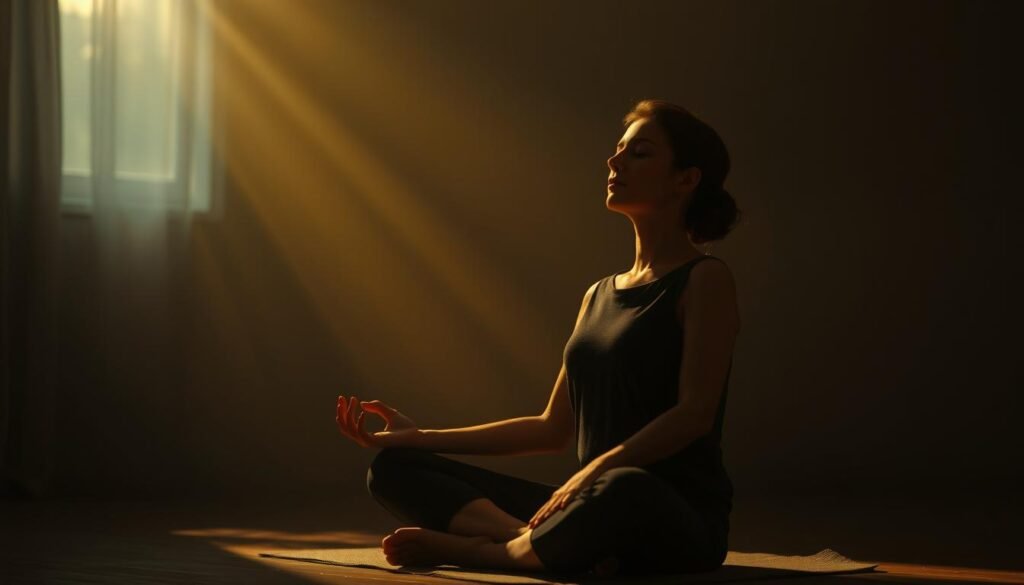
Brain changes linked to memory, attention, and information processing
This gentle practice can calm the mind and sharpen focus by pairing movement with mindful attention — early studies report structural and functional brain effects in regions tied to attention and memory.
- For many people, easing stress and anxiety frees cognitive bandwidth and smooths internal patterns.
- Brief, meditation-like pauses between sets train present attention and reduce distractions, supporting steadier energy at work.
- The practical benefit is clearer task-switching, less rumination, and more even mood through the day.
Daily tip: take 3–5 mindful breaths between sets to anchor attention — one of the simplest ways to cut mental noise. Track focused work time or reading retention to see real change.
To explore guided programs and background research, consider this concise overview at practice resources.
Whole-Body Wellness Effects Backed by Emerging Research
Recent trials and reviews link gentle, structured movement to measurable gains in sleep quality, balance, pain reduction, immune markers, and basic fitness. These signals are promising but work best when paired with standard care and sensible lifestyle habits.

Sleep quality and rhythms
Reviews report mostly positive outcomes on sleep quality. A 2024 review in people with chronic illness found improved sleep after regular practice, often within weeks.
Better sleep often amplifies daytime function and mood. Track changes in sleep duration and morning alertness to measure benefit.
Balance, gait, and fall prevention
Slow, purposeful sequences refine posture and gait. Trials show lower fall risk and better coordination, especially in older people.
These low-impact moves train stability without stressing joints, making them a practical addition to fall-prevention plans.
Chronic pain relief and circulation
Guidelines from the Ottawa Panel (2017) support tai chi–style practice for knee osteoarthritis to reduce pain and improve function.
Office-worker studies also report less low back pain, better range of motion, core strength, and improved circulation after weekly classes.
Immune support and inflammation
A 2020 meta-analysis of 19 RCTs found small but notable shifts in immune cell counts and inflammatory hormones after about four weeks.
These changes suggest a modest immune effect that complements, not replaces, medical care.
Fitness gains: strength, flexibility, and cardiovascular markers
Baduanjin and similar routines show improvements in balance, handgrip strength, torso flexibility, blood pressure, and resting heart rate across ages.
Short sessions can boost functional strength and flexibility while serving as gentle exercise within a broader fitness plan.
- Safety: NCCIH reports no major adverse events across many trials; most people tolerate practice well under guidance.
- Bottom line: Pair this approach with sleep, nutrition, and strength training for best health outcomes.
How to Start Practicing Qigong Safely in the United States
Begin simply: short sessions, a qualified teacher, and clear safety checks make progress steady and low-risk. Choose a path that matches your schedule and health needs.
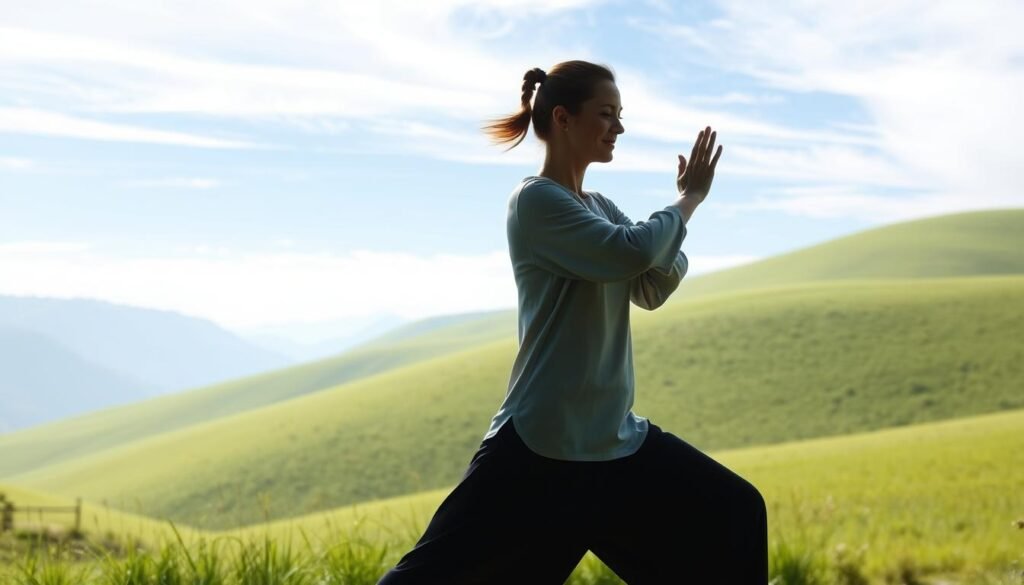
Finding guidance: what to ask and where to look
Ask instructors about style (Baduanjin, Five Animals), years teaching, and how they adapt sessions for injuries or chronic conditions.
- Check certifications such as the National Qigong Association.
- Use reputable directories: Red Thread International Qigong Institute and International Medical Qigong College.
- Many people start with clear, step-by-step videos; try a trusted beginner guide at this beginner overview.
Adapting the practice: short sessions and chair options
Start small: 10–15 minutes, 3–5 days a week is a sensible way to build tolerance while the system adapts.
If standing is hard, try seated sequences or reduced ranges of motion. Chair-based practice teaches breath, coordination, and alignment with low strain.
Safety checklist
- Discuss plans with your clinician if you have active health problems.
- Stop and seek care for sharp pain, dizziness, or new symptoms.
- Keep a brief log of sessions and how daily tasks feel to tailor your practice over time.
Conclusion
Small, steady sessions can change daily life. Short routines improved my sleep, balance, and ease of movement while calming the nervous system.
Emerging research links these simple movements to pain relief, modest immune and blood‑pressure gains, and better recovery after activity. Start with brief, guided practice and chair options if needed.
Practical next step: try 10 minutes most days, track mornings and mood, and adjust as you go. If you have health issues, check with your clinician and tailor intensity.
Read a concise research overview on qigong benefits to learn more. The information here is educational and not a substitute for professional medical advice. Always consult your physician with health questions.
FAQ
What is qigong and how does it differ from tai chi?
Qigong is a set of gentle movement, breathing and meditative practices that aim to balance the body’s internal energy and calm the nervous system. Unlike tai chi, which is a martial-art-based sequence with a strong emphasis on form and flow, qigong ranges from simple standing or seated exercises to guided breathing and visualization. Both improve circulation, flexibility, and stress regulation, but qigong often focuses more on breath and inner awareness, and can be easier to adapt for beginners or people with mobility limits.
How can these practices improve my daily energy and reduce fatigue?
Regular practice shifts the autonomic nervous system toward a restorative state, improving sleep, reducing tension, and supporting steady energy rather than short-lived spikes and crashes. Gentle movements and paced breathing enhance circulation and oxygen delivery, which helps sustain focus and stamina throughout the day. Short daily sessions—10–20 minutes—often produce noticeable changes in baseline vitality within a few weeks.
What scientific evidence supports cognitive and mood benefits?
Emerging studies and systematic reviews show links between meditative movement and improvements in attention, memory and emotional regulation. Neuroimaging and clinical research suggest changes in brain areas related to attention and stress response after regular practice. While more large-scale trials are needed, the current evidence points to meaningful gains in focus, reduced anxiety, and improved mood for many practitioners.
Can these exercises help chronic pain or mobility issues?
Yes. Low-impact movement, improved circulation and mindful body awareness can reduce pain intensity and improve function for conditions such as low back pain, arthritis and fibromyalgia. Slow balance and gait exercises also enhance coordination and fall prevention. Always check with a healthcare provider before starting if you have significant medical conditions or recent surgery.
Are there measurable effects on sleep and immune health?
Reviews report mostly positive effects on sleep quality and sleep rhythms, likely through reduced stress and improved autonomic balance. Small but consistent findings in meta-analyses indicate modest benefits for inflammatory markers and immune function, though results vary by study. These practices are best seen as a supportive tool within a broader wellness plan that includes sleep hygiene, nutrition and medical care when needed.
How do I start safely in the United States and find a qualified teacher?
Look for instructors affiliated with recognized organizations, positive local reviews, and clear information about training and certifications. Ask about their background in Traditional Chinese Medicine principles and experience teaching modifications for different ages and abilities. Community centers, hospitals, university extension programs and reputable online platforms often list vetted classes. If mobility or health limits exist, choose chair-based or therapeutic sessions and inform your instructor of medical conditions.
How long before I notice benefits, and what frequency is recommended?
Many people notice reduced tension and improved sleep after a few sessions; measurable changes in energy, balance or mood often appear within 4–8 weeks of regular practice. Aim for 10–30 minutes daily or 3–5 times per week. Consistency matters more than length: short daily practices tend to produce steadier results than occasional long sessions.
Can older adults or people with limited mobility practice safely?
Absolutely. Chair-based options and simplified sequences make the practice accessible to older adults and people with mobility constraints. Sessions that emphasize breathing, gentle joint mobility and balance are highly adaptable. Work with instructors experienced in therapeutic adaptations and consult a clinician when in doubt.
Are there any risks or contraindications I should know about?
Risks are low when movements are gentle and taught by qualified instructors. Avoid forceful or extreme positions, and stop if you feel sharp pain, dizziness or unusual symptoms. People with unstable cardiovascular conditions, uncontrolled hypertension, recent fractures, or pregnancy should consult a healthcare provider before beginning and choose appropriate modifications.
How does this practice fit into a broader wellness routine like running or strength training?
These practices complement aerobic and resistance training by improving recovery, flexibility and stress resilience. Short sessions before or after workouts can aid breathing mechanics, mobility and mental focus. Many athletes use meditative movement to enhance recovery, reduce injury risk and maintain consistent training over time.
What should I look for in an online class or app?
Choose programs led by credentialed instructors, clear progression guidelines, and options for beginners and modified practice. High-quality classes offer slow demonstrations, verbal cues for breathing and posture, and safety reminders. User reviews and trial sessions help evaluate whether the teaching style and pace match your needs.
How does the practice relate to Traditional Chinese Medicine concepts like qi and meridians?
The practice is rooted in Traditional Chinese Medicine concepts such as qi flow and meridian pathways, using movement, breath and intent to promote balance. Modern research translates some of these effects into physiological terms—improved circulation, autonomic regulation and reduced inflammation—making the practice both culturally grounded and compatible with evidence-based health models.


Don’t Miss These Picks