

Surprising fact: nearly half of people who train hard still see stalled progress because their routine clashes with their body’s chemistry.
Your hormones guide how your body adapts to movement, and movement shifts key levels that shape mood, energy, weight, and performance.
This short guide introduces a quick quiz to identify your likely hormone profile so your workout matches how you respond today, not months ago.
Scientific evidence shows activity changes endorphins, cortisol, insulin, thyroid hormones, estrogen, and testosterone. That matters for daily focus and stress resilience.
Right training can support fat loss and muscle. The wrong mix of volume and intensity can hamper results—especially if recovery is ignored.
Men and women often react differently to intensity and fasting, so personalization matters from the start. Learn how to combine resistance, aerobic, HIIT, and yoga for better balance.
Spot common symptoms—fatigue, sleep disruption, stalled progress—as signals your routine may not match your hormone levels. Use this guide to build a flexible, science-backed plan.
Key Takeaways
- Hormones shape how your body responds to movement and influence mood, energy, and weight.
- A quick quiz helps match training to current signals, not past patterns.
- Mix resistance, aerobic, HIIT, and yoga to support thyroid, insulin, and stress balance.
- Personalized volume and recovery prevent elevated cortisol and stalled progress.
- Men and women may need different intensity strategies; start with tailored steps.
- Learn practical actions to match training, recovery, and fueling to your symptoms and goals.
- Explore metabolic renewal exercises to refine your plan: metabolic renewal exercises.
Why Exercise and Hormones Belong Together
Movement signals the body to adapt. That adaptation rewires sex hormones, thyroid output, insulin action, and stress systems to shape strength, metabolism, and mood.
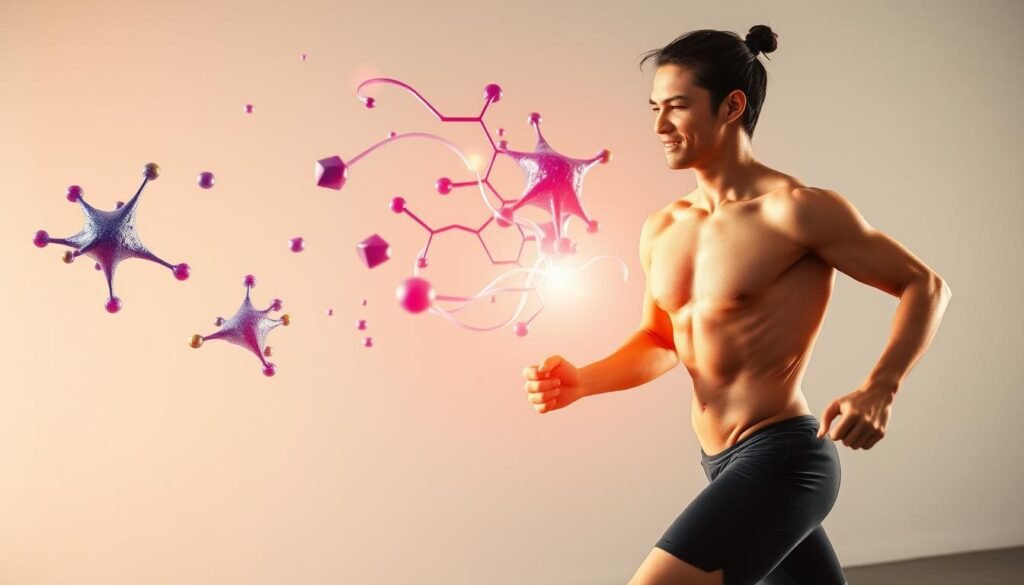
How activity affects estrogen, testosterone, thyroid, insulin, and cortisol
Aerobic training tends to improve estrogen metabolism and lower high circulating estrogen while reducing insulin resistance.
Resistance work raises growth and repair signals, helping retain lean mass and maintain metabolic rate with age.
HIIT boosts insulin sensitivity and fitness but can raise cortisol levels if sessions are too frequent without recovery.
Benefits beyond the body: endorphins, mood, and stress management
Movement elevates endorphins and neurotransmitters like serotonin and norepinephrine. That supports mood, focus, and daily stress management.
Mind-body practices using breath and slow movement lower sympathetic drive and help reduce cortisol over time.
Balance matters: the same stimulus that builds fitness can strain hormones when intensity and volume exceed recovery.
| Modality | Primary hormone effect | Benefit | Risk if overdone |
|---|---|---|---|
| Aerobic | Supports estrogen metabolism, lowers insulin | Improved metabolic and reproductive health | Excess volume may cause fatigue |
| Resistance | Increases growth and repair signals | Preserves muscle and metabolism | Insufficient recovery limits gains |
| HIIT | Boosts insulin sensitivity, raises cortisol short-term | Rapid fitness and metabolic gains | Chronic stress if recovery is poor |
| Yoga / breath work | Lowers cortisol, calms nervous system | Better stress management and recovery | Too little intensity may not build strength |
See the quiz next to match modalities with your current signals and goals. Treat hormones as adaptive messengers—training type, duration, and intensity direct the response.
Take the Quiz: Identify Your Hormone Type and Training Needs
A short screening helps you map symptoms to sensible training and recovery choices.
Notice odd shifts in energy, weight, or periods? These are clues. Take a brief quiz that screens sleep, cravings, cycles, and recovery. The results guide whether to emphasize resistance, aerobic, HIIT, or restorative work based on current hormone levels and recovery markers.
Recognize symptoms of imbalance: energy, periods, weight, and recovery
Watch for unpredictable periods, heavy bleeding, strong PMS, or skipped cycles paired with low energy. Fatigue, poor sleep, low libido, and stalled progress are common signs of a hormonal imbalance.
Women vs. men: different responses to intensity, fasting, and training load
Women often react more to high intensity plus low fuel. That combo can spike stress chemistry and blunt gains. Men may tolerate fasting and aggressive loads more easily. Be cautious with fasted high-intensity sessions if you have irregular periods or low energy.
“Track two to three weeks of sleep, mood, and soreness to validate quiz insights and refine your plan.”
- Record three workouts, perceived exertion, and next-day energy as a baseline.
- If cycles are irregular or symptoms severe, consider testing before increasing intensity.
- Use the quiz to tailor training and recovery recommendations — learn more about female responses here and cycle-aligned planning here.
| Signal | What it may suggest | Recommended focus |
|---|---|---|
| Irregular periods | Under-recovery, low energy availability | Reduce intensity, increase calories, more restorative sessions |
| Persistent fatigue | Elevated stress chemistry | Prioritize sleep, reduce HIIT, add breath work |
| Plateaued progress | Poor recovery or mismatch of modality | Shift to targeted resistance and structured recovery |
Exercise for Hormone Type: Match Workouts to Your Hormone Levels
Let current energy and recovery markers guide which workouts you prioritize.This helps you build strength and manage stress without overloading recovery.

When to prioritize resistance training
Resistance training should lead if strength and muscle mass matter most. Aim for two to four sessions weekly using progressive overload. This preserves lean mass and supports metabolic rate while boosting testosterone and growth signals.
How aerobic work supports insulin and estrogen
Include aerobic sessions two to three times weekly to improve insulin sensitivity and aid healthy estrogen metabolism. Choose brisk walking, cycling, or swimming to protect energy and avoid excess fatigue.
Using HIIT without driving cortisol long-term
Use high intensity intervals as a targeted tool: one to two short sessions weekly, each separated by 48+ hours and performed well-fueled. Pair these with carbs and solid sleep to lock adaptations and limit chronic cortisol elevations.
Low-intensity and yoga to balance stress
Schedule yoga or low-intensity movement on higher-stress days. Breath work lowers cortisol levels and supports thyroid-adrenal balance. Short post-meal walks also help glucose handling and weight goals.
- Track next-day energy and soreness to adjust volume and protect recovery.
- Cycle heavier resistance weeks with lighter deloads to avoid motivation and performance loss.
- Remember: testosterone and estrogen responses adapt over time—consistency beats any single session.
- Need practical at-home options? Try this smart workout guide.
| Goal | Weekly focus | Frequency | Notes |
|---|---|---|---|
| Strength & muscle mass | Resistance (progressive overload) | 2–4 days | Prioritize recovery and weekly volume |
| Insulin sensitivity & estrogen health | Aerobic (moderate intensity) | 2–3 days | Brisk walks, cycling, swimming |
| Fitness and speed | HIIT (short, fueled) | 1–2 days | 48+ hours between sessions; pair with carbs and sleep |
| Stress balance & thyroid support | Yoga / low-intensity movement | 2–4 days or as needed | Include breath work and restorative poses |
Cycle-Synced Training for Women: Time Your Workouts to Your Menstrual Cycle
Timing sessions to your cycle can boost gains and reduce burnout over the month.
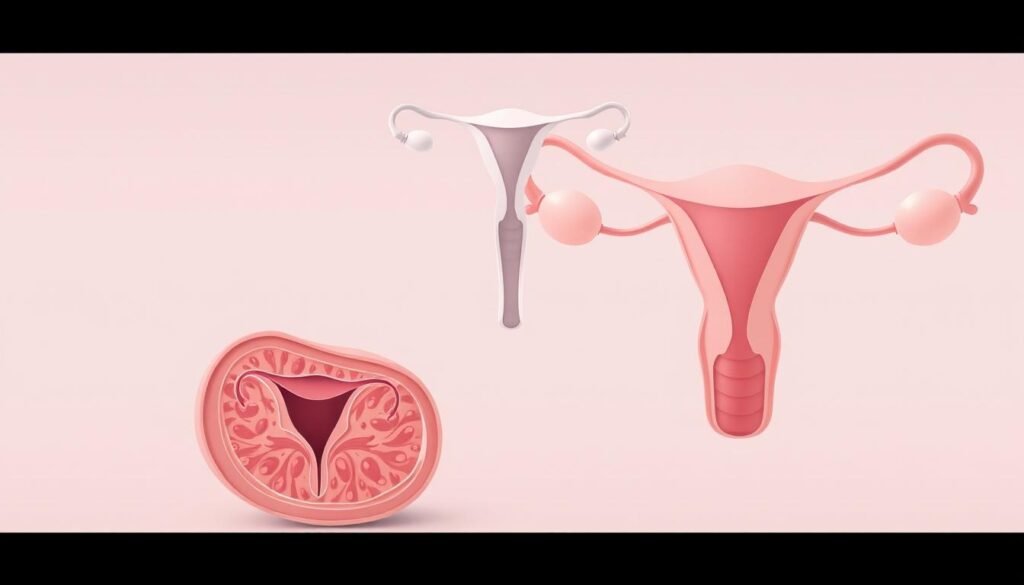
Use phase-aware planning to match intensity and recovery with shifting energy and hormone levels.
Follicular — build strength and skill
Lift heavier and practice complex moves. Energy often rises mid-follicular, so schedule strength work and skill practice then. Studies show women may gain strength faster when heavier training aligns with this window.
Ovulation — peak power and coordination
Leverage high coordination and power for PR attempts and technical lifts. Stay strict on form; enthusiasm can outpace stability. Keep high-intensity sessions limited to avoid chronic cortisol spikes.
Luteal — dial back intensity, keep consistency
Maintain volume but lower intensity. Focus on technique, mobility, and aerobic base work that supports estrogen metabolism. Shorter sessions and added recovery protect thyroid-adrenal balance.
Menstruation — prioritize recovery and momentum
Reduce load and include restorative practices. If energy allows, choose low-impact cardio and lighter resistance to stay active without forcing performance.
- Expect slightly more DOMS and brief strength dips in menstrual/early follicular phases; prioritize sleep, protein, and hydration.
- Adjust day-to-day based on cramps, sleep, and mood rather than a rigid plan.
- Track two to three cycles to spot patterns in energy, recovery, and performance.
- Gentle yoga, walking, and breathwork help manage cortisol and support thyroid-adrenal balance when symptoms peak.
| Phase | Training focus | Frequency | Notes |
|---|---|---|---|
| Follicular | Heavy lifts, skill work | 2–3 targeted sessions | Best window for strength gains |
| Ovulation | Power, coordination | 1–2 high-skill sessions | Use PR attempts cautiously |
| Luteal | Technique, mobility, aerobic | 2–4 lighter sessions | Lower intensity, protect recovery |
| Menstruation | Restorative movement, low load | As needed | Prioritize comfort and consistency |
Want a practical how-to? Read this guide to cycle syncing to build a month-long plan that matches your peaks and valleys.
Intensity, Time, and Recovery: Manage Cortisol and Prevent Overtraining
Keep high-intensity work targeted and pair it with deliberate recovery. That reduces elevated cortisol, protects cycles and bone health, and preserves long-term performance.

Too much high-frequency, high-intensity training without adequate fuel and rest can push stress systems into overdrive.
What elevated cortisol looks like
Signs to watch: feeling wired but tired, mid-afternoon slumps, trouble sleeping, plateaued lifts, and persistent soreness.
These patterns often signal an imbalance between stress and recovery. Chronic elevation of cortisol can depress estrogen, progesterone, and testosterone. That raises the risk of anovulation and amenorrhea in women and saps gains in everyone.
Understanding RED-S and practical risks
RED-S is a consistent energy shortfall where calories don’t match output. It harms performance, increases fracture risk, and disrupts menstrual cycles even when body weight looks stable.
Under-recovery also strains the HPA axis and can mirror low-thyroid symptoms, contributing to tiredness and slowed progress.
Simple rules to protect recovery
- Cap weekly high-intensity sessions at 1–3, depending on life stress and fitness level.
- Schedule 1–2 full rest or active-recovery days each week.
- On high-stress weeks, shift emphasis to aerobic base and mobility work.
- If sleep and morning energy improve within a week of scaling back, you likely needed a deload and more fuel.
| Risk signal | Likely cause | Immediate action |
|---|---|---|
| Wired but tired; poor sleep | Elevated cortisol from chronic stress | Reduce intensity, add breath work, increase sleep priority |
| Plateaued lifts; persistent soreness | Under-recovery or too much volume | Deload week, prioritize protein and calories |
| Irregular cycles or missed periods | Low energy availability / RED-S | Raise intake, reduce high-intensity load, get medical review |
| Low resting energy; slow metabolism | HPA/thryoid impact from chronic stress | Scale back training intensity; check thyroid and labs |
Takeaway: Smart programming balances intensity, time, and recovery. That protects hormonal health and speeds sustainable gains. Consider targeted testing and guidance if symptoms persist — for context on training and female physiology see this review at clinical guidance on training stress.
Fueling for Hormone Balance: Nutrition That Supports Your Training
Timing meals and prioritizing protein change how your body repairs and performs. Proper nutrition stabilizes energy, supports recovery, and protects cycles while you train.

Protein, healthy fats, and timing to build muscle and support hormone production
Eat protein-forward meals spaced across the day to support muscle repair, hormone production, and steady energy. Older adults and heavy trainers need more protein to protect muscle mass and metabolic health.
Include healthy fats like olive oil, avocado, nuts, and eggs to support estrogen and testosterone synthesis and menstrual regularity.
Fasted activity: when it might work and when it harms women’s hormones
Short, easy walks in a fasted state are usually safe. But chronic fasted sessions before tough work can raise cortisol and disrupt ovulation in women.
Train heavier sessions fed—this protects performance, insulin sensitivity, and recovery.
Smart supplementation: creatine, beta-alanine, BCAAs, and electrolytes
Creatine boosts strength, cognition, and mood, and is helpful in late luteal or post‑menopause phases. Beta-alanine aids high-effort buffering and may ease hot-flash symptoms. BCAAs can support recovery and blunt cortisol during intense blocks.
Keep electrolytes handy—especially in the luteal phase when temperature and dehydration risk rise. Together, these choices help reduce soreness, steady weight, and improve body composition over time.
Test, Track, and Tweak: Labs and Metrics to Personalize Your Plan
Start with targeted data to match training load and recovery with your current physiology. Baseline labs plus simple daily metrics let you tailor intensity, timing, and fueling to real signals—so progress compounds without unnecessary setbacks.

Comprehensive hormone panels and a 4‑point cortisol curve
Begin with a full hormone panel including a 4‑point cortisol curve to learn how daily stress and training affect your stress axis and sex hormones. That baseline helps set safe limits on high intensity work and pinpoints when deloads are needed.
Thyroid, iron, and micronutrients that drive performance
Order a full thyroid panel (TSH, free T4, free T3, antibodies) to detect subtle slowdowns that can sap strength and recovery.
Check iron studies if you menstruate—low iron reduces endurance and can disturb cycles.
Test vitamin D, magnesium, and zinc to support hormone synthesis and repair. Targeted supplementation can speed recovery and protect performance.
Gut microbiome checks and PCOS insights
Gut testing can reveal imbalances that affect insulin sensitivity and inflammatory drivers tied to PCOS. Use results to pair dietary changes with your training plan.
Remember: physical activity itself improves microbiome diversity, but testing helps tailor nutrition and clinical care when symptoms persist.
- Start with comprehensive hormone testing, including a 4‑point cortisol curve.
- Include a full thyroid panel and iron studies if you are active and menstruating.
- Test key micronutrients (vitamin D, magnesium, zinc) to support recovery.
- Consider gut microbiome analysis when PCOS or chronic GI issues affect training.
- Track sleep quality, resting heart rate, cycle regularity, and perceived recovery weekly to guide tweaks.
- Reassess labs annually or after major training shifts to keep your plan current.
“Use data to personalize intensity, deload timing, and fueling so progress compounds without unnecessary setbacks.”
Conclusion
Tune your weekly plan to current energy and lab data to protect cycles and speed progress. Use simple metrics and targeted testing to steer safe, effective training that respects your body’s signals.
Key recap: Align exercise with your likely hormone profile to build strength, protect muscle, and support metabolism without raising cortisol.
Balance matters: Combine resistance, aerobic work, and selective high intensity with restorative days and solid fueling to improve insulin sensitivity and healthy estrogen metabolism.
Cycle-aware planning: Women should time heavier sessions to strength windows and scale back during sensitive phases of the menstrual cycle to protect periods and energy.
Test and adjust: Periodic labs (sex hormones, 4‑point cortisol, thyroid, iron, micronutrients) validate progress and catch hormonal imbalance early.
Start with the quiz, implement the matched plan, and tweak using objective and subjective data to sustain gains.
The information in this article is for informational purposes only and is not intended to be a substitute for professional medical advice, diagnosis, or treatment. Always seek the advice of your physician or other qualified health provider with any questions you may have regarding a medical condition.
FAQ
How does training affect estrogen, testosterone, thyroid, insulin, and cortisol?
Short, targeted sessions like resistance and moderate-intensity cardio support healthy testosterone and estrogen balance, improve insulin sensitivity, and stimulate thyroid activity. High-volume or very intense sessions without adequate recovery can raise cortisol and suppress sex hormones. Aim for varied intensity, prioritize sleep and nutrition, and monitor symptoms to keep these systems balanced.
What benefits beyond body composition come from regular physical activity?
Movement boosts endorphins and dopamine, improving mood and lowering perceived stress. It enhances sleep quality, cognitive focus, and resilience to daily stressors. These neuroendocrine effects help regulate appetite, motivation, and recovery—key pieces of long-term metabolic and mental health.
Look for persistent fatigue, disrupted sleep, irregular periods or low libido, unexpected weight changes, poor recovery or chronic soreness, and performance plateaus. These clues often indicate issues with cortisol, thyroid, insulin, or sex hormones and warrant a review of load, nutrition, and labs.
Do men and women respond differently to intensity, fasting, and training load?
Yes. Women are often more sensitive to energy deficits and stressors, which can impact menstrual cycles and thyroid function. Men generally tolerate higher volume and fasted states with fewer reproductive effects. Individual variation is large, so personalize load, timing, and nutrition based on symptoms and testing.
When should I prioritize resistance training for strength, muscle mass, and metabolism?
Prioritize resistance sessions 2–4 times weekly if your goal is strength, lean mass, or metabolic improvement. Progressive overload, adequate protein, and consistent recovery are essential. Resistance work supports testosterone and growth-factor signaling that preserves muscle and resting metabolic rate.
How can aerobic work support insulin sensitivity and estrogen metabolism?
Regular moderate aerobic sessions improve glucose uptake in muscle, lower fasting insulin, and assist fat metabolism. That supports balanced estrogen processing and body composition. Combine steady cardio with resistance training for the best metabolic outcomes.
Can high-intensity interval training (HIIT) be used without chronically raising cortisol?
Yes—when dosed appropriately. Short HIIT sessions once or twice weekly with proper recovery can boost fitness and mitochondrial capacity without long-term cortisol elevation. Avoid daily maximal intervals and ensure nutrition, sleep, and light recovery sessions to prevent chronic stress responses.
How do yoga and low-intensity work support thyroid and adrenal health?
Low-intensity movement and restorative yoga reduce sympathetic drive, lower cortisol, and promote parasympathetic recovery. They improve circulation, support sleep, and help regulate hypothalamic-pituitary-adrenal and thyroid signaling—useful when overtraining or stress is present.
How should women time workouts around the menstrual cycle for best results?
Use the follicular and ovulation phases for higher-intensity strength and skill work when energy and recovery capacity are higher. During luteal and menstrual phases, reduce intensity, increase recovery and mobility, and prioritize sleep and supportive nutrition to manage symptoms and inflammation.
What is normal to expect each month in terms of DOMS, energy, and performance?
Expect fluctuations: greater strength and energy in the follicular/ovulation window and potential lower tolerance, higher soreness, or fatigue in luteal/menstrual phases. Track patterns across cycles and adjust volume rather than forcing constant high intensity.
What are common signs of elevated cortisol and under-recovery?
Frequent fatigue despite sleep, trouble falling asleep, unexplained weight gain (often abdominal), reduced motivation, irritability, and stalled progress are typical. If these persist, reduce training volume, increase restorative practices, and reassess calories and macronutrients.
What is RED-S and which training or dietary habits increase risk?
Relative Energy Deficiency in Sport (RED-S) occurs when energy intake consistently fails to meet the demands of training and basic physiology. Risk factors include aggressive calorie restriction, chronic high-volume training, menstrual irregularity, and low bone density. Early recognition and restoring adequate energy are crucial.
How should I fuel to support hormones and muscle recovery?
Prioritize sufficient protein (20–30 g per meal), healthy fats to support steroid hormone production, and carbohydrates around higher-intensity sessions to preserve thyroid and reproductive function. Regular meals and post-workout nutrition help recovery and insulin balance.
Is fasted training ever appropriate, and are there risks for women?
Fasted sessions can be useful for metabolic flexibility in some people, but women may be more vulnerable to negative effects—lowered thyroid output, disrupted menstrual cycles, or increased cortisol—especially with frequent fasted work or high training loads. Use cautiously and monitor symptoms.
Which supplements reliably support training and hormonal health?
Evidence-backed options include creatine (strength and cognition), beta-alanine (high-intensity capacity), and electrolytes for hydration. Protein powders can help meet needs. Use supplements alongside a balanced diet and after consulting a clinician if you have conditions like PCOS or thyroid disease.
What lab tests help personalize training and recovery plans?
Comprehensive testing includes sex hormone panels (estradiol, progesterone, testosterone), thyroid function (TSH, free T4, free T3), iron studies, vitamin D, and a 4-point cortisol profile to assess diurnal rhythm. These metrics guide training load, nutrition, and recovery strategies.
Why check gut health in relation to hormones and performance?
The gut influences nutrient absorption, inflammation, and estrogen metabolism via the microbiome. Dysbiosis can impair iron uptake, vitamin status, and hormone clearance, undermining energy and recovery. Addressing gut issues supports overall endocrine and performance health.
How often should I retest labs while adjusting my plan?
Reassess key markers every 3–6 months when making major training or dietary changes, sooner if you have significant symptoms. Use results alongside symptom tracking to refine intensity, recovery, and nutrition for sustainable gains.