

A workplace trial in the Netherlands found people who added 30–90 second cold finishes for 90 days called out sick 29% less.
This experiment explores one month of daily exposure to water under 60°F for brief periods. I framed the test around focus, energy, and fat loss while tying each claim to science-backed cold therapy guidance.
Short exposures can speed recovery after exercise, boost circulation by moving oxygen-rich blood, and may cut delayed muscle soreness through vasoconstriction and later vasodilation.
You’ll get clear rules for safe at-home practice: target temperatures, simple time windows, and an easy hot-then-cold protocol experts recommend for beginners.
Along the way, I separate realistic outcomes for weight and mood from hopeful claims and point to the best supporting research. For more detail on protocols and study summaries, see this overview on cold-water practice and effects.
Key Takeaways
- Brief, repeated exposures to very cool water can aid recovery and alertness.
- Short cold finishes may reduce sick days and improve circulation after exercise.
- Expect modest fat-related effects in 30 days; larger metabolic shifts need longer or different approaches.
- Start with alternating hot and cold and build tolerance; end on a short cold blast.
- Follow safety basics and consult a clinician if you have health risks.
What a 30-Day Cold Shower Challenge Taught Me Right Now
In 30 days I gained quicker morning alertness and steadier energy, with only modest changes to weight and recovery. The results matched short-term trials showing alertness and mood shifts after brief chilled water exposure.
Why I Started: Focus, Energy, and Weight Goals
I added a cold shower finish as a simple habit to reset focus. It fit my morning routine and gave a clear time box to measure.
My goals were tight: clearer mornings, fewer afternoon slumps, and tracking appetite before expecting real scale changes.
What Counts as a Cold Shower: Temperature, Time, and “Cold Shock”
Target temperature was below 60°F. Aim for 2–3 minutes total. Beginners can start at 30 seconds and build to 1–3 minutes, or use contrast: 3 minutes hot, 1 minute cold.
Expect an early shock response—rapid breathing and a jolt that eases with practice as the system adapts.
| Metric Tracked | Start | Week 2 | Week 4 |
|---|---|---|---|
| Morning alertness | 5/10 | 7/10 | 8/10 |
| Workout recovery | Neutral | Improved | Modest gain |
| Weight | No change | No change | Minimal shift |
Cold Showers Benefits Backed by Research and Real-World Results
Short, targeted finishes often sharpen alertness and speed recovery. Brief exposure to cold triggers a fast arousal response and a circulatory rebound that can ease soreness and lift mood within weeks.
Sharper focus and a quick brain wake-up
The jolt works fast. A short blast of cold water provokes rapid breathing and sympathetic activation. Many people report feeling mentally switched on within minutes.
One 2023 observation after a five-minute bath recorded higher self-rated alertness and activity. That matches lab findings that brief stressors raise attention and vigilance.
Improved circulation and faster recovery
Vasoconstriction during the chill sends blood centrally; the rebound flow afterward brings oxygen-rich blood back to tissues.
This redistribution can reduce post-exercise soreness and help muscles clear metabolites faster.
Mood, immune, pain, and skin effects
Limited trials show reductions in depression symptoms and anxiety after repeated exposures. Think of this as an adjunct to care, not a cure.
“A workplace trial in the Netherlands found 29% fewer sick days after short finishes were added to routines.”
That same trial suggests immune activation—likely via leukocyte changes—after regular, brief exposure. Pain perception also drops as alternating constriction and dilation blunt soreness.
Cosmetically, cooler finishes tighten pores and give short-term glow through boosted circulation and a healthy flush to the skin.
| Outcome | Mechanism | Typical Result (weeks) |
|---|---|---|
| Alertness | Rapid sympathetic activation | Immediate to 1 week |
| Recovery | Vasoconstriction → vasodilation, oxygenated blood | 1–4 weeks |
| Immune resilience | Leukocyte activation (short finishes) | 4–12 weeks (incremental) |
| Skin appearance | Increased circulation, tightened pores | Short-term glow |
Practical note: Most reproducible effects across showers are sharper alertness, modest recovery gains, and small immune shifts. Keep water time brief and consistent. For more protocol detail and study summaries, see this overview on cold exposure protocols.
Fat Loss Reality Check: Metabolism, Brown Fat, and What Cold Showers May Actually Do
Short exposures to low temperatures raise calorie burn, yet scale changes are usually minor. Brief thermogenic triggers increase energy use as the body works to stay warm, but this effect is small compared with diet and exercise.
Metabolic uptick: small calorie burn and cold-induced thermogenesis
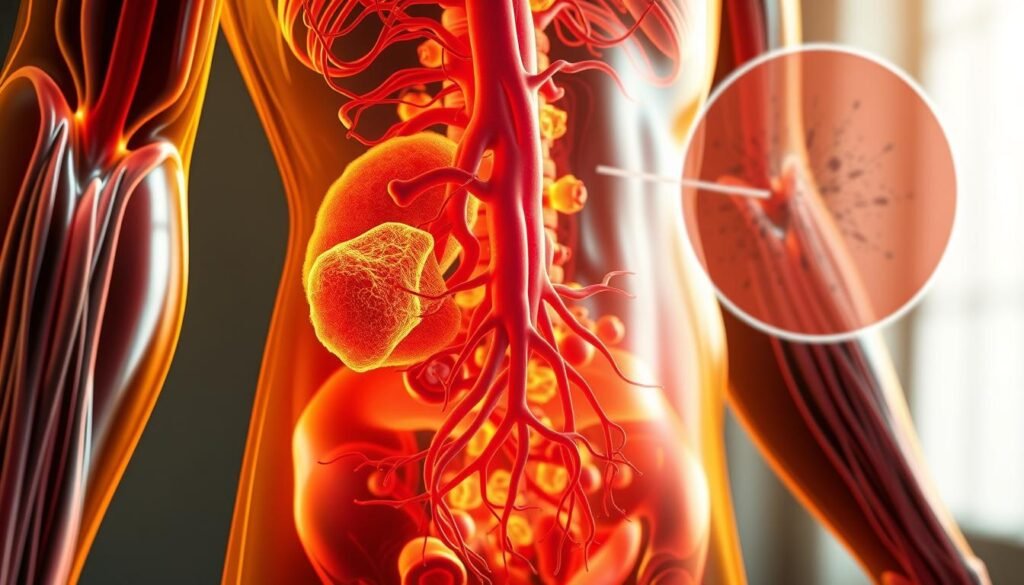
When you expose skin to chill, the system ramps heat production. That raises resting energy expenditure for a short time.
Research shows this calorie bump exists, but daily totals rarely add up to major weight loss without other changes.
Brown fat activation vs. true weight loss: why results are modest
Brown adipose tissue (BAT) does convert stored fuel to heat. Still, most clinical research finds only modest gains in calorie use from a quick finish.
Use this method as a supportive habit: it can steady appetite or boost energy to train. But pair it with strength work, cardio, and protein-focused eating for real weight results.
- Practical: think of cold exposure as a nudge to metabolism, not a main tool for fat loss.
- Action: anchor a chilly finish to post-workout routines to help consistency.
For a deeper look at timing and metabolic effects, see this overview on cold exposure for fat loss.
How to Start Safely: Time, Temperature, and When to Avoid Cold Exposure
Start slow and simple: ease into chilly water so your body adapts without an intense reaction.
Keep the first sessions brief and track how you feel. Aim for a temperature below about 60°F. Begin at 30 seconds and build toward 2–3 minutes over days to weeks.
Beginner protocol: ease in, contrast, and breathing
Finish your shower with one cold minute while breathing slowly. Increase to 2–3 minutes over a week if comfortable.
Try contrast cycles: 3 minutes hot, 1 minute cold, repeat three times and always end on cold. This is an accessible way to try this form of therapy.
Timing and duration: morning alertness and progression
Many people prefer AM for alertness; evening works if it doesn’t disrupt sleep. Track the time of day and your response.
Some clinicians cap cold finishes at 5–10 minutes total tolerance. Gradually notch the water colder every few days.
Safety first: screening and shock cues
Consult your primary care team if you have heart disease, high blood pressure, Raynaud’s, or cold urticaria. These conditions raise risk during immersion.
“If you experience intense gasping, dizziness, or chest discomfort, stop and warm up immediately.”
These symptoms are signs of uncontrolled shock and require stopping the session and seeking medical care if they persist.
- Quick rules: start warm, lower temperature slowly; stop if dizziness or uncontrolled shock occurs.
- Screening: check with care teams if you have relevant health conditions or are on meds that affect pressure.
- Practice: pair taking cold showers with workouts or brief walks to build tolerance safely.
| Focus | Action | Notes |
|---|---|---|
| Beginner timing | 30s → 2–3 minutes | Increase gradually over days |
| Contrast protocol | 3 min hot / 1 min cold ×3 | End on cold; repeat up to clinician limits |
| Safety screen | Check with PCP | Heart disease, blood pressure, Raynaud’s, urticaria |
Conclusion
A 30-day habit of brief, cool finishes reliably sharpens morning alertness and gives a modest recovery edge. Use it as a supportive part of training, sleep, and nutrition—not as a standalone weight-loss plan.
The bottom line: short, controlled exposure to cold water for about 2–3 minutes can cue alertness, improve circulation after exercise, and help with soreness. Expect modest metabolic change; real fat loss needs diet and movement.
Track simple metrics—time, temperature, perceived alertness, soreness, and sleep—and stop if you feel dizziness or chest pressure. If you have heart issues, Raynaud’s, or cold urticaria, consult your care team first.
For a practical primer on timing and outcomes, see this overview of cold exposure for fat loss. Start small, breathe steady, and treat this as one helpful part of a broader health routine.
FAQ
What counts as a valid cold shower for a 30-day challenge?
A valid session typically uses water noticeably below your usual warm range — often around 50–68°F (10–20°C) — for at least 1–3 minutes on exposed areas. Start with shorter exposures and lower the temperature gradually. Focus on steady breathing to reduce the initial shock and build tolerance safely.
Can short cold water exposure improve focus and alertness?
Yes. Brief immersion triggers a sympathetic response that raises heart rate and releases norepinephrine, which can sharpen attention and increase wakefulness. The effect is immediate but usually short-lived; integrate it into a morning routine for reliable alertness before work or exercise.
Will taking cold showers help me lose significant body fat?
Not by itself. Cold-induced thermogenesis and brown adipose activation can raise calorie burn slightly, but the impact on weight is modest. Sustainable fat loss still depends primarily on diet and exercise. Use cold exposure as a complementary strategy, not a replacement for proven methods.
How long and how often should I expose myself to cold water for benefits?
Beginners can start with 30–60 seconds, two to three times a week, and progress to 2–5 minutes daily if tolerated. For circulation and alertness, short daily exposures are effective. Always increase duration gradually and listen to your body.
Are there proven mood or mental health benefits from this practice?
Some studies show reduced depressive symptoms and improved mood after regular cold exposure, likely due to neurotransmitter changes and the stress-resilience effect. It can be a useful adjunct to established treatments, but it should not replace professional mental health care when needed.
Does cold water help with post-exercise soreness and recovery?
Yes. Brief cold immersion can reduce inflammation and perceived muscle soreness through vasoconstriction and reduced tissue temperature. For intense training, contrast therapy (alternating warm and cold) or short cold sessions after activity can support recovery without impairing adaptation.
Who should avoid or consult a doctor before trying this routine?
People with cardiovascular disease, uncontrolled hypertension, Raynaud’s phenomenon, cold urticaria, or a history of syncope should consult a clinician first. Pregnant individuals and those with certain autoimmune or metabolic conditions should also seek medical advice before beginning regular cold exposure.
What safety signs indicate I should stop a session immediately?
Stop if you feel chest pain, severe shortness of breath, dizziness, fainting, numbness beyond expected cold tingling, or a racing irregular heartbeat. These may signal cold shock or an adverse cardiovascular response; seek medical attention if symptoms persist.
Can contrast showers (alternating hot and cold) offer additional benefits?
Yes. Alternating warm and cold can enhance circulation, reduce muscle soreness, and support lymphatic flow. Use a 3:1 or 2:1 ratio of warm to cold, ending with a short cold exposure to close pores and energize. Adjust timing based on tolerance and goals.
How quickly will I notice changes in skin appearance or circulation?
Some people see a temporary skin tightening and a refreshed look after the first few sessions due to vasoconstriction and improved blood flow. More sustained circulation improvements and recovery benefits may appear after several weeks of consistent practice.
Are there reliable protocols for beginners to reduce shock and build tolerance?
Start with shorter exposures, use a gradual temperature drop during your usual shower, practice controlled breathing (e.g., 4–6 slow inhales/exhales), and consider ending with a 15–30 second cold blast. Increase time by 15–30 seconds every few sessions as your comfort grows.
Will regular cold exposure affect blood pressure long term?
Acute exposure can raise blood pressure transiently due to sympathetic activation. Repeated, controlled exposures may improve vascular responsiveness over time, but people with hypertension should monitor readings and consult their physician before starting a routine.
How does this practice interact with exercise performance and adaptation?
Short post-exercise cold exposure can speed recovery and reduce soreness without majorly blunting strength gains when used judiciously. However, frequent prolonged cold baths immediately after resistance training may blunt long-term hypertrophy adaptations; time and duration matter.
Are there credible studies supporting immune benefits from regular cold water exposure?
Some research indicates a modest increase in certain immune markers and fewer self-reported sick days among regular cold-exposure practitioners. Evidence is promising but not definitive; treat it as an added wellness habit rather than a proven immune cure.
How should I combine this practice with other wellness habits for best results?
Pair brief exposures with proper sleep, nutritious eating, regular exercise, and stress management. Use cold sessions as an energizing or recovery tool—consistency, not extremes, produces the most reliable benefits when integrated into an evidence-based routine.