


Curious whether a brief blast of cold water can sharpen your mind and trim your waistline—or is that just hype?
From a practical biohacker lens, this simple form of therapy can boost alertness, support modest metabolic gains, and aid recovery when used sensibly. It’s a small daily edge, not a medical cure.
A few studies support real effects: a Dutch trial linking short cold finishes to 29% fewer sick days is a notable example. Physiologically, exposure under 60°F for 2–3 minutes triggers circulation changes, immune signaling, and a slight metabolic lift.
This intro previews what you’ll learn: how the protocol works in the body, which outcomes have solid evidence, safe ways to start, and who should avoid it. Expect time-efficient options like a 2–3 minute finish, contrast routines after workouts, and stacking tips with breathwork.
For a practical starter guide and protocols, see this biohacking starter kit.
Key Takeaways
- Short exposures under 60°F can raise alertness and modestly increase metabolism.
- Evidence includes reduced sick days and improved mood in some trials.
- Use protocols like a 2–3 minute finish or contrast showers for time-crunched routines.
- Results vary by individual; this is supportive therapy, not a replacement for care.
- Start gradual, monitor how your body responds, and consult a clinician if you have health concerns.
What Cold Showers Are and How They Work on the Body
Standing under brisk water sends a clear signal to your nervous system and circulation. This simple home practice reproduces elements of clinical cryotherapy and trains short-term resilience when used safely.
From cryotherapy to your bathroom: cold water exposure defined
A practical definition: brief, intentional application of cold water in your own shower to trigger adaptive responses similar to more intensive cryotherapy. A routine rinse below 60°F for 2–3 minutes is the common benchmark.
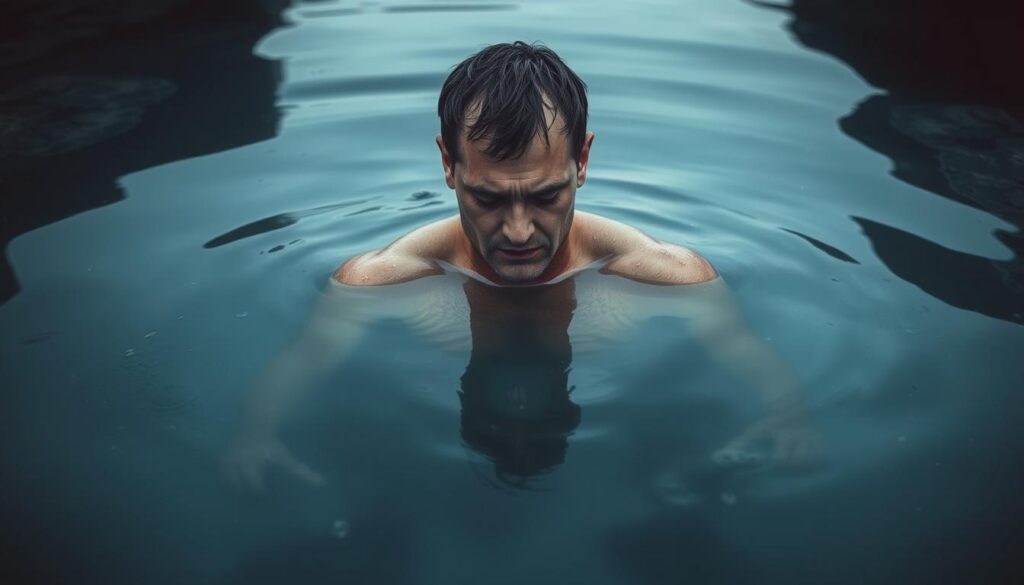
The physiology: temperature shock, vasoconstriction/vasodilation, and blood flow
Skin cold receptors create a rapid sensory signal — a mild temperature shock — that can raise alertness and briefly increase heart rate. That initial response is normal for many healthy adults.
- Vascular shift: vessels tighten (vasoconstriction), moving blood toward the core.
- Rewarming: vasodilation follows, returning oxygen-rich blood to tissues and aiding recovery.
- Circulation and system effects: this push–pull can stimulate overall blood flow and support a more efficient circulatory system over time.
Think of this practice as one part of recovery and health: combine it with sleep, nutrition, mobility, and hydration. Start short, breathe steadily through the initial shock cold sensation, and consult a clinician if you have heart or circulation concerns.
Cold Showers Benefits Backed by Current Research
This section summarizes what peer-reviewed work and trials report about short-term cold water exposure. It highlights effects on alertness, metabolism, circulation, immunity, pain, and skin in clear, practical terms.
Sharper focus and mental clarity from the cold shock response
Fast sensory input from cold water often increases alertness within seconds. People report feeling more attentive and motivated after brief immersion in recent trials. A 2023 study found improved self-reported activity and attention after a five-minute cold bath.
Metabolism support and brown fat activation for weight management
Brief exposure can raise energy use and recruit brown adipose tissue, which helps thermogenesis. This is modest support for weight loss strategies when paired with proper diet and training—not a standalone method.
Improved circulation and recovery after exercise
The push–pull of vasoconstriction and vasodilation redistributes blood, flushing metabolites and delivering oxygen-rich blood to muscles. Athletes often use short cold finishes to reduce post-exercise soreness and speed recovery.
Immune support: leukocytes and fewer sick days
One Netherlands trial reported a 29% drop in sick-day absences after adding 30–90 seconds of cold water to daily showers for 90 days. Read the Dutch trial on cold-finishes for details: Dutch trial on cold-finishes.
Pain, inflammation, and skin perks
Cold therapy dampens nerve signals and lowers inflammatory responses, offering short-term relief for sore spots and muscle soreness.
Chilled water can temporarily tighten pores, reduce oil buildup, and support a fresher skin appearance through improved circulation.
- Takeaway: Effects on energy, circulation, and resilience are real but modest. Small, consistent exposures add up over weeks when combined with sleep, nutrition, and exercise.
How to Start: Time, Temperature, and Proven Cold Water Protocols
Begin with short, repeatable steps and clear safety rules so you build tolerance without stress. Use simple timing and breathing cues to make the routine practical and effective.
A smart entry path prioritizes short exposures and steady breathing to build tolerance safely.
Recommended temps and minutes
Start below 60°F if you can, but begin with just 30 seconds. Add 15–30 seconds each session until you reach 2–3 minutes comfortably.
Calibrate by feel: the stream should be clearly cold yet safe. If you cannot set an exact temperature, use the coldest tap you tolerate.
Contrast showers for recovery
Use alternating hot water and cold for circulation work. Try 3 minutes hot, 1 minute cold, repeat three rounds and finish on cold to encourage vasoconstriction.
Morning vs. evening: choose by goal
Morning exposure tends to boost alertness and focus for the day. Post-exercise sessions can help soreness and recovery.
Breathing and pacing
Keep breaths slow and long through the nose to blunt the gasp and heart rate spike. Rotate your body under the stream to spread the effect; avoid direct scalp dousing at first.
“Start small, track how your body responds, and prioritize steady breathing—consistency beats extremes.”
| Protocol | Duration | Temp | Use |
|---|---|---|---|
| Starter finish | 30–90 seconds | Below 60°F | Daily tolerance building |
| Standard finish | 2–3 minutes | Below 60°F | Alertness, mild metabolic lift |
| Contrast session | 3x (3 min hot /1 min cold) | Hot then cool | Recovery, reduced soreness |
| Advanced total | 5–10 minutes (sets) | Coldest tolerable | Experienced users only |
- Safety note: step out if dizzy, numb, or short of breath and warm up gradually.
- Track results: log minutes, perceived temperature, sleep, soreness, and mood to fine-tune time and frequency.
Safety, Limits, and Who Should Avoid Cold Exposure
Sudden temperature drops can raise heart rate and blood pressure quickly, so safety matters. This short section explains who should pause and what signs mean stop now.
Which conditions raise concern?
People with heart disease, uncontrolled high blood pressure, Raynaud’s, or cold urticaria should consult a clinician before trying this practice. These conditions can make brief water exposure risky.
Sudden changes can trigger arrhythmias in susceptible people. If you have a diagnosed heart condition, seek medical clearance and a tailored plan.
How to recognize and limit cold shock
Shock from cold usually shows up in the first seconds. Symptoms include gasping, rapid breathing, dizziness, and an intense stress response. Stop the shower if you feel panicked or short of breath.
- Contraindications: check with your clinician if you have heart disease, Raynaud’s, or cold urticaria.
- Know the signs: gasping, lightheadedness, numbness, or chest discomfort—end exposure and warm up.
- When to stop: if blood pressure spikes or you feel faint, dry off, dress warmly, and seek care if symptoms persist.
- Set realistic expectations: cold showers may support mood and modest weight management, but they are not primary treatments for depression or significant weight loss.
- Integrate with care: do not replace prescribed therapy; use exposure as a complementary practice within your broader health plan.
“If dizziness, chest pain, or a racing pulse occur, stop immediately and get medical advice.”
| Risk | What to watch for | Action |
|---|---|---|
| Heart conditions | Chest pain, palpitations | Consult cardiology before trying |
| Raynaud’s / urticaria | Numbness, extreme skin reactions | Avoid or test under supervision |
| Cold shock | Gasping, dizziness | End shower, warm up slowly |
Research evolves. For a practical review of risks tied to sudden water exposure, see this risks of sudden cold water exposure.
Conclusion
This practice is a low-cost, time-efficient therapy that can sharpen alertness and aid recovery when used sensibly.
Start small, track results, and fold exposure into a broader health routine.
Try a 30–60 second cold water finish after your regular shower and build toward 2–3 minutes most days. Use contrast sets after exercise to help reduce muscle soreness and inflammation while keeping training consistent.
Effects on metabolism and weight loss are modest — pair exposure with nutrition and movement. Finishing with cool water can also tighten pores and refresh skin for an easy routine uplift.
If you have heart disease, Raynaud’s, or high blood pressure, coordinate with your care team first. For a practical review and starter guidance, see this cold water immersion guide.
Evidence-based optimism: short, regular exposure may improve focus, circulation, and resilience with minimal time investment.
FAQ
What exactly are cold water exposures and how do they differ from cryotherapy?
Cold water exposure means brief, controlled immersion or showering with water well below typical body temperature — often under 60°F when building tolerance. Cryotherapy usually uses very cold air or localized machines at far lower temperatures for short sessions. Both trigger similar stress responses in the body, but bath or shower exposure is more accessible and easier to dose at home.
How does the body respond physiologically to a sudden drop in temperature?
A rapid temperature drop causes an immediate “cold shock” response: heart rate and breathing spike, blood vessels constrict (vasoconstriction), and core-preserving mechanisms kick in. Afterward, repeated exposure can improve peripheral circulation through better vasodilation during recovery, and support metabolic adaptations like increased activity of brown adipose tissue.
Can brief cold sessions actually improve concentration and mood?
Yes — many people report sharper focus and clearer thinking within minutes. The physiological response releases norepinephrine and other catecholamines that heighten alertness. Studies show short-term mood boosts and reduced fatigue, though effects can vary between individuals and are complementary to other wellness practices.
Do short, cold exposures help with weight loss or metabolism?
They can support metabolism by activating brown fat and increasing energy expenditure modestly, particularly when combined with a healthy diet and exercise. Cold exposure is not a standalone weight-loss solution but can be a useful adjunct for improving metabolic resilience.
How long and how cold should my session be to get benefits without undue risk?
Start conservatively: 30–60 seconds of cooler water at the end of a warm shower, then gradually extend toward 2–3 minutes as tolerance builds. Aiming for water below 60°F is common in protocols, but personal comfort, health status, and gradual acclimation matter most. Always prioritize safety over duration.
What is a contrast shower and when should I use it?
A contrast shower alternates hot and cold water (commonly 1–3 minutes hot, then 30–60 seconds cold). This alternation promotes blood flow and can speed recovery after workouts, reduce muscle soreness, and support circulation. Use it after moderate to intense exercise or when you want recovery-focused stimulus.
Is there a best time of day to practice cold exposure — morning or evening?
Morning sessions tend to boost alertness, improve readiness for the day, and may enhance focus. Evening exposure can interfere with sleep for some due to increased arousal; if sleep is a concern, try short, gentle sessions earlier in the evening or reserve longer exposures for mornings.
How should I breathe and pace myself during initial exposures?
Control the breath: take slow, deep inhales and extended exhales to counter the gasp reflex and calm the nervous system. Start with brief exposures and steady breathing, gradually increasing duration as you feel comfortable. Mindful pacing reduces shock and improves tolerability.
Are there safety risks or medical conditions that make this practice unsafe?
Yes. People with cardiovascular disease, uncontrolled hypertension, a history of heart attack, Raynaud’s phenomenon, cold urticaria, or seizure disorders should avoid or consult a physician before trying cold exposure. The rapid cardiovascular changes can trigger adverse events in vulnerable individuals.
Can cold water help reduce muscle soreness and inflammation after exercise?
Short cold sessions and contrast protocols can reduce localized inflammation and perceived soreness after workouts. They’re particularly effective for acute recovery in the 24–72 hour window, though long-term muscle adaptation benefits from a balance between cold recovery and training stimulus.
Will exposure to cold improve my skin and hair health?
Cooler rinses can temporarily tighten pores, reduce sebum production, and leave hair looking smoother by flattening the cuticle. These are cosmetic, short-term effects — not a cure-all — but many people notice a fresher appearance after routine cool rinses.
How often should I practice to see measurable effects on mood, recovery, or metabolism?
Consistency matters: 3–5 short sessions per week is a practical starting point. Some adaptations occur within days for alertness and mood; metabolic and circulatory changes may take weeks of regular practice. Track subjective changes and adjust frequency based on goals and tolerance.
Can cold exposure increase my immune resilience or reduce sick days?
Some studies link regular controlled exposure to modest increases in certain immune markers and fewer self-reported sick days. The evidence is preliminary and not definitive; cold exposure should complement established immune-support strategies like vaccination, sleep, nutrition, and hand hygiene.
What precautions should athletes or people with intense training schedules take?
Use cold methods strategically: for acute recovery after heavy sessions, contrast or brief cold immersion can help reduce soreness. Avoid chronic, prolonged cold immediately after strength training if you’re seeking long-term hypertrophy, as excessive cold can blunt some adaptive signaling.
How do I know when to stop a session or seek medical help?
Stop immediately if you experience chest pain, severe shortness of breath, dizziness, numbness, or fainting. Seek urgent medical attention for any persistent cardiovascular symptoms. When in doubt, consult your healthcare provider before continuing the practice.


Don’t Miss These Picks