

Could a jar of this trendy superfood be helping your energy — or hiding something you should know?
Before you buy sea moss gel, learn the differences between species, how sourcing impacts purity, and what real potency looks like. This short introduction previews how to spot authentic products, compare dried versus ready-made forms, and read label signals that matter for wellness.
Thousands of red algae are marketed under one name, and texture, mineral content, and farming methods vary. Reputable sellers will list the scientific name and share third‑party lab results for contaminants like molds, yeast, E. coli, and Salmonella.
DIY makes it easy to control ingredients — filtered or spring water, a rinse to remove debris, and simple blending — while store-bought jars should have a short ingredient list and clear storage guidance.
Traceable sourcing and lab-tested batches and clear iodine notes help you choose safely. For practical uses and dosing tips, see an overview of potential benefits and recipe ideas at trusted wellness coverage.
Key Takeaways
- Know the species: Scientific names signal authenticity and expected texture.
- Check tests: Third‑party results for contaminants are a quality must.
- Read labels: Short ingredient lists usually mean higher potency.
- Dried vs. ready-made: Form affects shelf life, use, and control over additives.
- DIY option: Home-made gel gives control but requires proper rinsing and storage.
- Consult a provider if you have thyroid, kidney, or medication concerns.
What Sea Moss Really Is: Species, Colors, and Why It Matters Before You Buy
Not all jars labeled the same are equal. Knowing the exact species, growth method, and natural pigment range helps you choose a product that performs the way you expect. This section outlines the most common types and why color and source matter.
Chondrus crispus vs. Gracilaria — structure and behavior
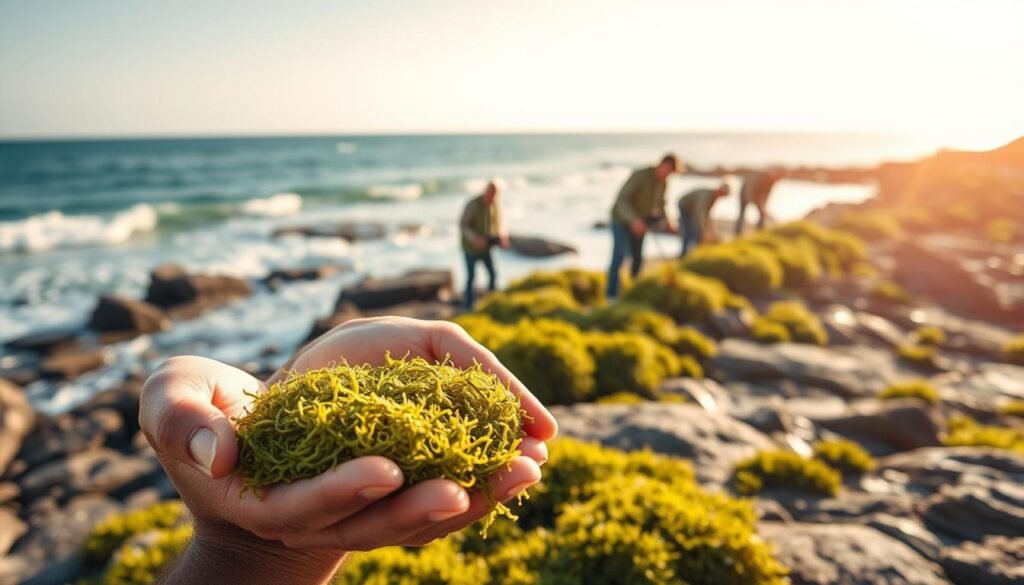
Chondrus crispus (often called Irish moss) clings to cold, rocky Atlantic coasts — Ireland, Canada, Great Britain, and Maine — and usually forms a tighter, firmer gel when hydrated. Gracilaria can be rope-grown in warmer regions and often yields a smoother, looser gel.
Where it grows and why that changes the product
True Irish moss is rarely rope-farmed. If a seller claims rope cultivation for Irish moss, question the label and check the scientific name. Reputable brands list species and clear source lines for transparency.
Pigments and natural color spectrum
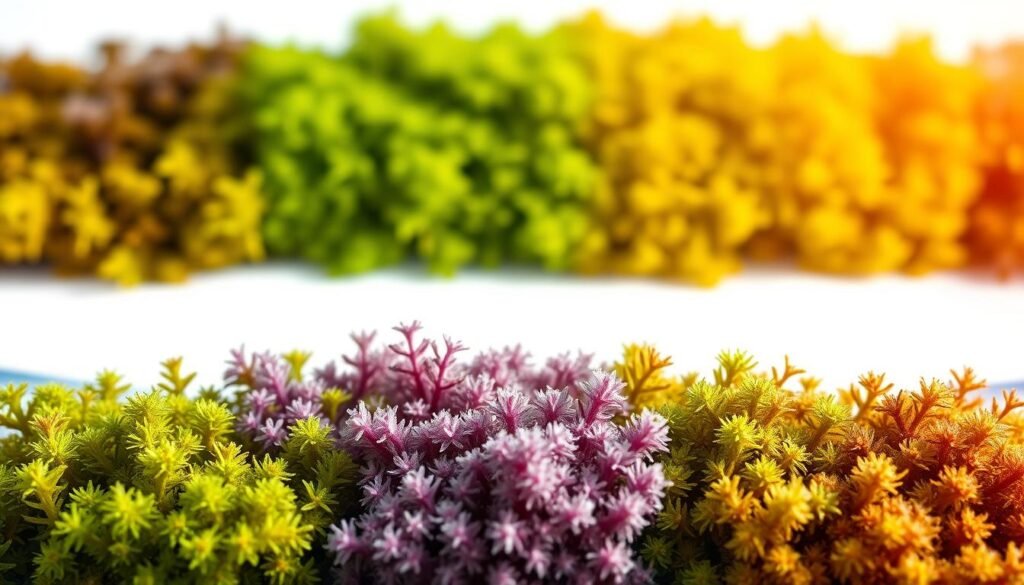
Pigments like phycoerythrin (red), phycocyanin (blue), and chlorophyll (green) create a natural color spectrum from indigo and blue to green and ochre. Dark or bright color does not always mean higher mineral content; harvest conditions and handling play a role.
- Quick test: Rehydrate a small cup of each type to compare texture and gel behavior before you buy in bulk.
- Tip: Use filtered or spring water when you prepare sea to see true consistency differences.
For deeper species comparisons and labeling tips, see an analysis of Irish moss identity and reported mineral content claims.
Smart Sourcing: How to Choose a Clean, Ethical, and Authentic Product
A clean sea moss product starts with clear labeling and ethical sourcing. Look for the scientific name, region, and handling details — vague origin is a red flag.
Traceability and testing protect both your health and ocean habitats. Reputable sellers list the species (for example, Chondrus crispus) and note whether harvests are wild or farmed.
Verify species and origin
Check labels for the scientific name and a named region. If a seller skips those details, you may get a different type than expected. Confirm if the product is certified organic or follows clear harvesting standards.
Wildcrafted vs. farmed
Wildcrafted Irish types come from rocky Atlantic coasts and usually behave differently in texture than rope-grown varieties. Rope cultivation often indicates Gracilaria and can change gel feel and culinary use.
Sand, shells, and simple rinsing tests
Natural harvests can include small shell fragments or residual sand. A quick home test helps: place some in a bowl of cool water and agitate. Excess grit or cloudy water suggests inadequate pre‑cleaning and signals extra rinsing is needed before you process the food.
“Short ingredient lists and accessible COAs are the clearest signs a supplier values transparency.”
Final checklist:
- Look for species name, origin, and harvest method.
- Request third‑party testing or a COA for contaminants.
- Avoid ready-made jars with added sugars, gums, or preservatives.
- Prefer brands that explain their environmental and harvest process and offer traceable sourcing.
Potency and Quality Signals: Water, Texture, and Testing You Should Expect
Water quality, texture, and testing define real potency. Use filtered or spring water, aim for a smooth, cohesive gel, and choose brands that publish lab tests. These signals protect purity and improve consistency in your jar.
Why water matters:
Which water should be used and why
Filtered or spring water reduces chlorine, heavy metals, and off‑odors that can change the final product. Tap water sometimes adds minerals or tastes that mask natural notes and can shorten shelf life.
What a well‑made product looks, smells, and tastes like
A proper gel is smooth and spoonable with no fibrous chunks. It should hold shape on a spoon yet blend easily into recipes.
Expect a mild ocean scent and a neutral to lightly marine taste. Citrus can cut stronger notes without hiding true content.
Testing and certificates you should ask for
Look for third‑party lab results that screen for molds, yeast, E. coli, and Salmonella. COAs (certificates of analysis) are a strong signal of transparency and safety.
“Short ingredient lists and accessible COAs are the clearest signs a supplier values transparency.”
| Signal | What to expect | Why it matters |
|---|---|---|
| Water | Filtered or spring water listed | Reduces contaminants and off‑notes |
| Texture | Smooth, cohesive, spoonable | Shows proper processing and consistent content |
| Testing | COA for molds, yeast, E. coli, Salmonella | Confirms purity and supports safety claims |
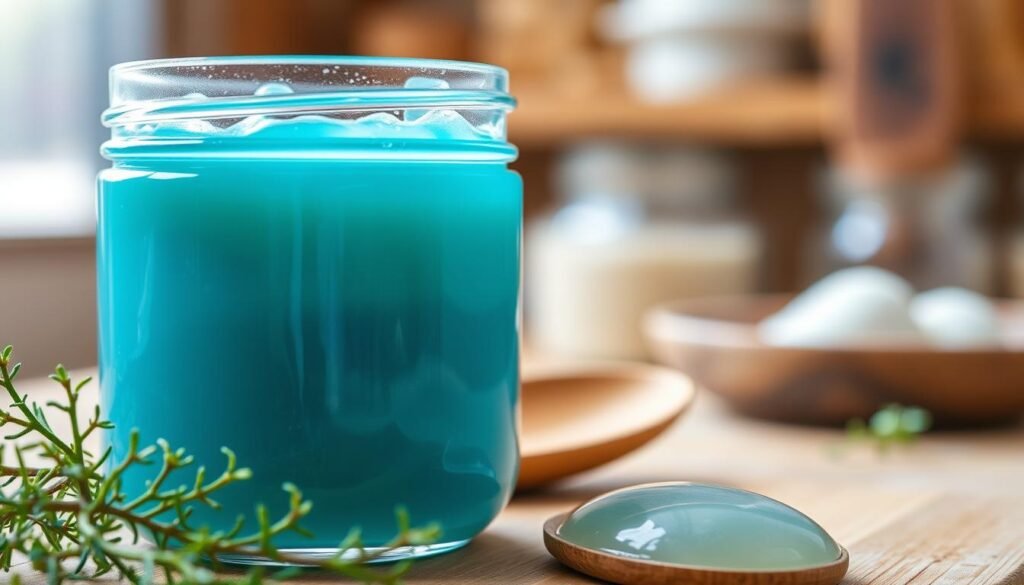
- Quick sensory checklist: color fits the natural spectrum, taste is neutral to lightly marine, no sour or fermented smell.
- Refrigerate after opening, use a clean spoon, and store in a sealed glass jar to maintain potency.
- Most properly handled products last about 2–3 weeks in the refrigerator; some sources note 3–4 weeks. Freeze portions for longer storage.
- Minimize temperature swings, keep the lid tight, and avoid cross‑contamination to preserve quality.
For a practical review of whether adding this ingredient to your routine makes sense, read a dietitian’s month‑long test here.
DIY Benchmark: How to Prepare Sea Moss Gel at Home for Maximum Control
Making your own gel gives you total control over purity, texture, and taste. You’ll soak, rinse, and blend with filtered or spring water, then set the gel in a clean jar for predictable results.
Quick note: a simple at‑home batch is the best way to compare store jars against a true standard.
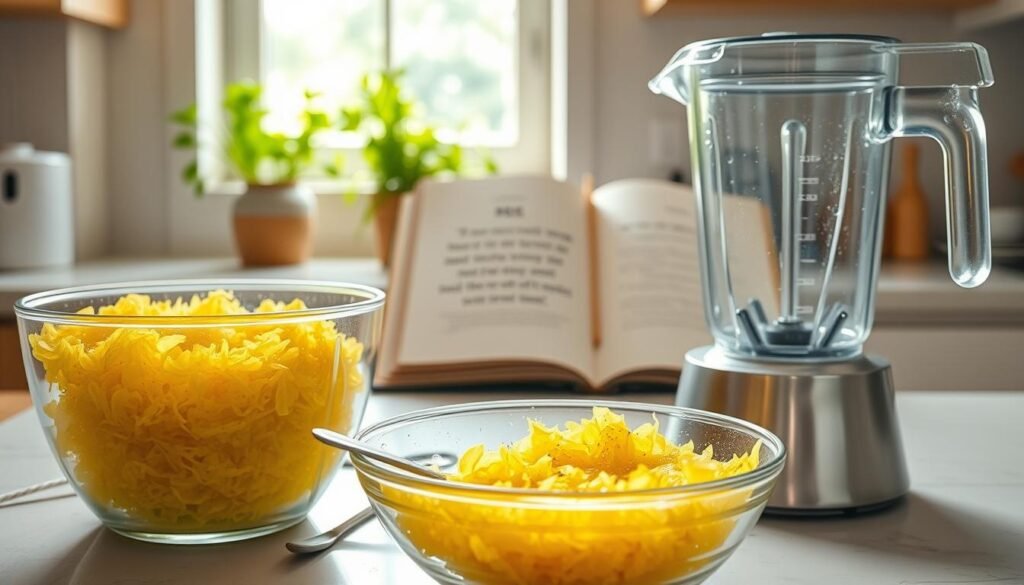
- Ingredients & tools: dried sea moss, filtered or spring water, a high-speed blender or sturdy blender, a large bowl, and a clean glass jar. Optional: lemon or lime.
- Core steps: sort and rinse thoroughly to remove salt, sand, and tiny shells. Soak 6–12 hours (overnight is easiest) in ample water in a bowl. Drain, rinse again, then blend with fresh water until smooth.
- Ratios: start with about 1 cup dried sea moss to ~4 cups water for soaking. Add blending water slowly to reach desired thickness.
If you prefer a thicker finish for desserts, use less blending water. For smoothies, add water tablespoon by tablespoon until the texture pours easily.
A high-speed blender yields a creamier result fast. With a standard blender, soak longer and scrape down the sides between blends.
| Stage | Typical Ratio / Time | Best Use |
|---|---|---|
| Soaking | 1 cup dried : ~4 cups water, 6–12 hours | Rehydrate and remove grit |
| Blending | Start with 1 cup blending water; adjust by tablespoons | Thick for desserts, thin for smoothies |
| Storage | Refrigerate 2–3 weeks; freeze in ice cube tray for months | Jar for daily use, cubes for recipes |
“A DIY batch shows you exactly what belongs in the jar — and what doesn’t.”
Practical serving note: begin with 1–2 tablespoons per serving. Freeze portions in an ice cube tray for quick, measured additions to smoothies or recipes.
Benefits, Uses, and Sensible Cautions
Sea moss delivers a compact mix of key minerals and flexible culinary uses while requiring measured intake for safety. Start small and track how your body responds to support long-term wellness.
Think of this product as a mineral-rich binder that blends easily into food and drinks.
Core nutritional profile:
Mineral-rich support and energy perspective
Benefits: contains iodine, magnesium, calcium, iron, and vitamins such as K (and traces of A, C, E). These minerals can support thyroid-linked processes and contribute to steady energy when paired with a balanced diet.
Practical kitchen uses
Use a spoonful in smoothies, soups, stews, sauces, desserts, or raw breads to add structure and spring. It can reduce reliance on nuts for texture and help recipes hold together without strong flavor.

Safety first
Begin with 1–2 tablespoons daily or less to assess tolerance. Those with thyroid, kidney issues, or who take blood thinners should consult a clinician. Research on carrageenan centers on degraded forms in animal studies; whole-food moss gel behaves differently, but people with IBS may prefer to avoid and monitor symptoms.
| Aspect | What it offers | Practical note |
|---|---|---|
| Minerals | Iodine, magnesium, calcium, iron | Supports thyroid processes and steady energy |
| Culinary uses | Smoothies, soups, sauces, desserts, breads | Adds texture with neutral taste |
| Safety | Watch iodine, kidney, and medication interactions | Start small; consult a provider |
For an evidence-focused overview of nutrient claims and practical dosing, see more on sea moss benefits.
“Use small daily amounts in food to support your wellness goals, and consult your clinician if you have thyroid or related conditions.”
Sea Moss Gel Guide: A Buyer’s Checklist for the Best Jar on the Shelf
Great jars are easy to spot: clear species, clean ingredients, and honest storage directions. This checklist turns label reading into a fast process so you take home a pure, consistent gel every time.
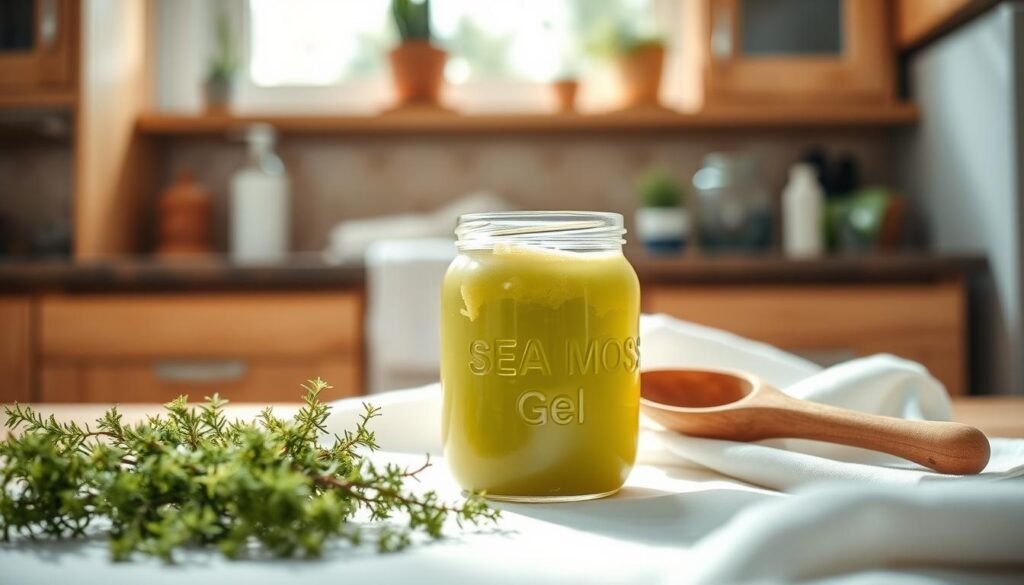
Start by scanning the label for scientific names like Chondrus crispus, a short ingredient list, and storage guidance that mentions the refrigerator and realistic weeks of shelf life.
What to look for
- Exact species & origin: Scientific names show transparency and reliable source.
- Simple content: Ideally only moss, water, and a clear processing note.
- Consistency & color: Smooth, uniform gel is good; natural color spectrum variation is normal.
- Testing: Third‑party screens for molds, yeast, E. coli, and Salmonella and accessible COAs.
Red flags to avoid
- Vague species or no COA.
- Additives like gums, sugars, or flavors that mask age or dilute potency.
- Off odors or gritty residue — sand or shell fragments mean poor rinsing.
“Short ingredient lists and accessible COAs are the clearest signs a supplier values transparency.”
| Signal | Why it matters | Check for |
|---|---|---|
| Label | Confirms species and source | Scientific name, batch date |
| Packaging | Preserves freshness | Sealed jar, clear best‑by |
| Storage note | Sets realistic shelf life | Refrigerator, 2–4 weeks; freeze for longer life |
Conclusion
The best sea moss gel starts with the right species, clear sourcing, and careful preparation. Whether you buy a jar or prepare sea moss at home, prioritize water quality, texture, and third‑party testing to protect potency and wellness.
Buyer’s shortcut: confirm species and origin, check for simple ingredients, and ask for lab results; natural color differences are normal, vague labels are not.
Try DIY for control: soak in a bowl, blend with spring water in a high-speed blender, and portion into an ice cube tray for effortless daily additions to smoothies and recipes.
Storage tip: keep the jar in the refrigerator and use within a few weeks; freeze extra cubes to extend life for months. Start with small servings, adjust to taste, and consult a clinician if you have thyroid or other health concerns.
FAQ
What should I check on the label before buying a jar?
Look for the scientific name (for example Chondrus crispus or Gracilaria), clear origin (Ireland, Canada, Maine, or verified rope-grown farms), a short ingredient list (ideally the product plus filtered or spring water), and storage instructions. Prefer products with third‑party lab results or a Certificate of Analysis (COA) for microbial and heavy‑metal testing.
How can I tell if the product is wildcrafted or farmed?
Wildcrafted products usually state “hand-harvested” from rocky Atlantic coasts and may note natural sand or shell remnants before rinsing. Farmed or rope-grown items will typically mention cultivation methods, location of farms, and sustainability certifications. If the label is vague, contact the brand for harvest details.
Why does color vary between jars and what does it mean?
Natural color reflects species and pigments: phycoerythrin (reddish), phycocyanin (bluish), and chlorophyll (green). Variation also depends on drying method and water used during blending. Color alone isn’t a quality flaw unless there’s an off odor or mold.
Should the jar include spring water or filtered water rather than tap?
Yes. Producers who use filtered or spring water reduce contamination risk and preserve mineral content. Tap water can introduce chlorine and off-flavors; premium makers specify the water source.
What texture and taste indicate a well-made product?
A properly prepared product should be smooth, slightly gelatinous, neutral to mildly oceanic in taste, and free of strong fishy or fermented odors. Texture can range from spoonable to thick; brands should describe intended consistency.
How long will a jar last once opened and how should I store it?
Keep jars refrigerated and use within 2–3 weeks for best quality. For longer storage, freeze portions in ice cube trays for several months. Always use clean utensils to avoid introducing contaminants.
Can I make a similar product at home and match store quality?
Yes. Home preparation uses dried product, thorough soaking and rinsing (to remove sand), filtered or spring water, and a high‑speed blender. Controlling water ratio and blending time lets you dial in thick or thin consistency. Proper refrigeration and clean jars are essential for safety.
How do I remove sand and shell fragments when preparing at home?
Soak for 8–24 hours in plenty of water, then rinse repeatedly under running filtered water until the water runs clear. Gently agitate pieces to dislodge grit and inspect by hand before blending.
Are third‑party lab tests necessary and what should they cover?
Third‑party tests (COAs) are a strong quality signal. They should screen for microbial contaminants (mold, yeast, E. coli, Salmonella), heavy metals, and residual solvents if applicable. Brands that publish COAs demonstrate transparency and safety commitment.
What are safe serving sizes and who should be cautious?
Start with 1 tablespoon daily and observe tolerance. Those with thyroid conditions (sensitive to iodine), pregnant or breastfeeding people, and individuals on certain medications should consult a healthcare provider, since mineral content—especially iodine—can be high.
How can I use it in food without changing texture or taste too much?
Add small amounts to smoothies, soups, stews, sauces, or desserts. Start with tablespoons and blend well. It thickens liquids slightly and generally has a neutral, briny note that mixes discreetly into savory and sweet recipes.
What are common red flags when shopping in stores or online?
Avoid products with vague species names, long lists of additives, no origin listed, missing storage guidance, no lab testing, or off smells. Also be wary of unrealistic health promises—reputable brands stick to verifiable benefits and usage guidance.
Does the product contain carrageenan and should I worry?
Some products derived from certain species contain naturally occurring carrageenan compounds. The research on food‑grade carrageenan and gut health has nuances; choose reputable producers, use moderate portions, and consult a clinician if you have IBS or related concerns.
Can I freeze portions for convenience and how?
Yes—freeze measured portions in ice cube trays or silicone molds, then transfer cubes to a freezer bag. This preserves freshness for months and makes portioning into smoothies or recipes easy.
How do mineral profiles vary between types and why does that matter?
Different species and growing locations yield different levels of iodine, magnesium, calcium, and iron. This affects both nutritional benefit and safety (e.g., iodine intake). Brands that publish nutrient analyses let you compare potency.
Is there a difference in flavor or performance between high‑speed blender and standard blender preparation?
A high‑speed blender creates a smoother, creamier texture with less fibrous residue, improving mouthfeel in drinks and desserts. Standard blenders work but may require longer blending and result in a slightly grainier product.