


Curious whether an ancient mouth-rinse trick can actually improve your smile? Many people try this old Ayurvedic practice hoping to freshen breath or reduce plaque. We asked dentists and reviewed the evidence so you get a clear, science-backed answer.
Briefly: the method involves swishing edible fats like coconut or sesame for several minutes, then spitting them out. Experts such as Anne Clemons, DMD, and Mark Wolff, DDS, PhD, say it never replaces brushing and flossing. The American Dental Association also cautions that evidence is limited.
What this guide does: we explain history, step-by-step technique, safety tips, and what realistic benefits you might expect. If you want deeper reading on studies and personal trials, see this review of clinical findings and a two-week user report.
Key Takeaways
- Complement, don’t replace: Use as an add-on to daily brushing and flossing.
- Short studies show modest drops in harmful bacteria, but results are limited.
- Safe if you avoid swallowing and dispose of waste properly.
- May help with plaque and bad breath for some people; whitening claims lack evidence.
- Consult your dentist if you have active gum disease or concerns.
What Oil Pulling Is and Why It’s Trending Now
A centuries-old mouth ritual has become a viral DIY trend online. It began in Ayurveda as kavala or gandusha, where people used sesame and sunflower fats to rinse. Today, coconut variants are common in home routines and retail blends.
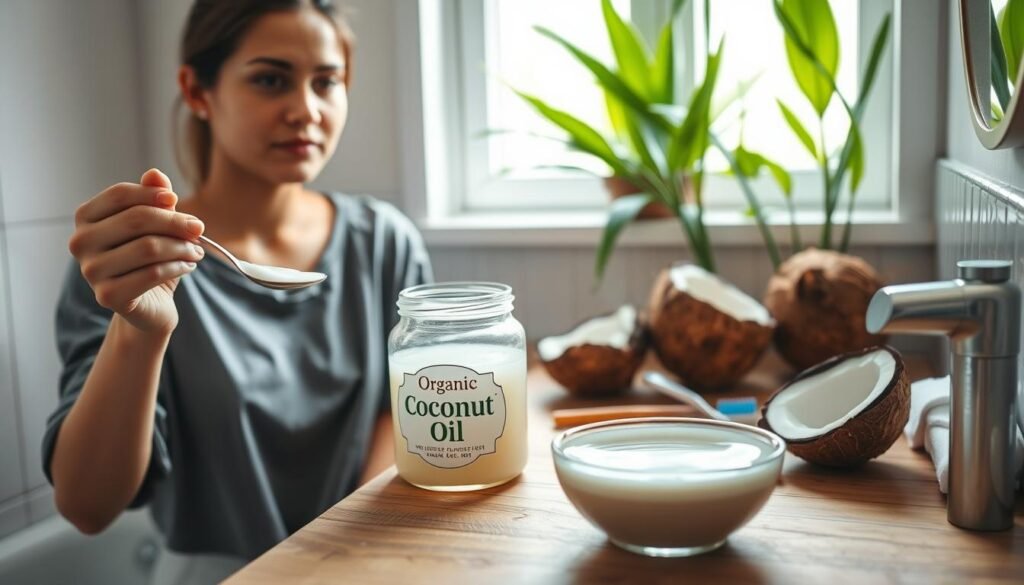
The historic roots are simple and cultural. Traditional texts name sesame and sunflower as main choices. Modern influencers and inexpensive specialty products pushed the trend back into spotlight.
How the method is said to work
Mechanically, the act of swishing loosens soft plaque from teeth surfaces. Fans also point to the properties of certain fats as an added reason, though clinical claims often outpace evidence.
What dentists say today
Experts view it as a complementary step, not a replacement. Dr. Mark Wolff notes swishing may remove soft plaque but won’t reverse gum disease. Dr. Anne Clemons and the ADA stress that high-quality studies are limited and that routine brushing, flossing, and professional care remain essential.
“It can be an adjunct to home care, not a substitute for proven treatments.”
| Aspect | Traditional | Modern reality |
|---|---|---|
| Main ingredients | Sesame, sunflower | Coconut, commercial blends |
| How it acts | Rinse and hold | Mechanical swishing loosens plaque |
| Typical time | Several minutes | 5–20 minutes reported |
| Clinical support | Limited historical claims | Small, mixed studies; no cure for disease |
| Practical takeaway | Part of tradition | Use alongside daily brushing and flossing |
Curious readers can explore a detailed guide in this ultimate guide or read a deeper take on the chemistry in this science breakdown.
Oil Pulling for Oral Health: A Practical, Step-by-Step How-To
Use this concise routine to try the practice safely and without disrupting your proven dental care. Below are simple steps, supplies, and timing tips to help you decide if it fits your morning routine.

What you’ll need
- Supplies: 1 tablespoon of edible oil—coconut, sesame, sunflower, or olive.
- A trash can or lined bin to spit into.
- Access to a sink for rinsing and your toothpaste for follow-up brushing.
How to do it
- Measure a tablespoon so the portion is easy to handle and won’t trigger gagging.
- Gently swish the oil around your mouth and through teeth for 5–20 minutes. Start at 5 minutes and increase only if comfortable.
- Do not swallow. When finished, spit oil into the trash—avoid the sink to prevent clogs.
After you swish
Rinse well with water, then brush with fluoride toothpaste. Keep your regular brushing and flossing schedule; this step is an optional add-on, not a replacement.
“If your jaw tires or your cheeks feel sore, shorten the session. Gentle, consistent practice beats long, forceful swishing.”
| Step | What to do | Why it matters |
|---|---|---|
| Measure | Use a tablespoon | Controls volume so swishing is comfortable |
| Swish | 5–20 minutes, gentle movement | Loosens soft plaque; avoid jaw strain |
| Dispose | Spit oil in trash | Prevents plumbing issues |
| Finish | Rinse and brush | Removes residue and protects teeth/gums |
Want detailed timing tips? See this step-by-step master guide for more practical pointers.
Choosing the Right Oil and Setting Realistic Expectations
Pick a fat you’ll actually use; taste and texture decide habit more than hype. If you try this as an add-on, know what it may do and what it won’t.
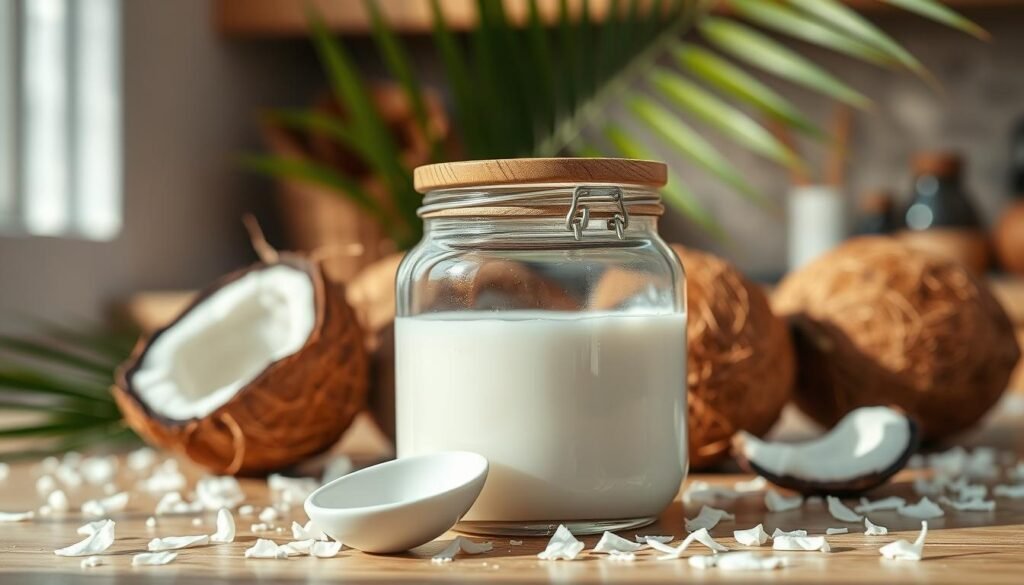
How coconut, sesame, sunflower, and olive differ
coconut oil is popular because it tastes pleasant and is creamy at room temperature.
It contains lauric acid, which lab studies show can act against Streptococcus mutans and Candida. Real-world clinical impact on bacteria, however, is limited.
Sesame and sunflower are lighter and traditional. Olive feels smooth and familiar but has a stronger flavor.
What this practice may help with — and what it won’t
Gentle swishing can loosen soft plaque on tooth surfaces and may give short-term fresh breath for some users.
It does not reliably whiten teeth, stop tooth decay, cure gingivitis, or replace professional tartar removal.
“Mechanical swishing may remove soft deposits, but brushing and flossing remain the proven path to cleaner teeth.”
Quick picks and practical rules
- Choose by taste and texture—coconut often wins on flavor; sesame or sunflower suit neutral preferences.
- Store at room temp and measure consistently for a simple routine.
- Use this as a complement to brushing, interdental cleaning, and dental visits.
| Option | Texture/Taste | Noted properties | Best use |
|---|---|---|---|
| coconut oil | Creamy; semi-solid at room temp | Lauric acid—antimicrobial in lab tests | Daily ritual if you like the taste |
| sesame | Light; neutral | Traditional choice with mild flavor | Good if you prefer subtle taste |
| sunflower | Thin; clean mouthfeel | Neutral profile; easy to swish | Low-flavor option for consistency |
| olive | Smooth; stronger flavor | Familiar kitchen profile, viscous | For those who accept bold taste |
Read clinical summaries — if you want to see the research on bacterial effects and study limits, check this review of evidence.
Safety, Risks, and When to Skip It
Before you add this step to your routine, learn when it may cause more harm than good. This section explains common risks and when to pause the practice.
Jaw awareness: Prolonged swishing can tire your jaw and cheek muscles. If you have TMJ symptoms or bruxism, shorten sessions or avoid it.
Aspiration risk: Rare cases of lipoid pneumonia have followed accidental inhalation of oil. If you cough or have swallowing issues, skip the ritual and speak with a clinician.
Allergies and sensitivities: Some people react to specific plant oils. Test a small amount on skin or choose an alternative if you notice irritation.
Not a treatment: This practice does not fix cavities, reverse tooth decay, or treat gum disease. The ADA does not recommend it as a substitute for evidence-based care.
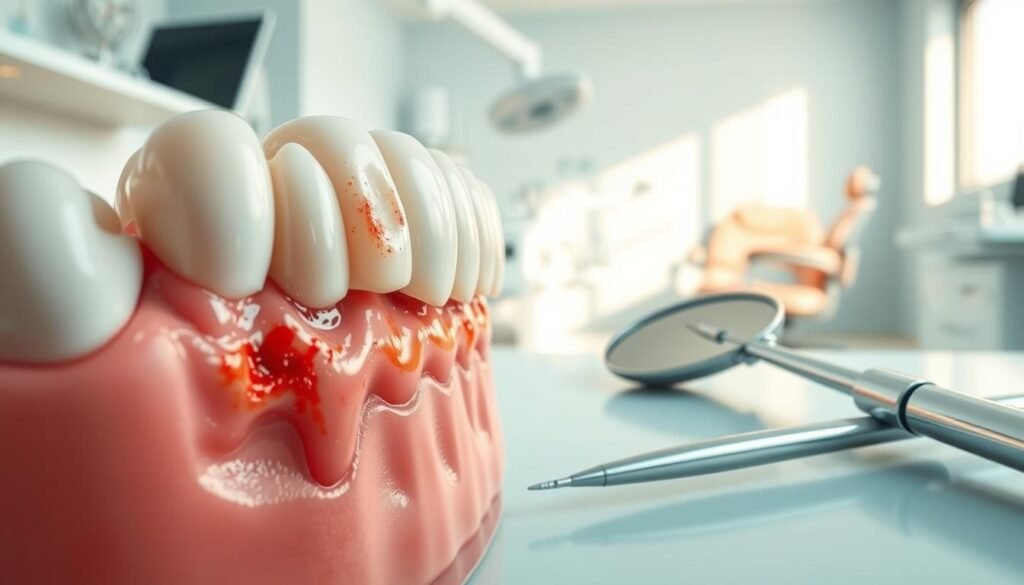
Keep oral hygiene first: Maintain daily brushing, flossing, and regular dental visits. Watch for persistent bleeding gums, loose teeth, or chronic bad breath—those signs need a dental exam, not more swishing.
| Risk | Who is affected | What to do |
|---|---|---|
| Jaw fatigue | People with TMJ or bruxism | Shorten sessions or stop |
| Aspiration (rare) | Those with swallowing or cough issues | Avoid and consult a doctor |
| Allergic reaction | Sensitive individuals | Test small amount; switch oils |
| False security | Anyone who skips standard care | Keep brushing, flossing, dental visits |
Want a deeper safety review? See our clinic summary at is oil pulling safe?
Conclusion
Conclusion
This practice can be a gentle, personal ritual, but it does not replace proven dental care.
Bottom line: dentists say use it only as an add-on to daily brushing and flossing. Keep routine checkups and professional care non-negotiable.
Set realistic goals: gentle swishing may lift soft surface debris, yet it won’t reliably whiten teeth, cure gingivitis, or prevent cavities. If you like coconut or other oils, use what feels comfortable and keep sessions short.
Smart habits: rinse, then brush with fluoride and continue interdental cleaning. If you see bleeding, pain, or persistent issues, book a dental visit rather than relying on home rituals.
Want a clinic-focused take? Read a practical guide on benefits and limits at cultivating oral wellness.
FAQ
What exactly is oil pulling and where did it originate?
Oil pulling is an ancient Ayurvedic mouth-rinsing practice that involves swishing a tablespoon of edible oil (commonly coconut, sesame, sunflower, or olive) around the mouth for several minutes. It resurfaced in popularity through social media and wellness communities as a natural adjunct to daily hygiene routines.
How does swishing oil around the mouth work to help teeth and gums?
The mechanical swishing mobilizes bacteria and debris, which become trapped in the oil, then are expelled when you spit. Some oils—like coconut—contain compounds with mild antimicrobial properties, but the main benefit is adjunctive mechanical removal rather than replacement of brushing or flossing.
Can this replace brushing and flossing?
No. This practice should complement, not replace, twice-daily brushing with fluoride toothpaste and daily interdental cleaning. Dental professionals view it as an additional hygiene step that may help reduce surface plaque and freshen breath when combined with standard care.
Which oils are best: coconut, sesame, sunflower, or olive?
Each oil differs by taste and minor properties. Coconut has lauric acid with some antimicrobial effects and a mild taste; sesame and sunflower are traditional choices with neutral profiles; olive is thicker and more flavorful. Choose what you tolerate and won’t allergic to, and stick with edible, food-grade varieties.
How long should I swish and how often?
Aim for 5–20 minutes per session, typically once daily—many people do it in the morning before breakfast. Start at the lower end if you find it uncomfortable. Consistency matters more than duration beyond 10–20 minutes.
What’s the correct way to dispose of used oil?
Spit the used oil into a trash bin or a paper towel and discard. Do not rinse it down the sink—used oil can clog plumbing when it cools and solidifies.
Are there safety concerns or people who should skip it?
Avoid long, forceful swishing if you have TMJ, jaw pain, or a strong gag reflex. Rarely, inhaling liquid could risk aspiration, so those with swallowing difficulties or respiratory issues should not try it. Stop if you experience allergic reactions or worsening oral symptoms.
Will this whiten teeth or prevent cavities and gum disease on its own?
No. Some users report a brighter appearance due to surface debris removal, but this is not a substitute for professional whitening. It does not halt active decay or treat established gum disease—those require dental intervention and fluoride-based prevention.
Can it help with bad breath?
It may reduce malodor temporarily by removing food particles and surface bacteria, and by leaving a pleasant oil taste depending on the oil chosen. Persistent halitosis should be evaluated by a dentist to rule out underlying causes.
How should I integrate this into my routine with brushing and flossing?
Use it as an optional step before brushing—many prefer mornings on an empty stomach. After spitting and rinsing, brush with fluoride toothpaste and floss. Keep regular dental checkups and use clinically proven products for cavity prevention.