


Which form gives you the real benefits — the chewable convenience, or the classic pour-and-dilute? This question matters if you want blood sugar support, mild weight benefits, or simpler daily habits.
Most human studies test the liquid form of acv, not the chewable versions. Dietitians note evidence is still preliminary and that dose and form shape results.
Gummies often deliver about 500 mg per serving and add B vitamins or fruit extracts. Liquids used in trials are usually 15–30 mL and act faster, but they need dilution to protect enamel and the throat.
This piece will compare efficacy, convenience, and safety, and it will explain when a chewable makes sense and when a measured liquid suits clinical-style goals. For a deeper cost-and-efficacy breakdown, see this practical comparison: ACV gummies and raw liquid.
Key Takeaways
- Liquid formats align more closely with clinical trials and deliver faster acetic acid exposure.
- Gummies offer convenience and taste but usually have lower potency per serving.
- Dose matters: matching trial doses with gummies may raise added sugar and additives.
- Protect enamel and throat — dilute strong liquid doses and avoid undiluted sipping.
- Use either form as an adjunct to healthy eating and exercise, not a standalone cure.
Why People Compare Gummies and Liquid ACV Today
Consumers question whether a chewable can match the potency of a poured solution while fitting a busy schedule. Many want the health benefits without the harsh taste or daily hassle.
Search intent centers on three things: which form best supports blood sugar and weight goals, which fits a modern lifestyle, and which brings measurable wellness gains with few side effects.
Experts note most clinical studies test poured acv, not chewables. That creates an evidence gap people should know about when comparing products and forms.
The practical trade-off is simple: chewable options sell convenience and flavor. Poured formats offer higher potency and flexible dosing for mixing with water or recipes.
- Priority for many people: measurable benefits with minimal harm to teeth and digestion.
- Label awareness: check for added sugar, serving size, and extra vitamins that change efficacy.
- Lifestyle fit: travel, on-the-go use, and beginner tolerance often push shoppers toward chewables.

We’ll next connect blood sugar and weight support to dosing and meal timing, and then compare forms side-by-side using research, dosage math, and realistic scenarios. For a focused comparison of cost and efficacy, see this detailed guide: ACV gummies and liquid comparison.
| Concern | Chewable Option | Poured Format |
|---|---|---|
| Potency | Lower mg per serving; added flavors | Higher acetic acid dosage; adjustable |
| Evidence | Limited direct trials | Most clinical studies use poured forms |
| Convenience | Ready-to-take, travel-friendly | Requires dilution or mixing |
| Oral health | Less direct enamel contact | Risk of enamel erosion if undiluted |
What Apple Cider Vinegar Is and How It’s Made
Raw vinegar starts life as pressed fruit juice and becomes acidic through two clear fermentation steps. That process—yeast turning sugars to alcohol, then acid-forming bacteria converting alcohol to acetic acid—shapes taste, potency, and uses in food.
From apples to acetic acid: the fermentation steps
The first step uses yeast to ferment juice sugars into alcohol. Then bacteria convert that alcohol into acetic acid, producing the sharp tang we recognize.
This two-stage fermentation creates traditional cider vinegar and sets batch acidity, which brands list on labels to indicate strength.

Acetic acid, malic acid, and the “mother” explained
Acetic acid is the main active acid that gives vinegar its sour flavor and is often the compound studied in small human trials for metabolic effects.
Malic acid comes from the fruit itself and softens the profile, so total acid balance influences taste and perceived benefits.
The unfiltered “mother” appears as a web of bacteria, enzymes, and proteins in raw bottles. Filtration or pasteurization can remove it, which changes composition but has not shown clear differences in major clinical outcomes.
- Two-step note: yeast → alcohol → bacteria → acetic acid.
- Label tip: acidity percentage matters; chewable products may not match that same acetic acid concentration.
- Kitchen use: dressings and marinades make regular intake easier than shots.
For a practical look at how production affects potency and use, see this summary on health context: ACV and your health, and for fermentation context and gut-friendly foods check this microbiologist’s ranking: best fermented foods.
Apple Cider Vinegar Gummies vs Liquid
Labels often reveal the real difference: a tablespoon of poured product usually delivers more acetic acid than a single chewable serving. That gap shapes how people use these options and what to expect from them.

Form, ingredients, and typical serving sizes
Most gummies contain about 500 mg of acv per serving and add sweeteners, fruit extracts, or B vitamins to improve flavor and tolerance.
Common gummy ingredients include pectin or gelatin, sweeteners, natural flavorings, fruit extracts, and B vitamins like B12 or folate. These make the supplement more palatable but lower direct acetic acid per dose.
Liquid acv typically provides higher potency per tablespoon and is easier to measure for research-style dosing. It also works in dressings and recipes, so it doubles as a pantry product.
Evidence gap: most research tests liquid ACV
Clinical trials usually dose tablespoons mixed with water before meals, which explains why most published evidence focuses on poured formats. Chewable forms have limited direct trials, so benefits are often inferred rather than proven.
- Check labels: compare acetic acid content, serving size, and added sugar per dose.
- Trade-off: gummies boost adherence; liquid gives dosing control and culinary use.
- Regulation note: supplement formulations vary—choose reputable products with transparent testing.
Pick the form that matches your goal: choose liquid for maximum dose control and culinary versatility, or select gummies if convenience and taste improve consistent use.
Efficacy Deep Dive: What Research Says About ACV Benefits
Small trials report measurable effects on blood sugar and modest weight changes, but evidence is limited and mostly uses diluted liquid doses.Use these findings as context — not a cure-all — and pair any supplement with a healthy diet and exercise.

Blood sugar and insulin sensitivity
Small human studies find benefit. For example, a Diabetes Care trial showed a 19–34% improvement in insulin sensitivity when a dose was taken before a high-carb meal in people with type 2 diabetes.
Mechanism: acetic acid may slow gastric emptying and reduce hepatic glucose output, which can flatten post-meal blood spikes.
Weight management and appetite
A 12-week Journal of Functional Foods study (n=39) found slightly greater weight loss when a calorie deficit was combined with supplement dosing.
Effects are modest. Appetite and satiety gains may partly come from the strong taste, which chewable forms may not replicate. See a pill-vs-chewable analysis here.
Digestion, gut, and microbes
Increased acidity can help digestion and motility for some people but may worsen reflux for others.
The “mother” contains bacteria, yet human trials have not shown consistent probiotic-level shifts in the gut microbiome.
Immunity and antimicrobial claims
Lab data show antimicrobial activity against certain bacteria, but clinical immune benefits in the body remain unproven.
“Most trials used diluted liquid doses before meals, so translate results to other formats cautiously.”
- Bottom line: expect modest, supportive benefits—not dramatic cures.
- Practical tip: pair dosing with diet and activity for best results; learn more about convenient options here.
Potency, Dosage, and Absorption: How Much ACV Are You Really Getting?
Dose differences matter: a spoonful of poured product can contain several times the active acid of a single chewable serving. Knowing the numbers helps set realistic expectations for benefit and side effects.

How do tablespoons compare to chewable milligrams?
Typical chewable labels list about 500 mg per serving, often with sweeteners and added nutrients. Research trials usually use 1–2 tablespoons diluted before meals, which delivers substantially more acetic acid than a single gummy-style dose.
Do liquids absorb faster than chewables?
Yes. Liquids begin to act sooner because the acid enters the stomach directly. A chewy matrix slows release slightly as it is digested.
- Servings: 1–2 tablespoons (measured) vs ~500 mg per chewable — math matters.
- Control: poured doses offer precise titration; chewable strength varies by brand.
- Tolerance: start low and assess stomach sensitivity before increasing dose.
| Measure | Typical Dose | Approx. Acetic Acid | Onset |
|---|---|---|---|
| Poured tablespoon | 1 tbsp (15 mL) | Higher, study-style doses | Faster |
| Chewable serving | ~500 mg | Lower per serving | Slower (digestive release) |
| Multiple chewables | 2–3 pieces (brand-dependent) | Can approach tablespoon levels | Delayed vs poured |
Practical takeaway: for precision and potency, poured formats are easier to match to trials. For adherence, chewable options can improve consistency. If you want to compare products, do the label math and see how close a serving comes to study doses — and consult a clinician before combining supplements or medications. For an effectiveness comparison of chewable products, read this review on are ACV gummies as effective, and for recipe ideas tied to weight support check this proven weight-loss recipe.
Taste, Sugar, and Add-Ins: The Real-World Trade-Offs
Taste often determines whether someone keeps taking a supplement long term. Understand the sugar and ingredient trade-offs so your daily choice supports overall wellness, not just convenience.
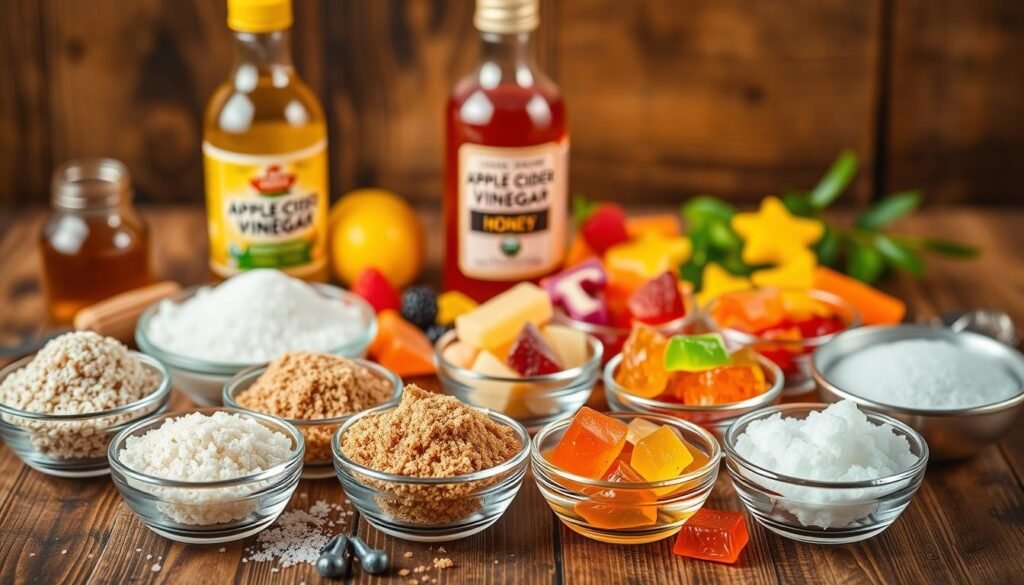
How flavor and added sugar shape daily use
Taste is a top driver for people. Sweet chewable options mute the sharp tang and make products easy to swallow every day.
But check the label: many chewables include added sugar and stabilizers that raise cavity risk and add calories. Repeated servings can increase total daily sugar and undermine broader nutrition goals.
Common add-ins and label transparency
Some brands add B vitamins like B12 and folate to boost appeal and offer an extra nutrient benefit. That can help people with low intake, but it does not replace whole-food sources.
Liquids are typically sugar-free and list acidity clearly, so they offer straightforward ingredient transparency. They also work well in dressings or sparkling water for a flavor swap without added sweeteners.
Practical tips for choosing and using products
Weigh palatability against sugar load. Pick items with minimal additives and clear per-serving acid content.
Experiment in the kitchen to tame strong flavor instead of reaching for sweetened options. For a closer look at popular chewable formulas, read this vinegar gummies review.
“Taste can improve adherence, but added sugar may cost dental health and calories.”
Safety First: Dental, Digestive, and Drug Interaction Considerations
Safety matters more than habit—small steps can prevent big problems. Follow simple routines to protect your mouth, stomach, and overall health while using any vinegar product or supplements.
Before you add a daily dose, pause and learn a few practical safeguards.

Protecting tooth enamel and minimizing contact
Undiluted acid can erode enamel and irritate the esophagus. Always dilute a measured dose in water and consider a straw to limit contact with teeth.
Rinse your mouth with plain water after intake and wait at least 30 minutes before brushing. These small moves preserve enamel over time.
Managing stomach sensitivity and reflux
Some people report stomach upset or worse reflux when they start. Try small doses during or after meals rather than on an empty stomach.
If nausea or persistent reflux appears, stop use and reassess. Periodic breaks help your body reset and reveal true tolerance.
Medication interactions and when to consult a clinician
Acidic supplements may interact with insulin, diuretics, and other drugs. If you take prescription meds, are pregnant, or breastfeeding, speak with your clinician before trying acv or related products.
Safety practices apply to both chewable and liquid forms—natural does not mean risk-free. For related tooth-safe guidance, see tooth-safe tips.
- Quick checklist: dilute in water, rinse afterward, avoid immediate brushing.
- Watch symptoms: stop if your stomach or reflux worsens.
- Talk to a provider: review supplements with clinicians when on medication.
Lifestyle Fit: Who Should Choose Gummies vs. Liquid?
Pick the delivery that matches how you live and what you want to achieve.
Match form to travel needs, kitchen habits, and tolerance to help long-term wellness.
Choosing a daily option often comes down to routine. If you travel, like quick rituals, or have a sensitive palate, a chewable can make consistency easy.
On-the-go convenience and beginner tolerance
Chewables suit portability, taste, and gentle starts. They are travel-friendly and easier to swallow for people new to acidic supplements.
Beginners with mild stomach sensitivity may begin with small chewable servings and build up as tolerated.
Max potency seekers and topical/culinary versatility
Poured doses work for precision, faster absorption, and kitchen uses. Measured tablespoons mix into dressings, marinades, or diluted topical blends for spot skincare use.
Experienced users aiming for research-style dosing usually prefer poured formats for consistent acetic acid intake.
- Portability and taste: pick chewables.
- Potency and recipes: choose poured doses.
- Budget note: bottled pours often give more servings per dollar.
- Reassess form seasonally as goals or routines shift.
| Attribute | Chewable Option | Poured Dose |
|---|---|---|
| Best for travel | High — easy pocket carry | Low — needs mixing |
| Potency & dosing control | Lower per serving | High — measurable tablespoons |
| Culinary & topical use | Not practical | Excellent — dressings, diluted spot care |
| Beginner tolerance | Gentler start | May require dilution |
For a detailed comparison on whether gummies the same as the liquid, read that guide before you commit. Both forms can support benefits when used safely and consistently; pick the one that fits your daily lifestyle and food routines.
Smart Ways to Use ACV Gummies and Liquid Right Now
Start with safe, simple routines that protect teeth and digestion while letting you judge real benefits. Small, consistent habits are easier to track than sporadic high doses.
Best practices: dilution, timing with meals, and culinary swaps
Mix 1–2 tablespoons of apple cider vinegar into a large glass of water and sip with meals. This reduces enamel contact and may help blunt post-meal blood sugar spikes.
Avoid undiluted shots. Rinse with plain water afterward and wait 30 minutes before brushing teeth to protect enamel.
- Use cider vinegar in vinaigrettes: whisk with olive oil, herbs, and a pinch of salt for salads.
- Add a splash to sparkling water with citrus for a low-sugar beverage swap.
- Follow labeled serving sizes for gummies and space doses around meals for steadier effects.
Pair any regimen with a balanced diet high in protein, fiber, and minimally processed food to make weight loss or blood sugar support meaningful.
Log energy, digestion, and appetite for two weeks to personalize timing and amount. If you take meds that affect glucose or fluid balance, check with your clinician before starting.
| Action | Why it helps | Practical tip |
|---|---|---|
| Dilute 1–2 tbsp in water | Protects teeth and soothes stomach | Sip with meals; use a straw if preferred |
| Culinary swaps | Makes intake habitual and tasty | Use in dressings or sparkling water with citrus |
| Follow gummy labels | Keeps dosing consistent | Space servings around meals, don’t exceed label |
| Track and consult | Personalizes use and safety | Log for 2 weeks; stop and see a clinician if needed |
“Consistency with meals and a balanced diet matters more than occasional high doses.”
Conclusion
Liquid formats remain the better-studied option, delivering clearer potency and easier dosing for acetic acid–linked blood and weight benefits. Chewable options improve adherence and taste, making them useful when routine matters more than precision.
Pick the form that fits your goals and daily habits.
Use either form as a supplement to a healthy diet and lifestyle, not as a standalone fix. Protect enamel by diluting measured liquid doses, and consult your clinician if you take medications. If you want help weighing value, read a focused compare forms guide to match potency, cost, and convenience.
FAQ
What are the main differences between ACV gummies and liquid ACV?
Liquid form delivers the raw acidic solution that contains acetic acid and often the “mother,” so it’s closer to what most clinical research tests. Gummies prioritize taste and convenience, typically adding sugars, pectin or gelatin, and B vitamins. That means liquids tend to be more potent per serving while gummies are easier to take but may supply less active acid and more additives.
Do gummies provide the same health benefits as liquid ACV?
Not necessarily. Most human studies use the liquid form, so evidence for blood sugar and weight-related effects applies mainly to liquid ACV. Gummies can offer benefits if formulated to match the same acetic acid dose, but many commercial products contain lower amounts and added ingredients that change efficacy.
How do I compare dosage — tablespoons vs. gummies?
A typical research dose is 1–2 tablespoons of liquid (15–30 mL), which contains a measurable amount of acetic acid. Gummies list milligrams of vinegar or acetic acid per serving; check the label to calculate equivalence. Often several gummies equal one tablespoon of liquid, so read serving sizes closely to match potency.
Are there safety concerns with either form?
Yes. The acidic liquid can erode tooth enamel and irritate the throat or stomach if taken undiluted. Gummies reduce direct acid contact but add sugar and calories. Both can interact with medications (for example, insulin or diuretics), so consult a clinician if you use prescription drugs or have reflux, ulcers, or chronic GI issues.
Which form is better for blood sugar control?
Evidence suggests liquid ACV taken before or with a carbohydrate-rich meal can modestly lower post-meal glucose and improve insulin sensitivity in some people. Gummies are less well-studied; if they contain a lower acetic acid dose or added sugars, they may be less effective for this purpose.
Can gummies help with weight management like the liquid can?
Small trials indicate liquid ACV may aid modest weight or appetite control when combined with diet changes. Gummies could help if they reduce appetite and match effective acetic acid doses, but added sugars can counteract calorie goals. Use them as a small adjunct within a balanced diet, not a standalone solution.
How should I take liquid ACV to protect my teeth and stomach?
Dilute 1–2 tablespoons in a full glass of water, drink through a straw to reduce enamel contact, rinse your mouth afterward, and avoid brushing for 30–60 minutes. Taking it with or after meals can minimize reflux or GI upset. If you have sensitive teeth, consider gummies or a buffered supplement instead.
Are the “mother” and beneficial bacteria only in liquid form?
The “mother” — strands of proteins and friendly bacteria — is a natural part of unfiltered liquid ACV. Most gummies are made from concentrated extracts and may not include the live bacterial mat. If you value the mother for perceived fermentation benefits, choose unfiltered liquid labeled as containing it.
Is added sugar in gummies a big problem?
It depends on your goals. Small amounts of sugar for palatability are common, but if you’re watching carbs or calories, those added sugars can add up. Look for low-sugar or sugar-free formulations and factor the extra calories into your daily intake.
Can I use liquid ACV for cooking and topical uses?
Yes. Liquid acetic solution works well in dressings, marinades, and pickling, and it’s sometimes used topically for rinses or skin spots—though topical use can irritate skin and should be diluted. Gummies are not suitable for culinary or topical applications.
Who should prefer gummies over liquid, and vice versa?
Choose gummies if you want convenience, better taste, and reduced enamel exposure, especially as a beginner. Opt for liquid if you want maximum potency, culinary versatility, and to match research-backed doses. People on strict low-sugar diets or needing the highest acetic acid dose typically favor liquid.
Are there quality markers I should look for when buying either form?
For liquid, look for unfiltered labels that state acetic acid percentage and note the presence of the “mother.” For gummies, check the acetic acid or vinegar equivalent per serving, sugar content, and third-party testing or GMP certification. Transparent labeling helps you compare potency and ingredients.
How soon will I see benefits like lower blood sugar or appetite changes?
Effects reported in studies are generally modest and can appear within days to weeks, but individual responses vary. Benefits are most likely when vinegar use is combined with a healthy diet, regular activity, and other lifestyle measures rather than relying on it alone.
Can I take both forms together for more effect?
Technically yes, but total acetic acid intake rises and so may side effects like heartburn or enamel risk. Rather than combining, match the total dose to amounts used in research (roughly up to 1–2 tablespoons daily) and discuss with a clinician if you have health conditions or take medications.