


Sea moss is often promoted as a superfood containing 92 of the 102 minerals your body supposedly needs. It sounds impressive, especially when influencers claim that a spoonful of sea moss gel can improve digestion, strengthen immunity, and support thyroid health.
But does sea moss really contain 92 essential minerals? No reliable scientific evidence supports that number. The human body does not need 102 different minerals, and researchers have not established that sea moss provides 92 essential minerals in meaningful amounts.
That doesn’t mean sea moss has no nutritional value. This red seaweed contains iodine, some fiber, and several minerals. However, its nutritional content varies, and taking too much can create health risks.
Here’s what the research actually tells us about sea moss benefits, nutrition, side effects, and how to use it safely.
Key Takeaways
- The 92-mineral claim is misleading: There is no accepted scientific list of 102 essential minerals that humans need.
- Sea moss contains useful nutrients: These include iodine, iron, magnesium, calcium, and small amounts of fiber.
- Its health benefits are not well established: Most research involves other seaweeds, laboratory experiments, or animals rather than human trials of sea moss.
- Too much iodine can harm your thyroid: Mineral levels vary considerably between sea moss products.
- Product quality matters: Seaweed can absorb heavy metals, making reliable sourcing and testing important.
- Sea moss is optional: You can meet your nutritional needs through a varied diet without taking sea moss supplements.
What Is Sea Moss?
Sea moss is a name used for several types of red seaweed. One of the best-known species is Chondrus crispus, commonly called Irish moss. It grows along rocky Atlantic coastlines, including parts of North America and Europe.
People have traditionally used Irish moss in food because it contains natural compounds that thicken liquids. Today, it appears in smoothies, desserts, supplements, and skincare products.

Is All Sea Moss the Same?
No. Products labeled sea moss may contain Chondrus crispus, Gracilaria, or other red seaweeds. These species can differ in their mineral composition, texture, and processing needs.
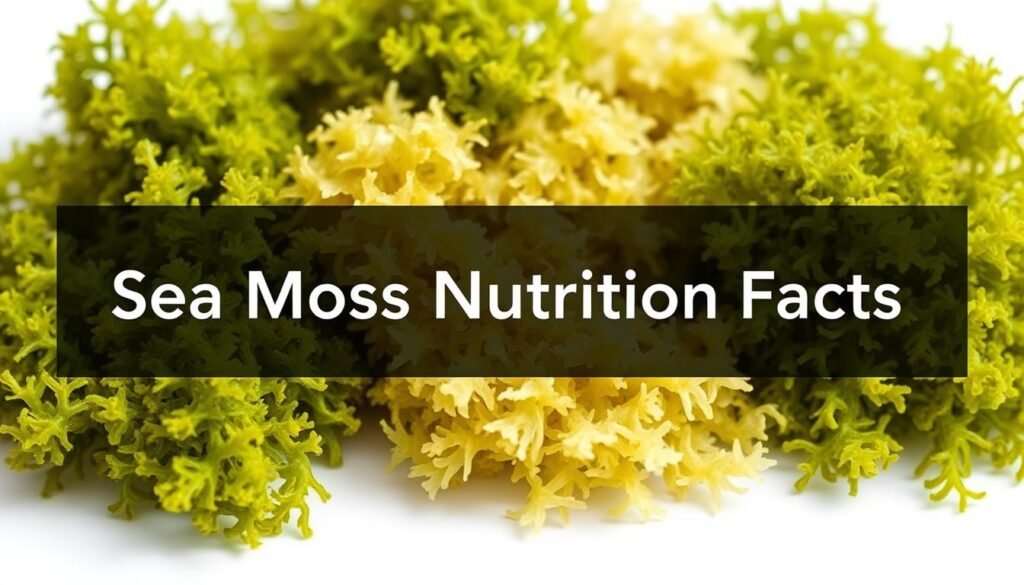
Sea moss also comes in several colors, including red, purple, green, yellow, and brown. Color alone cannot confirm the species, nutritional value, or purity.
If you specifically want Irish moss, check the ingredient label for Chondrus crispus.
What Is Carrageenan?
Carrageenan is a substance extracted from certain red seaweeds, including Irish moss. Food manufacturers use it to thicken or stabilize products such as ice cream, dairy alternatives, and some desserts.
Food-grade carrageenan is permitted under U.S. food additive regulations when it meets the required conditions.
However, carrageenan added to food is not the same as eating whole sea moss. It does not provide the same mixture of nutrients.
Does Sea Moss Really Contain 92 Essential Minerals?
The famous claim that sea moss provides 92 of the body’s 102 essential minerals has spread widely through wellness marketing.
The problem is that the underlying claim is scientifically incorrect. Human nutrition recognizes a much smaller group of essential dietary minerals, including calcium, magnesium, potassium, iron, zinc, iodine, selenium, and copper.
There is also an important difference between detecting a chemical element and showing that it provides nutritional value.
- Presence: Laboratory testing may detect tiny amounts of an element in seaweed.
- Quantity: A normal serving might contain too little to contribute much to your diet.
- Safety: Some detected elements, such as lead and cadmium, can be harmful rather than beneficial.
- Absorption: A nutrient’s presence does not guarantee that your body can absorb and use all of it.
Instead of counting minerals, ask a more useful question: How much of each essential nutrient does a realistic serving provide?
Sea Moss Nutrition Facts: What Do You Actually Get?
Sea moss is naturally low in calories. It contains mostly water and carbohydrates in its raw form, along with small amounts of protein, fiber, vitamins, and minerals.
According to the University of Rochester Medical Center’s Irish moss nutrition data, a tablespoon of raw Irish moss provides approximately 4.9 calories, 1.23 grams of carbohydrates, 0.15 grams of protein, and 0.13 grams of fiber.
Which Minerals Does Sea Moss Contain?
- Iodine: Helps your thyroid produce hormones that regulate important body functions.
- Iron: Helps your blood transport oxygen throughout the body.
- Magnesium: Supports muscles, nerves, and normal cellular functions.
- Calcium: Helps maintain strong bones and supports muscle function.
- Zinc: Contributes to immune function and wound healing.
- Potassium: Supports fluid balance, nerves, and muscles.
These are real nutrients, but their amounts depend on the species, growing conditions, and serving size. A small spoonful of gel may contribute relatively little because much of the gel is added water.
Powders and dried seaweed are more concentrated by weight. That can increase mineral intake, including iodine, but it also makes accurate portioning more important.
Why Iodine Deserves Special Attention
Iodine is essential for making thyroid hormones. Without enough iodine, your thyroid cannot function normally.
However, getting more iodine than you need does not automatically improve thyroid health. Excess iodine can actually trigger thyroid problems in some people.
The National Institutes of Health (NIH) provides these intake guidelines:
- Most adults: 150 micrograms (mcg) per day.
- Pregnancy: 220 mcg per day.
- Breastfeeding: 290 mcg per day.
- Adult upper limit: 1,100 mcg per day from all sources combined.
The upper limit is a safety boundary, not a target to reach. Some people with thyroid conditions can experience problems at lower intakes.
Potential Sea Moss Health Benefits: What Does Science Say?
Sea moss contains compounds that researchers are interested in studying. But most proposed benefits have not been confirmed in large, well-designed human trials of Chondrus crispus.
As explained by Cleveland Clinic, findings from seaweed research cannot automatically be treated as proven benefits of sea moss supplements.
1. May Contribute to Normal Thyroid Function
Sea moss can provide iodine, which supports normal thyroid hormone production when your intake is inadequate.
However, this benefit depends on your actual iodine needs. Taking sea moss when you already get enough iodine offers no established extra thyroid benefit and may increase the risk of excess intake.
2. May Support Digestive Health
Sea moss contains carbohydrates called polysaccharides, including compounds related to carrageenan.
Some seaweed fibers and extracts have shown possible prebiotic effects in laboratory and animal studies. Prebiotics are substances that certain beneficial gut bacteria can use.
Still, there is not enough human evidence to conclude that ordinary servings of sea moss gel reliably improve digestion or change the gut microbiome.
3. Weight Loss and Blood Sugar Claims Remain Unproven
Seaweed research suggests certain fibers and compounds might influence fullness, fat metabolism, or blood sugar regulation.
But there are important limitations:
- Many findings come from animal or laboratory studies.
- Some studies involve extracts from other seaweed species.
- Results from concentrated extracts may not apply to sea moss gel.
- There is no strong evidence that ordinary sea moss servings produce meaningful weight loss.
For example, fucoxanthin is studied mainly in brown seaweeds. Its results should not be presented as direct proof that Irish moss helps people lose weight.
4. Immune, Heart, Skin, and Hair Benefits
Minerals and other nutrients help your body maintain normal immune, heart, skin, and hair functions. But that does not mean taking extra sea moss will improve these areas when your diet already meets your needs.
Research on seaweed extracts has explored antioxidant activity, inflammation, and other biological effects. Results are interesting but do not establish that consuming sea moss treats disease, improves exercise recovery, or produces noticeable skin and hair changes.
How Strong Is the Evidence?
| Claim | What Research Supports | Evidence for Sea Moss |
|---|---|---|
| Thyroid support | Iodine is necessary for thyroid hormone production. | Established nutrient function; actual benefit depends on iodine needs and dose. |
| Gut health | Some seaweed compounds may influence gut bacteria. | Preliminary; more human studies are needed. |
| Weight and blood sugar | Some other seaweed extracts show metabolic effects. | Insufficient evidence for typical sea moss servings. |
| Immune, skin, and heart health | Early research explores various seaweed compounds. | Specific clinical benefits remain unproven. |
Bottom line: Sea moss can be part of a varied diet, but current evidence does not justify treating it as a cure or a substitute for proven nutrition and medical care.
Sea Moss Side Effects and Safety Risks
The biggest concerns are unpredictable iodine levels, possible contamination, and differences between products. These risks matter most when people consume concentrated supplements or large servings regularly.
Excess Iodine and Thyroid Problems
Both too little and too much iodine can interfere with thyroid health. Excess intake may contribute to an underactive or overactive thyroid, particularly in people who already have thyroid disease.
Possible warning signs include unusual fatigue, a racing heartbeat, unexplained weight changes, and heat or cold intolerance. These symptoms have many possible causes and require proper evaluation rather than self-diagnosis.
Heavy Metals and Contaminants
Seaweed absorbs substances from its surrounding water. Depending on the location, this may include arsenic, cadmium, lead, and mercury.
Contamination does not mean every sea moss product is dangerous. The concern is that you cannot judge heavy metal levels from its appearance, color, or taste.
Look for independent laboratory results showing contaminant levels for the specific batch you intend to consume.
Digestive Discomfort and Allergies
Some people may experience bloating, gas, loose stools, or stomach discomfort when trying seaweed products. Blends can also contain sweeteners and other ingredients that affect digestion.
Allergic reactions are possible. Stop using the product if you develop hives or other concerning symptoms. Throat swelling or breathing difficulty requires emergency medical care.
Sea Moss Gel vs. Powder vs. Capsules: Which Form Makes Sense?
Sea moss comes in several forms. The most practical choice depends on how you plan to use it, the amount of processing involved, and whether its iodine and contaminant levels are clearly documented.
| Form | Advantages | Limitations |
|---|---|---|
| Whole dried sea moss | Useful for cooking and homemade gel; stores well when dry. | Needs preparation; mineral content varies. |
| Sea moss gel | Easy to mix into smoothies, oatmeal, and soups. | Short refrigerated storage life; water dilution varies. |
| Sea moss powder | Portable; convenient to weigh and mix into food. | More concentrated than hydrated gel; iodine may be unclear. |
| Capsules and gummies | Convenient serving format. | May contain blends, sweeteners, or undisclosed iodine amounts. |
One important detail: A capsule labeled 1,000 mg of sea moss does not tell you how much iodine it provides. Milligrams of seaweed and micrograms of iodine are different measurements.
Likewise, products combining sea moss with bladderwrack may supply additional iodine. Read the complete ingredient list rather than assuming all sea moss supplements are equivalent.
How to Make Sea Moss Gel at Home
Homemade sea moss gel can add texture to smoothies, sauces, oatmeal, and other foods. Making it requires only dried sea moss, clean drinking water, and a blender.
However, preparation does not remove the need for reliable sourcing. Rinsing and soaking cannot guarantee removal of heavy metals or control the final iodine content.
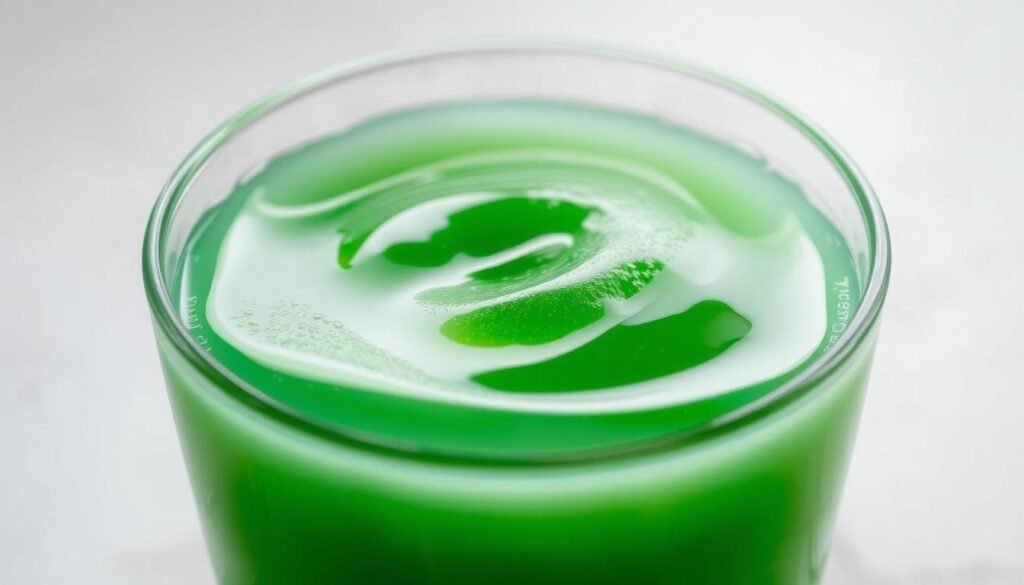
Step-by-Step Preparation
- Inspect the dried sea moss. Remove visible debris and discard anything moldy or unusually spoiled.
- Rinse thoroughly. Wash under clean running water to remove sand and loose material.
- Soak in clean water. Follow the supplier’s preparation instructions. If soaking overnight, keep the covered container refrigerated rather than leaving it at room temperature.
- Drain and rinse again. Discard the soaking water and use fresh drinking water for blending.
- Blend until smooth. Add enough fresh water to achieve your preferred texture.
- Refrigerate promptly. Transfer the mixture to a clean, covered, food-safe container and allow it to thicken.
Different sea moss species and preparation methods produce different gel textures. Adding more water creates a thinner mixture but does not necessarily reduce the total iodine in the amount of seaweed used.
How Long Does Homemade Sea Moss Gel Last?
Because homemade gel contains substantial moisture and usually lacks validated preservation controls, treat it as a perishable food.
- Refrigeration: Keep at 40°F (4°C) or below and use within a conservative 3–5 days.
- Freezing: Freeze small portions promptly for later use and thaw in the refrigerator.
- Clean utensils: Use a fresh spoon each time rather than dipping used utensils into the jar.
- Spoilage: Discard gel showing mold, unusual odors, gas formation, or other suspicious changes.
Do not assume that gel is safe simply because it looks and smells normal. Avoid storing homemade gel at room temperature or home-canning it without a validated food-safety process.
The FDA documented a sea moss gel recall in January 2026 involving potential microbial safety concerns. It highlights why proper processing and storage are important.
Who Should Avoid Sea Moss or Use Extra Caution?
Sea moss is not equally suitable for everyone. The following groups should be especially careful.
- People with thyroid disease: Those with Hashimoto’s disease, Graves’ disease, thyroid nodules, or abnormal thyroid function should discuss added iodine with their clinician.
- Pregnant individuals: Iodine needs increase during pregnancy, but untested sea moss products can deliver unpredictable amounts. Use prenatal nutrition guidance rather than assuming sea moss is safer.
- Breastfeeding individuals: Excess iodine may affect a breastfed infant’s thyroid. The NIH LactMed database advises avoiding sea moss during breastfeeding unless iodine and heavy metal levels have been shown to be safe.
- Children: Avoid giving concentrated sea moss supplements without appropriate pediatric guidance.
- People taking medication: Review iodine-containing medicines such as amiodarone, thyroid treatments, and relevant ingredients in supplement blends with your clinician or pharmacist.
- People with allergies: Check ingredients carefully, particularly in multi-ingredient products.
Anyone using sea moss routinely should consider their total iodine exposure from foods, iodized salt, multivitamins, and other supplements.
How to Choose a Quality Sea Moss Product in the U.S.
Sea moss products can look nearly identical while containing different species, additives, iodine levels, and contaminants.
Fancy packaging and words such as “wildcrafted,” “premium,” or “92 minerals” cannot replace meaningful quality testing.
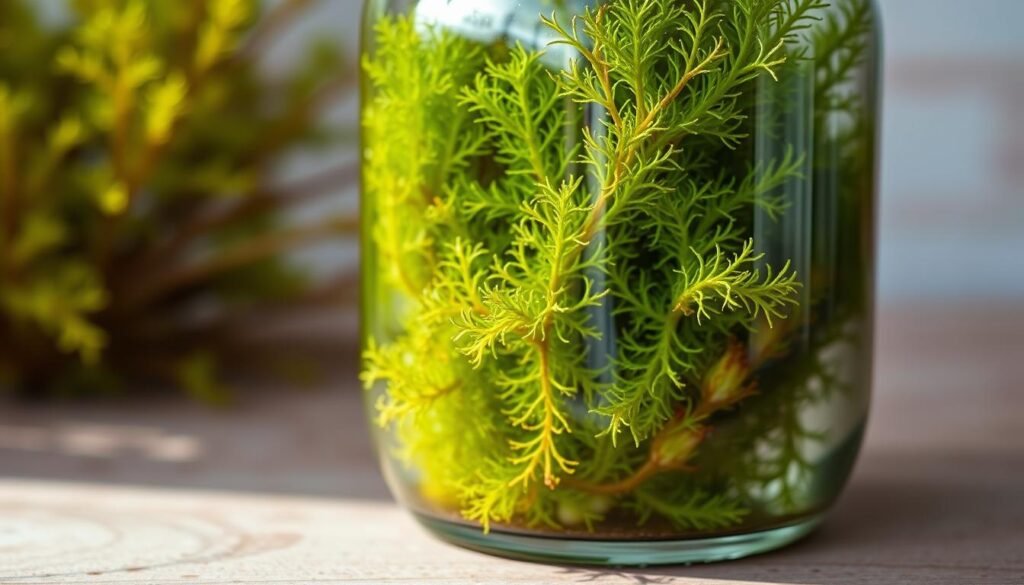
What to Check Before Buying
- Scientific species: Look for a clearly identified seaweed, such as Chondrus crispus.
- Iodine per serving: Prefer a measured amount in micrograms rather than vague claims about high mineral content.
- Heavy metal testing: Ask for a recent certificate of analysis (COA) covering arsenic, lead, cadmium, and mercury.
- Batch identification: Testing should correspond to the product or production batch, not merely an unrelated example.
- Ingredients: Check for bladderwrack, herbs, sweeteners, or other additions that could change suitability.
- Storage and processing: Follow refrigeration instructions for gels and check expiration dates.
Third-party testing is useful only when the report covers relevant risks. A product tested for heavy metals may still lack a measured iodine result.
How Much Sea Moss Should You Take?
There is no well-established daily sea moss dose that provides proven overall health benefits. Common serving suggestions on packaging are not guarantees of safety for every product.
A teaspoon of diluted gel and a few grams of concentrated powder can deliver very different amounts of seaweed and iodine. Without reliable iodine information, even a small serving is difficult to assess.
For occasional culinary use, follow the supplier’s preparation instructions and avoid making sea moss a major daily source of iodine without knowing its composition.
If your goal is correcting an iodine deficiency, seek appropriate testing and guidance rather than trying to estimate a medicinal dose from an untested seaweed product.
Frequently Asked Questions
Does sea moss contain 92 of the 102 minerals your body needs?
No. The claim is not supported by accepted nutrition science. Sea moss contains several genuine minerals, but there is no established list of 102 essential human minerals and no reliable basis for calling 92 of them essential nutrients supplied by sea moss.
Can sea moss improve thyroid health?
Its iodine can contribute to normal thyroid hormone production if your iodine intake is insufficient. However, too much iodine may worsen thyroid disorders. Sea moss is not a treatment for thyroid disease.
Can you take sea moss every day?
Daily intake may be unsuitable when iodine levels are unknown. Assess the product’s tested iodine amount, your other iodine sources, and any relevant health conditions before making it a routine supplement.
Does sea moss help you lose belly fat?
There is no convincing human evidence that ordinary sea moss servings specifically reduce belly fat. Claims based on different seaweed extracts cannot establish the same effect for Irish moss.
Is sea moss gel better than capsules?
Neither form has been proven generally superior for health. Gel is convenient for cooking, while capsules are easier to carry. Product composition, testing, iodine content, and individual needs matter more than the format.
Does sea moss provide vitamin B12?
Do not rely on sea moss as a vitamin B12 source. Standard raw Irish moss nutrition data do not establish it as a dependable source of this essential vitamin.
Is carrageenan the same as sea moss?
No. Carrageenan is an extracted ingredient used mainly for thickening and stabilizing foods. Whole sea moss contains a broader mixture of carbohydrates, minerals, and other compounds.
How can I tell whether sea moss is safe to buy?
Check the species, iodine content, batch-specific contaminant testing, ingredient list, and storage requirements. If a seller cannot provide essential safety information, choose another source or skip the product.
Final Verdict: Is Sea Moss Worth Adding to Your Diet?
Sea moss is a real food with some nutritional value, but the famous 92-essential-minerals claim goes far beyond what science supports.
Its most important nutritional consideration is iodine. That can be useful when intake is inadequate, but uncertain amounts can also create thyroid risks. Other proposed benefits, including weight loss, immune support, and improved skin or hair, still need stronger research.
You don’t need sea moss to maintain a healthy diet. Foods such as vegetables, beans, whole grains, seafood, dairy, eggs, and other suitable iodine sources can provide the nutrients your body needs.
If you enjoy sea moss as a culinary ingredient, prioritize a clearly identified, tested product, use modest amounts, and store homemade gel carefully. Focus on actual nutrient amounts and safety rather than an impressive-sounding mineral count.




Don’t Miss These Picks