

Can herbs like ashwagandha and rhodiola really help your body handle stress, improve sleep, or fight fatigue? Some adaptogens show promising results, especially ashwagandha for stress and sleep. But the evidence is not strong enough to support every claim you see on supplement labels.
Adaptogens are plants and mushrooms traditionally used to help people cope with physical and mental stress. Scientists are studying how they affect stress hormones, energy, and mood. This guide explains how they may work, what research actually shows, which herbs are worth knowing about, and how to approach them safely.
Key Takeaways
- Adaptogens are not miracle cures. They are herbs and other natural substances promoted for helping the body respond to stress.
- Ashwagandha has encouraging evidence for reducing perceived stress and modestly improving sleep, although its effects on anxiety remain uncertain.
- Rhodiola and ginseng are commonly used for fatigue and mental focus, but results from human studies are mixed.
- Not all adaptogens work the same way. Their ingredients, effects, safety risks, and research quality differ.
- Supplement quality matters. Look for clear ingredient labels, appropriate testing, and independent product certification where available.
- Safety comes first. Some adaptogens interact with medications and may be unsuitable during pregnancy, breastfeeding, or certain medical conditions.
Helpful Products at a Glance
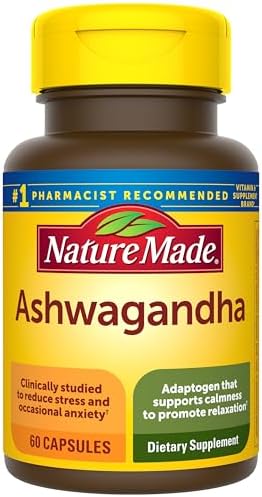
Nature Made Ashwagandha 125 mg: A single-herb capsule option containing Sensoril ashwagandha extract for adults considering stress support. It is not suitable for everyone, particularly people with thyroid conditions or certain medication needs.
- Stress supplement with Sensoril Ashwagandha for women and men provides clinically studied Ashwagandha to reduce stress and occasional anxiousness (1)
- Number 1 Pharmacist Recommended Vitamin & Supplement Brand*
NOW Foods Rhodiola 500 mg: A standardized Rhodiola rosea root extract for adults interested in the herb’s traditional use for fatigue and mental stamina. Evidence for these benefits remains uncertain, and it may interfere with sleep.
- 3% STANDARDIZED EXTRACT: NOW Rhodiola is standardized to 3% total rosavins and 1% salidroside
- HISTORICAL USE: Rhodiola is indigenous to the Arctic and Alpine regions of Europe, Asia, and America and has long been used as a tonic by many cultures, including the Ancient Greeks

What Are Adaptogens?
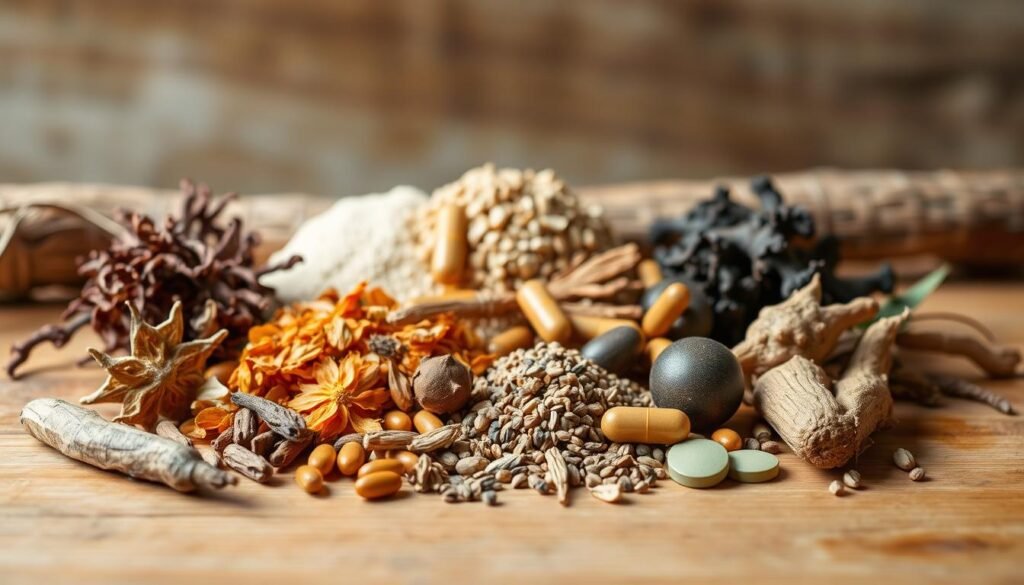
Adaptogens are a group of herbs and natural substances traditionally used to improve the body’s ability to cope with stress. Many come from plants used in Ayurvedic medicine, traditional Chinese medicine, and other herbal traditions.
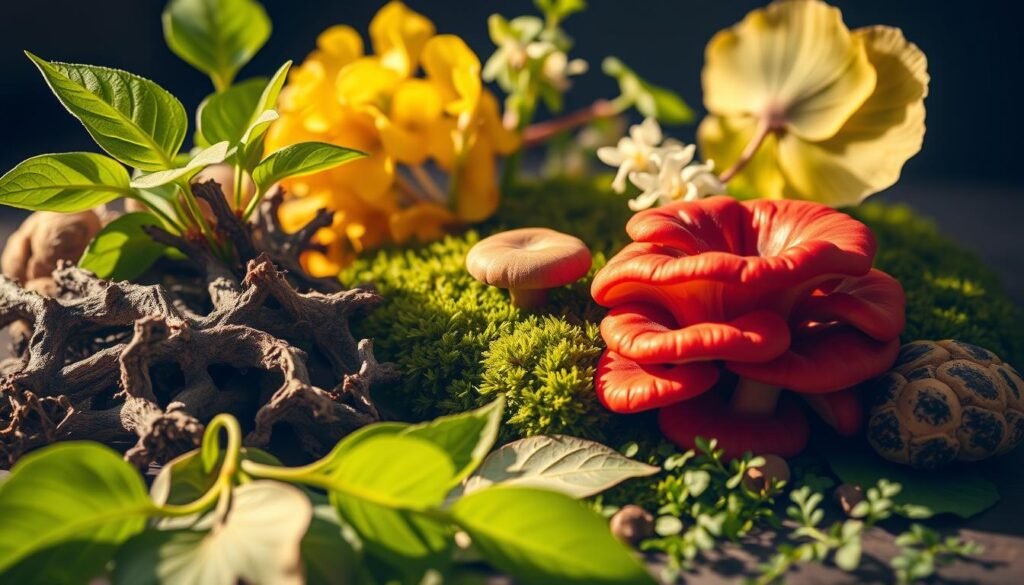
Common examples include ashwagandha, rhodiola, ginseng, schisandra, and holy basil. Some medicinal mushrooms, including reishi and cordyceps, are also marketed as adaptogens.
What Makes an Herb an Adaptogen?
Traditional adaptogen research describes three main characteristics:
- Broad stress resistance: It should help the body respond to more than one type of stress.
- Balancing effects: It should support normal body functions rather than simply stimulating or slowing them down.
- Low toxicity: It should have an acceptable safety profile under the conditions in which it is used.
These are historical research criteria, not a formal FDA classification. An herb being called an adaptogen does not prove that it meets all three requirements or is safe for everyone.
How Adaptogens May Affect Stress Hormones
When you face a stressful situation, your brain activates a communication system called the hypothalamic-pituitary-adrenal (HPA) axis. This system helps control the release of cortisol, a hormone involved in your body’s stress response.
Cortisol is not harmful by itself. Your body needs it for normal functions, including maintaining blood sugar and responding to daily challenges. Problems can arise when stress continues for a long time and disrupts normal body processes.
Researchers believe certain adaptogens may influence the HPA axis and other stress-related pathways. However, lowering cortisol is not automatically beneficial, and scientists have not shown that all adaptogens reliably restore hormonal balance in humans.

A systematic review of adaptogenic plants and stress found encouraging results for some ashwagandha preparations. Still, researchers noted that more studies are needed to understand the exact mechanisms and effective treatment periods.
Common Adaptogenic Herbs and Mushrooms: Uses and Evidence
Different adaptogens are promoted for different goals. Some are associated with relaxation, while others are marketed for energy, concentration, or immune support. Their traditional uses are not the same as proven medical benefits.
1. Ashwagandha: Stress and Sleep
Ashwagandha (Withania somnifera) is among the better-studied adaptogenic herbs. It has a long history of use in Ayurvedic medicine and is commonly promoted for stress, relaxation, and sleep.
According to the National Institutes of Health (NIH), some ashwagandha preparations may improve perceived stress and insomnia. However, studies often involve small groups, different extracts, and short treatment periods. Evidence for treating anxiety disorders remains unclear.
If an adult is considering ashwagandha after discussing health conditions and medications with a clinician, a single-ingredient capsule can make the routine easier to follow than a multi-herb blend.
One example is Nature Made Ashwagandha 125 mg, which contains Sensoril ashwagandha extract and comes in a 60-capsule bottle. Its clearly identified extract helps shoppers compare formulations, but it does not establish that this finished product will reproduce results from every ashwagandha study.
It is an optional choice, not a requirement for managing stress. Anyone with thyroid disease, liver concerns, or medications that may interact with ashwagandha should seek medical guidance before considering it.
- Stress supplement with Sensoril Ashwagandha for women and men provides clinically studied Ashwagandha to reduce stress and occasional anxiousness (1)
- Number 1 Pharmacist Recommended Vitamin & Supplement Brand*
- Ashwagandha helps you adapt to stressors, supporting calmness and promoting relaxation
- Ashwagandha is one of the adaptogens that reduces perceived stress and cortisol to help restore balance to the adrenals
2. Rhodiola Rosea: Fatigue and Mental Focus
Rhodiola rosea grows in cold, mountainous regions and has traditionally been used to fight tiredness and improve endurance. Today, people often try it for demanding workdays, mental fatigue, and exercise performance.
Some small studies have reported less fatigue or improved attention. However, the NIH’s rhodiola review concludes that there is not enough reliable evidence to determine whether it works for any specific health purpose.
For adults evaluating a rhodiola supplement, one useful detail is whether the label identifies the plant species and standardizes important compounds, such as rosavins and salidroside.
NOW Foods Rhodiola 500 mg offers Rhodiola rosea root extract standardized to a minimum of 3% total rosavins and 1% salidroside. The 60-capsule bottle provides a clearly identified formulation for comparison with other products.
Standardization helps describe what is in an extract, but it does not guarantee improved energy or focus. Rhodiola can also cause headaches, dizziness, or insomnia. Anyone taking medications, particularly for blood pressure, should discuss possible interactions with a clinician.
- 3% STANDARDIZED EXTRACT: NOW Rhodiola is standardized to 3% total rosavins and 1% salidroside
- HISTORICAL USE: Rhodiola is indigenous to the Arctic and Alpine regions of Europe, Asia, and America and has long been used as a tonic by many cultures, including the Ancient Greeks
- ADAPTOGENIC HERB*: Rhodiola is generally known as an adaptogen, a term which refers to any agent possessing the ability to support the body’s natural capacity to adapt to life’s changing conditions
- GMP Quality Assured: NPA A-rated GMP certification means that every aspect of the NOW manufacturing process has been examined, including our laboratory/testing methods (for stability, potency, and product formulation)
3. Ginseng: Fatigue and Concentration
Asian ginseng (Panax ginseng) and American ginseng (Panax quinquefolius) are different plants. Both are used in herbal supplements, but their effects and research findings should not be treated as identical.
Some research suggests Asian ginseng may slightly improve general fatigue or certain thinking skills. However, studies have produced mixed results, and most research does not show meaningful improvements in athletic performance.
Ginseng can also affect blood sugar, interfere with sleep, and interact with medications. Read the NIH guidance on Asian ginseng before considering it.
4. Reishi Mushrooms: Immune Support
Reishi (Ganoderma lucidum) is a medicinal mushroom commonly sold as capsules, powders, and extracts. Its natural compounds have been studied for possible effects on immune-system activity.
However, changes in immune markers do not prove that reishi prevents infections or improves overall immunity. Research into reishi and cancer also remains insufficient to establish it as an effective treatment.
The National Cancer Institute explains the limits of medicinal mushroom research. Reishi should not replace cancer treatment or be added to cancer care without the oncology team’s knowledge.
5. Schisandra and Holy Basil (Tulsi)
Schisandra is a berry-producing vine traditionally used for endurance, concentration, and general well-being. Laboratory research has explored its active compounds, but strong human evidence for stress-related benefits is limited.
Holy basil (tulsi) is traditionally used in India and is available as tea, dried leaves, and extracts. Early human studies suggest possible effects on perceived stress, but larger and better-designed trials are needed.
These herbs may sound appealing, but traditional popularity is not proof of safety or effectiveness.
Potential Benefits of Adaptogens: What Science Actually Shows
Adaptogens are often advertised as natural solutions for stress, anxiety, fatigue, poor sleep, and low immunity. The research picture is more complicated.

Stress and Sleep
Ashwagandha has some of the most encouraging findings, particularly for perceived stress and sleep quality. Improvements have generally been modest, and researchers still need better information about long-term benefits and safety.
Energy and Fatigue
Rhodiola and ginseng may help certain people with fatigue, but the findings are inconsistent. Being less tired does not necessarily mean a supplement improves physical endurance, muscle recovery, or athletic performance.
Mood and Anxiety
Some studies report improved mood or fewer stress-related symptoms. But there is not enough reliable evidence to recommend adaptogens as treatments for clinical anxiety or depression.
Immune Function
Researchers have observed immune-related effects from some herbs and mushrooms. These findings do not establish that adaptogen supplements prevent illness, strengthen immunity in healthy adults, or reduce infection risk.
Why the Research Is Still Uncertain
Several problems make adaptogen research difficult to interpret:
- Small studies: Results from a few dozen participants may not apply to everyone.
- Different extracts: Two products from the same plant can contain different active compounds.
- Short follow-up: Many studies last only several weeks.
- Placebo effects: Expectations can influence how people rate stress, energy, and sleep.
- Limited long-term safety data: An herb being tolerated for several weeks does not prove it is safe for years.
The practical conclusion: Some adaptogens deserve further study, but none should be treated as a guaranteed way to balance hormones, remove stress, or cure a medical condition.
How to Take Adaptogens: Capsules, Tea, Powders, and Tinctures
Adaptogens come in several forms. The right choice depends on the ingredient, your preferences, label information, and whether using that particular herb is appropriate for you.
- Capsules: Convenient and usually provide a clearly measured amount per serving. Check the extract and full ingredient list.
- Teas: Easy to include in a daily routine, but strength can vary with the herb, quantity, and brewing method.
- Tinctures: Concentrated liquid extracts measured in drops or milliliters. Some contain alcohol, and faster or better absorption should not be assumed.
- Powders: Can be mixed into smoothies or food. They may affect taste and are not automatically equivalent to standardized extracts.
A tea containing dried root may deliver different amounts of active compounds than a concentrated capsule. Do not assume that equal weights of two products mean equal potency.

How to Start Using Adaptogens Safely
If a clinician confirms that an adaptogen is appropriate for you, use a simple approach instead of trying several products together.
- Choose one herb. Select it for a specific goal, such as sleep or fatigue, rather than a long list of marketing promises.
- Check the label. Confirm the species, plant part, extract amount, other ingredients, and warnings.
- Follow individualized guidance. Use the product directions and your clinician’s recommendations. There is no single safe or effective dose for every adaptogen.
- Track your response. Record sleep duration, daytime energy, mood, and any unwanted effects over the next few weeks.
- Reassess the need. Discuss whether continued use is worthwhile. Do not increase the dose simply because you notice little benefit.
For example, someone interested in better sleep could track bedtime, time needed to fall asleep, nighttime waking, and morning alertness. This gives a clearer picture than judging the supplement on one particularly good day.
Study periods often range from several weeks to a few months, depending on the herb. These research periods are not universal recommendations for how long to take a supplement. Evidence for regular supplement cycling is also limited.
Adaptogen Safety: Side Effects, Interactions, and Who Should Avoid Them
Natural does not automatically mean harmless. Herbs contain active substances that can affect body systems, including those involved in blood pressure, blood sugar, sleep, and medication processing.
Possible Side Effects
Side effects depend on the herb and formulation. Reported problems include:
- Nausea, diarrhea, or stomach discomfort
- Headache or dizziness
- Drowsiness or unusual tiredness
- Jitteriness or difficulty sleeping
- Changes in the effects of prescription medications
Ashwagandha has also been linked to rare cases of liver injury. Stop taking it and seek prompt medical evaluation if you develop yellowing of the skin or eyes, dark urine, or other symptoms suggesting a liver problem.
Who Needs Extra Caution?
- Pregnant or breastfeeding people: Avoid ashwagandha; safety information for many other adaptogens is also insufficient.
- People with thyroid disease: Ashwagandha may affect thyroid function and interact with thyroid medication.
- People with diabetes or high blood pressure: Some herbs may affect treatment or interact with related medications.
- People with autoimmune disease: Certain adaptogens may affect immune activity or interfere with immunosuppressant treatment.
- People taking blood thinners, sedatives, or other prescription drugs: Ask a clinician or pharmacist to check ingredient-specific interactions.
- People with bipolar disorder: Avoid self-treating with potentially stimulating herbs such as rhodiola.
- People preparing for surgery: Tell the surgical team about every supplement and follow instructions about when to stop it.
If you develop new or worsening symptoms while using an adaptogen, stop the supplement and contact your clinician. Severe allergic reactions, chest pain, or difficulty breathing require emergency medical attention.
How the FDA Regulates Adaptogen Supplements
In the United States, the Food and Drug Administration (FDA) regulates dietary supplements differently from prescription medicines. The FDA does not approve dietary supplements for safety and effectiveness before they are sold.
Manufacturers must meet applicable legal requirements, including standards for manufacturing and labeling. However, the presence of an ingredient on a label does not guarantee that every product contains the expected amount or is free from contaminants.
The FDA explains these rules in its dietary supplement consumer guidance.
How to Choose a Better-Quality Product
Before buying, use this checklist:
- Identify the exact ingredient: Look for the plant’s scientific name and the part used, such as the root or leaf.
- Check the extract: A standardized extract states the amount of certain compounds, but that alone does not prove effectiveness.
- Look for independent certification: Programs such as USP Verified and appropriate NSF certifications can provide added assurance about quality. Check that the specific product is certified, not merely its manufacturer.
- Read the complete ingredient list: Watch for multiple herbs, stimulants, allergens, or substances that may interact with medication.
- Review warnings and serving information: Avoid products with unclear ingredient amounts or exaggerated disease-treatment claims.
Independent certification helps assess product quality; it does not prove that an adaptogen treats stress, anxiety, or any disease.
Lifestyle First: Do You Really Need Adaptogen Supplements?
Before buying an adaptogen, look at the habits that influence stress and energy every day. Poor sleep, an inconsistent schedule, inadequate nutrition, and ongoing pressure can all contribute to feeling exhausted.
Small lifestyle changes can be practical starting points:
- Protect your sleep: Keep a regular sleep schedule and create a relaxing bedtime routine.
- Move regularly: Walking, strength training, or other enjoyable exercise can support overall health and stress management.
- Eat consistently: Build meals around protein, fiber-rich foods, fruits, vegetables, and adequate hydration.
- Manage caffeine: Reduce late-day caffeine if it affects sleep or makes you feel anxious.
- Practice relaxation: Try gentle breathing exercises, mindfulness, or short breaks during demanding days.
- Seek support: Talk with a healthcare professional if stress, sleep problems, anxiety, or fatigue persist.

These habits can help whether or not you choose to use supplements. The NIH’s stress management guidance also discusses research into relaxation techniques, mindfulness, and other approaches.
If fatigue remains severe despite adequate rest, consider a medical evaluation. An underlying condition may need attention, and taking an adaptogen could delay finding the cause.
Conclusion: Are Adaptogens Worth Trying?
Adaptogens are worth understanding, but not every adaptogen is worth taking. Ashwagandha has encouraging short-term evidence for stress and sleep. Rhodiola and ginseng have possible benefits for fatigue, but the findings are less certain. Evidence for immune-related claims about reishi and other herbs is also limited.
The sensible approach is to identify your goal, understand the evidence for the specific herb, check medication and health risks, and prioritize reliable daily habits. A supplement may be an optional addition for some adults, but it is not necessary for everyone.
If you decide to explore an adaptogen, choose a clearly labeled formulation, discuss safety with your healthcare professional, and evaluate your response without expecting dramatic results.
Frequently Asked Questions
Which adaptogen is best for stress and sleep?
Ashwagandha has some of the more encouraging human research for perceived stress and sleep. However, benefits vary, and it is unsuitable for certain people, including those who are pregnant or have specific thyroid or medication concerns.
Can adaptogens reduce cortisol?
Some ashwagandha studies have reported lower cortisol levels, but findings cannot be applied to every adaptogen or product. Cortisol naturally changes throughout the day, and lowering it is not always necessary or beneficial.
Can adaptogens boost immunity?
Some herbs and mushrooms have shown effects on immune-related markers in research. However, evidence is insufficient to claim that adaptogens reliably prevent infections or strengthen immune protection in healthy adults.
How long do adaptogens take to work?
It depends on the herb, formulation, and outcome being measured. Many studies assess changes after several weeks, but there is no reliable universal timeline. A person noticing a change quickly does not necessarily prove that the supplement caused it.
Can I take ashwagandha and rhodiola together?
Combining adaptogens can increase uncertainty about side effects and interactions. There is not enough strong evidence that taking these two herbs together provides greater benefits than using either alone. Discuss combinations with a clinician rather than starting multiple products at once.
Are adaptogenic mushroom powders as effective as capsules?
Not necessarily. Powders and capsules can contain different ingredients, concentrations, and extracts. Form alone does not establish effectiveness. Compare the species, amount per serving, extraction method, and available human evidence.
Where can I find trustworthy adaptogen information?
Start with the NIH National Center for Complementary and Integrative Health, the NIH Office of Dietary Supplements, and the FDA’s dietary supplement resources. These explain potential benefits, known risks, interactions, and important research limitations.