


Sea moss has become a popular smoothie add-in because it is easy to blend and naturally contains minerals such as iodine, calcium, iron, magnesium, potassium, and zinc. You can buy it dried or as gels, powders, capsules, and gummies.
But the health claims often move faster than the research. Sea moss may add useful nutrients and fibers to your diet, yet direct human studies on sea moss itself are still limited. Most stronger evidence comes from research on seaweed more broadly, so it is better to think of sea moss as an optional food ingredient rather than a treatment for thyroid problems, gut issues, low energy, or other health conditions.
Key Takeaways
- Sea moss is a red seaweed that provides minerals and complex carbohydrates, but its nutrient content can vary widely by species and growing conditions.
- Iodine is useful for thyroid hormone production, but too much can also disturb thyroid function.
- Possible gut, heart, blood sugar, and immune benefits are interesting, but direct human evidence for sea moss remains limited.
- There is not enough good human evidence to say sea moss boosts testosterone, balances menstrual hormones, or meaningfully speeds workout recovery.
- Choose products with clear species, ingredient, sourcing, iodine, and contaminant information whenever possible.
Helpful Products at a Glance
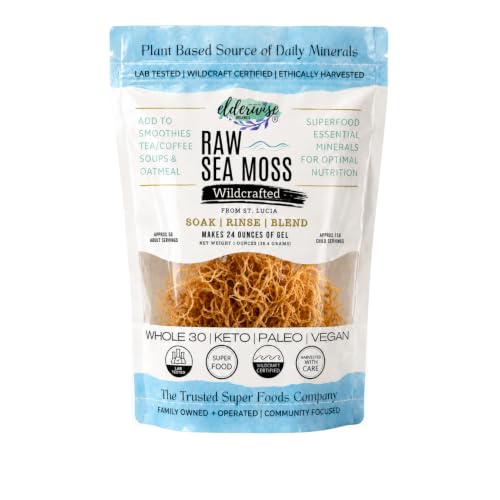
For making your own smoothie-friendly gel from whole dried sea moss, this single-ingredient Gracilaria option avoids flavored gummies and multi-ingredient supplement blends, although its iodine content can still vary.
- MAKES 24 OZ OF GEL: Our package is more than enough to make 24oz of ethically harvested seamoss gel with high vitamin, nutrition, and mineral content
- 100% NATURAL AND AUTHENTIC: Our sea moss raw is 100% pure and natural, providing a clean, authentic, ocean-grown whole food source for minerals
What Is Sea Moss?
The name sea moss can describe more than one type of red seaweed. Traditional Irish moss is Chondrus crispus, which grows along North Atlantic coasts. Many commercial products sold as sea moss are species of Gracilaria. That distinction matters because mineral and iodine levels can differ between species and batches.
Chondrus crispus is also a natural source of carrageenan, a carbohydrate used as a thickener in foods such as nondairy beverages and desserts. Sea moss itself can be sold whole, dried, powdered, blended into gel, or added to supplements.
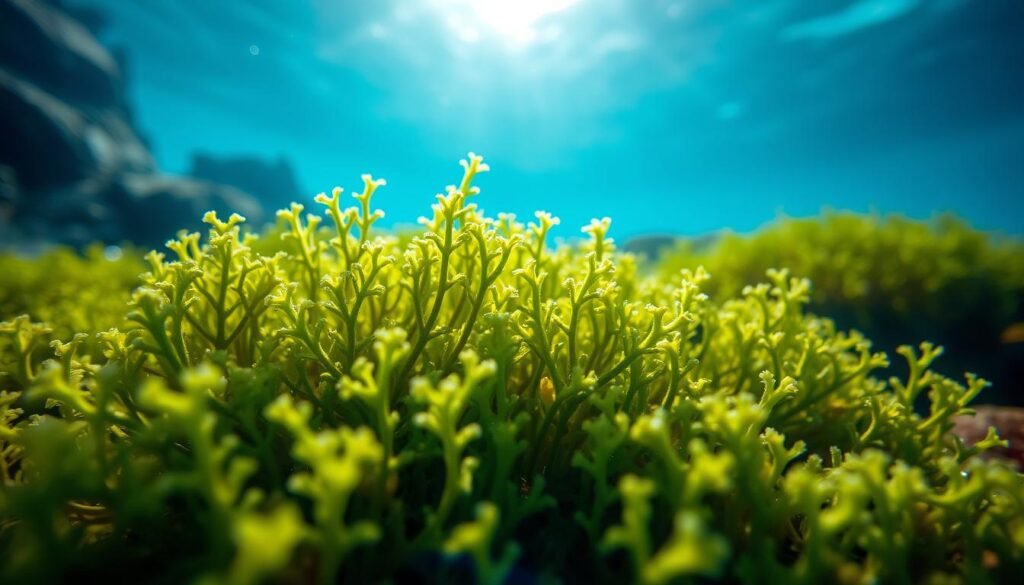
There is no fixed nutrient profile for every jar or bag. Seaweed absorbs minerals from its environment, so species, water conditions, harvest location, processing, and serving size can all change what you actually consume.
What Sea Moss Benefits Are Supported by Evidence?
Sea moss contains nutrients that play important roles in health, but that does not mean eating sea moss automatically produces every benefit associated with those nutrients. A review of human seaweed trials found some encouraging results for blood glucose, blood pressure, body weight, and other metabolic markers, but the overall evidence was limited and varied considerably between products and seaweed species.
That is why claims about sea moss should be framed as possible benefits, not guaranteed outcomes. A useful clinical overview from Cleveland Clinic makes the same distinction between promising nutrition and limited sea-moss-specific research.
Heart and Metabolic Health
Seaweed contains fiber and other compounds that may support a heart-healthy eating pattern. Fiber can help with fullness, cholesterol management, and blood sugar control, but a spoonful of sea moss gel should not be expected to lower LDL cholesterol, blood pressure, or glucose on its own.
The more reliable approach is to use it alongside vegetables, fruits, beans, whole grains, nuts, and other fiber-rich foods rather than treating it as a replacement for them.

Gut Health and the Microbiome
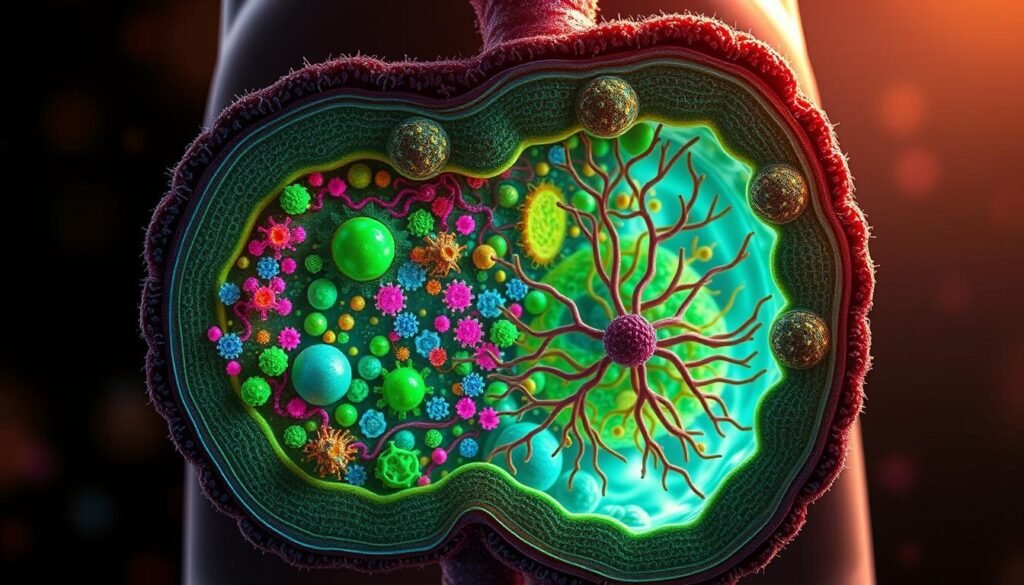
Sea moss contains complex carbohydrates that may behave like prebiotic fibers, meaning they can serve as food for certain gut microbes. Laboratory research on Chondrus crispus and other red seaweeds suggests they can influence bacterial populations and fermentation in the gut.
Human evidence is much thinner. It is therefore too early to promise that sea moss will stop bloating, heartburn, constipation, or other digestive symptoms. It also should not be described as a probiotic simply because it comes from the ocean.
Immune Support
The gut and immune system communicate closely, so researchers are interested in whether seaweed fibers and other compounds could influence immune function. Early laboratory and animal findings are interesting, but they do not show that eating sea moss prevents infections or strengthens immunity in a clinically meaningful way.
Likewise, laboratory findings involving bacteria such as Salmonella should not be interpreted as evidence that sea moss can prevent or treat a bacterial infection.
Iodine, Thyroid Function, and Energy
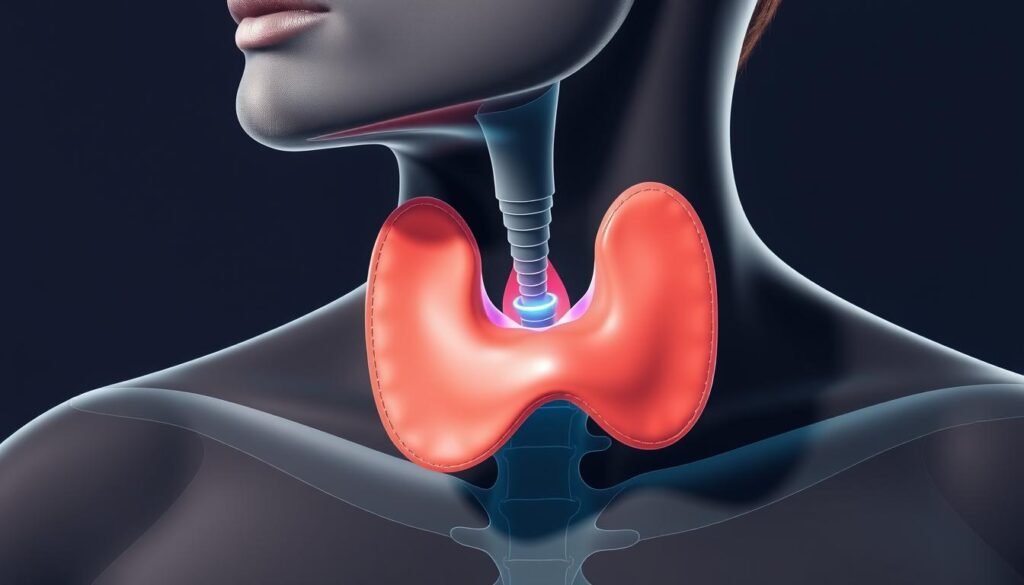
Iodine is required to make thyroid hormones, which help regulate metabolism and many other body functions. Seaweed can provide iodine, but the amount in a serving may vary substantially. More is not automatically better.
Too much iodine can trigger thyroid problems in susceptible people. Anyone with hypothyroidism, hyperthyroidism, thyroid nodules, or thyroid medication should be especially careful with concentrated seaweed products. The NIH iodine guide explains why both too little and too much iodine can be a problem.
Sea moss also should not be marketed as an energy booster simply because it contains iodine. Correcting a true nutrient deficiency can improve related symptoms, but taking extra iodine when you already get enough does not reliably create extra energy.
Sea Moss for Exercise Recovery, Men, and Women
Sea moss is often marketed for muscle recovery because it contains small amounts of minerals, amino acids, and other nutrients. Those nutrients are useful in normal nutrition, but sea moss is not a meaningful replacement for adequate protein, carbohydrates, fluids, sleep, and a well-planned training program.

Claims involving testosterone, male fertility, menstrual regularity, hormone balance, or menopause are even less certain. Nutrients such as zinc and calcium are important for reproductive and bone health, but that does not prove a sea moss supplement produces those outcomes. For training advice that has stronger practical value, see our guide to common fitness myths.
Sea Moss Safety: Iodine, Heavy Metals, and Product Quality
The biggest reason to pay attention to sourcing is that seaweeds can absorb substances from the water around them. Depending on species and harvest location, that can include iodine as well as contaminants such as arsenic, cadmium, lead, or mercury.
Look for companies that identify the seaweed species and harvest source and provide recent contaminant testing. Ideally, you should also be able to determine how much iodine a normal serving contains. A vague claim such as “contains 92 minerals” is much less useful than an actual laboratory report.
Carrageenan Is Not the Same as Poligeenan
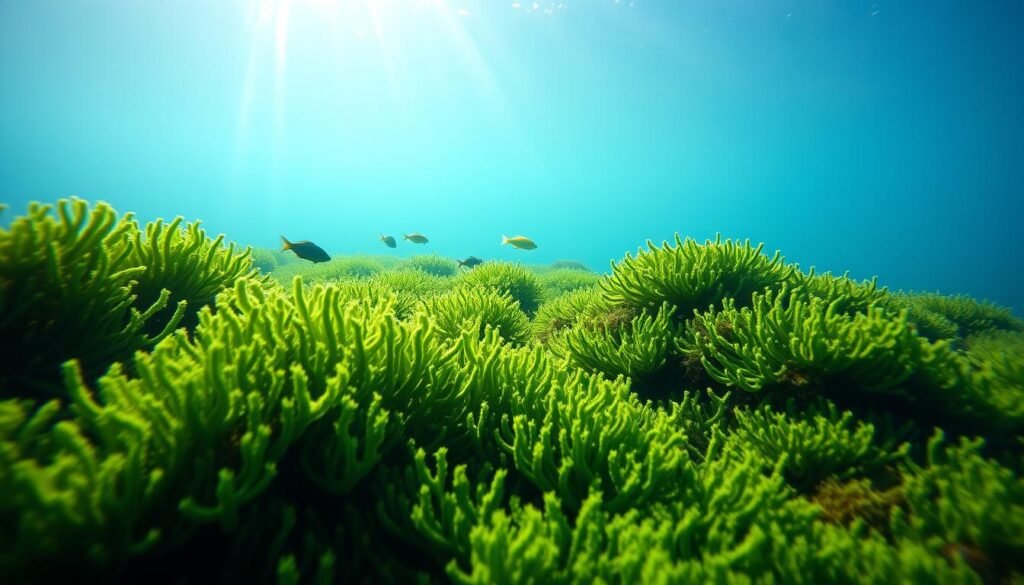
Carrageenan is a seaweed-derived ingredient authorized for specific food uses under FDA regulations. Poligeenan is a degraded material with different properties and should not be treated as the same substance. Research involving poligeenan therefore does not automatically show that food-grade carrageenan or whole sea moss causes the same effects.
Who Should Be More Cautious?
- People with thyroid disease or those taking thyroid medication should discuss regular sea moss use with their clinician.
- Pregnant or breastfeeding people should be cautious with concentrated seaweed products because iodine needs increase during pregnancy, but excess iodine can also be harmful.
- People taking prescription medicines should check the complete ingredient list, especially with gummies and capsules that combine sea moss with several herbs or nutrients.
- Stop or reduce use if it causes persistent nausea, diarrhea, stomach pain, or other new symptoms.
How to Use Sea Moss in Smoothies
There is no universally established sea moss dose because products differ in species, concentration, water content, and iodine levels. Gel is especially difficult to compare by tablespoons because one jar may contain much more water than another.
A sensible approach is to follow the specific product directions, begin with the smaller suggested serving, and avoid combining several iodine-rich seaweed supplements. Sea moss should add variety to your diet, not become a high-dose source of iodine.
A Whole-Sea-Moss Option for Making Gel at Home
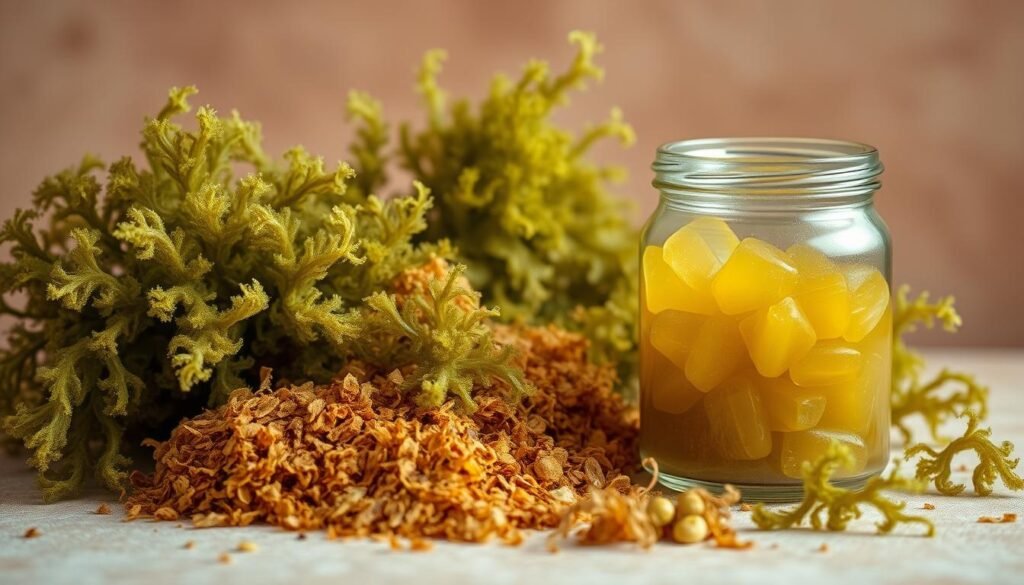
If your main goal is adding sea moss to smoothies, whole dried sea moss gives you control over the other ingredients. It can be soaked, rinsed, blended with fresh water, and then mixed into smoothies, oatmeal, soups, or sauces. It also avoids the added sugars and extra herbs found in some gummies and blended supplements.
Elderwise Golden Sea Moss is a dried Gracilaria product rather than Chondrus crispus. Its Amazon listing identifies it as raw sea moss intended for making gel, while the manufacturer states that its sea moss batches are tested for heavy metals. One limitation is that a standardized iodine amount per serving is not provided, so people who need tight control of iodine intake should not assume every batch contains the same amount.
- MAKES 24 OZ OF GEL: Our package is more than enough to make 24oz of ethically harvested seamoss gel with high vitamin, nutrition, and mineral content
- 100% NATURAL AND AUTHENTIC: Our sea moss raw is 100% pure and natural, providing a clean, authentic, ocean-grown whole food source for minerals
- WILDCRAFTED, RAW, AND SUN-DRIED: Ethically harvested from Saint Lucia, our sea moss raw is hand-picked and sun-dried, officially recognized as Wildcrafted for highest quality assurance
- MINERAL AND VITAMIN RICH: Our sea moss is a superfood containing 92 vitamins and minerals, allowing you to add extra nutrients to your diet without compromising on flavor or aroma
You do not need this particular product to use sea moss. Another plain, single-ingredient option can work just as well if its species, source, ingredients, and contaminant testing are clear.
Making and Storing Sea Moss Gel
- Rinse dried sea moss thoroughly according to the seller’s preparation instructions.
- Soak it in clean water until softened.
- Rinse again, then blend it with fresh water until smooth.
- Transfer the gel to a clean container and refrigerate it promptly.
- Follow the product’s storage instructions and discard gel that develops mold, an unusual odor, or other signs of spoilage.
Food safety matters with prepared gel because it contains a large amount of water. In January 2026, the FDA posted a recall involving certain commercially prepared sea moss gels over concerns involving processing and temperature controls. That does not mean all sea moss gel is unsafe, but it is a good reminder not to treat homemade or refrigerated gel as shelf-stable.
Bottom Line: Is Sea Moss Worth Adding to a Smoothie?
Sea moss can be a convenient way to add a sea vegetable to your diet, and it provides minerals and fibers that researchers continue to study. The strongest reason to use it is simple: you enjoy it, tolerate it well, and want another nutrient-containing food in your routine.
The evidence is not strong enough to rely on sea moss for cholesterol reduction, thyroid treatment, immune protection, hormone balance, fertility, fat loss, or workout recovery. A balanced diet, adequate protein and fiber, exercise, sleep, and appropriate medical care matter far more.
If you choose to use sea moss regularly, pay more attention to species, iodine content, contaminant testing, and serving size than to dramatic marketing claims.
FAQ
Is Irish moss the same as every product labeled sea moss?
No. Traditional Irish moss usually refers to Chondrus crispus. Many commercial products labeled sea moss use Gracilaria species instead. Both are red seaweeds, but they should not be assumed to have identical nutrient or iodine levels.
How much sea moss gel should I put in a smoothie?
There is no universal evidence-based tablespoon dose for every gel. Water content and iodine concentration can vary, so use the serving directions for the specific product and start with the lower suggested amount rather than assuming more is better.
Can sea moss improve thyroid function?
Sea moss can provide iodine, which the thyroid needs. However, it is not a treatment for thyroid disease, and too much iodine can worsen thyroid problems in some people. Anyone with a thyroid condition should be particularly cautious.
How can I choose a safer sea moss product?
Look for the seaweed species, complete ingredient list, harvest or sourcing information, contaminant testing, and ideally an iodine amount per serving or batch. Be cautious when a product relies mainly on broad claims about dozens of minerals without showing useful testing information.
Does sea moss help the gut microbiome?
Sea moss contains polysaccharides that may act as fermentable or prebiotic fibers. Laboratory research is promising, but there is not yet enough strong human evidence to promise relief from bloating, constipation, reflux, or other digestive problems.
Are sea moss capsules, gummies, powder, or gel better?
No form has been proven universally superior. Gel and whole sea moss are convenient for food and smoothies, while capsules and gummies are easier to carry. What matters more is the actual species, ingredients, serving size, iodine exposure, contaminant testing, and whether the product fits your routine.




Don’t Miss These Picks