


I tried a simple mouth ritual every morning for two weeks because I wanted to know if it really changes my smile and breath. The routine felt strange at first, but I noticed small shifts in how my gums felt and how fresh my mouth seemed by day seven.
This short guide will walk you through a clear, science-minded 14-day test. I explain how to swish safely, what to expect for plaque and gum health, and why coconut oil is often chosen for its mild taste and lauric acid’s antimicrobial action.
Realistic goals matter: we separate claims from solid evidence and show how this practice should complement brushing and flossing. For background reading and study summaries, see an accessible review of the technique.
Key Takeaways
- Try a 14-day test to observe practical changes in gum feel and breath.
- Swishing edible oil acts like a gentle rinse to reduce harmful bacteria on teeth and gums.
- Coconut is common because of lauric acid and a mild flavor, but results vary.
- Use this as an add-on—not a replacement—for brushing, flossing, and dental visits.
- Follow safe steps: one tablespoon, 15–20 minutes, spit into trash, then brush.
What Oil Pulling Is and How It Works for Oral Health
In brief: This is an ancient Ayurvedic habit that uses edible fats to loosen and remove surface biofilm. It can lower bacterial load temporarily and may help reduce plaque and gingivitis markers in short trials.
From a historical view, the method began in India using sesame or sunflower. Today many people favor extra-virgin coconut for its lauric acid and mild taste. The action is simple: you gently swish a spoonful so the fluid can contact teeth and gums.
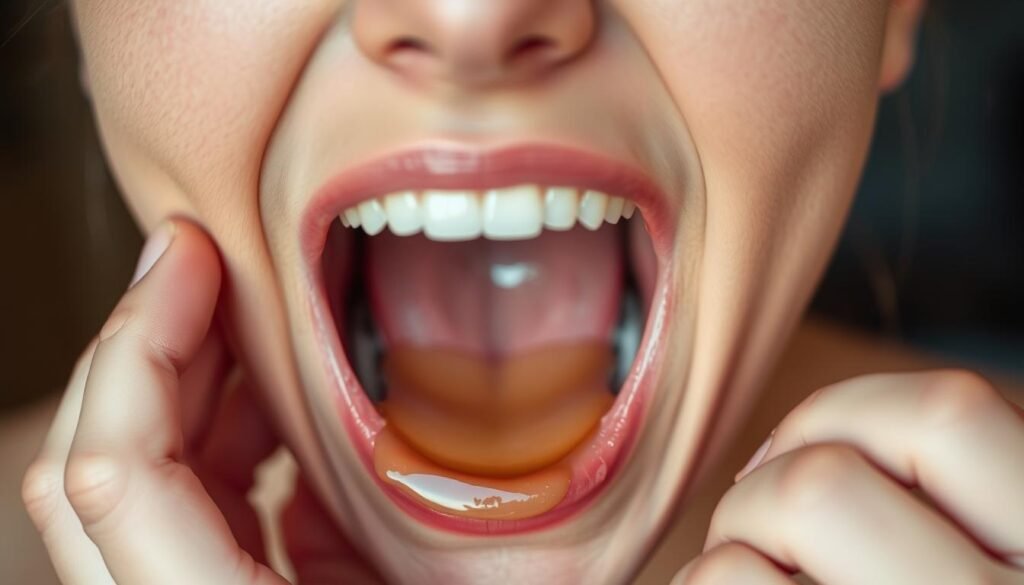
The proposed mechanism is mechanical and chemical. Swishing can emulsify and “sweep” microbes and debris from the biofilm. Researchers report reduced Streptococcus mutans in some studies, suggesting less risk for tooth decay and gingivitis.
“Short studies show improvements in plaque and gum markers, but larger trials are needed.”
Note: Major dental groups do not endorse this as a replacement for brushing or flossing. See one summary in short clinical studies for more context.
How to Do Oil Pulling: A 14‑Day Step‑by‑Step Routine
Start small and build safely: begin with short sessions, increase the time over the first week, and always finish with normal oral care.
Here’s a practical 14‑day plan that shows how to add a short swishing ritual to your oral routine. Use roughly 1 tablespoon (15 mL) of your chosen oil and keep the motion gentle so it reaches between teeth and along the gumline.

Daily setup and timing
Measure one tablespoon and swish for a set number of minutes. The target is 15–20 minutes by day seven. Use a timer so the time feels structured and stress‑free.
Build up safely
Start at about 5 minutes for the first 2–3 days. Increase to 10 minutes by midweek. If your jaw tires, pause and resume with lighter motion. Technique matters more than force.
Aftercare and finishing steps
- Never swallow; the liquid holds trapped debris—spit oil into a trash can, not the sink.
- Rinse well, then follow with brushing teeth and flossing so your mouth ends fully clean.
- Try morning sessions on an empty stomach and use coconut oil or sesame for a neutral taste.
Evidence‑Backed Oil Pulling Benefits
Short studies show measurable effects on oral bacteria and plaque, but the evidence is limited and not definitive. Several small clinical trials have tested whether daily swishing can change measurable oral bacteria and plaque.

Reducing harmful bacteria in the mouth (including S. mutans)
Multiple trials report lower counts of S. mutans after daily swishing with edible fats. A 2016 study of 60 adults found 10 minutes per day for two weeks cut S. mutans more than distilled water.
Children’s studies also showed coconut performed similarly to chlorhexidine in reducing the same bacteria, suggesting a comparable short-term effect.
Lower plaque and gingivitis markers in short studies
Small trials in adults noted reduced plaque scores and improved gingivitis markers after days to weeks of daily practice. A 2020 study and a 2017 study in dental students both found plaque accumulation fell with consistent use.
“Findings are promising, but most trials are short and small—larger, longer studies are needed.”
Bad breath reduction compared with chlorhexidine in some trials
Some pediatric trials using sesame oil reported halitosis improvements on par with chlorhexidine mouthwash. Results are modest but suggest a role for swishing in breath control.
- Studies indicate reduced bacteria, including S. mutans, a contributor to plaque and tooth decay.
- Adults using 10 minutes daily of coconut oil over 14 days showed measurable bacterial drops versus water.
- Small trials found lower plaque and better gingival markers after regular practice.
- Evidence is limited; the ADA does not endorse replacing standard care with this practice.
For a deeper look at clinical summaries and trial details, see this review on PubMed Central: short clinical studies and summaries.
Claims vs. Facts: Whitening, Detox, and What Studies Actually Found
This section separates marketing claims from what peer-reviewed work actually shows. It answers whether a daily swish whitens teeth or pulls toxins from blood and explains the realistic oral effects researchers have found.
You may see dramatic before-and-after photos, but the science paints a different picture.
No credible studies confirm true tooth whitening. Clinical trials do not show measurable lightening of enamel beyond the tidy surface polish you get from brushing or a dental cleaning. If a brighter smile is the goal, see a dentist for proven whitening options.
Detox claims lack evidence. There is no support for the idea that a mouth rinse draws toxins from the bloodstream or treats systemic disease. Health authorities warn against using this practice as a substitute for medical care.
What research actually found: short trials reported reduced oral bacteria, lower plaque scores, improved gingival markers, and modest gains in fresh breath. These are local, mouth-level effects—not whole-body detox.
“Findings support local oral improvements, but larger and longer studies are needed.”
- Whitening: unproven beyond cleaning.
- Detox: no evidence for blood-borne toxin removal.
- Real gains: bacterial load, plaque, gingivitis, and bad breath may improve.
Use this as a small add-on for fresh breath and gum comfort, while relying on proven tools—brushing, flossing, professional cleanings—for lasting oral health.
Safety, Dos and Don’ts: Braces, Aligners, and When to Skip It
Follow these safety tips to protect orthodontic work and oral hygiene while you try this mouth routine. Keep sessions brief if you have devices or soreness, and consult your provider with any doubt.
How to handle braces and clear aligners
If you wear Invisalign or clear trays, remove your aligners before starting. Prolonged tray-out time reduces treatment progress; aligners need about 22 hours/day.
Clear appliances can stain with repeated exposure to fats like coconut or sesame. Rinse and brush after sessions to reduce discoloration.
Stainless steel braces won’t tarnish, but cheeks can rub and become sore. If that happens, slow the motion or cut your time back.
Common mistakes and quick fixes
- Never swallow the used mixture; it can cause nausea or diarrhea and contains trapped debris.
- Spit oil into a trash can—do not spit into sinks or toilets to avoid plumbing clogs and residue buildup.
- Do not replace regular care: continue brushing teeth, flossing, and professional cleanings.
- If you use mouthwash, wait about 30 minutes after brushing so fluoride has time to protect enamel.
“When in doubt, ask your dentist or orthodontist whether this fits your current care plan, especially during active treatment.”
When to skip: postpone the practice if you have active oral infections, open wounds, a strong gag reflex, or persistent jaw fatigue. Pulling may irritate sensitive gum tissue or worsen symptoms. Stop and check with your clinician if problems continue.
Making Oil Pulling Part of an Oral Hygiene Routine
Keep this practice as a clear add-on to core care: brush twice daily, floss daily, and visit your dentist regularly. Use the technique to support oral hygiene, not replace proven treatments.
Summary: Add a short morning session to stack habits. Start with a few minutes and build toward 15–20 to maximize contact time. Always follow with brushing teeth and flossing.
Schedule the step first thing on an empty stomach to make it easy to stick to. Even five minutes helps; aim for longer as you adapt. Spit into the trash and rinse well so debris does not remain on enamel or at the gumline.
Rotate between coconut and sesame if taste or texture matters. Consistency matters more than brand. Some dentists recommend pairing sessions with checkups so plaque and gum markers can be tracked over time.
If you are cavity-prone, combine this habit with fluoride toothpaste and diet changes to lower decay risk. Use mouthwash about 30 minutes after brushing to keep fluoride active while still addressing residual bacteria mouth.
“Layer small, repeatable steps into your morning routine—consistency beats perfection.”

| Step | Why it helps | Practical tip |
|---|---|---|
| Morning session | Stacks with existing habits and targets morning breath | Start 5 minutes, build to 15–20 minutes |
| Brush & floss after | Removes loosened plaque and debris | Rinse, then brush; wait 30 minutes for mouthwash |
| Rotate oils | Improves comfort and adherence | Alternate coconut oil and sesame by week |
| Track progress | Helps judge real effects on gums and plaque | Note morning breath, gum comfort, and plaque feel |
For a practical guide on using coconut specifically, see this review on oil pulling coconut. Use that page to compare properties and choose what fits your routine best.
Conclusion
Try a focused 14‑day check to see if this brief practice adds value to your oral care. The best quick test is short, consistent, and paired with normal brushing and flossing.
What to expect: clinical data support local gains — lower bacteria counts, reduced plaque measures, and modest halitosis improvement. Whitening and whole‑body detox claims remain unproven.
Keep safety simple: spit into the trash, rinse, then brush. For braces or aligners, remove trays and mind staining and wear time.
If you like gentler gums and fresher breath, continue. If not, prioritize proven oral hygiene, routine dental visits, and targeted care for decay or gingivitis.
FAQ
What is swishing coconut or sesame oil for oral hygiene?
Swishing a tablespoon of edible oil in your mouth for 10–20 minutes is a traditional Ayurvedic practice intended to reduce harmful oral bacteria, disrupt plaque biofilm, and freshen breath. The action loosens debris and emulsifies surface deposits so you can spit them out, then follow with rinsing and regular brushing.
How does lauric acid in coconut oil help gums and teeth?
Lauric acid has documented antibacterial and anti‑inflammatory effects against common oral microbes such as Streptococcus mutans. When used correctly, coconut oil can lower bacterial load and reduce markers of gum inflammation in short clinical studies, supporting overall gum health when combined with standard care.
Can I expect whiter teeth after 14 days of swishing oil?
Studies do not support dramatic tooth whitening from swishing oil alone. Some people notice a mild change in surface stains, but oil rinsing should not replace professional whitening or good brushing and flossing for cosmetic results.
How long should I swish each day when starting a 14‑day routine?
Start at 5 minutes on day one and gradually increase to 15–20 minutes if comfortable. Shorter sessions still reduce bacteria without causing jaw fatigue. Never swallow the oil; spit it into a trash can and follow with a rinse and tooth brushing.
Is swishing oil safe with braces, aligners, or dental work?
Yes with precautions. Remove aligners or retainers before swishing and avoid getting oil under removable appliances. Thick oils generally won’t damage brackets, but be careful with clear aligners—rinse and dry them before reinserting to avoid staining or residue.
Will swishing oil replace mouthwash or brushing and flossing?
No. Oil rinsing can complement oral hygiene but should not replace fluoride toothpaste, flossing, or professional cleanings. Treat it as an adjunctive practice to help reduce bacteria and improve breath alongside proven daily care.
What are the most common mistakes when people try this routine?
Common errors include swallowing the used oil, spitting it in the sink (which can clog plumbing), using it instead of brushing, and overextending swishing time that causes TMJ or jaw discomfort. Follow safe timing and disposal practices.
How quickly might I notice reduced bad breath or less plaque?
Some people report fresher breath within days and measurable reductions in plaque or gingivitis markers in short clinical trials over 1–3 weeks. Results vary and depend on baseline oral health and adherence to a full hygiene routine.
Are there any proven systemic detox or blood‑cleansing effects?
No credible evidence supports claims that swishing oil detoxifies the bloodstream or removes systemic toxins. Benefits are localized to the oral cavity—reducing bacteria and inflammation—rather than producing whole‑body detoxification.
Which oil is recommended: coconut, sesame, or another edible oil?
Coconut and sesame oils are the most studied. Coconut offers lauric acid’s antimicrobial action; sesame has traditional use and anti‑inflammatory properties. Use a high‑quality, food‑grade oil and choose whichever you tolerate better for daily use.
Can children or pregnant people use this method?
Children can use shortened, supervised sessions (start with 1–5 minutes) once they can spit reliably. Pregnant people may use it as well, but consult a dentist or obstetric provider if there are pregnancy‑related oral health concerns before starting any new routine.
How should I dispose of used oil and clean up afterward?
Spit the oil into a trash can or paper towel—do not pour it down the sink. Rinse your mouth with warm water, brush with fluoride toothpaste, and floss. Wipe sink areas promptly to prevent residue build‑up.
Are there clinical studies supporting reduced cavities or gingivitis?
Small randomized trials and observational studies show reductions in Streptococcus mutans, plaque indices, and gingivitis markers compared with baseline and, in some cases, versus chlorhexidine. Larger, long‑term trials are limited, so view it as supportive rather than curative.
Could swishing oil cause allergic reactions or other side effects?
Allergic reactions are uncommon but possible—check for known nut or seed allergies before using coconut or sesame oil. Temporary side effects may include nausea if you accidentally swallow or jaw soreness from prolonged swishing.
How do I add this practice into my daily oral hygiene routine?
Make it a morning ritual: swish first thing for a gradual build‑up period, spit, rinse, then brush and floss. Use it 3–7 times per week or daily if it fits your schedule and you find measurable oral benefits alongside regular dental care.




Don’t Miss These Picks