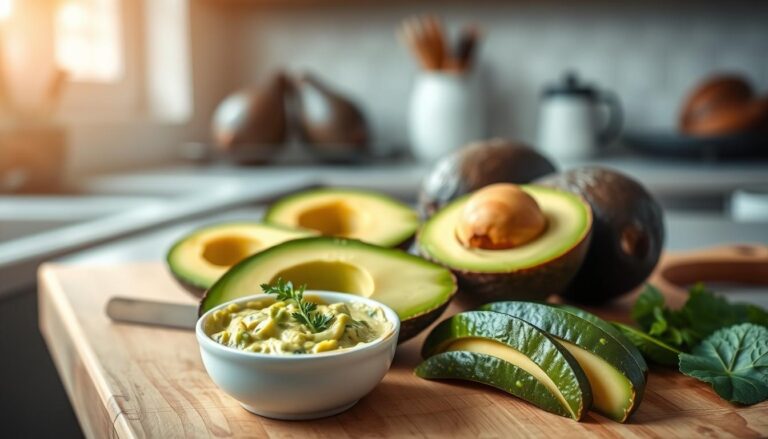


Can eating avocado help relieve constipation? If you’ve been dealing with hard stools, straining, or irregular bowel movements, changing what you eat may help. Avocado is one food worth considering because it provides fiber, healthy fats, and several useful nutrients.
Avocado may support regular bowel movements by adding fiber to your diet. Its soluble and insoluble fiber can help improve stool consistency, especially when you also drink enough fluids and eat other fiber-rich foods. However, avocado is not a proven stand-alone treatment for constipation.
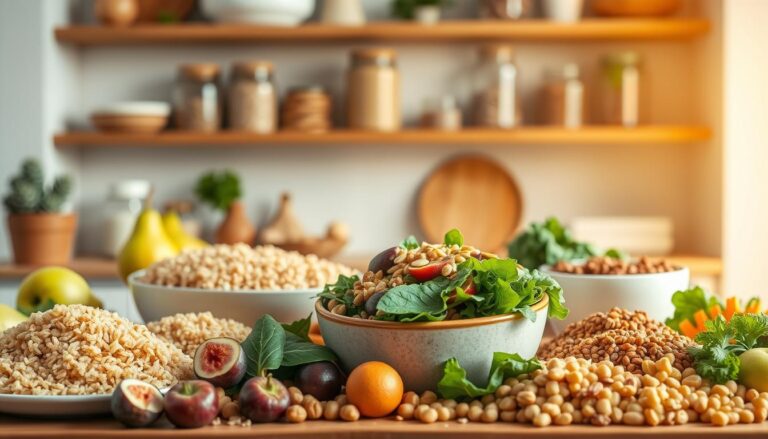
You don’t need complicated recipes or large portions. Start with a little avocado on whole-grain toast, add it to a lentil salad, or blend it into a smoothie. This guide explains how much to eat, what benefits to expect, and how to make it part of a comfortable daily routine.
Key Takeaways
- Avocado provides dietary fiber that can support softer, easier-to-pass stools as part of a balanced diet.
- Start with about one-third to one-half of a medium avocado if you tolerate it. This is a practical serving, not a medically established dose.
- Pair avocado with other fiber sources, including oats, beans, lentils, ground flaxseed, and fruit.
- Fluids and daily movement matter. Increasing fiber without enough liquids may make constipation more uncomfortable.
- Increase portions gradually, especially if you have IBS or experience bloating after high-fiber meals.
Helpful Products at a Glance
For adding extra fiber to avocado toast, Badia Organic Ground Flax Seed is a convenient option. Regular ground flaxseed from your grocery store works too.
For avocado smoothies or an easy fruit snack, Elan Organic Pitted Prunes offer a shelf-stable option. Fresh or store-brand prunes are also suitable.
Why Constipation Happens and How Food Can Help
Constipation doesn’t always mean you haven’t had a bowel movement for several days. You can also be constipated when stools are hard, painful to pass, or leave you feeling as though your bowel hasn’t emptied completely.
When stool moves slowly through the colon, more water can be absorbed from it. This may make stool harder and more difficult to pass. Low fiber intake, dehydration, inactivity, certain medications, and medical conditions can contribute.
Common signs of constipation
- Having fewer than three bowel movements per week.
- Passing hard, dry, or lumpy stools.
- Straining or experiencing discomfort while using the toilet.
- Feeling that some stool remains after a bowel movement.
- Experiencing bloating or abdominal discomfort.
Food choices can help address some of these problems. According to the National Institute of Diabetes and Digestive and Kidney Diseases (NIDDK), adults generally need about 22–34 grams of fiber daily, depending on age and sex.
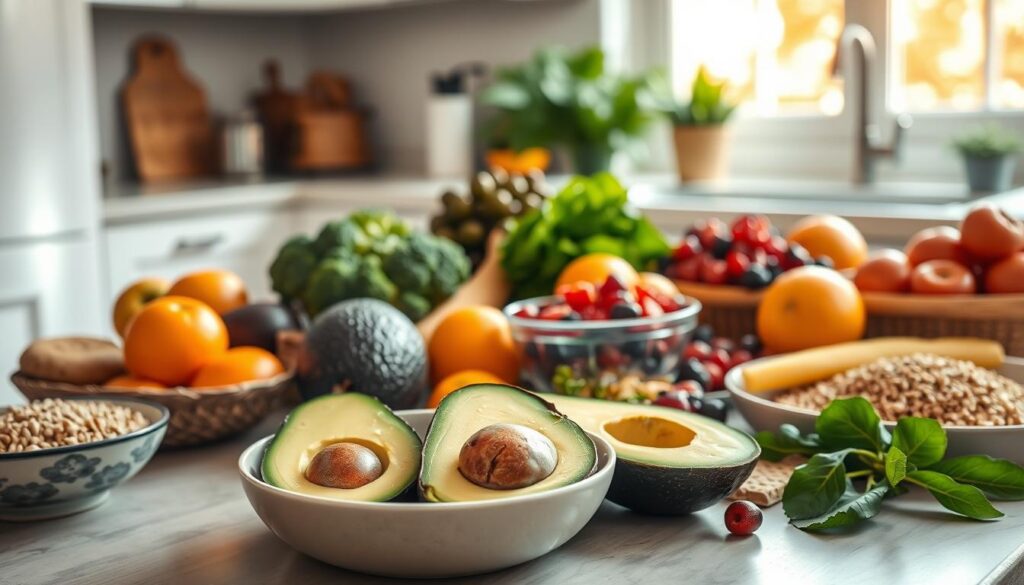
If your usual meals contain little fiber, adding avocado alongside vegetables, fruits, whole grains, and legumes can help you move toward that goal. Increase fiber gradually to give your digestive system time to adjust.
How Avocado Supports Regular Bowel Movements
Avocado combines dietary fiber with mostly unsaturated fats. Its strongest practical benefit for constipation is helping you increase your overall fiber intake without relying on a supplement.
1. Soluble and insoluble fiber support stool formation
Avocado contains two important types of fiber. They work differently but can both contribute to healthy digestion.
- Soluble fiber: Holds water and helps support softer stool. Some soluble fiber is also fermented by bacteria in the colon.
- Insoluble fiber: Adds bulk to stool and can help waste move through the digestive tract more efficiently.
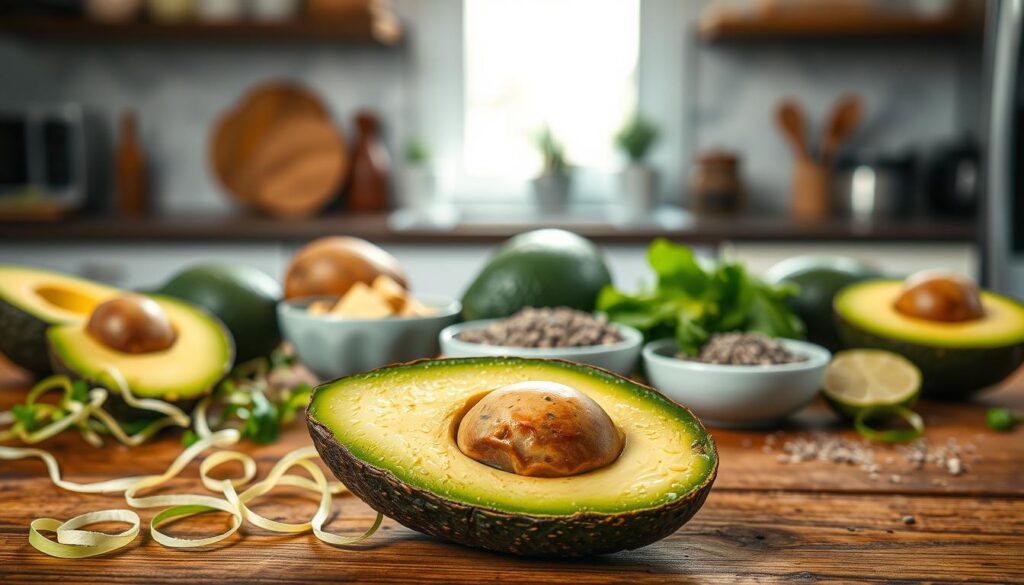
A half-cup serving of avocado contains approximately 5 grams of fiber, according to nutrition data provided by the California Department of Education using USDA information. Actual amounts depend on serving size and variety.
That makes avocado a useful source of fiber, although it cannot supply your entire daily requirement. Combining it with oats, vegetables, and legumes provides a greater variety of fiber sources.
2. Healthy fats contribute to balanced meals
Avocados are rich in monounsaturated fats, which are commonly associated with heart-healthy eating patterns. These fats also give avocado its creamy texture, making it an easy replacement for some spreads and dressings.
However, avocado fat has not been shown to lubricate the intestines or directly soften stool. The constipation benefit is better explained by its fiber content and the overall quality of the diet. Adding extra avocado oil is not necessary.
3. Avocado may influence gut bacteria
Avocado also provides potassium, folate, and other nutrients. Its fiber can be used by certain gut bacteria, making it relevant to digestive health beyond stool formation.
A 12-week randomized trial published in The Journal of Nutrition found changes in gut bacteria and microbial compounds among adults with overweight or obesity who ate avocado daily. However, the study did not establish avocado as a treatment for constipation or prove that it increases bowel movement frequency.
How Much Avocado Should You Eat for Regularity?
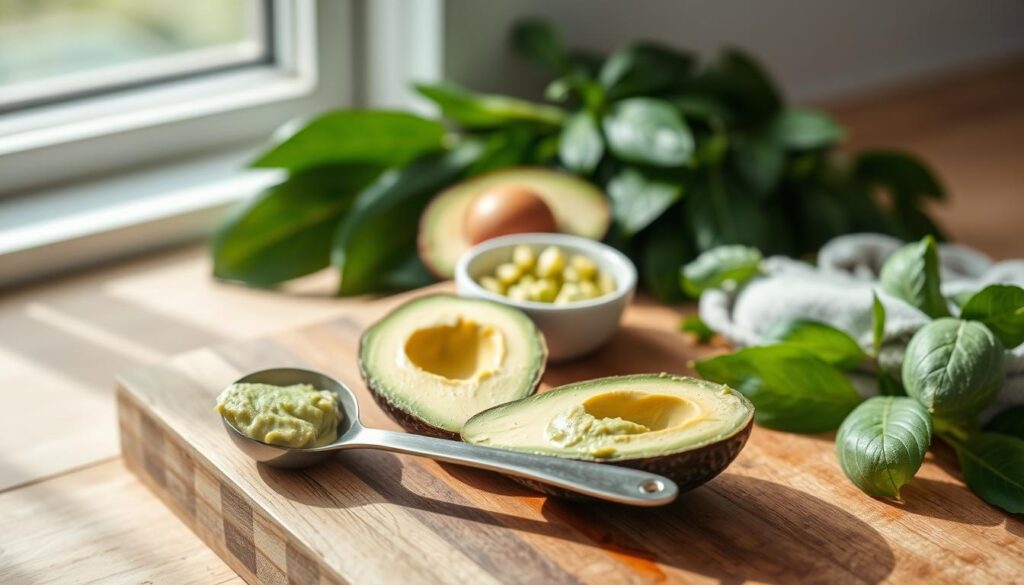
About one-third to one-half of a medium avocado daily is a reasonable starting portion for many adults. There is no scientifically established avocado dose for constipation relief, so the right amount depends on your overall diet, appetite, and tolerance.
Choose a portion that feels comfortable
If you rarely eat avocado or other fiber-rich foods, begin with a few slices. Gradually increase the amount over several days if you feel comfortable. You don’t have to eat a whole avocado to benefit from its nutrients.
Consider these simple starting approaches:
- New to avocado: Try 2–3 tablespoons with a meal.
- Already eat fiber regularly: Around one-third to one-half of a medium avocado may fit comfortably into your diet.
- Prone to bloating: Start smaller and increase only if your symptoms remain manageable.
Does the time of day matter?
There is no strong evidence that avocado works better for constipation in the morning than at night. Eat it whenever it fits naturally into your meals.
Breakfast can be convenient because eating often stimulates normal bowel activity. Whole-grain toast with avocado and a warm drink makes an easy morning routine, but the same food can be useful at lunch or dinner.
What if you have IBS?
People with irritable bowel syndrome (IBS) may be more sensitive to certain carbohydrates and larger high-fat meals. Avocado contains a sugar alcohol called perseitol, which may trigger symptoms in some people.
Monash University’s updated avocado research explains why serving size and personal tolerance matter. If you follow a low-FODMAP diet, use the current Monash guidance and consider advice from an IBS-trained dietitian rather than assuming a typical half-avocado serving is suitable.
Easy Ways to Eat Avocado for Constipation Relief
You don’t need special ingredients to make a fiber-rich meal. These three combinations use everyday foods and can be adjusted to your appetite and digestive comfort.
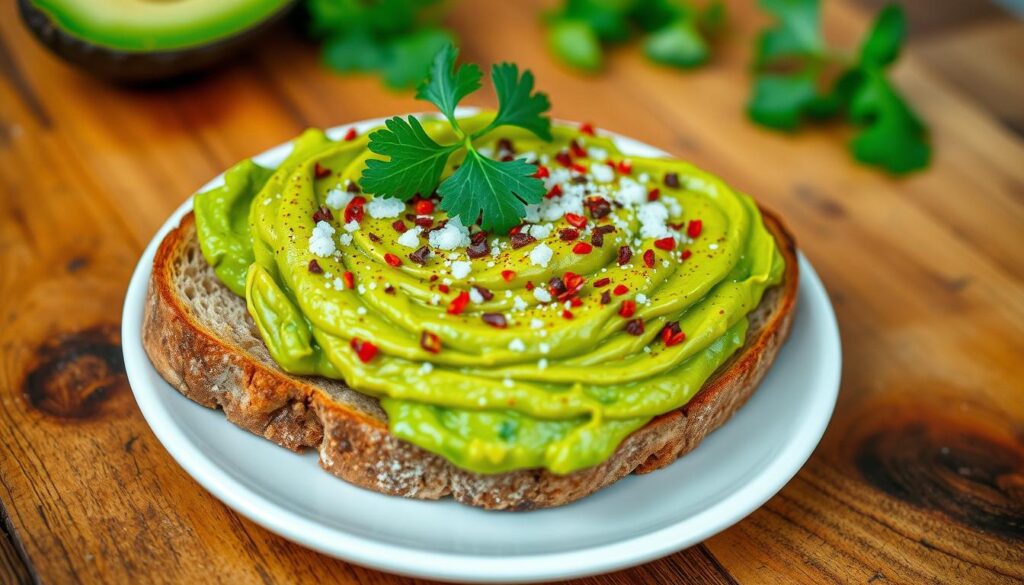
1. Avocado toast with ground flaxseed
This breakfast combines fiber from whole grains, avocado, and seeds. It takes only a few minutes and is easy to adjust.
- Toast one or two slices of whole-grain bread.
- Mash about one-third to one-half of a ripe avocado.
- Spread it over the toast and add a small sprinkle of ground flaxseed.
- Finish with lemon juice, black pepper, or a pinch of salt.
Why it helps: Whole grains and flaxseed add fiber to the meal. Ground flaxseed is especially convenient because you can sprinkle it directly onto toast or mix it into yogurt and oatmeal. Start with a small amount if you’re increasing fiber intake.
Badia Organic Ground Flax Seed comes in a 16-ounce package and offers a ready-ground option for everyday recipes. It is useful if you don’t want to grind whole flaxseeds yourself. Store it as directed to help maintain freshness.
2. Avocado salad or grain bowl with lentils
A bowl with vegetables and legumes can supply more fiber than avocado alone. Lentils, chickpeas, and beans also contribute plant protein, making the meal filling.
- Start with cooked brown rice, quinoa, or another whole grain.
- Add a small serving of cooked lentils or beans.
- Mix in cucumber, tomatoes, and leafy greens.
- Top with diced avocado and a squeeze of lemon.
Why it helps: Combining legumes, grains, and vegetables adds several sources of fiber. If beans cause gas, begin with a smaller amount of well-cooked legumes and increase gradually.
3. Avocado smoothie with prunes and kefir
A smoothie is useful when you prefer a softer meal or want to add fruit to breakfast. Avocado makes it creamy without needing extra oil.
Try blending these ingredients:
- One-quarter of a ripe avocado.
- Two or three pitted prunes, increasing gradually if tolerated.
- Half a small apple or a handful of spinach.
- Half a cup of plain kefir or yogurt, if tolerated.
- Enough water to reach your preferred consistency.
Why it helps: Prunes contain fiber and sorbitol, a naturally occurring sugar alcohol that can help draw water into the bowel. Kefir adds fermented-food cultures, although not every probiotic product has proven constipation benefits.
Elan Organic Pitted Prunes come in a 7.9-ounce package and can be chopped into smoothies, oatmeal, or eaten as a snack. They are convenient to keep in the pantry, but their natural sugars and fermentable carbohydrates may cause gas or loose stools in some people, particularly those with IBS.
Other Foods and Drinks That Pair Well With Avocado
Avocado is only one part of a regularity-friendly eating pattern. Adding variety helps you obtain different types of fiber and nutrients without depending too heavily on a single food.
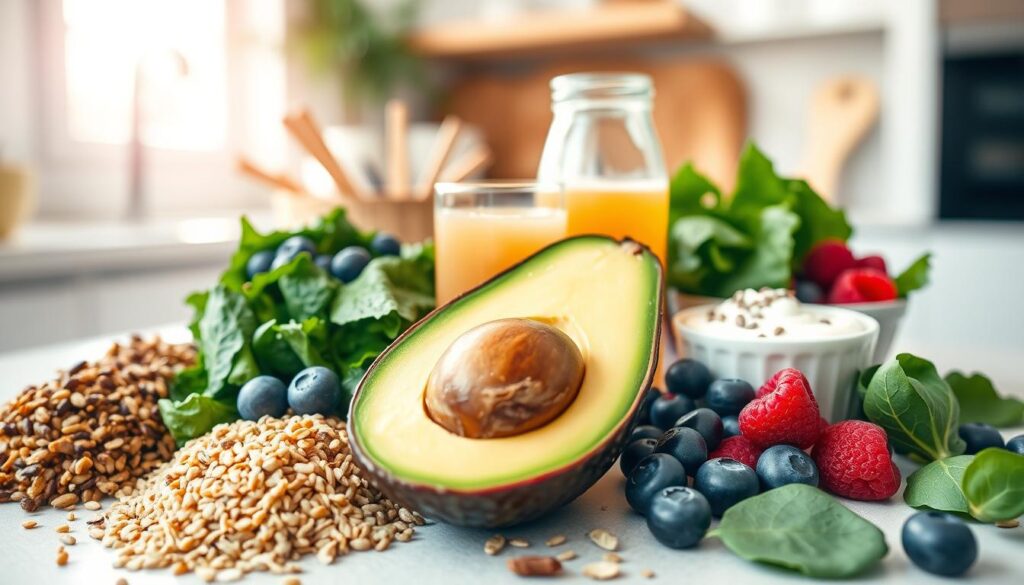
These foods can complement avocado in your meals:
- Oats and chia seeds: Provide additional fiber that helps improve the overall fiber content of breakfast.
- Prunes and kiwi: Have been studied for constipation, although results vary between people.
- Beans and lentils: Add fiber and protein to salads, soups, and grain bowls.
- Yogurt and kefir: Provide fermented-food cultures; specific probiotic strains may help certain symptoms, but benefits are not universal.
- Water and other suitable fluids: Help maintain hydration, especially when you increase dietary fiber.
The 2025 British Dietetic Association guidelines identify certain foods, including kiwi and prunes, as potentially helpful for chronic constipation. However, the evidence does not mean every fiber-rich food has the same effect.
Warm water, tea, and coffee can also fit into your routine. Warm drinks may help some people feel ready for a bowel movement, but lemon water is not a special laxative. For more information about fermented foods, see our guide to probiotics and gut health.
Daily Habits That Help Keep Your Bowels Regular
Eating avocado may be useful, but your overall routine matters just as much. Hydration, movement, and consistent bathroom habits can support normal bowel function.

Drink enough fluids throughout the day
Water helps dietary fiber work effectively. However, there is no single fixed water target that suits everyone. Your needs depend on activity, climate, diet, body size, and health conditions.
Keep water nearby and drink regularly during meals and between them. If you have been advised to restrict fluids because of a medical condition, follow your prescribed limits.
Move your body regularly
Walking, cycling, and other moderate activities can help support bowel function. A short walk after meals is an easy place to start if you spend much of the day sitting.
A general adult activity goal is 150 minutes of moderate exercise each week, but even smaller amounts of movement can be worthwhile.
Build a comfortable bathroom routine
Try using the toilet around the same time each day, especially after breakfast. Don’t ignore the urge to go, and avoid prolonged straining.
Keeping your feet supported on a small stool may make passing stool more comfortable. Regular meals, adequate sleep, and simple stress-management habits can also help support a consistent routine.
When Diet Changes Are Not Enough
Food and lifestyle changes may help mild constipation, but they cannot address every cause. Certain medicines, pelvic floor problems, and digestive conditions may require different treatments.
Contact a healthcare professional if constipation continues despite reasonable self-care, repeatedly returns, or requires frequent laxative use. Seek prompt medical attention if you have:
- Blood in your stool or rectal bleeding.
- Severe or constant abdominal pain.
- Vomiting or an inability to pass gas.
- Unexplained weight loss or fever with constipation.
These warning signs are consistent with guidance from the NIDDK on constipation symptoms and causes.
Frequently Asked Questions
Can eating avocado every day help you poop?
It may help if adding avocado increases your daily fiber intake. However, there is no guarantee of more frequent bowel movements, and people with ongoing constipation may need additional treatment.
How long does avocado take to work for constipation?
There is no established timeline for avocado specifically. Some people notice changes after several days of improving their diet and fluid intake, while others need longer. Avocado does not work like a fast-acting laxative.
Can too much avocado cause diarrhea or bloating?
Yes. Large portions may cause digestive discomfort or loose stools in some people, particularly those sensitive to certain carbohydrates or high-fat meals. Increase servings gradually and reduce them if symptoms appear.
Is avocado oil or avocado seed better for constipation?
Neither has convincing evidence of being more effective than the whole fruit for relieving constipation. Avocado oil contains no dietary fiber, while avocado seeds are not a standard recommended food for constipation. Choose the edible flesh for its fiber and nutrients.
Can avocado replace constipation medication?
Not always. Avocado can be part of a helpful diet, but persistent or chronic constipation may need treatments such as fiber supplements or medications. Do not stop prescribed treatment simply because you have added avocado to your meals.
Conclusion
Avocado can be a useful addition to a constipation-friendly diet, mainly because of its fiber. You don’t need large servings or complicated recipes to get started.
Try a modest portion on whole-grain toast, mix it into a bean salad, or blend it with fruit. Drink enough fluids, stay active, and increase fiber gradually.
Pay attention to stool consistency, bloating, and overall comfort rather than expecting immediate results. If your symptoms continue or worsen, seek medical guidance instead of relying on avocado alone.