

Feeling tired halfway through the day doesn’t always mean you need another coffee. Your sleep, morning light, meals, movement, and stress levels all affect how alert you feel.
The simplest biohacking habits for natural energy are also everyday health basics: protect your sleep, get daylight, eat and drink regularly, move throughout the day, and make time to unwind. None requires expensive gadgets or extreme routines.
These changes may help you feel more alert, but they can’t fix every cause of fatigue. Here’s how to try five practical habits, track what helps, and recognize when tiredness needs medical attention.
Key Takeaways
- Start with sleep. Most adults need at least seven hours and benefit from regular sleep and wake times.
- Use morning daylight. Outdoor light helps your body keep a consistent day-night schedule.
- Eat for steady energy. Balanced meals and water matter more than an aggressive fasting window.
- Move and manage stress. Short walks and brief calming practices fit into busy days.
- Track patterns, not perfection. Persistent or unexplained fatigue deserves a medical check.
Helpful Products at a Glance
For bedrooms that stay bright at night, the MZOO 3D Contoured Sleep Mask offers an optional way to block light; it won’t replace a regular sleep schedule.
- Low - Rebound Memory Foam, Soft and Comfortable.
- Zero Eye Pressure: The Deepest 13mm arc-shaped widened eye cups provide makeup-safe space and allow natural blinking

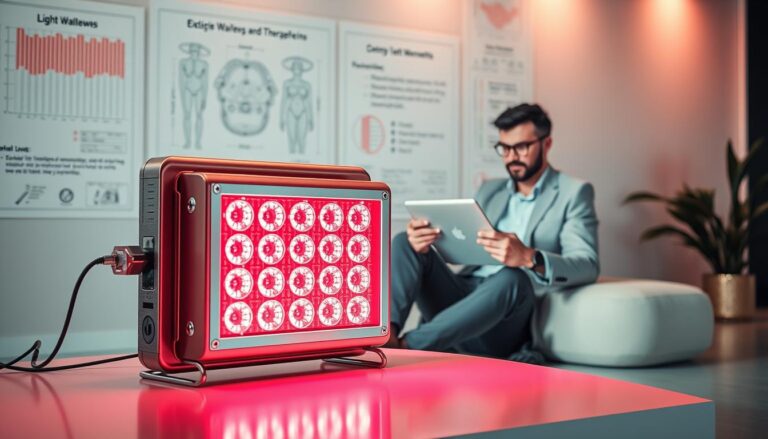
For mornings with very little natural daylight, the Carex Day-Light Classic Plus is a bright-light option; proper distance and medical precautions matter.
- Optimal 10,000 LUX Light Therapy at 12 Inches: Experience the recommended 10,000 LUX of glare-free white light with the Carex Day-Light Classic Plus Sunlight Therapy Lamp. This LED therapy light features a safe, glare-free screen and a flexible angle stand for personalized light therapy sessions.
- Expert-Recommended LED Therapy Light: Embrace natural light therapy with confidence. Our lamp, inspired by Mayo Clinic recommendations, blocks 99.3% of rays and projects light downward for maximum effectiveness, ensuring a safe and comfortable experience.

What Does Biohacking Mean for Energy?
Biohacking is a broad term for experimenting with changes to your routine to see what improves how you feel or function. It can mean anything from adjusting bedtime to using wearable devices. It is not a special medical treatment or a guarantee of better health.
The habits below were chosen for everyday practicality, low cost, and support from established health guidance—not trendy gadgets. For beginners, the safest approach is to change one ordinary habit at a time. Notice whether your focus, sleep, or afternoon energy improves. A general overview of biohacking can help you separate simple lifestyle changes from more experimental practices.
1. Make Consistent, Restful Sleep Your First Habit
Sleep is the foundation of daytime energy. According to the CDC’s sleep guidance, adults ages 18–60 generally need seven or more hours each night. Sleeping too little can make concentration, mood, and everyday tasks harder.
Begin with a wake-up time you can maintain most days. Then work backward to leave enough time for sleep. A predictable routine gives your body’s internal clock, or circadian rhythm, a dependable schedule.
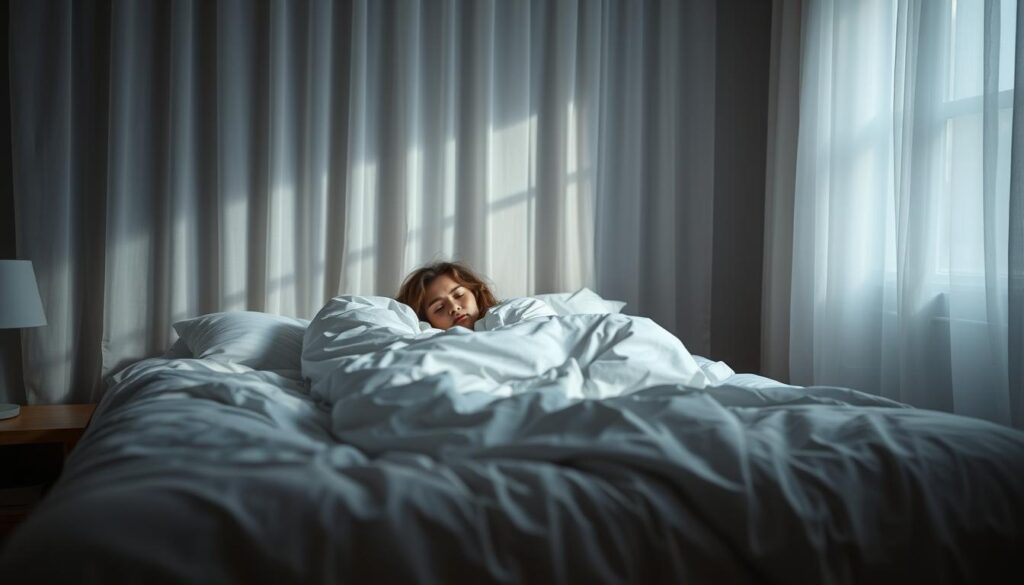
Four Changes to Try Tonight
- Keep it dark and quiet: Close curtains and reduce noise where possible.
- Stay comfortably cool: Adjust bedding and room temperature to suit you.
- Dim bright lights: Put away stimulating screens near bedtime when you can.
- Build a wind-down routine: Read, stretch gently, or listen to quiet music.
If streetlights or early sunrise brighten your room, start with curtains or a folded cloth that blocks light safely and comfortably. A sleep mask is another option, especially when traveling or sharing a room.
The MZOO 3D Contoured Sleep Mask has shaped eye cups, an adjustable strap, and a design intended to reduce pressure around the eyes. The fit may not suit every side sleeper, and it won’t address snoring, sleep apnea, or an irregular bedtime.
- Low - Rebound Memory Foam, Soft and Comfortable.
- Zero Eye Pressure: The Deepest 13mm arc-shaped widened eye cups provide makeup-safe space and allow natural blinking
- Great for Side Sleepers: Upgraded 15°-curved thin sides ensure smooth transitions with no uncomfortable bulge, minimizing temple pressure for all sleeping positions
- 100% Light Blocking: Patented contoured eye cups seal completely around each eye. Deep 22mm nose padding blocks all light leakage
2. Get Morning Daylight to Support Your Body Clock
Morning light tells your brain that daytime has begun. Regular exposure helps set the timing of your sleep-wake cycle, making it easier to feel awake during the day and sleepy at night.
Try spending 10–30 minutes outside after waking, adjusting for weather, season, and comfort. A walk on a shaded path or time on a porch counts. You do not need to stare at the sun or skip needed eye protection.

What If Mornings Are Dark?
If you work indoors or live where winter daylight is scarce, open your curtains and step outdoors when daylight becomes available. Even a short daytime walk combines two useful habits. Bright-light therapy is another option for certain problems, including seasonal affective disorder, but it isn’t necessary for everyone.
The Carex Day-Light Classic Plus is a larger light-therapy lamp designed to deliver 10,000 lux at about 12 inches. Its height and light settings can be adjusted. This is an optional tool for people who struggle to get bright morning light; ordinary outdoor daylight remains the no-cost starting point.
- Optimal 10,000 LUX Light Therapy at 12 Inches: Experience the recommended 10,000 LUX of glare-free white light with the Carex Day-Light Classic Plus Sunlight Therapy Lamp. This LED therapy light features a safe, glare-free screen and a flexible angle stand for personalized light therapy sessions.
- Expert-Recommended LED Therapy Light: Embrace natural light therapy with confidence. Our lamp, inspired by Mayo Clinic recommendations, blocks 99.3% of rays and projects light downward for maximum effectiveness, ensuring a safe and comfortable experience.
- Full Spectrum Light for Enhanced Well-being: Benefit from superior light therapy with our large sunlight lamp. Designed based on models used by global researchers, this light therapy box offers two light settings for effective light box therapy.
- Clinical Strength and Industry-Leading Quality: Elevate your mood, improve sleep, combat jet lag, and boost energy levels with our mood light therapy lamp. Ideal for energizing your day and enhancing concentration. Backed by a 5-year warranty for peace of mind.
Light boxes should be used according to the manufacturer’s directions, without looking straight into the light. Ask a clinician first if you have bipolar disorder, an eye condition, or take medicines that increase light sensitivity. The NIH’s guidance on seasonal affective disorder explains both potential benefits and risks.
3. Build Steadier Energy With Food and Hydration
Skipping meals, eating too little, or drinking too little can leave some people sluggish. Rather than chasing a perfect eating window, begin with balanced meals you enjoy and can repeat.

- Include protein: Eggs, yogurt, beans, tofu, or fish help make meals satisfying.
- Add fiber-rich foods: Vegetables, fruit, oats, and whole grains provide lasting nourishment.
- Drink water regularly: Keep a bottle nearby and drink more when you’re sweating.
- Notice your afternoon slump: Compare how you feel after different meals instead of assuming one food is the problem.
Do You Need Intermittent Fasting?
No. Time-restricted eating, such as the popular 16/8 schedule, is being studied for weight and blood-sugar management. It has not been shown to reliably boost everyone’s daily energy. A regular meal pattern may be simpler and more comfortable.
Fasting can be risky if you’re pregnant, have a history of an eating disorder, or have diabetes—especially if you use insulin or medicines that can cause low blood sugar. Discuss major meal-timing changes with your care team. The National Institute of Diabetes and Digestive and Kidney Diseases explains those cautions.
4. Replace the Midday Slump With Short Movement Breaks
When you’ve been sitting for hours, another drink is not your only option. Standing up, stretching, or taking a brisk walk can help you feel more awake. Regular activity also supports sleep, mood, and overall health, as described in the CDC’s physical activity guidance.
Start with five to ten minutes of movement between long periods of sitting. Walk after lunch, take the stairs, or do a few comfortable bodyweight exercises. You don’t need to squeeze every session into one long workout.

Choose an activity that matches your ability and build gradually. For more ideas without equipment, explore these free ways to stay fit without a gym.
5. Use Brief Mindfulness Practices to Manage Stress
Stress can make even a full night’s sleep feel less refreshing. Mindfulness won’t erase responsibilities, but a few minutes of quiet attention may help you pause, relax, and return to tasks with a clearer head. NIH guidance notes possible benefits for stress and sleep, although results vary.
Try sitting comfortably, relaxing your shoulders, and breathing at an easy pace for three to five minutes. If counting helps, use gentle box breathing: inhale, pause, exhale, and pause again for comfortable, even counts. Never force breath-holding or continue if you feel dizzy.
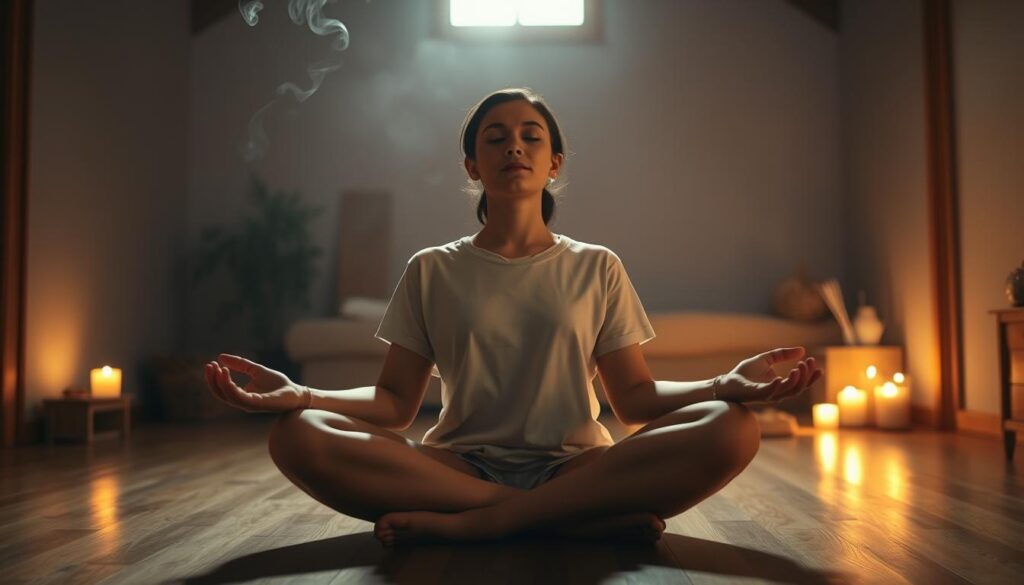
You can also take a mindful walk or write two lines in a journal: what’s draining your energy, and what’s helping? The goal is a routine you can actually keep, not a perfect meditation score.
What About Cold Showers and Other Popular Biohacks?
A cool shower finish may make you feel briefly alert, but strong claims about faster recovery, lasting energy, or reduced inflammation go beyond the evidence. It is an optional experiment, not one of the five essentials.
Sudden cold-water immersion can rapidly increase breathing, heart rate, and blood pressure, as the American Heart Association explains. Skip cold plunges if you have heart or circulation concerns unless your clinician says they are safe. Avoid breath-holding underwater, and don’t treat discomfort as proof that a habit works.
A Simple 5-Day Plan to Get Started
Keep the first week manageable. Add one action each day while continuing the earlier ones if they feel helpful.
- Day 1 — Sleep: Choose a realistic wake-up time and dim lights before bed.
- Day 2 — Light: Get outside for a short morning walk or sit outdoors after waking.
- Day 3 — Food: Include protein and fiber in a meal; keep water within reach.
- Day 4 — Movement: Take a five- to ten-minute activity break during a long sitting period.
- Day 5 — Calm: Spend five minutes breathing gently, meditating, or journaling.
If any habit makes you feel worse, adapt it or stop. This is a starting plan, not a test you have to pass.
Track Your Energy Without Buying a Wearable
A phone note or notebook is enough. For two weeks, record your approximate sleep time, midday energy, and one habit you’re trying. Give your energy a simple score from 1 (very low) to 5 (very good).
- Sleep: Bedtime, wake time, and whether you felt rested.
- Energy: Your afternoon 1–5 rating at roughly the same time.
- Context: Morning daylight, meals, movement, stress, or anything unusual.
Look for patterns across several days, not a single perfect reading. Fitness trackers can provide extra trends, but their sleep-stage estimates are not a medical diagnosis.
When Fatigue Needs More Than a Lifestyle Change
Ongoing exhaustion, severe brain fog, unexplained weight changes, or poor sleep despite enough time in bed deserves medical attention. Causes can include sleep apnea, anemia, thyroid problems, medication effects, or blood-sugar problems. A clinician can help decide which checks are appropriate.
Get urgent medical help for fatigue with chest pain, fainting, severe shortness of breath, or sudden confusion. Do not use fasting, stimulants, or extreme cold exposure to push through unexplained symptoms.
Frequently Asked Questions
How Quickly Will I Notice More Energy?
Some people feel more alert after daylight, water, or a short walk. Changes in sleep and daily routines may take longer. There is no reliable timeline for everyone.
Can I Stop Drinking Coffee Completely?
You can choose to reduce coffee, but you don’t have to. If you drink it daily, cutting back gradually may help limit withdrawal headaches and tiredness. Keep caffeine earlier in the day if it interferes with sleep.
Do I Need Fasting, Cold Plunges, or Supplements?
No. The five core habits do not require them. Begin with sleep, daylight, balanced meals, movement, and stress management before considering extra experiments.
Conclusion
You don’t need a complicated biohacking routine to support daytime energy. Pick the habit that feels easiest to improve this week—often sleep timing or a morning walk—and make it repeatable. Add other habits gradually, track how you feel, and seek medical care when tiredness continues despite your efforts.