

Can slowing down your workouts actually help you lose weight? Yes, especially if gentler exercise helps you stay active more consistently. Mindful walking, yoga, tai chi, and other slow movements can support weight loss while helping you manage stress and build healthier habits.
But there is an important difference between supporting fat loss and burning more fat than high-intensity interval training (HIIT). Gentle exercise does not automatically burn more calories or reduce more body fat. Its biggest advantage may be that you can enjoy it, recover comfortably, and keep doing it.
Here are five mindful workouts you can try at home, along with breathing techniques, recovery tips, and a realistic weekly plan. You’ll also learn what research actually says about fat loss, stress hormones, and how these activities compare with HIIT.
Key Takeaways
- Consistency matters more than intensity alone. A manageable routine you repeat can be more useful than hard workouts you frequently skip.
- Mindful movement supports weight management. Walking, yoga, and tai chi can add physical activity while supporting balance, mobility, and relaxation.
- Breathing exercises aren’t fat-burning shortcuts. They may help manage stress, but meaningful fat loss still depends on overall energy balance.
- You don’t have to choose between gentle and intense workouts. Mindful exercise can complement cardio, strength training, and HIIT.
- Start with 10–20 minutes. Build a routine that matches your fitness level, available time, and recovery needs.
Helpful Products at a Glance
For supported yoga poses, a Gaiam Yoga Block can bring the floor closer to your hands. It is useful when flexibility or balance makes certain positions uncomfortable, although a stable chair or other suitable support may work instead.
- Stability + Balance: Yoga Blocks Provide The Stability And Balance Needed In Your Practice To Help With Optimal Alignment, Deeper Poses And Increased Strength
- Durable Supportive Foam: These Lightweight And Supportive Foam Blocks Are Constructed Of A Durable Foam With A Nonslip Surface And Beveled Edges For Easy Gripping. Premium Blocks Are 50 Percentage Denser Than Standard Eva Blocks

For seated stretching and mobility exercises, the Gaiam 6-Foot Yoga Strap offers adjustable reach without requiring you to pull yourself into a difficult position. A sturdy household towel can serve a similar purpose for simple stretches.
- YOGA STRAP: An essential yoga accessory and prop to help you deepen stretches and improve flexibility while allowing your shoulders to relax for proper alignment - if you feel tight, grab a strap and don’t risk injury by over-extending
- STRETCH STRAP: Use the strap to reach limbs more easily on challenging positions and to hold poses and stretches for longer - take your practice to the next level by using a yoga strap to deepen and extend stretches to gain more flexibility

Can Mindful Workouts Really Beat HIIT for Fat Loss?
HIIT uses repeated bursts of hard exercise separated by easier recovery periods. It can improve cardiovascular fitness and help with weight management, often in relatively short sessions.
Mindful movement takes a different approach. Instead of pushing your heart rate toward its limit, you pay attention to breathing, posture, balance, and how your body feels while moving.
Neither approach is automatically better for everyone. The right choice depends on your goals, health, fitness level, and how consistently you can exercise.

What the HIIT research actually shows
A 2023 systematic review of 30 trials compared HIIT with moderate-intensity continuous training in adults with overweight or obesity. Researchers found no significant overall differences in body weight, BMI, waist circumference, or body fat mass between the two approaches.
However, results vary across research reviews. Some studies suggest that particular HIIT programs may offer advantages for certain fitness or body-composition outcomes. That does not mean breathing exercises, stretching, or slow yoga burn more fat than HIIT.
For someone who dislikes intense training or finds recovery difficult, gentler activity may be easier to maintain. Over time, regular walking and other movement can add meaningful energy expenditure.
How stress and recovery affect weight management
Stress triggers the release of hormones, including cortisol. These hormones help your body respond to challenges. But ongoing stress, poor sleep, and changes in eating behavior can make managing weight more difficult.
Mindful movement may help by:
- Reducing feelings of tension and helping you relax.
- Supporting better sleep and daily energy.
- Making physical activity feel less overwhelming.
- Improving awareness of hunger, fullness, and emotional eating triggers.
- Providing an active option between demanding workouts.
These benefits do not prove that mindful exercise directly lowers abdominal fat through hormone changes. They show why a less demanding routine can be a useful part of a broader weight-management plan.
5 Mindful Workouts That Support Fat Loss
You don’t need advanced flexibility or expensive equipment to begin. The following workouts range from simple walking to guided movement practices. Each offers a different combination of activity, attention, and recovery.
1. Mindful Walking: The Simplest Way to Start
Best for: Beginners, busy schedules, and building a regular calorie-burning activity.
Walking is one of the easiest ways to increase daily movement. Unlike stationary breathing exercises, walking uses large muscle groups and burns a meaningful amount of energy, especially when your pace becomes brisk.
Mindful walking adds awareness to that activity. You notice your breathing, the movement of your feet, your surroundings, and whether you’re holding unnecessary tension.
Try this 15-minute mindful walking routine:
- Minutes 1–3: Walk comfortably and notice how your feet contact the ground.
- Minutes 4–7: Gradually increase your pace while keeping your shoulders relaxed.
- Minutes 8–12: Continue briskly if comfortable. Notice your breathing without forcing a specific rhythm.
- Minutes 13–15: Slow down and finish at an easy pace.
If you can talk but would find singing difficult, you’re probably near moderate intensity. That makes walking a practical way to build toward weekly aerobic activity goals.
Make it easier: Begin with five minutes, choose a flat route, or use a suitable indoor walking space. You can also split walking into short sessions after meals.
2. Gentle Yoga: Combine Movement With Breathing
Best for: Flexibility, balance, body awareness, and an active recovery day.
Yoga combines physical postures with breathing and focused attention. Some styles are physically demanding, while others use slower movements and supported positions.
Research summarized by the National Center for Complementary and Integrative Health (NCCIH) suggests that yoga may support weight loss, stress management, sleep, and healthier activity habits. The results depend partly on the style, frequency, and other lifestyle changes.
Try this beginner-friendly sequence:
- Seated breathing — 2 minutes: Sit comfortably and breathe at a natural, relaxed pace.
- Cat-Cow — 2 minutes: On your hands and knees, gently round and lengthen your back. Use a chair-based version if needed.
- Standing Mountain Pose — 2 minutes: Stand tall with feet comfortably apart and notice your balance.
- Supported standing forward bend — 2 minutes: Bend slightly from the hips with hands resting on a stable support.
- Gentle seated twist — 2 minutes: Turn your upper body only as far as feels comfortable.
Move slowly between positions. Avoid pushing deeper into a stretch simply because a pose looks easy in a video.
If reaching the floor is difficult, a yoga block can provide a raised surface for your hands during selected poses. The Gaiam Yoga Block uses supportive EVA foam with beveled edges and a textured surface. It can make some supported positions easier to set up, but it isn’t a substitute for balance support when falling is a concern.
Beginners can start with a stable chair or suitable support they already own. The goal is comfortable alignment and controlled movement, not achieving a particular pose.
- Stability + Balance: Yoga Blocks Provide The Stability And Balance Needed In Your Practice To Help With Optimal Alignment, Deeper Poses And Increased Strength
- Durable Supportive Foam: These Lightweight And Supportive Foam Blocks Are Constructed Of A Durable Foam With A Nonslip Surface And Beveled Edges For Easy Gripping. Premium Blocks Are 50 Percentage Denser Than Standard Eva Blocks
- Modify + Align: Use Under Your Hands, Feet Or Seat (Meditation) To Ensure The Proper Alignment Needed In Order To Safely Support And Modify Poses To Suit Your Level Of Flexibility If You Feel Tight, Don'T Risk Injury And Grab A Block Or Two
- Extend + Deepen Stretches: Blocks Make For The Ideal Yoga Prop And Companion, As They Are An Important Tool In Your Practice To Help Extend, Support And Deepen Your Stretches While Also Working To Increase Your Range Of Motion
3. Tai Chi: Slow Movement That Challenges Balance
Best for: Gentle whole-body movement, coordination, and balance.
Tai chi uses slow, flowing sequences that shift your body weight from one position to another. Movements are usually performed with relaxed breathing and careful attention to posture.
Although it looks gentle, tai chi keeps you moving and requires muscle control. It can be particularly appealing to people who find jumping, sprinting, or fast exercise uncomfortable.
Try this simple introduction:
- Stand with your feet comfortably apart and knees slightly relaxed.
- Shift your weight gently toward one foot, then the other.
- Raise your arms slowly to a comfortable height.
- Lower them while breathing normally.
- Repeat the pattern for 5–10 minutes without rushing.
Practice near a stable support if your balance is uncertain. A beginner class can teach the coordinated movements more accurately than trying to copy a long sequence from memory.
The NCCIH describes tai chi as a practice that may improve balance and stability, among other benefits. However, direct evidence that tai chi burns more fat than HIIT remains insufficient.
4. Somatic Movement: Improve Awareness and Mobility
Best for: People who feel stiff, move cautiously, or want to improve awareness of everyday movement patterns.
Somatic exercises focus on how movement feels from inside your body. Rather than aiming for more repetitions or a deeper stretch, you pay attention to comfort, coordination, and changes in sensation.
These methods may help some people feel more comfortable with movement. But claims that somatic exercise directly resets metabolism or releases stored body fat aren’t supported by good evidence.
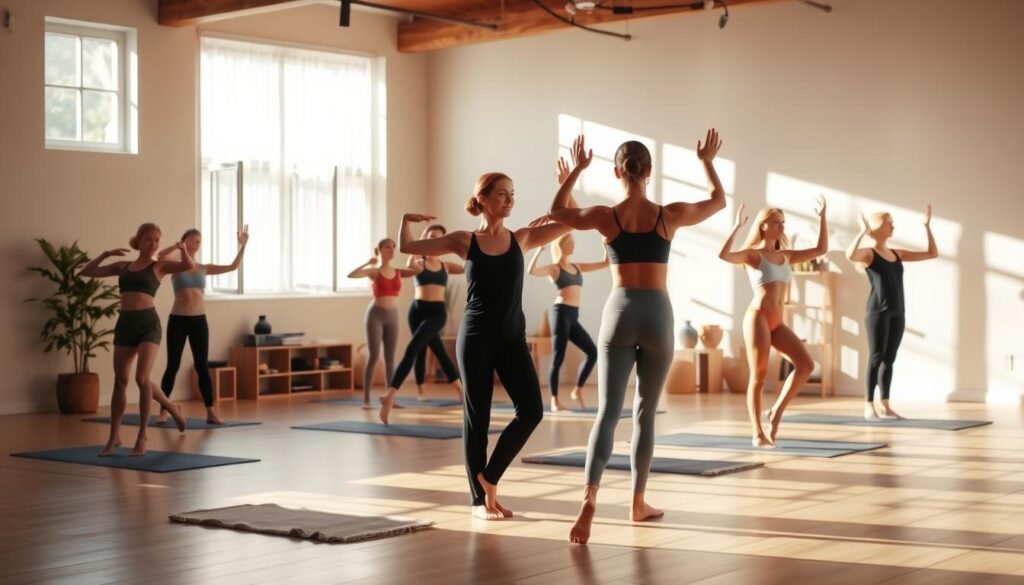
Three somatic approaches worth understanding
- Alexander Technique: Helps people notice habitual tension and explore more comfortable ways of sitting, standing, and moving.
- Feldenkrais Method: Uses small, gentle movement sequences to explore coordination and alternative ways of moving.
- Body-Mind Centering: Explores relationships between movement, sensation, touch, and body awareness.
Laban Movement Analysis is another framework that describes how people move through space. It considers the body, effort, shape, and spatial patterns. It is primarily a movement-analysis and education approach, not an established weight-loss treatment.
Try a five-minute somatic exercise:
- Sit comfortably with both feet supported.
- Notice how your shoulders, back, and hips feel.
- Slowly turn your head a small distance to one side.
- Return to center and repeat on the other side.
- Make the movement smaller if you notice discomfort.
- Pause and notice whether the movement feels different.
For a longer session, try a beginner Feldenkrais lesson or another gentle movement class led by a qualified instructor.
These activities burn relatively little energy by themselves. Their role in a weight-management routine is more practical: making movement approachable, increasing confidence, and helping you stay active alongside aerobic and strengthening exercise.
5. Mindful Stretching and Mobility: Keep Moving Comfortably
Best for: Desk workers, beginners, and people who want gentle movement between longer exercise sessions.
Stretching improves or maintains range of motion around joints, while mobility exercises involve actively moving through that range. Combining them with calm breathing creates a simple mindful movement session.
Try this 10-minute mobility flow:
- Shoulder circles — 2 minutes: Slowly roll your shoulders forward and backward.
- Seated spinal movement — 2 minutes: Gently round and straighten your upper back.
- Standing hip movements — 2 minutes: Hold a stable chair and move one leg through a comfortable range.
- Seated hamstring stretch — 2 minutes: Extend one leg slightly and lean forward from the hips without rounding aggressively.
- Gentle calf stretch — 2 minutes: Use a wall for support and alternate legs.
During each movement, ask whether you can breathe easily and keep unnecessary tension out of your neck and shoulders. You should feel mild stretching or muscular effort, not sharp pain.
Limited flexibility can make seated leg stretches awkward. A non-elastic yoga strap may help you reach a foot without pulling aggressively on your back or shoulders.
The Gaiam 6-Foot Yoga Strap has an adjustable metal D-ring buckle and is designed for stretching and yoga practice. It offers a convenient way to adjust your grip during supported stretches, although its length may not suit every body size or exercise.
A strong towel can be enough for basic stretches. Whether you use a strap or towel, keep your knee comfortably positioned and avoid forcing a joint beyond its natural range.
- YOGA STRAP: An essential yoga accessory and prop to help you deepen stretches and improve flexibility while allowing your shoulders to relax for proper alignment - if you feel tight, grab a strap and don’t risk injury by over-extending
- STRETCH STRAP: Use the strap to reach limbs more easily on challenging positions and to hold poses and stretches for longer - take your practice to the next level by using a yoga strap to deepen and extend stretches to gain more flexibility
- ADJUSTABLE METAL D-RING BUCKLE: Features an easy-release double ring metal cinch buckle that allows you to shorten the strap and to make a secure loop band that is secure and will not budge so that you can concentrate on your stretching without slipping
- DURABLE FABRIC BLEND: Straps are constructed of a durable high-quality fabric blend of polyester that will not fray or break and is made to last you for years to come - easily rolls up and fits in your yoga mat bag or tote
Mobility sessions don’t replace aerobic exercise, but they can make a regular routine feel more manageable. You can use them after walking, before gentle yoga, or as short movement breaks during the workday.
Breathing Exercises and Progressive Muscle Relaxation for Recovery
Breathing techniques and progressive muscle relaxation are useful additions to mindful exercise, but they are not meaningful calorie-burning workouts on their own.
Their main purpose is to help you relax, recognize tension, and develop a calmer routine. These benefits may indirectly support weight-management behaviors.

Diaphragmatic breathing
This technique encourages comfortable breathing that allows your diaphragm, the main muscle beneath your lungs, to move naturally.
- Sit comfortably or lie in a supported position.
- Place one hand on your abdomen.
- Breathe in gently through your nose and notice your abdomen move.
- Exhale slowly without squeezing or forcing the air out.
- Continue for 3–5 minutes at a comfortable pace.
You can experiment with breathing in for roughly four seconds and out for six, but don’t force that timing. Normal, relaxed breathing is more important than following a particular count.
Alternate-nostril and pursed-lip breathing
Alternate-nostril breathing involves gently closing one nostril, breathing through the other, and switching sides. Some people find the attention involved calming. Skip it if nasal congestion or discomfort makes it difficult.
Pursed-lip breathing involves inhaling gently through the nose and exhaling through softly pursed lips. It can help some people control their breathing, particularly when taught for a specific respiratory need.
Neither technique has strong evidence showing that it produces meaningful fat loss by itself.
What about Senobi breathing?
Senobi is a breathing practice that has appeared in small studies of body weight and physiological responses. Some early findings generated interest in its possible metabolic effects.
However, those results are not enough to establish Senobi as an effective fat-loss method. Changes in short-term physiological measurements do not prove lasting weight reduction.
For everyday stress management, comfortable slow breathing is a simpler starting point than trying to reproduce a specialized breathing routine for weight loss.
Progressive muscle relaxation
Progressive muscle relaxation (PMR) involves gently tightening and releasing different muscle groups to notice the difference between tension and relaxation.
Try this five-minute routine:
- Sit or lie comfortably and breathe normally.
- Gently tighten your hands for a few seconds, then release.
- Raise your shoulders slightly, then let them relax.
- Gently tighten and release your leg muscles.
- Finish by noticing areas that still feel tense without forcing them to relax.
Avoid deliberately tensing injured or painful muscles. You can simply focus on relaxing those areas instead.
According to the NCCIH review of relaxation techniques, breathing exercises and PMR may help reduce stress-related symptoms in some people, although the quality of evidence varies.
What Science Says About Mindfulness, Metabolism, and Body Fat
Several studies have examined whether mindful practices affect metabolism, eating behavior, and body composition. Some results are encouraging, but they need careful interpretation.
Do breathing exercises increase metabolism?
A study involving 38 healthy participants examined diaphragmatic breathing and device-guided breathing. Researchers reported a change in resting metabolic rate after diaphragmatic breathing, but there was no significant difference between the groups for this outcome.
This was a small study of short-term physiological effects. It did not establish that daily breathing exercises cause lasting fat loss.
Does mindfulness improve weight-loss results?
Research provides some support for mindfulness-based approaches, especially when they are combined with eating-pattern changes and physical activity.
A 2015 study involving 60 people with obesity examined mindfulness training alongside a dietary program. Its findings suggest that mindfulness may contribute to behavioral weight-management approaches. However, the study’s design limits how confidently the results can be generalized.
Other research suggests benefits from yoga programs. A six-month randomized study involving 50 adults found weight loss among participants practicing either restorative hatha yoga or more vigorous vinyasa yoga as part of a wider behavioral program.
Both groups also followed dietary guidance and attended behavioral sessions, so the weight loss cannot be attributed to yoga alone.
What can we reasonably conclude?
- Physical activity burns energy. Brisk walking and active yoga generally contribute more directly to energy expenditure than seated breathing or relaxation.
- Mindfulness may improve eating behaviors. It can help some people notice habits and respond more deliberately to food-related cues.
- Yoga may support modest weight loss. Results vary, and many successful programs combine movement with nutrition and behavioral changes.
- Hormonal effects remain uncertain. Short studies involving cortisol, leptin, or resting metabolism do not prove that a particular breathing exercise removes belly fat.
- Long-term habits matter. Exercise type, total activity, food intake, sleep, and individual health needs all influence progress.
Most importantly, there is no convincing evidence that all five mindful approaches described here burn more body fat than HIIT. Their value lies in providing sustainable activity and useful support for overall health.
A Beginner-Friendly Weekly Mindful Workout Plan
You don’t need to start with several long sessions every day. Choose manageable activities, then increase your total movement as they become comfortable.
This example combines walking, yoga, tai chi, mobility, and relaxation throughout the week.
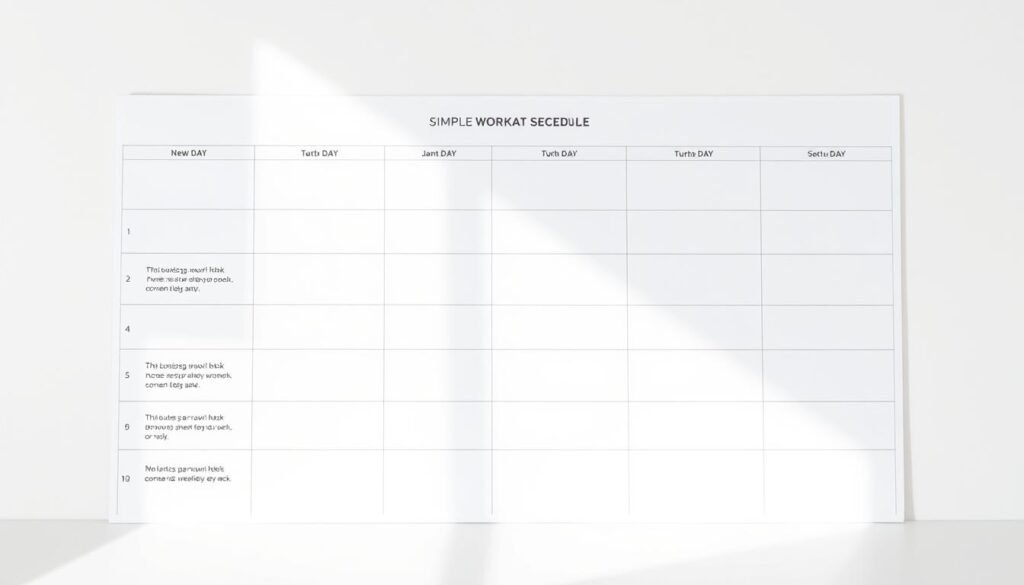
Your seven-day starter schedule
- Monday: 15-minute mindful walk and 5 minutes of breathing.
- Tuesday: 20 minutes of gentle yoga and 5 minutes of relaxation.
- Wednesday: 20-minute mindful walk and 5 minutes of somatic movement.
- Thursday: 20 minutes of beginner tai chi.
- Friday: 20-minute mindful walk and 10 minutes of gentle mobility.
- Saturday: 25–30 minutes of comfortable walking or a yoga session.
- Sunday: Easy movement according to comfort, plus 5–10 minutes of relaxation.
This is a starter schedule, not a complete weekly exercise target. If you’re able, gradually build the walking portions and add strength training so your routine meets broader physical activity recommendations.
How much exercise should adults aim for?
The Physical Activity Guidelines for Americans recommend:
- At least 150–300 minutes of moderate-intensity aerobic activity each week for substantial health benefits.
- Muscle-strengthening exercise on at least two days each week.
- Gradually increasing activity based on ability and current fitness level.
Brisk walking can contribute to the aerobic target. Gentle stretching, seated breathing, and most relaxation sessions generally should not be counted as moderate-intensity aerobic activity.
Strength training also matters during weight loss because it helps maintain muscle. Depending on your ability, use bodyweight movements, suitable resistance bands, or weights on two nonconsecutive days.
Make the routine stick
Connect each activity to something you already do. For example, walk after lunch, practice mobility after work, or use slow breathing before bedtime.
Track your progress with three simple questions:
- How many minutes did I move this week?
- Did the routine feel manageable enough to repeat?
- Am I sleeping, recovering, or handling daily stress better?
Increase your walking time by a few minutes when you’re ready. On particularly busy days, even a short walk or movement break helps maintain the habit.
Mindful Eating: The Missing Partner to Mindful Movement
Exercise supports weight management, but food intake plays a major role in whether body weight changes.
According to the Centers for Disease Control and Prevention (CDC), weight loss involves using more energy than you consume over time. Physical activity helps increase energy use, while dietary adjustments can help create a manageable calorie deficit.
Mindful eating isn’t a strict diet. It means paying attention to your food, eating experience, and hunger or fullness signals without automatically following every urge to snack.

Five habits to practice at meals
- Pause before eating. Take a few comfortable breaths and notice whether you’re physically hungry.
- Reduce distractions. Put your phone aside for part of the meal when practical.
- Slow your pace. Notice taste and texture, and allow yourself time to recognize fullness.
- Build balanced meals. Include appropriate portions of protein, vegetables, fiber-rich foods, and other nutritious choices.
- Notice patterns without judgment. If stress leads to snacking, identify what happened and consider another helpful response next time.
Mindful eating doesn’t mean ignoring hunger, delaying needed meals, or following rigid rules. Its purpose is to improve awareness and decision-making.
Some people may also benefit from recording meal patterns or working with a registered dietitian, particularly when weight management is complicated by medical conditions or a history of difficult eating behaviors.
Safety and Accessibility: Make Mindful Movement Work for You
Gentle movement is often easier to adapt than high-impact exercise, but low intensity doesn’t mean every movement is appropriate for everyone.
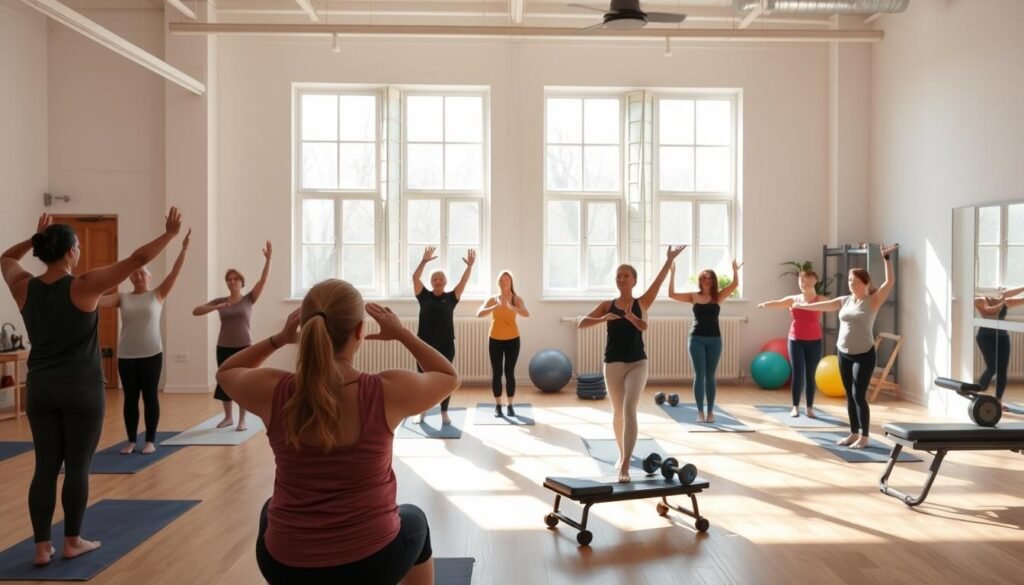
Choose positions you can control, use stable support when needed, and progress at a pace that doesn’t cause pain or unusual exhaustion.
Adjust exercises to your ability
- For balance difficulties: Try supported standing movements or chair-based tai chi.
- For knee discomfort: Avoid painful kneeling positions and consider seated mobility.
- For limited flexibility: Use gentle ranges of motion rather than forcing stretches.
- For low stamina: Begin with 3–5 minute sessions and increase gradually.
- For chronic health conditions: Ask your healthcare professional about suitable activity levels and any necessary modifications.
Stop exercising if you develop chest pain, faintness, severe breathlessness, or concerning symptoms. Seek appropriate medical care rather than attempting to manage those symptoms through breathing exercises.
Breath-holding, rapid forced breathing, and intense breathwork can cause dizziness or discomfort. Choose comfortable breathing and avoid forcing a particular pattern. People with respiratory or cardiovascular conditions may need individualized guidance.
During pregnancy, after surgery, or while recovering from injury, exercise modifications may be necessary. A qualified instructor or physical therapist can help select appropriate movements.
Should you stop doing HIIT?
Not necessarily. If you enjoy HIIT, recover well, and can perform it safely, there is no reason to stop simply because mindful workouts offer other benefits.
Instead, match the activity to the day:
- High-energy days: Consider your planned strength or cardio workout.
- Moderate-energy days: Try brisk walking, active yoga, or a longer tai chi session.
- Recovery days: Choose gentle mobility, easy walking, or relaxation.
Persistent exhaustion, worsening performance, or recurring injuries may signal that your overall training load needs adjustment. Rest, nutrition, and appropriate recovery are part of effective exercise planning.
Conclusion: The Workout You Can Repeat Is the One That Matters
Mindful workouts don’t have a special ability to melt belly fat, and slow movement doesn’t automatically outperform HIIT. But walking, yoga, tai chi, somatic exercises, and mobility work can help create a more comfortable, consistent approach to staying active.
Breathing exercises and progressive muscle relaxation add another useful element by helping some people manage stress and tension. Combined with balanced nutrition, sufficient physical activity, and strength training, these practices can support long-term weight-management goals.
Start today with one 15-minute mindful walk. Add a short yoga or mobility session later in the week, then gradually build your activity. Choose routines that fit your life instead of assuming every workout must leave you exhausted.
Frequently Asked Questions
Can mindful workouts burn more fat than HIIT?
Not as a general rule. HIIT and continuous aerobic training can both support fat loss, and research comparing them has produced mixed results. Gentle mindful exercise may be more practical for someone who struggles with intense workouts, but breathing and relaxation exercises burn very little energy.
Which mindful workout is best for weight loss?
Brisk mindful walking is a practical starting choice because it can provide moderate-intensity aerobic activity and is easy to fit into daily life. Yoga and tai chi can also help, especially when they encourage regular movement and healthier habits.
Can breathing exercises reduce belly fat?
There isn’t strong evidence that breathing exercises directly reduce belly fat. They may help manage stress or improve relaxation, but sustained changes in body fat depend on factors including energy balance, physical activity, and individual health.
How often should beginners practice mindful movement?
Start with 10–20 minutes on most days if comfortable. Gradually build toward recommended weekly aerobic activity and include muscle-strengthening exercise twice a week. Breathing or relaxation sessions can be added separately.
Are somatic exercises effective for weight loss?
There is limited direct evidence that somatic methods cause meaningful fat loss. They may help with movement awareness, coordination, and comfort, which can make it easier for some people to participate in regular physical activity.
Can yoga and tai chi reduce abdominal fat?
Some yoga studies report improvements in weight and waist-related measurements, especially as part of broader lifestyle programs. Tai chi supports movement and balance, but neither practice specifically targets belly fat. Fat loss cannot be directed to one body area through a particular exercise.
Do mindful workouts change cortisol and appetite hormones?
Some breathing, yoga, and relaxation studies report changes in stress-related measurements, including cortisol. However, these effects vary, and evidence is insufficient to promise that mindful movement will reliably change appetite hormones or body-fat distribution.
Can these workouts replace cardio and strength training?
They can contribute to an exercise routine, but not all provide enough intensity to meet aerobic or strengthening recommendations. Brisk walking counts toward aerobic activity, while breathing and relaxation do not. Maintain suitable resistance training to support muscle health.
What is the easiest mindful practice for a complete beginner?
Try a five- to ten-minute comfortable walk while paying attention to your breathing and surroundings. Add gentle seated breathing or mobility as desired. Once those activities feel familiar, consider a beginner yoga or tai chi class.
How soon will I notice results?
You may notice improved relaxation after individual sessions, while changes in fitness, activity habits, and body weight usually require repeated practice over time. Results differ based on exercise frequency, nutrition, starting fitness, sleep, and health conditions. Avoid relying on a fixed weight-loss timeline.
Where can I find qualified instructors?
Look for instructors with training relevant to the practice and experience adapting movements to different abilities. Organizations such as the Feldenkrais Guild and the American Society for the Alexander Technique can help you explore practitioner options. For yoga or tai chi, ask about training, beginner instruction, and safety modifications before joining a class.