


Ever find yourself reaching for another cup of coffee because your mind feels slow, scattered, or tired? Stress, poor sleep, and long workdays can make it difficult to focus, remember details, or finish simple tasks.
Three traditional herbs—holy basil (tulsi), gotu kola, and Brahmi (Bacopa monnieri)—are often used for stress relief and brain health. Some research suggests they may offer benefits, but the evidence differs for each plant. None is a proven cure for brain fog.
This guide explains what the studies actually show, how these herbs differ, common supplement forms and doses, and the safety precautions worth knowing before trying one.
Key Takeaways
- Holy basil (tulsi) may help reduce perceived stress and support sleep, although direct evidence for better concentration is limited.
- Gotu kola has a long history of traditional use, but human research has not established reliable improvements in memory or attention.
- Brahmi (Bacopa monnieri) has encouraging research for certain memory tasks, particularly after several weeks of use.
- Results are not guaranteed. Benefits depend on the preparation, dose, study population, and individual response.
- Sleep, nutrition, exercise, and medical care come first. Herbal supplements may interact with medications and are not necessary for everyone.
Helpful Products at a Glance
For a convenient holy basil option: Organic India Tulsi Holy Basil Capsules provide a packaged alternative to preparing tea. They are intended for herbal stress support, not proven cognitive enhancement.
- STRESS-RELIEVING: Tulsi (Holy Basil) is an adaptogen herb used for centuries to help relieve physical, energetic and environmental stress.
- UPLIFTING ELIXIR: Experience the uplifting properties of Tulsi, often dubbed liquid yoga, as it instills a sense of calm and clarity, providing relief from daily stressors

For those considering Brahmi for memory support: Himalaya Organic Bacopa offers a whole-plant and extract formulation in caplets. Its specific formula should not be assumed to produce the same results as extracts used in clinical trials.
- PREMIUM BACOPA: Himalaya Organic Bacopa is a clinically studied herbal supplement made with premium Bacopa powder and concentrated Bacopa extract. Each caplet has 750 mg and is formulated to support memory and cognitive function.*
- BACKED BY CLINICAL STUDIES: Himalaya Organic Bacopa has been evaluated in 3 human clinical trials for its effects on cognitive function. It’s clinically studied to support working memory, learning, mental sharpness, and mental clarity.*

What Causes Brain Fog, and Can Herbs Really Help?
Brain fog is not a formal medical diagnosis. It describes problems such as slow thinking, forgetfulness, poor concentration, and difficulty staying mentally alert. Symptoms may come and go or interfere with everyday activities.
Several common factors can contribute:
- Poor sleep: Too little sleep can affect attention, decision-making, and memory.
- Ongoing stress: Worry and mental overload can make concentration difficult.
- Nutrition problems: Inadequate food intake or deficiencies, including vitamin B12 deficiency, may contribute to fatigue and cognitive symptoms.
- Health conditions: Thyroid disorders, anemia, sleep apnea, blood sugar problems, and some medications can affect mental clarity.
- Daily habits: Long periods without movement, irregular sleep schedules, and excessive caffeine can make symptoms worse.
Herbs may influence stress responses, sleep, or processes involved in brain function. However, laboratory findings do not automatically mean a supplement will improve human memory or concentration.
Persistent or worsening brain fog deserves a medical assessment, especially when accompanied by unusual fatigue, dizziness, or other unexplained symptoms. Sudden confusion, weakness, or trouble speaking requires emergency care.
1. Holy Basil (Tulsi): A Possible Option for Stress-Related Brain Fog
Holy basil (Ocimum tenuiflorum), also known as tulsi, is a traditional Ayurvedic herb commonly used to support well-being during stressful periods.
It is often called an adaptogen, a term used for substances believed to help the body cope with stress. However, that label does not establish that every holy basil product improves brain function.
What Does the Research Show?
A 2022 randomized controlled trial involving 100 adults experiencing stress tested a specific standardized holy basil extract for eight weeks.
Compared with placebo, participants taking the extract reported greater improvements in perceived stress and some sleep measures. Researchers also observed differences in certain stress-related measurements.
These findings are encouraging, but the trial was relatively small and evaluated one particular formulation. It did not prove that all tulsi supplements improve memory, concentration, or daily productivity.

How Can You Use Holy Basil?
Holy basil comes in several forms, each suited to different preferences:
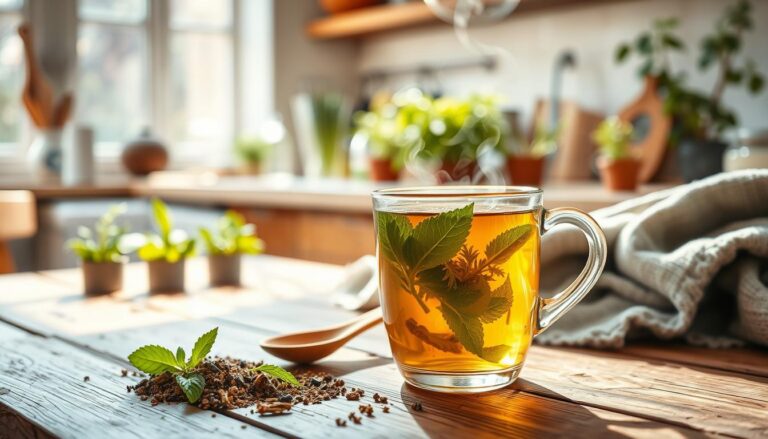
- Tea: A simple option for someone who enjoys a calming daily ritual.
- Capsules: Convenient for people who prefer a measured serving.
- Liquid extracts: Concentrated preparations that require careful attention to the product label.
Tea may be appealing as a relaxing habit, but drinking tulsi tea is not equivalent to taking the standardized extract used in a clinical trial. There is no single established dose that guarantees cognitive benefits.
For readers who prefer capsules, Organic India Tulsi Holy Basil Capsules (90-count) offer an organic holy basil formulation. This may be a practical choice when preparing tea every day is inconvenient. It is an optional herbal product, not a substitute for stress management or treatment.
- STRESS-RELIEVING: Tulsi (Holy Basil) is an adaptogen herb used for centuries to help relieve physical, energetic and environmental stress.
- UPLIFTING ELIXIR: Experience the uplifting properties of Tulsi, often dubbed liquid yoga, as it instills a sense of calm and clarity, providing relief from daily stressors
- IMMUNE SUPPORT: Fortify your immune system year-round with Tulsi, recognized as an immunomodulator, bolstering healthy immune function to keep you feeling your best
- NATURAL CLEANSING AID: Support your body's natural cleansing processes with Tulsi's powerful properties, promoting overall well-being and vitality
Holy Basil Safety and Interactions
Holy basil may affect blood sugar and potentially interact with certain medications. People taking diabetes drugs, blood thinners, or medications for other ongoing conditions should discuss concentrated extracts with a healthcare professional.
Pregnant or breastfeeding people should avoid concentrated holy basil supplements unless a qualified clinician specifically recommends them. Long-term safety information remains limited.
If your main difficulty is stress-related distraction, try improving sleep consistency, taking short walks, and using breathing exercises before deciding whether an herbal supplement adds anything useful.
2. Gotu Kola (Centella asiatica): Traditional Use, but Limited Cognitive Evidence
Gotu kola (Centella asiatica) is a small leafy plant used in traditional Ayurvedic and Chinese medicine. It is commonly marketed for memory, attention, and mental calmness.
Some laboratory and animal studies have explored how compounds in gotu kola affect inflammation, oxidative stress, and nerve-cell signaling. These results are interesting but do not prove that the herb improves human thinking skills.
What Do Human Studies Say?
Individual trials have reported improvements in selected measures of alertness, mood, or memory. However, their results have not been consistent.
A systematic review and meta-analysis examined clinical studies of gotu kola and products containing the herb. Overall, researchers did not find significant improvements in cognitive function compared with placebo.
Some results suggested possible short-term improvements in alertness or mood, but the researchers emphasized differences in extracts, doses, and study methods.
Forms, Dosing, and What to Expect
Gotu kola is sold as dried herb, tea, powder, capsules, and standardized extracts. Products can differ greatly in strength and chemical composition.
Although clinical studies have used doses ranging from hundreds of milligrams to several grams, those amounts refer to different preparations. They should not be treated as interchangeable or used to create a universal dosing recommendation.
For mental clarity, there is no established effective dose or reliable timeline. A product may contain gotu kola without having evidence that its exact formulation improves attention or memory.
Important Safety Concerns
Gotu kola can cause stomach discomfort, headache, dizziness, or drowsiness in some people. Sedating medications may increase concerns about excessive sleepiness.
More importantly, the NIH’s LiverTox review describes rare reports of liver injury associated with gotu kola products. In some reports, the exact product composition or possible contamination remained uncertain.
People with liver disease or those using medications that affect the liver should be especially cautious. Stop using the product and seek prompt medical care if symptoms such as yellowing of the skin, dark urine, or unusual severe fatigue develop.
Because its cognitive benefits remain uncertain, gotu kola is not an essential addition to a brain-health routine.
3. Brahmi (Bacopa monnieri): Promising Research for Memory
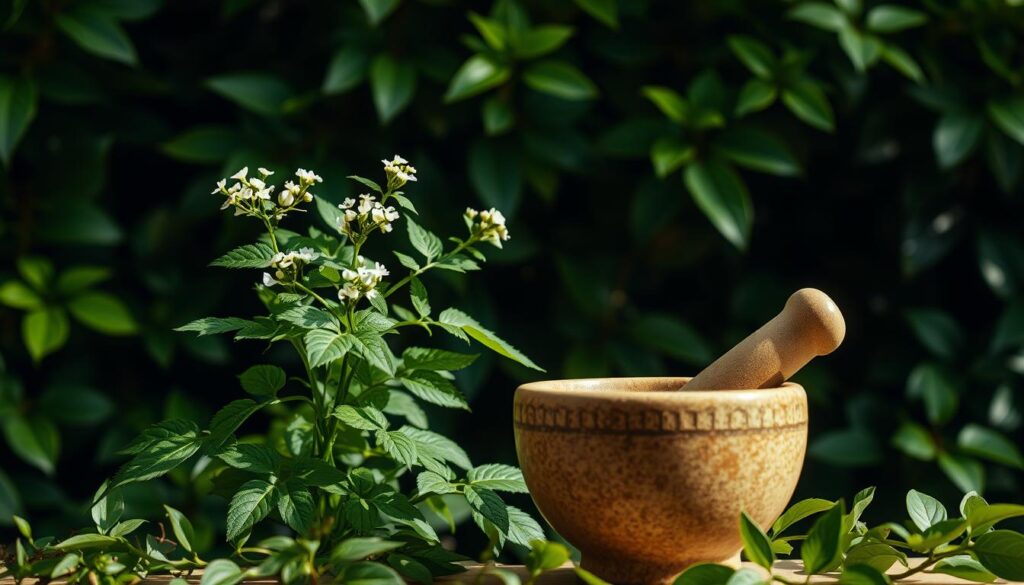
Brahmi (Bacopa monnieri) is another Ayurvedic herb studied for learning, memory, and certain aspects of attention. Among these three plants, Bacopa has more encouraging controlled-trial evidence for specific memory outcomes.
One naming detail matters: gotu kola is also called “Brahmi” in some traditional settings. When buying a supplement, check the scientific name to make sure you are getting Bacopa monnieri rather than Centella asiatica.
What Are the Main Benefits Supported by Research?
A 2012 systematic review of six randomized trials found some improvements in free recall, which is the ability to remember information without being given hints. Evidence for improvements in other thinking skills was much weaker.
Another meta-analysis suggested possible improvements in aspects of attention speed. However, the studies were relatively small, and the results do not establish benefits for every person or product.
These findings make Bacopa a reasonable subject for further research, not a guaranteed memory enhancer.
How Does Bacopa Work?
Bacopa contains compounds called bacosides. Laboratory research suggests that these compounds may influence nerve-cell communication and the brain’s protective responses to oxidative stress.
Oxidative stress happens when certain reactive molecules overwhelm the body’s defenses. While this process is relevant to brain health, laboratory findings alone cannot tell us how much a person will benefit from a supplement.
Studied Doses and How Long Results May Take
In several adult trials, researchers used approximately 300–450 mg of specific Bacopa extracts daily for 12 weeks. These were controlled research doses, not universal recommendations.
Extract concentration matters. A 300 mg standardized extract cannot automatically be compared with 300 mg of whole-plant powder or a different blend.
- Memory: Some studies found improvements in particular recall tests after consistent use.
- Attention: Certain tests showed benefits, but findings vary.
- Timing: Bacopa is not an instant stimulant. Many studies assessed results after roughly 8–12 weeks.
- Limitations: There is no good evidence that Bacopa reliably prevents Alzheimer’s disease or treats dementia.
Readers interested in a ready-made caplet may consider Himalaya Organic Bacopa, 60 caplets. Its formula contains Bacopa whole-plant material and extract, making it a convenient labeled option for those who prefer not to measure powders.
However, the amount printed on this product’s label should not be directly equated with doses from studies using other standardized extracts. Follow the product’s directions and check whether its formulation is suitable for your circumstances before use.
- PREMIUM BACOPA: Himalaya Organic Bacopa is a clinically studied herbal supplement made with premium Bacopa powder and concentrated Bacopa extract. Each caplet has 750 mg and is formulated to support memory and cognitive function.*
- BACKED BY CLINICAL STUDIES: Himalaya Organic Bacopa has been evaluated in 3 human clinical trials for its effects on cognitive function. It’s clinically studied to support working memory, learning, mental sharpness, and mental clarity.*
- POTENT & AUTHENTIC BACOPA: We use concentrated Bacopa extract standardized to 24% Bacopa saponins with Bacopa whole plant powder (2% saponins) for consistent potency. DNA-based plant identification is used to confirm only authentic Bacopa is used, the right species and plant part, every time.
- THOUGHTFULLY CRAFTED, NO ADDITIVES: USDA Organic, Non-GMO Project Verified, vegan, and gluten-free — with no additives, animal gelatin, dairy, or soy. Each caplet is precision pressed together using the sticky parts of the Bacopa plant, with no binders, or fillers.
Side Effects and Precautions
Bacopa may cause nausea, stomach cramps, loose stools, or other digestive discomfort. Some people also report tiredness.
Interactions are possible, particularly with thyroid medications and medicines that affect acetylcholine, a chemical involved in nerve signaling. People who are pregnant, breastfeeding, or managing significant health conditions should not begin concentrated Bacopa supplements without professional guidance.
Research on healthy adults should not be confused with research on dementia treatment. A 2022 review of Alzheimer’s disease trials found very-low-certainty evidence and did not establish Bacopa as an effective treatment.
Other Herbs People Use for Energy and Mental Clarity
Holy basil, gotu kola, and Bacopa are not the only plants studied for brain-related effects. Several others appear in supplements, teas, and traditional remedies.
- Rhodiola rosea: Some small studies suggest possible benefits for stress-related fatigue. Doses around 400 mg daily have been studied, but results depend on the extract.
- Ashwagandha: Certain preparations may improve perceived stress and sleep. Evidence for direct improvements in thinking skills is insufficient, and liver, thyroid, pregnancy, and medication precautions matter.
- Ginseng: May affect some measures of mental performance in certain studies, but findings vary. It can interact with medications and may disturb sleep.
- Sage: Early studies have explored possible effects on memory and attention, but larger trials are needed.
- Guarana: Contains caffeine, so it can temporarily improve alertness while also causing jitteriness, anxiety, or insomnia.
- Rosemary and peppermint: Their aromas have been studied for attention and memory, with mixed findings. They are not established cognitive treatments.
Adding several herbs together is not necessarily more effective. Combination formulas make it harder to identify which ingredient causes a benefit or side effect, and their safety has often been studied less thoroughly than individual preparations.
For a broader comparison, see this overview of herbs commonly used for energy, while treating individual claims according to their supporting evidence.
How to Choose an Herb for Your Main Concern
Rather than buying multiple supplements, start by identifying the problem you actually want to solve.
- Feeling stressed and mentally overloaded? Holy basil has preliminary human evidence for stress-related outcomes. A consistent sleep schedule and stress-management routine should still come first.
- Having trouble learning or recalling information? Bacopa has some supporting evidence for selected memory tasks, although results are not guaranteed.
- Interested in gotu kola for concentration? Understand that clinical research has not demonstrated consistent cognitive improvements, and consider its safety limitations.
- Needing an immediate energy boost? Caffeine may increase alertness temporarily, but it can worsen sleep and anxiety. Herbal supplements are not a reliable substitute for adequate rest.
If fatigue, forgetfulness, or poor concentration keeps returning, finding the cause may help more than experimenting with another botanical.
How to Choose Quality Herbal Supplements in the United States
Supplements are regulated differently from prescription medications. The U.S. Food and Drug Administration does not approve dietary supplements for safety and effectiveness before they reach the market.
That makes product identity, accurate labeling, and independent testing important.
A Practical Supplement Shopping Checklist
- Check the scientific name: Confirm the exact plant species, especially when common names overlap.
- Read the Supplement Facts: Look at serving size, ingredient amounts, and whether the product contains whole herbs or extracts.
- Check standardization: For Bacopa, a stated bacoside percentage can help identify the formulation, though it does not guarantee effectiveness.
- Look for independent testing: Verify any applicable USP, NSF, or ConsumerLab quality testing for the specific product, not just the brand.
- Ask about a Certificate of Analysis: A relevant, batch-specific report may provide information about identity, potency, and contaminants.
- Review added ingredients: Watch for caffeine, additional herbs, allergens, and blends that hide individual amounts.
- Save the lot number: Keep the product details in case of a recall or unexpected reaction.
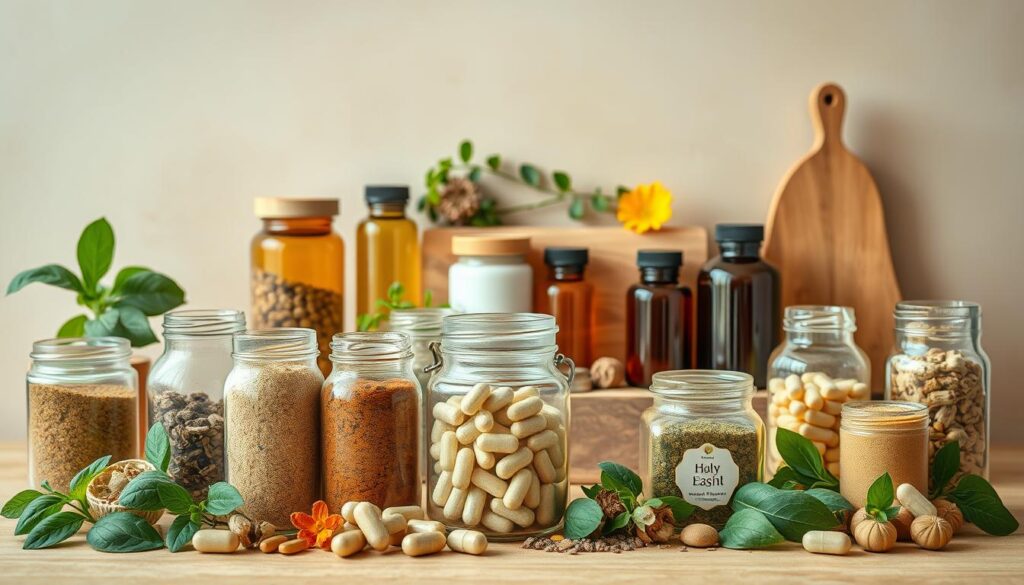
Independent testing can reduce uncertainty about what is in a supplement, but it cannot prove that the product improves memory or is safe for everyone.
Be cautious of labels promising dramatic brain improvements, instant memory recovery, or prevention of serious neurological diseases. Such claims go beyond what the available evidence supports.
Build Better Mental Clarity With Sleep, Food, and Exercise
Herbs are optional. Sleep, nutrition, movement, and managing health conditions provide a stronger foundation for maintaining normal brain function.
Protect Your Sleep
Most adults should aim for approximately 7–9 hours of sleep per night. Sleep helps the brain process information, supports memory, and maintains daytime alertness.
The brain also has a waste-clearance system, often called the glymphatic system, that has been studied in relation to sleep. However, it would be too simple to blame everyday brain fog on poor brain waste clearance alone.
Keep regular bedtimes, reduce late-evening caffeine, and limit stimulating screen use before sleep. If you snore heavily or regularly wake feeling exhausted, ask about possible sleep apnea.
Eat Regular, Balanced Meals
Choose a mix of protein, vegetables, fruit, whole grains, and healthy fats. Foods containing B vitamins and omega-3 fatty acids help support normal body and brain functions.
Correcting a nutrient deficiency may improve symptoms caused by that deficiency. Taking extra vitamins when levels are already adequate does not automatically improve focus.
Avoid unnecessary elimination diets. If you suspect a particular food causes symptoms, track the pattern and discuss it with a qualified professional before removing major food groups.
Move Throughout the Week
Aim for at least 150 minutes of moderate physical activity each week, along with muscle-strengthening activities on at least two days.
Walking, cycling, swimming, and resistance training can support overall health, sleep, and mood. Even a brief walk may help break up a mentally tiring workday.
Use a Simple Tracking Routine
If a healthcare professional agrees that trying an herb is appropriate, avoid changing several habits and supplements at once. This makes any effects easier to understand.
- Choose one goal. For example, remembering instructions or completing a focused work session.
- Record your starting point. Note sleep hours, stress level, caffeine intake, and focus difficulties for a week.
- Change one thing at a time. Keep other routines as consistent as practical.
- Watch for side effects. Record digestive symptoms, sleep changes, dizziness, or other unexpected reactions.
- Reassess. Review meaningful changes after an appropriate period, considering the evidence and safety information for that preparation.
Personal tracking may help you notice patterns, but it cannot prove a supplement caused an improvement. Normal day-to-day changes, expectations, and better sleep can also influence how you feel.
Frequently Asked Questions
What is the difference between holy basil, gotu kola, and Brahmi?
Holy basil is mainly studied for stress-related outcomes. Gotu kola is traditionally used for attention and calmness, but cognitive trial results are unconvincing. Bacopa monnieri has more encouraging evidence for certain memory and attention tests. Their benefits are not interchangeable.
How long do these herbs take to improve focus?
There is no guaranteed timeline. Holy basil stress trials have measured results over several weeks, while many Bacopa cognition trials lasted about 8–12 weeks. Gotu kola has not shown consistent cognitive benefits, so no reliable timeline can be given.
What are typical doses for Bacopa, gotu kola, and holy basil?
Several Bacopa trials used 300–450 mg daily of particular standardized extracts. One holy basil stress trial used 125 mg of a specific extract twice daily. Gotu kola studies have used widely differing preparations and amounts. These research doses are not universal instructions; product strength and personal risks must be considered.
Can I take these herbs with coffee or other supplements?
Combining them with caffeine or other herbal products can increase the chance of unwanted effects and complicate interactions. Avoid stacking multiple products without reviewing the ingredients and medications with a qualified clinician or pharmacist.
Are they safe with prescription medications?
Not always. Depending on the herb, possible concerns include interactions with diabetes drugs, blood pressure medicines, sedatives, thyroid medications, and other treatments. People with liver disease, those preparing for surgery, and anyone taking multiple medications should be particularly careful.
Can pregnant or breastfeeding people use these herbs?
Safety data for concentrated preparations are insufficient. Avoid using these supplements during pregnancy or breastfeeding unless a qualified healthcare professional specifically recommends an appropriate product.
Can these herbs prevent Alzheimer’s disease or dementia?
No reliable clinical evidence establishes that holy basil, gotu kola, or Bacopa prevents Alzheimer’s disease or other neurodegenerative conditions. They should not replace established medical evaluation or treatment.
Is tea as effective as a standardized extract?
Not necessarily. Tea and extracts can contain different amounts of active plant compounds. A traditional tea may be enjoyable, but results from trials using concentrated extracts cannot automatically be applied to brewed preparations.
How long can I safely take these supplements?
Many studies lasted only several weeks or months. Long-term safety remains uncertain, and routine supplement breaks have not been proven to prevent harm. Reassess continued use with a healthcare professional rather than assuming an herb is safe indefinitely.
Conclusion: Choose Evidence Over Herbal Hype
Holy basil, gotu kola, and Brahmi offer three different approaches to traditional brain-health support, but the research does not support treating them as equally effective.
Holy basil has promising evidence for certain stress-related outcomes, Bacopa has some evidence for specific memory improvements, and gotu kola still lacks convincing proof of cognitive benefits. None reliably eliminates brain fog, and stronger evidence is needed for long-term effectiveness and safety.
Start with consistent sleep, nutritious meals, regular exercise, and identifying any underlying health problems. If you decide to explore an herbal supplement, choose a clearly labeled product, check interactions, and focus on realistic results rather than promises of instant mental clarity.


Don’t Miss These Picks