


A simple walk can sometimes make a stressful day feel more manageable. Your breathing settles, your thoughts become less overwhelming, and problems that seemed impossible indoors may feel easier to approach.
Walking naturally creates alternating left-right movements, a pattern that resembles one feature of bilateral stimulation. This technique is also used in eye movement desensitization and reprocessing (EMDR), a therapy for post-traumatic stress disorder (PTSD).
But does walking actually work like EMDR? Not exactly. Walking has well-established mental health benefits, while the specific brain effects of bilateral stimulation are still being studied. Understanding that difference helps you use simple calming techniques without expecting them to replace professional treatment.
This guide explains the neuroscience, why walking benefits your brain, how therapeutic stimulation works, and which everyday techniques you can try safely.
Key Takeaways
- Bilateral stimulation uses alternating left-right sensory input, including eye movements, sounds, or tapping.
- Walking supports brain health and can reduce feelings of anxiety through physical activity, rhythmic movement, and attention to your surroundings.
- EMDR is an evidence-based PTSD treatment, but ordinary walking or tapping is not equivalent to a full EMDR session.
- Simple grounding practices may help you manage everyday stress without special equipment.
- Professional guidance matters when working with traumatic memories, severe anxiety, flashbacks, or dissociation.
What Is Bilateral Stimulation?
Bilateral stimulation (BLS) involves sensory input that alternates between the left and right sides of your body or field of attention. The input might be something you see, hear, or feel.
Common methods include:
- Eye movements: Following a moving object from side to side.
- Tactile stimulation: Alternating gentle taps on the hands, knees, or shoulders.
- Auditory stimulation: Listening to sounds that alternate between the left and right ears.
- Rhythmic movement: Walking or stepping in a natural left-right pattern.
These activities involve coordination and attention. However, alternating movement does not automatically produce the same therapeutic effects as EMDR.

How Is It Different From Mindfulness?
Mindfulness involves noticing your thoughts, feelings, and surroundings without judging them. Bilateral stimulation adds an alternating sensory task, such as following a moving target or tapping your shoulders.
The two approaches can overlap. For example, you might practice mindfulness while walking and paying attention to each step.
Neither approach needs to produce an immediate feeling of calm to be useful. The goal during everyday practice is to support comfortable awareness, not force your brain into a particular state.
How Bilateral Stimulation May Affect the Brain
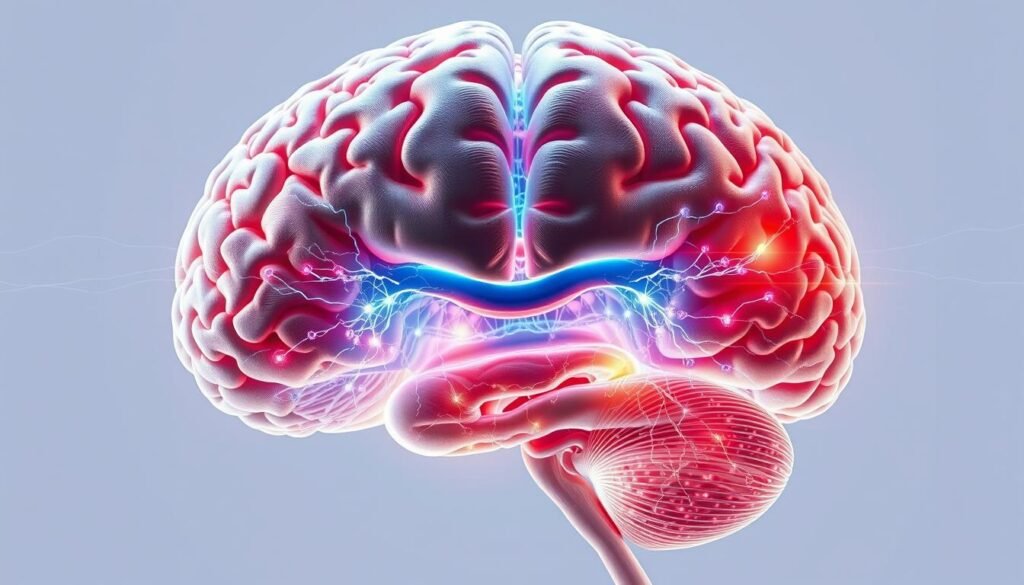
Your brain constantly combines information from your senses, memories, and surroundings. Alternating sensory input gives it another task to follow while processing information.
Researchers have proposed several explanations for why this can be useful during therapy. However, there is no single, fully established neurological explanation for EMDR’s effects.
1. Working Memory and Emotional Processing
Working memory is your brain’s temporary workspace. It helps you hold information in mind while completing another task.
Imagine trying to remember a detailed picture while following a moving object with your eyes. Both activities demand attention.
One leading explanation for EMDR suggests that this competition for attention can make a distressing memory feel less vivid or emotionally intense during recall.
A 2022 research review examining the working-memory theory found support for reduced memory vividness and emotional intensity during dual-task conditions. However, evidence about how long those specific effects last remains limited.
2. The Amygdala and Stress Responses
The amygdala is a small brain structure involved in detecting emotionally important information, including possible threats.
Think of it as part of your brain’s alarm system. When you feel threatened, your body may respond with a faster heartbeat, tense muscles, or increased alertness.

Other regions, including the prefrontal cortex, help you assess situations and regulate responses. These systems work together rather than acting as separate switches.
Some research has examined how EMDR affects activity in brain regions involved in memory and emotion. Yet we cannot conclude that every left-right movement directly switches off the amygdala or activates the parasympathetic nervous system.
3. REM Sleep and Eye Movements
During rapid eye movement (REM) sleep, your eyes move beneath your eyelids while your brain remains active.
EMDR also uses repeated eye movements, leading researchers to explore possible connections with memory processing during sleep.
But similarity does not mean the two processes work identically. The REM-sleep explanation remains a hypothesis, and EMDR does not recreate REM sleep.
4. Neuroplasticity and Changing Responses
Neuroplasticity is your brain’s ability to change through learning, experience, and repeated activity.
When you practice a skill or develop a healthier response to stress, the networks involved can adapt over time.

Therapy and regular physical activity can both support meaningful changes in behavior and emotional well-being. However, evidence does not show that brief bilateral tapping predictably creates particular neural pathways or raises serotonin and dopamine levels.
Those claims are more specific than current research supports.
Why Walking Is So Good for Your Brain
Walking is one of the easiest ways to combine physical movement, sensory awareness, and a repeatable rhythm.
Each step involves coordinated muscle activity. Your arms usually swing in opposition to your legs, while your eyes and balance systems help you navigate the environment.
These movements involve networks throughout the nervous system. Yet the proven benefits of walking cannot be credited specifically to bilateral stimulation.
What Research Actually Supports
According to the Centers for Disease Control and Prevention (CDC), physical activity can reduce short-term feelings of anxiety. Regular activity also supports sleep, thinking skills, and long-term mental health.
Walking may help in several ways:
- Reduced anxiety: Physical activity can ease feelings of tension and worry.
- Improved mood: Regular walking may help reduce symptoms of depression.
- Better sleep: Being active supports healthier sleep patterns.
- Improved thinking: Regular movement supports attention, memory, and cognitive health.
- Natural grounding: Noticing your surroundings can shift attention away from repetitive worrying.

A Simple Walking Routine for Stress Relief
You do not need special eye movements, alternating sounds, or equipment. Start with a comfortable walk and pay attention to how your body feels.
- Begin with five minutes. Choose a familiar, safe route and walk at an easy pace.
- Notice your steps. Feel your feet making contact with the ground without forcing a particular rhythm.
- Relax your shoulders. Allow your arms to swing naturally.
- Breathe comfortably. Avoid holding your breath or forcing unusually slow breathing.
- Observe your surroundings. Notice trees, buildings, sounds, or other neutral details.
- Check in afterward. Ask whether your tension, mood, or breathing feels different.
If five minutes feels manageable, gradually build toward 10–20 minutes or longer, depending on your fitness and comfort.
For substantial general health benefits, US physical activity guidelines recommend at least 150 minutes of moderate-intensity aerobic activity per week for adults. Brisk walking can contribute to that goal, but smaller amounts are still worthwhile.
Important distinction: You do not need to deliberately recall traumatic memories during your walk. Walking can be useful simply as exercise and grounding.
How EMDR Therapy Uses Bilateral Stimulation
Eye movement desensitization and reprocessing is a structured psychotherapy used primarily to treat PTSD.
During treatment, a trained therapist helps the person identify distressing memories, develop coping resources, and work through difficult material at an appropriate pace.
The therapist may use eye movements, alternating tactile input, or sounds as part of the process.
Three Common Clinical Methods
| Method | How It Works | Important Consideration |
|---|---|---|
| Visual | Following a moving target with the eyes | May be uncomfortable for people with certain visual or neurological symptoms |
| Auditory | Alternating sounds between ears | Requires comfortable sound levels and suitable listening equipment |
| Tactile | Alternating gentle taps or handheld vibrations | Touch intensity and location should suit personal comfort |
Clinicians select methods based on individual needs rather than assuming one sensory approach works best for everyone.
The US Department of Veterans Affairs identifies EMDR as an effective, guideline-recommended treatment for PTSD.
That evidence supports the complete treatment approach. It does not establish that using an EMDR device or alternating sounds independently will produce the same results.
Everyday Bilateral Movement and Grounding Techniques
For ordinary stress, gentle movement and sensory awareness can be useful additions to your daily routine.
The following practices are intended for relaxation and grounding, not for independently processing traumatic memories.
1. Alternating Foot Presses
While seated, keep both feet on the floor and gently press one foot down, then the other.
Continue at a comfortable rhythm for around 30–60 seconds. Notice the pressure beneath each foot and how your body feels against the chair.
This is an easy option during desk breaks or before a stressful meeting.
2. Gentle Shoulder Tapping
Cross your arms loosely across your chest, placing each hand on the opposite upper arm or shoulder.
Tap gently from one side to the other for a few comfortable cycles, then pause.
This resembles the tapping pattern sometimes called the Butterfly Hug. You can also tap your thighs if crossing your arms feels uncomfortable.
Focus on your present surroundings rather than deliberately bringing up upsetting memories. Stop if the movement increases distress.
3. Mindful Walking Breaks
Take a short walk between tasks, during lunch, or after spending a long time sitting.
Notice the natural alternating steps while keeping your attention on the path ahead.

You can practice for two minutes or twenty. The goal is to make movement easy to repeat, not to achieve a specific number of steps or a particular emotional reaction.
4. Alternating Sounds
Some guided recordings play gentle sounds alternately through the left and right audio channels.
You may find them pleasant or relaxing, but evidence that these recordings alone treat anxiety, trauma, or insomnia is limited.
Keep the volume comfortable. Avoid distracting headphones while driving, cycling, crossing roads, or navigating busy areas.
Can Bilateral Stimulation Improve Sleep?
A calming bedtime routine may make it easier to settle down, especially when stress keeps your thoughts active.
However, there is not strong evidence that bilateral stimulation alone reliably improves sleep or changes sleep-related neurotransmitters.
A simple wind-down routine can include:
- Dim bright lights and reduce stimulating activities.
- Sit or lie in a comfortable position.
- Try gentle alternating taps for a short period if they feel soothing.
- Allow your breathing to remain comfortable and unforced.
- Stop the tapping and continue with a quiet activity until you feel ready for sleep.
You can skip tapping entirely if you prefer. Consistent sleep and wake times, a comfortable bedroom, and regular daytime activity have stronger evidence for supporting sleep.
For guided stress-management exercises, the VA also provides free resources through its mental health apps, including PTSD Coach and Mindfulness Coach.
Benefits and Limitations: What You Can Realistically Expect
It helps to separate established treatment benefits from possible effects of everyday self-care practices.
- Walking: Supported by research for physical health, reduced anxiety symptoms, improved mood, and better sleep.
- Clinician-delivered EMDR: Supported as a treatment for PTSD, including distressing memories and related symptoms.
- Gentle tapping: May feel soothing or grounding, but its independent clinical effects remain less certain.
- Alternating audio: Some people find it comfortable, although evidence for treating mental health conditions with recordings alone is limited.
- Memory and brain changes: Researchers continue examining the mechanisms. Claims about directly rewiring the brain or correcting neurotransmitter levels are not established.
The most practical approach is to use walking and simple grounding techniques for everyday well-being while choosing evidence-based professional treatment when symptoms require it.
Safety: When to Modify or Stop
Gentle movement and tapping are generally low-intensity activities, but they are not comfortable or appropriate for everyone.
Stop the practice if you experience:
- Increasing panic, fear, or emotional distress.
- Dizziness, nausea, headaches, or eye discomfort.
- Feeling disconnected from your surroundings or body.
- Unwanted flashbacks or increasingly intense traumatic memories.
- Physical pain or unusual symptoms during movement.
If distress develops, stop the sensory activity, orient yourself to the room, and notice stable objects around you. Choose whatever grounding approach feels manageable rather than forcing yourself to continue.
Who Needs Professional Guidance?
A clinician’s assessment is especially important if you have severe PTSD symptoms, frequent dissociation, unmanaged psychiatric symptoms, or difficulty staying grounded when traumatic memories arise.
People with seizure disorders, significant visual sensitivity, recent brain injuries, or other neurological conditions should also discuss unfamiliar eye-movement exercises with an appropriate healthcare professional.
These conditions do not automatically rule out EMDR. A qualified clinician can assess suitable treatment methods and necessary adjustments.
Avoid attempting intensive trauma-memory reprocessing through unsupervised videos, apps, or devices.
How to Find a Qualified EMDR Therapist in the United States
If traumatic memories, anxiety, or flashbacks interfere with daily life, a licensed mental health professional can help you explore treatment options.
The EMDR International Association (EMDRIA) therapist directory is a useful starting point.
EMDR-Trained vs. EMDR-Certified
An EMDR-trained therapist has completed qualifying basic training. An EMDRIA-certified therapist has met additional requirements involving clinical experience, consultation, and continuing education.
Certification is voluntary and is not required for a properly trained, licensed clinician to provide EMDR.
Before choosing a therapist, ask:
- Are you currently licensed to provide mental health treatment in my state?
- What EMDR training and supervised experience have you completed?
- How do you prepare clients who experience panic, flashbacks, or dissociation?
- How will we decide whether EMDR is appropriate for me?
- Do you offer telehealth, and what are the costs or insurance options?
Verify state licensure independently. A directory listing or certification alone does not guarantee that a clinician is the right fit for your needs.
Frequently Asked Questions
Does bilateral stimulation activate both sides of the brain?
Alternating sensory input involves brain networks that process movement, attention, and sensation. However, the idea that bilateral stimulation uniquely activates both hemispheres or improves communication between them in a specific therapeutic way is not established.
Is walking as effective as EMDR therapy?
No. Walking has proven physical and mental health benefits, but research has not shown that it provides the same PTSD treatment effects as structured EMDR therapy. Walking can complement treatment without replacing it.
Can bilateral stimulation help with anxiety?
Some people find alternating tapping or sounds calming. EMDR can also help reduce distress as part of PTSD treatment. However, evidence for treating anxiety disorders through unsupervised bilateral stimulation alone is limited.
Does bilateral stimulation release stored trauma?
There is no established evidence that tapping or walking physically releases trauma stored in muscles or specific body regions. Trauma can affect emotional and physical responses, and appropriate therapy can help people manage those responses.
How often should I practice mindful walking or tapping?
Choose a frequency that feels comfortable. Short walking breaks can fit into most days. For tapping, begin with brief, gentle periods and stop if you feel uncomfortable. There is no proven daily tapping dose for brain rewiring or trauma recovery.
Do I need bilateral stimulation equipment?
No. Walking, alternating foot presses, and gentle shoulder tapping require no special equipment. Clinical tools such as handheld pulsators or light bars are generally used within therapist-guided treatment. Buying a device does not make self-administered trauma therapy equivalent to EMDR.
Can bilateral stimulation apps replace a therapist?
No. An app may provide a guided relaxation exercise, but it cannot deliver the full assessment, preparation, monitoring, and individualized care involved in professional trauma treatment.
Conclusion
Walking is good for your brain, but its benefits extend beyond its natural left-right rhythm. Regular movement can support mood, sleep, thinking, and the way you respond to everyday stress.
Bilateral stimulation also has an important role in EMDR, although researchers are still investigating exactly how its different components contribute to treatment.
For everyday stress, start with a comfortable walk or a gentle grounding exercise. Keep your expectations realistic and pay attention to what helps you feel more settled.
If traumatic memories or severe symptoms are affecting your life, consider working with a licensed, appropriately trained therapist. Everyday movement and professional care can work together without being mistaken for the same treatment.