


Curious about Reiki but unsure whether it’s worth trying? You’re not alone. The idea that someone can support healing by holding their hands near your body may sound strange, especially when you’re looking for evidence rather than promises.
Reiki is a gentle, usually noninvasive practice that some people find relaxing. However, scientists have not established that Reiki’s proposed healing energy exists or that the practice reliably treats medical conditions. This guide explains what happens during a session, what you might feel, how to choose a reputable practitioner in the United States, and how to decide whether the experience is worth your money.
Key Takeaways
- Reiki is a complementary practice: It involves light touch or hands held above the body, usually in a quiet setting.
- Experiences vary: Some people report warmth, tingling, or deep relaxation. Others notice little or nothing.
- Scientific evidence remains limited: Reiki has not been clearly shown to treat any specific medical condition, and its proposed energy field is unproven.
- Choose practitioners carefully: Ask about training, consent, professional boundaries, costs, and health claims before booking.
- Judge the practical value: Track stress, sleep, or comfort without assuming that every improvement was caused by Reiki.
What Is Reiki, and How Is It Supposed to Work?
Reiki is a Japanese practice commonly described as a form of energy healing. The name combines two Japanese terms often explained as rei, meaning universal, and ki, meaning life force energy.
Practitioners believe they can channel this energy through their hands to support the body’s natural healing processes. They may describe techniques such as centering, clearing, or smoothing the aura. These descriptions reflect Reiki traditions, not scientifically established biological processes.

The important distinction is between what practitioners believe and what research can demonstrate:
- Traditional explanation: Practitioners believe a universal energy passes through their hands and supports balance.
- Scientific perspective: Researchers have not demonstrated the existence of this proposed healing energy or established how it could produce medical effects.
- Personal experience: People may genuinely feel calmer or more comfortable after a session, even when the reason for those feelings is uncertain.
The National Center for Complementary and Integrative Health (NCCIH) reports that Reiki studies have produced inconsistent results and often lack the quality needed for firm conclusions.
That doesn’t mean you must dismiss someone’s experience. It means a pleasant experience and proof of a medical treatment are two different things.
What Happens During a Reiki Session?
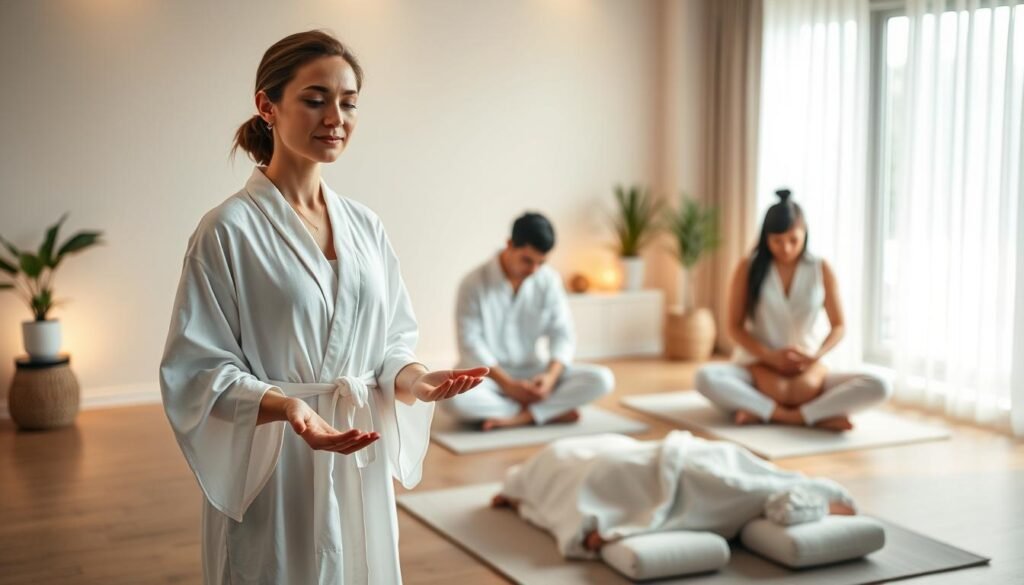
A typical Reiki appointment is quiet and straightforward. Sessions may take place in wellness studios, integrative medicine clinics, hospitals, or private practices. Some practitioners also offer home visits.
Appointments vary in length, but many last around 30–60 minutes. Your practitioner should explain the process before beginning.

What to Expect Step by Step
- Initial conversation: The practitioner may ask what brings you in, whether you have injuries or physical limitations, and what you hope to gain from the session.
- Getting comfortable: You’ll usually remain fully clothed while lying on a treatment table. Sitting in a chair is another option. Pillows or bolsters may support uncomfortable positions.
- Hand movements: The practitioner moves their hands between positions near your head, shoulders, torso, legs, and feet. They may use gentle touch or keep their hands slightly above your body.
- Quiet relaxation: You generally rest with your eyes closed or open while the practitioner works. Unlike massage, Reiki does not normally involve pressure or joint manipulation.
- Ending the appointment: You’ll have a moment to sit up, gather yourself, and discuss your experience if you wish.
You can request a hands-off session, ask the practitioner to avoid certain areas, change your position, or stop at any time. Your comfort and consent matter throughout the appointment.
What Does Reiki Actually Feel Like?
People describe different sensations during Reiki. Common reports include:
- Warmth: A feeling of heat near the practitioner’s hands.
- Tingling: Mild buzzing, pulsing, or pins-and-needles sensations.
- Deep relaxation: Slower-feeling breathing, drowsiness, or a calmer mind.
- Emotional changes: Feeling peaceful, reflective, emotional, or simply less distracted.
- No noticeable sensation: Some people feel nothing unusual, which is also a normal response.
These sensations do not establish that energy is being transferred or that healing is occurring. A comfortable setting, focused attention, rest, and expectations may all influence the experience.
For another practical description, see the Cleveland Clinic’s explanation of Reiki sessions.
How to Find a Reputable Reiki Practitioner in the U.S.
Finding someone trustworthy matters more than finding someone who makes impressive claims about energy. Look for clear communication, appropriate training, and respect for your medical decisions.
Where Should You Start Looking?
Hospital integrative medicine departments and established wellness clinics can be useful starting points. Some healthcare organizations have screening procedures and policies for complementary services.
However, being associated with a hospital does not prove Reiki works or guarantee that every practitioner is suitable. You still need to ask questions.
You can also explore established community wellness centers or the International Center for Reiki Training practitioner directory. Directory membership is a starting point for checking qualifications, not an independent guarantee of treatment quality.
What Credentials Should You Check?
Reiki training programs use different levels and titles, including Reiki Master. These titles generally describe training within a particular Reiki system. They are not the same as a government-issued healthcare license.
The NCCIH explains that complementary practitioner credentialing varies across the United States, with different legal requirements by state and discipline.
Ask about the person’s teacher, training program, practice experience, and any additional professional licenses they claim to hold. If someone says they are a licensed massage therapist or healthcare professional, check that license with the relevant state authority.
Seven Questions to Ask Before Booking
- What Reiki training have you completed, and who taught you?
- How long have you practiced, and what experience do you have with clients who share my concerns?
- Will you use light touch, hands-off techniques, or both?
- Can I choose which areas you touch and stop the session whenever I want?
- How long is the appointment, what does it cost, and what is your cancellation policy?
- How do you protect privacy, maintain hygiene, and accommodate physical limitations?
- Do you make medical claims, or do you describe Reiki as complementary care?
Warning Signs You Shouldn’t Ignore
Consider another practitioner if someone:
- Promises to cure cancer, chronic pain, or other serious conditions.
- Advises you to stop prescribed medication or avoid medical appointments.
- Pressures you to buy expensive packages before you’ve tried a session.
- Touches you without permission or dismisses your discomfort.
- Claims that worsening symptoms prove hidden energy is being released.
- Refuses to explain their training, prices, or professional boundaries.
A responsible practitioner should welcome reasonable questions. You shouldn’t need to accept spiritual beliefs or make a long-term financial commitment to try a relaxation-focused session.
How to Prepare for Your First Reiki Session
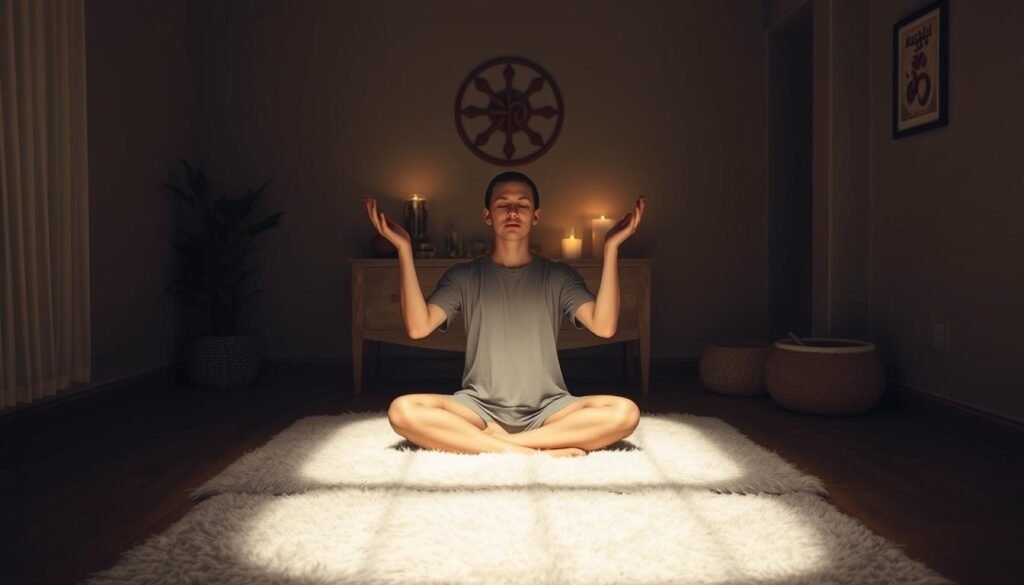
You don’t need special equipment, a spiritual routine, or previous meditation experience. Most preparation is about physical comfort and realistic expectations.
Choose one simple reason for attending. Perhaps you want quiet time during a stressful week or would like to explore a different way to relax. Avoid turning that intention into a promise that Reiki will solve the problem.
A Simple Preparation Checklist
- Wear comfortable clothing: Loose layers can make lying or sitting still easier.
- Discuss physical needs: Mention pain, injuries, pregnancy, limited mobility, or positions you cannot comfortably maintain.
- Ask about fragrance: Request a scent-free session if perfumes or essential oils bother you.
- Choose a convenient time: Book when you won’t feel rushed. There is no established best time of day for Reiki.
- Eat and drink normally: A light snack or water may help with ordinary comfort, but special hydration rituals aren’t necessary.
- Set your boundaries: Explain whether you prefer no touch, minimal conversation, or particular accommodations.
How to Evaluate the Experience Afterwards
Instead of trying to interpret every sensation, focus on ordinary changes you can notice. A small written log may help you compare how you felt before and after the appointment.
| Preparation | Why It Helps | Practical Tip | When to Repeat |
|---|---|---|---|
| Set an intention | Clarifies what matters to you | Choose one realistic goal, such as feeling calmer | Before each visit |
| Choose a time | Reduces scheduling pressure | Allow a few minutes after the appointment | Each visit |
| Dress comfortably | Reduces physical distractions | Wear loose clothing and request support if needed | Every visit |
| Track results | Helps you notice patterns without relying on memory | Record stress, sleep, or discomfort for 7–10 days | Before and after trying Reiki |
For example, rate your stress from 0 to 10 before an appointment and again afterward. You can also note how long you slept that night or whether discomfort changed.
Remember that timing alone doesn’t prove cause and effect. Sleep, pain, and mood change for many reasons. If the improvement is small, short-lived, or inconsistent, consider whether further sessions justify the cost.
Can You Practice Relaxation at Home Without Reiki?
Yes. If your main goal is quiet time, you can create a comfortable relaxation routine without paying for a practitioner.
Find a peaceful place, sit or lie comfortably, silence distractions, and spend 10–20 minutes resting or breathing gently at your usual pace. You could also try meditation or calming music if you enjoy them.

This doesn’t reproduce Reiki’s traditional beliefs or practitioner interaction. It simply offers a low-cost way to explore whether uninterrupted rest is helpful for you.
You can compare the experience with a professional session. If ordinary relaxation meets your needs, you may not need to spend money on Reiki.
What About Reiki Symbols, Distant Healing, and Spiritual Guides?
Not every Reiki practitioner uses the same spiritual language. Some focus mainly on relaxation, while others include symbols, meditation, or beliefs about spiritual guidance.
How Distant Reiki Is Supposed to Work
In some Reiki traditions, practitioners use a distant healing symbol, often called Hon Sha Ze Sho Nen, to direct healing intentions toward someone who is not physically present.
The International Center for Reiki Training describes the symbol as a way practitioners focus their intentions across distance and time.
Those claims reflect traditional beliefs. There is no reliable scientific demonstration that Reiki energy travels across distances to heal someone. A remote session might include quiet reflection or guided relaxation, but any benefit should not be mistaken for proof of distant energy transfer.
What Are Reiki Guides?
Some practitioners describe Reiki guides as spiritual helpers who offer intuitive direction during sessions. Others never discuss guides at all.

The International Center for Reiki Training notes in its frequently asked questions that spirit-guide concepts were added by some Western practitioners and are not required in original Reiki teachings.
If someone mentions guides, ask what that means in their practice. You can decline spiritual discussions or rituals that make you uncomfortable. Intuitive impressions should never be presented as medical diagnoses or facts about your health.
What Does Science Actually Say About Reiki?
Reiki has been studied for pain, anxiety, depression, and other health concerns. Some trials and reviews report improvements in how participants feel, but the overall evidence remains uncertain.
One problem is that studies often include small numbers of people, limited follow-up, or outcomes based on personal ratings. Those ratings are useful for describing experiences, but they cannot always tell researchers whether Reiki itself caused the improvement.

Why Positive Results Don’t Always Prove Reiki Works
Imagine two people reporting less stress after spending an hour in a quiet room. One receives Reiki; the other rests comfortably without Reiki.
Both may feel better. To determine whether Reiki adds a specific benefit, researchers need well-designed comparisons that account for factors such as expectations, attention, and the relaxing environment.
Research has not consistently demonstrated that specific Reiki techniques produce benefits beyond those other influences.
The NCCIH’s evidence overview concludes that Reiki has not been clearly shown effective for any health-related purpose. Its fibromyalgia review also describes a funded study that found no improvement in pain or other measured outcomes.
That leaves room for individual experiences without turning them into medical promises. You may enjoy a session while still recognizing that its treatment benefits remain unproven.
Is Reiki Safe Alongside Conventional Medical Care?
Reiki itself appears generally safe when it involves gentle touch or no touch. The NCCIH has not identified demonstrated harmful effects from the practice, although that does not guarantee every practitioner or situation is risk-free.
The most serious concern is using Reiki instead of appropriate medical evaluation or treatment. Someone with persistent pain, worsening symptoms, or a serious diagnosis could be harmed by delaying needed care.
How to Use Reiki Responsibly
- For ongoing pain: Continue any recommended assessment, physical therapy, medication, or other treatment. Reiki can be considered for comfort, not correction of an underlying injury.
- During cancer treatment: Ask your oncology team whether a supportive session fits your care plan. Reiki has not been shown to treat cancer or improve the effectiveness of cancer treatment.
- For anxiety or emotional distress: Consider Reiki only as an optional relaxing activity alongside appropriate mental healthcare when needed.
- With pregnancy or mobility limitations: Request comfortable positioning and disclose relevant needs. Hands-off techniques may be preferable if touch is uncomfortable.
- For new or worsening symptoms: Seek appropriate medical assessment instead of interpreting symptoms as an energy imbalance.
Respect your own physical and emotional boundaries. You should never be pressured to tolerate uncomfortable touch, frightening spiritual explanations, or changes to prescribed treatment.
Frequently Asked Questions About Reiki
Do I Have to Believe in Reiki for a Session to Feel Relaxing?
No. You can approach Reiki skeptically and still enjoy resting in a quiet environment. However, expectations may influence how you interpret sensations or changes afterward. Feeling relaxed does not establish that Reiki’s proposed energy mechanism is real.
How Much Does a Reiki Session Cost in the United States?
Fees vary widely by location, practitioner, and session length. Some providers charge for private appointments, while certain community or hospital-based programs may offer lower-cost options. Ask for the full price, duration, cancellation terms, and any package conditions before booking. Insurance coverage should not be assumed.
How Many Reiki Sessions Should I Try?
There is no scientifically established number of Reiki sessions needed for a health benefit. If you’re curious, one session may be enough to decide whether you enjoy the experience. You can consider another appointment if it fits your goals and budget, but there’s no reason to commit to a costly package upfront.
Can Reiki Cause Tingling, Emotional Release, or Tiredness?
People sometimes describe tingling, warmth, emotions, or drowsiness during sessions. These feelings are not proof that stored energy or trauma is being released. If symptoms are severe, persistent, or concerning, don’t assume they are normal Reiki effects.
Can Distant Reiki Work as Well as an In-Person Session?
There isn’t reliable evidence demonstrating that distant Reiki transfers healing energy or provides the same effects as in-person sessions. A remote appointment may still offer time for reflection or relaxation, depending on how it is conducted. Ask exactly what you’re paying for before agreeing to one.
Does Feeling Nothing Mean Reiki Didn’t Work?
Not necessarily, but the absence of sensation also isn’t evidence of hidden healing. Evaluate whether the session offered a worthwhile experience rather than relying on claims about invisible changes in your body.
Final Verdict: Is Reiki Worth Trying?
Reiki may be worth exploring if you enjoy quiet, gentle wellness experiences, can comfortably afford a session, and understand the limits of the evidence. You don’t need to believe in a universal life force to decide whether the experience feels pleasant.
Choose someone who respects consent, explains their methods clearly, and makes no unsupported medical promises. Start with a single appointment rather than an expensive package, and pay attention to whether you find the time genuinely worthwhile.
The best approach is curiosity without unrealistic expectations. Enjoy the relaxation if it helps you feel better, remain skeptical of claims that go beyond the evidence, and keep effective medical care at the center of your health decisions.