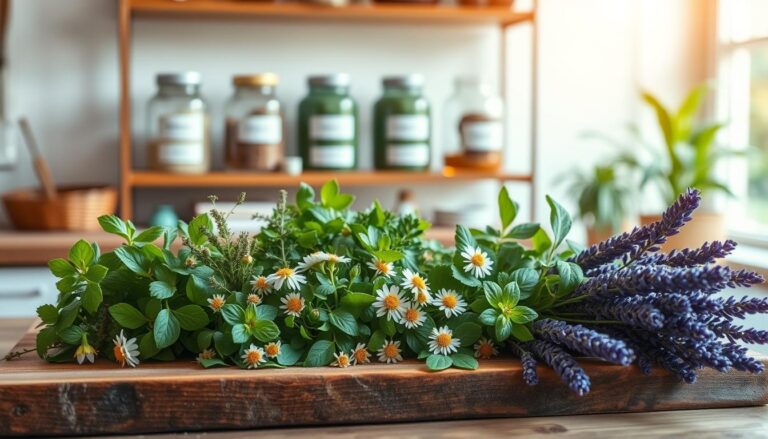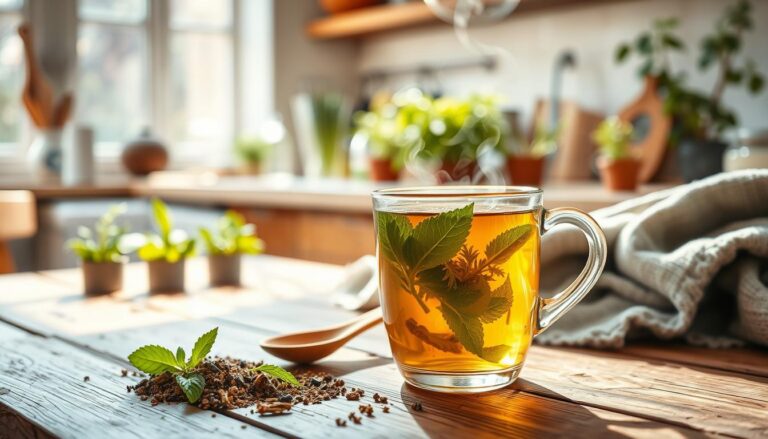


Ever wondered whether a simple cup could ease that tight, uncomfortable belly and boost your afternoon energy? Science points to several well-studied blends that may help move gas, calm spasms, and support steady energy without complex supplements.
About 14% of people in the United States report regular bloating. Triggers range from food intolerances and excess gas to imbalanced gut bacteria, constipation, and infections.
This article highlights five evidence-informed options—peppermint, fennel, chamomile, ginger, and green tea—explaining how each works and how to brew for the best results.
We’ll summarize key studies, brewing tips, and quick safety notes so you can try practical routines today. For a deeper review of digestive-support blends, see this expert round-up on digestion and a nutritionist’s ranked suggestions.
Want fast relief after a heavy meal or a gentle daily habit to ease discomfort? Read on to learn which cup fits your needs and when to sip it.
Key Takeaways
- Peppermint and fennel can relax GI muscles and help release trapped gas.
- Ginger supports motility and can reduce post-meal fullness.
- Chamomile soothes inflammation and calms stress-linked symptoms.
- Green tea offers gut-supporting catechins plus steady energy.
- Simple brewing tips and safety notes help you use these drinks effectively and safely.
- Consult a clinician if you have pregnancy, reflux, or medication concerns.
digestion review nutritionist ranking
Why bloating happens and how tea can help right now
Tea can help by relaxing intestinal muscles, supporting motility, and balancing gut bacteria. When bloating hits, warm cups before or after meals may help relieve pressure quickly.
Bloating often starts when gas builds up or digestion slows after a meal. Triggers include food intolerances, swallowed air, imbalanced intestinal bacteria, ulcers, constipation, and even parasites. This extra gas and slowed motility put pressure on the stomach and cause visible distension and discomfort.
Antispasmodic and carminative blends may ease cramps and help release trapped gas by relaxing the digestive tract. Polyphenol-rich options—like green tea with EGCG—can support a healthy gut microbiome and reduce inflammation, which may lower pain and swelling for many people.
“Sipping a small, warm cup 15–30 minutes before a challenging meal, then again after, is a simple way to test whether a tea helps relieve pressure.”
- Practical tip: Try a small cup before and after meals to assess effects.
- Watch patterns: Dairy, beans, onions, carbonated drinks, and high-sorbitol foods often trigger bloating—logging food helps spot causes.
- If symptoms persist: Check for high-FODMAP foods, constipation, or GI disorders and seek care for severe pain, vomiting, bleeding, unexplained weight loss, or fever.
For reliable medical information on persistent symptoms, see this bloated stomach guidance.
At-a-glance: the 5 research-backed teas for fast digestive relief and better energy
Simple brewed remedies can calm cramps, move trapped gas, and lift afternoon fatigue. Below is a compact guide to pick a cup that matches your main symptom and timing.

- Peppermint: Antispasmodic effects relax the digestive tract and ease gas pockets. Peppermint oil shows antimicrobial activity and peppermint capsules reduced abdominal symptoms in IBS studies.
- Fennel: Carminative properties may help reduce flatulence and discomfort. One trial found fennel matched dimethicone for post-cesarean flatulence relief.
- Chamomile: Calming compounds and mild anti-inflammatory action soothe the gut. Chamomile appears in multi-herb remedies and has historical anti-H. pylori data.
- Ginger: Supports motility to move food through the stomach faster. Research shows ginger can reduce post-meal fullness and burning sensations.
- Green tea: Catechin compounds like EGCG support gut microbial balance and reduce inflammation while providing a gentle energy lift.
Quick practical tips: Start with a small cup to assess tolerance. Cycle peppermint or fennel after heavy meals, sip chamomile in the evening, and choose green tea earlier for focus.
| Tea | Main effect | Best timing |
|---|---|---|
| Peppermint | Antispasmodic; eases gas and cramps | After heavy meals or at first cramp |
| Fennel | Carminative; reduces flatulence | With rich or fatty food |
| Chamomile | Soothing anti-inflammatory | Evening or stress-related symptoms |
| Ginger | Promotes motility; reduces fullness | Before or after a large meal |
| Green tea | Catechins support microbiome and energy | Morning or early afternoon |
Short checklist: Match the cup to your symptom—cramps (peppermint), gas (fennel), fullness (ginger), or overall gut balance (green tea). Track effects for one week to spot what helps most.
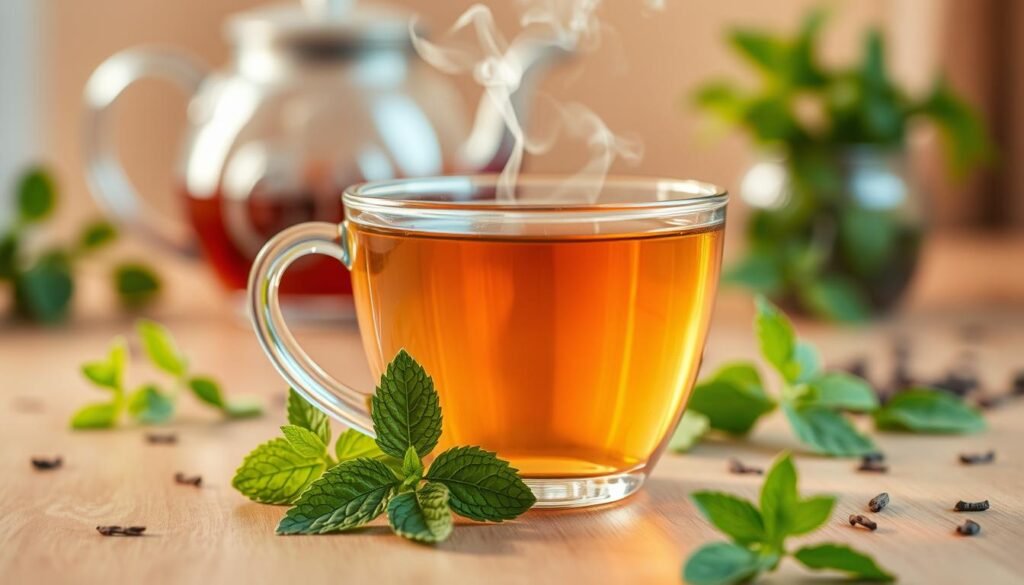
Peppermint relaxes intestinal muscles and can ease trapped gas and cramping. Clinical work with enteric‑coated peppermint oil has lowered abdominal pain and bloating in IBS patients, though brewed tea has lower concentrations than capsules.
How it works: gut relaxation and possible antimicrobial action
Peppermint (Mentha piperita) contains menthol-rich compounds that interact with smooth muscle in the digestive tract. This reduces spasms that trap gas and cause stomach tightness.
Lab and animal data also show antimicrobial properties, but most human benefit comes from antispasmodic action rather than direct germ killing.
What studies suggest about abdominal pain and bloating
Clinical studies of peppermint oil capsules report less abdominal pain and reduced bloating in IBS. While brewed tea offers lower doses, many people report meaningful relief after sipping a warm cup.
- How to brew: steep 6 fresh leaves or 10 g dried in hot water for 5–10 minutes; sip warm 20–30 minutes after meals.
- Start low: try a weaker infusion if you are sensitive; stronger brews may intensify effects.
- Precautions: avoid with significant reflux, gallstones, or severe liver disease.
| Benefit | Evidence | Best use |
|---|---|---|
| Reduce spasms and gas | Human IBS trials with peppermint oil | After heavy meals or at cramp onset |
| Possible microbial effects | Lab and animal studies | Adjunct to overall gut‑health routines |
| Gentle ritual | User reports of relief with brewed tea | Sip warm; pair with slower eating and water |
For a broader look at digestive options and how peppermint fits clinical guidance, see this digestion review on tea for IBS.
Fennel tea to help reduce gas and ease digestive discomfort
Fennel’s carminative properties can help reduce gas and the heavy, stretched feeling after meals. Early human data suggest fennel can match dimethicone for post-surgery flatulence relief.
Many cultures have long used fennel seed infusions to calm an upset belly after heavy meals. The seed’s aromatic compounds, led by anethole, seem to ease smooth muscle and support gentler motility.

Traditional use and emerging research on flatulence relief
Fennel (Foeniculum vulgare) seeds are a common remedy for abdominal pain, gas, and constipation. Animal work hints at protective effects on the stomach lining. A recent clinical trial found fennel comparable to dimethicone for reducing flatulence after C-section.
- How it works: anethole and related aromatic compounds support smooth digestive function and milder motility.
- How to brew: steep 1 tablespoon fennel seeds in hot water for 10–15 minutes; sip 20 minutes before meals to aid digestion and reduce pressure.
- User tip: pairing fennel tea with slower chewing and smaller portions boosts the effect on trapped gas and post-meal pain.
- Safety: avoid during pregnancy or breastfeeding unless a clinician approves; some people should use caution.
- Flavor note: add a pinch of lemon zest for brightness without sugar that may fuel fermentation.
| Aspect | Main compounds | Typical use | Best timing |
|---|---|---|---|
| Fennel seed infusion | Anethole, fenchone | Reduce gas and mild abdominal pain | 20 minutes before or after rich meals |
| Evidence note | Animal + limited human data | Matches dimethicone in one post-op trial | Short-term relief of trapped gas |
| Precautions | Phytoestrogenic traces | Avoid in pregnancy without advice | Check with clinician if breastfeeding |
For a practical starting point, try a gentle cup before meals and track whether it eases bloating and pressure. Learn more about fennel seed infusion here: fennel seed infusion.
Chamomile tea for gentle relief of digestive tract discomfort
Chamomile’s soothing compounds can calm the digestive tract and ease bloating-related discomfort. It’s a gentle choice in the evening for cramping, gas, or stress-linked stomach upset.
A warm cup of chamomile may help relax tense gut muscles and reduce mild inflammation. Lab and animal work suggest chamomile can hinder H. pylori growth, and it appears in multi‑herb formulas like Iberogast that reduce abdominal pain and ulcers. Human trials of chamomile tea alone are limited but promising.

Anti-inflammatory and antispasmodic actions that may help
- Active compounds: Phenolics such as apigenin likely drive anti‑inflammatory and antispasmodic effects.
- How to brew: Steep 1 teaspoon dried flowers in hot water 5–10 minutes; sip warm and unsweetened to avoid fermentable sugars.
- User tips: Many people find less stomach tightness and better rest when they make chamomile tea part of a bedtime routine.
- Safety: Avoid if allergic to daisies, ragweed, or chrysanthemums. Check with your clinician before use if you take anticoagulants or sedatives. Prefer German chamomile (Matricaria recutita) in pregnancy and consult a clinician before combining with other remedies.
| Benefit | Evidence | Best use |
|---|---|---|
| Calms cramps and gas | Lab, animal data; used in Iberogast | Evening or stress‑related stomach upset |
| May reduce inflammation | Phenolic compounds like apigenin | Short nightly ritual to aid rest |
| Gentle daily option | Limited human trials; strong historical use | Combine with fennel or lemon balm if cleared by a clinician |
If you want more on gentle remedies, see this guide to tea for upset stomach.
Ginger tea to relieve fullness and support digestion
Ginger supports motility, helping food leave the stomach more efficiently to reduce fullness and pressure. Supplement studies show benefits for dyspepsia; tea is a practical daily option to trial.
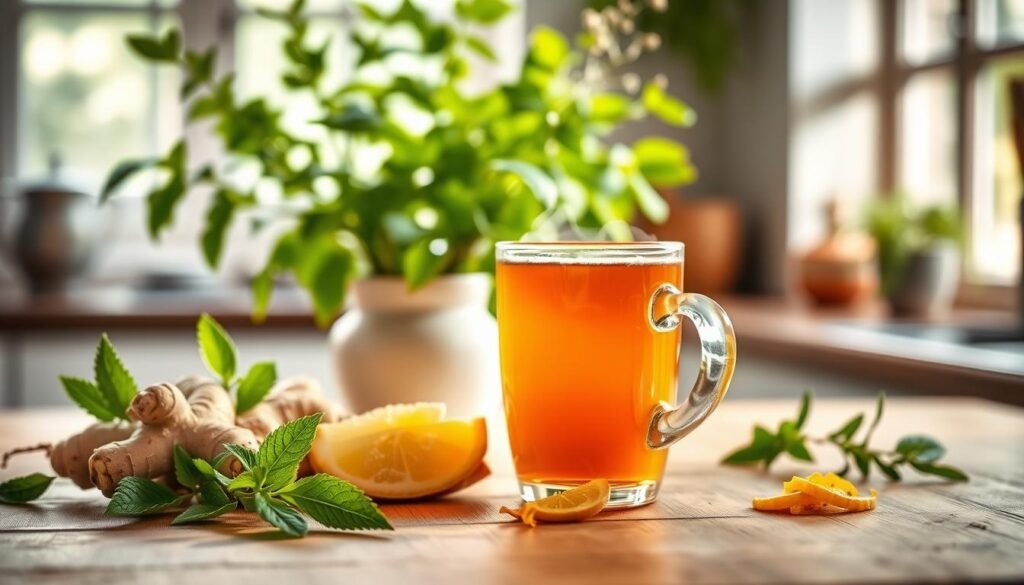
A simple ginger infusion can promote gastric emptying and ease upper‑GI discomfort. By speeding movement through the digestive tract, ginger may lower that heavy, bloated feeling after meals.
Effects on stomach emptying and upper GI discomfort
Research shows ginger and ginger‑artichoke combinations improve motility and reduce symptoms like fullness and stomach pain. These effects help food transit the gut faster, which often translates to less post‑meal pressure and fewer episodes of bloating.
What current studies say about dyspepsia and motility
Clinical trials of ginger supplements report reductions in dyspepsia symptoms, including fullness, burning, and heartburn. More research is needed on brewed ginger alone, but many people report practical relief when they sip a warm cup after eating.
- How it helps: promotes gastric emptying to ease heaviness and improve digestion.
- How to brew: simmer fresh 1‑2 inch slices in water 10 minutes or steep a bag 5–7 minutes; sip 15–30 minutes after meals.
- Who should check first: people on anticoagulants or with gallstones should consult a clinician before daily use.
- Practical tip: track symptoms for a week and combine ginger with smaller portions and slower eating to boost results.
| Use | Typical approach | When to sip |
|---|---|---|
| Fullness after large meals | Fresh‑slice infusion or tea bag | 15–30 minutes after eating |
| Dyspepsia symptoms | Supplements show benefit; tea is an easy trial | Daily or after heavy meals |
| Precautions | Moderate intake; consult clinician if on meds | Before starting daily use |
Green tea for bloating and energy: polyphenols, EGCG, and gut health
Green tea’s catechins support gut balance and healthy inflammation control—two levers linked to bloating. It can also provide a gentle energy lift and may help with period-related fluid retention.
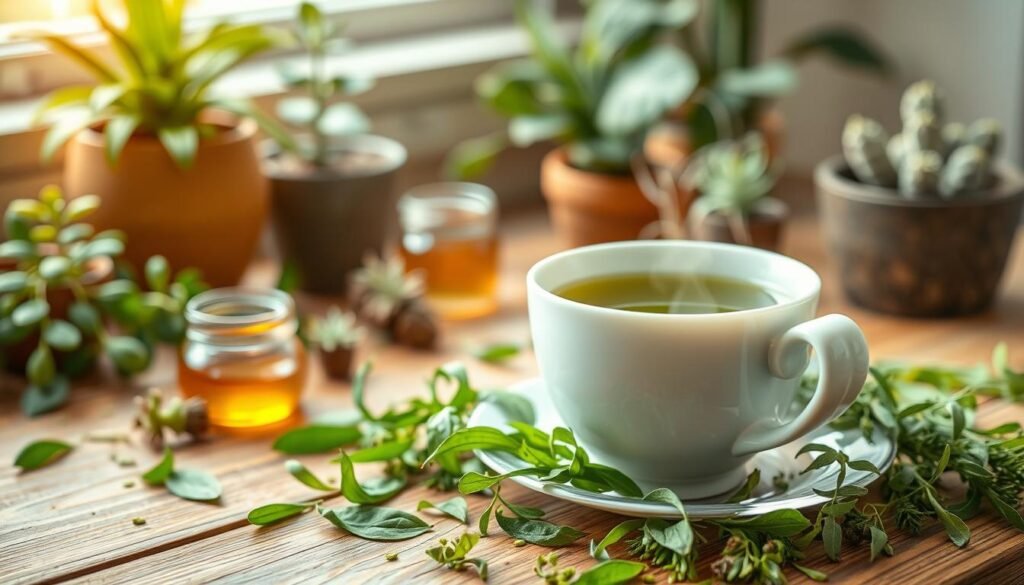
The primary compounds—EGCG and other catechins—interact with gut microbes and may help reduce dysbiosis that contributes to bloating.
Supporting the microbiome: catechins, inflammation, and “leaky gut” considerations
Catechins modulate microbial communities and dampen low-grade inflammation. That can improve barrier function and reduce uncomfortable pressure in the abdomen.
Green tea has a mild diuretic effect and may reduce prostaglandin signaling linked to menstrual discomfort. Some people notice less water weight and softer belly sensations during their cycle.
Easy ways to enjoy: matcha latte, citrus add-ins, iced and smoothie blends
Try a matcha latte with soy milk, or add a squeeze of lemon to brewed tea. Freeze brewed green tea into ice cubes for smoothies or flavored water.
Aim for 1–3 cups daily; start with one if you are caffeine-sensitive and use fresh filtered water to avoid bitterness.
See practical options and ranked picks in this best tea choices.
Herbal Teas for Bloating: how to brew, when to sip, and what to pair with
Small changes in brew time and meal timing can make a cup more effective at easing stomach pressure. Steep most infusions 5–15 minutes; brew green tea briefly to avoid bitterness, and sip 15–30 minutes before or after meals for best relief.

Steeping times, dosage, and timing around meals
Use fresh water heated near boiling for most blends; keep green tea around 175°F and steep 2–3 minutes.
General guide: peppermint 5–10 minutes; fennel 10–15 minutes (take ~20 minutes before meals); chamomile 5–10 minutes; ginger simmer 10 minutes.
Start with one cup per session and increase to 2–3 cups daily as tolerated. This helps the body adapt while limiting excess caffeine or flavor overload.
Smart pairings: hydration, fiber, and slower meals
Pair a cup with plain water and a fiber-rich snack or meal to support steady digestion and faster gas release. Walk for 10 minutes after eating, chew slowly, and avoid carbonated drinks to reduce swallowed air.
Keep flavor add-ins light — a slice of lemon, fresh mint, or a ginger coin — and choose high quality leaves stored in airtight containers to protect content and taste.
Safety check: who should avoid or limit certain teas
Not every cup is safe for every person. Check basic risks before using any infusion as a regular treatment or daily ritual. When in doubt, ask your clinician and choose trusted brands with clear labels.
Pregnancy, breastfeeding, and special populations — what to watch
Avoid or limit fennel, sage, dill, boldo, bay leaf, and anise in pregnancy or while nursing unless your provider approves. Chamomile (German) should be discussed with a clinician before use.
Medications, reflux, liver and GI conditions
- Peppermint can relax the lower esophageal sphincter and worsen reflux or hiatal hernia symptoms.
- Chamomile may interact with anticoagulants and sedatives; ginger and some botanicals may affect blood thinners.
- Anise can reduce iron absorption; check interactions if you take iron supplements or hormone-sensitive medicines.
Quality matters: content, sourcing, and when to seek care
Choose reputable suppliers with clear botanical names, batch testing, and clean content statements. Use clean water, store products airtight, and discard stale or musty items.
“Teas can help as supportive care but are not a replacement for prescribed medicine or diagnostic tests.”
| Risk category | Examples | Action |
|---|---|---|
| Pregnancy / breastfeeding | Fennel, sage, boldo, anise | Avoid unless cleared by provider |
| Medication interactions | Chamomile (anticoagulants), anise (iron), ginger (anticoagulants) | Review with clinician or pharmacist |
| GI disorders / reflux | Peppermint (worse reflux), bitter/acidic blends (ulcers) | Trial cautiously; prefer chamomile if reflux |
| Quality & contaminants | Mislabeling, pesticides, heavy metals | Buy tested brands; check labels |
If you see red-flag symptoms (GI bleeding, severe pain, persistent vomiting, fever, or unexplained weight loss), seek urgent care. For guidance on calming the nervous system and sleep-related remedies, see this concise review on nervines and sleep.
Conclusion
Evidence supports peppermint, fennel tea, chamomile tea, ginger, and green tea as practical options that can help reduce everyday bloating and ease digestive discomfort.Start with the brew that matches your main symptom, keep routines simple, and track effects for a week to see what truly helps.
A practical routine built around targeted cups can lower day-to-day discomfort, support gut balance, and taste pleasant. Match peppermint to cramps, fennel tea to gas, chamomile tea to stress‑linked upset, ginger to fullness, and green tea for microbiome support and steady energy.
Keep brewing simple, sip before or after trigger meals, pair cups with water, fiber, and gentle walking, and track changes. If constipation or red-flag symptoms persist, seek clinical care. For a related two‑week test of digestive support that tracks stool form and comfort, read this two-week triphala experiment.
FAQ
What teas are best to relieve bloating and mild stomach discomfort?
Peppermint, fennel, chamomile, ginger, and green tea are the top choices supported by research. Peppermint relaxes smooth muscle to ease gas and cramps; fennel acts as a carminative to reduce flatulence; chamomile soothes inflammation and spasms; ginger improves gastric emptying and reduces post-meal fullness; and green tea’s polyphenols support a healthy gut environment that can help with fluid retention and mild bloating.
How quickly can tea reduce bloating after drinking it?
Many people feel relief within 20–60 minutes for cramp and gas-related discomfort, especially with peppermint or fennel. Ginger may take a bit longer to affect motility. Timing varies by cause of bloating and individual response, but sipping warm tea after a meal often produces the fastest, most noticeable effect.
How should I brew these teas for the best digestive benefits?
Use freshly boiled water for ginger and green tea (slightly cooler for green tea), steep 5–10 minutes for ginger and fennel, 5–7 minutes for peppermint and chamomile. For concentrated effect, use 1–2 teaspoons of dried herb or one teabag per 8 ounces. Drink warm, not piping hot, and avoid very large servings in one go to prevent stomach upset.
Can tea interact with medications or medical conditions?
Yes. Peppermint oil can worsen acid reflux in some people; green tea contains caffeine and can interact with blood thinners like warfarin; fennel may have estrogenic effects and should be used cautiously in hormone-sensitive conditions; ginger can affect blood clotting at high doses. If you’re pregnant, breastfeeding, taking prescription meds, or have significant GI disease, check with your clinician before regular use.
Are there any side effects of drinking these teas regularly?
Side effects are uncommon at typical culinary doses but can occur. Peppermint may trigger heartburn in reflux sufferers. High intakes of ginger can cause mild heartburn or bleeding risk. Excessive green tea (large amounts of caffeine or concentrated extracts) can cause jitteriness or affect sleep. Always start with small amounts to test tolerance.
Is it safe to give these teas to children?
Small, diluted servings of chamomile or peppermint tea are generally considered safe for older infants and children, but dosing and safety vary with age. Avoid green tea for young children due to caffeine. Consult a pediatrician before offering any botanical tea to infants or children, especially if they take medications.
Peppermint oil has the strongest evidence for reducing IBS-related abdominal pain and bloating due to its antispasmodic properties. Chamomile and fennel may also help some people. However, IBS is complex—what helps one person may not help another—so use tea as an adjunct to a personalized treatment plan advised by a gastroenterologist.
Should I combine tea with other strategies to reduce bloating?
Yes. Combine tea with hydration, mindful eating (slower meals, smaller bites), moderate fiber intake, and gentle exercise to get the best results. Avoid carbonated drinks and foods known to cause gas (like beans or certain cruciferous vegetables) when you expect discomfort. Tea works best as part of a broader digestive routine.
How do I choose a high-quality tea or supplement product?
Look for reputable brands with transparent sourcing, third-party testing, and clear ingredient lists. Prefer whole-leaf or single-ingredient herbal bags without unnecessary additives. For concentrated extracts or supplements, choose products that provide certificates of analysis and follow dosing guidance from a healthcare professional.
Yes. Green tea contains low-to-moderate caffeine and catechins like EGCG that can boost alertness and support metabolic processes. Its anti-inflammatory and antioxidant effects may help mild fluid retention and menstrual bloating for some people. Keep servings moderate to avoid caffeine-related sleep or anxiety effects.