


Can a simple eye cover really fix restless nights, or is the perfect mask just a marketing story?
We set out to find a mask that improves rest in real homes, on real pillows, and during travel—not just in quiet labs. Over eight years of hands-on use tested comfort, blackout, straps, and side‑sleeper performance across common designs and materials.
Our goal was clear: balance comfort, blackout, and stability so the product won’t shift or press into your face. Thinner profiles and smarter straps beat bulky builds for side sleepers, while silk and molded foam each bring distinct benefits.
Below we explain why a good mask matters, how we tested, and which five models deliver consistent results for real life. For broader context and comparisons, see this roundup from a recent guide.
Key Takeaways
- Comfort, blackout, and fit are equally important for nightly use.
- Side sleepers often prefer thinner profiles with stable, silent straps.
- Silk reduces friction and heat; molded foam can block light with less pressure.
- Velcro adjusts fast but can snag and disturb partners; silent sliders win for uptime.
- Value matters: some mid-priced models outperform luxury options in daily life.
Why a Great Sleep Mask Matters for Real-World Sleep
A well-designed mask cuts ambient light without squeezing delicate skin, so you fall asleep faster and stay asleep longer. Practical features — low-profile straps, cooling fabric, and flexible seals — determine whether darkness lasts through turns and shifts.
How do masks block light without pressing on eyelids?
Comfort around the eye sockets is not optional. The seal should stop light but avoid direct pressure on eyelashes or eyelids. Structured cups may look effective, yet they can deform when you lie on your side and let light in around the nose.
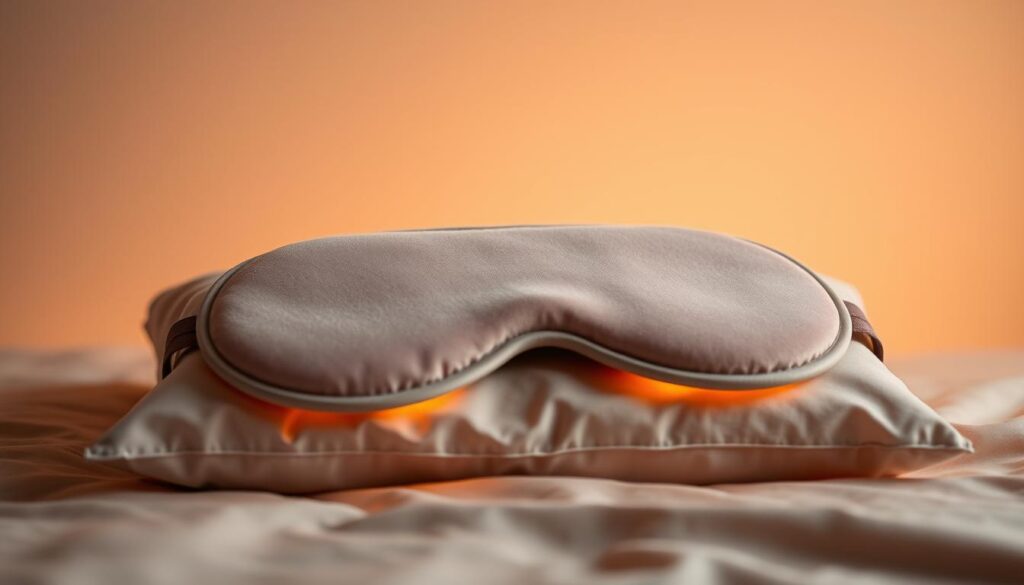
“Thin profiles and contouring edges keep darkness while sparing the skin and lashes.”
What features help side sleepers get comfortable?
Side sleepers benefit from thinner masks and low-profile straps that reduce pressure on the head, ears, and temples. Two-strap layouts hold position better and sit further from the ears.
- Silk feels cooler on skin and lowers sweat and irritation compared with many synthetics.
- Sliding buckles are quieter than velcro and gentler at night.
- Flexible designs that fill gaps at the nose maintain darkness during rolls.
How We Tested: Side-Sleeper Stress Tests, Blackout, and Comfort
We ran each product through a repeatable, real-night routine to judge whether a mask stays dark and comfy across hours. Tests focused on where light leaks start—nose bridge and cheek gaps—while applying side pressure on a firm pillow.
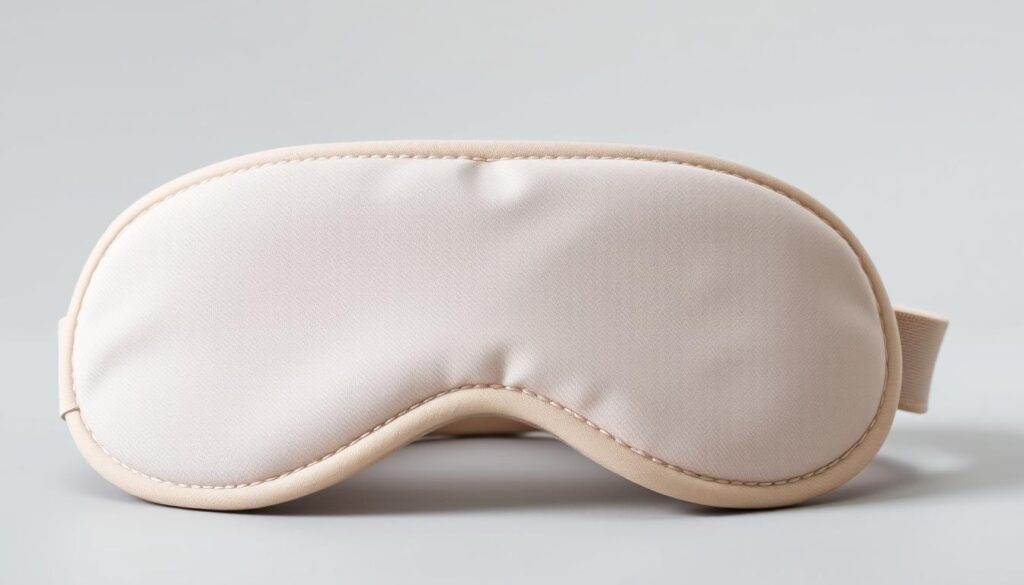
Blackout and light leaks
We scored blackout in bright rooms and at dawn. Testers pressed masks into a firm pillow to recreate side pressure and watched for gaps at the nose and along the cheeks.
Contoured cups sometimes flexed and opened light channels when compressed. Masks that blocked light without high tension ranked higher.
Fit and straps
We compared single vs dual strap layouts and fastening types. Dual thin straps spread tension and sat away from ears better.
Silent sliding buckles earned points for quiet, easy adjustments. Wide velcro lost points for noise and for snagging pillow fabric.
Materials, heat, and skin feel
We tested silk, synthetics, and molded foam over long wears. Silk felt cooler against the face and reduced heat for hours of use.
Foam added structure that helps block light when the design resists deformation, but some foams trapped warmth under side pressure.
| Test | What we looked for | Typical result |
|---|---|---|
| Blackout | Leaks at nose bridge and cheeks under pillow pressure | Contoured foam + good nose seal = best; shallow cups leak |
| Strap | Stability, noise, head pressure | Dual sliders = stable; velcro = noisy and can snag |
| Material | Skin feel, heat buildup over hours | Silk = cooler; foam = structured but warmer |
| Movement | Seal during turns and different head positions | Designs that hold contact without high tension scored higher |
- Takeaway: A good design balances darkness, low pressure on the eye area, and quiet, secure straps.
- Face shape and pillow type changed outcomes; try a few designs if possible.
The 5 Sleep Masks That Actually Work
These five models balance darkness, comfort, and a stable fit for real nights and travel. We focused on how each design handles light, pressure on the eyelids, and strap stability for side sleepers.
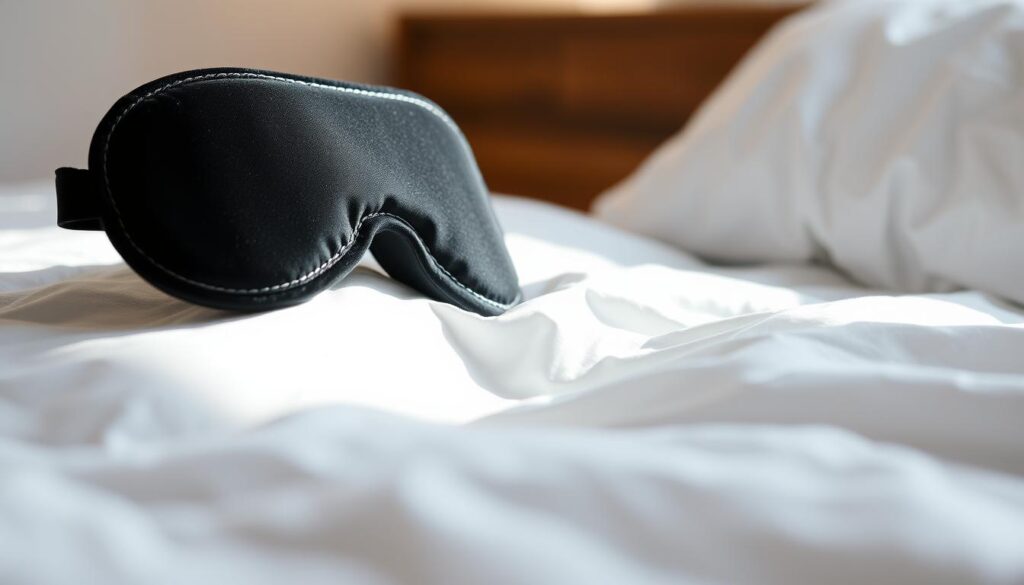
Alaska Bear Silk Contoured
Why it stands out: A hybrid of silk and molded foam gives cool skin feel with structure that resists deformation.
Performance: Minimal nose leak and gentle pressure; single silent slider is comfy but can shift on some head shapes.
Alaska Bear 2‑Strap Silk
Why it stands out: Ultra-light silk pouch with dual silent sliders for a secure, low-bulk fit.
Performance: Extremely breathable and great for side use; expect occasional eyelash contact and a nose flap that needs adjustment.
Bedtime Bliss Contoured
Why it stands out: Molded foam and deep eye cups let you open eyes without brushing lashes.
Performance: Decent blackout for the price, but a loud velcro strap and possible exterior wear are trade-offs.
Dream Recovery Performance Silk
Why it stands out: 100% mulberry silk that molds to the face without hard parts.
Performance: Partial blackout but excellent comfort across positions; a top choice if material and feel matter most.
Matador Blackout Travel Mask
Why it stands out: Featherlight, packs small, and includes an ear plug pocket for travel convenience.
Performance: Bamboo-lined interior and solid blackout for reclined use; may slip on a flat bed unless tightened.
Best Sleep Masks by Use Case and Sleeping Style
Match a design to how you sleep: pressure points, movement, and where you rest your head matter more than a label. Picking the right cover reduces light leaks and keeps nights calm without trading comfort for darkness.
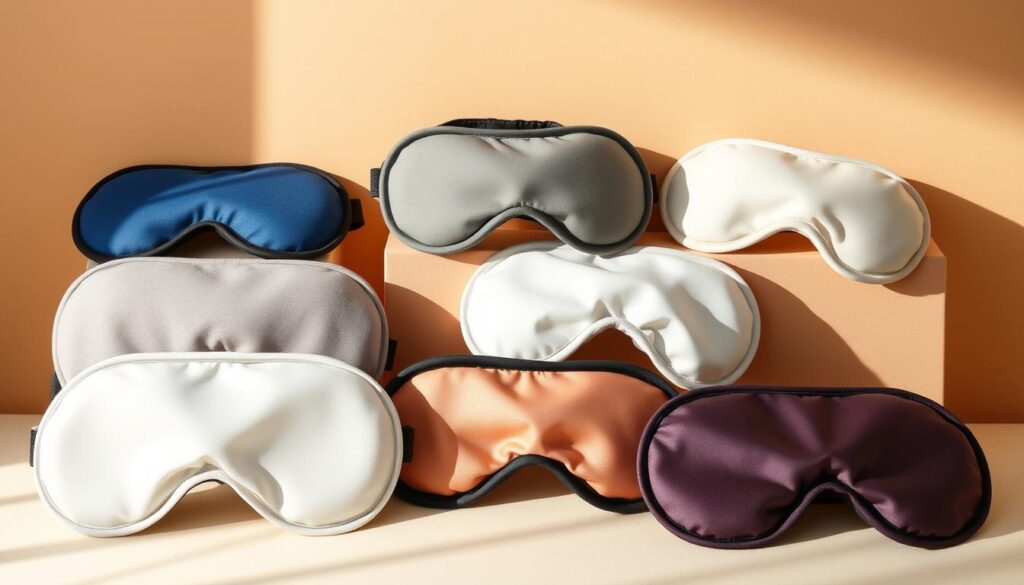
Which option helps side sleepers stay put?
Side sleepers do best with thinner builds and dual straps that keep a seal without digging into temples.
The Alaska Bear 2‑Strap silk model is a reliable pick here: low bulk, dual sliders, and a gentle profile that resists shifting under pillow pressure.
Which choice gives total blackout?
The Manta Pro Sleep and related manta sleep mask designs use adjustable cups to create near‑perfect darkness. They excel for back sleepers but may press near the eyes when you lie on your side.
What works on a tight price point?
On price and performance, the Alaska Bear silk sleep mask punches above its cost. Mulberry silk feels breathable and is easy to wear every night, though some velcro straps can loosen with lots of movement.
Which models suit travel?
Travel needs compact, upright blackout and a rugged strap. Matador’s packable mask filters cabin light and includes an ear plug pocket. Yiview’s memory foam version folds small, protects mascara, and has a flight‑friendly strap.
What about cooling or gentle pressure?
Rest Evercool uses cool‑touch fabric for warmer sleepers and is machine washable. Kitsch’s lavender weighted satin adds light pressure and scent for relaxation, but the beads can be felt if you sleep directly on the mask.
Quick take: prioritize thin dual straps for side use, choose adjustable cups for full blackout, and weigh nightly comfort against price and travel needs. For a broader roundup and comparisons, see this hands‑on guide from our reference review.
What to Look For Before You Buy
Before you buy, weigh how much darkness you actually need versus how much bulk you’ll tolerate on the face. This trade-off guides material choices, strap types, and overall design so the cover works night after night.
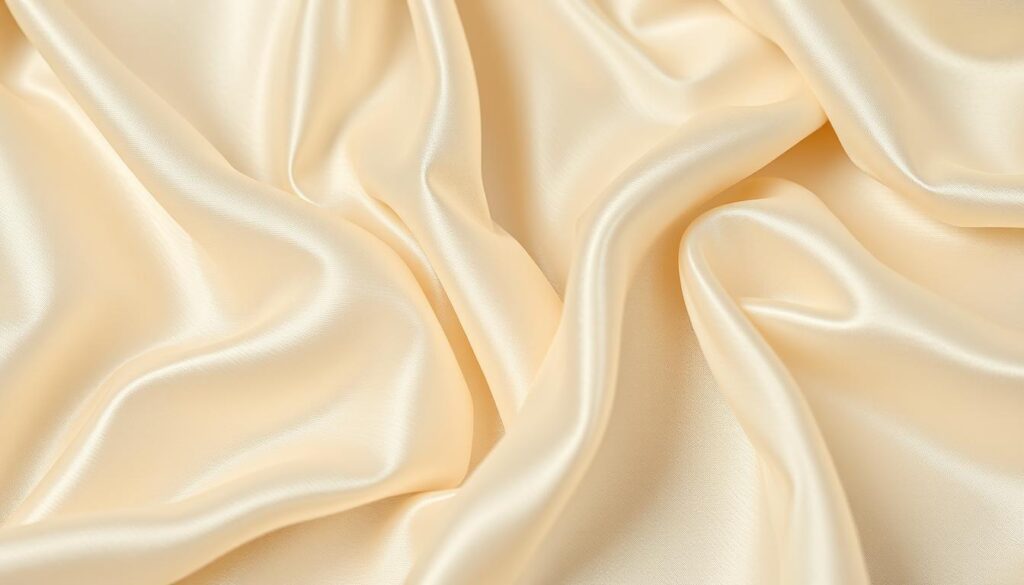
Blackout vs light filtering: trade-offs between darkness and bulk
Total blackout usually needs structured cups or firm foam. That creates more bulk and can trap heat, so heavy builds suit sleepers who need near‑complete darkness.
Light filtering uses thinner fabric and less structure. It breathes better and feels cooler against skin, but it may let dawn or cabin glow through.
Materials and skin: silk, foam, and tech fabrics
Silk feels cool and gentle on eyelids and often reduces sweat for longer wear. It typically benefits from hand washing to keep the fabric intact.
Foam adds useful structure and blackout when it resists deformation. Watch for glued fabric edges on foam masks—those can delaminate over time.
Eye cups and design: space versus pillow-side pressure
Deeper eye cups let you open your eyes without brushing lashes. But more internal space can push at the temples or cuff against a pillow during side sleep.
Straps and adjustability: velcro noise vs silent sliders
Dual thin straps with silent sliders spread tension and reduce pressure points. Wide velcro is easy to adjust but can snag linens and wake partners when readjusted at night.
Care and durability: washing and long-term wear
Check care labels. Some cooling fabric masks are machine‑washable and dryer‑safe, while silk shells last longer with gentle hand washes.
Finally, test the fit around eyes and cheeks before relying on tight straps. A balanced fit that stays put with light tension beats a mask you must overtighten to work.
Best Sleep Masks: Side-by-Side Insights
Quick comparison shows how design choices change overnight comfort and darkness. Match your primary position and tolerance for bulk before you commit to a model.
When you line up masks side‑by‑side, small design choices tell a big story about comfort and blackout.
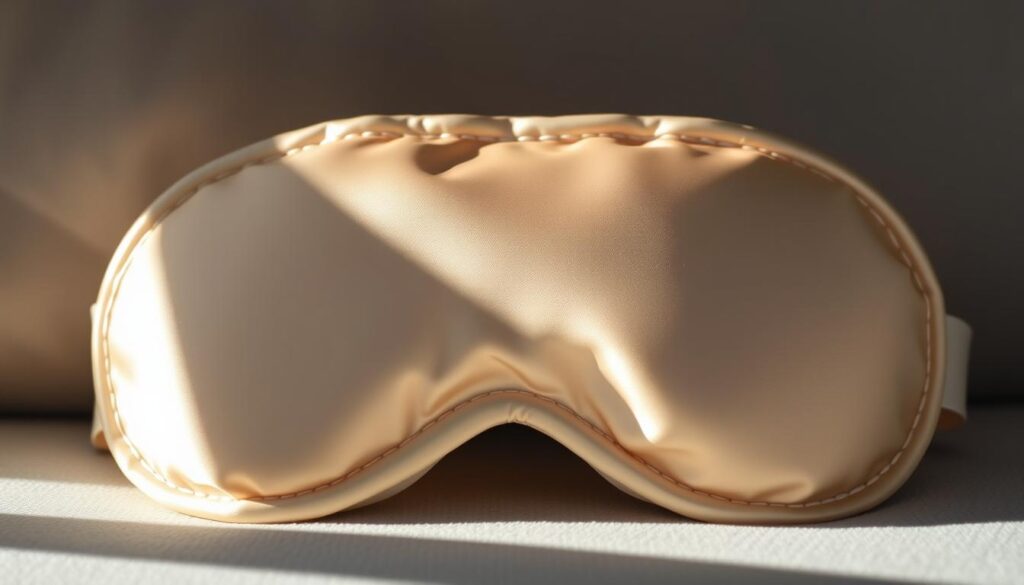
Alaska Bear vs Bedtime Bliss: silk comfort vs structured blackout
Alaska Bear Silk Contoured blends silk on the skin with a molded foam frame. The silk edges help fill tiny gaps at the nose under pillow pressure.
Bedtime Bliss leans into deeper cups and firmer foam for stronger blackout. Those wider cups let you open eyes inside them without brushing lashes, but velcro can snag and feel noisy.
Manta Pro’s eye cups: flawless darkness with caveats for side sleepers
Manta Pro Sleep uses repositionable eye cups to achieve near‑total darkness. That works brilliantly for back sleepers.
“Manta’s cups block light well, but raised ridges can press against eyelids during side turns.”
For side use, choose a narrower footprint and dual thin straps that sit clear of the ears. Less bulk often means fewer seal breaks when you roll. Align strap tension so the mask stays put without digging into your face.
Fit, Hygiene, and Longevity Tips
Getting the right fit and care extends the life of your mask and keeps skin healthy. Small adjustments in strap placement and simple washing habits prevent pressure, snags, and early wear.
How you place straps and treat fabrics affects comfort over hours in bed. Follow a few routine checks and you’ll keep the seal working without digging into the head or ears.
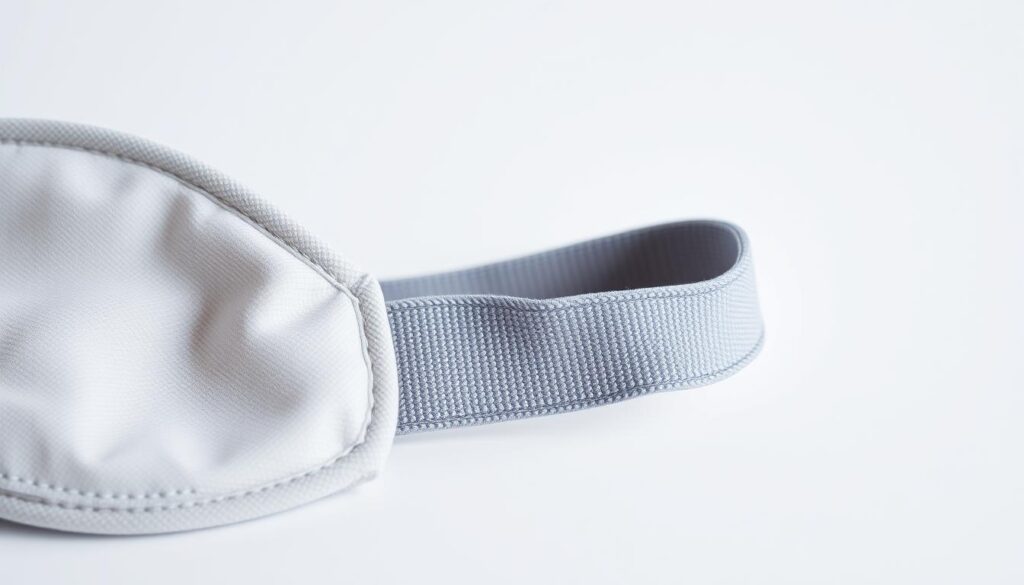
How should you position straps to avoid ear and temple pressure?
Start with straps slightly loose, then tighten only until the mask stays put. That avoids hotspots on the temples and pressure marks around the eyes.
- Dual straps: place one above and one below the ears to spread tension across the head.
- Sliding buckles are quieter than velcro and reduce nightly tugging.
- If you wake with red marks, relax the strap or try a thinner dual-strap design.
What washing and storage habits protect fabric and shape?
Hand-wash silk quickly with a gentle cleanser. For cooling tech fabric, use a delicate cycle in the machine and low heat for drying.
- Air-dry foam masks to preserve shape and adhesives.
- Store flat or in a soft pouch to keep seals from deforming between nights.
- Cover velcro hooks to protect pillowcases and prevent pilling over time.
Quick check before lights out: brush lint from the surface, confirm straps sit in place, and test the seal around your nose and eyes. Replace a mask when elastics loosen or light leaks appear to restore comfort and performance for every sleep.
Conclusion
Choose a cover you’ll wear every night: light, cool, and stable wins more nights than heavy builds that chase perfect darkness. Match the design to your position and tune straps so the seal stays in place with gentle tension.
Quick wrap: Alaska Bear silk designs balance cooling fabric with foam structure for side sleepers. The two‑strap Alaska Bear option cuts bulk and breathes well. For total darkness, the Manta Pro’s cups work best for back sleep. Bedtime Bliss offers solid value, while Matador packs small for travel. Dream Recovery shows how premium silk can stay put without rigid parts.
Fine‑tune placement the first few nights. For more comparisons and testing notes, see our best sleep mask roundup.
FAQ
What makes a contour or eye-cup mask different from a flat silk mask?
Contoured masks use molded foam or stitched eye cups to create space around the eyelids so your eyes can move freely without pressure. Flat silk masks like the Alaska Bear silk feel softer against skin and are lighter, but they may press on eyelashes and eyelids and let in more light at the nose bridge. Eye cups prioritize blackout and eyelid comfort; silk prioritizes breathability and low friction.
How important is blackout performance versus breathability?
Both matter, but your priority depends on sleep style. For total darkness—especially if you nap in bright environments—masks with deep eye cups or molded foam (for example Manta Pro Sleep or contoured options) block light best. If you run hot or sleep on your side, choose breathable materials like mulberry silk or thin, moisture-wicking tech fabrics to reduce heat buildup and skin irritation.
Are dual-strap masks better for side sleepers?
Often yes. Dual-strap designs stabilize the mask on the head and keep the eye cups from shifting when you turn. Thin profiles and softer edge materials also help reduce pillow-side pressure. Single straps can work if they use silent sliders and a well-shaped cup, but side sleepers generally benefit from a more secure two-strap fit.
Will a mask damage my eyelashes or eyelids from pressure?
Masks that press directly on the eyelids—especially flat masks with tight straps—can rub or compress lashes. Contoured masks with dedicated eye cups and a softer nose bridge avoid direct pressure. Look for masks that mention “no pressure on eyelids,” foam eye cups, or a molded design to protect lashes and reduce skin creasing.
How do I choose between silk and foam materials?
Silk feels luxurious, reduces friction on skin and hair, and helps sensitive facial skin. Foam offers structure and superior blackout but can trap heat and degrade over time if low quality. If you want gentle fabric against eyelids and fewer sleep lines, pick silk. If darkness and minimal light leakage are top priorities, choose high-density molded foam or hybrid silk-plus-foam designs.
Are adjustable straps noisy when adjusting at night?
Some adjustment systems are noisier than others. Velcro can be audible during repositioning, while silent sliders (found on many Alaska Bear and premium masks) allow quiet micro-adjustments. If you wake easily, choose masks that advertise silent buckles or soft slide adjusters.
Can I machine wash a silk or foam mask?
That depends on construction. Pure silk masks are usually hand-wash or gentle-cycle friendly; use a mild detergent and air-dry. Masks with glued foam, molded cups, or internal wiring often should not go in the washer because glue can delaminate and foam can break down. Always check the care label and, when in doubt, hand-wash or spot-clean to protect materials and longevity.
Do eye masks help with jet lag and shift work?
Yes. Blocking ambient light helps regulate melatonin production and can improve daytime naps and nighttime sleep in irregular schedules. Pairing a blackout mask with good sleep hygiene—consistent timing, reduced evening blue light, and a dark bedroom—boosts results for travelers and night-shift workers.
Are travel masks with pockets for earplugs worth it?
For noisy environments, a mask that stores earplugs or includes an earplug pocket is very practical. It keeps plugs handy and encourages consistent use during flights or bus rides. Featherlight packable masks with this feature are convenient for frequent travelers.
How long should a quality mask last before replacing it?
With proper care, high-quality silk or foam masks last 1–3 years. Factors that shorten life include frequent machine washing, heavy perspiration, and cheap adhesives that delaminate. Replace your mask sooner if straps lose elasticity, foam collapses, or fabric thins near contact points.
Will a blackout mask work for side sleepers if it has deep eye cups?
Deep eye cups provide darkness but can be problematic for aggressive side sleepers if the cup edges rub on the pillow. Look for masks that combine shallow-but-deep-enough cups with low-profile edges or use softer fabrics on the sides. Some hybrid masks solve this with contoured foam and silk-facing material for pillow comfort.
Can masks cause ear or temple pain from straps?
Yes. Poor strap placement or overly tight straps can press on ears and temples. Adjustable strap placement—higher or lower on the head—and wider, padded straps reduce localized pressure. Dual-strap systems that distribute tension evenly are helpful for sensitive areas.
Is a higher price always an indicator of better blackout or comfort?
Not always. Price often reflects materials, brand, and finish—for example, mulberry silk costs more than basic satin. Some affordable contoured masks deliver strong blackout and comfort, while some expensive masks underperform. Evaluate design (eye cups, nose bridge), materials, and real-world reviews rather than relying on price alone.
What features should someone with sensitive skin prioritize?
Choose natural, hypoallergenic fabrics like mulberry silk and avoid rough seams and synthetic backing that trap sweat. Look for masks with stitched seams away from contact areas, breathable materials, and clear washing instructions. Fragrance-free detergents and regular washing help prevent irritation.
Does a mask reduce facial wrinkles or eye puffiness?
Masks can reduce friction and tugging on skin during sleep, which may help minimize sleep-related creasing over time—especially silk options that glide over hair and eyelids. Masks won’t eliminate age-related wrinkles or fluid retention causing puffiness, but a comfortable, non-pressing design reduces mechanical stress on the eyelid area.
How can I test blackout performance before buying?
Read independent reviews that test nose-bridge light leaks and side pressure deformation. Check for user photos in low light, and look for masks with adjustable nose seals or flexible bridges. If buying in person, simulate your sleeping position and press around the nose and cheekbones to check for gaps.
What are common durability issues to watch for?
Common problems include strap elasticity loss, glue delamination on molded parts, foam compression, and fraying seams. Machine washing incompatible masks accelerates wear. Pick masks with replaceable straps or reinforced seams and follow care guidelines to extend lifespan.
Which brands combine blackout and silk feel effectively?
Some hybrid designs pair silk-facing fabric with molded foam cores to balance comfort and darkness. Alaska Bear’s contoured and two-strap silk models are examples of silk-forward masks that still provide good blackout. Look for hybrid or “silk + molded foam” descriptors when shopping.
How should I store a mask to preserve shape and hygiene?
Keep masks in a breathable pouch away from direct sunlight and moisture. Avoid folding contoured foam masks flat for long periods; store them in a way that preserves cup shape. Regularly wash or spot-clean according to fabric care to prevent oils and bacteria buildup.


Don’t Miss These Picks