


Can a single cup at night really change how you fall asleep and feel in the morning? This guide examines common sleep-supporting herbs through a clinical herbalist lens and separates realistic benefits from hype.
We pair evidence with practical tips, so you know which blends are likely to help, how to brew them, and when to avoid them. Expect clear advice on compounds like apigenin, honokiol, and L-theanine, plus safety notes and routine tips.
The guide ranks valerian, chamomile, lavender, passionflower, and low-caffeine green tea based on human studies, traditional use, and everyday usability. I explain why extracts often show stronger effects than brewed cups and how a warm ritual can support better sleep alongside solid sleep hygiene.
For a short summary of calming compounds and study takeaways, see this practical review on relaxing infusions and sleep research at relaxing infusions and sleep research, and a hands-on user perspective at real user experiences.
Key Takeaways
- Herbal options can support sleep but they work best as part of a consistent nightly routine.
- Valerian and passionflower show study-backed gains; chamomile and lavender offer modest, short-term benefits.
- Active compounds (apigenin, honokiol, L-theanine) explain how these drinks calm the mind.
- Effects are milder in brewed cups than in standardized extracts; taste and timing matter.
- Safety checks and interactions are essential—ask about allergies or meds before trying new blends.
Why bedtime tea works now: what a clinical herbalist looks for in a sleep-friendly cup
A sleep-friendly cup does two jobs: it nudges calming brain chemistry and anchors a predictable wind-down ritual.Clinical herbalists favor gentle, well-tolerated actions that ease stress and invite nightly consistency.
I look for ingredients that influence GABA signaling because that pathway often produces clear relaxation. Chamomile’s apigenin and magnolia’s honokiol/magnolol show receptor interactions in lab work. L-theanine in low-caffeine green tea supports calm without jitters.
The ritual matters as much as the compounds. Preparing a warm cup 60–120 minutes before lights-down gives you time to unwind. Pair it with low light and no screens and the cue becomes a reliable way to improve sleep over time.

| Feature | Mechanism | Practical tip |
|---|---|---|
| GABA support | Apigenin, honokiol bind GABA sites | Choose mild flavors to encourage nightly use |
| Ritual effect | Behavioral cue reduces anxiety | Brew 60–120 minutes before bed |
| Evidence | Human studies show short-term gains | Use consistently; see clinician if insomnia persists |
The top five sleepy-time picks, ranked by a clinical herbalist for deeper, higher-quality sleep
Here are the top five cups I recommend, ranked by plausibility, palatability, and human data. Each plant offers a distinct path to calm—via GABA, flavonoids, aroma, or mild anxiolysis—so you can match results with flavor and routine.
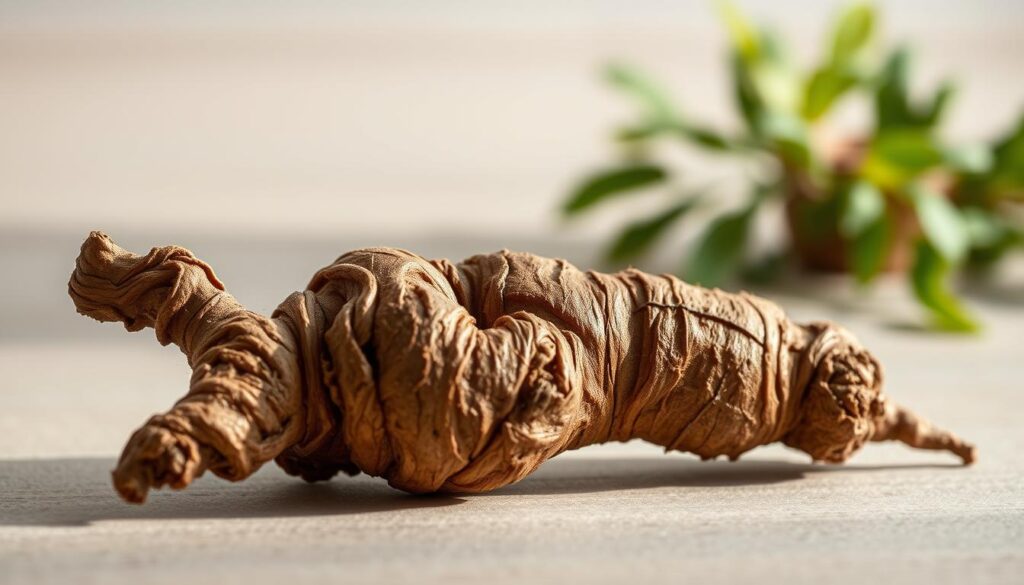
Valerian root tea: GABA-supporting classic for falling asleep faster
Why it ranks high: Extracts improve sleep quality and reduce time to fall asleep in studies. The tea made from dried root is gentler but still useful.
Flavor is earthy and some dislike the odor. Try a small cup 60–90 minutes before bed or blend with chamomile to soften taste.
Chamomile tea: apigenin-powered calm for better sleep quality
Why try it: Chamomile’s apigenin binds benzodiazepine sites in lab work. Clinical trials show short-term gains in postpartum sleep issues and older adults’ sleep quality.
It offers a familiar floral flavor and is a comforting nightly ritual.
Lavender tea: short-term relaxation and mood support before bed
Lavender provides a fragrant cue to unwind. Studies show short-term fatigue relief postpartum and oil trials support mood and reduced anxiety.
Lemon balm tea: soothing mint-citrus notes that may reduce anxiety
Melissa officinalis has study support—mostly with extracts—for insomnia severity and anxiety. The tea is pleasant and non-bitter, a good choice for evening calm.
Passionflower tea: gentle anxiolytic to smooth out nighttime restlessness
Passionflower can reduce evening restlessness. One study found a single cup improved subjective sleep quality over a week. It blends well with chamomile or valerian.
| Herb | Main action | Practical tip |
|---|---|---|
| Valerian root / valerian tea | GABA modulation; faster sleep onset | Small cup 60–90 min before bed; blend to mask earthy flavor |
| Chamomile / chamomile tea | Apigenin; mild benzodiazepine-site activity | classic nightly cup; gentle, good for older adults and postpartum |
| Lavender / lavender tea | Aromatic calming; short-term fatigue relief | Use as a ritual cue; pair with lemon balm for balance |
| Lemon balm | Anxiolytic; improves insomnia severity (extracts) | Pleasant mint-citrus cup; try mid-evening |
| Passionflower | Gentle anxiolytic; subjective sleep quality gains | Good solo or blended with chamomile for steady calm |
Also worth a try: honorable mentions that may help you unwind at night
These honorable mentions aren’t top five, but they offer useful options—especially if you want variety or prefer different flavor profiles. Choose based on the effect you want and what you’ll actually drink nightly; a pleasant, reliable cup can be the difference between sticking with the habit and skipping it.
Try one of these when you want a different effect or a change of taste without breaking your routine.
Magnolia bark tea: honokiol and magnolol for non-REM support
Animal studies show honokiol and magnolol act at the benzodiazepine site on GABA(A) receptors and may boost non-REM phases. A small human trial in postpartum women reported improved sleep quality and mood over three weeks.
Note: some people report more brief awakenings but faster returns to sleep. Mask the woody flavor with a cinnamon stick or a citrus peel if you prefer a milder cup.
Low-caffeine green tea: L-theanine for calm focus without jitters
Compared with regular green tea, low-caffeine versions can reduce stress and fatigue while supporting better sleep quality in small studies. L-theanine likely drives the calming effect.
Pick a labeled low-caffeine option and finish that cup at least two hours before lights-out to limit any residual stimulant effect.
Banana tea: a cozy, naturally sweet wind-down ritual
Banana tea is simply a cup made by steeping a banana or peel in boiling water. It yields a mildly sweet drink that signals wind-down and can replace sugary snacks before bed.
Research is limited on whether heat preserves all calming nutrients, but the ritual itself may help. Keep portions modest and rotate this cup with other plants to avoid palate fatigue.
Practical tips: If you want more ideas or a shopping reference, see this sleep teas guide. Rotate these options across the week, mind your caffeine timing, and pick the cup you enjoy most to protect sleep quality.
How sleep teas may help: the brain-calming science behind herbal tea and GABA
Many calming teas act on the same pathways that quiet the nervous system before sleep—especially GABA, the brain’s primary “brake.” Flavonoids and terpenes in plants can nudge that system toward calm, though brewed cups generally give milder effects than standardized extracts.
How does this work at night?
Neurotransmitters at bedtime: GABA, stress, and hyperarousal
GABA is an inhibitory neurotransmitter that reduces neuronal firing so the mind can disengage. When stress and anxiety raise arousal, GABA-related activity falls and insomnia can follow.
Herbs used as a sleep aid may interact with GABA receptors or support GABA availability. That interaction helps reduce hyperarousal and can improve sleep quality in some people.
From flavonoids to terpenes: what studies suggest about their effects
Chamomile’s apigenin binds benzodiazepine sites, matching clinical signals of modest sleep benefits. Magnolia root compounds honokiol and magnolol act at the GABA(A) benzodiazepine site in animal research and hint at non-REM support.
Valerian appears to boost GABA signaling, while L-theanine in low-caffeine green tea reduces stress and may improve sleep compared with regular green tea.

| Compound | Primary action | What research shows |
|---|---|---|
| Apigenin (chamomile) | Benzodiazepine-site binding on GABA receptors | Modest improvements in sleep quality in human studies |
| Honokiol / magnolol (magnolia) | GABA(A) modulation; terpenoids/lignans | Animal studies show non-REM increases; limited human data |
| Valerenic acids (valerian root) | May increase GABA availability | Extracts show clearer effects; tea offers gentler support |
| L-theanine (low-caffeine green tea) | Promotes relaxation; reduces stress | Small human study: improved sleep quality vs regular green tea |
Realistic expectations: human studies and research often report short-term, modest effects with brewed tea. If you want stronger, repeatable outcomes, extracts are usually more potent. Still, a pleasant nightly cup can be a simple, low-risk way to improve sleep as part of healthy routines.
Safety, side effects, and who should skip certain herbs
Safety first—match the herb to your health profile and timing needs. If you’re pregnant, have plant allergies, take medications, or struggle with persistent insomnia, involve your provider before you sip.
Not all calming cups are harmless. Some people react to chamomile if they’re allergic to ragweed, daisies, marigolds, or chrysanthemums. Pregnancy or breastfeeding is another reason to be cautious with chamomile and lavender; ask your clinician before using these products.

Timing and common side effects
Reduce risks by finishing your evening cup well before lights-out. Valerian root can cause vivid dreams, mild stomach upset, headaches, or next-morning drowsiness in some people. Low-caffeine green tea still has caffeine—avoid it close to bed.
When to talk to your provider
Herbal products can interact with prescriptions and vary in potency since they aren’t FDA-regulated like drugs. If insomnia lasts more than one to two weeks or daytime function falls, seek medical evaluation. Research often shows stronger effects from extracts than brewed tea, so personalize your approach and keep notes on timing, dose, and how you feel.
- Tip: To limit nocturia, taper fluids two hours before night.
- Tip: Choose reputable brands and report any unusual side effects to your clinician.
How to brew for better sleep: timing, temperature, and taste tips
Brew strong enough to feel a difference but not so strong that bitterness or aroma turns you off. Aim to finish your cup 60–120 minutes before bedtime so you can unwind and still sleep through the night without a bathroom break.
Small tweaks to steep time and temperature make a big difference in how a nightly cup affects sleep. Use covered steeping to trap volatile aromatics from flowers like lavender. That preserves scent without over-extracting bitter compounds.

Steep smart: flavor upgrades and reducing bitterness or strong aromas
Use cooler water for green varieties (about 160–175°F) to limit bitterness and keep L-theanine’s calming effect. For earthy valerian, add a slice of lemon, a cinnamon stick, or a teaspoon of honey to improve flavor.
Blend valerian with chamomile or pair passionflower with lemon balm to create a smooth profile that can help reduce anxiety in the evening.
Evening timing: enjoy the cup and still sleep through the night
Portion size matters. Start with a small cup to avoid nocturia. Finish tea at least 60 minutes, ideally 90–120 minutes, before lights-out.
Make it your way: dim lights, use a favorite mug, and breathe deeply while it steeps. Consistency beats perfection—repeatable rituals are the real secret to better night rest.
| Herb type | Steep time | Tip |
|---|---|---|
| Low-caffeine green | 2–3 minutes at 160–175°F | Finish early; milder flavor, less stimulant effect |
| Chamomile / passionflower | 5–8 minutes covered | Blend for smooth taste and gentle calm |
| Valerian | 7–10 minutes covered | Add honey or cinnamon to soften aroma |
Build a calming routine: pair your tea with sleep hygiene for lasting benefits
Tea works best as part of a routine that tells your brain, “it’s time to wind down.” Consistency builds results—repeat the same simple steps nightly to reduce stress and anxiety while strengthening your body’s internal clock.

Start small. Brew your cup, dim the lights, and switch off screens. These cues help your nervous system shift away from daytime alertness and toward relaxation.
Stack the habits: dim light, screen-free wind-down, soothing music or bath
Brew your tea 60–90 minutes before bed and then lower light levels. Silence notifications and pick one calming activity: soft music, light reading, or a warm bath. These layered signals reinforce the idea that night is coming.
Consistency wins: set bedtime, regular cues, and mindful sipping
Set a steady bedtime and wake time to anchor circadian rhythm. Use the same mug, chair, or playlist so the ritual becomes automatic. Slow, steady breaths while you sip increase parasympathetic activation and can improve sleep over time.
“A short, predictable wind-down often beats an elaborate routine you won’t keep.”
| Habit | How it helps | Simple action |
|---|---|---|
| Dim light | Signals melatonin production | Lower lamps 60 min before bed |
| Screen-free hour | Reduces blue light; lowers alertness | Silence devices; read a book |
| Mindful sipping | Activates relaxation response | Breathe slowly while you drink |
| Same schedule | Stabilizes circadian rhythm | Keep consistent sleep and wake times |
Troubleshooting tip: If you still feel wired, try a two-minute journaling prompt to offload racing thoughts before getting into bed.
For more on how tea can support a routine that helps you sleep, see this practical review at tea and sleep guide.
Best Herbal Teas for Sleep: which one fits your goals, taste, and nighttime routine?
Match your nighttime ritual to a tea that supports the exact sleep outcome you want. If you need to fall asleep faster, reach for valerian tea. If you prefer a gentler, floral wind-down, choose chamomile or lavender.
Choose flavors and products you enjoy—people stick with a nightly cup when it tastes good and fits their schedule.
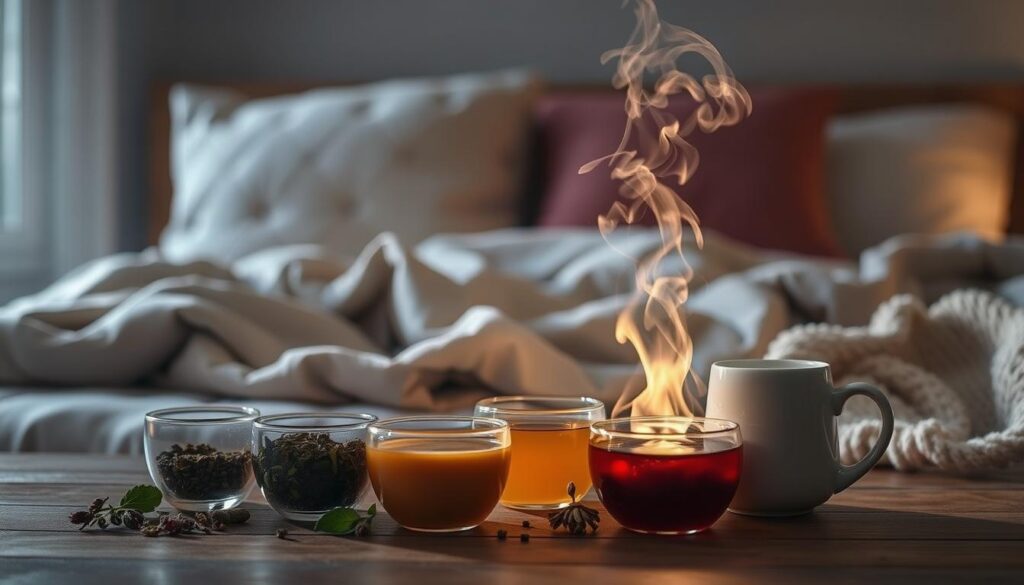
- Goal picks: For improved sleep quality and reduced worry, chamomile and passionflower may help. For sleep onset, try valerian tea. For a lighter evening option, low-caffeine green tea offers calm with less bite.
- Taste mapping: Earthy and strong (valerian), floral and soft (chamomile, lavender), mint-citrus (lemon balm), woody (magnolia), or naturally sweet (banana). Pick what you’ll actually drink on a busy night.
- Sensitivity check: If caffeine triggers insomnia, avoid even low-caffeine options near night. If aromas overwhelm you, blend lavender lightly or switch herbs.
- Product quality: Choose products that list plant parts and amounts, avoid additives, and store tea in airtight jars to keep aroma and potency.
- Portion & timing: Start with a small cup 60–120 minutes before bed. If nocturia is an issue, finish earlier and use the bathroom before sleep.
| Goal | Herb | Tip |
|---|---|---|
| Fall asleep faster | Valerian tea | Small cup 60–90 min before bed |
| Reduce anxiety / improve sleep quality | Chamomile, passionflower | Try a week-long run and note changes |
| Gentle calm, cleaner flavor | Low-caffeine green | Finish 2+ hours before lights-out |
Personal responses vary. If a tea feels flat after several evenings, rotate to a different herb and track your sleep quality. For shopping ideas and user feedback on leaf products, see these full-leaf tea reviews and user experiences.
Conclusion
Conclusion
Herbal teas can support sleep, ease stress and anxiety, and signal a nightly wind-down—especially when you match the plant to your needs and keep steady habits. If rest doesn’t improve after a week or two, or daytime function drops, consult your clinician; tea is a supportive tool, not a cure for entrenched insomnia.
What the science suggests: studies show modest, often short-term effects, with extracts sometimes producing stronger results than a brewed cup. Use valerian root or valerian tea to help fall asleep; chamomile and lavender (including lavender tea) for a gentle aromatic routine; passionflower and low-caffeine options for steady calm.
Note side effects like morning drowsiness or stomach upset. Track your response, keep brew times and timing consistent, and pair the cup with screen-free wind-downs. Try one tea for a week, record sleep quality and next-day energy, and adjust from there.
FAQ
Which tea is best to help me fall asleep faster?
Valerian root tea is widely used to shorten the time it takes to fall asleep because it can support GABA activity in the brain. Start with a low dose (one cup about 30–60 minutes before bed) and observe how you feel; some people notice next-morning drowsiness and should reduce intake or avoid it.
Can chamomile tea improve sleep quality every night?
Chamomile contains the flavonoid apigenin, which may promote relaxation and modestly improve sleep quality for some people. It’s gentle and often safe for nightly use, but avoid it if you have an allergy to plants in the Asteraceae family (ragweed, marigold).
Is lavender tea effective for short-term sleep or anxiety?
Lavender can help with short-term relaxation and mood support before bed; evidence shows benefits for sleep symptoms and anxiety in the short term. For chronic insomnia, combine lavender with sleep-hygiene habits and consult a provider if problems persist.
Are there safety concerns with passionflower, lemon balm, or other calming herbs?
Yes. Passionflower and lemon balm are generally safe at typical tea doses but can interact with sedatives or blood-thinning drugs. Avoid or use caution if pregnant, breastfeeding, or taking prescription sedatives. Always check with your clinician when you’re on medication or have chronic conditions.
Can low-caffeine green tea help me relax without disrupting sleep?
Low-caffeine or decaffeinated green tea with a higher L-theanine content can promote relaxation without the stimulant effects of regular green tea. Time it earlier in the evening if you’re caffeine-sensitive to reduce the risk of sleep disruption or nocturia.
How soon before bed should I drink a sleep-promoting cup?
Aim for 30–60 minutes before bedtime to allow the herbal compounds and ritual to take effect, while minimizing the chance you’ll wake for the bathroom during the night. Adjust timing if you notice next-morning grogginess.
Do any of these teas interact with medications or medical conditions?
Yes. Valerian, passionflower, and other sedative herbs can amplify prescription sedatives, benzodiazepines, or alcohol. Chamomile may interact with anticoagulants. If you’re on medication, pregnant, breastfeeding, or have liver disease, consult your healthcare provider before regular use.
What side effects should I watch for when trying sleep teas?
Common side effects include daytime drowsiness, dizziness, and stomach upset. Allergic reactions are possible (especially with chamomile). Report persistent or severe symptoms to your clinician and stop the herb if you suspect an adverse reaction.
How should I brew tea to reduce bitterness and get the best effect?
Use water at the temperature recommended for the herb (usually just below boiling for roots like valerian, and boiling for flowers like chamomile), steep for the suggested time, and taste-test. Add a small amount of honey or a slice of lemon to mask bitterness and make the ritual more enjoyable.
If I don’t respond to tea, what else can I try for better sleep?
Combine tea with evidence-based sleep hygiene: consistent sleep schedule, reduced screen time before bed, dim lighting, and relaxation practices (deep breathing, progressive muscle relaxation). If insomnia persists, see a clinician—cognitive behavioral therapy for insomnia (CBT-I) is a first-line treatment.
Are there specific groups who should avoid certain bedtime herbs entirely?
Pregnant or breastfeeding people, children, and people with certain allergies or serious medical conditions should avoid some herbs like valerian or chamomile unless cleared by a healthcare provider. Those on sedatives, anticoagulants, or medications metabolized by the liver should seek medical advice before use.
Can I combine different calming teas in one cup safely?
Combining mild herbs like chamomile and lavender is often safe and can be soothing, but avoid mixing multiple strong sedatives (for example, high-dose valerian plus prescription sedatives). Start with small amounts and consult your clinician if you take medications or have health concerns.
How long before I should expect to see improvements in sleep after starting an herbal tea routine?
Some people notice immediate short-term benefits within a few nights; others need 1–3 weeks of consistent use and proper sleep-hygiene habits to see meaningful change. If sleep doesn’t improve after a few weeks, discuss next steps with a healthcare professional.


Don’t Miss These Picks