


Which eating pattern truly matches your daily life and goals? That question matters more than a label. This introduction helps you weigh trade-offs, compare real-food rules, and spot common misconceptions.
Historical research shows many ancestral patterns averaged about 65% plant and 35% animal foods, so the paleo diet label doesn’t always mean “all meat.”
We’ll define terms, list allowed and avoided foods, and review study findings on weight, satiety, and heart markers. Expect clear guidance on sustainability, shopping, and practical rules for life in the United States.
Quick fact: labels don’t guarantee quality. Ultra-processed products can slip into any plan, from vegan paleo snacks to packaged meals labeled as healthy. The best diet is the one you can sustain—budget, time, and family preferences matter as much as macros.
Key Takeaways
- Compare trade-offs to align choices with goals and values.
- Both approaches can support health when focused on minimally processed foods.
- Historical data suggest many ancestral patterns were plant-forward.
- Watch for ultra-processed “others” that hide under healthy labels.
- We’ll review definitions, foods, nutrients, environment, and shopping tips.
- Personalize choices by life stage, activity, and medical history; consult a pro.
Understanding the Diets: What “Plant-Based” and “Paleo” Really Mean
One approach centers plant foods but may allow some animal products; the other follows ancestral eating rules that often emphasize meat and whole foods. This section defines each pattern and highlights where they overlap.
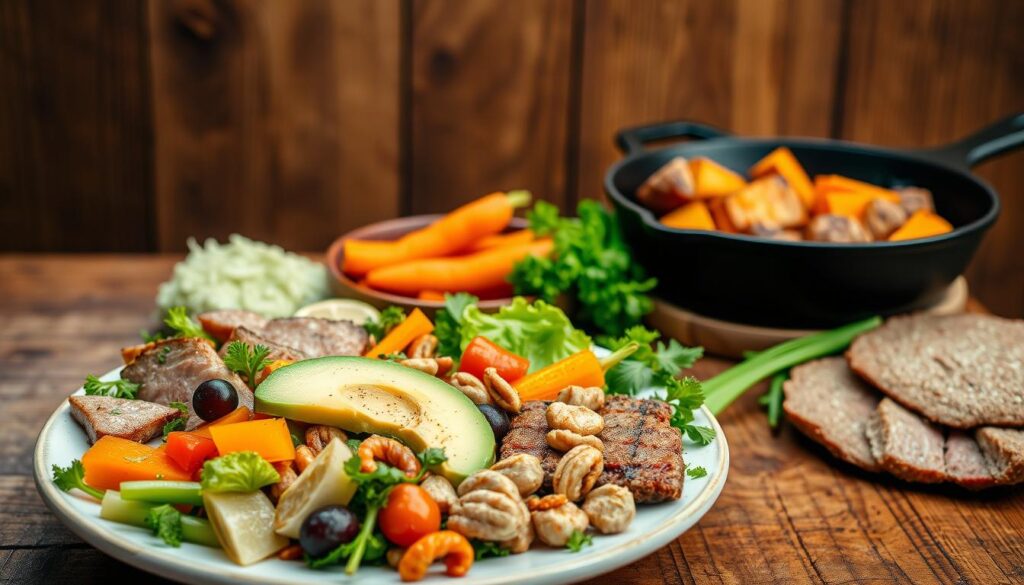
Plant-centered versus vegan: philosophy and modern use
Plant-centered usually means meals focused on plants without banning animal products. The term gained traction in the 1980s and now often gets used like a vegan diet, which excludes all animal products and may extend to lifestyle choices.
What the ancestral approach includes and excludes
The paleo diet emphasizes meat, fish, eggs, vegetables, fruits, nuts, and certain oils. Practical guidance commonly excludes grains (including rice and oats), legumes (peanuts, lentils), and dairy. Honey and eggs are usually allowed, while peanut butter and soy-based products are not.
Common ground and ingredient literacy
Both patterns push more fruits and vegetables, unprocessed foods, healthy fats, and home cooking. Several paleo diets in the literature averaged about 65 percent plants—a percent that challenges the idea that paleo is anti-plant.
Read ingredient lists, not labels: plant-forward packaged foods can contain added sugar, soy, dairy, or other noncompliant ingredients. People choose these approaches for health, ethics, or performance, and definitions shape nutrient needs (for example, calcium and B12 on a vegan diet).
- Practical tip: you can build a very plant-forward plate within a paleo framework, or include modest animal products in a plant-centered plan to match your goals.
Plant-Based vs Paleo Diet: Foods You Can and Can’t Eat
Food rules vary widely—below I map common allowed and excluded items so you can shop and cook with confidence. This quick guide helps you choose proteins, carbs, fats, and treats with clear examples and label tips.
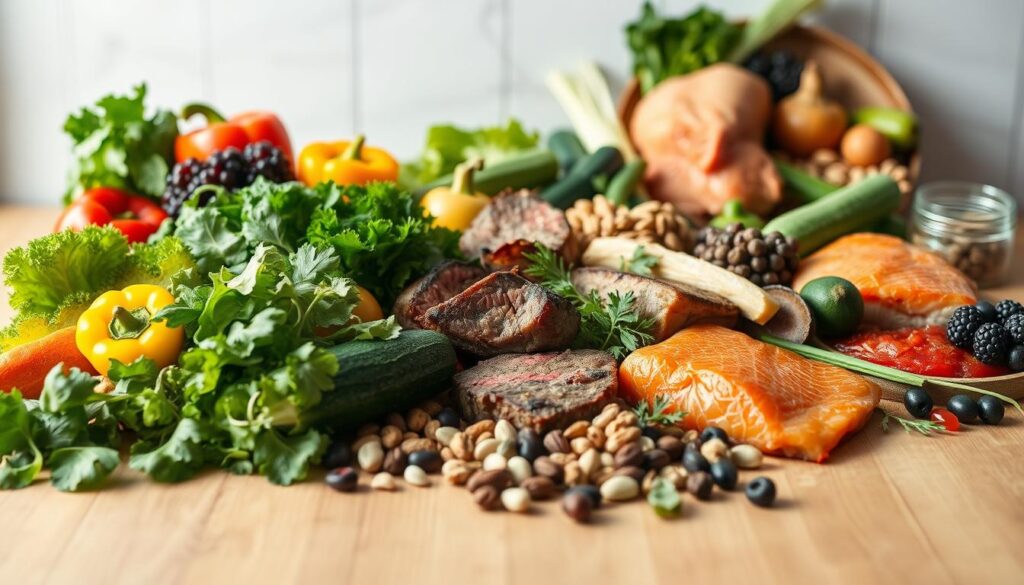
Protein sources
On paleo: build meals around meat, fish, and eggs plus non-legume nuts. Avoid beans, lentils, peanuts, and most soy products. Read jerky and sausage ingredients for hidden sugar and fillers.
On plant-focused plans: rely on tofu, tempeh, beans, lentils, peas, seeds, and textured plant proteins. Consider fortified foods for B12 and check sodium in convenience items.
Carbs, starches, and swaps
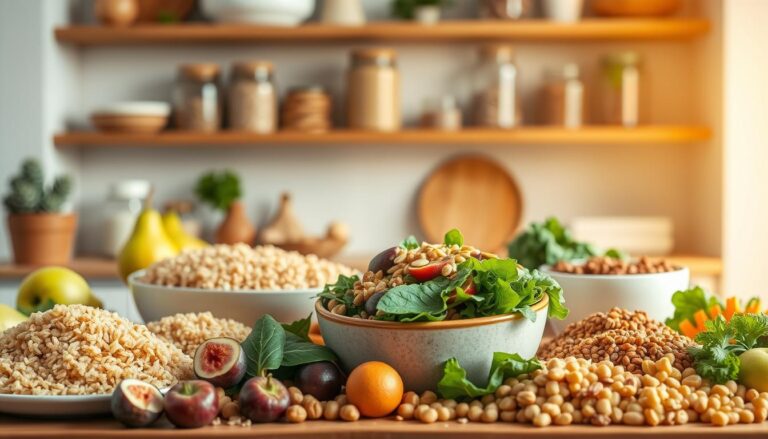
Paleo frameworks usually exclude whole grains like oats, quinoa, and rice. Use tubers, winter squash, and cauliflower rice as swaps. Plant-centered eating embraces whole grains, brown rice, and quinoa for fiber and variety.
Fats, treats, and processed products
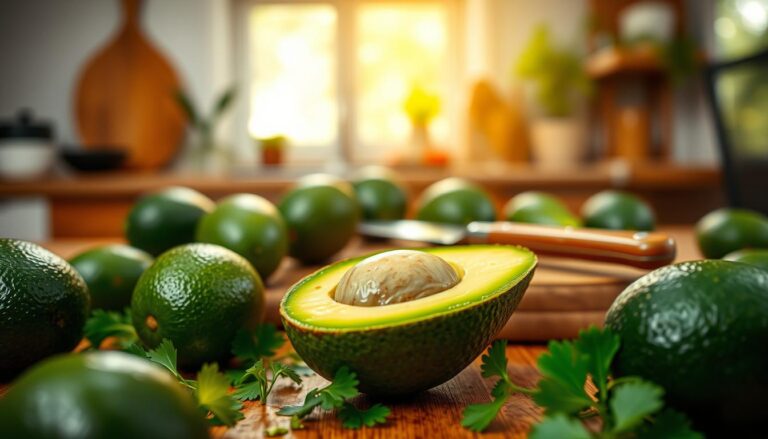
Both approaches favor olive and avocado oil. Paleo often adds coconut and non-legume nuts. Dark chocolate without refined sugar can fit in moderation.
“Short ingredient lists protect quality—scan for grains, legumes, and added sugar.”
For more detail on practical rules, see this overview at the Cleveland Clinic: paleo diet guide.
Health Outcomes and Evidence: Weight, Heart Health, and Nutrients
Clinical and observational work helps us weigh how different eating patterns affect weight, appetite, and heart risk over weeks to years. This section summarizes what trials and cohort studies show about fullness, labs, and nutrient gaps so you can make practical choices for better health.

How fullness and weight change with different plans
Higher protein and fewer processed foods tend to boost satiety per calorie. In several trials, paleo-style approaches increased fullness and supported short-term weight loss, likely from more protein and whole foods.
That said, both eating patterns can reduce weight when meals are minimally processed and portion-controlled. Added sugar and refined snacks blunt progress regardless of the label.
Heart markers, fiber, and micronutrient trade-offs
Vegan patterns often lower LDL cholesterol and correlate with lower heart disease risk in observational work. Paleo-style plans may improve triglycerides and glycemic control when they reduce refined flours and sugars.
Watch fiber and key vitamins. Strict exclusion of legumes and whole grains can cut soluble fiber and harm the microbiome unless offset with tubers, fruits, and vegetables. Vegan eaters should plan for B12, iron, calcium, and omega-3s; those excluding dairy should monitor calcium and vitamin D.
“Use outcomes—energy, labs, and body composition—to personalize your approach.”
- Protein at meals supports satiety and muscle retention; choose lean animal sources or complementary plant proteins.
- Healthy fats like olive oil, avocado, nuts, and fatty fish or algae-based omega-3s matter for heart health.
- Added sugar raises cardiometabolic risk; prioritize whole, naturally sweet foods.
Evidence is still evolving and often observational. For summaries of trial design and outcomes, see longer-term analyses and reviews such as this systematic review of dietary interventions.
Beyond the Plate: Environment, Sustainability, and Sourcing
From rice paddies to pasture, geography and farming methods drive the true footprint of what we eat. Understanding where ingredients come from helps you align food choices with long-term environmental and health goals.

How emissions vary by crop and animal
A long-term study analyzing 1967–2017 emissions highlights surprising hotspots: Indonesian rice, Brazilian soy, Brazilian beef cattle, Chinese rice, and Brazilian corn topped the list.
Emissions aren’t uniform: rice paddies emit methane, and soy expansion in Brazil often links to land-use change. That means some grains and plants can rival animal systems depending on location and practice.
Oils, processing, and sourcing
Question refined seed oil use: common oils like soy, corn, and canola are often GMO and tied to large-scale land conversion.
Consider cooking stability and transparency when picking an oil. Olive and avocado oils are simple swaps for many home cooks. If palm oil is used, prefer RSPO or MSPO certified products to reduce deforestation risk.
Country of origin and credible certifications
Country matters: Indonesian rice and Brazilian soy score high in emissions; source diversity lowers risk. Look for MSC for seafood and third-party audits for pasture-raised animal products.
“Your buying choices nudge markets toward better practices—seek clear labels and company transparency.”
- Practical swaps: favor olive or avocado oil, diversify carbs beyond high-impact rice, and choose certified palm where needed.
- Fact to remember: well-managed animal systems can help soil health; poorly managed crops can harm forests—avoid blanket assumptions.
Rules of the Road: Practical Guidelines for Each Approach
Small strategies—like protein targets and pantry swaps—make big differences. These rules help you plan meals, shop smarter, and eat out without losing progress.
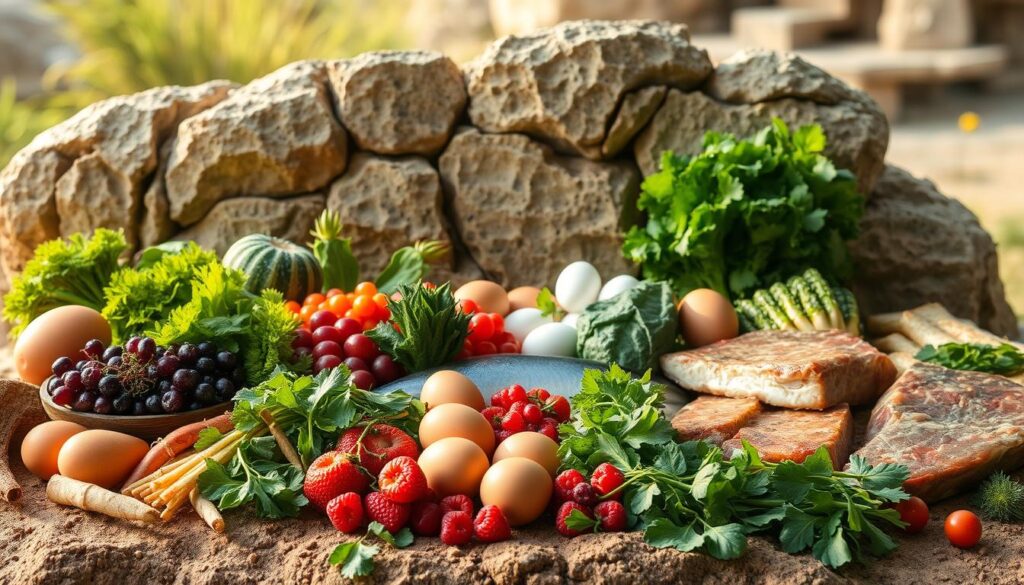
How to apply paleo pointers in daily life
Set protein targets: aim for roughly 19–35 percent of daily calories from protein to support satiety, recovery, and body composition. Adjust upward for active days.
Build plates: fill half with non-starchy vegetables, one quarter with protein (meat, eggs, or fish), and one quarter with starchier roots or fruit. Add a thumb of healthy fats.
- Skip list: remove gluten-containing grains and grains legumes; avoid dairy on strict plans and limit sweeteners to tiny amounts like honey.
- Pantry upgrades: choose quality meat and eggs, stock herbs and sauces without refined sugar or grain thickeners.
- Fat strategy: cook with olive or avocado oil; use coconut mainly for flavor; include nuts for crunch and calories.
“Anchor every meal with protein, rotate vegetables, and default to unprocessed foods.”
Eating out & rhythm: pick grilled meat or fish with vegetable sides, swap grains for extra veggies, and batch-cook proteins and roasted vegetables for quick assembly. Stay hydrated and consider mineral-rich broths if you lower sodium.
Lifestyle Fit: Budget, Shopping, and Meal Ideas in the United States
Practical choices—what you buy and how you cook—determine whether a plan is affordable and easy to keep. This section shows grocery lists, pantry swaps, and quick recipes that suit busy people.
Start with a flexible grocery list that balances cost and nutrition. Mix budget proteins like eggs and chicken thighs with canned salmon and occasional grass-fed beef. Buy seasonal vegetables and frozen fruits to cut waste.
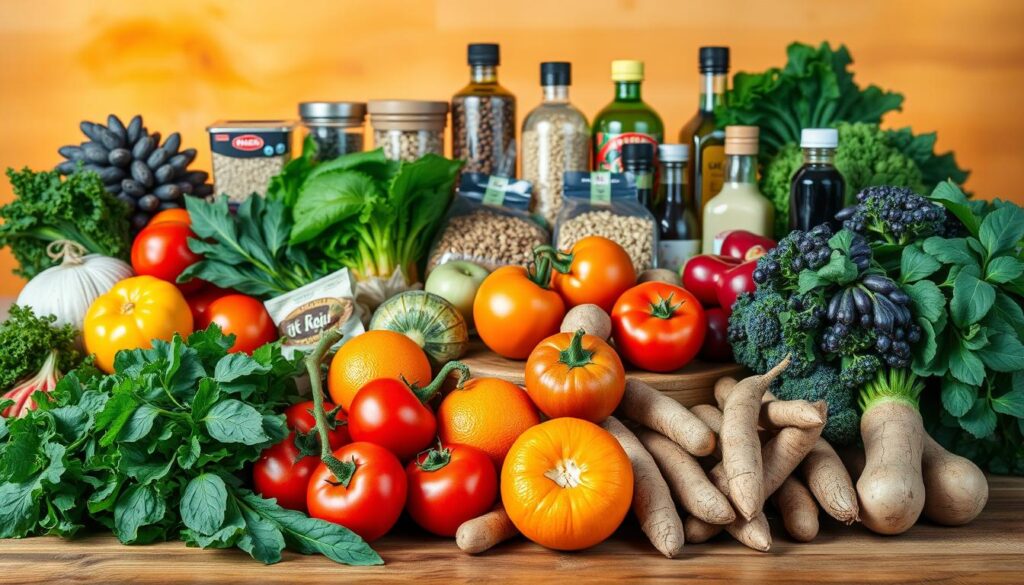
Pantry and product picks for fast meals
Keep these on hand: jerky (check ingredients), bone broth, avocado-oil mayo, coconut milk, nuts, and seeds. For plant-forward shelves add tofu, beans, lentils, brown rice, and peanut butter.
Quick meal ideas and batch cooking
- Cauliflower rice bowls with canned salmon and roasted vegetables.
- Moroccan-style shakshuka or egg-based skillet dinners.
- Beef-and-broccolini stir-fry using avocado or olive oil.
- Mushroom bolognese over spaghetti squash or brown rice.
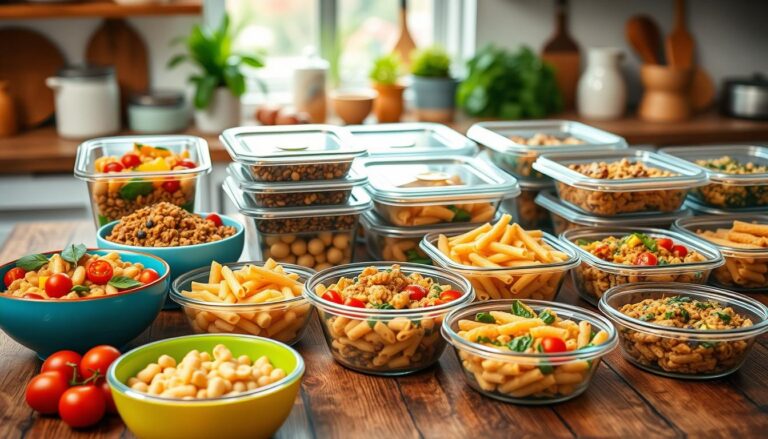
Snack plan: almonds, pumpkin seeds, fresh fruit, veggie sticks with guacamole, or coconut yogurt. Batch roast sweet potatoes and broccoli, make a pot of bone broth, and cook a protein to reuse all week.
“Scan ingredients for hidden flour, sweeteners, and seed oils; shorter lists protect quality.”
Conclusion
The right eating plan balances what you can maintain with evidence-based health gains. Choose steady habits over strict labels, and focus on whole, minimally processed foods that support long-term better health.
Observational and trial data show trade-offs: a paleo diet can boost satiety and support short-term weight loss when it centers on unprocessed choices, while a vegan diet often lowers LDL and improves some heart markers with careful nutrient planning.
Personalize your path: decide whether more plant foods with selective animal options or a stricter plan fits your goals, budget, and schedule. Mind nutrients—use fortification or supplements (for example, B12 or calcium/vitamin D) and recheck labs.
Practical action: pick one protein, two vegetables, one fruit, and one staple fat to prep this week. If you want more guidance, compare paleo and vegan choices to refine what works for you.
Stay flexible: adjust as training, medical feedback, or life changes shift your needs. Small, consistent steps using quality ingredients beat perfect rules from others every time.
FAQ
What’s the main difference between a plant-based approach and the paleo approach?
The plant-focused approach emphasizes foods primarily from plants—vegetables, fruits, whole grains, legumes, nuts, and seeds—and often limits or excludes animal products, while the paleo approach centers on foods presumed available to Paleolithic humans: meats, fish, eggs, vegetables, fruits, nuts, and healthy fats, and it excludes grains, most legumes, and dairy. Both favor unprocessed foods and more produce, but they differ on grains, legumes, and the role of animal-sourced foods.
Is a plant-focused plan the same as veganism?
Not always. Veganism is a philosophy and strict practice that excludes all animal products. A plant-focused plan can range from mostly plants with some animal foods (flexitarian) to fully vegan. The term is used broadly in modern nutrition to describe diets that prioritize plants for health and sustainability, while allowing flexibility in animal-product intake.
What proteins can I eat on each approach?
On a plant-centered plan you rely heavily on beans, lentils, tofu, tempeh, seitan, edamame, nuts, seeds, and whole grains for protein—and you can include eggs, dairy, fish, or meat if you choose. The paleo-style plan emphasizes animal proteins like beef, poultry, pork, fish, and eggs plus nuts and seeds; it generally excludes legumes and most soy-based products.
Are whole grains and rice allowed on the paleo-style plan?
No. Traditional paleo excludes whole grains and rice, seeing them as agricultural products introduced after the Paleolithic era. Instead it promotes tubers and starchy vegetables like sweet potatoes, cassava, and other non-grain carbs. Plant-focused approaches typically include whole grains such as brown rice, quinoa, oats, and barley for fiber and micronutrients.
Which fats and oils are recommended on each approach?
Both approaches promote unsaturated fats from sources like olive oil, avocado, nuts, and fatty fish. Paleo advocates also favor coconut oil and sometimes higher saturated-fat animal sources. Plant-forward diets emphasize olive oil, nut and seed oils, avocados, and limiting highly processed seed oils; sustainability and processing level can influence choice.
Can processed vegan foods and treats fit into a healthy plan?
Processed vegan foods and sweets can be convenient, but they may be high in added sugars, refined flours, and unhealthy fats. Both approaches prioritize whole, minimally processed foods for better satiety and nutrient density. Occasional treats are fine, but relying on processed alternatives undermines health goals.
Which approach is better for weight loss and satiety?
Both can support weight loss when they reduce ultra-processed foods and total calorie intake. Paleo-style menus that are higher in protein and fat can increase short-term satiety, while plant-forward plans rich in fiber from vegetables, fruits, legumes, and whole grains support fullness and long-term gut health. Individual response varies, so choose the pattern you can sustain.
What nutrient gaps should I watch for with each plan?
Plant-centered plans can risk low vitamin B12, vitamin D, iron (bioavailability concerns), calcium, and sometimes omega-3 long-chain fats—especially if fully vegan. Paleo-style plans may be lower in fiber and certain phytonutrients, and they can risk B vitamins from whole grains and higher saturated fat intake if not balanced. Monitoring and targeted supplementation or food choices can close gaps.
How do the two approaches compare environmentally?
Diets higher in plant foods generally have lower greenhouse gas emissions and land use than diets high in ruminant meat. However, sustainability also depends on the crop or animal, production methods, and sourcing—rice and beef differ widely, and responsibly certified oils or sustainably raised fish change impacts. Local sourcing, reducing waste, and choosing lower-impact proteins improve outcomes.
Are certain oils more sustainable than others?
Yes. Sustainability varies: some large-scale soy, corn, and canola operations involve GMOs and intensive practices, while responsibly produced palm oil can meet certification standards like RSPO; similarly, olive and avocado production have different land and water footprints. Look for reputable certification and transparent sourcing when sustainability is a priority.
Can I follow a paleo pattern on a budget in the United States?
It’s possible with planning: prioritize less expensive cuts of meat, frozen fish, eggs, seasonal vegetables, and bulk nuts and seeds. Bone broth, canned fish, and organ meats stretch protein dollars. Shopping sales, using bulk bins for nuts and seeds, and simple recipes like roasted vegetables and stews help keep costs down.
What groceries and staples are useful for both approaches?
Common useful items include leafy greens, cruciferous vegetables, seasonal fruit, nuts and seeds, olive oil, avocados, eggs, frozen fish or chicken, quinoa or brown rice (for plant-forward plans), canned beans (for plant-forward), sweet potatoes, and spices. Jerky and bone broth work for paleo-style meal prep; tofu and tempeh support plant-protein variety.
Is a hybrid “vegan paleo” approach realistic or recommended?
True paleo excludes legumes and soy, so a strict paleo-vegan hybrid is difficult. However, many people adopt a middle path—focusing on whole, minimally processed plant foods while occasionally including sustainably sourced animal products or avoiding gluten and refined foods. The most effective choice is the one you can maintain and that meets your nutrient needs.
How should I choose between these patterns for heart health?
For heart health, emphasize fiber-rich plants, unsaturated fats, whole-food proteins, and minimal ultra-processed foods. Evidence supports plant-rich diets for lowering blood pressure and improving lipid profiles; paleo-style plans that reduce processed carbs and increase vegetables can also benefit markers if saturated fat is not excessive. Personal risk factors and lab results should guide choices.
Do studies show one pattern is superior for long-term health?
No single pattern is universally superior. Research supports benefits from diets rich in unprocessed plant foods for longevity and chronic-disease risk reduction, while lower-processed, higher-protein approaches can aid metabolic health and weight control. Long-term adherence, nutrient adequacy, and overall food quality matter most.
How can I prevent nutrient deficiencies when following either pattern?
Focus on variety and nutrient-dense choices: eat a wide range of vegetables and fruits, include nuts and seeds, choose fortified foods if needed, and consider supplements like vitamin B12, vitamin D, iodine, or omega-3 DHA/EPA when appropriate. Get periodic blood work and consult a registered dietitian or physician for personalized guidance.

Don’t Miss These Picks