


Could one simple practice calm your body’s alarm system in under two minutes? This introduction shows how targeted steps can quickly shift your state from reactive to relaxed.
A practical reset is a short, science-informed sequence you can do at your desk, in a car, or between meetings to calm the nervous system and ease anxiety. Techniques like deep diaphragmatic breathing, humming, and a brief cold face splash tap pathways that influence heart rate and digestion.
Many people report a noticeable change in minutes because the brain and heart respond quickly to longer exhales or a cold stimulus. These methods are low-risk, evidence-backed, and require no special gear, making them easy to add to daily lifestyle habits.
This guide will cover simple breathing protocols, cold exposure, mindful movement, and when to seek medical advice. For a practical primer and related techniques, see this concise overview from a chiropractic perspective at a focused guide.
Key Takeaways
- Fast effects: Longer exhales and cold splashes can lower heart rate within minutes.
- Simple tools: Breathing, humming, laughter, and short cold exposure are practical and accessible.
- Whole-body benefits: These practices support digestion, mood, and immune signaling.
- Science-informed: Low-risk behaviors backed by physical therapy and integrative care.
- Consistency matters: Quick relief is possible, but resilience grows with regular practice.
Why a Vagus Nerve Reset Works for Fast Calm in the Present Moment
When stress hits, targeted actions can shift your state from alarmed to steady in sixty seconds or less. These are quick, evidence-informed steps that send clear signals to your parasympathetic nervous system and change your body’s response in real time.
User intent: what “fastest” means for fight-or-flight
Fast means interruption within 30 seconds to a few minutes. People need tools that halt rising anxiety and restore clarity quickly.
Short practices such as longer exhales, humming, or a 20–30 second cold exposure deliver precise input to the nerve pathways that control heart rate and breathing.
What research shows about immediate relaxation responses
Research shows that slow, deep breathing with extended exhales activates the parasympathetic nervous branch through the diaphragm and lowers heart rate within minutes.
Clinical studies also report rapid shifts in mood and heart rate variability after brief breathing, laughter, or cold exposure. For a concise research overview, see this summary.
- Quick use: 60-second breathing before a meeting or a 20–30s cold splash after a tense call.
- Limits: acute resets help now; chronic issues need ongoing care.
- Safety: choose breathing if cold exposure feels unsafe or uncomfortable.
| Technique | Time | Immediate effect |
|---|---|---|
| Slow deep breathing (long exhales) | 30–60 sec | Lower heart rate, calmer focus |
| Cold face splash / short rinse | 20–30 sec | Triggers diving reflex, slows heartbeat |
| Humming or gentle laughter | 15–60 sec | Chest/throat vibrations, tension relief |
Meet Your Parasympathetic Powerhouse: The Vagus Nerve and Your Nervous System
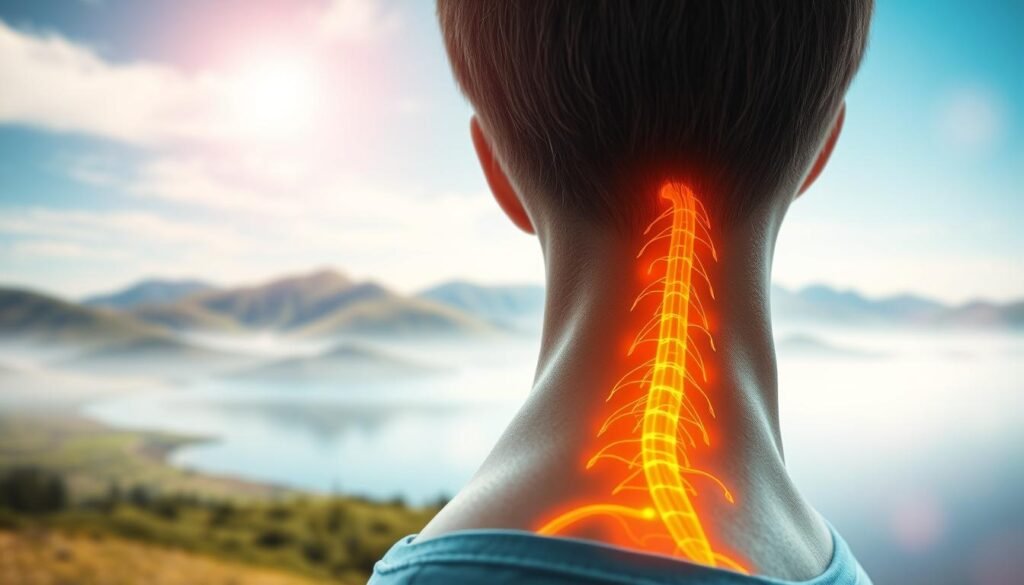
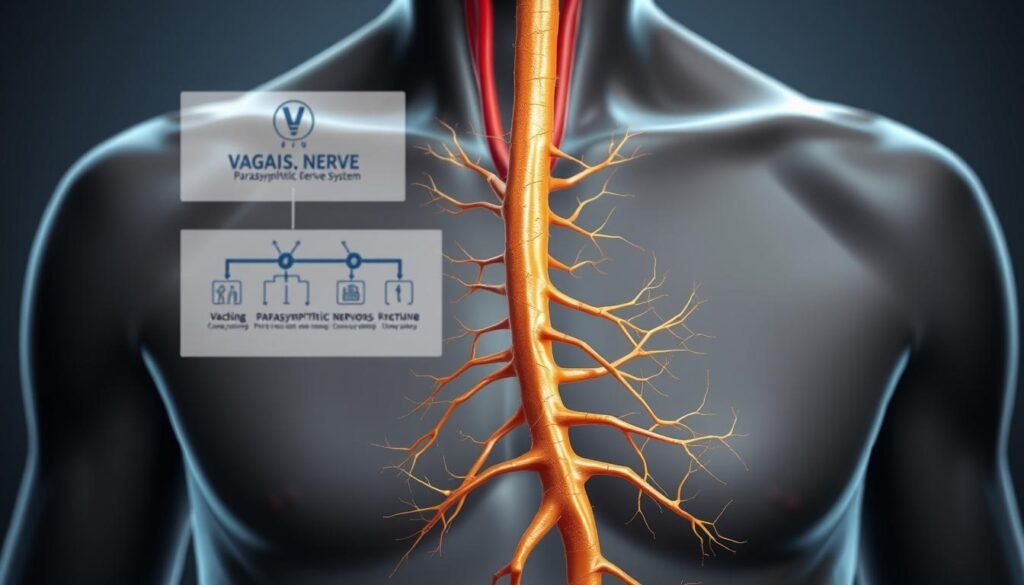
This major cranial pathway starts in the medulla and runs through the neck into the chest and abdomen. It carries both motor and sensory fibers that shape heart rhythm, breathing, digestion, speech, and reflexes.
One part of the parasympathetic nervous system, the 10th cranial nerve acts like the body’s main highway for rest-and-digest signals.
It supplies about 75% of parasympathetic fibers and helps steady heart rhythm, smooth digestion, modulate breath, and influence mood and immune signaling.
When vagal tone is low, people may notice poor sleep, migraines, fluctuating heart rate, bloating, constipation, or heightened anxiety.
Tone reflects how well this nerve can shift you from stress to calm. Think of it as a brake pedal: a gentle tap slows the heart and calms the system without shutting you down.
- Chemical support: acetylcholine mediates parasympathetic actions; dietary choline supports its synthesis and neural health.
- Balance matters: the sympathetic system readies you for action; the parasympathetic restores you—healthy oscillation is the goal.
- Clinical note: not all symptoms mean dysfunction, but clusters of GI issues plus stress sensitivity can point to low parasympathetic performance.
Understanding this roadmap makes the upcoming techniques and tracking methods easier to apply and more effective in daily life.
Vagus Nerve Reset: Core Techniques You Can Do Anywhere
A few intentional breaths and simple sounds can lower arousal far faster than most people expect. Short, repeatable moves—breathing, humming, and slow movement—send clear safety signals to the nervous system and help the body shift toward calm.
Deep diaphragmatic breathing with longer exhales
Sit or lie comfortably with one hand on your chest and one on your abdomen. Inhale through the nose so the belly rises, then exhale through the mouth, making the out-breath longer.
Quick protocol: 4-second inhale, 6–8-second exhale. Repeat 6–10 cycles for a 60–90 second reset. Repeat daily to build tone.
Humming, chanting, and laughter to stimulate pathways
Inhale deeply and hum for 2–3 minutes, feeling chest and throat vibrations. Or allow 2–3 minutes of belly laughter—fake it if needed. These acoustic cues help stimulate vagal pathways and lift mood and heart rhythm.
Mindful movement: gentle yoga, Tai Chi, and progressive relaxation
Try 5–10 minutes of slow yoga flows or Tai Chi linked to longer exhales. Finish with a minute of humming or relaxed laughter to pair mechanical and acoustic stimulation for a stronger effect.
| Technique | Duration | Why it helps |
|---|---|---|
| Diaphragmatic breathing | 1–10 min | Lengthened exhale nudges parasympathetic tone |
| Humming / chanting | 2–3 min | Acoustic vibration stimulates pathways that calm the heart |
| Gentle movement | 5–10 min | Breath-linked motion reduces muscle tension and stress |
Breathing Protocols That Shift You Out of Fight-or-Flight Fast
Controlled breath patterns give you a quick, practical tool to interrupt stress and regain clarity. These steps focus on diaphragmatic mechanics and timing to nudge heart rate and parasympathetic tone.
Box breathing — step-by-step:
- Inhale through the nose for 4 seconds (belly rises).
- Hold gently for 4 seconds (don’t strain).
- Exhale through the mouth for 4 seconds (soft abdominal recoil).
- Hold out for 4 seconds. Repeat until calm.
Beginner option: shorten holds to 2–3 seconds or skip holds entirely. Comfort matters more than exact timing.
Why timing helps: Respiratory sinus arrhythmia means inhales lightly raise heart rate and exhales lower it. Longer exhales bias the vagus toward calming the system and slowing heart rate.
Paced templates: try 4–6 breaths per minute, 4-7-8 for sleep, or a 5.5 bpm set for midday focus. Keep breathing effortless and diaphragmatic.
| Protocol | Duration | Best use |
|---|---|---|
| Box breathing (4-4-4-4) | 1–3 min | Before a presentation or stressful call |
| 4-7-8 | 2–5 min | Wind-down for sleep or evening relaxation |
| 5.5 breaths/min paced | 5 min | Midday reset to improve focus and recovery |
Track how many cycles until your shoulders drop or your mind clears—this becomes your personal dose. If holds cause discomfort, eliminate them and keep the exhale longer than the inhale.

Safety note: those with breathing or cardiac issues should use gentle tempos and consult a clinician. Pair breathing with a brief hum or stretch to reinforce relaxation and improve long-term tone and heart rate variability.
Cold Exposure Methods: From Face Splashes to Cold Showers
Brief cold contact triggers a protective reflex that slows the heart and moves the system toward calm. Use short, practical methods to get a fast, measurable change in heart rate and breathing.
What the diving reflex does
Cold on the face activates trigeminal pathways and mixed cranial fibers, producing a fast slowing of the heart rate. This reflex shifts the nervous system toward a calmer state by changing blood flow and breathing patterns.
Quick-start options
- Splash cold water on the face for 20–30 seconds while keeping long exhales.
- Finish a warm shower with a 20–30 second cold rinse as a simple daily practice.
- Apply a wrapped ice pack to the cheeks or side of the neck for 20–30 seconds.
Safety, progression, and practical tips
Start with wrists or the face, then build to 60-second cool rinses if comfortable. Keep breathing steady to avoid breath-holding spikes.
Limit exposures to 1–3 short sessions per day as reset buttons. If you have heart disease, Raynaud’s, pregnancy, or severe dizziness, consult a clinician first.
Small trials show ice massage to the head and spine can lower heart rate and improve HRV; track effects and pair a cold splash with 60 seconds of paced breathing for stronger nerve stimulation. For clinical context, see this review on brief interventions at controlled cold stimulation.
Manual and Physical Therapy Approaches to Vagus Nerve Stimulation
Gentle hands-on methods can support quick shifts in the nervous system and measurable relaxation. These approaches pair touch with slow breathing to enhance parasympathetic nervous system activity and comfort.
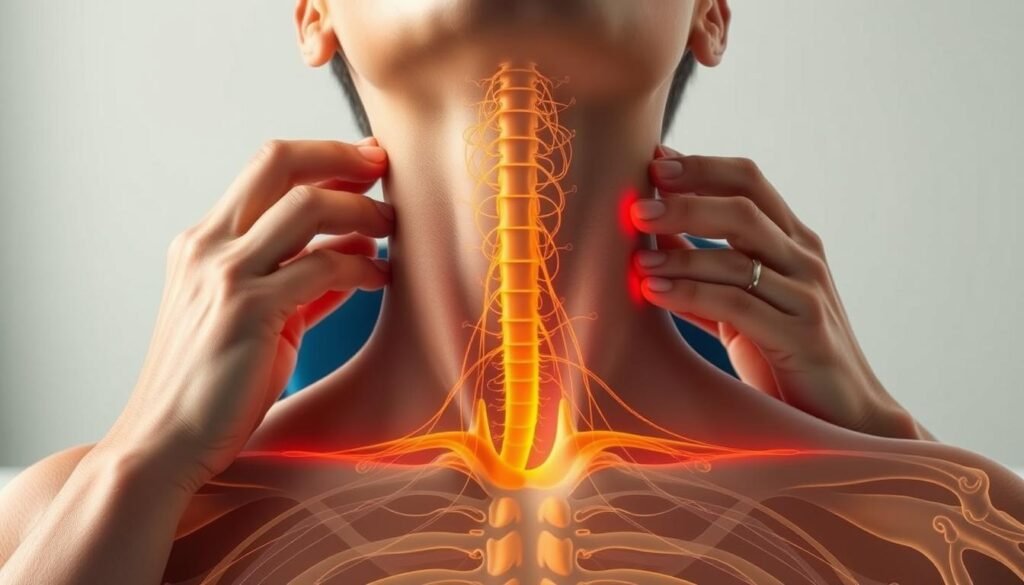
Gentle strokes along the upper trapezius and sternocleidomastoid ease tension near key nerve pathways. Try slow, moderate-pressure glides from shoulder to base of the skull for 60–90 seconds.
Suboccipital release with light fingertip holds can free tight tissue under the skull and reduce head and neck strain.
Ear-focused care and cranial touch
Light massage around the concha and tragus engages auricular fibers and can feel relaxing. Noninvasive ear stimulation is another option in clinical settings.
Pairing hands-on work with breath
Invite a 4–6 count inhale and a longer exhale during manual work. Coordinated breathing boosts nerve stimulation and deepens the calming effect.
Safety note: avoid strong pressure over the carotid sinus. Do not perform carotid sinus massage at home; that is a medical procedure reserved for clinicians.
| Area | Technique | Quick effect |
|---|---|---|
| Upper trapezius | Slow moderate strokes (1–2 min) | Reduces shoulder tension, aids relaxation |
| Suboccipital | Light fingertip release (30–60 sec) | Eases jaw/neck tightness, supports calm |
| Auricular | Gentle concha/tragus massage (1–2 min) | Stimulates auricular branch, lowers arousal |
| Self-care tool | Soft ball wall press (1–2 min) | Accessible pressure without overdoing it |
- Self-care tip: two-minute upper-trap and SCM massage after desk work can downshift stress.
- Posture: bring your head over shoulders and soften the jaw to ease pathway irritation.
- When to seek help: consult a physical therapist or qualified bodyworker for persistent pain or dizziness.
Nutrition and Lifestyle to Improve Vagal Tone Over Time
Small, steady changes in diet and daily routine compound into clearer digestion and calmer days. Targeted nutrients and low-inflammatory habits support long-term nervous system balance and improve tone.

Focus on foods and practices that feed brain chemistry and gut health. Prioritize choline sources (eggs, meat, nutritional yeast) to support acetylcholine production. Add omega-3 rich fish, vitamin B12, and fermented foods for probiotics to help digestion and mood.
Diet patterns and inflammation
Start with a Mediterranean-style pattern for better HRV and reduced inflammation. If bloating or GI discomfort persists, consider a short Paleo-style elimination under guidance.
Daily habits that build tone
- Move daily: aerobic work, mobility, and occasional resistance training improve HRV.
- Restore: meditation, music, laughter, and forgiveness lower background stress.
- Social connection: regular positive contact signals safety to the system.
Practical plan: add one change per week—try a fatty fish dinner, a 10-minute walk, or a 5-minute breath routine. Pair nutrition and lifestyle with quick techniques for lasting health benefits and reduced anxiety.
How to Track Progress: Heart Rate Variability and Signs of Change
Tracking small physiological shifts helps you see whether short interventions add up to real resilience. Use objective metrics and simple self-checks together to judge whether vagus nerve reset practices and other techniques are improving your nervous system over time.
Using wearables to monitor HRV trends
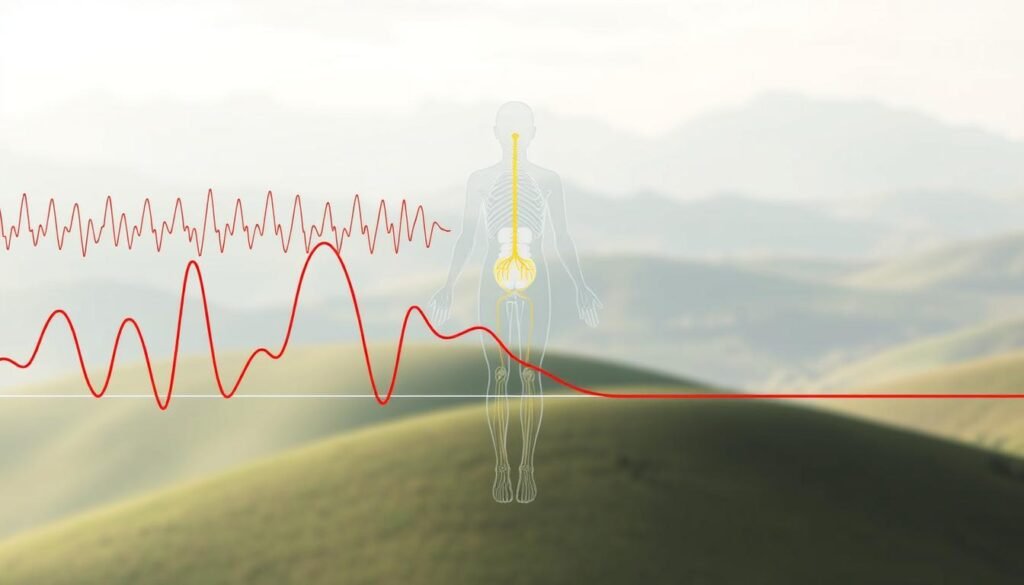
Heart rate variability (HRV) measures the time variability between heart beats and reflects autonomic balance. Higher, stable trends usually indicate stronger vagal tone and better adaptability.
Use devices like Apple Watch or Oura to build a personal baseline. Focus on weekly averages and direction of change rather than single-day highs or lows.
What to watch for in how you feel
Numbers tell one part of the story; symptoms complete it. Track digestion, sleep quality, mood stability, and how quickly you recover after a stressor.
- Log interventions (box breathing, cold exposure, short movement) so you can link actions to changes in HR rate and HRV.
- Note confounders: alcohol, poor sleep, illness, or dehydration can suppress HRV temporarily.
- Create a simple dashboard: weekly HRV average, lowest nightly HRV, and morning readiness to guide adjustments.
Actionable rule: if HRV trends down for several weeks, reduce training load, add an extra breathing break, or cut stimulants for a few days.
For clinical context on brief cold and controlled stimulation effects, see this review on controlled cold stimulation. Small, steady wins—like a higher weekly average or faster recovery—are meaningful signs of progress.
From At-Home Methods to Medical Options: When to Consider Electrical Vagus Nerve Stimulation
When basic self-care no longer clears symptoms, it’s reasonable to explore device-based options under clinical guidance. Most people should start with low-cost, low-risk techniques and only consider devices if function remains limited.
How noninvasive ear or neck devices differ from implanted systems
Noninvasive devices (taVNS at the ear, ctVNS at the neck) use surface electrodes and are easy to trial. Protocols vary and scientific standards are still developing.
Implanted electrical devices are surgically placed and are FDA-approved for epilepsy and treatment-resistant depression. They deliver chronic pulses to a cranial nerve trunk and require specialist care.
What to expect: benefits, side effects, and realistic outcomes
- Spectrum: begin with breathing, movement, and nutrition; try noninvasive trial devices next; reserve implants for specific medical indications.
- Approvals: implanted devices are established for epilepsy and treatment-resistant depression; other uses remain investigational.
- Common side effects: voice changes, hoarseness, cough, throat tingling, breathing difficulty, infection, and rare facial nerve complications.
- Variability: benefits and parameters for noninvasive stimulation differ; clinician guidance improves safety and outcomes.
When to consult a clinician in the United States
If persistent, function-limiting symptoms remain despite diligent self-care, seek evaluation. Start with primary care for referral to a neurologist, physiatrist, or a physical therapist trained in device protocols.
“Comprehensive assessment should include cardiovascular status, sleep, mental health, and gastrointestinal function before any device-based treatment.”
| Option | Access | Typical use |
|---|---|---|
| Self-care (breath, cold, movement) | Direct | Immediate, low-cost first-line |
| Noninvasive taVNS / ctVNS | Clinician or consumer devices | Trialable, parameters vary |
| Implanted VNS | Surgical, specialist referral | FDA-approved for epilepsy, TRD |
Practical notes: try a supervised noninvasive trial to gauge effects on heart rate and symptoms before considering surgery. Always review risks, benefits, alternatives, and cost. Keep using breathing, movement, and nutrition to support the nervous system even if you pursue device-based treatment.
Conclusion
Quick, low-cost practices send clear safety signals through the vagus nerve and help you calm in real time.Pairing short techniques with steady lifestyle changes builds lasting resilience and better heart rhythm, digestion, mood, and immune recovery.
Start small: pick one breathing exercise and one cold exposure method to practice this week. Track how your body and HRV respond, and note shifts in anxiety or energy.
Be consistent. Daily micro-practices plus sleep, movement, and social connection improve tone over weeks. If symptoms persist, discuss noninvasive or implanted stimulation options with a clinician while keeping foundational self-care.
Experiment, observe, and adapt—your nervous system learns. For a practical primer and extra guidance, see this vagus nerve reset guide.
FAQ
What exactly is a vagus nerve reset and how quickly does it calm fight-or-flight?
A vagus nerve reset refers to short, targeted practices that stimulate the parasympathetic system to lower heart rate and reduce arousal. Techniques like slow diaphragmatic breathing, cold-face splashes, humming, or brief neck stimulation can produce measurable relaxation within 30 seconds to a few minutes for many people. Results vary by fitness, stress level, and consistency, but these moves are designed for immediate, practical downshifts in the moment.
Which breathing technique works fastest to shift out of fight-or-flight?
Paced breathing with longer exhales—typically a 4–6 second inhale followed by a 6–8 second exhale—often works fastest. Box breathing (equal inhales/exhales with holds) and stimulated exhale protocols also help. These patterns slow heart rate and increase parasympathetic tone by engaging the diaphragm and baroreceptor reflexes.
How does cold exposure lower heart rate so quickly?
Cold on the face or upper chest activates the mammalian diving reflex, which shifts autonomic balance toward parasympathetic dominance and slows heart rate. Short actions—face immersion, a cold-water splash, or a 30–60 second cold shower finisher—can rapidly trigger this response. People with heart conditions should consult a clinician first.
Are humming, chanting, and laughter really effective for stimulation?
Yes. Humming and gentle chanting vibrate the throat and stimulate afferent fibers linked to parasympathetic pathways, increasing tone and calming breathing. Laughter also modulates breathing patterns and releases neurochemicals that reduce stress. These are accessible, noninvasive tools you can use anywhere.
Can manual therapy or neck massage stimulate parasympathetic activity?
Targeted neck and shoulder massage, gentle cranial techniques, and auricular (ear) stimulation can influence nearby pathways and promote relaxation when combined with breath work. Use qualified practitioners for deeper techniques; avoid aggressive pressure around the carotid sinus and always inform therapists of cardiovascular issues.
What lifestyle and nutrition steps improve vagal tone over time?
Long-term improvements come from regular movement, social connection, quality sleep, and stress management. Nutrition that supports the nervous system—omega-3 fatty acids, choline, B12, and probiotics—plus anti-inflammatory dietary patterns like Mediterranean-style eating help. Consistent practices matter more than single interventions.
How can I measure whether these practices are improving my parasympathetic function?
Heart rate variability (HRV) measured with wearables is a practical objective marker—rising baseline HRV over weeks suggests improved recovery and parasympathetic tone. Subjective signals—faster stress recovery, steadier mood, improved digestion and sleep—are also important indicators.
When should someone consider medical or device-based stimulation instead of at-home methods?
Consider noninvasive transcutaneous VNS (taVNS/ctVNS) or implanted devices if you have treatment-resistant depression, epilepsy, chronic inflammatory conditions, or persistent autonomic dysfunction and conservative measures haven’t helped. Discuss options with a neurologist or cardiologist in the United States to weigh benefits, side effects, and access.
Are there safety concerns or groups who should avoid cold exposure and intense stimulation?
People with uncontrolled hypertension, heart disease, recent stroke, or severe arrhythmias should avoid abrupt cold exposure and should consult a clinician before trying electrical or intense stimulation. Pregnant people and those with certain ear or neck conditions should seek professional guidance for manual or auricular techniques.
How often should I practice these techniques to get lasting benefits?
For fast relief, use techniques as needed in acute moments. For lasting improvement in tone and resilience, practice daily—short sessions (2–10 minutes) of breathing, mindful movement, or cold finishes—plus consistent lifestyle habits produce the best long-term gains.



Don’t Miss These Picks