


Can gently tapping your face and upper body help you feel calmer when stress builds? EFT tapping may help some people manage anxiety and emotional distress, but scientists are still studying how it works.
Emotional Freedom Techniques (EFT) combines light fingertip tapping with focused statements about a feeling or problem. The tapping locations come from traditional acupuncture theory, while the spoken statements share features with modern psychological approaches.
You can try this practice at home without needles, special equipment, or a paid program. Research suggests possible benefits, especially for anxiety, but claims about meridian energy, brain changes, and long-term treatment effects need more evidence.
This guide explains the tapping points, walks you through a beginner-friendly routine, examines the research, and shows how to use EFT safely alongside other ways of managing stress.
Key Takeaways
- EFT tapping combines touch and focused attention. You gently tap specific points while acknowledging an uncomfortable feeling.
- Research on anxiety is promising. Some controlled studies report symptom improvements, although the evidence has important limitations.
- Meridian pathways remain a traditional theory. Researchers have not established that energy meridians explain EFT’s effects.
- You can begin in a few minutes. Choose one issue, rate your distress, use a setup phrase, tap through the points, and reassess.
- EFT is an optional support tool. Serious anxiety, depression, PTSD, and persistent physical symptoms deserve appropriate professional care.
Helpful Products at a Glance
For beginners who prefer illustrated tapping-point instructions and a portable practice reference, Gavin Bowtell’s EFT pocket book offers an optional learning aid. You do not need to purchase it to follow this guide.

What Is EFT Tapping, and Where Did It Come From?
EFT is a self-help and therapeutic technique that combines gentle tapping with attention to thoughts, feelings, or physical sensations. Some practitioners call it psychological acupressure because it uses locations associated with acupuncture without inserting needles.
The modern approach developed from Roger Callahan’s Thought Field Therapy. Gary Craig simplified its procedures during the 1990s, making the sequence easier to learn and repeat.

What are meridian points?
In Traditional Chinese Medicine, meridians are believed to be pathways through which vital energy, often called qi, flows. Acupuncture and acupressure use selected points along these proposed pathways.
EFT borrows some of these point locations. However, meridians have not been confirmed as physical energy channels by modern anatomy. You can try tapping without accepting the traditional energy explanation.
How is EFT different from acupuncture?
Although both approaches refer to acupoints, they are not the same treatment.
- Acupuncture: A trained practitioner inserts thin needles at selected locations.
- Acupressure: Fingers or other tools apply pressure to particular points.
- EFT tapping: You lightly tap points while focusing on a feeling and repeating short statements.
EFT is easier to practice independently because it does not involve needles. That convenience does not mean it produces the same effects as acupuncture or can treat the same conditions.
How to Do EFT Tapping: A Step-by-Step Beginner’s Guide
A basic tapping session involves five stages. Begin with an everyday concern, such as nervousness before a meeting, rather than a deeply upsetting traumatic memory.
Step 1: Choose one issue and rate your distress
Identify a specific feeling or situation. For example, you might feel nervous about an upcoming presentation.
Rate your current distress from 0 to 10:
- 0: No distress
- 5: Moderate distress
- 10: The strongest distress you can imagine
Notice whether you feel tension in your shoulders, stomach, or jaw. These observations can help you recognize changes, although your ratings are personal estimates rather than medical measurements.
Step 2: Create a setup statement
The setup statement names your concern while adding an accepting response.
Example: “Even though I feel nervous about tomorrow’s meeting, I accept how I feel right now.”
Repeat your statement while gently tapping the fleshy outer edge of your opposite hand, below the little finger. This is commonly called the karate-chop point.
You can adjust the wording. If saying “I completely accept myself” feels unnatural, a gentler phrase such as “I’m willing to be kind to myself” is fine.
Step 3: Tap through the nine points
Use two or three fingertips and tap gently, usually about 7–9 times at each location. As you move through the points, repeat a short reminder phrase such as “this nervous feeling.”

- Side of hand: The fleshy outer edge below your little finger, used for the setup phrase.
- Eyebrow: The inner end of your eyebrow, near the bridge of your nose.
- Side of eye: The bone beside the outer corner of your eye.
- Under eye: The cheekbone directly below your eye.
- Under nose: The area between your nose and upper lip.
- Chin: The crease between your lower lip and chin.
- Collarbone: Just below the collarbone, near where it meets the breastbone.
- Underarm: Along your side, roughly a hand’s width below your armpit.
- Crown: The top center of your head.
Move comfortably through the sequence without rushing. Avoid pressing on your eyeballs, irritated skin, or painful areas. You can tap on one side of your body or both.
For another explanation of the point locations, see the Cleveland Clinic’s EFT tapping guide.
Step 4: Reassess how you feel
After one round, pause and check your distress rating again. If you began at 7 and now feel closer to 5, that may be a useful change to record.
You can repeat another round if it feels comfortable. Some structured routines use five to seven rounds, but there is no need to force yourself through a set number or continue until your rating reaches zero.
Step 5: Finish and record your experience
Notice your breathing, posture, and mood. If you want to track your practice, write down:
- The concern you worked on
- Your distress rating before and after
- The number of rounds you completed
- Whether you felt calmer, unchanged, or more distressed
If uncomfortable feelings increase, stop and use a grounding activity, such as noticing your feet on the floor and naming objects around you.
What Does Science Say About EFT Tapping?
Studies have examined EFT for anxiety, trauma symptoms, stress hormones, pain, sleep, and cravings. Some results are encouraging, but research quality varies widely.
It is important to separate three questions: Does tapping help some people feel better? Does it outperform other useful treatments? And do the exact meridian points explain the results? These questions do not yet have equally strong answers.
Anxiety and stress: The most encouraging findings
A 2025 systematic review included seven randomized controlled trials involving 506 participants. EFT reduced anxiety more than no intervention in the six studies making that comparison.
Results against active approaches, including breathing exercises, muscle relaxation, and cognitive behavioral therapy (CBT), were less clear. The reviewers identified concerns involving self-reported outcomes, blinding, and differences among the studies.
The National Center for Complementary and Integrative Health also recognizes some evidence for anxiety relief while emphasizing the need for further research.
Cortisol, heart rate, and nervous system activity
Cortisol is a hormone involved in the body’s stress response. Some EFT studies have reported lower cortisol levels and changes in other physical stress measures after sessions.
However, a short-term change in cortisol or heart rate does not prove that EFT has lasting health benefits. Stress markers naturally change throughout the day, and study conditions can influence results.
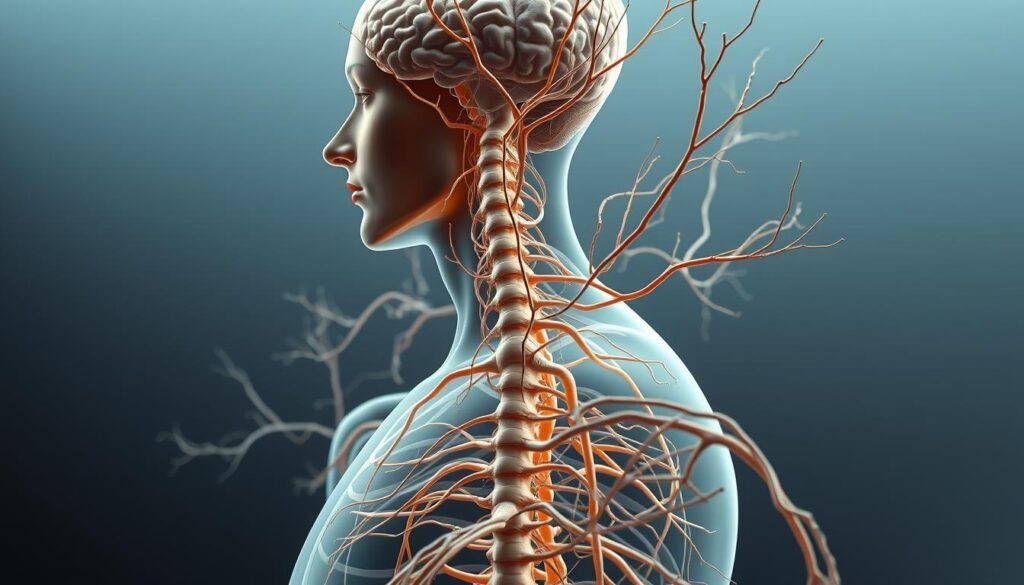
Researchers have proposed that focused attention, rhythmic tapping, and relaxation may affect the body’s stress response. Possible roles for the amygdala, which helps process threats, and the parasympathetic nervous system, which supports rest, are being investigated.
These brain-based explanations remain hypotheses. Researchers have not established that tapping specific meridian points directly resets the amygdala or activates a particular nerve pathway.
Does tapping the exact meridian point matter?
This is one of the biggest unanswered questions.
A 2020 review of comparative studies reported some evidence favoring acupoint tapping over comparison procedures. However, a published critique challenged its methods and conclusions.
EFT contains several elements that could help explain its effects:
- Focused attention on an uncomfortable feeling
- Acceptance-based statements
- Repeated gentle touch
- A structured routine that encourages a pause
- Expectations and the supportive setting in guided sessions
Further well-designed comparisons are needed to determine whether tapping traditional acupoints adds benefits beyond these other components.
PTSD and depression: Promising results, important limits
Some clinical studies report improvements in post-traumatic stress disorder (PTSD) and depression symptoms. A 2025 PTSD meta-analysis included 13 studies involving 621 participants and reported reductions in PTSD symptoms.
Yet study size, control-group quality, participant differences, and possible bias affect how confidently these findings can be applied to everyday treatment.
The 2023 U.S. Department of Veterans Affairs and Department of Defense PTSD guideline found insufficient evidence to recommend either for or against EFT as a PTSD treatment. It gives stronger support to established trauma-focused therapies, including prolonged exposure, cognitive processing therapy, and EMDR.
For PTSD, EFT should not be viewed as a proven replacement for these treatments. You can read more about established options through the VA National Center for PTSD.
Pain, sleep, and burnout
Smaller studies have explored EFT for chronic pain, sleep problems, phobias, and workplace burnout. Some participants report relief, including in studies of healthcare workers.
But the findings do not establish EFT as a reliable treatment for insomnia or physical pain conditions. It may help with stress surrounding these problems without addressing their underlying causes.
How to Use EFT for Everyday Stress and Food Cravings
The easiest way to explore EFT is to practice during manageable situations. Choose a clear goal and pay attention to whether the routine actually helps you.
Before a stressful event
For a meeting or public-speaking event, try this short routine:
- Identify what worries you most.
- Rate your nervousness from 0 to 10.
- Use a statement such as “Even though I’m nervous, I can take this one step at a time.”
- Complete one comfortable tapping round.
- Check your rating and return to your preparation.
Tapping may help you pause and refocus, but it does not replace preparation or guarantee that nervousness will disappear.
For nighttime rumination
If your mind keeps returning to tomorrow’s tasks, try a gentle round before bed. Focus on a present feeling rather than trying to solve every problem.
Keep the session brief and combine it with helpful sleep habits, such as a regular bedtime and a quiet sleeping environment. If the practice makes you more alert or upset, stop and choose another calming activity.
For food cravings and emotional eating
Some EFT studies suggest that tapping may reduce the intensity of food cravings. Evidence for meaningful, lasting weight loss is less certain.
When you notice a craving, try the following:
- Identify the trigger: Hunger, boredom, stress, or a particular food.
- Rate the urge: Choose a number from 0 to 10.
- Use a neutral phrase: “Even though I want this snack right now, I can respond without judging myself.”
- Tap briefly: Complete one round and reassess.
- Choose your next step: Eat if you are hungry, or try another appropriate response to the trigger.
Use tapping to increase awareness, not to ignore hunger or punish yourself for eating. Repeated binge eating, intense food guilt, or restrictive eating patterns deserve support from a qualified clinician.
Combining EFT with Therapy and Building a Consistent Routine
EFT may be useful as a personal calming practice between appointments. However, research has not established that adding EFT to CBT, EMDR, or medication consistently improves treatment outcomes.
How EFT may fit alongside professional treatment
People receiving counseling might use a brief tapping round for everyday stress, provided their therapist agrees it is appropriate. It should not replace planned exposure exercises, medication, or other parts of treatment.

CBT helps people identify and change unhelpful thinking and behavior patterns. EFT also uses focused statements, but sharing some psychological features does not make the two therapies equally well established.
If you’re receiving trauma-focused treatment, ask your therapist before tapping while recalling traumatic events or immediately after emotionally intense exercises.
Make the routine easy to follow
Start with two to five minutes when you have a manageable concern. A brief session before work, after a stressful day, or in the evening may be easier to maintain than a complicated schedule.
You can also use the 0–10 rating system to notice patterns over a week. A lower rating after one session can be encouraging, but it does not necessarily show lasting improvement. Pay attention to your daily functioning as well.
When an illustrated reference may help
Some beginners find it difficult to remember the tapping sequence or create setup phrases. Keeping a simple point diagram and a few example statements nearby can make practice easier. A handwritten note or free guide is enough for most people.
For those who prefer a printed reference, Tapping for Emotional Freedom: The EFT Pocket Book by Gavin Bowtell includes tapping-point illustrations, setup and reminder phrase guidance, and suggestions for tracking practice. It is a learning resource, not proof that EFT treats any medical or mental health condition.
Whether you use a book or a free guide, the important part is choosing an approach that feels manageable and recognizing when another form of support would be more useful.
EFT Tapping Safety: When to Stop or Seek Support
Gentle fingertip tapping is generally considered low risk. However, focusing on upsetting thoughts can sometimes make emotional distress stronger, especially for people who have experienced trauma.
Possible unwanted reactions
Some people may experience temporary discomfort, frustration, tears, or increased anxiety. These feelings are not proof that buried trauma is being released, and you do not need to push through them for the practice to work.
To keep sessions comfortable:
- Use light taps rather than firm pressure.
- Avoid sensitive, bruised, or injured areas.
- Begin with an ordinary concern instead of your most distressing memory.
- Stop if you feel overwhelmed, disconnected, dizzy, or physically unwell.
- Use grounding, rest, or professional support when needed.
Who should seek professional guidance?
Talk with a qualified mental health professional before using self-guided tapping for severe depression, PTSD, frequent panic attacks, dissociation, or serious trauma-related symptoms. Persistent physical pain also needs proper medical evaluation.
If you have thoughts of suicide or feel unable to stay safe, seek immediate help rather than attempting to manage the crisis with tapping. In the United States, call or text 988 for crisis support, or call 911 for an immediate emergency.
For children or older adults who need assistance, keep any practice brief, comfortable, and voluntary. Obtain appropriate caregiver consent and professional guidance when significant health or mental health concerns are present.
Frequently Asked Questions
Does EFT tapping really work for anxiety?
Some randomized studies and reviews report reduced anxiety symptoms. Results are promising, but differences in study quality and comparisons with established treatments mean EFT is best considered an optional complementary approach.
Do you have to believe in meridians for tapping to work?
No. You can practice EFT as a structured exercise involving focused attention, acceptance statements, and gentle touch. The existence of traditional energy meridians has not been scientifically established.
How many times should you tap each point?
Many common routines use roughly 7–9 gentle taps per point. That is a practical instruction rather than a scientifically proven ideal number. Comfortable pressure and a manageable pace matter more than exact counting.
How long should an EFT session last?
A beginner can start with a few minutes and one or two rounds. Some guided sessions take 5–15 minutes or longer. There is no proven universal session length that guarantees results.
Can EFT tapping replace CBT or PTSD therapy?
No. EFT has a smaller and less certain evidence base than established treatments. For PTSD, trauma-focused therapies such as prolonged exposure, cognitive processing therapy, and EMDR have stronger guideline support.
Can tapping help with weight loss?
Early research suggests possible reductions in food cravings, but lasting weight-loss benefits remain uncertain. EFT should not replace balanced nutrition, appropriate physical activity, or treatment for disordered eating.
What if tapping makes me feel worse?
Stop the session. Look around the room, notice your surroundings, and return to a comfortable activity. If distress remains intense, repeatedly worsens, or disrupts daily life, contact a mental health professional.
Conclusion: Is EFT Tapping Worth Trying?
EFT tapping is a free, accessible technique that may help some people manage everyday anxiety and stress. Research supports further investigation, but it does not yet confirm the traditional meridian explanation or prove that tapping can replace established treatment.
For a simple starting point, choose one manageable concern, rate your distress, use an accepting setup phrase, and complete a gentle tapping round. Notice how you feel afterward without expecting a particular result.
If the practice feels helpful, you can make it part of a wider routine that includes sleep, movement, supportive relationships, and appropriate care. If it doesn’t help, other well-supported stress-management approaches may suit you better.