

Can a small piece of fabric really change how fast you fall asleep and how rested you wake?
Even a dim phone charger or streetlight can delay melatonin and alter your night.
This introduction explains why an eye mask belongs in your bedtime toolkit and what matters when you choose one.
A well-made sleep mask can block light enough to cue your brain for rest and help you stay asleep through sunrise. Modern options range from flat designs to contoured “goggles,” and materials like silk sleep and cooling gels affect comfort and durability.
We’ll show how fit, strap choice, and construction decide whether a mask seals well at the nose and around the eyes. You’ll also learn which features—weighted pressure, aromatherapy, built‑in audio—help specific needs without sacrificing safety.
Read on to match an eye mask to your face, routine, and goal for the best sleep—so your next purchase is confident, not guesswork.
Key Takeaways
- Light control matters: even small light sources can disrupt melatonin.
- Material and construction affect comfort, hygiene, and durability.
- Fit and strap design determine whether a mask truly blocks light.
- Special features suit different needs—cooling, pressure, or sound.
- Check nose and eye seals before committing to a brand.
What People Mean by “Sleep Mask Buying Guide” Right Now
Most buyers want a short path from product claims to how a mask feels on the face at night.They need quick comparisons of light blocking, strap fit, and materials so they can choose with confidence.
People search for straightforward testing: does the cover block light, sit comfortably on the head, and stay put for side or back positions? Modern sleep masks emphasize shape, material like silk or polyester, and how straps adjust in real use.
Buyers also expect care tips, replacement timelines, and clear safety notes — for example when to avoid masks due to eye infections or glaucoma. Hospital studies show combined use of earplugs and proper eye covers can improve sleep quality and support circadian timing.
“A good product comparison turns lab claims into clear choices for travelers, shift workers, and sensitive sleepers.”
| What to Compare | Why it Matters | Quick Tip |
|---|---|---|
| Light blocking | Reinforces circadian timing | Test in bright room |
| Material & feel | Skin comfort, heat | Try silk for hair and skin |
| Strap & fit | Stays on through the night | Adjustable straps for side sleepers |
For model picks and hands-on reviews, see our curated list at recommended sleep masks.
Why Blocking Light Matters for Better Sleep
Light is the most powerful cue for your circadian rhythm, and even a small LED can delay the hormone that helps you fall asleep. Creating consistent darkness at night helps melatonin rise and sets a predictable time for rest.
Even low-level glare tells the brain it’s daytime. That shift delays sleep onset and fragments the night. In hospital studies, people who use eye covers and earplugs sleep more deeply and wake more refreshed.
Darkness does more than dim the room. Gentle pressure near the eyes can trigger oxytocin, which calms the body and supports a bedtime routine. Over time, that cue can make falling asleep faster and more reliable.

Benefits Beyond Darkness
- Faster sleep timing: Blocking light lets melatonin rise at the right time, normalizing day–night signals.
- Cognitive gains: Regular use links to better alertness and memory after rest.
- Migraine and comfort: Total darkness reduces sensitivity; soft pressure soothes without irritation.
- Skin and circulation: Low-friction fabric can limit rubbing and reduce morning puffiness.
Sleep Mask Fit and Shape: Getting a Seal Around Eyes and Nose
How a cover hugs your nose and eye sockets changes how dark the bedroom really gets. Fit at the bridge and cheekbones decides whether light slips in or stays out.
Start by testing shapes on your face. Try a flat style, a contoured bridge, and a 3D option to see which keeps light from sneaking in.
Flat styles
Flat masks are compact and easy to pack. They can press on lids, though, which bothers some people during longer rest sessions.
Contoured nose bridges
Contoured designs reduce leaks around the nose without pinching. That improves darkness without skin irritation.
3D eye cups and face shapes
Deep cups create space for lashes and avoid pressure on the eyes. Round faces often need wider coverage. Narrow faces may benefit from adjustable nose baffles.
| Style | Key benefit | Best for |
|---|---|---|
| Flat | Low profile, portable | Travel, short naps |
| Contoured nose bridge | Minimizes leaks around nose | Light-sensitive sleepers |
| 3D eye cups | Space for eyes and lashes | Sensitive eyes, extensions |
- Check gaps: Tilt and turn your head to find light streaks.
- Adjust strap gradually to avoid distortion or slippage.
Straps and Adjustability for All Sleep Positions
The right fastener keeps dark seal intact without tugging on hair or leaving pressure spots. Small closure choices often make the biggest difference for nightly comfort and durability.
The closure you pick affects fit for back, side, and stomach sleepers. Adjustability prevents slippage and cuts down on redialing the band mid‑night.

Slide buckles, Velcro, and elastic scrunch bands: which holds best?
Slide buckles allow precise tension without noise or snagging hair. They give a steady seal and last longer than fast adhesive closures.
Elastic scrunch bands look neat and feel seamless. They can slip or feel too tight and lack fine adjustments for a stable seal.
Slim Velcro makes quick changes simple but can wear, lose grip, or catch hair—frustrating for frequent turners.
Where closures should sit for different positions
- Back sleepers: place closures off the occipital area to avoid pressure points.
- Side sleepers: choose low‑profile buckles set laterally to reduce hotspot pressure.
- Stomach sleepers: opt for ultra‑low hardware and soft edges so the cover won’t dig in.
Practical test: try your usual position and roll to your side. Recheck fit after a week—straps relax and a small tweak often restores the seal.
Sleep Mask Materials: Silk, Cotton, Satin, Polyester, and Foam
Choosing the right fabric changes how cool and comfortable your nightly cover feels. Material affects friction, moisture, and how well darkness holds through the night.
Start by matching fabric to climate and skin needs. A light summer option feels different from a padded winter build. Small details — thread count and stitching — change performance more than marketing claims.
Silk and satin: smooth on skin and hair, cooling feel
Silk is biocompatible and feels cool against the face. It reduces friction on hair and helps preserve skin moisture. A silk sleep mask liner resists absorbing heavy eye creams.
Cotton blends: breathable and durable
Cotton breathes and cleans easily, but it can hold oils and feel warm. If you use creams, let products set before covering your eyes to avoid stains and loss of benefits.
Polyester and moisture-wicking blends
Polyester is durable and budget-friendly. Some blends wick moisture and stay cool. Choose denser fabric for better light blocking; lighter weaves suit hot climates.
Memory foam and padded builds
Foam and memory foam inserts add cushion and even pressure. They comfort sensitive areas but can trap heat and add bulk. Pick padded options only if you don’t overheat at night.
- Tip: Inspect stitching and layers—dense fabric and good seams block more light.
- Tip: Match fabric to your routine: silk for skin care, polyester for durability, and foam for extra padding.
“A hygienic, well-sewn fabric often matters more than a fancy feature.”
Features That Upgrade Comfort and Performance
Added features often decide whether a nightly cover helps you relax or just takes up space. Choose upgrades that support darkness and a steady routine without adding heat or leaks.
Below are practical features that change how a product feels and performs. Pick what fits your routine and environment.
Weighted designs
Weighted designs create gentle pressure and can help some people relax before sleep. They feel soothing for many but can add bulk or warmth.
Tip: try a removable weighted pouch so you can adjust pressure and wash the liner.
Cooling gels and temperature fabrics
Gel inserts and breathable polyester regulate temperature for warm sleepers. Look for thin cooling layers so the cover keeps darkness without trapping heat.
Built-in audio
Slim drivers deliver white noise or guided meditations without earbuds. Choose models with low, adjustable volume so a partner stays undisturbed.
Aromatherapy inserts
Removable pouches with lavender or chamomile offer mild calming effects. They work best when washable and paired with soft liners and eye cups so nothing presses on your eyes.
- Check seal: extra hardware should not create light gaps at the edges.
- For sensitive eyes: choose soft liners and designs that keep fabric off lashes.
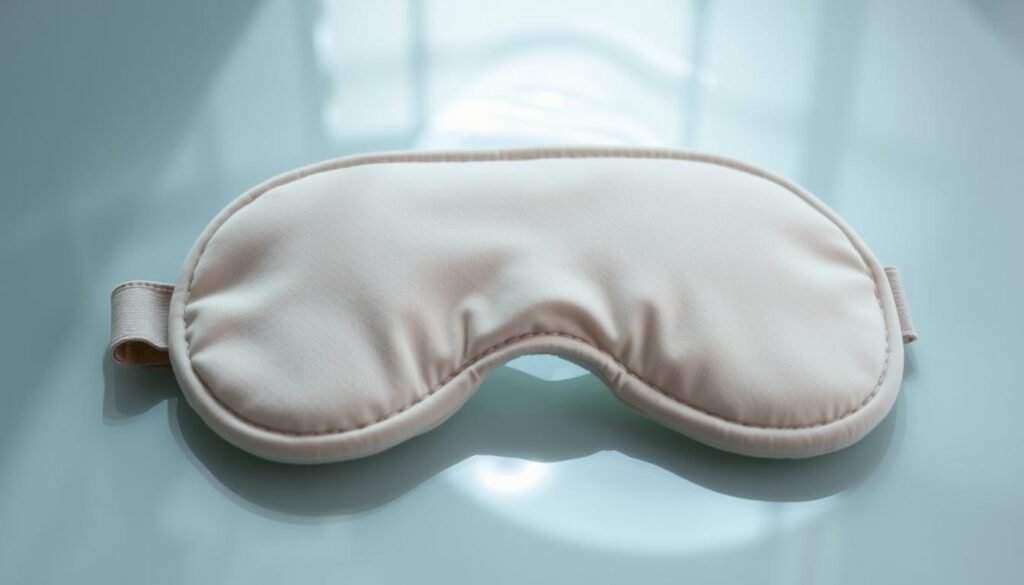
Flat vs Contoured vs Eye Cup Masks: Which Blocks Light Best?
How a cover shapes across your face often decides whether morning glare finds a way in. Small design choices — from the nose baffle to cup depth — change how well darkness holds through the night.
Flat designs feel weightless and travel well, but they often leak light around the bridge and cheeks. Contoured styles bring a closer seal around the nose and reduce streaks, yet a tight arc can put pressure on eyelids.
How light leaks around the nose and cheeks?
Flat covers tend to flare near the nose. A small gap there lets dawn or cabin lights in. Alaska Bear flat silk variants show this trade‑off in practical tests.
Contoured bridges cut those gaps by following facial curves. They block light more reliably but only if the arc matches your nose shape.
Does a design add pressure or provide blink space?
Eye cups give free‑blink space and hold lashes away from fabric. Deep cups block light best when cup placement aligns with your orbital shape.
Memory foam contoured styles seal well upright. But side or stomach pressure can compress foam, shift the cover, and create new gaps.
- Quick test: face a bright window and look down; any glow around nose means you need a deeper bridge or adjustable baffle.
- Travel tip: pick a design that keeps its seal when you tilt or doze sitting up.
Matching Masks to Sleep Positions and Environments
How you lie down and where you rest change which design wins for comfort and darkness. Choose a style that keeps a steady seal without pressing hard against the face or trapping heat.
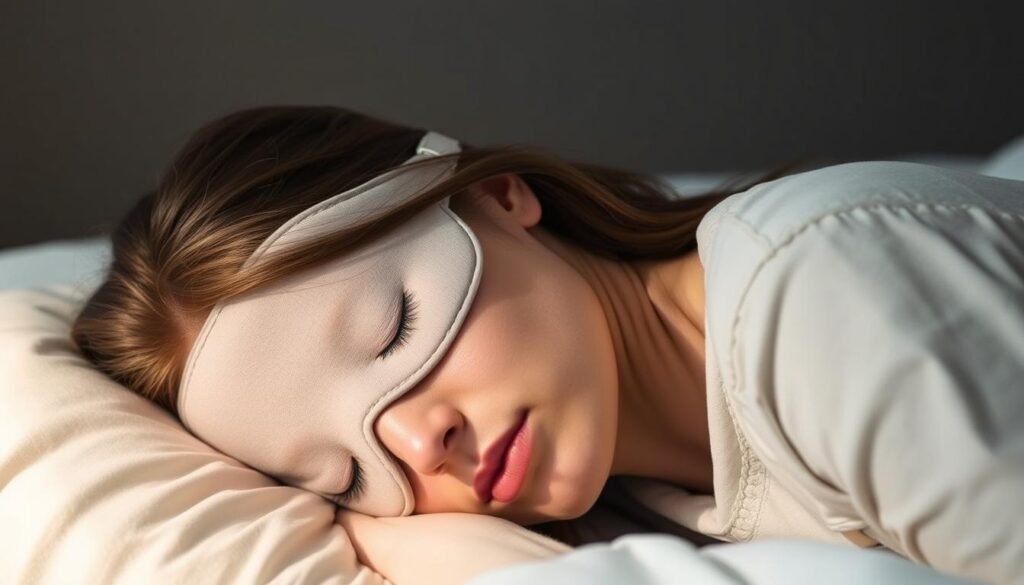
Side sleepers: low-profile edges and soft foam
Side sleepers benefit from thin edges and gentle foam that won’t dig into a pillow. Plush builds often compress under cheek pressure and shift the seal.
Tip: pick a slim profile that keeps fabric off lashes and uses a shallow foam baffle so the cover won’t flare open near the nose.
Back sleepers: bulkier designs and sound-muffling options
People who rest on their back can use larger profiles that also dampen noise. A deeper cup and thicker padding rarely rub the head when you stay centered.
If you like extra comfort, choose breathable linings so the thicker build doesn’t make you overheat at night.
Travel: lightweight, immersive designs that stay put
For transit, prioritize stable straps and simple hardware that won’t slip when you doze upright. Bulky travel pieces with peek flaps can look immersive but may slide or need tightening.
- Hot at night? Avoid dense cotton wraps and heavy foam that trap heat.
- Stomach sleepers: pick minimal hardware and an ultra-soft bridge to prevent pressure and leaks.
- Practical check: test the cover on your pillow and adjust the strap a little; small tweaks often stop early-morning gaps and help block light.
Sensitive Skin, Lashes, and Head Size Considerations
Pick fabrics and shapes that protect delicate skin, keep hair from snagging, and leave room for lashes. Small choices—liner material, cup depth, and strap range—make a big difference for nightly comfort.
Silk liners and sensitive skin
Silk feels cooler on the face and can help skin retain moisture. It reduces friction on hair and limits irritation compared with rough polyester or stiff foam.
A silk sleep interior is a smart pick for anyone with reactive skin or facial treatments.
Are your lashes protected?
For eyelash extensions, choose deep eye cups that create real space over the lids. A firm nose seal prevents the lining from brushing lashes while keeping light out.
If bridge pressure causes redness, look for softer bridges or removable nose pads to relieve the area.
Does your head need extra adjustability?
Small heads often need fine adjustments to stop slipping; large heads need longer ranges to avoid pinching. Scrunch bands can slide on smaller sizes and feel tight on larger ones.
Pick anti‑snag hardware and smooth liners so hair moves freely when you turn in bed.
When to Skip or Be Cautious with Eye Masks
Not every accessory is safe for every person. Check health risks first so a helpful product doesn’t cause harm at night.
Before you reach for a face wrap, consider how it may affect your eyes and breathing. Some conditions trap moisture or add periocular pressure, which can worsen problems if you already have an issue.
Glaucoma, infections, and breathing disorders — when to avoid a cover?
Skip a cover if you have glaucoma or an active eye infection. Added humidity and pressure can aggravate the condition.
If you use CPAP or have a breathing disorder, ask your clinician how a face cover interacts with your equipment before using it at night.
Allergies, scents, and heavy designs — what to watch for?
Avoid rough fabrics, heavy fillings, or scented inserts if they trigger reactions. If scents give you headaches, choose unscented versions.
Patch‑test new materials and try a short night trial to check for itching, redness, or marks around the nose and orbital area.
- Medical caution: Don’t use covers with active eye disease.
- Equipment compatibility: Discuss use with your clinician if you rely on respiratory gear.
- Allergy tip: Prefer plain, breathable fabrics for sensitive skin.
Brand and Model Snapshots from Real-World Testing
Hands-on testing separates flattering photos from true overnight performance. Below are concise notes from editorial trials to help you weigh comfort, seal, and thermal trade-offs.
Alaska Bear: lightweight silk options and foam variants
Alaska Bear silk feels delicate and costs less than many premium models, but the two-strap design with a nose flap can still leak and proves fiddly to adjust.
The memory foam version blocks light well when upright, yet it compresses on side and stomach positions and may shift the seal around the nose.
Mzoo, Nidra, and modular picks
Mzoo earned praise for deep cups and a slider buckle that stays put across head sizes. Nidra works for larger heads but can leak at the bridge on smaller faces.
Manta offers modular eye cups for custom placement, yet aligning parts nightly can create pressure and bulk for some users.
Luxury, weighted, and travel notes
Slip and Lunya deliver a luxe silk feel but scrunch straps slip for many. Baloo is cozy and muffles sound but runs warm and uses noisy Velcro.
Travel-forward designs like Trtl add peek flaps but trade off bulk and stability for novelty. For full model comparisons, see our curated list at best eye covers.
Budget, Value, and Build Quality
Cheap models can perform well at first, but hardware and padding often reveal real value over time. Look for consistent stitching and sturdy closures to tell if a product will last weeks, not just nights.
“Under $20” often means flat designs, thin fabric, and basic sliders. Some affordable options, like Alaska Bear, punch above their price with a soft feel. Expect thinner panels that may let light in at the bridge.
$20–$50 brings better materials and deeper cups. Check the seams and panel density. A firmer foam core and reinforced edges cut leaks and hold shape for more nights.
Premium tiers add luxe fabric, modular cups, or audio. Decide if extras improve comfort or only add cost. Heavy builds can run hot and feel bulky on the head.
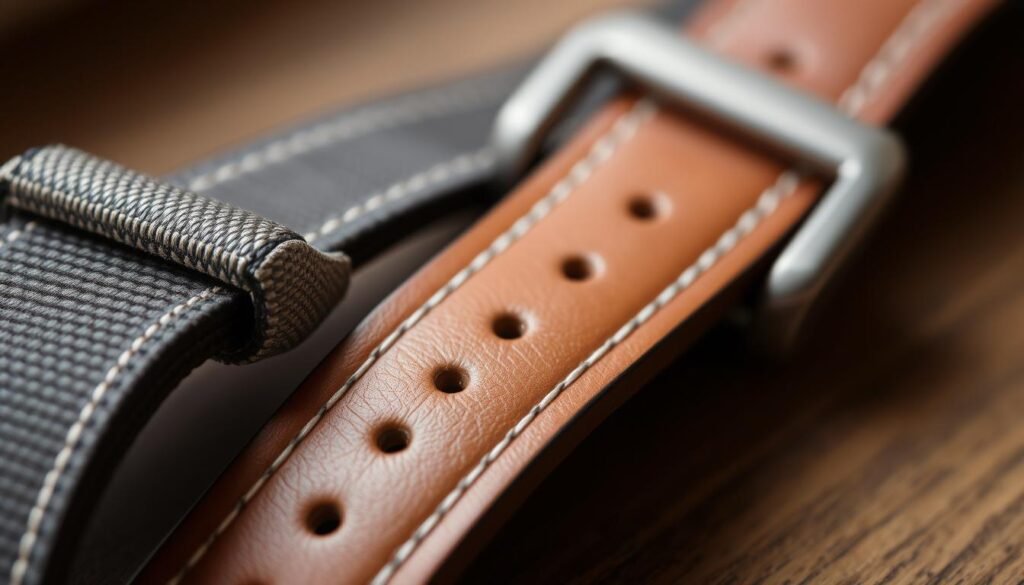
Durability: what fails first?
Strap hardware and Velcro wear fastest. Thin strap sliders can pinch or slip. Buckles and magnetic closures last longer and keep steady tension.
Foam compresses, especially for side sleepers. If a product feels warm on night one, it likely won’t cool later — use return windows to test real use.
Care Essentials: How to Wash and Store Your Sleep Mask
Keeping your nightly cover clean protects skin and keeps fabrics performing as designed. Simple, regular care preserves elastic, foam, and delicate liners so the product stays effective and comfortable.
Clean weekly if you wear the item each night. If you use creams or heavy makeup, wash more often to prevent stains and irritation.
Hand-wash basics by material and removable parts
Always check the care label first. Most pieces want a gentle hand wash in lukewarm water with mild detergent.
Remove eye cups, straps, or gel inserts before washing so parts keep their shape. Use a soft squeeze to rinse—don’t wring.
Air-drying, avoiding heat and UV, and travel pouches
Lay flat to air‑dry. Avoid dryers and direct sun; heat and UV break down elastic, silk, foam, and adhesive.
Store in a clean pouch in your nightstand to limit dust and hair oil. Don’t perch it on your head during the day—oils transfer quickly.
- Spot‑clean makeup or sunscreen residue promptly to avoid stains and odors.
- Wash weekly if worn nightly; increase frequency for sensitive skin.
- Remove components before washing to preserve function.
For more on recommended wash frequency and step-by-step care, see how often to wash a mask.
More Ways to Help Your Mask Block Light
Create a darker room so your cover only needs to fine‑tune the seal. Small fixes around windows, doors, and electronics reduce stray glow and boost overall performance.
A few simple steps stop light before it reaches your face. They make a fitted mask work with less edge pressure and fewer leaks.
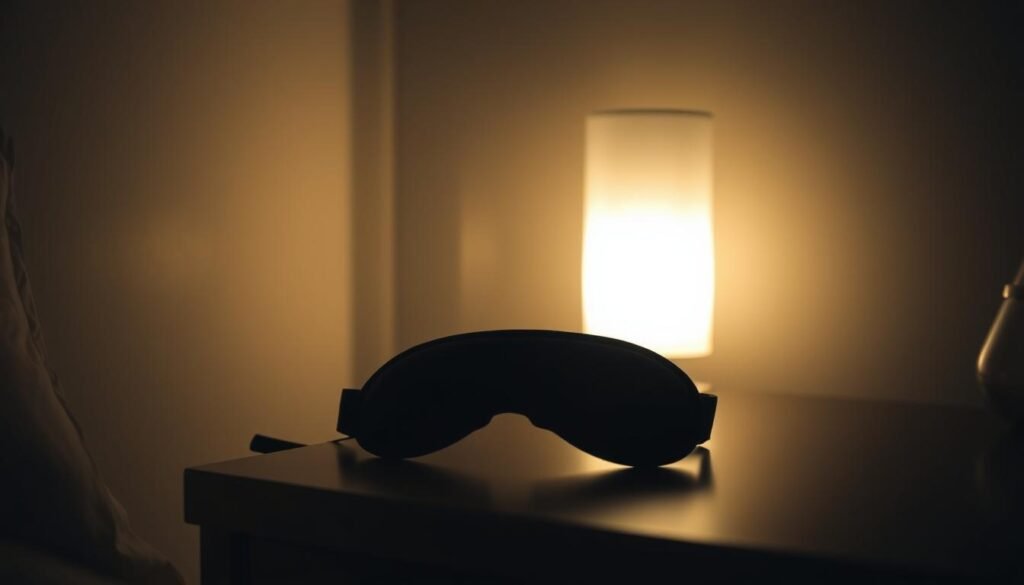
Blackout curtains and sealing door leaks
Install blackout curtains or blinds to cut ambient brightness from streetlamps and neighbor windows.
Use a door sweep or draft stopper to block hallway light under doors. That prevents thin streaks that weaken the seal at the nose and cheeks.
Covering LEDs and dimming electronics
Cover bright LEDs on chargers, routers, and alarm clocks with small opaque stickers or reposition items away from the bed.
Dim screens, enable night modes, and turn off nonessential devices to minimize reflected glare.
- Reposition bed away from windows or exterior lights when possible.
- Reduce reflectivity by removing mirrors or shiny decor near the head of the bed.
- Test at night: walk the room with a flashlight to find any leaks your mask must block.
| Intervention | Primary benefit | When to use |
|---|---|---|
| Blackout curtains | Major ambient light reduction | Bedrooms facing streets or bright yards |
| Door sweeps/draft stoppers | Stops hallway light under door | Apartments, shared houses |
| LED covers & dimming | Removes small point sources | Clocks, chargers, routers |
| Room layout & reflective control | Reduces bounced light | Small bedrooms with mirrors |
For a deeper look at picking the right facial cover and related tips, see how to buy a sleep mask.
Sleep Mask Buying Guide
A clear quick‑pick list narrows choices to what truly affects darkness and comfort. Start with fit and position testing before you add extras.
Quick pick checklist: face fit, material, features, and strap
Fit first: choose a shape that seals around nose and around eyes. Test while lying in your usual position.
Material: a silk sleep mask offers cool glide for hair and skin; breathable synthetics wick moisture; avoid thick builds if you run warm.
Features: prefer eye cups for lash space, removable weighted pouches if you like pressure, and slim audio only if drivers won’t disturb position.
Strap: prioritize adjustable hardware over scrunch bands for steady hold across head sizes.
Common mistakes to avoid: gaps, heat, and hard-to-adjust bands
Avoid overtightening—it can create gaps near the bridge. Stop when the seal looks even, not when it feels tight.
Don’t pick non‑adjustable bands that slip on small heads or pinch large ones. Test a strap after a week so relaxed elastic won’t surprise you.
Watch for heat: heavy foam or thick liners can trap warmth and ruin the best sleep. Choose lighter builds if you overheat.
“If you need a starting point, short‑list Mzoo for contoured space, Alaska Bear for value silk, and try a modular cup only if you’re patient with placement.”
| Choice | Best feature | Who it’s for |
|---|---|---|
| Mzoo | Deep cups + stable slider | Many head sizes, contoured fit |
| Alaska Bear | Value silk liner | Budget silk sleep mask seekers |
| Manta | Modular cups | Customizers (patient users) |
| Slip / Lunya | Luxe fabric | Comfort seekers; may slip |
| Baloo | Weighted, cozy | Warm sleepers; noisy Velcro |
Conclusion
Choose fit and seal before features; comfort and darkness are the real tests. Small tweaks to shape, strap placement, and fabric usually change results more than brand names.
Focus on a firm seal at the bridge without excess pressure, a stable strap, and materials that suit your climate and skin. The right sleep cover blocks light reliably, matches your face shape and position, and feels good from night one.
Keep care simple: clean weekly, store in a pouch, and swap styles if the first one leaks or heats up. Want model ideas and practical picks? See our recommended picks for hands‑on notes.
FAQ
What does a modern "sleep mask buying guide" focus on?
A current guide highlights how materials, fit, and features affect light blocking and comfort. It compares silk, satin, foam, and moisture-wicking fabrics; reviews strap types and adjustability; and evaluates eye cups, contoured nose bridges, and pressure on lids to help you choose a product that suits your sleep position and skin concerns.
How does blocking light actually improve rest?
Blocking light reduces retinal stimulation that suppresses melatonin and shifts your circadian rhythm. Total or near-total darkness helps your brain signal sleep onset and deeper REM cycles. Additional benefits include easier relaxation, stronger bedtime routine cues, and reduced awakenings from stray LEDs or streetlight.
Which mask shape seals best around the nose and eyes?
Contoured masks with a molded nose bridge or 3D eye cups typically seal best. Contoured bridges minimize side leaks and follow facial curves, while eye cups create space for lashes and avoid lid pressure. Flat masks can work for travel but often permit gaps at the nose for light entry.
Do eye cups harm eyelash extensions or cause pressure on the eyes?
Deep 3D eye cups are the safest choice for lash extensions and people sensitive to eye pressure because they allow blinking without contact. Thin flat masks or tight designs can rub extensions and press on eyelids, causing discomfort or lash loss.
What strap type is best for side sleepers?
Low-profile, soft elastic or scrunch-style straps with a rear closure tend to work best for side sleepers. They keep the band flat against the head and reduce edge push. Avoid bulky closures or noisy Velcro that can bother partners or wake you when adjusting.
Yes—mulberry silk and satin glide on skin and reduce friction that causes hair breakage and creases. Silk also feels cooler and can help sensitive skin avoid irritation. If you need durability or moisture-wicking, consider a silk-blend or a washable synthetic with a smooth face fabric.
How does memory foam compare with padded or hollow cup masks?
Memory foam conforms to facial contours and can block light well, but it can trap heat and feel bulky for side sleepers. Hollow eye-cup designs prioritize lash space and cooler airflow; padded masks offer middle-ground cushioning without as much heat retention.
Can weighted or cooling inserts actually improve comfort?
Weighted masks apply gentle, distributed pressure that some people find calming—similar to weighted blankets. Cooling gel inserts and temperature-regulating fabrics help reduce heat buildup and are useful for night sweats or menopausal symptoms. Try a lightweight cooling option if you run warm.
Should I avoid masks if I have glaucoma or eye infections?
Consult your eye doctor before regular use if you have glaucoma, recent eye surgery, open infections, or severe eye conditions. In some cases, pressure near the orbit may be contraindicated. For minor allergies or sensitivities, choose hypoallergenic materials and removable inserts.
Which brands offer reliable 3D eye cups and modular options?
Brands like Manta, Nidra, and Mzoo are known for contoured or 3D eye-cup designs; Manta offers modular, adjustable cups for custom placement. Alaska Bear and Slip provide silk-feel options with different nose coverage trade-offs. Always check return policies and real-world reviews before buying.
How should I care for masks made of silk, foam, or synthetic blends?
Hand-wash silk or delicate fabrics with mild detergent and air-dry flat away from direct heat. Removable foam inserts should be spot-cleaned and fully dried before reassembly. Use a travel pouch for storage to prevent deformation, and avoid high-heat machine drying that degrades elastic and foam.
What mistakes do people commonly make when choosing a mask?
Common errors include buying a mask that’s too tight (pressure and headaches), choosing flat styles that leak at the nose, ignoring strap adjustability for head size, and prioritizing aesthetics over material breathability. Also avoid Velcro closures that irritate hair or produce noise during sleep adjustments.
How do I match a mask to travel or noisy environments?
For travel, choose lightweight, low-profile designs that pack well and stay put—look for secure adjustable straps and compact cases. If noise is a concern, consider masks with built-in audio speakers or combine a padded mask with earplugs or white-noise devices for better isolation.
Can a mask really replace blackout curtains and other room-darkening steps?
A good mask often provides immediate, portable darkness but works best alongside environmental measures. Blackout curtains, door seals, and covering LED lights reduce reliance on a mask and provide a full-room solution, especially for people who wake from small light leaks.
How do I choose the right size for small or large heads?
Look for wide adjustment ranges and soft straps. Some brands list head circumference; others offer “compact” or “oversized” models. If possible, test fit with return-friendly sellers: a proper fit seals without slipping or causing pressure points across the forehead and temples.