


Can a few smart swaps in what you eat really change hormone balance and symptoms? This guide clears confusion about three common food groups and shows how to make practical, evidence-based choices for women with pcos.
One in ten women has this condition, and weight loss plus steady blood sugar often ease symptoms. Research supports whole grains, fiber, and minimally processed foods to help stabilize insulin and support weight goals.
This article explains how to evaluate gluten tolerance, approach dairy strategically, and when soy may help hormones and insulin. You’ll learn safe testing steps, short trials, and reintroduction plans so you avoid unnecessary restriction.
Personalization is key. There is no one-size-fits-all plan, so we emphasize working with clinicians for celiac checks, lactose assessment, and lab monitoring before cutting major food groups.
Key Takeaways
- Evidence links weight loss and stable blood sugar to improved outcomes.
- Focus on whole foods, fiber, and low-GI choices to steady insulin.
- Short elimination trials and reintroductions help confirm sensitivities.
- Work with your healthcare team for safe testing and nutrient balance.
- Personalize choices to your symptoms and lifestyle for sustainable results.
Why this How-To matters for women with PCOS right now
Women deserve an evidence-forward roadmap to manage symptoms, avoid unnecessary restriction, and preserve nutrients. This guide filters conflicting advice into clear steps you can try this week.
Why act now: More women seek trustworthy guidance as online tips and trends increase confusion. Many face chronic low-grade inflammation and elevated insulin-related risk even without excess weight.
Targeted food and lifestyle changes can lower inflammation and support more regular cycles and energy. But removing whole groups without testing often creates nutrient gaps and stress.
- Focus on what moves the needle: steady meals, modest weight shifts, and daily habits compound over time.
- Avoid extremes: short trials with reintroduction protect nutrition and help confirm true sensitivities.
- Safety first: consult a clinician before major changes, especially if you suspect celiac disease, lactose issues, or thyroid concerns.
In short, this how-to helps women pcos translate evidence into practical steps that reduce symptoms and long-term risk without unnecessary restriction.

Quick evidence snapshot: what studies say about gluten, dairy, soy, weight, and insulin resistance
Recent research summaries help separate which food changes have strong backing and which remain speculative. This compact review highlights what trials and reviews show about inflammation, hormones, and metabolic markers.
Overall, multiple studies link modest weight loss (5–10%) to better ovulation, lower insulin, and reduced androgens. Randomized trials and reviews also show soy or soy isoflavones can improve insulin measures, lower testosterone, and cut triglycerides in some groups.
Evidence on gluten is weaker: no clear harm unless true intolerance or celiac is present. Findings on dairy are mixed; some studies favor fermented or full‑fat options for metabolic benefits, while low‑fat milk sometimes ties to acne in a few reports.
Key takeaways on inflammation and insulin resistance
- Inflammation and insulin resistance are common and shape food priorities toward fiber, protein, and whole foods.
- Where science is strong: soy benefits for metabolic markers and the clear advantage of modest weight loss.
- Where it’s emerging: the role of gluten-free eating in symptom control and nuanced dairy subtype effects.
Practical cue: test before removing foods, prioritize nutrient density, and focus on sustainable energy balance rather than extreme swaps.
How to evaluate gluten in your PCOS diet
A clear, stepwise check protects nutrition while finding real triggers. Follow testing first, then short trials with careful reintroduction to confirm symptoms and avoid unnecessary restriction.
A methodical approach helps you find whether wheat proteins truly cause harm or if other factors drive your symptoms.
What’s the difference between celiac disease and non‑celiac sensitivity?
Celiac disease is an autoimmune condition that damages the gut and causes malabsorption. Non‑celiac sensitivity gives symptoms without autoimmune markers or intestinal injury.
Step-by-step assessment with your clinician
Keep eating gluten for about six weeks before blood or skin tests to rule out celiac or wheat allergy. If tests are negative, try a 2–6 week elimination and track changes, then reintroduce gradually to confirm any link.

Keep insulin steady with fiber and whole grains
Focus on high‑fiber whole grains and minimally processed foods to smooth insulin levels regardless of tolerance. Many benefits seen in trials reflect cutting refined, high‑GI items more than removing gluten itself.
When a gluten-free trial makes sense—and how to avoid gaps
Consider a trial if symptoms persist after testing. Plan for substitutes that supply iron, folate, niacin, zinc, and fiber: fortified GF grains, legumes, seeds, fruits, and vegetables.
- Read labels and choose certified oats if needed.
- Watch hidden sources in sauces and soups.
- Reassess with your clinician over time—tolerance can change.
How to approach dairy with PCOS without guesswork
Not all dairy products affect hormones the same way — knowing the differences matters. Use short trials, clear portions, and targeted testing to protect nutrition while checking symptoms.
Begin by distinguishing intolerance from allergy. Lactose intolerance causes bloating and gas 30 minutes to a few hours after eating. A dairy allergy triggers immune signs like hives, wheeze, or swelling and needs clinician testing.

Portions and fermented options that often work
Many women tolerate modest servings: 1 cup milk, ¾ cup kefir, ½–¾ cup yogurt, or 1 oz cheese per sitting. Fermented items like yogurt and kefir often cause fewer GI issues and may help insulin levels.
Acne, IGF‑1, and who might limit certain types
Some studies link skim milk to acne. If breakouts are a concern, try reducing low‑fat milk first for 2–4 weeks and track changes.
- Clarify intolerance vs allergy: test with your clinician.
- Portion strategy: favor fermented and hard cheeses if tolerated.
- Test, don’t guess: short reduction, then reintroduce to confirm effect.
- Protect nutrients: if you remove dairy, plan calcium and vitamin D alternatives.
Why soy can be a strategic ally for PCOS
Plant proteins from soy offer an evidence-backed route to improve key metabolic measures tied to reproductive health. This section reviews trials on protein-rich soy foods and practical choices you can add to your plate.
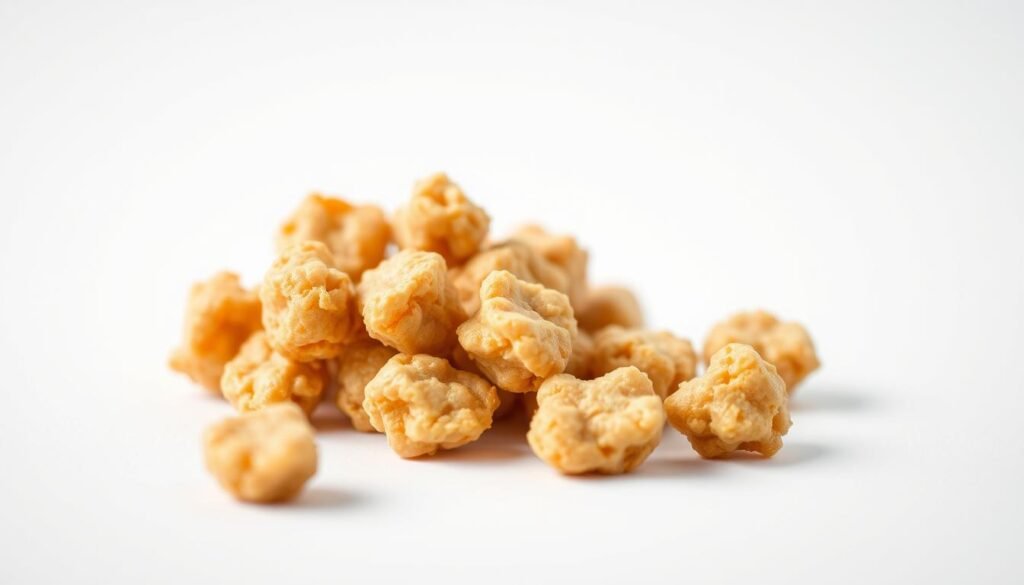
What the research shows: randomized trials report that higher soy protein intake and about 50 mg/day of isoflavones for 12 weeks can lower BMI, insulin, total testosterone, and triglycerides—targets that matter for pcos management.
How it helps fertility and hormones
Several studies note modest fertility benefits and improved cycle markers after soy interventions. Lower androgen levels may help cycle regularity and other symptoms.
Practical soy foods and planning
- Choose edamame, tofu, tempeh, miso, and unsweetened soy milk.
- Use soy to reach protein goals without added saturated fat.
- Pair soy with veggies and whole grains to steady glucose response.
Thyroid and timing
Thyroid studies are mixed. Moderate intake seems safe for most, but avoid taking soy near levothyroxine. This simple timing tweak reduces any negative effect on medication absorption.
“Moderate, minimally processed soy can be a useful tool when used thoughtfully and timed with thyroid meds.”
For a deeper look at practical guidance, read to soy or not to soy.
PCOS Diet Gluten Dairy Soy: a practical decision framework
Match your top priorities to steps you can test quickly. This keeps change focused, safe, and more likely to stick.
Match what you want to improve—skin, cycles, energy—to focused, testable nutrition steps.
How to match symptoms and goals to targeted moves
Start with a short profile: list your main symptoms and rank goals (weight, fertility, energy, skin).
Use that list to choose priorities. If acne and breakouts top your list, reduce skim milk first. If bloating is the issue, test lactose or wheat sensitivity methodically.
When to reduce vs. remove vs. reintroduce foods
- Reduce first: cut refined carbs, sugary drinks, and ultra‑processed snacks before removing whole groups.
- Remove selectively: run a short, structured elimination only when symptoms point to intolerance or allergy.
- Reintroduce strategically: bring foods back one at a time and watch symptoms for 48–72 hours.

Track sleep, mood, cycles, digestion, and hunger so you measure true impact. Balance risk and reward: aim for the smallest change that eases symptoms while protecting nutrients and long‑term health.
Designing meals that reduce insulin spikes and support weight loss
Use a simple plate formula to slow glucose release and keep calories sustainable. Small, repeatable choices at each meal make weight loss steady and easier to maintain.
Plate-building: protein, healthy fats, fiber, and smart carbs
Anchor every meal with a reliable protein source. Combine that with colorful non‑starchy vegetables, a whole‑grain or legume for fiber, and a small portion of healthy fat to slow digestion.
- Protein: eggs, fish, poultry, tofu or tempeh.
- Smart carbs: oats, quinoa, brown rice, beans.
- Fats: avocado, olive oil, nuts, seeds.

Breakfast-to-dinner examples and snack swaps
Breakfast: Greek yogurt with berries and chia or a tofu scramble with oats. Lunch: tempeh grain bowl or salmon salad with chickpeas. Dinner: tofu stir‑fry over brown rice or turkey chili with beans.
Swap snacks: edamame for crackers, berries with pistachios for candy, cottage cheese with cucumber instead of chips.
Grocery essentials and convenience tips
- Buy tofu, tempeh, Greek yogurt, oats, quinoa, beans, leafy greens, frozen vegetables.
- Choose precooked grains and rotisserie chicken to save time.
- Use bulk bins and store brands for budget wins.
For extra support with calorie and protein targets, consider a trusted weight gainer like the one linked for supplemental help: weight support.
Short trials and reintroduction: a safe testing protocol
Start with a short, structured test so you can see real changes without creating nutrient gaps. Set clear rules, track results, and reintroduce foods one at a time to confirm true sensitivity.
Start by logging your usual intake and top symptoms for seven days. This baseline gives you a clear comparison and helps spot patterns in energy, digestion, skin, and cycles.
Two-to-four-week elimination timelines and symptom tracking
Choose a tight 2–4 week trial to isolate an effect. Maintain usual intake for celiac or allergy testing until clinicians advise otherwise.
How to reintroduce to confirm sensitivity while protecting nutrition
- Reintroduce one food at a time: add a single item for 2–3 days and watch for changes for 48–72 hours.
- Track consistently: note digestion, skin, mood, sleep, cycles, hunger, and cravings each day.
- Protect nutrition: if you remove a group, plan fortified alternatives and focus on fiber and iron-rich swaps to avoid deficits.
- Avoid overlap: don’t test multiple eliminations at once — results become unclear.
- Define response and stop dates: decide in advance what improvement matters (for example, 30–50%) and end the trial as planned.
“Short, planned trials with careful reintroduction give the clearest, most useful answers.”
Share your logs with your clinician and reassess tolerances quarterly, so you use current evidence and avoid unnecessary long-term restriction.
Lifestyle levers that amplify diet results
Daily routines—how you move, rest, and recover—shape how your body responds to food. When you combine consistent activity, sleep, and stress tools with smart meal choices, changes in hormones and energy happen faster and last longer.
How movement and NEAT boost metabolic health
Move more, more often. Aim for strength training 2–3 times weekly plus brisk walks or cycling on other days.
NEAT—steps, standing, and chores—adds meaningful daily energy burn and helps control weight without extra gym time.
Physical activity improves glucose uptake independent of weight loss and works alongside your diet to lower insulin resistance.
Sleep, stress, and inflammation: daily habits that move the needle
Prioritize 7–9 hours of sleep. Poor sleep raises hunger hormones and can increase inflammation, making cravings harder to resist.
Use short breathwork, brief walks, or quick mindful breaks to lower stress and sympathetic drive. These habits limit appetite spikes and help hormone balance.
- Schedule workouts and wind‑down rituals as non‑negotiables.
- Track simple metrics: steps, sets, and bedtime consistency.
- Respect recovery: rest days and gentle mobility reduce injury risk.
- Use morning light and regular meal timing to support circadian rhythm.
| Lever | Action | Benefits |
|---|---|---|
| Strength training | 2–3 sessions/week | Builds muscle, aids glucose uptake |
| NEAT | Increase steps, stand hourly | Raises daily burn, helps weight control |
| Sleep | 7–9 hours nightly | Reduces cravings, lowers inflammation |
| Stress tools | Breathwork, short walks | Limits appetite surges, supports hormones |
“Combine movement, sleep, and stress habits with smart food choices for the strongest, most lasting change.”
Practical tip: pair a protein-rich meal around workouts to aid recovery and satiety. Simple, consistent lifestyle shifts help the whole body respond better to any nutrition plan and make results sustainable for women with pcos.
When to get professional support
Get clinical help when tests, symptoms, or weight changes feel unclear or stalled. Working with specialists protects nutrition, guides testing, and speeds safe progress.
When you’re ready to move beyond trial-and-error, a team can turn vague findings into clear next steps. A clinician helps rule out celiac disease or lactose issues, interprets labs, and discusses medical options when needed.
Working with a registered dietitian for sustainable weight loss
Registered dietitians set individualized calorie, protein, and fiber targets that fit your life. They keep elimination tests safe and prevent nutrient gaps while you trial foods.
- Personal targets: tailored plans for gradual weight loss that support ovulation and metabolic markers.
- Sensitivity support: structured eliminations, reintroduction plans, and gut‑friendly swaps.
- Behavioral care: screen for disordered eating and build a safe, sustainable approach.
Coordinating with your physician on labs, celiac testing, and BHRT
Physician partnership ensures tests and medicines are timed correctly and interpreted well. Keep eating gluten until your clinician says otherwise if celiac testing is planned.
- Labs that matter: A1C, fasting insulin or OGTT, lipids, vitamin D, iron panel, and thyroid markers.
- When to consider BHRT: in select cases, bio‑identical hormone therapy may be discussed alongside nutrition and lifestyle.
- Fertility and risk: modest weight loss and steady insulin can improve fertility and reduce long‑term risk; ask about timelines and adjunct options.
- Access and follow-up: many plans cover RD visits for metabolic conditions; scheduled check‑ins boost adherence and solve plateaus.
For practical strategies that protect relationships with food during medical care, see this guide — how to manage PCOS without damaging your relationship with food and.
“Partnering with a dietitian and physician turns research into a safe, individualized plan that reduces guesswork.”
Conclusion
Focus on balanced plates, steady lifestyle habits, and short, structured tests rather than broad exclusion. Small, evidence‑based steps usually create the largest, most lasting impact for people with pcos.
Prioritize protein, fiber, and modest weight loss (5–10%) combined with sleep and movement to improve insulin and cycle markers.
Test intolerance or sensitivity only when symptoms point there. Use brief eliminations and reintroductions to confirm benefit and protect nutrients like calcium, vitamin D, iron, and fiber.
Work with a registered dietitian and physician to interpret labs and avoid gaps. Stay curious—tolerances can change, so revisit choices over time.
For a practical review and implementation tips, see this helpful resource: PCOS nutrition FAQs.
FAQ
Should I eliminate gluten, dairy, or soy to improve insulin resistance and weight?
Removing one or more of these foods can help some women with insulin resistance, but it’s not a universal fix. Start with a targeted, short trial guided by a clinician or registered dietitian to track changes in blood glucose, weight, acne, or menstrual regularity. Focus first on reducing refined carbs and increasing fiber and protein; then test specific eliminations to see if symptoms improve without creating nutrient gaps.
How long should a food-elimination trial last to be meaningful?
A two-to-four-week elimination is a common first step to notice changes in digestion, energy, acne, or cravings, while an eight- to twelve-week trial gives clearer information on hormonal and metabolic shifts. Use symptom logs and, when possible, objective measures like fasting glucose, HbA1c, or weight. Reintroduce foods one at a time for several days to confirm any reactions.
How do I know if I have celiac disease or non-celiac gluten sensitivity?
Ask your clinician for serologic testing for celiac disease (tTG-IgA and total IgA) before you stop gluten; testing is most accurate while you’re still eating it. Non-celiac gluten sensitivity is a diagnosis of exclusion—symptom improvement after elimination without celiac markers. Work with a provider to avoid unnecessary nutrient deficiencies when removing whole grains.
Does dairy make acne or raise androgen levels in women with hormonal imbalance?
Some evidence links certain dairy types—especially skim milk—to higher acne risk for susceptible people, possibly via insulin-like growth factor 1 (IGF-1). Responses vary. Fermented, full-fat dairy like Greek yogurt or kefir may be better tolerated and offer protein and probiotics. Trial reductions rather than blanket elimination unless a clear link appears.
Is soy safe and helpful for insulin and fertility concerns?
Whole soy foods—edamame, tempeh, miso, and tofu—contain isoflavones and high-quality protein that, in many studies, support improved insulin sensitivity and favorable lipid changes. Moderate intake is generally safe for reproductive health and may aid metabolic markers. If you have hypothyroidism, maintain adequate iodine and discuss timing of soy with your clinician to avoid interference with thyroid medication absorption.
Can eliminating gluten or dairy lead to nutrient deficiencies?
Yes—removing dairy can reduce calcium, vitamin D, and iodine intake; cutting gluten-rich whole grains can lower fiber, B vitamins, and iron. Plan replacements: fortified plant milks, leafy greens, legumes, nuts, seeds, and whole gluten-free grains like quinoa and buckwheat. A dietitian can assess needs and recommend targeted supplements when appropriate.
Will switching to full-fat dairy improve insulin resistance compared with low-fat options?
Some studies suggest full-fat dairy may be neutral or even beneficial for weight and metabolic markers compared with low-fat choices, possibly due to satiety and food matrix effects. The overall dietary pattern and calorie intake matter most. Choose fermented, minimally processed dairy and monitor personal blood sugar and weight responses.
How should I structure meals to minimize insulin spikes while testing food changes?
Build meals around lean protein, healthy fats, and fiber-rich carbohydrates. Example plate: grilled salmon, a large salad with olive oil, and a serving of quinoa or roasted sweet potato. Prioritize low-glycemic whole grains, legumes, nonstarchy vegetables, and snacks combining protein plus fiber to stabilize blood sugar.
What signs suggest I should fully remove a food rather than reduce it?
Immediate and reproducible reactions—severe digestive distress, hives, breathing difficulties, or marked worsening of acne or menstrual irregularity—warrant full removal and medical evaluation. For milder symptoms, a reduction or limited reintroduction can help determine tolerance without compromising nutrition.
Lifestyle factors strongly amplify dietary effects. Regular resistance and aerobic activity improve insulin sensitivity, adequate sleep supports hormone balance, and stress reduction lowers cortisol-driven insulin resistance. Combine targeted nutrition changes with these habits for better, faster results.
When should I see a registered dietitian or physician for testing and personalized guidance?
Seek professional support if you have infertility concerns, persistent insulin resistance or prediabetes, unclear reactions to multiple foods, or prior restrictive diets that risk deficiencies. A clinician can order labs (glucose, HbA1c, lipid panel, celiac serology, thyroid tests) while a dietitian builds a safe, evidence-based plan aligned with weight, fertility, and inflammation goals.
Are fermented dairy and whole soy better choices than processed alternatives?
Yes. Fermented dairy (yogurt, kefir) provides probiotics and often lower lactose, which can aid digestion and metabolic health. Whole soy foods deliver complete protein and isoflavones with minimal processing. Minimize highly processed versions that add sugar, refined carbs, or inflammatory fats.
Can going gluten-free or low-dairy help with weight loss?
Weight loss depends on total energy balance and food quality rather than single food eliminations. Removing gluten or dairy may reduce calorie-dense processed foods for some people, supporting weight loss. Track portions, prioritize nutrient-dense swaps, and maintain protein and fiber to preserve satiety and metabolism.
How do I reintroduce foods safely after an elimination trial?
Reintroduce one food at a time every three to four days while monitoring symptoms, sleep, energy, skin, appetite, and blood-sugar readings if available. Start with small portions and increase to typical serving sizes. Keep a simple symptom log and consult your clinician if reactions occur.
Are there reliable tests for non-celiac gluten sensitivity or dairy intolerance?
Reliable medical tests exist for celiac disease and lactose intolerance (hydrogen breath test). For non-celiac gluten sensitivity and many food sensitivities, clinical reintroduction and symptom tracking remain the most informative approach. Be wary of unvalidated commercial panels and seek guidance from evidence-focused practitioners.