


A smoothie can be a convenient way to eat fruit, vegetables, dairy, seeds, or other nutritious foods. But it can also become much higher in sugar and calories than expected when several sweet ingredients are blended into one large serving.
The goal is not to avoid fruit. It is to build a smoothie with sensible portions, whole-food ingredients, and enough protein and fiber to make it satisfying. These five common smoothie mistakes are the ones worth fixing first.
Key Takeaways
- Whole fruit is generally a better base than fruit juice because it contributes fiber as well as sweetness.
- Use fruit for flavor, not as the only ingredient; add vegetables, protein, and fiber-rich foods.
- Watch the total serving size, especially when using calorie-dense ingredients such as nut butter, seeds, avocado, or full-fat dairy.
- Start with less liquid and add more only as needed for the texture you want.
- Check Nutrition Facts labels on milk alternatives, yogurt, protein powder, and bottled smoothies for added sugars.
Helpful Products at a Glance
For a simple whey option with very little sugar, NAKED Whey Unflavored supplies protein without added sweeteners, but it contains dairy and is not suitable for a milk allergy or vegan diet.
- ONLY ONE INGREDIENT: 100% Grass Fed Pure Whey Protein with zero additives. Naked Whey no artificial sweeteners, flavors, or colors and is GMO-Free, No rBGH or rBST, Soy Free and Gluten-Free.
- ALL NATURAL WHEY: Our Grass Fed Whey is sourced from small non-GMO dairy farms to bring you a non-denatured whey packed full of essential amino acids, clean protein and glutathione.

For single-serve smoothies with frozen fruit and greens, the Ninja Nutri-Plus BN301 is a compact option; its 20-ounce cups are better for individual servings than large family batches.
- POWERFUL BLENDING: The intuitive 900-peak-watt push-to-blend motor base powers through everything inside the cup to give you the best of Ninja blending.
- PRO EXTRACTOR BLADES ASSEMBLY: Easily crushes ice and breaks down whole fruits and veggies to create nutrient extractions*. *Extract a drink containing vitamins and nutrients from fruits and vegetables

Mistake #1: Stacking Fruit, Juice, and Sweeteners
The biggest sugar problem is usually not one banana or a handful of berries. It is stacking several sweet ingredients at once: multiple servings of fruit, fruit juice, sweetened yogurt, flavored milk, honey, maple syrup, dates, and sweetened protein powder.
The CDC recommends choosing whole fruit instead of fruit juice because juice makes it easier to consume a larger carbohydrate load quickly and provides far less fiber. Whole fruit can still contribute plenty of carbohydrate, so portion size matters—especially if you are monitoring blood glucose.
A Better Way to Sweeten a Smoothie
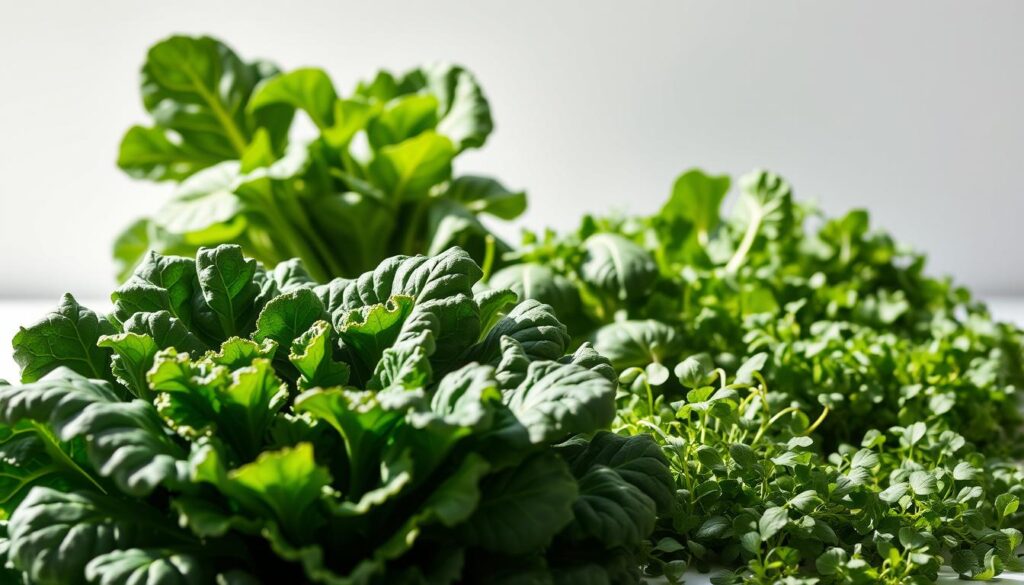
Start with one measured portion of whole or frozen fruit, then add low-sugar ingredients such as spinach, kale, cucumber, zucchini, or cauliflower if you enjoy them. There is no universal evidence-based “70/30” vegetable-to-fruit rule, so use a ratio that tastes good while keeping the total fruit and added sugars reasonable.
For extra flavor without much sugar, try cinnamon, ginger, unsweetened cocoa, vanilla extract, citrus zest, mint, or a small amount of lemon or lime juice. If the smoothie already tastes sweet enough, skip honey, syrup, and sweetened juice.
| Common Trap | Smarter Option | Why It Helps |
|---|---|---|
| Fruit juice | Whole or frozen fruit | Adds fiber and makes portions easier to see |
| Honey or syrup | Spices, vanilla, or naturally sweet fruit | Reduces added sugar |
| Sweetened yogurt or milk | Plain yogurt or unsweetened milk | Gives you more control over sweetness |
Mistake #2: Making a Fruit Drink Instead of a Balanced Meal
A smoothie made mostly from fruit and juice can be refreshing, but it may not keep you full for long. The CDC notes that eating carbohydrate with protein, fat, or fiber can slow how quickly blood sugar rises. Fiber also helps with fullness.
If your smoothie is replacing breakfast or another meal, include a meaningful protein source such as plain Greek yogurt, cottage cheese, soy milk, tofu, or an appropriate protein powder. Chia, ground flax, nuts, and nut butter can add fiber and unsaturated fat, but measure them because calories add up quickly.
When a Low-Sugar Protein Powder Is Useful
Protein powder is optional; it is mainly a convenience when whole-food protein does not fit the recipe. Check the label for serving size, protein, total carbohydrate, added sugars, and ingredients that matter to your diet.
NAKED Whey Unflavored is one straightforward example. The current Amazon listing identifies it as a one-ingredient unflavored whey powder with 25 grams of protein, 3 grams of carbohydrate, and 2 grams of sugar per serving. The trade-off is that it is dairy-based, so people avoiding milk proteins should choose a suitable alternative.
- ONLY ONE INGREDIENT: 100% Grass Fed Pure Whey Protein with zero additives. Naked Whey no artificial sweeteners, flavors, or colors and is GMO-Free, No rBGH or rBST, Soy Free and Gluten-Free.
- ALL NATURAL WHEY: Our Grass Fed Whey is sourced from small non-GMO dairy farms to bring you a non-denatured whey packed full of essential amino acids, clean protein and glutathione.
- MAXIMUM NUTRITION: 25g of Protein, 2g of Sugar, 3g of Carbs, 120 Calories, and 5.9g of BCAAs (branched-chain amino acids) per serving. As an NSF Certified protein powder, Naked Whey is verified for purity and safety.
- COLD PROCESSED: Unlike most whey protein powders, Naked Whey is cold processed to ensure zero contamination from chemical detergents (no acid or bleach) or, synthetic additives, and this maintains important naturally occurring growth factors.
Mistake #3: Letting Portions Quietly Grow
Healthy ingredients still contribute calories and carbohydrate. A smoothie can become much larger than intended when you add a banana, mango, oats, nut butter, seeds, yogurt, milk, and protein powder to a large blender jar and drink the entire batch.
Instead of following a rigid universal liquid-to-fruit ratio, choose the serving size first. Add your solid ingredients, start with a modest amount of liquid, and increase it a little at a time until the blades move freely and the texture is drinkable. This works better across different fruits, blenders, and desired thicknesses than one fixed formula.
Use the Nutrition Facts Label
Packaged ingredients can vary widely. Unsweetened soy milk, sweetened oat milk, flavored yogurt, and bottled smoothie bases may look similar but have very different amounts of carbohydrate and added sugar. The CDC recommends checking labels for added sugars rather than judging a food by its health-focused packaging.
If you use insulin or another treatment that depends on carbohydrate intake, count the smoothie using your usual plan rather than assuming a homemade drink is automatically low in carbohydrate.
Mistake #4: Chasing Texture With Too Much Liquid or Ice
Texture problems often lead people to add more juice, sweetened milk, or other ingredients that change the nutrition of the drink. Start with less liquid than you think you need. Add a splash at a time and let the blender pull the ingredients into a vortex.
Frozen fruit can chill and thicken a smoothie without watering down the flavor as ice melts. Ice is not inherently bad, and many blenders are designed to crush it, but it is unnecessary if your frozen ingredients already provide the texture you want.
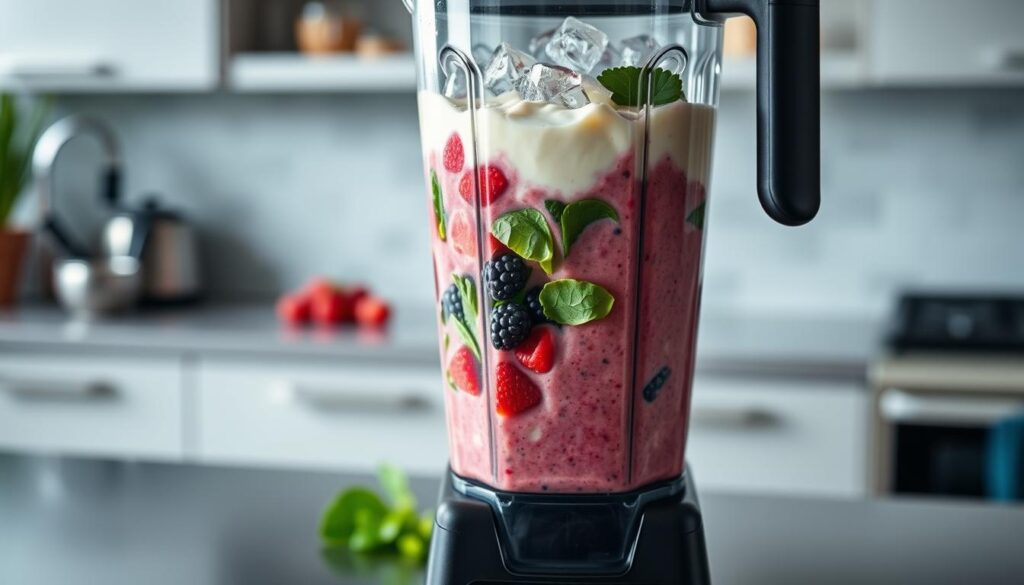
Blend for the Result, Not a Stopwatch
There is no universal 30-second rule. A small personal blender may finish quickly, while fibrous greens, seeds, or larger frozen pieces can take longer. Start slowly if your machine allows it, then increase speed and stop once the drink is smooth and still cool.
If your current blender already handles frozen fruit and leafy greens well, there is no need to replace it. If you regularly make single-serve smoothies and struggle with chunks, a compact personal blender can be a practical convenience.
The Ninja Nutri-Plus BN301 uses a 900-peak-watt push-to-blend motor and includes three 20-ounce cups. Its cups, lids, and blade assembly are listed as top-rack dishwasher safe. Because it is built around smaller cups and manual push-to-blend operation, it is better suited to individual smoothies than big batches.
- POWERFUL BLENDING: The intuitive 900-peak-watt push-to-blend motor base powers through everything inside the cup to give you the best of Ninja blending.
- PRO EXTRACTOR BLADES ASSEMBLY: Easily crushes ice and breaks down whole fruits and veggies to create nutrient extractions*. *Extract a drink containing vitamins and nutrients from fruits and vegetables
- BLEND TO-GO: Blend directly in one of the three included 20 oz. Ninja To-Go Cups and then twist on a Spout Lid to enjoy. Twist on a Storage Lid to store your creations.
- PUSH-TO-BLEND: Manually pulse to easily crush ice, seeds & frozen ingredients.
Mistake #5: Assuming “Green,” “Protein,” or “Natural” Means Low Sugar
Words on the front of a package do not tell you the full nutrition story. A green bottled smoothie may still use juice concentrates or large fruit portions, while a protein powder can contain added sugars or sweetened flavor systems. Read the ingredient list and Nutrition Facts panel.
Fresh and frozen produce can both work well. Frozen fruit is especially useful for portioning and texture, while fresh greens are easy to rotate for variety. You do not need a complicated schedule—spinach, kale, romaine, or other greens can simply be used according to taste, tolerance, and availability.
A Simple Smoothie Formula
- Produce: one measured portion of fruit plus vegetables or greens you enjoy.
- Protein: plain Greek yogurt, cottage cheese, soy milk, tofu, or a low-sugar protein powder.
- Fiber or fat: a measured spoonful of chia, ground flax, nuts, nut butter, or avocado.
- Liquid: water, milk, or an unsweetened plant milk, added gradually.
- Flavor: cinnamon, ginger, vanilla, cocoa, citrus, or herbs before reaching for sweeteners.
Cleaning and Food Safety Still Matter
Rinse the blender soon after use so fruit, dairy, seeds, and protein powder do not dry around the blade assembly or seals. Follow the manufacturer’s cleaning instructions; some cups and blade assemblies are dishwasher safe, while others require hand-washing.
When washing by hand, unplug the blender base before handling removable blades, use warm soapy water, rinse well, and let parts dry completely before reassembling. Replace damaged seals, cracked cups, or worn components rather than continuing to use them.
Conclusion
A healthy smoothie does not need a perfect ratio, a strict 30-second blend time, or a long ingredient list. The biggest wins come from controlling the sweet ingredients, keeping portions reasonable, and adding enough protein and fiber to make the drink satisfying.
Start with whole or frozen fruit instead of juice, add vegetables if you like them, choose unsweetened liquids, measure calorie-dense extras, and read labels on packaged ingredients. Then adjust the liquid and blending time for your own blender and preferred texture.
FAQ
Can a smoothie raise blood sugar even if it contains only fruit?
Yes. Whole fruit provides fiber, but it also contains carbohydrate. Blending several servings into one drink can create a large carbohydrate load. Portion size matters, and pairing fruit with protein, fat, or additional fiber can slow the rise in blood glucose.
Is fruit juice a good smoothie base?
It can be used in a small amount, but water, plain dairy milk, or unsweetened plant milk usually makes it easier to control sugar. Whole fruit provides more fiber than juice.
How much liquid should I add?
There is no single ratio that works for every recipe. Start with enough liquid to help the blades move, then add more in small amounts until you reach the texture you want.
Do I need protein powder?
No. Greek yogurt, cottage cheese, soy milk, tofu, nuts, and seeds can all contribute protein. Powder is mainly a convenient option when you need more protein without adding much volume.
Are frozen fruits less nutritious than fresh fruit?
Not necessarily. Both can be nutritious choices. Frozen fruit is convenient, lasts longer, and creates a thicker smoothie without relying on ice.
How long should I blend a smoothie?
Blend until it is smooth rather than following a fixed time. The ideal time depends on the blender, ingredient size, amount of liquid, and whether you are using fibrous greens, seeds, or frozen produce.
What should I look for in a protein powder?
Check protein per serving, total carbohydrate, added sugars, ingredient list, allergens, and whether the protein source fits your diet. Choose a product you can tolerate and that complements the rest of the smoothie.
Are bottled smoothies always unhealthy?
No. Some are reasonable choices, but labels vary widely. Check serving size, total carbohydrate, added sugars, protein, fiber, and the ingredient list instead of relying on claims such as “green” or “natural.”

Don’t Miss These Picks