


The alkaline diet gets one important idea wrong: ordinary food choices do not meaningfully raise or lower blood pH in healthy people. Your body tightly regulates blood pH, generally keeping it around 7.35 to 7.45 through buffering systems, the lungs, and the kidneys. Diet can, however, affect urine chemistry and the amount of acid the kidneys need to handle.
That distinction matters because the diet can still encourage useful habits. Eating more vegetables, fruits, legumes, nuts, and other nutrient-dense foods can improve overall diet quality. Those benefits do not require the claim that these foods are “alkalizing” your blood.
The most useful way to look at the alkaline diet is therefore to separate three different ideas: blood pH, urine pH, and dietary acid load. Once those are separated, it becomes much easier to see which claims have scientific support and which ones go beyond the evidence.
Key Takeaways
- Blood pH is tightly regulated and is not something healthy people can meaningfully manipulate through ordinary food choices.
- Diet can influence urine pH and the acid load handled by the kidneys.
- PRAL estimates diet-related renal acid load; it is not a health score for individual foods.
- There is no established evidence that an alkaline diet prevents, treats, or cures cancer.
- Claims that acid-forming foods directly cause osteoporosis are not established.
- Kidney stones and chronic kidney disease require separate, condition-specific dietary guidance.
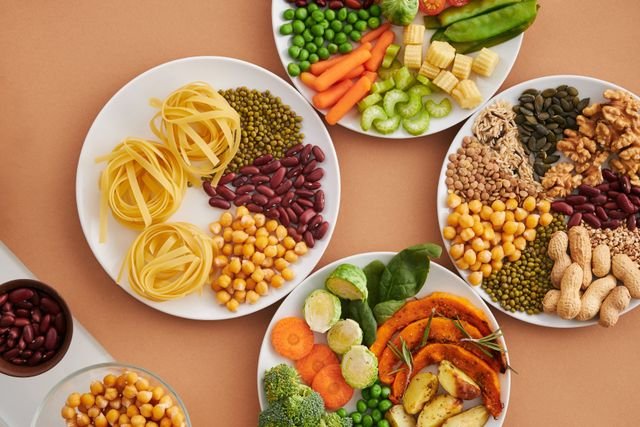
- The most practical benefits of an alkaline-style eating pattern come from improving food quality, not from changing systemic pH.
What the Alkaline Diet Claims—and What Actually Changes
The alkaline diet usually divides foods into “acid-forming” and “alkaline-forming” categories. Fruits and vegetables are commonly placed on the alkaline side, while meat, dairy, eggs, and many grains are classified as acid-forming.
The problem begins when those categories are used to suggest that eating certain foods will make the blood dangerously acidic or that alkaline foods can push the body into a healthier alkaline state. That is not how normal acid-base physiology works.
According to the Merck Manual’s explanation of acid-base regulation, blood pH is maintained within a narrow range through several coordinated systems. The lungs regulate carbon dioxide, while the kidneys help control acids and bicarbonate. Serious disturbances in blood pH occur in medical conditions such as respiratory or kidney disorders, not simply because someone ate meat instead of spinach.
Blood pH vs. Urine pH vs. Dietary Acid Load
Blood pH
Blood pH is tightly controlled because many enzymes and cellular processes depend on a narrow chemical environment. In a healthy person, ordinary meals do not act like a dial that shifts blood from acidic to alkaline.
Urine pH
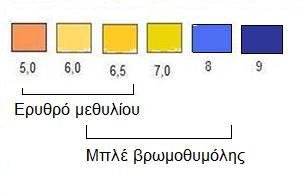
Urine is different. The kidneys continuously remove or conserve acids and bases, so urine pH can vary considerably. Diet is one factor that can influence that variation.
MedlinePlus explains what a urine pH test actually measures: the acidity of urine. Fruits and vegetables can push urine pH upward in some circumstances, while foods such as meat, fish, and cheese can push it downward.
That does not mean a higher urine pH shows that the entire body has become more alkaline. Urine reflects what the kidneys are excreting. A home urine-strip reading is therefore not a reliable wellness score and should not be interpreted as proof that an alkaline diet is “working.”
Dietary acid load
Dietary acid load refers to the acid-producing burden that dietary components can place on the kidneys. This is a legitimate physiological and research concept, but it is not the same thing as saying that food changes blood pH.
This distinction becomes particularly important when discussing kidney disease, metabolic acidosis, or certain types of kidney stones. Those are clinical situations in which renal acid handling may matter more than it does for a generally healthy adult.
What the Alkaline Diet Gets Right—and What It Gets Wrong
Claim: Alkaline foods raise your blood pH
Evidence: Blood pH is tightly regulated by the body’s acid-base systems. Ordinary food choices do not meaningfully shift it in healthy people.
What it means for you: Choose vegetables and fruits because they provide fiber, vitamins, minerals, and other nutrients—not because you expect them to alkalize your blood.
Claim: Acid-forming foods are automatically unhealthy
Evidence: Foods with a higher calculated acid load can include nutrient-dense foods such as eggs, dairy, fish, meat, and whole grains. Acid-load classification is not a complete measure of nutritional quality.
What it means for you: You do not need to eliminate entire food groups simply because they are labeled “acid-forming.” Look at the overall nutritional role of the food and your individual needs.
Claim: Urine pH shows whether your body is too acidic
Evidence: Urine pH reflects kidney excretion and can change with food, medications, hydration, and medical conditions.
What it means for you: A urine reading should not be treated as a direct measurement of blood pH, detoxification, disease risk, or overall health.
Claim: The diet’s plant-food emphasis can still be useful
Evidence: Current U.S. dietary guidance emphasizes nutrient-dense foods including vegetables, fruits, whole grains, appropriate protein foods, dairy or alternatives, and healthy fats while limiting highly processed foods, excess sodium, and added sugars.
What it means for you: The plant-forward part of the alkaline diet can fit a healthy eating pattern even when the pH theory is discarded.
What PRAL Measures—and What It Cannot Tell You
PRAL stands for Potential Renal Acid Load. It is a calculation developed to estimate how dietary nutrients may influence renal acid excretion and urinary acidity.
The original PRAL model found that many fruits and vegetables tend to have negative values, while many protein-rich foods and certain grains tend to have positive values. Fats and oils were generally close to zero in the model.
PRAL can be useful in research because it provides a way to estimate diet-related acid load. But it should not be turned into a simple “good food versus bad food” score.
A food with a positive PRAL value is not automatically unhealthy, and a negative value does not guarantee that a food is nutritionally superior. PRAL also does not tell you whether a person’s blood is acidic, whether a disease is developing, or whether a particular food will prevent illness.
What Research Says About Major Health Claims
Bone health and osteoporosis
The older acid-ash theory proposed that acid-forming foods force the body to release minerals such as calcium from bone in order to neutralize acid, eventually weakening the skeleton. Current evidence does not support such a simple cause-and-effect explanation.
A systematic review and meta-analysis of dietary acid load and bone health found mixed results. PRAL was not significantly associated with fracture risk or femoral and spinal bone mineral density in that analysis, although some findings using other acid-load measures showed associations with lower bone mineral density.
More recent observational evidence has also reported some associations between higher dietary acid load and fracture risk, but those findings do not establish that acid-forming foods directly cause osteoporosis or that an alkaline diet prevents fractures.
The practical takeaway is to focus on established bone-health factors such as adequate nutrition, sufficient protein, calcium, vitamin D, physical activity, and other individualized risk factors rather than judging foods primarily by their acid-load category.

Cancer
Claims that an alkaline diet can prevent or treat cancer are not supported by established clinical evidence. The National Cancer Institute’s guidance on alkaline diets states that there is no proof that the diet can slow, cure, or prevent recurrence of diseases such as cancer.
Cancer biology can involve acidic conditions within the tumor microenvironment, but that does not mean eating alkaline foods can raise tumor pH or treat the disease. Local tumor chemistry and systemic blood pH are not interchangeable concepts.
Observational studies that report associations between calculated dietary acid load and disease risk can be useful for research, but they cannot demonstrate that manipulating dietary pH prevents cancer.
Kidney stones
Kidney stones need a more careful discussion because urine chemistry genuinely matters. However, there is no single “alkaline diet” prescription that prevents every type of stone.
The NIDDK notes that kidney-stone diet recommendations depend on stone type. Hydration is important, while recommendations involving sodium, animal protein, calcium, oxalate, and other dietary factors vary according to the person’s stone history and urine findings.

This is why changing urine pH without knowing the type of stone is not a reliable do-it-yourself strategy. Someone with recurrent stones may benefit from individualized evaluation rather than simply trying to make urine more alkaline.
Chronic kidney disease and metabolic acidosis
Chronic kidney disease is another situation in which dietary acid load can become clinically relevant. Damaged kidneys may have more difficulty excreting acid, and some people with advanced CKD develop metabolic acidosis.
The KDIGO 2024 CKD guideline discusses metabolic acidosis as a clinical problem that may require dietary or medical management. Plant-dominant dietary patterns that reduce net endogenous acid production have been studied in this context.
The National Kidney Foundation’s guidance on metabolic acidosis also notes that dietary changes and prescribed alkali may be used in appropriate patients.
These findings should not be generalized to healthy adults. They also do not mean that everyone with CKD should dramatically increase high-potassium fruits and vegetables. Potassium, phosphorus, sodium, protein needs, medications, kidney function, and laboratory results can all affect what is appropriate.
Why Some People May Still Benefit From an Alkaline-Style Diet
A person who starts an alkaline diet may simultaneously eat more vegetables, fruit, beans, nuts, and minimally processed foods while reducing heavily processed foods, excess sodium, added sugars, and alcohol. Those changes can improve overall dietary quality regardless of what happens to urine pH.
That is a more defensible explanation for many of the diet’s potential advantages than saying the body has been “detoxed” or shifted into an alkaline state.
It is also why an alkaline-style pattern does not need to be rigid. Meat, dairy, eggs, and grains do not automatically become unhealthy because they produce a positive acid-load score. They can supply protein, calcium, vitamin B12, iron, iodine, and other nutrients that may need deliberate replacement if entire food groups are removed.
How to Keep the Useful Parts Without Unnecessary Restriction
You can adopt the strongest parts of the eating pattern without tracking food pH or following long lists of forbidden foods.
- Make vegetables and fruits routine. Use a variety of colors and types rather than choosing foods according to a pH chart.
- Include appropriate protein. Beans, lentils, tofu, nuts, fish, eggs, dairy, poultry, and other protein foods can all have a place depending on your preferences and needs.
- Choose whole grains when they fit your diet. Their acid-load classification is not a reason to avoid them.
- Reduce highly processed foods when practical. This usually matters more nutritionally than whether a food is classified as acid-forming or alkaline-forming.
- Do not use urine pH as a wellness target. A changing urine reading is not proof that your blood chemistry or overall health has improved.
- Avoid self-prescribing alkalizing supplements. Potassium bicarbonate, potassium citrate, sodium bicarbonate, and similar treatments belong in specific medical contexts.
Who Should Be More Cautious?
People with chronic kidney disease, recurrent kidney stones, known acid-base disorders, or prescriptions for bicarbonate or citrate should not rely on a generic alkaline-diet plan. Their dietary targets may depend on laboratory values, stone type, medications, kidney function, and other clinical factors.
Very restrictive versions of the diet can also make it harder to obtain enough protein, calcium, iron, vitamin B12, iodine, zinc, and other nutrients if animal foods or major food groups are removed without suitable replacements.
Final Takeaway
The alkaline diet mixes a weak central theory with some useful dietary habits. The weak part is the claim that healthy people need to eat certain foods to raise or “balance” their blood pH. The body already regulates blood pH tightly.
The useful part is much simpler: eat a varied, nutrient-dense, plant-forward diet, include enough protein and essential nutrients, limit heavily processed foods, and treat kidney-related acid-load issues as medical questions rather than general wellness rules.
Keep the vegetables, fruits, legumes, nuts, and balanced meals. You can leave the blood-pH promises behind.
FAQ
Can food change my blood pH?
Ordinary food choices do not meaningfully change blood pH in healthy people. The lungs, kidneys, and chemical buffering systems work together to keep it within a narrow physiological range. Diet can still affect urine chemistry and renal acid load.
What does urine pH tell me?
Urine pH tells you how acidic or alkaline the urine is at that time. It can be influenced by diet and has legitimate clinical uses, including some kidney-stone evaluations, but it is not a direct measurement of blood pH or whole-body health.
Is PRAL useful?
Yes, in the right context. PRAL is useful as a research estimate of diet-related renal acid load. It should not be treated as a universal score of whether a food is healthy, unhealthy, acidic to the blood, or protective against disease.
Can an alkaline diet prevent or treat cancer?
No established clinical evidence shows that an alkaline diet prevents, treats, cures, or stops the recurrence of cancer. Eating a nutritious diet can still support general health, but that is different from using food to manipulate tumor or blood pH.
Do acid-forming foods cause osteoporosis?
The evidence does not support the simple claim that acid-forming foods directly leach calcium from bones and cause osteoporosis. Research on broader dietary acid-load measures and bone outcomes is mixed, and observational associations do not establish causation.
Can an alkaline diet prevent kidney stones?
Not as a universal rule. Kidney-stone prevention depends on the type of stone and the individual’s urine chemistry and diet. Hydration and changes involving sodium, calcium, oxalate, animal protein, or citrate may be relevant in different situations.
Is dietary acid load important in chronic kidney disease?
It can be. People with CKD may have impaired acid excretion, and metabolic acidosis can become clinically important. Dietary changes or prescribed alkali may be used in selected patients, but treatment needs to be individualized rather than copied from a general alkaline-diet plan.
Do I need to avoid meat, dairy, eggs, and grains?
No. These foods can fit into a balanced diet and provide important nutrients. A practical approach is to increase nutrient-dense plant foods while choosing protein, dairy or alternatives, grains, and other foods according to your nutritional needs rather than their alkaline-diet label.



Don’t Miss These Picks