


Coffee usually delivers more caffeine in a typical serving, while matcha often provides a lower—but highly variable—dose and naturally contains L-theanine. That does not mean matcha automatically produces calm, crash-free energy or that coffee inevitably causes jitters. The amount you drink, when you drink it, your caffeine tolerance, and how the beverage is prepared often matter more than the label on the cup.
If you want stronger caffeine delivery and enjoy roasted flavors, coffee may fit your routine better. If you prefer powdered green tea, want easier control over a smaller serving, or specifically like the taste and ritual of matcha, matcha may be the better fit. Neither is universally healthier or better for focus.
The most useful comparison is therefore not “Which one wins?” but “Which one gives you the caffeine level, taste, preparation effort, cost, and timing that work for you?”
Key Takeaways
- Coffee commonly contains more caffeine per typical serving, but both beverages vary considerably.
- Matcha contains L-theanine, but research does not prove that every cup prevents jitters or creates a predictable “calm energy” effect.
- Caffeine dose and timing matter for sleep regardless of whether the source is coffee or matcha.
- Both beverages contain plant compounds such as polyphenols, but antioxidant content alone does not prove that one produces better health outcomes.
- Choose based on your desired caffeine dose, sensitivity, flavor preferences, preparation habits, and budget rather than marketing language.
What Matcha and Coffee Actually Are
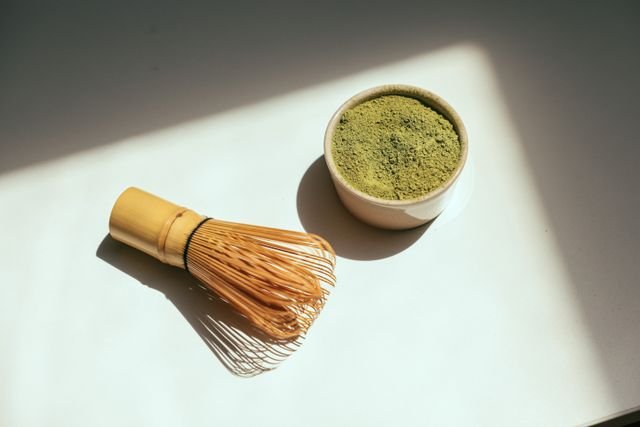
Matcha and coffee deliver caffeine in very different forms. Matcha is finely powdered green tea. Because the powder is mixed directly into water or milk rather than steeped and removed, you consume the powdered leaf itself.
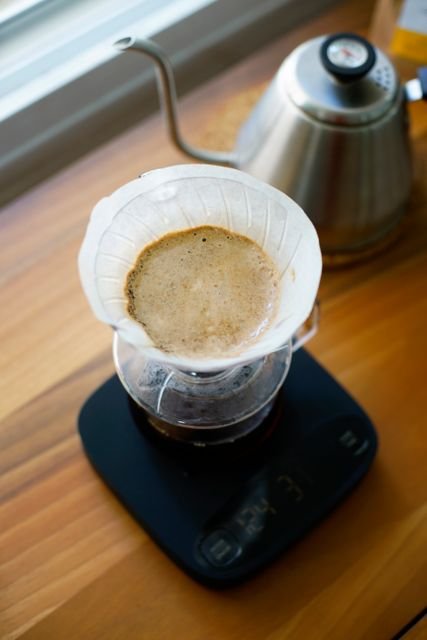
Coffee is made by roasting coffee beans, grinding them, and extracting soluble compounds with water. Drip coffee, French press, pour-over, cold brew, and espresso can all produce different strengths and flavor profiles.
| Feature | Matcha | Coffee |
|---|---|---|
| Basic form | Powdered green tea leaf | Roasted and ground coffee beans |
| Preparation | Powder is whisked or mixed into water or milk | Ground beans are brewed and removed from the drink |
| Main flavor direction | Grassy, vegetal, earthy, umami | Ranges from fruity and bright to nutty, chocolatey, or smoky |
| Caffeine control | Powder amount can be measured directly | Depends on serving size, coffee dose, and brewing method |
Matcha vs Coffee Caffeine: Typical Servings and Why Numbers Vary
It is misleading to assign one fixed caffeine number to either beverage. Coffee strength changes with serving size, brewing method, coffee dose, and preparation. Matcha varies with both the caffeine concentration of the powder and how many grams you use.
The FDA’s caffeine guidance lists regular brewed non-specialty coffee at approximately 113–247 mg of caffeine per 12 fluid ounces. As another reference point, the Mayo Clinic caffeine reference lists about 96 mg for an 8-ounce brewed coffee and about 63 mg for a 1-ounce espresso.
Matcha is harder to summarize with a single serving number. Research on matcha composition has reported caffeine concentrations of roughly 18.9–44.4 mg per gram in analyzed samples. That means the amount in your cup depends heavily on the powder itself and whether you use 1 gram, 2 grams, or more.
| Drink | Useful caffeine reference | Why it varies |
|---|---|---|
| Matcha | Published samples have ranged around 18.9–44.4 mg per gram | Powder composition and grams used |
| Brewed coffee | About 96 mg per 8 oz in one Mayo Clinic reference | Serving size, bean dose, and brew method |
| Espresso | About 63 mg per 1 oz in one Mayo Clinic reference | Shot size, coffee dose, and extraction |
The practical lesson is simple: compare actual servings, not beverage names. A strong matcha preparation can overlap with a weaker coffee, while a large coffee may deliver several times the caffeine of a modest matcha serving.
Focus, Jitters, and the L-Theanine Question
Matcha naturally contains L-theanine, an amino acid commonly discussed alongside caffeine. This is where many comparisons become too confident. L-theanine does not give us enough evidence to say that matcha slows caffeine absorption, guarantees calm focus, prevents jitters, or creates a predictable multi-hour energy curve.
A systematic review of L-theanine and caffeine found small-to-moderate differences favoring the combination on some cognitive and mood measures, including certain attention outcomes. However, results were not consistent across every measure, and the authors noted the need for more research using actual tea beverages and real-world conditions.
A separate 2026 meta-analysis of L-theanine also found that effects were outcome-specific rather than uniformly calming. Some attention measures improved, while stress effects were modest and anxiety findings were inconsistent.
That matters because studies using isolated L-theanine or controlled supplement doses are not the same as drinking an ordinary cup of matcha. The amount of L-theanine and caffeine in a real serving can vary substantially.
Coffee may feel stronger simply because a typical serving can contain more caffeine. Higher caffeine exposure can increase the likelihood of noticeable stimulation, anxiety, jitters, palpitations, or sleep disruption in sensitive people. Those effects are not unique to coffee; enough caffeine from matcha can also cause them.
Matcha vs Coffee Decision Framework
Instead of choosing based on slogans such as “clean energy” or “stronger boost,” use the factors that actually change your experience.
| If this matters most | Matcha may fit when… | Coffee may fit when… |
|---|---|---|
| Caffeine amount | You want to start with a smaller measured powder dose | You want a drink that commonly provides more caffeine per serving |
| Jitter sensitivity | You prefer experimenting with a lower total caffeine dose | You tolerate caffeine well and can adjust cup size or brew strength |
| Sleep | You can keep the serving modest and early enough | You can manage serving size and avoid late-day high doses |
| Taste | You enjoy grassy, umami, vegetal flavors | You prefer roasted, chocolatey, nutty, fruity, or caramel notes |
| Preparation | You like whisking or shaking powder into water or milk | You enjoy brewing, grinding, or espresso preparation |
| Portability | Powder can be easy to portion and mix when traveling | Ready-made coffee is widely available |
| Milk and sweeteners | You enjoy matcha lattes but can control added sugar | You enjoy coffee plain or with milk, cream, or flavorings |
| L-theanine | You specifically want a tea that naturally contains it | You do not consider L-theanine an important factor |
If caffeine strongly affects your sleep, the beverage name matters less than dose and timing. A controlled study found that a 400 mg caffeine dose disrupted sleep even when consumed six hours before bedtime. That does not create a universal six-hour rule for everyone, but it does show why a large afternoon or evening dose can matter. See the controlled caffeine-and-sleep study for the underlying research.
Antioxidants and Health Effects: What the Evidence Actually Supports
Both beverages contain plant compounds that are often described as antioxidants. Matcha and other green teas contain catechins, while coffee contains several polyphenolic compounds. That is useful composition information, but it should not be turned into a simple claim that one drink is automatically healthier.
The distinction between “contains antioxidants” and “produces a proven health outcome” is important. The amount of a compound in a beverage does not by itself tell you whether drinking that beverage will meaningfully improve cardiovascular health, metabolism, inflammation, or disease risk.
NCCIH’s green tea evidence review notes that definitive conclusions cannot be reached for many promoted green-tea health uses. It also describes any effect of green-tea catechins and caffeine on body weight as modest.
That is why matcha should not be chosen solely because a label emphasizes catechins, antioxidants, metabolism, or wellness. Coffee should not be treated as medically superior because observational studies sometimes associate coffee consumption with favorable health outcomes either. Long-term health depends on far more than which caffeinated beverage you drink.
Side Effects, Caffeine Limits, and Who Should Be Careful
The FDA states that for most adults, 400 mg of caffeine per day is an amount not generally associated with negative effects. It is not a personal target, and some people experience symptoms at much lower amounts.
Possible effects of excessive caffeine or individual sensitivity include insomnia, anxiety, jitters, increased heart rate, palpitations, headache, nausea, and gastrointestinal symptoms. Your own response can also change depending on how regularly you consume caffeine.
MedlinePlus caffeine guidance notes that people with sleep problems, anxiety, arrhythmias, high blood pressure, pregnancy or breastfeeding considerations, or certain medication use may need more individualized guidance.
Pregnancy has a different caffeine threshold. ACOG guidance on caffeine during pregnancy describes moderate intake as less than 200 mg per day. Caffeine from coffee, matcha, tea, energy drinks, chocolate, and other sources all contributes to the daily total.
Switching From Coffee to Matcha Can Change Your Total Caffeine Intake
If you regularly drink several strong coffees and suddenly replace them with a much lower-caffeine matcha routine, you may notice withdrawal symptoms from the reduction itself. Research on caffeine withdrawal documents symptoms such as headache, fatigue, drowsiness, irritability, and difficulty concentrating in some habitual users who stop or sharply reduce intake.
Gradually reducing caffeine may be easier than making a large overnight change.
Medication and Health-Condition Considerations
Caffeine and green-tea products can interact with certain medicines. NCCIH also notes documented interactions involving green-tea products and some medications. Because interaction risk depends on the drug, dose, medical condition, and total caffeine exposure, a general beverage comparison cannot serve as a complete interaction checker.
If you take prescription medicines or have a condition that makes you sensitive to caffeine, confirm your intake with a clinician or pharmacist rather than assuming that matcha is automatically safer because it is tea.
Taste and Preparation
Matcha has a distinct vegetal, grassy, and umami character. Better preparation can make it smoother, but the taste remains very different from brewed coffee. It can be whisked with hot water or mixed with milk for a latte.
Coffee offers a wider range of roast-driven flavors. Lighter roasts can taste brighter or fruitier, while darker roasts often move toward chocolate, caramel, toasted, or smoky notes. Brewing method also changes body and intensity.
Simple Matcha Preparation
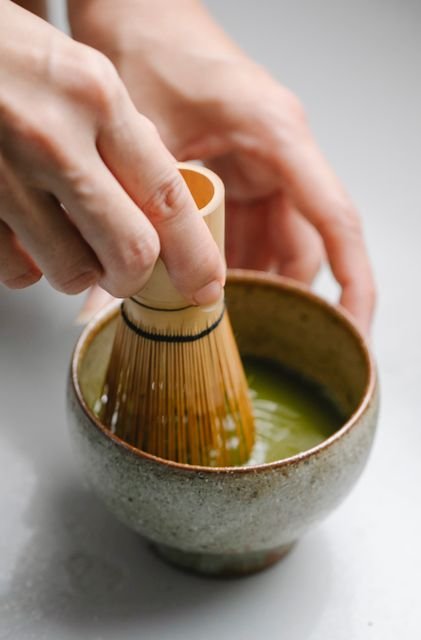
A practical starting point is roughly 1–2 grams of matcha mixed with hot water, then whisked or frothed until evenly dispersed. Exact water temperature is a matter of preference and product instructions rather than a health requirement. Cooler-than-boiling water is commonly used to avoid emphasizing bitterness.
Simple Coffee Preparation
Coffee preparation depends on your brewer. Drip, pour-over, French press, cold brew, and espresso all require different grind sizes and coffee-to-water ratios. If consistency matters, measuring the coffee and water is more useful than relying on scoops alone.
Both beverages also work as iced drinks and lattes. Added syrups, sweetened creamers, or heavily sweetened café preparations can change the nutritional profile far more than the basic coffee-versus-matcha choice.
Cost, Quality, and What to Look for When Buying
Price varies widely for both beverages. Matcha is often sold in relatively small tins or pouches, while coffee is commonly sold in larger bags. Comparing cost per serving is therefore more useful than comparing package prices.
For matcha, look first at the intended use, ingredient list, origin information if provided, package size, preparation directions, and storage guidance. Terms such as “ceremonial grade” can describe how a seller positions a product, but the phrase alone does not prove a certain caffeine content, health effect, nutrient level, or universally recognized quality standard.
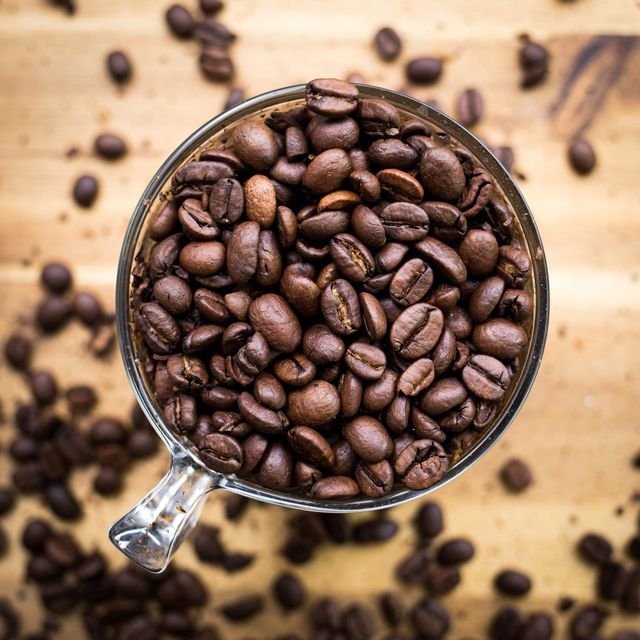
For coffee, practical quality information can include roast level, whole-bean versus pre-ground format, roast or freshness information where available, and whether the coffee suits your preferred brewing method.
Smaller matcha packages can make sense for a first purchase because the powder is sensitive to air, heat, light, and moisture after opening. Coffee beans also benefit from being kept sealed and away from heat and light.
An Optional Matcha Example for Beginners
If you decide that matcha fits your routine and want a straightforward product rather than a sweetened premix, one verified example is Naoki Matcha Superior Blend Matcha. The Amazon listing identifies a 40 g / 1.4 oz package made from green tea leaves and gives a preparation direction of about 2 g per cup.
The seller describes it as first-harvest and “ceremonial grade,” but those marketing terms should not be interpreted as proof of a particular caffeine level, health benefit, or smoother stimulant effect. Its main practical appeal in this comparison is simply that it is a plain powdered matcha with clear serving guidance and a relatively small package for someone trying matcha at home.
- ✓ Premium Japanese Ceremonial Grade Matcha, Fresh from Japan - Made from shade grown, First Harvest tea leaves from Uji Kyoto. The tencha is only ground into powder right before it leaves Japan for the USA, and then sealed into air-tight packets. This gets you extremely fresh, quality Uji matcha to be enjoyed right here in America.
- ✓ Smooth, Balanced And Versatile, Ideal For Matcha Beginners - This matcha ceremonial grade green tea powder is smooth with balanced umami with a just a tiny hint of bitterness. It is the perfect matcha for beginners looking to make matcha lattes, or matcha teas (usucha).We recommend using this for recipes where matcha is the main ingredient.

Which Should You Choose?
Choose matcha if you enjoy its flavor, want to measure a relatively small powder serving, like the preparation ritual, or specifically want a caffeinated tea that naturally contains L-theanine. Just keep in mind that matcha can still contain enough caffeine to cause sleep problems or jitters in sensitive people.
Choose coffee if you prefer roasted flavors, want a drink that commonly provides more caffeine per serving, or value the wide variety of brewing styles and café options. If a normal coffee feels too strong, reducing the serving size or choosing a weaker preparation may be more useful than abandoning coffee completely.
If sleep or caffeine sensitivity is your biggest concern, start with the lowest practical dose and judge the result from your actual response. A lower-caffeine coffee can sometimes suit you better than a strong matcha, and the reverse can also be true.
Final Takeaway
The most important difference between matcha and coffee is not a guaranteed “steady energy versus crash” effect. It is how much caffeine you actually consume, how your body responds to it, and whether the flavor, preparation, cost, and timing work for your routine.
Coffee generally gives you more caffeine per typical serving. Matcha gives you powdered green tea plus naturally occurring L-theanine, but that does not guarantee calmer stimulation. Treat caffeine as a dose rather than a beverage identity, keep timing in mind, and choose the drink you can enjoy consistently without unwanted effects.
FAQ
Can you drink matcha and coffee on the same day?
Yes, but count the caffeine from both rather than treating them as separate categories. A coffee in the morning and matcha later can still produce a high total daily intake, particularly if the coffee is large or the matcha uses several grams of powder.
Can you mix matcha with coffee?
You can combine them for flavor, but doing so combines their caffeine as well. Start with smaller amounts of each if you are experimenting so you can judge both the taste and the total stimulant effect.
How should matcha and coffee be stored?
Keep both away from heat, moisture, and direct light. Matcha should be tightly sealed because air and humidity can quickly affect its color and flavor. Coffee beans are best stored in an airtight container in a cool, dark location and ground close to brewing when practical.
Should people taking medication avoid matcha or coffee?
Not necessarily, but caffeine and green-tea products can interact with certain medicines and may be unsuitable in some health situations. If you take prescription medication, have a heart-rhythm condition, significant anxiety, high blood pressure, or another caffeine-sensitive condition, ask a clinician or pharmacist whether your usual intake is appropriate.


Don’t Miss These Picks