

Can two kitchen staples work better together than alone? Possibly—and that is why turmeric and ginger keep showing up in both research and everyday wellness routines. Turmeric supplies curcumin, while ginger provides gingerols and shogaols. These compounds affect several inflammatory pathways, which helps explain why both herbs are often studied for joint discomfort, exercise recovery, digestive symptoms, and broader inflammation support.
The practical answer is a little more nuanced than the hype. Human studies suggest that turmeric/curcumin and ginger can each lower some inflammation markers, but the best evidence on the combination still comes mostly from lab and early mechanistic research. That means the pairing is promising, but it should be viewed as a supportive tool—not a cure and not a replacement for medical treatment.
Key Takeaways
- Turmeric and ginger both have anti-inflammatory compounds that may affect markers such as CRP, TNF-alpha, and IL-6.
- The pair may work especially well together because curcumin and ginger compounds act on overlapping but not identical pathways.
- Food use and supplement use are not the same thing. Cooking with the roots is different from taking standardized extracts used in studies.
- Curcumin absorbs poorly on its own. Black pepper and a little fat can help improve absorption.
- Food amounts are usually well tolerated, but higher-dose supplements deserve caution if you take blood thinners, diabetes medicines, or have ongoing medical conditions.
Helpful Products at a Glance
For a measured daily formula that combines turmeric, ginger, and black pepper in one place, this capsule supplement is the most practical fit.
- MADE WITH ORGANIC TURMERIC - CERTIFIED BY CCOF: This clean Turmeric Curcumin supplement is made with organic turmeric root, organic turmeric extract and organic ginger.
- 500MG CURCUMINOIDS: Our Curcumin is standardized to deliver 95% curcuminoids, the beneficial components in turmeric.* Every serving packs 500mg of curcuminoids.

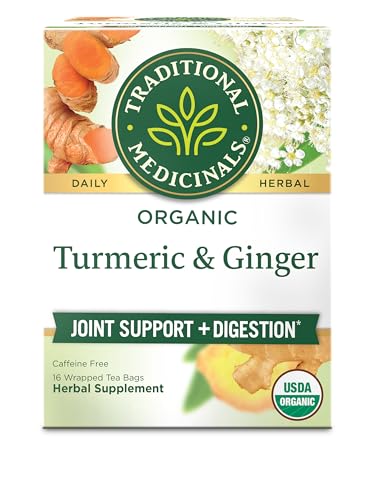
For a gentler, food-first way to use the pairing, this tea works best when you want a simple daily habit rather than a concentrated extract.
- Herbal wellness: Organic Turmeric tea supports a healthy response to inflammation associated with an active lifestyle*
- Taste: Our turmeric & ginger tea is warming, earthy, and savory with a hint of spice, providing an aromatic and restorative turmeric supplement.
Why This Pair Gets So Much Attention
Chronic low-grade inflammation is linked with many common health problems, and it can also make daily symptoms feel worse. That is one reason people look beyond single “superfoods” and start asking whether certain combinations may offer broader support. Turmeric and ginger stand out because both have a long food history, both are widely used in traditional medicine, and both have active compounds that have been studied in modern trials.
Human research is strongest when the ingredients are looked at separately. For example, a meta-analysis of randomized trials on ginger found significant reductions in some inflammatory markers, including CRP and TNF-alpha. Curcumin research also looks promising: systematic reviews and meta-analyses suggest that turmeric/curcumin supplementation can reduce CRP, TNF-alpha, and IL-6 in some settings. Together, these findings make the turmeric-ginger pairing worth a closer look.
What Turmeric and Ginger Actually Are
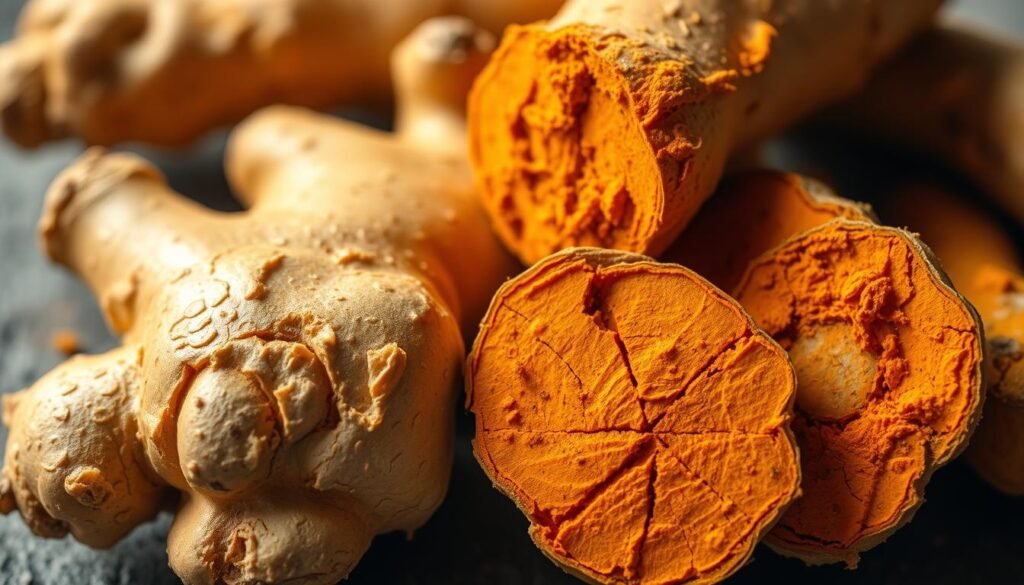
Turmeric (Curcuma longa) and ginger (Zingiber officinale) are both rhizomes from the Zingiberaceae family. Turmeric is known for its deep golden color and earthy flavor. Ginger is spicier, brighter, and more pungent. Both show up in cooking, teas, powders, and supplements, but the form you choose changes how much of the active compounds you actually get.
If you are using them in food, fresh root and dried powder are usually the easiest starting points. Fresh ginger works well in tea, soups, and stir-fries. Turmeric powder works especially well in soups, rice dishes, smoothies, and golden milk. Supplements become more relevant when you want consistent, study-style dosing instead of a small culinary amount.
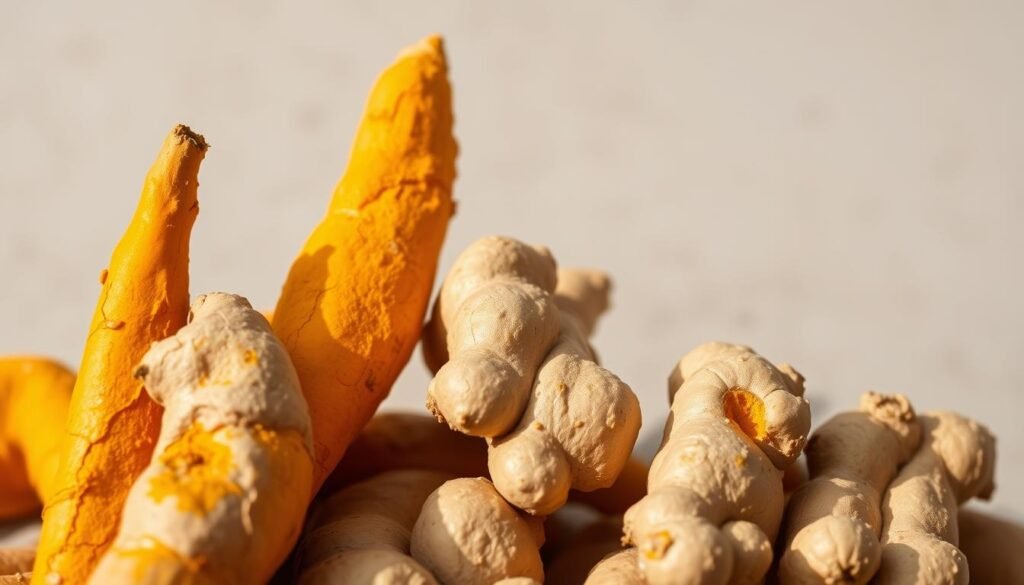
- Fresh root: best for cooking, tea, and a food-first routine.
- Powder: easy to measure and convenient for drinks, soups, and dressings.
- Standardized extract: the most useful option when you want a more predictable amount of curcuminoids or ginger compounds.
The Main Compounds Behind the Benefits
Turmeric’s best-known compounds are the curcuminoids, especially curcumin. Ginger’s best-known compounds are gingerols and shogaols. Fresh ginger contains more gingerols, while drying and heating can increase shogaols. These compounds are the main reason both plants are studied for inflammation, oxidative stress, and pain-related symptoms.
One practical issue is that curcumin is not absorbed very well on its own. That is why many supplement formulas include black pepper extract (piperine), and why cooking turmeric with a little fat can also help. If you are comparing supplements, it helps to look for clear labeling of curcuminoids, ginger content, and whether black pepper is included.
How Turmeric and Ginger May Help Inflammation
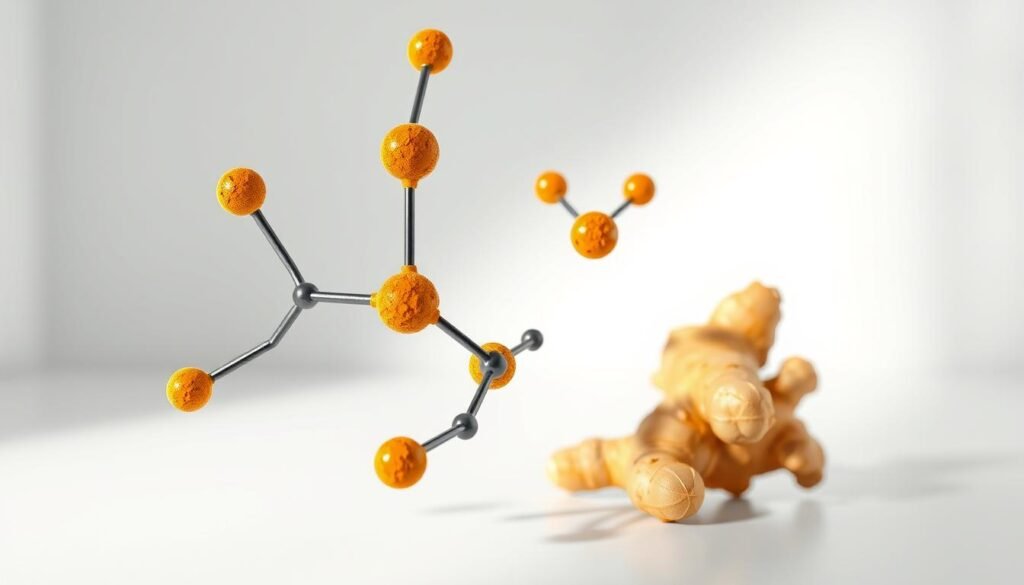
Both herbs appear to influence inflammatory signaling rather than working like a simple on-off switch. Research suggests curcumin may help calm pathways involving NF-kB and may also support antioxidant defenses through Nrf2-related activity. Ginger compounds appear to act on overlapping pathways and may also influence nitric oxide, prostaglandins, and inflammatory cytokines.
In plain language, that means the two herbs may help reduce the body’s inflammatory signaling load in some people. That does not mean they work like prescription drugs, and it does not mean everyone will notice a big change. It does mean they are reasonable supportive options when used appropriately and with realistic expectations.
Curcumin also should not be treated as a direct replacement for NSAIDs. Some small trials have compared curcumin with common pain relievers in select settings, but that does not make the ingredients interchangeable. If you need fast pain relief, ongoing disease management, or prescription care, food and supplements should stay in a supporting role.
Why the Combination May Be Stronger Than Either Alone
This is where the turmeric-ginger pairing gets especially interesting. Laboratory research on combined ginger and turmeric extracts found that certain ratios reduced inflammatory mediators such as nitric oxide, TNF, and IL-6 more effectively than single extracts alone. In that work, curcumin plus key ginger shogaols appeared to be important drivers of the synergy.
That said, it is important to keep the evidence level clear. Synergy in cell and mechanistic studies does not automatically prove that every turmeric-ginger supplement will produce stronger real-world results in people. The lab data are promising and biologically plausible, but human combination trials are still much more limited than the separate evidence for ginger and curcumin.

Food, Powder, or Supplements: Which Form Makes Sense?
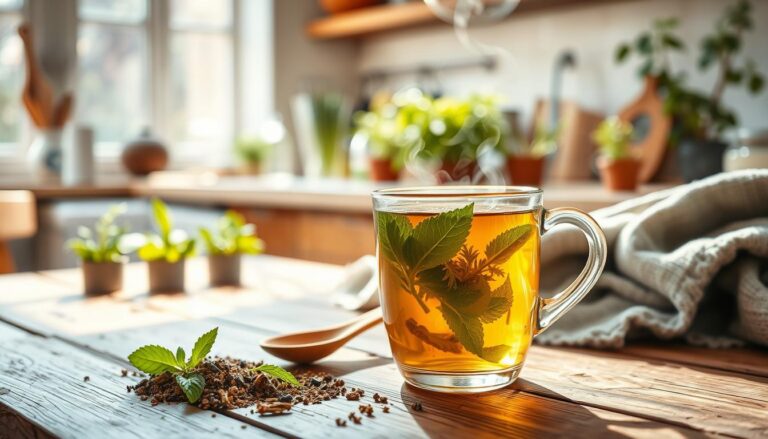
If your goal is a simple daily wellness habit, starting with food or tea is often enough. You can grate fresh ginger into hot water, add turmeric to soups or eggs, or make a warm drink with ginger, turmeric, black pepper, and milk or a dairy-free alternative. This approach is easy, flexible, and usually well tolerated.
If you want a more consistent amount closer to what is used in supplement studies, a standardized formula can be more practical. Many curcumin trials use the equivalent of roughly 500 to 1,500 mg of standardized curcuminoids per day, while ginger studies often use amounts ranging from about 250 mg to 1,000 mg of extract or higher gram-level amounts of powder depending on the preparation. Product labels matter because “turmeric” and “curcumin” are not interchangeable terms.
For adults who want a single formula that combines turmeric, ginger, and black pepper, NatureWise Curcumin Turmeric 2250mg is a sensible fit. It includes turmeric, organic ginger, and BioPerine black pepper extract, so it matches the article’s main practical goal: bringing the pair together in a more measured format. It makes the most sense for people who want a consistent daily supplement rather than a culinary-only approach.
It is still a supplement, not a shortcut. If you take blood thinners, manage blood sugar with medication, or have ongoing medical issues, it is smart to check with your clinician before using it regularly.
- MADE WITH ORGANIC TURMERIC - CERTIFIED BY CCOF: This clean Turmeric Curcumin supplement is made with organic turmeric root, organic turmeric extract and organic ginger.
- 500MG CURCUMINOIDS: Our Curcumin is standardized to deliver 95% curcuminoids, the beneficial components in turmeric.* Every serving packs 500mg of curcuminoids.
- HIGH ABSORPTION: Curcumin by itself is poorly absorbed by the body. Our turmeric with black pepper capsules are enhanced with Bioperine, a black pepper extract proven to dramatically increase bioavailability.*
- POTENT JOINT HEALTH SUPPORT: Turmeric is a common ingredient found in joint support supplements due to its phytonutrients which may promote joint comfort and flexibility.*
If you would rather begin with a gentler routine, a tea is a good middle ground. It will not give you the same standardized potency as a capsule, but it is often a more realistic long-term habit for people who mainly want warmth, flavor, and a daily ritual.
Traditional Medicinals Organic Turmeric Tea with Ginger & Meadowsweet fits that role well. It is best for people who want a food-like option and do not need study-level dosing. The main limitation is simple: tea is supportive, but it is not the same as a concentrated extract.
- Herbal wellness: Organic Turmeric tea supports a healthy response to inflammation associated with an active lifestyle*
- Taste: Our turmeric & ginger tea is warming, earthy, and savory with a hint of spice, providing an aromatic and restorative turmeric supplement.
- Inspired by tradition: Herbalists around the world have long praised turmeric root for its soothing benefits, now brought to you in a ginger turmeric tea
- Mindfully-made herbal tea: This USDA Certified Organic tea is also Kosher, Caffeine-Free, Compostable, and Herbalist-formulated
How to Use the Pair in Real Life
- Start with food first if you are unsure. Add ginger and turmeric to soups, curries, eggs, smoothies, or tea.
- Add black pepper and some fat when using turmeric. This can help improve curcumin absorption.
- Choose one routine you can repeat. A daily tea, a golden milk recipe, or one consistent supplement is more useful than random use.
- Give it enough time. For chronic inflammation support, studies often look at periods of about 4 to 12 weeks.
- Watch tolerance and expectations. These ingredients may support symptoms and inflammatory markers, but they are not magic fixes.
Safety and Who Should Be Careful
Food amounts of turmeric and ginger are usually well tolerated. The bigger safety questions come up with supplement doses. Ginger can cause stomach upset, heartburn, diarrhea, or mouth and throat irritation in some people. Turmeric or curcumin supplements can also cause digestive side effects, and NCCIH notes that liver injury has been reported in some people using more bioavailable curcumin products.
Use extra caution if you:
- take blood thinners or antiplatelet medicines,
- take diabetes medicines or are prone to low blood sugar,
- are preparing for surgery,
- are pregnant and considering supplement-level doses, or
- have persistent symptoms that need medical evaluation.
If you want more background on safety, the NCCIH ginger overview and the NCCIH turmeric page are helpful starting points.
FAQ
Do I need black pepper with turmeric?
Not always, but it can help. Curcumin is poorly absorbed on its own, so black pepper or a supplement formula that includes piperine can improve absorption. Using turmeric with a little fat can also help.
Is fresh root better than capsules?
Fresh root is great for everyday food use, but capsules are easier when you want a predictable dose. The “best” form depends on whether your goal is general wellness, flavor, or a more research-style supplement routine.
How long does it take to notice a difference?
For digestive comfort or a warming tea ritual, effects can feel immediate. For longer-term inflammation support, studies often look at several weeks rather than a few days.
Can turmeric and ginger replace pain medicine?
No. They may support inflammation control, but they should not replace prescribed treatment or be treated as direct substitutes for NSAIDs or other medicines.
Can I take turmeric and ginger every day?
Many people can use them daily in food. Daily supplement use is more individual and is worth reviewing with a clinician if you take medications or have health conditions.
The Bottom Line
Turmeric and ginger are a smart pairing because the science behind each ingredient is respectable, the combination makes biological sense, and the practical ways to use them are simple. The strongest human evidence still supports the ingredients more clearly on their own than as a fully proven “power couple,” but the combined approach is promising and reasonable.
If you want the simplest route, start with food or tea. If you want more measured dosing, a standardized supplement can make sense. Either way, the best results usually come from treating turmeric and ginger as supportive parts of a bigger health plan, not as standalone cures.