


Does sea moss really contain 92 essential minerals your body needs? You’ve probably seen this claim on supplement bottles, wellness websites, or social media. It sounds impressive, but there is no reliable scientific evidence supporting the 92-mineral claim.
Sea moss is an edible red seaweed that contains nutrients such as iron, magnesium, zinc, and iodine. However, the amount you actually get depends on the species, serving size, and how the seaweed is prepared. A spoonful of sea moss gel is not the same as a serving of raw sea moss or a concentrated supplement.
So, is sea moss worth adding to your diet? Let’s examine the nutrition facts, separate proven benefits from marketing claims, explain the risks, and explore how to choose and use sea moss safely.
Key Takeaways
- The 92 essential minerals claim is misleading. Sea moss contains several minerals, but scientists have not confirmed that it provides 92 nutrients essential to human health.
- Sea moss provides some useful nutrients. Iron, magnesium, zinc, and iodine may contribute to your diet, although amounts vary considerably.
- Thyroid health requires caution. Iodine is necessary for thyroid hormones, but too much can cause problems.
- Health benefits are not well proven. Claims about immunity, weight loss, digestion, and skin health rely largely on early research or studies of other seaweeds.
- Quality matters. Choose products with clear ingredient information, iodine amounts, and independent contaminant testing whenever possible.
Helpful Products at a Glance
For clearly labeled iodine content: Snap Supplements Irish Sea Moss Capsules provide a stated iodine amount, but also contain bladderwrack, kelp, and burdock root. They are not a sea moss-only product.
For sea moss capsules with published contaminant testing: Double Wood Irish Sea Moss Capsules contain Chondrus crispus extract and have published batch-testing information. Their iodine amount is not clearly quantified.
Does Sea Moss Really Contain 92 Essential Minerals?
No scientific evidence establishes that sea moss contains 92 essential minerals. You may also encounter the claim that it provides 92 of the 102 minerals the human body needs. That statement is misleading because the body does not require 102 different dietary minerals.
Humans need a much smaller group of essential minerals, including calcium, magnesium, iron, zinc, potassium, and iodine. The exact number depends on how nutrients are classified.
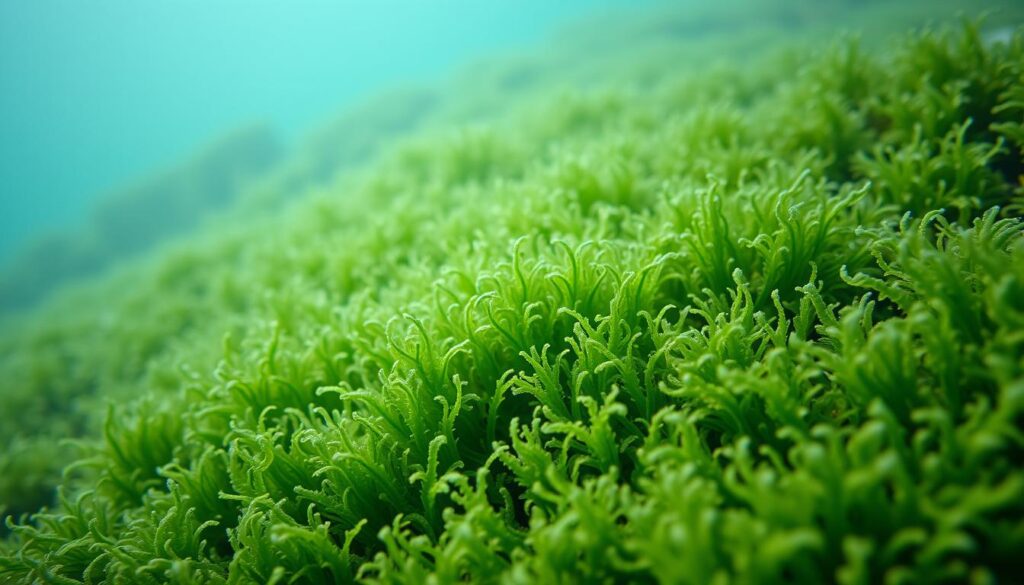
Why the 92-mineral claim is misleading
Seaweed absorbs elements from seawater. Laboratory equipment can detect small amounts of many elements, but that does not make every detected element an essential nutrient.
Three important differences explain the problem:
- Presence is not nutritional value: Detecting a mineral does not mean a normal serving provides enough to benefit your diet.
- Not every element is essential: Some elements have no established nutritional role, while others can be harmful.
- Mineral content varies: Species, growing conditions, harvesting, and processing can change the amounts present.
For example, 20 grams of raw Irish moss may provide approximately 10% of the Daily Value for iron. That is a measurable contribution, but it does not make sea moss a complete mineral supplement.
The verdict: Sea moss contains nutrients worth understanding, but the 92-mineral claim should not influence your buying decision. Tulane University’s discussion of wellness myths also identifies this claim as unsupported.
What Is Sea Moss? Understanding Irish Moss and Other Red Seaweeds
Sea moss is a common name for several edible red seaweeds. Traditional Irish moss, scientifically called Chondrus crispus, grows along the colder Atlantic coasts of North America and Europe.
Despite being classified as red algae, it can appear greenish-yellow, brown, reddish-purple, or dark purple. Its color depends partly on growing conditions and natural pigments.

Sea moss has traditionally been used as food and as a thickening ingredient. Chondrus crispus contains carrageenan, a substance used to improve the texture of certain foods, including ice cream and nondairy beverages.
However, not every product labeled sea moss contains Chondrus crispus. Some use Gracilaria or other red seaweed species. These have different compositions and may behave differently in recipes.
Common commercial forms include:
- Dried sea moss: Requires cleaning and preparation before use.
- Sea moss gel: A hydrated preparation mixed into smoothies, soups, or other foods.
- Powder: Convenient for recipes, but nutrient concentration depends on processing.
- Capsules: Provide a measured amount of powder or extract without kitchen preparation.
- Gummies: Easy to take but may contain added sugars, flavors, and other ingredients.
Sea Moss Nutrition Facts: What Does a Serving Actually Provide?
Sea moss is naturally low in calories and fat. It contains carbohydrates, small amounts of protein, and several minerals. However, serving size makes an enormous difference.
The following figures come from the USDA nutrient data for raw Irish moss. They are reference values, not guaranteed amounts in every sea moss product.
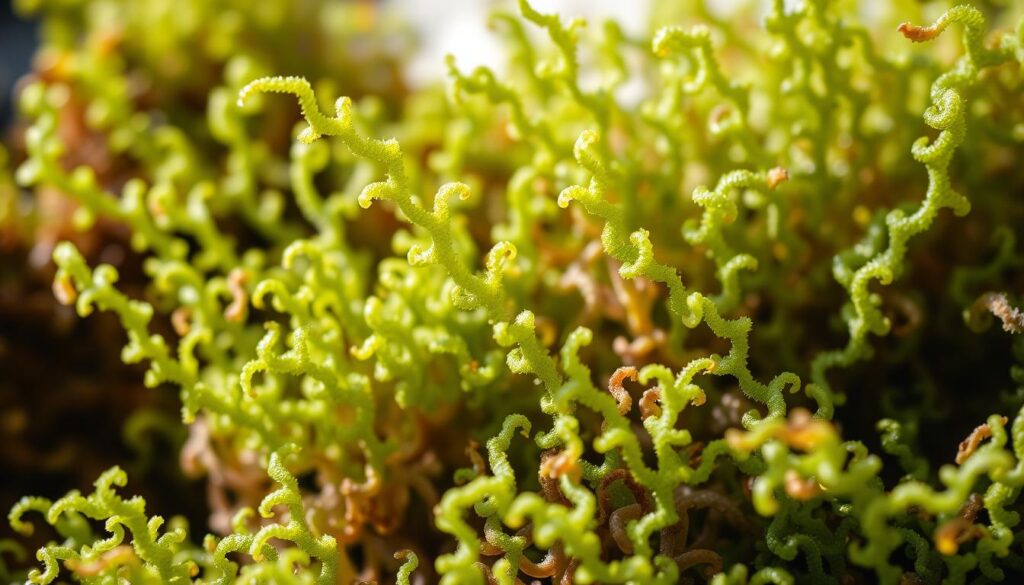
Sea moss nutrition by weight
| Nutrient | 10 g raw | 20 g raw |
|---|---|---|
| Calories | 4.9 | 9.8 |
| Carbohydrates | 1.23 g | 2.46 g |
| Protein | 0.15 g | 0.30 g |
| Iron | 0.89 mg | 1.78 mg |
| Magnesium | 14.4 mg | 28.8 mg |
| Zinc | 0.20 mg | 0.39 mg |
| Calcium | 7.2 mg | 14.4 mg |
Important: These values describe raw Irish moss measured by weight. They should not be applied directly to 10 or 20 grams of homemade gel. Adding water dilutes the nutrients per spoonful, and recipes vary in how much seaweed they contain.
Which minerals matter most?
- Iron: Helps your blood carry oxygen. A 20-gram raw serving provides approximately 10% of the adult Daily Value.
- Magnesium: Supports normal muscle and nerve function. The same serving provides approximately 7% of the Daily Value.
- Zinc: Plays a role in immune function and wound healing, but sea moss provides relatively little in small servings.
- Calcium: Supports bones and muscles, although sea moss is not a major calcium source.
- Iodine: Helps your thyroid produce hormones. Amounts can vary greatly between products.
Why iodine needs special attention
According to the NIH Office of Dietary Supplements, most adults need approximately 150 micrograms (mcg) of iodine daily. Needs increase to 220 mcg during pregnancy and 290 mcg while breastfeeding.
The adult upper limit is 1,100 mcg daily from all dietary sources. This is a safety ceiling, not a recommended target, and some people with thyroid conditions can react to smaller changes in iodine intake.
Because standard food composition data do not establish a dependable iodine amount for every sea moss serving, look for product-specific testing rather than assuming all sea moss has similar levels.
Potential Health Benefits of Sea Moss: What Does Research Say?
Sea moss contains potentially useful nutrients and natural compounds. However, many impressive health claims come from laboratory studies, animal experiments, or research involving other seaweeds.
Human clinical studies testing sea moss itself remain limited, as discussed by Cleveland Clinic and Northwestern Medicine.
1. Thyroid function
Iodine is essential for producing thyroid hormones, which help regulate metabolism, growth, and many body functions. Sea moss may contribute iodine when it contains a measurable amount.
But eating more iodine does not automatically improve thyroid function. For someone who already gets enough iodine, additional intake may provide no benefit and could be harmful.
2. Gut health and digestion
Sea moss contains complex carbohydrates, including polysaccharides. Researchers are studying whether certain seaweed compounds can support beneficial gut bacteria.
Some laboratory and animal findings are encouraging, but there is not enough human evidence to say that eating sea moss gel reliably improves digestion or treats gut problems.
3. Immune health
Iron, zinc, and other nutrients support normal immune function. Sea moss contains some of these nutrients, although typical portions may provide only small amounts.
Laboratory research has also examined how seaweed compounds affect immune responses. These findings do not prove that sea moss supplements prevent infections or strengthen immunity in people.
4. Weight management and heart health
Seaweed fibers and compounds have been studied for possible effects on cholesterol, blood glucose, and body weight. Some findings are promising, but they cannot automatically be applied to sea moss.
For example, fucoxanthin is studied mainly in brown seaweeds. It should not be used as proof that Irish moss burns fat or helps control diabetes.
5. Skin and hair health
Sea moss is sometimes promoted for glowing skin, stronger hair, and anti-aging benefits. While adequate nutrition supports normal skin and hair function, there is little reliable clinical evidence that eating sea moss produces these specific improvements.
Overall: Sea moss can contribute to dietary variety, but claims about dramatic health improvements go beyond the available research.
Sea Moss Risks, Side Effects, and Who Should Be Careful
Sea moss is a food, but that does not mean unlimited amounts are safe. The most important concerns are excessive iodine, environmental contamination, digestive discomfort, and individual health conditions.
Excess iodine and thyroid problems
Too much iodine may cause thyroid dysfunction in susceptible individuals. Both an underactive and an overactive thyroid can occur in response to iodine-related problems.
Consider all your iodine sources, including iodized salt, dairy foods, other seaweed products, and supplements. A small-looking serving of concentrated seaweed powder may contain substantial iodine.
Heavy metals and environmental contamination
Seaweed can absorb substances from its environment, including arsenic, cadmium, and lead. The amount varies by species and harvesting location.
Not every sea moss product is contaminated at a harmful level, but appearance, color, or a wild-harvested label cannot prove safety. Independent batch testing is more useful than general purity claims.
Carrageenan and digestive concerns
Food-grade carrageenan is a thickening ingredient permitted by the FDA under 21 CFR 172.620, subject to specified conditions.
It should not be confused with poligeenan, a substantially degraded form used in certain research settings. They have different properties and should not be treated as interchangeable.
Some people may experience bloating, nausea, or loose stools after consuming sea moss preparations. Stop using a product if it repeatedly causes discomfort.
Who should avoid or limit sea moss?
- People with thyroid disorders: Speak with your treating clinician before taking sea moss regularly, particularly concentrated supplements.
- Pregnant or breastfeeding individuals: Iodine needs are important, but unmeasured amounts in sea moss products can complicate intake.
- People taking medications: Ask a pharmacist or clinician about possible concerns, particularly with thyroid medicines, anticoagulants, or multi-ingredient supplements.
- People with kidney disease: Mineral intake may need individual limits.
- People with seaweed allergies: Avoid products containing the relevant allergen. Shellfish allergy does not automatically mean seaweed allergy, although cross-contact is possible.
- Children: Concentrated sea moss supplements should not be given routinely without pediatric guidance.
Seek urgent medical help for difficulty breathing, throat swelling, or other signs of a serious allergic reaction.
How to Use Sea Moss: Gel, Powder, Capsules, and Gummies
You do not need a supplement to enjoy sea moss. Prepared gel can work as a thickener in food, while dried sea moss and powders offer other kitchen options.
How to make sea moss gel at home
The exact method depends on the species. Many popular no-cook recipes use hydrated sea moss blended with water. Traditional Chondrus crispus preparations may also use heating to extract its gel-forming compounds.
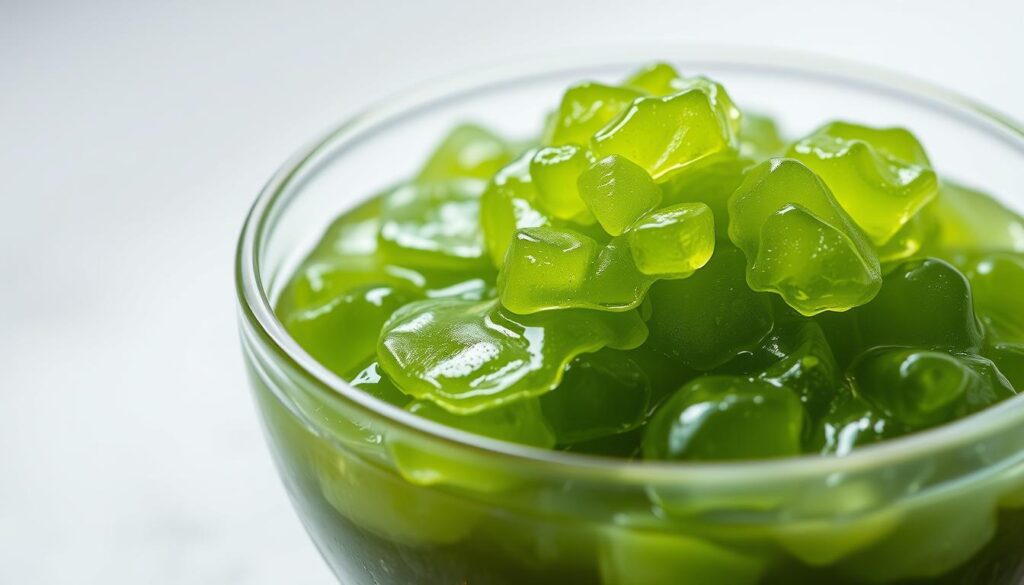
For a basic blended preparation using food-grade dried sea moss:
- Inspect and rinse: Remove visible sand or debris and wash the dried seaweed thoroughly.
- Soak: Cover with clean drinking water and refrigerate while soaking, following the supplier’s species-specific instructions. Many recipes use 12–24 hours.
- Drain: Discard the soaking water and rinse again if needed.
- Blend: Add fresh drinking water gradually and blend until smooth. The amount determines the final thickness.
- Chill: Transfer to a clean, covered container and refrigerate promptly. Follow any additional heating instructions required for the particular seaweed.
Since homemade gel has no standardized concentration, there is no scientifically established safe daily tablespoon dose that applies to every recipe. Small culinary portions are different from taking concentrated supplements every day.
Ways to add sea moss gel to meals
- Blend a little into fruit smoothies for added thickness.
- Stir into soups or stews as a mild thickener.
- Mix into oatmeal or suitable desserts.
- Use in cooking or baking when the recipe benefits from a thicker texture.
What about powder, capsules, and gummies?
Powder is convenient for measured recipes, but its nutrients may be more concentrated by weight than those in hydrated gel. Use the product’s stated serving information and do not assume every powder has the same iodine content.
Capsules avoid preparation and allow you to measure the amount of seaweed or extract taken. However, a listed weight such as 500 mg or 1,200 mg does not tell you how much iodine is present.
For adults who specifically want a supplement with a labeled iodine amount, Snap Supplements Irish Sea Moss Capsules are one option. The supplement information lists 150 mcg of iodine per two-capsule serving, along with sea moss extract, bladderwrack, kelp, and burdock root.
This makes iodine intake easier to track than with an unlabeled sea moss gel, but it is a multi-ingredient supplement rather than pure Irish moss. It is unnecessary if your diet already supplies enough iodine, and additional batch-specific contaminant documentation would strengthen the quality assessment.
Gummies are another convenient option, but check the amount of actual sea moss, added sugar, and any extra herbs or minerals. Attractive marketing numbers do not establish nutritional value.
How long does homemade sea moss gel last?
Store homemade gel at 40°F (4°C) or colder in a clean, airtight container. A cautious home-storage approach is to make small batches and use them within approximately 3–4 days rather than relying on claims that homemade gel always lasts several weeks.
Freeze extra portions in clean containers or trays. Discard gel showing mold, unusual odors, or other signs of spoilage. Keep in mind that harmful bacteria are not always detectable by smell or appearance. The FDA’s food-storage guidance explains the importance of prompt refrigeration and safe handling.
How to Choose Quality Sea Moss Products in the United States
The most useful sea moss product is not necessarily the one advertising the most minerals. Prioritize traceable ingredients, meaningful lab reports, and clear instructions.
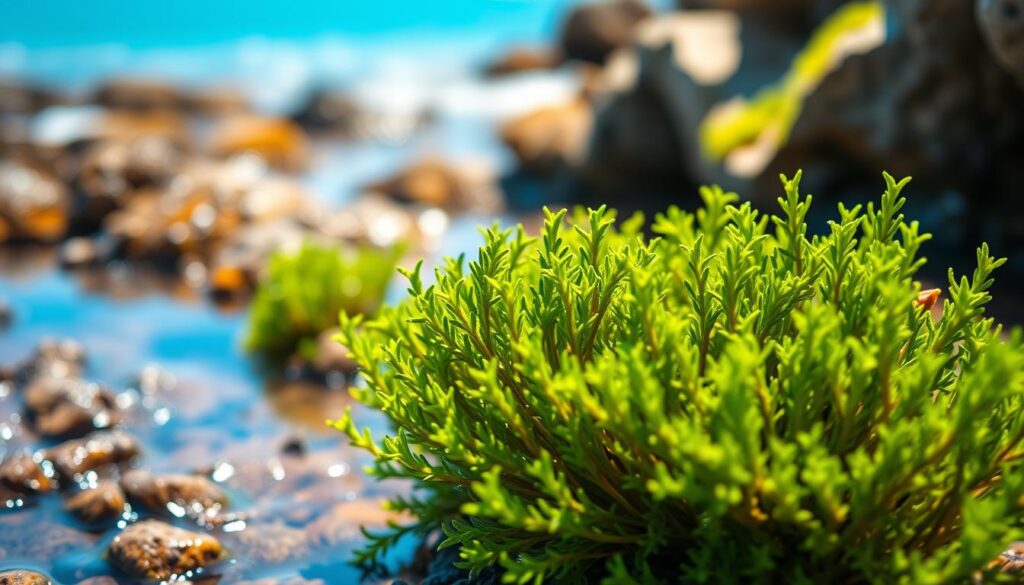
What to check before buying
- Species: Look for the scientific name, such as Chondrus crispus or a named Gracilaria species.
- Source: Favor suppliers that disclose the harvest region and explain how sourcing is controlled.
- Iodine: Prefer products showing the amount per serving, especially if you plan regular use.
- Contaminant testing: Request a recent Certificate of Analysis (COA) that reports results for metals such as lead, cadmium, arsenic, and mercury.
- Microbial safety: Check whether testing covers potentially harmful microorganisms.
- Ingredients: Identify additional seaweeds, herbs, sweeteners, and fillers that may change suitability.
- Handling: Follow storage directions, expiration dates, and refrigeration requirements.
Be cautious with labels promising 92 minerals, guaranteed detoxification, dramatic weight loss, or cures for thyroid disorders. None of those promises is established by a long ingredient list.
An example of a product with published batch testing
Double Wood Irish Sea Moss Capsules contain Chondrus crispus extract from Atlantic seaweed and offer a capsule-based option without the additional bladderwrack and burdock ingredients found in many sea moss blends.
A useful feature is the manufacturer’s published lot-specific Certificate of Analysis information. It includes checks for extract identity, heavy metals, and microbial contamination. This is more informative than an unverified claim that a supplement is completely pure.
However, the published information does not clearly state a quantified iodine amount per serving. The listing’s broad mineral claims should also not be interpreted as evidence of 90 or more essential minerals. This product therefore makes more sense for someone comparing ingredient simplicity and testing transparency than someone needing controlled iodine intake.
Neither capsule product is necessary for a healthy diet. Before taking either regularly, consider your other iodine sources and request current batch information when the seller does not provide everything needed to assess safety.
Frequently Asked Questions
Is sea moss a good source of 92 essential minerals?
No. Sea moss contains several minerals, but the claim that it provides 92 essential minerals is not scientifically established. Nutritional usefulness depends on the amount delivered




Don’t Miss These Picks