


Are apple cider vinegar gummies as effective as liquid vinegar for blood sugar control? If you’re comparing the two, you probably want to know which offers better results without wasting money on something that doesn’t work.
Liquid apple cider vinegar has stronger research support for blood sugar management. Small human studies suggest that its acetic acid may help reduce blood sugar levels. Gummies are easier to take, but there is much less evidence that they provide the same effects.
Price matters, too. A bottle of liquid vinegar may provide dozens of servings, while gummies often cost more and may contain an unknown amount of active acetic acid. Let’s compare the science, doses, costs, and safety so you can make an informed choice.
Key Takeaways
- Liquid has better evidence: Most human studies on apple cider vinegar and blood sugar have used liquid vinegar, not gummies.
- Acetic acid matters: A gummy labeled 500 mg of apple cider vinegar does not necessarily contain 500 mg of acetic acid.
- Gummies offer convenience: They are portable, easier to taste, and may have no added sugar, but their blood sugar benefits remain unproven.
- Liquid usually offers better value: It provides measurable acidity at a relatively low cost per serving.
- Safety comes first: Vinegar may irritate your stomach, damage tooth enamel, and affect diabetes medications.
Helpful Products at a Glance
365 by Whole Foods Market Organic Apple Cider Vinegar: A 32-fluid-ounce, 5%-acidity liquid option for cooking or carefully diluted use. Its main drawback is its strong acidic taste.
Goli Zero Sugar Apple Cider Vinegar Gummies: A convenient, sugar-free alternative with vitamin B12 and probiotics. Its limitation is the lack of direct evidence for meaningful blood sugar benefits.
- Zero Sugar Formula with Probiotics: Features Apple Cider Vinegar powder made from raw, unfiltered ACV, now enhanced with SNZ Tribac probiotic blend and Vitamin B12 in a zero sugar format - all the benefits of our original formula without any added sugar.
- No Sugar Alcohols or Artificial Sweeteners: Sweetened naturally with prebiotic tapioca fiber and fructooligosaccharides instead of sugar alcohols or artificial sweeteners, creating a clean label formula that is keto-friendly and supports your dietary goals.

What Is Apple Cider Vinegar, and Why Might It Affect Blood Sugar?
Apple cider vinegar (ACV) is made by fermenting apple juice. Yeast first turns the fruit’s sugars into alcohol. Then bacteria convert much of that alcohol into acetic acid, giving vinegar its sharp smell and sour taste.
Most household apple cider vinegar contains about 5% acetic acid. This is the main ingredient researchers study when examining vinegar’s possible effects on glucose, the sugar circulating in your blood.

How acetic acid may influence glucose
Researchers have suggested several possible explanations for vinegar’s effects:
- Slower stomach emptying: Vinegar may delay how quickly food passes into the small intestine, changing how fast carbohydrates are absorbed.
- Improved insulin response: Some small studies suggest vinegar may help the body respond to insulin after a carbohydrate-rich meal.
- Changes in glucose processing: Laboratory research suggests acetic acid may affect how the body handles glucose, although these mechanisms are not fully established in humans.
These effects are not always beneficial. For someone with delayed stomach emptying, particularly diabetes-related gastroparesis, additional slowing may worsen symptoms or make blood sugar harder to predict.
Does “with the mother” make vinegar more effective?
Raw, unfiltered vinegar often contains cloudy strands called the mother, a mixture of microorganisms and fermentation byproducts.
However, there is no strong human evidence that vinegar with the mother controls blood sugar better than filtered vinegar containing the same amount of acetic acid. The mother also does not make vinegar a clinically proven probiotic.
Does Apple Cider Vinegar Actually Lower Blood Sugar?
There is some encouraging research, but it comes with important limits. Studies differ in their participants, vinegar doses, meal patterns, and treatment lengths.

What clinical studies found
A 2004 study published in Diabetes Care examined vinegar taken before a carbohydrate-rich meal. It included participants with insulin resistance, type 2 diabetes, and normal insulin sensitivity.
Researchers reported improvements in insulin sensitivity in some groups. However, the study involved just 29 participants overall, including only 10 with type 2 diabetes. It cannot establish lasting benefits.
More recently, a 2025 systematic review and meta-analysis examined seven controlled studies involving 463 people with type 2 diabetes.
The pooled results suggested improvements in fasting blood glucose and HbA1c, a measure of average blood sugar over roughly three months. However, the studies generally lasted only 4–12 weeks and varied in quality and design.
The takeaway: Vinegar may offer some glucose benefits, but researchers still need better, longer studies to determine how reliable and clinically useful those benefits are.
What about ACV gummies?
Here is the biggest difference: the evidence for liquid vinegar cannot automatically be applied to gummies.
Gummies may contain apple cider vinegar powder, flavorings, sweeteners, vitamins, or other ingredients. Their actual acetic acid content may differ from the amount used in liquid-vinegar studies.
There is not enough direct clinical evidence to conclude that standard ACV gummies meaningfully improve blood sugar, even when taken consistently. Convenience cannot make up for an unproven dose or effect.
ACV Gummies vs. Liquid: Which Is Better?
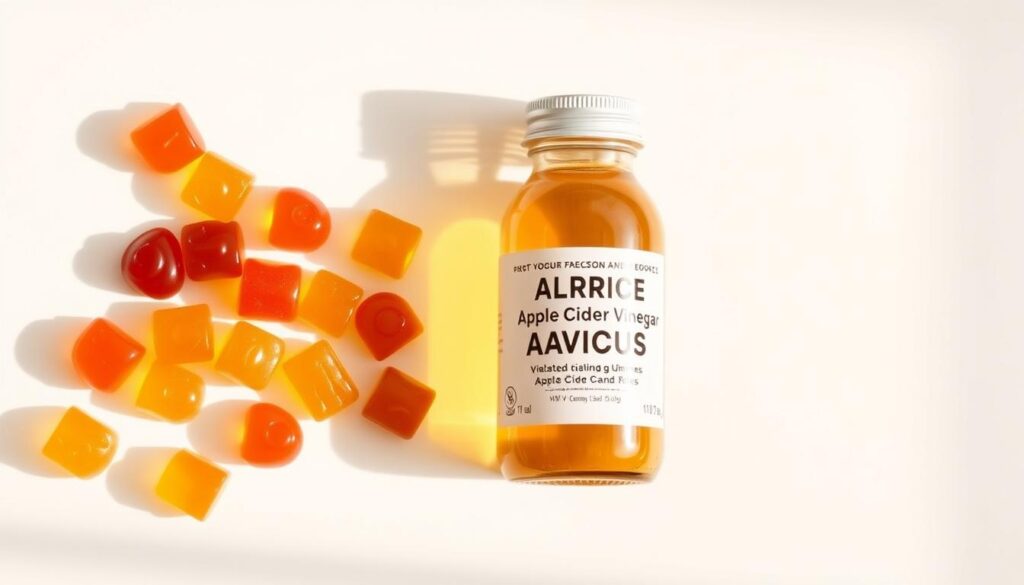
Both forms have practical advantages. Liquid offers a measurable amount of acetic acid, while gummies offer better portability and a more pleasant taste.
| Feature | Liquid ACV | ACV Gummies |
|---|---|---|
| Blood sugar evidence | Limited but directly studied | Insufficient direct evidence |
| Acetic acid | Usually measurable from acidity percentage | Often not clearly disclosed |
| Taste | Strong and sour | Usually sweet or fruity |
| Convenience | Needs measuring or food preparation | Easy to carry and take |
| Typical cost | Generally lower per serving | Generally higher per serving |
| Dental concerns | Acid erosion | Acidity, stickiness, or added sugar |
| Versatility | Cooking, dressings, marinades | Supplement use |
For evidence-based blood sugar support, liquid is the better-studied choice. That does not mean everyone should drink vinegar daily or that gummies are an effective substitute.
Dosage and Potency: How Much Acetic Acid Are You Getting?
Comparing tablespoons with milligrams can be confusing. The key is to separate the total amount of vinegar from the amount of acetic acid it contains.
Understanding liquid vinegar doses
Some clinical trials have used approximately 15–30 mL (1–2 tablespoons) of liquid vinegar daily or around meals. These are research amounts, not established medical treatment doses.
For standard 5%-acidity vinegar, the approximate acetic acid content is:
- 1 teaspoon (5 mL): 250 mg acetic acid.
- 1 tablespoon (15 mL): 750 mg acetic acid.
- 2 tablespoons (30 mL): 1,500 mg acetic acid.
These calculations describe chemical content, not guaranteed effectiveness. Taking more vinegar does not necessarily produce a better blood sugar response, and higher amounts can increase side effects.
A practical liquid option
If you want liquid vinegar for everyday cooking, 365 by Whole Foods Market Organic Apple Cider Vinegar, 32 fl oz is one relevant option. Its ingredient information identifies raw, unfiltered apple cider vinegar diluted to 5% acidity.
It works in salad dressings, sauces, and marinades, making it useful even if you decide against drinking vinegar. A 32-ounce bottle also provides roughly 63 one-tablespoon portions, although your actual use may vary.
Its main disadvantages are the strong taste and acidity. It is a food product, not a diabetes treatment, and its use should not be taken as proof of improved glucose control.
Why 500 mg of vinegar gummies is not equivalent to 500 mg of acetic acid
A gummy label might list 500 mg or 1,000 mg of apple cider vinegar powder. That number generally refers to the vinegar ingredient, not necessarily pure acetic acid.
For example, a tablespoon of 5%-acidity liquid vinegar supplies approximately 750 mg of acetic acid. A gummy containing 500 mg of vinegar powder cannot be compared accurately without knowing its acetic acid concentration or validated liquid-vinegar equivalent.
Do not take handfuls of gummies to match a liquid study dose. You could consume excessive vitamins, sweeteners, or other ingredients without matching the studied amount of acetic acid.
A sugar-free gummy alternative
For someone who strongly dislikes liquid vinegar, Goli Zero Sugar Apple Cider Vinegar Gummies provide a more convenient format. The 60-count product combines ACV powder with vitamin B12 and probiotics.
The formula is marketed as vegan, gluten-free, and free of sugar alcohols. Those features may appeal to someone looking to avoid added sugar or a sharp vinegar taste. However, added probiotics and B12 do not establish a blood sugar benefit.
The important limitation is that this gummy has not been shown to provide the same glucose effects as measured liquid vinegar. It is better viewed as an optional supplement than as a substitute for a research-tested vinegar dose.
- Zero Sugar Formula with Probiotics: Features Apple Cider Vinegar powder made from raw, unfiltered ACV, now enhanced with SNZ Tribac probiotic blend and Vitamin B12 in a zero sugar format - all the benefits of our original formula without any added sugar.
- No Sugar Alcohols or Artificial Sweeteners: Sweetened naturally with prebiotic tapioca fiber and fructooligosaccharides instead of sugar alcohols or artificial sweeteners, creating a clean label formula that is keto-friendly and supports your dietary goals.
- Traditional ACV Plus Modern Nutrition: Apple Cider Vinegar has been used for centuries as a traditional remedy for digestion and gut health, now combined with probiotics and B12 for a comprehensive approach to digestive wellness.
- Vitamin B12 for Energy Metabolism: Each serving includes Vitamin B12 to support energy metabolism by helping convert food into usable energy, plus additional wellness benefits for your daily nutritional routine.
Cost Comparison: Are Gummies Worth the Extra Money?
When shopping for apple cider vinegar, the cheapest container is not always the cheapest way to use it. You need to consider serving size, number of servings, and the amount of acetic acid disclosed.

Example cost per serving
Let’s compare two hypothetical purchases. These are illustrative prices, not current product quotes.
| Cost factor | Liquid ACV | ACV Gummies |
|---|---|---|
| Example package price | $8 | $18 |
| Package size | 32 fl oz | 60 gummies |
| Example serving | 1 tablespoon | 2 gummies |
| Servings per package | About 63 | 30 |
| Cost per serving | About $0.13 | $0.60 |
| Acetic acid per serving | About 750 mg at 5% acidity | Cannot determine without adequate label data |
In this example, the gummies cost over four times as much per serving. But these servings are not proven to be equivalent in acetic acid content or blood sugar effectiveness.
How to calculate real value
- Check the total package price: Ignore temporary discounts when comparing your normal ongoing costs.
- Count servings: Divide the package quantity by the listed serving size.
- Calculate cost per serving: Divide the price by the number of servings.
- Check acetic acid information: For liquid, look for the acidity percentage. For gummies, look for a clearly stated acetic acid amount supported by reliable product information.
- Consider waste: A bottle you use in cooking may provide more practical value than gummies you purchase but rarely take.
If a gummy does not disclose its acetic acid content, you cannot reliably calculate its cost per equivalent acetic acid dose.
Remember that there is no firmly established effective ACV dose for treating diabetes, so cost per research-like dose should not be mistaken for cost per proven medical benefit.
Safety and Side Effects: What You Should Know
Apple cider vinegar is common in food, but regular concentrated consumption is not risk-free. Its acidity can affect your teeth, throat, stomach, and potentially your response to medication.
1. Tooth enamel erosion
Acidic drinks can gradually wear away tooth enamel. Once enamel is lost, it does not grow back naturally.
The American Dental Association recommends ways to reduce acid exposure:
- Never drink straight vinegar shots.
- Dilute vinegar or use it with food rather than repeatedly sipping acidic drinks.
- Consider a straw to limit contact with your front teeth.
- Rinse your mouth with plain water afterward.
- Wait about an hour before brushing after acidic drinks.
Gummies are not automatically harmless to teeth. Some contain acids or sticky sweeteners that increase dental concerns.
2. Stomach irritation and delayed emptying
Vinegar may cause nausea, heartburn, or throat irritation, especially in larger amounts.
People with significant acid reflux, swallowing problems, ulcers, or gastroparesis should be especially careful. A small 2007 study found that vinegar further delayed stomach emptying in participants with type 1 diabetes and gastroparesis.
If vinegar worsens your symptoms, stop using it rather than trying to force a daily routine.
3. Medication interactions
People taking insulin or certain other glucose-lowering medicines should discuss regular vinegar supplementation with their healthcare team. Changes in glucose responses can complicate medication management and may increase concerns about low blood sugar.
Diuretics and some other medications can also affect potassium levels. The Mayo Clinic identifies medication interactions and low potassium as potential concerns with ACV use.
Anyone who is pregnant or breastfeeding should also check before starting concentrated vinegar supplements. Using normal food amounts in meals is different from starting a daily supplement regimen.
Does Apple Cider Vinegar Help With Weight, Digestion, or Cholesterol?
Blood sugar is not the only reason people buy ACV. Weight management, digestion, and heart health are also common marketing claims, but the evidence differs by outcome.

Weight management
A 2018 randomized trial involving 39 participants examined 30 mL of daily vinegar alongside a reduced-calorie diet for 12 weeks.
The vinegar group showed greater improvements in some weight and metabolic measurements than the diet-only group. However, this was a small, short study and does not show that ACV produces meaningful, lasting weight loss by itself.
Digestion and gut health
Although vinegar is fermented, it is not a proven treatment for poor digestion or an established source of clinically effective probiotic organisms.
Gummies containing separately added probiotics may provide specific strains, but their effects depend on the strains, amounts, and supporting research. A probiotic ingredient does not automatically improve blood sugar.
Cholesterol and heart health
Some smaller studies and reviews have reported changes in cholesterol or triglycerides. Findings are mixed, and evidence is not strong enough to use vinegar as a cholesterol treatment.
For long-term health, fiber-rich foods, physical activity, healthy sleep, weight management when appropriate, and prescribed treatments have much stronger support.
Who Should Choose Liquid ACV and Who Might Prefer Gummies?
Your choice depends on what you are trying to achieve. It is also reasonable to choose neither.
Liquid may make more sense if you:
- Want the form that has actually been used in most blood sugar studies.
- Prefer a measurable 5%-acidity food product.
- Want a lower-cost option you can use in recipes.
- Can tolerate its taste and acidity safely.
Gummies may suit you better if you:
- Dislike the taste of vinegar.
- Want a portable supplement format.
- Prefer an option without added sugar, provided the label confirms it.
- Understand that convenience does not prove glucose benefits.
For someone managing diabetes, gummies should not be selected as a glucose-lowering treatment simply because they are easier to take. And liquid vinegar is not automatically appropriate for everyone with diabetes.
How to Include Apple Cider Vinegar in Your Routine
If you enjoy vinegar and your healthcare team has no concerns about its use, it can be included as part of a normal eating pattern. You do not need to drink vinegar daily to follow a healthy diet.
A food-first approach
- Use it in meals: Add a small amount to salad dressing, marinades, or sauces instead of taking concentrated shots.
- Understand study timing: Some trials gave vinegar shortly before or with carbohydrate-rich meals. This is not an established timing prescription for diabetes control.
- Avoid excessive doses: Do not increase vinegar or gummy intake to chase faster results.
- Monitor appropriately: If you already check blood glucose, follow your usual monitoring plan and discuss unexpected changes with your clinician.
- Prioritize proven habits: Build meals around vegetables, fiber, appropriate carbohydrate portions, and protein. Add regular movement, including walking after meals when suitable.
If you already take blood sugar medication, ask your clinician before making vinegar a regular supplement. Never reduce or stop your medication because you believe ACV is working.
Frequently Asked Questions
Are apple cider vinegar gummies as effective as liquid for blood sugar?
There is not enough direct research to say they are. Most clinical evidence involves liquid vinegar, and gummy products may contain different amounts of acetic acid.
How many gummies equal one tablespoon of apple cider vinegar?
There is no reliable universal conversion. A label showing 500 mg of vinegar powder does not tell you how much acetic acid it provides. Do not increase the number of gummies to match liquid doses without adequate formulation information.
Do sugar-free ACV gummies work better?
Sugar-free gummies avoid added sugar, which may be useful for dietary reasons. However, removing sugar does not establish that the product improves glucose control. Acetic acid content and direct clinical evidence still matter.
Can apple cider vinegar lower HbA1c?
A 2025 meta-analysis reported improvements in HbA1c across a small group of short-term studies. However, differences in study quality and duration mean the results should be interpreted cautiously. ACV is not a replacement for proven diabetes treatments.
Is raw vinegar with the mother better than filtered vinegar?
There is no convincing human evidence that the mother provides superior blood sugar benefits. Acetic acid concentration is a more useful measurement for comparing vinegar products, although it does not guarantee effectiveness.
Can ACV replace diabetes medication?
No. Even if vinegar produces modest glucose changes for some people, it cannot replace prescribed medicine, appropriate nutrition, physical activity, or routine medical monitoring.
What should I look for on an ACV gummy label?
Check the serving size, apple cider vinegar amount, disclosed acetic acid content, added sugar, sweeteners, allergens, vitamins, and other active ingredients. Clear labeling and credible independent quality testing are helpful, but quality certification does not prove blood sugar effectiveness.
Final Verdict: Liquid vs. Gummies for Blood Sugar and Cost
Liquid apple cider vinegar wins on research relevance, measurable acetic acid content, and usually cost per serving. Gummies win on portability and taste but currently lack enough direct evidence to support similar blood sugar claims.
For everyday use, liquid vinegar can be a practical kitchen ingredient. Sugar-free gummies may be convenient for people who want that supplement format, but they should not be treated as an equivalent glucose-control option.
The most important choice is not between two vinegar products. It is building a sustainable routine with balanced meals, regular activity, sleep, appropriate glucose monitoring, and medical treatment when needed.
If you decide to use ACV, keep expectations modest, protect your teeth and stomach, and make safety more important than supplement marketing.




Don’t Miss These Picks