


Could a few minutes of fingertip tapping change how your body handles daily stress? I set out to test this simple self-help technique over seven days to see whether the claims about reduced tension, calmer breathing, and clearer focus held up in real life.
I used a clear, stepwise routine: name the feeling with a setup statement, tap specific meridian points, and repeat a short reminder phrase through a few rounds. The method borrows ideas from acupuncture but needs no needles and fits into a busy day.
Research shows measurable drops in cortisol and heart rate after sessions, and studies report benefits for PTSD and depression—yet this is complementary care, not a cure-all.
Expect quick rounds that take minutes, subtle changes for some people, and more obvious calming for others. If you have severe trauma or intense symptoms, work with a trained practitioner alongside standard therapy.
Key Takeaways
- Short, practical rounds can be done anywhere and take only minutes.
- Evidence shows reductions in cortisol and improvements in stress measures.
- The method is safe and noninvasive but not a replacement for medical care.
- Track outcomes like breathing, focus, and perceived control after each round.
- Those with severe PTSD or intense symptoms should seek guided help.
Why tapping for anxiety is trending right now
A simple fingertip method has spread widely as a quick option to steady nerves. It packs convenience, low cost, and immediate use into a few minutes you can take anywhere.
The method fits busy lives. Professionals, parents, students, and athletes use it between meetings, during commutes, or before exams. It requires no equipment and has no pharmacological side effects.
Typical sessions follow a clear process: identify the issue and rate distress (0–10), say a short setup statement, tap specific points while repeating a reminder phrase, then re-rate and repeat until intensity drops.
What you’ll learn in this practical guide
- Simple process: how to identify a problem, rate it, and use a setup statement.
- Exact technique: the sequence practitioners use and the key points on the body.
- Evidence and limits: studies show lower heart rate, blood pressure, and cortisol, but it complements standard mental health care.
| Who adopts it | Main appeal | Expected benefit |
|---|---|---|
| Busy professionals | Quick breaks between tasks | Reduced stress and clearer focus |
| Students & parents | Portable, easy to learn | Less reactive body responses |
| Athletes | Fast regulation before events | Calmer breathing and steadier nerves |
For a balanced, clinician-focused summary and practical tips, see this detailed overview.
What EFT tapping is and how it works
This method blends simple psychological prompts with fingertip pressure on mapped meridians. It aims to calm bodily reactivity by pairing focused statements with light stimulation of specific points.
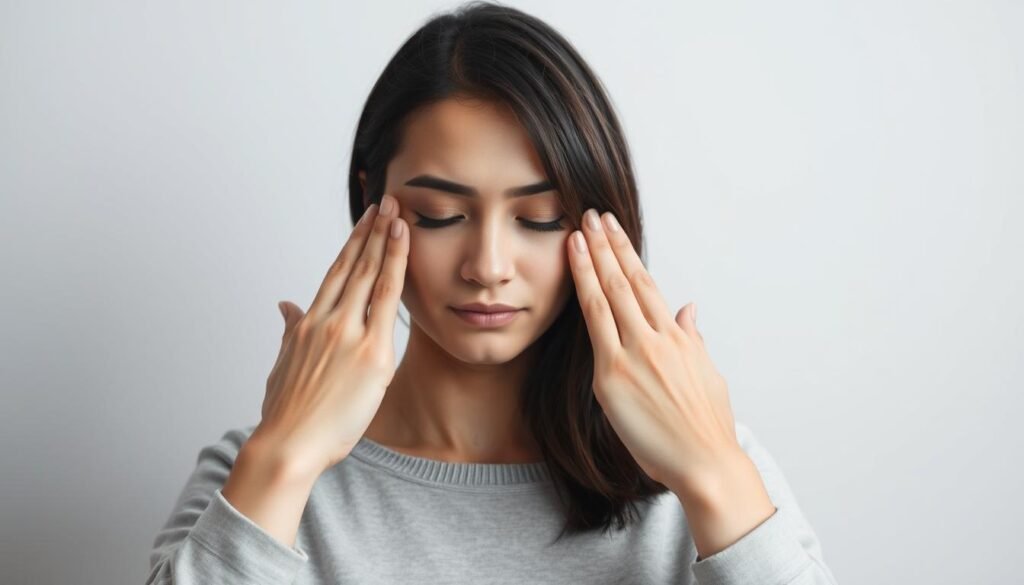
Define the method: It is a technique that combines cognitive elements with acupressure to settle heightened arousal in the body and mind.
Meridian points and the energy system explained
Meridian points come from traditional Chinese medicine: 12 main pathways thought to carry subtle energy through the system.
Tapping targets these mapped points to influence balance in the energy system and lower reactivity in the nervous system.
Facial and head points play a role because they connect to sensory areas and can help shift immediate intensity around an issue.
Acupressure vs. acupuncture: fingertip stimulation instead of needles
Same point logic, different tools. Acupuncture uses needles to access meridians. Acupressure uses fingers. This makes the approach painless and easy to self-administer.
The core process is simple: identify an issue, rate its intensity on a 0–10 scale, say a brief setup phrase, run a short sequence of taps with a reminder phrase, then re-rate.
- Plausible mechanism: Stimulating points may signal brain regions that modulate stress, with studies noting drops in heart rate and cortisol after sessions.
- Practical tip: Use the scale as feedback, not a test—track changes in intensity to guide repetitions.
- Limitations: Research is promising for stress disorder and PTSD, but many studies rely on self-report and need stronger clinical comparisons.
| Approach | Tool | Main benefit |
|---|---|---|
| Acupuncture | Needles | Direct stimulation of meridians; requires practitioner |
| Acupressure | Fingertip pressure | Pain-free access to points; easy to learn |
| EFT-style method | Light tapping with fingers | Portable, quick sequence to downshift stress |
| Common outcome | — | Lowered physiological arousal and clearer focus |
EFT Tapping for Anxiety
This practical, hands-on method gives you a short tool to interrupt worry and soothe physical reactions. It pairs a brief self-acceptance line with gentle fingertip presses so you have a clear action when symptoms rise.
A quick, hands-on routine can break worry loops by shifting attention to the body. It provides a concrete action that can lower tightness, slow racing thoughts, and steady breathing.

Why people use it to lower stress and calm symptoms
The technique meets anxious moments by giving the nervous system something focused to do. Users often try it before a speech, after social triggers, or during late-night rumination.
Emotional logic matters: naming feelings with a self-acceptance setup reduces resistance and softens intensity. A common setup statement is: “Even though I feel this anxiety in my chest, I deeply and completely accept myself.”
- Short reminder phrase: use “this anxiety in my chest” while pressing points.
- Track changes: rate intensity before and after; change the statement if the number stalls.
- Use safely: if emotions surge, pause and seek a trained practitioner.
“Many people report steadier breathing, clearer thinking, and reduced stress signals after short rounds.”
How to do EFT tapping step by step
First, get specific: identify the one issue that feels most intense in this moment. Then follow a short, repeatable sequence that tracks change with a simple 0–10 scale.
Identify and rate
First, tune in and name the issue—say “presentation nerves” or “tight chest.” Place a hand on your chest if that helps you connect to the sensation. Rate intensity on a 0–10 scale to set a baseline.

Make a setup and start
Create a setup statement using “Even though… I deeply and completely accept myself.” Repeat it three times while pressing the side of the hand (karate chop).
Follow the sequence
Use a short reminder phrase and tap each point 7–9 times in order: eyebrow, side of eye, under eye, under nose, chin, collarbone, underarm, then top of the head. Re-rate the intensity.
Repeat and practice
Do 2–3 rounds and up to 5–7 when feelings are high. Tap one side or both—stay consistent in a session. Practice daily to build a faster calming response. If numbers stall, refine the setup statement to match what you feel in the body.
The tapping points: a quick body map
A clear map of touch points removes guesswork and keeps the process consistent. Use these locations to place fingers confidently and run a steady sequence.
Side of hand (“karate chop”): setup and self-acceptance
Where: outer edge of the hand, below the little finger.
Why: Start here to say your setup and anchor the session. Press gently while you state your acceptance line.
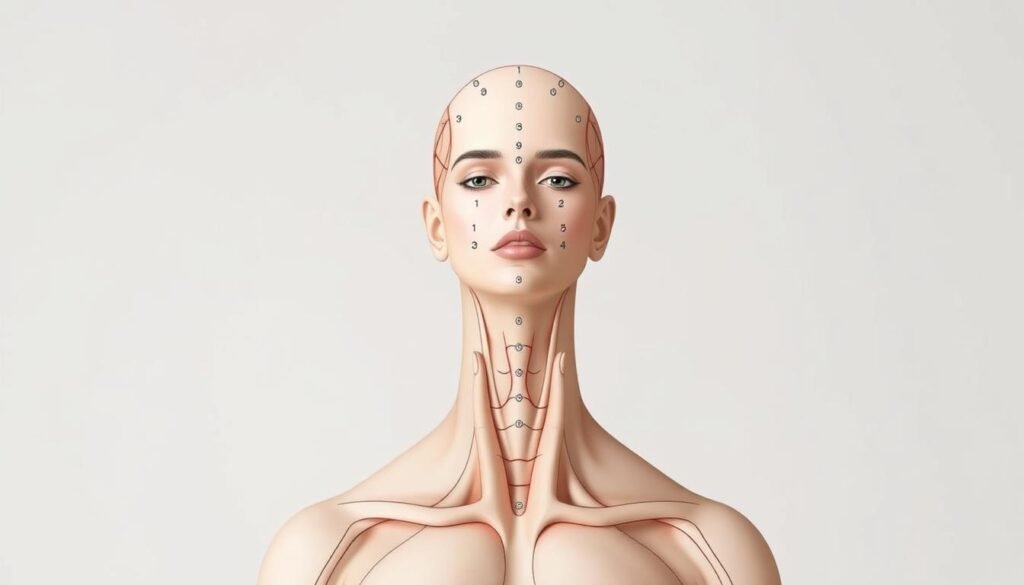
Face points: eyebrow, side of eye, under eye, under nose, chin
Move through the face points to keep attention on the issue. Tap each spot 7–9 times.
- Eyebrow: at the inner end above the eye.
- Side of eye: bone at the outer corner.
- Under eye: on the bone beneath the pupil.
- Under nose: between nose and upper lip.
- Chin: midway between lower lip and chin crease.
Collarbone and underarm: grounding the sequence
Collarbone: just below the hard ridge where collarbone meets sternum. Use this as a grounding anchor.
Underarm: about four inches below the armpit. Tap here to shift physical stress signals in the body.
Top of head: closing the loop
Finish at the top of the head to “complete the loop” before you re-rate intensity. Light, steady taps work best.
- Keep pressure gentle but definite; comfort helps focus.
- If unsure which side to pick, choose one side and stay consistent during the session.
- Aim for 7–9 taps per point and pair taps with a short reminder phrase.
For a detailed chart of these main locations, see this eft tapping chart.
Benefits, results, and what the research says
Multiple trials report that short, repeatable sessions often reduce both felt distress and stress hormones. Overall findings point to measurable drops in physiological arousal and meaningful symptom relief in many groups.

Evidence for anxiety, stress, and cortisol reduction
Reviews of 50+ studies show moderate-to-large effects on anxiety, phobias, and stress. Some trials report up to ~43% reductions in cortisol and lower heart rate and blood pressure after sessions.
Veteran studies show large drops in ptsd symptoms, with many no longer meeting clinical criteria after structured sessions. Research also links reduced depression scores, less pain, fewer cravings, and better sleep when the method is paired with healthy habits.
What studies can’t yet tell us: limitations and the placebo question
Limitations remain. Many trials rely on self-report and need head-to-head comparisons with established treatments. Sham-controlled work suggests that specific points add benefit beyond expectations, but debate continues.
- Practical takeaway: Consistent sessions and re-rating matter to get results.
- Safety: Noninvasive with minimal adverse effects, though strong emotions can surface.
- Read more: See a comprehensive review at the comprehensive review.
| Outcome | Reported effect | Notes |
|---|---|---|
| Anxiety & stress | Moderate–large reductions | Lower cortisol, HR, BP after sessions |
| PTSD | Large symptom drops | Veteran trials show clinical change after repeated sessions |
| Depression & sleep | Symptom improvement | Comparable reductions in some studies when added to care |
| Pain & cravings | Noted reductions | Best when paired with lifestyle changes |
Using EFT safely and effectively in real life
Use practical guardrails to decide when short self-practice is enough and when to consult a clinician. Small, daily sessions can reduce stress and help people feel more in control of symptoms.

When to work with a practitioner vs. DIY
Rule of thumb: try short DIY rounds for everyday stress and mild worry. These are easy to learn and usually painless.
See a trained practitioner if memories trigger severe reactions, symptoms persist, or sessions leave you overwhelmed. Professionals help adapt a session to trauma, monitor safety, and pair techniques with therapy or medication.
Combining tapping with therapy, medication, and healthy habits
Integrate sessions into a broader care plan. Use this method alongside psychotherapy, prescribed medication, breathing exercises, and sleep hygiene to boost overall health without added side effects.
- Build a sustainable practice: short daily work conditions the nervous system to shift out of fight-or-flight faster.
- Use sessions strategically: tap before known stressors and after spikes to release residual activation.
- Track responses: note intensity ratings and emotional themes to refine statements and share progress with your therapist.
- Honor strong emotions: slow the pace, shorten phrases, or pause when feelings surge; safety comes first.
| Situation | Suggested approach | Why |
|---|---|---|
| Mild daily stress | Short self-led session (1–5 minutes) | Portable, quick relief that reinforces calm |
| Persistent symptoms or depression | Use as adjunct to therapy and medication | Enhances treatment effects; should not replace care |
| Trauma or strong emotional responses | Work with a trained practitioner | Ensures safety, pacing, and clinical oversight |
| Preparation for events | Brief pre-event rounds + breathwork | Reduces stress reactivity and improves focus |
People across occupations have reported benefits, but outcomes vary by individual. For a clinician-focused primer, see this practical overview.
Conclusion
A short, repeatable routine can help you reduce stress in the moment and build resilience over weeks. Use a clear setup line, the same point sequence, and quick re-rates to track progress and guide practice.
A brief tapping round can shift tightness, slow breath, and lower reactivity in minutes.
Start small: pick one issue, rate it, craft a setup statement, run a tapping sequence over the mapped points, then re-rate.
Practice daily for five minutes to strengthen the calming response. Track results and keep expectations measured—benefits vary by person.
Research supports broader uses, from reduced depression and PTSD symptoms to lower physiological markers; see a meta-analysis for details.
If rounds become intense or stall, seek a trained practitioner. Bookmark the body map, draft two setup sentences, and schedule a short daily practice to begin.
FAQ
What exactly is the technique that involves fingertip tapping on meridian points?
It’s a mind-body method that combines gentle fingertip stimulation of specific meridian or acupressure points with focused verbal statements. Practitioners use short reminder phrases while tapping to reduce stress, shift emotional intensity, and promote a calmer state. Think of it as a portable, needle-free cousin to acupuncture that pairs touch with cognitive focus.
How does this approach claim to work on the body’s energy system?
The method is based on traditional meridian concepts from Eastern medicine, suggesting that stimulating these points helps balance subtle energy pathways linked to emotions. Modern explanations point to a mix of attention-shifting, heartbeat regulation, and a calming effect on the nervous system rather than proven energy shifts. Research is evolving, and physiological changes like reduced cortisol have been observed in some studies.
Can I safely use this at home, or do I need a professional?
Many people practice it safely at home after learning basic sequences and statements. However, if you have severe trauma, PTSD, major depression, or intense panic attacks, working with a trained mental health professional who integrates the technique is recommended. A clinician can tailor wording, monitor reactions, and integrate other evidence-based care like therapy or medication when needed.
What’s a simple step-by-step routine I can try for an acute stressful moment?
Start by naming the feeling and rating its intensity on a 0–10 scale. Create a short setup statement that acknowledges the issue and expresses acceptance. Tap the side of the hand while repeating the setup, then follow a sequence of points (eyebrow, side of eye, under eye, under nose, chin, collarbone, underarm, top of head) and use a concise reminder phrase at each point. Re-rate the intensity and repeat rounds until it shifts. Short, focused rounds are often effective.
How often should I practice and how many tapping rounds are typical?
Frequency varies by need. For daily maintenance, a few minutes once or twice a day can help. During acute stress, several short rounds in a session may be useful. Many people find benefit from 1–3 rounds per episode, while others repeat until intensity drops several points on the 0–10 scale. Monitor results and adjust—consistency tends to matter more than duration.
Which side of the body should I tap and how many taps per point are recommended?
Most protocols use the fingertips of one hand to tap points on either side of the body; many people tap bilaterally. A common guideline is about 5–7 light taps per point. The goal is rhythmic, gentle stimulation rather than forceful pressing. Comfort and a steady rhythm matter more than exact counts.
What kind of results can I expect and how quickly might I notice change?
Some people report immediate reductions in tension or distress after a single round, while others notice gradual improvement over days or weeks. Outcomes depend on the issue’s severity, consistency of practice, and whether it’s combined with therapy, medication, exercise, or sleep hygiene. Research shows promising results for stress and anxiety-related symptoms, but individual responses vary.
Is there scientific evidence supporting this practice for anxiety, PTSD, or depression?
Clinical studies and meta-analyses indicate positive effects on anxiety, stress reduction, and symptom relief for some people, with emerging evidence for PTSD and depression. However, methodologies vary and more high-quality trials are needed to confirm mechanisms and long-term benefits. Leading sources like PubMed and guidelines recommend cautious optimism and integration with established treatments.
Can this method replace therapy or medication?
It should not be seen as a universal replacement for psychotherapy or prescribed medication, especially for moderate-to-severe mental health conditions. Many clinicians use it as a complementary tool alongside cognitive-behavioral therapy, medication, or lifestyle interventions like exercise, nutrition, and sleep optimization to enhance coping and symptom relief.
Are there any risks or side effects I should know about?
Physical risks are minimal—gentle fingertip tapping is low risk. Psychological discomfort can occur if a session brings up strong emotions; working with a therapist is advisable in those cases. If you have skin conditions, recent surgery near points, or an underlying medical issue, consult a healthcare professional before practice.
How do acupressure-based tapping and acupuncture differ?
Acupressure-based tapping uses fingertips to stimulate meridian points and pairs this with verbal statements and emotional focus. Acupuncture uses needles inserted into meridian points and is performed by licensed practitioners. Both draw on similar traditional theories, but tapping emphasizes verbal processing and self-help accessibility without needles.
What should I say during the setup and reminder phrases? Any examples?
Setup statements acknowledge the problem and include self-acceptance, for example: “Even though I feel tight in my chest, I accept how I feel.” Reminder phrases are short labels like “tight chest” or “racing thoughts.” Keep language personal and concise; tailoring phrases to your experience improves relevance and impact.
Are there reputable training options if I want professional instruction?
Yes. Look for courses taught by certified practitioners accredited by recognized organizations in the field, and prefer programs that include clinical guidelines, safety, and integration with mental health care. Verify instructor credentials and seek programs that reference peer-reviewed research and ethical practice standards.
How does this method fit into a broader self-care routine?
It pairs well with evidence-based habits: regular exercise, balanced nutrition, consistent sleep, mindfulness or breathing practices, and professional therapy when needed. Use it as a targeted tool for acute stress or as a daily regulation practice within a comprehensive wellness plan.



Don’t Miss These Picks