

Can someone help you feel better simply by placing their hands near your body? That’s the question behind energy healing practices such as Reiki. Practitioners often describe the process as balancing an invisible life force, while scientists look for measurable explanations.
Here’s what we know: Some people find energy healing sessions relaxing, but science has not established that Reiki transfers healing energy or cures disease. Other practices sometimes grouped with energy healing, especially acupuncture, have stronger evidence for certain health conditions.
Understanding these differences can help you explore complementary therapies without confusing personal experiences with scientific proof. Let’s compare the practitioner’s perspective with the questions a physicist would ask.
Key Takeaways
- Energy healing includes different practices. Reiki, acupuncture, qigong, and acupressure use different techniques and have different levels of scientific support.
- Reiki’s proposed energy field remains unproven. Researchers have not established that practitioners transfer healing energy into another person’s body.
- Acupuncture has stronger clinical evidence. Studies support modest benefits for some chronic pain conditions.
- Relaxation is a meaningful experience. Calm surroundings, focused attention, and supportive interactions may help people feel better without proving an invisible energy transfer.
- Complementary care should support medical treatment. Check practitioner credentials, understand the risks, and never delay necessary care.
What Is Energy Healing?
Energy healing is a broad term for practices based on the belief that living things have an energy system that influences physical and emotional well-being.
Different traditions use different names for this proposed energy:
- Qi: A concept from traditional Chinese medicine describing vital energy.
- Prana: A traditional Indian concept often associated with breath and life.
- Universal life force: A concept commonly used in Reiki.
- Biofield: A term used by some researchers and practitioners to describe proposed fields associated with living organisms.
Practitioners may describe illness or emotional discomfort as an imbalance in energy flow. Their goal is to restore harmony through touch, focused attention, breathing, or movement.
However, these traditional explanations should not be confused with established biological mechanisms. Scientists have not verified the subtle healing field proposed in Reiki.

Healing Versus Curing
People sometimes use the word “healing” to describe feeling calmer, more comfortable, or emotionally supported. These experiences can matter even when an underlying medical condition remains unchanged.
Curing a disease is different. It requires evidence that a treatment eliminates or effectively resolves the condition. Energy healing has not been shown to cure cancer, infections, diabetes, or other serious diseases.
The Reiki Master’s Perspective: Intention, Compassion, and Energy Flow
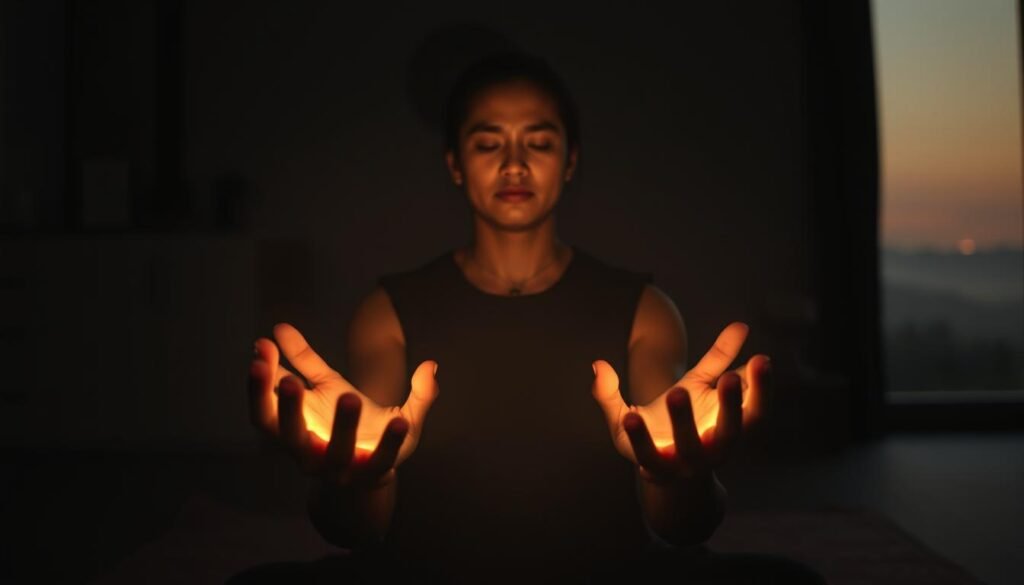
Reiki originated in Japan and involves placing hands lightly on or just above a person’s body. Practitioners believe they can channel universal life force energy to encourage balance and natural healing.
Reiki practitioners commonly emphasize three elements:
- Intention: Approaching the session with a clear purpose, such as supporting calm or comfort.
- Focused presence: Maintaining steady attention instead of rushing through the session.
- Compassion: Creating a respectful, supportive environment where the client feels comfortable.
Some clients describe warmth, tingling, emotional comfort, or deep relaxation. Others feel very little. These sensations are real experiences, but they do not establish what caused them.
Importantly, you do not need to believe in an energy field to notice whether a quiet, comfortable session helps you relax.
The Physicist’s Perspective: Can Healing Energy Be Measured?
Physics studies energy that can be measured and tested. Heat, light, electricity, and electromagnetic radiation are examples of energy with established physical properties.
The human body produces measurable electrical activity. For example, an electrocardiogram records electrical signals from the heart, while an electroencephalogram measures electrical activity in the brain.
But measurable biological energy is not evidence that Reiki practitioners can direct an invisible healing force into another person. That claim needs its own reliable experiments.
What About the Human Biofield?
Some researchers use the term “biofield” when exploring how biological signals and proposed organizing fields might relate to health.
Research topics include:
- Electromagnetic activity: Electrical and magnetic signals produced by biological processes.
- Biophotons: Extremely weak light emissions from living tissues.
- Heart rate variability: Changes in the time between heartbeats that provide information about autonomic nervous system activity.
- Brainwave activity: Electrical patterns that change with sleep, attention, and other mental states.
These are legitimate subjects of scientific investigation. However, observing them does not establish that they form an energy field that practitioners can manipulate to heal disease.
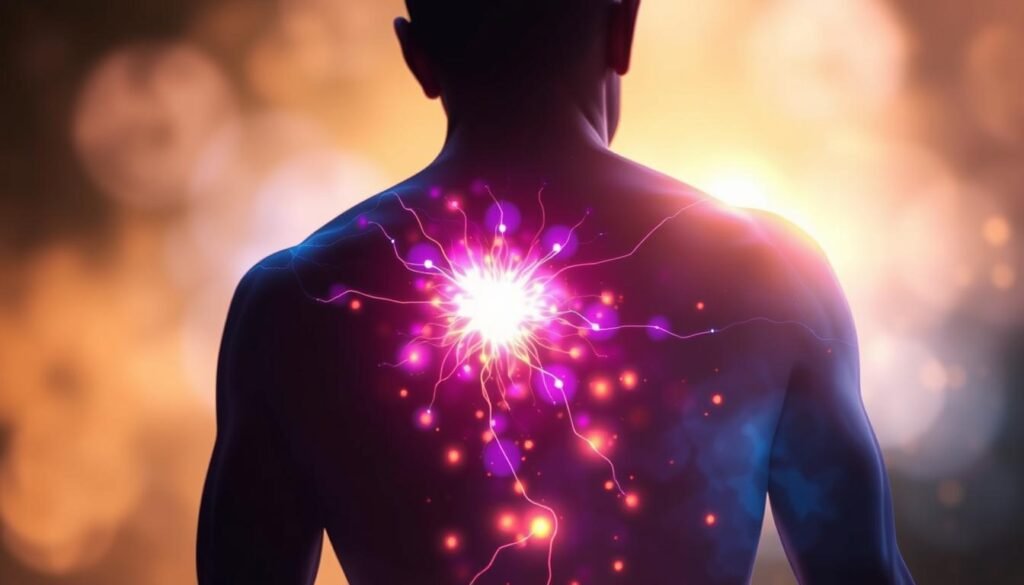
Researchers have explored biofield hypotheses, but proposed mechanisms remain uncertain. A published review of biofield research discusses these ideas and experimental challenges.
Could Relaxation Explain Some Benefits?
Yes. A quiet environment, comfortable positioning, focused breathing, and supportive attention can influence how people experience stress and discomfort.
Several established processes may contribute:
- Autonomic nervous system responses: Relaxation can reduce the body’s immediate stress response.
- Expectation effects: Beliefs and previous experiences can influence pain perception and reported symptoms.
- Focused attention: Paying attention to breathing and bodily sensations can change the experience of discomfort.
- Therapeutic connection: Feeling heard and supported may improve emotional well-being.
These explanations do not prove that every Reiki benefit comes from relaxation or expectation. They provide plausible pathways that researchers can test without assuming an invisible energy transfer.
Types of Energy Healing and What Research Says
Not every therapy described as energy healing works the same way. Some involve physical stimulation or exercise, while others depend mainly on practitioner intention.
1. Reiki and Therapeutic Touch
Reiki uses light touch or hands held near the body. Therapeutic Touch and Healing Touch use related approaches based on perceived energy patterns.
Some small studies report improvements in pain, anxiety, or relaxation. However, study quality and results vary considerably.
The National Center for Complementary and Integrative Health (NCCIH) states that Reiki has not been clearly shown to be effective for any health-related purpose and that scientific evidence does not support the proposed healing energy field.
Best understood as: An optional relaxation-oriented practice, not an established treatment for disease.
2. Acupuncture
Acupuncture comes from traditional Chinese medicine and involves inserting thin needles at specific body points. Unlike Reiki, it provides direct physical stimulation.
Research suggests acupuncture may help certain conditions, including:
- Chronic low-back and neck pain.
- Knee pain associated with osteoarthritis.
- Some headache and migraine conditions.
- Selected cases of postoperative pain.
Benefits are generally modest, and results depend on the condition and comparison treatment. In some studies, differences between real and sham acupuncture are relatively small.
For a detailed evidence review, see NCCIH’s acupuncture effectiveness and safety guide.
3. Acupressure and Reflexology
Acupressure uses finger or hand pressure instead of needles. Some studies suggest potential benefits for particular symptoms, including certain types of pain and nausea, but evidence varies by application.
Reflexology applies pressure to areas of the feet, hands, or ears. Practitioners believe these areas correspond to other parts of the body.
Foot or hand pressure may feel relaxing, but evidence does not establish that pressing a particular reflex point treats disease in its supposed matching organ.
4. Qigong
Qigong combines gentle movement, breathing, posture, and focused attention. It can also be practiced in seated or standing forms.
Some studies suggest benefits for balance, physical function, stress-related symptoms, and quality of life. Evidence for specific medical conditions remains uneven.
According to NCCIH’s qigong research overview, qigong generally appears safe when practiced appropriately, although certain movements may require modification.
5. EFT and Other Energy-Based Practices
Emotional Freedom Techniques (EFT), sometimes called tapping, combine touching or tapping specific points with attention to emotions and spoken statements. Pranic Healing, Polarity Therapy, and Quantum Touch use other approaches involving intention or proposed energy flow.
These methods have different theories and levels of research. Evidence for their proposed energy mechanisms is not established, and they should not be treated as interchangeable with acupuncture or proven psychological therapies.
Which Energy Healing Approaches Have the Strongest Evidence?
When comparing therapies, the most useful question is not simply whether someone felt better. It is whether well-designed studies show a meaningful benefit compared with appropriate controls.
- Acupuncture — stronger evidence for selected pain conditions: Research supports modest benefits, particularly for certain chronic pain problems.
- Qigong — promising evidence for some outcomes: Movement-based practice may improve aspects of balance, physical function, and quality of life, although study quality varies.
- Acupressure — condition-specific evidence: Some applications show potential benefits, but findings should not be generalized to every pressure point or symptom.
- Reiki — insufficient reliable evidence: Positive experiences and preliminary findings have not established consistent clinical effectiveness.
- Reflexology and other proposed biofield treatments — limited evidence: Research does not reliably support many of their disease-treatment or energy-transfer claims.
Evidence about one therapy cannot automatically be applied to another. In particular, acupuncture research does not prove that Reiki’s proposed life force exists.
Potential Benefits: Relaxation, Sleep, and Quality of Life
People often explore complementary therapies because they want relief from stress, muscle tension, poor sleep, or ongoing discomfort.
Some individuals report feeling calmer after Reiki or similar sessions. Others may benefit from the movement and breathing involved in qigong or from acupuncture for a supported pain condition.
However, feeling relaxed after one appointment does not mean a therapy improves sleep disorders, controls blood pressure, or treats the underlying cause of pain.
If your main goal is relaxation, you can also try approaches that require no special equipment:
- Practice comfortable, slow breathing for a few minutes.
- Take a gentle walk or try easy stretches suited to your abilities.
- Set aside quiet time away from digital distractions.
- Maintain a consistent sleep schedule.
- Use a comfortable chair, pillow, or folded blanket during seated breathing or meditation.
For a home qigong or meditation routine, comfort may make regular practice easier. A supportive meditation cushion can be optional if sitting on the floor is uncomfortable, but an ordinary pillow or chair is often enough. No cushion or acupressure device has been established as necessary for changing the body’s supposed energy field.
What Happens During a Reiki Session?
A typical Reiki appointment takes place in a quiet room. Sessions vary by practitioner, but many last around 30–60 minutes.
- Initial conversation: The practitioner asks about your goals, comfort, and relevant health concerns. You can discuss whether touch is acceptable.
- Comfortable positioning: You usually remain fully clothed while sitting or lying down.
- Light or near-body touch: The practitioner places their hands gently on or above different areas of your body.
- Quiet relaxation: You may notice warmth, tingling, calm, or no particular sensation. None of these responses is required.
- Closing discussion: You can describe your experience and decide whether the session was useful.
You should be able to change position, decline touch, or end the session at any point.
How Many Sessions Are Needed?
There is no scientifically established number of Reiki sessions needed to produce a health benefit. Some people feel relaxed after one appointment, while others notice little difference.
Instead of committing to an expensive treatment package, start with a clear goal and consider whether the experience justifies the time and expense.
A simple record of pain, sleep, or stress levels may help you notice changes. Remember that symptoms can improve or worsen for reasons unrelated to the session.
Risks and How to Use Energy Healing Safely
Noninvasive Reiki appears to have a low risk of direct physical harm. The larger concern is delaying effective treatment or paying for unsupported promises.
Other therapies have different safety considerations:
- Acupuncture: Improper needling can cause infections, bleeding, or rare serious injuries. Use a properly licensed professional who follows sterile, single-use needle standards.
- Acupressure and reflexology: Avoid strong pressure over injured, inflamed, or fragile skin. Discuss precautions if you have circulation problems, a bleeding disorder, or reduced sensation.
- Qigong: Modify movements for balance problems, injury, pain, or limited mobility.
- Pregnancy and childhood: Ask the relevant healthcare professional before beginning a new complementary therapy, especially one involving needling, strong pressure, or physical movement.
People taking blood thinners or managing serious health conditions should discuss procedures involving needles or substantial pressure with their clinician.
Seek emergency medical care for chest pain, severe breathing difficulty, sudden weakness, uncontrolled bleeding, or other potentially life-threatening symptoms. Complementary therapies must not delay diagnosis or treatment.
How to Choose a Qualified Practitioner in the United States
Training and legal requirements vary considerably among complementary therapies. Reiki certificates do not carry the same regulatory meaning as a professional healthcare license.
Questions to Ask Before Booking
- What training have you completed? Ask about practical experience and supervision.
- Are you licensed where required? For acupuncture, verify the state license and applicable credentials through the licensing board.
- What results can reasonably be expected? Be cautious about guarantees or claims to treat serious diseases.
- How do you handle safety and consent? Ask about hygiene, touch preferences, and any relevant health precautions.
- What will it cost? Confirm fees, appointment length, cancellation rules, and whether follow-up visits are optional.
The National Certification Commission for Acupuncture and Oriental Medicine (NCCAOM) provides credential information, while state licensing boards can help you check whether an acupuncture practitioner is legally authorized to practice.
For recovery and activity planning after needling, see our guide to exercising after acupuncture.
A practitioner who promises to cure serious illnesses, discourages prescribed treatment, ignores consent, or pressures you to purchase expensive packages is a poor choice.
What Scientists Still Need to Discover
Researchers continue studying whether complementary therapies produce benefits beyond expectations, relaxation, or other known influences.
Better studies need to answer several questions:
- Do benefits exceed those from credible sham treatments or ordinary relaxation?
- How large are the improvements, and how long do they last?
- Which people are most likely to benefit?
- Can proposed mechanisms be measured and reproduced independently?
- What are the costs, risks, and long-term outcomes?
Scientists can combine pain scores, sleep measurements, physical function, and carefully selected physiological measurements with interviews about patients’ experiences.
Personal experiences deserve attention, but scientific explanations must also survive controlled testing. A useful treatment outcome and a correct theory about why it happened are two different things.
Conclusion: Can Physics and Reiki Find Common Ground?
Energy healing is best approached with curiosity and a clear understanding of the evidence. Reiki practitioners describe balancing life force energy, while physics requires measurable proof of such a mechanism. At present, Reiki’s proposed energy transfer has not been scientifically established.
That does not mean every positive experience should be dismissed. Relaxation, comfort, and supportive human interaction can have personal value even when the proposed explanation remains unproven.
If you are exploring complementary care, choose a method that fits your goals. Consider acupuncture for selected pain conditions where research is stronger, or gentle qigong for movement and relaxation if appropriate for your health.
Start with realistic expectations, choose a responsible practitioner, and keep necessary medical treatment in place. The most useful question is not whether a therapy sounds scientific or spiritual, but whether it helps you safely and meaningfully.
Frequently Asked Questions
Is Reiki energy scientifically proven?
No. Scientists have not established that Reiki practitioners transfer a healing energy field into another person’s body. People may report relaxation or other positive experiences, but those reports do not prove the proposed mechanism.
Can energy healing cure a disease?
There is no reliable evidence that Reiki or other proposed biofield therapies cure serious diseases. Some complementary practices may support symptom management for specific conditions, but they should not replace effective medical treatment.
Is the placebo effect the same as imagining benefits?
No. Expectations and treatment context can influence real experiences such as pain and discomfort. However, an improvement related to these effects does not establish that a therapy treats the underlying disease.
Can a person try Reiki without believing in spiritual energy?
Yes. You can approach Reiki as a quiet relaxation experience without accepting its spiritual explanation. Be clear about what you hope to gain and understand that clinical benefits are not firmly established.
Is acupuncture more scientifically supported than Reiki?
Yes, for certain health conditions. Acupuncture has stronger evidence for some types of chronic pain, although benefits are generally modest. Its physical stimulation and clinical evidence should not be confused with Reiki’s proposed energy-transfer mechanism.
Are energy healing therapies safe during pregnancy?
Safety depends on the specific therapy. Gentle, noninvasive practices may present fewer physical risks than needling or strong pressure, but research is not equally strong across methods. Pregnant people should discuss new complementary treatments with their obstetric care provider.