I Swapped My Intense Gym Sessions for ‘Mental Health Walks’—Here’s What Happened

I traded exhausting gym workouts for daily “mental health walks.” Discover how this simple shift improved mood, reduced stress, boosted energy, and transformed both my physical fitness and emotional well-being.

Just 10 minutes of walking outside can lift your mood and sharpen alertness.

Table of Contents show

I traded heavy lifting and HIIT for short outdoor walks and noticed real change fast. This piece explains why swapping intense sessions for gentle movement can improve both mental and physical health. You’ll learn simple ways to start, what to expect, and why sunlight and nature matter.

By Emily Carter, certified health and wellness writer – Fact-checked and reviewed by our editorial team.

Research shows walking in green spaces can lower anxiety and depression. Endorphins rise, cortisol falls, and natural light supports vitamin D. Even mini-walks add up.

This guide also covers practical gear, pacing, and tools like Strava or Step Counter. If you want a structured test, try a challenge such as the one in this short program that many people find motivating: a 30-day walking challenge.

Key Takeaways

  • Ten-minute outdoor walking boosts mood and alertness quickly.
  • Nature and light reduce stress and support better sleep.
  • Short, consistent activity stacks into lasting health gains.
  • Use simple gear and apps to track progress without pressure.
  • Group walks can increase connection and motivation.

From Maxed-Out Workouts to Mindful Miles: Why I Made the Switch

Swapping intense sessions for short, regular walks gave me a sustainable way to support my mental health and overall health without burning out. Experts note that motion can shift emotion, and small movement fits into any day.

I’d been logging long gym sessions that drained my time and left my body needing long recoveries. I tried a different approach: brief outdoor walking that I could do on tight schedules.

Mindful walking can reduce stress on your body and mind compared with max-effort sessions while still delivering strong mental health and health returns. Experts say moving—even briefly—can shift how you’re feeling fast.

“Using motion is a straightforward way to alter how you’re feeling in the moment,” says Ken Goodman, LCSW. Debra Kissen, PhD adds that new sights and sounds can “change the channel” and free stuck thoughts.

  • I needed a routine that matched my energy and time, not one that demanded extra gear.
  • Walking met me where I was—simple activity that helped my sense of calm and clarity.
  • The result was steadier mood, fewer spikes of anxiety, and more energy for the rest of my day.
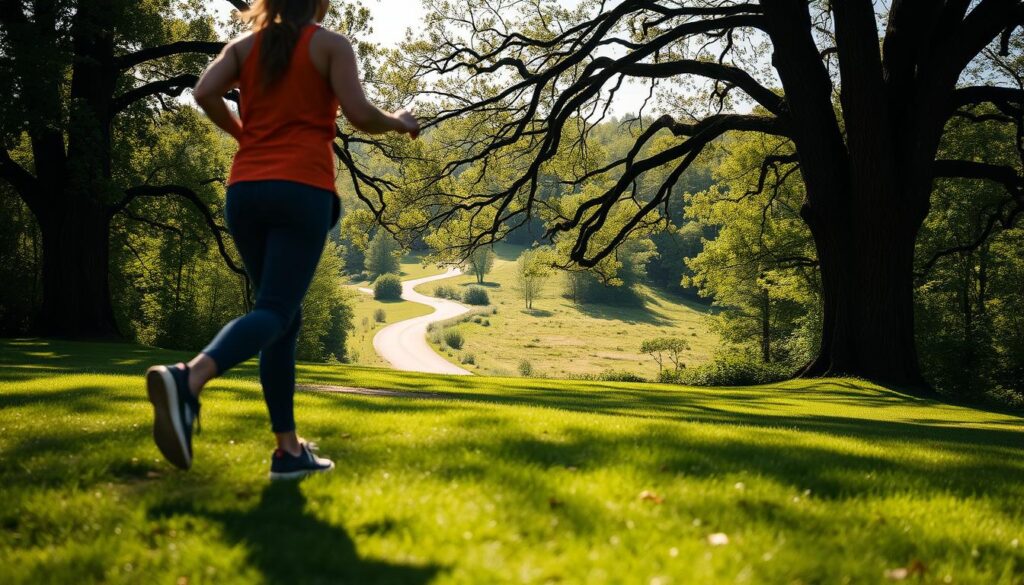
A serene, sun-dappled forest path winds through a tranquil landscape. In the foreground, a person strolls leisurely, their expression calm and mindful. Their stride is unhurried, their gaze focused inward. Wispy clouds drift overhead, casting gentle shadows on the lush, verdant foliage surrounding them. The air is crisp and clear, inviting deep, nourishing breaths. The overall atmosphere conveys a sense of peace, contemplation, and a rejuvenating reconnection with nature and the self.

Mental Health Walks Benefits You Can Feel Today

Ten minutes of brisk movement outside often gives a surprising lift to mood and focus.Short, regular walks can reduce stress, boost energy, and improve sleep without heavy gear or long workouts.

Quick wins: mood, stress, sleep, energy, self-esteem, and more.

What you can expect in minutes

Just 10 minutes of outdoor walking increases alertness and mood. Sunlight adds a further lift, and moving briefly triggers endorphins while lowering stress hormone levels.

Many people report faster calm, less fatigue, and better sleep when they add short, consistent activity to their day. Small wins—like finishing a 10-minute walk—often raise self-esteem and make bigger goals feel more reachable.

  • Fast mood lift: even a few minutes can make you feel calmer and more alert.
  • Sleep and energy: consistent short walks reduce daytime fatigue and improve sleep patterns.
  • Body and weight: gentle daily movement helps manage weight, stamina, and cholesterol over time.
  • Supports care: if you’re managing anxiety or depression, walking mental health strategies can complement professional treatment.
A serene forest setting, with lush greenery and a winding path leading the way. A person walking calmly, their stride purposeful yet relaxed, as they immerse themselves in the tranquility of their surroundings. Soft, warm lighting filters through the canopy, casting a gentle glow on the scene. The atmosphere is one of introspection and inner peace, inviting the viewer to experience the restorative power of a 'mental health walk'. Crisp, high-resolution details capture the nuances of the natural environment and the individual's contemplative expression. A tranquil, uplifting scene that embodies the benefits of this mindful approach to well-being.

For more on the science, see mental benefits of walking.

What’s Happening in Your Body: Endorphins, Stress Hormones, and Sunlight

Walking boosts endorphins and serotonin, lowers cortisol levels, and adds natural light—three synergistic mechanisms that calm the body and support mental health. These effects happen quickly and stack with regular activity.

Even modest walking raises key brain chemicals. Any physical activity increases endorphins, giving a true “feel-good” lift without heavy strain. Serotonin and related neurotransmitters shift too, which helps steady mood and outlook.

Endorphins and serotonin: what changes in the brain?

Endorphins rise with walking, offering a gentle boost to energy and outlook. David H. Rosmarin, PhD, notes that simple movement can substantially increase these chemicals. That rise helps reduce pain perception and lift mood.

Cortisol downshift: how hormone levels fall

Regular walking lowers cortisol and adrenaline, easing physical tension. Lower stress hormone levels make it easier to relax later in the day and sleep better.

A vibrant, glowing visualization of the biochemical process of endorphin release in the human body. Depict the middle ground as a cutaway anatomical cross-section showcasing the brain, spinal cord, and nervous system, awash in a warm, golden glow. In the foreground, abstract shapes and symbols representing the surge of endorphins, serotonin, and other mood-boosting neurotransmitters. The background should convey a serene, natural environment bathed in soft, diffused sunlight, evoking a sense of calm and well-being. Utilize a shallow depth of field, with the focal point on the central nervous system. Employ a cinematic, ethereal style to capture the uplifting, almost transcendent nature of the endorphin response.

Natural light and vitamin D: why outdoor time matters

Sunlight boosts vitamin D and resets circadian rhythms. Time in green spaces also reduces rumination and links to measurable drops in stress biomarkers. Short walks in the sun often raise mood fast.

  • Endorphins: rise with activity and improve outlook.
  • Cortisol: drops after consistent movement, easing tension.
  • Light: supports vitamin D and sleep cycles.
MechanismPrimary effectHow it helps the body
Endorphin releaseImproved moodReduces pain perception and increases energy
Lower cortisol levelsReduced stressLowers tension and aids sleep
Sunlight exposureVitamin D & circadian supportEnhances mood and sleep quality

Because physical activity scales to your energy, you can choose pace and duration that fit your body while still supporting mental health. For more on exercise and stress, see exercise and stress.

Walking to Support Mental Health: Anxiety and Depression

Short, regular outdoor movement can interrupt worry loops and ease low mood within days. Small, steady activity in green spaces often offers quick relief from stress and rumination.

Nature’s edge:

How green space reduces rumination and calms the mind

Time in parks lowers repetitive negative thoughts and eases physiological stress signals. Research links exposure to nature with greater happiness, meaning, and better social connection.

For many people, that calm helps reduce anxiety and steady mood during low periods.

A dimly lit, melancholic landscape with an expressive figure at the center, symbolizing the emotional turmoil of anxiety and depression. The figure, rendered in muted tones, is hunched over, arms wrapped around their body, conveying a sense of overwhelming sadness and hopelessness. In the middle ground, a winding path leads into the distance, representing the journey of mental health recovery. The background is shrouded in a hazy, atmospheric mist, creating a sense of isolation and introspection. Soft, diffused lighting casts a somber glow, emphasizing the introspective mood. The overall composition evokes a sense of empathy and a desire to support those struggling with mental health challenges.

Evidence check: studies linking walking with reduced anxiety and depression

Regular walking is linked with lower anxiety and depression, and even half the weekly guideline—around 75 minutes—was associated with an 18% lower risk depression.

  • If anxiety spikes, a 10–20 minute walk can interrupt worry and lower arousal.
  • Consistent walking supports motivation, daylight exposure, and social connection—protective factors for depression.
  • A 2022 meta-analysis found ~150 minutes weekly (about 30 minutes, five days) correlated with a 25% lower risk of depression.

If you live with health conditions or mental health conditions, walking can be a flexible part of care—talk with your clinician for tailored advice.

How Much and How Fast? Minutes, Pace, and the Dose That Delivers

Aim for 75–150 minutes per week, but start where you are—even 10-minute bouts count. Moderate pace offers strong returns, and picking up speed sometimes can add fitness and improve mental outcomes.

How fast you move and how much time you spend shape the returns you get.

Any pace helps. Research links about 75 minutes of brisk walking per week with an 18% lower risk of depression and 150 minutes with a 25% lower risk. Mini sessions across the day stack, so short bursts matter as much as one long session.

Break your weekly time into manageable segments. Try three 15-minute sessions or five 10-minute breaks. Use errands or short commutes to add minutes without adding another task to your schedule.

Choose a pace you can hold while speaking in short sentences. That moderate effort supports both fitness and improved mental outcomes without overreaching.

  • Build gradually: add a few minutes each week and note how you feel.
  • Mix intensity: some days easy, some days slightly faster for variety and progress.
  • Try classes: power-walk classes or guided audio can boost motivation and form.
  • Set one clear goal: for example, three 15-minute sessions per week to start.
A serene outdoor scene captures the essence of "minutes pace walking." In the foreground, a person strides purposefully, their steps measured and steady, reflecting the rhythm of their mental health walk. The middle ground features a picturesque path winding through a lush, verdant landscape, inviting the viewer to join in the tranquil exploration. The background is framed by towering trees, their branches casting dappled shadows that dance across the scene, creating a sense of natural harmony. The lighting is soft and diffused, evoking a calming, reflective mood, and the camera angle is slightly elevated, allowing the viewer to gain a contemplative perspective on the scene. This image encapsulates the balance between physical activity and mental well-being, perfectly complementing the article's exploration of the "minutes, pace, and the dose that delivers" for a healthier lifestyle.

“Flexible structure beats rigid rules—match the activity dose to your energy that day.”

For practical guidelines and evidence on walking and physical activity, see Harvard’s walking guide.

Beyond Solo Steps: Social Connection, Group Walks, and Community

Joining others turns short outings into steady habits that feel easier to keep. Shared movement adds accountability and social reward. This combination supports both mood and physical well‑being.

Joining a group can turn simple steps into shared goals and steady motivation. Walking with friends or neighbors makes the activity feel like social time, not a chore.

How walking with friends boosts motivation and mood

Walking with people can boost motivation, mood, and follow-through. Whether it’s a neighbor, a local group, or a class, social support helps routines stick and makes steps more enjoyable.

  • Pairing up increases accountability and builds a sense of belonging—two reliable drivers of long-term activity adherence.
  • Join a local walking club, faith group, or try guided classes to blend social time with movement.
  • Mix environments: sidewalks, nature trails, and mall corridors all count—choose ways that remove barriers and fit your fitness level.

Indoor, outdoor, or mall options that keep your routine intact

When weather or access blocks outdoor time, indoor tracks, treadmills, and mall routes keep your routine consistent. Conversation‑pace sessions let you talk while you walk, which helps on low‑energy days.

  • Set a recurring meet-up time, track shared steps, and celebrate small wins together.
  • If crowded places trigger stress, pick quieter hours or low-traffic routes to protect your sense of ease.
  • Group formats provide structure and encouragement, helping people stick with activity and feel more connected.

For ideas on free ways to stay active, see how to work out for free.

Get Started Now: Simple Steps to Build a Walking Routine That Sticks

Begin with tiny wins so the routine feels doable instead of daunting. Pick one small, repeatable action and protect that slot each day.

To get started, pick comfortable shoes, choose a simple route, and take a 10-minute walk today. Any supportive sneakers and weather-ready layers are enough; you don’t need new tech to begin.

Small starts work best. Stack mini-walks after meals or meetings. Break long sitting periods with hourly stand-and-stroll breaks. These small bouts of physical activity add up and improve mental health over time.

Goals, trackers, and playful tools

Use process goals like “walk Mon/Wed/Fri” and track minutes, not just steps. Try Strava, Step Counter, AllTrails, or game apps like Pokémon Go to keep activity fun without pressure.

When barriers show up

If you’re feeling low energy, scale back duration or split minutes across the day. For body worries or health conditions, pick softer surfaces or indoor routes and consult your clinician for tailored advice.

“Start small, be consistent, and adjust the plan weekly so the routine supports your health wellbeing.”

  • Quick advice: Start with a 10-minute loop and build toward 30 minutes.
  • Practical tip: Use process goals and playful apps to make progress visible and rewarding.
  • Workaround: If you’re feeling self-conscious, choose quiet routes or a trusted buddy.

For guidance on exercise and stress, see Mayo Clinic guidance on fitness.

About the Author

Emily Carter is a certified health and wellness writer with over 7 years of experience in evidence-based fitness, nutrition, and lifestyle content. As the lead author of Go4HealthnFitness.com, she’s passionate about simplifying science-backed wellness advice for everyday readers. When she’s not writing, you’ll find her strength training, hiking, or exploring natural supplements that actually work.

Editorial Process Note

Our Commitment to Accuracy: This article was medically reviewed for accuracy and fact-checked by our editorial team.

Medical Disclaimer: The information in this article is for informational purposes only and is not intended to be a substitute for professional medical advice, diagnosis, or treatment. Always seek the advice of your physician or other qualified health provider with any questions you may have regarding a medical condition.

Conclusion

Small steps, done reliably, deliver clear gains for mood and overall well‑being. Short bouts raise endorphins, lower stress hormones, and sunlight adds an extra lift. Nature and social connection make the results stick.

Walking is a simple way to support mental health and overall health: it boosts endorphins, reduces stress, and over time lowers risk depression. Evidence links about 75–150 minutes weekly with measurable reductions in depression risk.

Plan a brief, repeatable walk in the next 24 hours, note how you feel, and use that sense of progress to fuel the next step.

FAQ

What changes did you notice after swapping intense gym sessions for regular walks?

I felt calmer and less drained while keeping similar fitness gains. Short, consistent walks improved my mood, sleep quality, and daytime energy without the soreness and burnout that came from daily heavy workouts. Walking became a sustainable way to support overall wellbeing and clearer thinking.

Why choose mindful walking over high-intensity training?

Walking reduces stress and supports recovery while still delivering cardiovascular and metabolic benefits. It’s lower impact, easier to fit into a busy day, and encourages presence—helping reduce rumination and boost self-esteem. For many people, it’s a more consistent, long-term strategy.

How quickly do you feel benefits from walking?

Many people notice quick wins within a single 10–30 minute walk: improved mood, reduced tension, and clearer thinking. Over several weeks, sleep and baseline stress levels often improve. Consistency matters more than intensity for lasting change.

What happens in the body during a walk to make you feel better?

Walking triggers a mild release of endorphins and serotonin, which lift mood and reduce pain perception. It also lowers cortisol, the stress hormone, and exposure to daylight supports vitamin D production and circadian regulation—combining to enhance emotional resilience.

Can walking reduce symptoms of anxiety and depression?

Yes. Regular walking—especially outdoors or in green spaces—can lower anxiety and depressive symptoms by breaking cycles of negative thought, improving sleep, and increasing activity levels. Numerous studies link brisk walking with measurable reductions in symptom severity.

How much walking is needed to see mental and physical benefits?

Aim for at least 150 minutes of moderate activity per week, which can be met with brisk 30-minute walks five days a week. Even shorter bouts (10–15 minutes) scattered through the day provide meaningful benefits. Pace up slightly to increase cardiovascular payoff.

Is it better to walk outdoors or indoors?

Outdoor walks offer extra advantages: green spaces reduce rumination and natural light helps mood and sleep. But indoor walking—malls, treadmills, or community centers—removes weather barriers and is an excellent, accessible option for maintaining consistency.

How can walking help if I struggle with motivation or time?

Start small and stack the habit onto an existing routine—walk after lunch, during calls, or for five minutes between tasks. Use wearable trackers, set playful goals, or join a walking group for accountability. Small, regular wins build momentum far better than sporadic, long sessions.

What gear do I really need to begin?

Minimal: supportive shoes that fit your foot and weather-appropriate clothing. A simple step tracker or smartphone app like Strava, Apple Health, or a pedometer helps monitor progress. Comfortable socks and layered clothing make walks more pleasant year-round.

Are there safety tips for walking alone or in groups?

Stay visible with reflective gear in low light, carry water, and let someone know your route for solo outings. In groups, choose routes that match the slowest walker’s pace and agree on a meeting spot. Trust your instincts and prioritize well-lit, populated paths when possible.

What if I have a health condition or injury—can I still benefit?

Often yes, but check with your healthcare provider first. Walking is adaptable—shorter duration, slower pace, or flat routes can reduce joint strain. Physical therapists and doctors can recommend modifications to keep you safe while gaining emotional and physical benefits.

How do green spaces specifically impact mood during walks?

Natural environments reduce stress and encourage mindfulness. Trees, water, and open landscapes lower rumination and increase feelings of restoration. Even brief exposure to parks or trails enhances the calming effects of physical activity.

Which apps help track and motivate walking routines?

Popular options include Strava for social motivation, AllTrails for route discovery, and native phone health apps for step and minute tracking. Choose an app that fits your goals—steps, distance, routes, or social accountability—to make progress easier to follow.

How do I handle days when energy or mood is low?

Lower the bar: do a gentle 10-minute stroll or indoor pacing. Habit consistency matters more than intensity, and small movement often raises energy and shifts mood. Pair walking with a soothing playlist or an uplifting podcast to make the effort easier.

Can group walks improve social wellbeing as well as fitness?

Absolutely. Walking with friends or community groups boosts motivation, reduces loneliness, and adds structure. Social connection amplifies the mood benefits of activity and creates accountability, making routines easier to maintain.

Emily Carter
Emily Carter

Emily Carter is a certified health and wellness writer with over 7 years of experience in evidence-based fitness, nutrition, and lifestyle content. As the lead author of Go4HealthnFitness.com, she’s passionate about simplifying science-backed wellness advice for everyday readers. When she’s not writing, you’ll find her strength training, hiking, or exploring natural supplements that actually work.

Articles: 424