


Can a few smart habits really reset your night and give you seven solid hours again? This guide shows a science-led path to better sleep that avoids long-term reliance on medications.
Many people wrestle with sleepless nights and groggy days. I did too, and I tested routines, light timing, breathwork, and cautious supplements so you don’t have to guess. This piece draws on behavioral approaches and clear, practical steps that respect your health and day-to-day life.
Expect a pragmatic plan: optimize your routine, tweak your environment, and track what changes sleep quality. You’ll learn when to try targeted supplements and when a doctor visit or CBT‑I is the right next step. Small daily moves can shift the brain’s clock and reduce nighttime wakefulness.
Key Takeaways
- Consistent schedule and light exposure anchor your sleep cycle.
- Simple pre-bed routines and stimulus control beat tossing hours away.
- Mindfulness, movement, and select supplements can help when used cautiously.
- Track sleep with a journal to spot what truly improves quality.
- See a doctor if problems persist or link to mood, pain, or other conditions.
- Learn more on supplement timing and stimulant effects from this pre-workout review: caffeine-free pre-workout research.
Understand Your Insomnia and Set a Natural Game Plan
Identify whether your sleep trouble is short-term or persistent, then match a plan to that pattern. Small, targeted changes beat overwhelming lists—start with one clear step and measure results.
Before you change a single habit, pinpoint what kind of sleep trouble you actually have.
Short-term vs. chronic: what you’re really dealing with
Short-term problems often follow life events and ease when stress drops. Chronic difficulty means poor sleep several nights a week for three months or more and usually needs a structured plan.
Pinpointing triggers: stress, anxiety, pain, medications, and sleep disorders
Common triggers include stress, anxiety, pain, illness, travel, shift work, late-night stimulation, and certain medications. Note which apply to you and target those first.
- Shared symptoms: trouble falling asleep, frequent awakenings, early waking, and daytime impairment.
- Consider linked health issues—depression, breathing problems, or heart disease can worsen sleep quality.
- Screen for sleep apnea if you snore loudly, wake gasping, or still feel unrefreshed.

Map your time in bed versus actual sleep time to estimate sleep efficiency. Review medication timing with your clinician if a prescription could be activating you at night.
“Start small: pick one evening habit to change, track two weeks, and then add the next tweak.”
Natural Insomnia Cure: The Core Principles That Actually Work
The fastest wins come from behavior changes that rebuild healthy sleep cues. Doctors and sleep specialists start with structured, non-drug treatments because they fix the root causes of sleepless nights.
Why doctors try non-drug treatments first
CBT‑I combines sleep restriction, stimulus control, relaxation skills, and hygiene. These steps target the habits that maintain poor sleep and show lasting benefits in many studies.
Melatonin helps some people with timing issues and jet lag, but its effect for long-term sleep problems is smaller. Labels can vary, so talk with your clinician before testing supplements.
How to track progress: sleep journals and realistic timelines
Keep a one-line nightly journal: bedtime, wake time, wake after sleep onset, naps, caffeine, and exercise. Review weekly to spot trends.
Expect early wins in 1–2 weeks and steadier gains over 4–8 weeks as new routines stick. Introduce one change at a time for 1–2 weeks to see what truly helps.
- Core behaviors: fixed schedule, bed for sleep only, wind-down routine.
- Measure outcomes: less wake time, easier mornings, better daytime focus.
- Supplements: use cautiously and consult a doctor.
| Approach | What it targets | Time to see effect |
|---|---|---|
| CBT‑I techniques | Behavioral drivers of wakefulness | 2–8 weeks |
| Sleep journal | Patterns and triggers | 1–2 weeks |
| Melatonin (short-term) | Sleep timing, jet lag | Immediate to 2 weeks |

For a detailed review of CBT‑I evidence, see the CBT‑I evidence review.
Optimize Sleep Hygiene to Improve Sleep Quality Night After Night
Locking predictable daily cues and a sleep-first bedroom makes falling asleep easier. Small, consistent steps help the brain link bed to rest and raise overall sleep quality.
Build a consistent sleep-wake schedule
Set one wake time and one bedtime for every day, including weekends. Consistency stabilizes circadian rhythm and shortens the time it takes to fall asleep. Aim to keep variation within 30–60 minutes.
Design a dark, cool, quiet bedroom you only use for sleep
Keep the room cool and block light and noise. Reserve the bed for sleep so your brain learns the cue: bed equals sleep, not work or scrolling.
Cut evening disruptors
Avoid screens at least an hour before bedtime. Limit afternoon caffeine and evening alcohol. Eat lighter dinners 2–3 hours before bed to reduce awakenings.
Smart naps and morning light
If you nap, keep it brief (20–30 minutes) and early. Get bright light in the morning—outside when possible—to anchor your clock and boost daytime alertness.
| Action | Why it helps | When to expect benefit |
|---|---|---|
| Fixed sleep-wake times | Stabilizes circadian rhythm | 1–3 weeks |
| Cool, dark bedroom | Improves sleep depth and continuity | Immediate |
| Limit screens & stimulants | Reduces delayed sleep signals | Several nights |
| Morning light exposure | Strengthens daytime alertness | 1–2 weeks |
Quick takeaway: small, repeatable hygiene steps cut wake time and give you more restorative hours each night.

Reset Your Sleep Cycle with a Calming Night Routine
Design a short, predictable pre-bed ritual to cue your brain that the night has started. These steps reduce stress and shorten the time it takes to fall asleep over days to weeks.
The last 60 minutes matter more than you think. Use them to shift from active day mode to quiet night mode.
What to do in the final hour
Start by dimming lights and setting a simple plan for the next day. This clears mental clutter and protects your bedtime from late problem solving.
- 60-minute routine: dim lights, note tomorrow’s to-dos, then read, stretch, or do gentle breathwork.
- Warm bath or shower: take it 60–90 minutes before bed so the post-bath cool-down encourages sleepiness.
- Screen-free zone: avoid news, social media, and email to prevent stress spikes.
- Breathwork: simple 4‑4‑6 breathing reduces tension and quiets the mind during wind-down.
Can’t fall asleep within 20 minutes?
Get out of bed and sit in low light. Do a calm, screen-free activity until drowsy, then return to bed. This trains your brain to link bed with sleep, not with wakeful worry.
“If you wake at night, repeat the same routine: low light, quiet activity, and return when sleepy.”
| Action | Why it helps | When to expect benefit |
|---|---|---|
| Predictable 60‑min routine | Cues the body’s clock and lowers arousal | 1–3 weeks |
| Warm bath/shower | Promotes post‑cooling sleepiness | Immediate to several nights |
| Get up after 20 minutes | Prevents bed-wake association with worry | Several nights to weeks |
| Screen-free breathwork | Reduces stress and mental chatter | Immediate |

Use Relaxation Techniques to Reduce Stress and Fall Asleep Faster
If your nights feel restless, short, consistent relaxation practices can lower arousal and help you fall asleep sooner. These techniques are safe, evidence‑backed, and easy to add to a 10–20 minute routine before bed.
Mindfulness and mantra work. A 2011 study showed weekly mindfulness classes plus home practice improved sleep patterns, and a 2015 study found mantra repetition reduced symptoms for people with insomnia. Try a 10‑minute script: slow nasal inhale, notice thoughts without judgment, then return to the breath.
Breathwork and progressive muscle relaxation
Use box breathing (inhale 4, hold 4, exhale 4, hold 4) to engage the parasympathetic system. Or scan the body: tense each group for 5 seconds, then release, moving from feet to face. These methods calm the body and ease anxiety.
Relaxing audio that helps without side effects
Choose quiet, slower‑tempo, mostly instrumental tracks with low speechiness. Small studies explored tuned tones like 432 Hz and 528 Hz, but more research is needed. Play audio at low volume and stop if it wakes you.

Introduce one technique nightly for a week and track changes in sleep quality. For simple stress‑relief strategies, see this stress relief guide. If you’re curious about sleep products and user reports, check this product review.
“Consistency matters: brief daily practice delivers the clearest benefits over weeks, not hours.”
Move Your Body: Exercise, Yoga, and Tai Chi for Better Sleep
Moving your body during the day can lower evening arousal and improve sleep timing. Regular, moderate activity often helps people fall asleep faster and stay asleep longer.
Daily movement is linked with easier sleep onset and better sleep quality. A 2015 study found that 150 minutes per week of exercise over six months reduced symptoms and lifted mood.
How activity may help — and when to schedule it
Timing matters. Aim to finish vigorous workouts at least four hours before bedtime. Intense late sessions can raise heart rate and delay sleep for many people.
Beginner-friendly options to try
- Aim for 20–30 minutes of moderate activity most days to support your circadian rhythm.
- Start with walking, gentle cycling, or water aerobics, then add restorative yoga or tai chi to calm the nervous system.
- Try a 10–15 minute restorative yoga flow in the evening to transition into rest.
| Activity | Effect on sleep | When to do it |
|---|---|---|
| Brisk walking / cycling | Improves sleep onset and mood | Morning or afternoon |
| Restorative yoga / tai chi | Calms nervous system, may improve sleep quality | Evening or late afternoon |
| Vigorous cardio / HIIT | Strong effect on fitness; may delay sleep if late | Morning to early evening (end ≥4 hours before bed) |

Targeted Body Care: Massage and Acupressure You Can Try at Home
Short, hands-on body care can ease tension and cue your brain that rest is coming. These techniques are simple to learn, pair well with your nightly wind-down, and may improve sleep quality for many people.
A 2015 study found massage improved sleep quality and reduced daytime dysfunction, pain, anxiety, and depression for adults with insomnia. Consider professional massage when pain or chronic tension is present, or try safe self-massage at home if access is limited.
When to seek a pro—and safe self-massage tips
- Professional massage can help when pain, injury, or persistent tension disrupts sleep. Tell the therapist about any medical concerns.
- Self-massage: use slow, sustained pressure on shoulders, neck, and calves for 3–5 minutes per area to promote relaxation.
- Acupressure: press Pericardium-6 (inner forearm) and Anmian (behind the ear) gently in circular motion for 1–2 minutes each.
- Patch-test oils if your skin is sensitive and choose fragrance-free options when possible.
Track how you feel after sessions. Less nighttime restlessness and easier mornings suggest real benefits. If you have clotting disorders, severe pain, or other health issues, ask your doctor which techniques are safe.
“Combine brief massage or acupressure with your wind-down routine and CBT‑I principles to amplify treatment effects.”
For practical tips and safety notes, see this short guide on related sleep interventions: massage, relaxation, and sleep research.
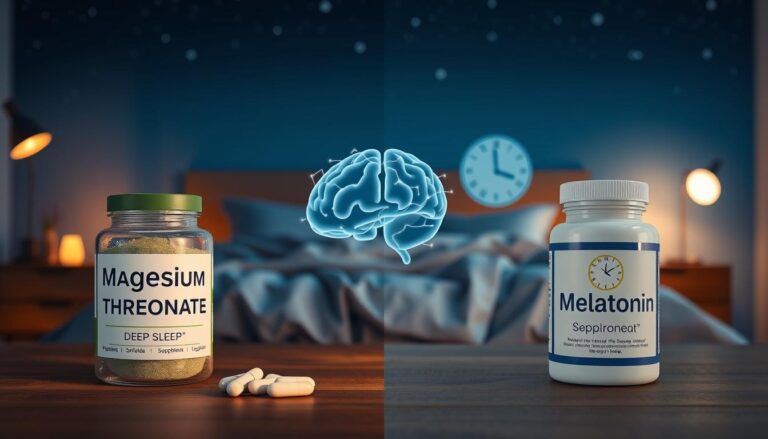
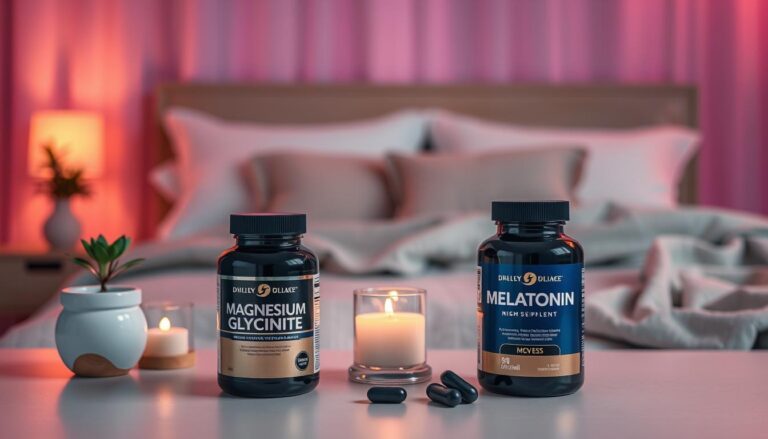
Smart Supplement Strategy: Melatonin, Magnesium, and Lavender
Use supplements as short, tracked experiments only after you’ve tried behavior changes. Timing, dose, and product quality make the difference between a helpful nudge and unwanted side effects.
How should I use melatonin?
Start low and time it to your bedtime. Try 1–3 mg of melatonin 30–120 minutes before bed. Lower doses often work better for sleep timing than large pills.
Watch for side effects such as headache, dizziness, irritability, or stomach upset. Limit trials to short periods and record effects in your sleep journal.
Can magnesium help relax you?
Magnesium supports relaxation and may lower stress hormones. Consider glycinate or citrate in the evening.
Typical guidance: men up to 400 mg/day, women up to 300 mg/day. Start lower to avoid GI upset and take with food if needed.
Is lavender worth trying?
Oral lavender (20–80 mg) showed benefit in some studies when combined with other treatments. You can also use a diffuser, pillow spray, or tea for milder effects.
Possible side effects include headache, nausea, or constipation. Choose reputable brands and avoid adding more than one new supplement at once.
- Practical steps: introduce one supplement at a time for 1–2 weeks.
- Safety: check interactions with medications and see your clinician if you take sedatives or antidepressants.

“Choose the lowest effective dose, track results, and prioritize quality over quick fixes.”
Food and Drink Tweaks That May Also Improve Sleep
Small evening choices often yield measurable gains in rest. Simple swaps and meal timing can reduce awakenings and support better sleep quality without major diet overhauls.
Small shifts at dinner and in evening snacks can influence nighttime rest more than you expect. Diets high in processed foods and low in fruit and veg link to poorer sleep in several studies. Balanced patterns like Mediterranean or DASH tend to show better overall sleep and steadier energy across the day.
Evening choices: tart cherry, kiwi, and light dinners
Finish larger meals 2–3 hours before bedtime to cut reflux and overnight wakeups.
- Light dinners: Eat earlier and keep fat moderate to reduce fragmented sleep and discomfort.
- Try kiwi: Multiple small studies suggest kiwi (fresh or dried) may help some people fall asleep faster and improve continuity.
- Tart cherry: Tart cherry or tart cherry juice contains melatonin and polyphenols that research shows can modestly boost sleep and sleep quality for some adults.
- Patterns matter: Favor Mediterranean/DASH-style eating for steady daytime energy and fewer sleep symptoms.
- Limit: Evening alcohol and large, high‑fat meals often worsen awakenings and lower sleep quality.
Individual responses vary and effect sizes are modest in many trials. Test one change at a time for a week and track results in your sleep journal.
| Choice | Why it helps | When to expect effect |
|---|---|---|
| Earlier, lighter dinner | Reduces reflux and nocturnal awakenings | Immediate to several nights |
| Kiwi (evening) | May speed sleep onset and improve continuity | Several nights to 2 weeks |
| Tart cherry/juice | Contains melatonin; may raise evening levels | Days to 2 weeks |
| Mediterranean/DASH pattern | Supports overall health and steadier energy | Weeks to months |
Watch side effects like reflux, late-night bathroom trips from liquids, or individual intolerance. Pair nutrition tweaks with your wind‑down routine to amplify benefits.
When to See a Doctor and How CBT-I Helps for Lasting Results
If restless nights continue, a medical check can reveal hidden causes that simple tweaks miss. CBT‑I is the leading non‑drug treatment and targets the habits that keep sleep from improving.
See your doctor if symptoms persist beyond a few weeks, get worse, or come with red flags like loud snoring, severe pain, mood changes, or unexplained weight loss.
Red flags, underlying conditions, and medication interactions
Persistent trouble may reflect GERD, diabetes, asthma, arthritis, chronic pain, thyroid or cardiovascular issues, kidney or neurological disease, or menopause changes.
Review your medications and supplements with a clinician—timing changes or alternatives can stop nighttime activation and lower side effects.
What CBT‑I involves and how it helps
CBT‑I retrains sleep through structured steps: sleep restriction to consolidate hours, stimulus control so bed is for rest, and strict scheduling to reset the clock.
Expect to practice a steady routine, use relaxation skills, and track outcomes. Many people notice measurable improving sleep in 4–8 weeks.
| Focus | Goal | Typical timeline |
|---|---|---|
| Sleep restriction | Increase sleep efficiency | 2–8 weeks |
| Stimulus control | Restore bed-sleep link | Several nights to weeks |
| Scheduling + relaxation | Faster fall asleep and better quality | 1–8 weeks |
“Coordinate any melatonin or short-term aids with clinical care so they complement—not replace—CBT‑I.”
Conclusion
A simple, consistent plan can turn restless nights into reliable, restorative sleep. Focus on timing, environment, and a short nightly routine to rebuild the bed as a cue for rest and regain real hours of rest.
Key actions: align your schedule, add daily movement, practice brief relaxation before bed, and test targeted supplements cautiously while tracking results.
Sleeping pills can help short-term but carry risks. For lasting change, consider CBT‑I and consult a doctor if trouble persists or impacts your day. For a balanced look at treatments and supplements, see this sleep treatment review.
FAQ
What does "understand your insomnia and set a natural game plan" mean?
It means first identifying whether your sleep trouble is short-term or chronic, then matching treatment to the cause. Start by tracking sleep for two weeks, note stressors, medications, pain, or irregular schedules, and build a plan that prioritizes behavioral changes like consistent timing, sleep hygiene, relaxation, and targeted supplements when appropriate.
How do I know if my problem is short-term or chronic?
Short-term sleep problems often follow a clear trigger—acute stress, travel, illness—and last days to a few weeks. Chronic difficulty occurs at least three nights per week for three months or more and usually involves underlying patterns, medical conditions, or untreated anxiety or depression. If it’s chronic, consult a clinician for evaluation and treatments like CBT-I.
What common triggers should I look for?
Typical triggers include stress and anxiety, pain or restless legs, certain prescriptions (steroids, stimulants), shift work, caffeine or alcohol, and sleep disorders like sleep apnea. Identifying these helps steer you to specific remedies—therapy for stress, pain management, sleep study for apneas, or medication review with your doctor.
Why do doctors recommend non-drug treatments first?
Non-drug approaches such as cognitive behavioral therapy for insomnia (CBT-I), sleep schedule changes, and sleep hygiene tackle root behaviors and thought patterns. They improve long-term sleep without many side effects, unlike prescription sleep meds which can cause dependence, daytime grogginess, and interactions with other drugs.
How should I track progress and what timeline is realistic?
Use a simple sleep journal or an app to log bedtime, wake time, sleep quality, naps, caffeine, and mood. Expect modest improvements in 2–4 weeks with consistent routines; meaningful, lasting change often takes 6–12 weeks, especially with CBT-I or major lifestyle shifts.
What is the best sleep-wake schedule strategy?
Pick a consistent wake time and keep it every day, including weekends. Set a realistic bedtime that yields 7–9 hours based on that wake time. Consistency reinforces the circadian rhythm and makes falling asleep easier. Avoid large weekend shifts that reset your internal clock.
How should I set up my bedroom to sleep better?
Make the room dark, cool (around 60–68°F), and quiet. Use blackout curtains, white noise or earplugs if needed, and reserve the bed for sleep and sex only. Remove bright screens and bright alarm clocks to strengthen the bed-sleep association.
What evening habits most disrupt sleep?
Evening disruptors include late caffeine, alcohol, heavy or spicy meals close to bedtime, and bright screens. These affect sleep onset and architecture. Aim to stop caffeine 6–8 hours before bed, limit alcohol, eat light dinners, and use blue-light filters or avoid screens in the last hour.
Are naps okay or harmful for sleep problems?
Short naps (20–30 minutes) earlier in the day can boost alertness without hurting nighttime sleep for most people. Avoid long or late afternoon naps if you have trouble falling asleep at night; those can reduce sleep drive and delay bedtime.
What should a 60-minute wind-down routine look like?
Start by dimming lights and turning off screens. Do calming activities like light reading, gentle yoga, a warm shower, or 10–20 minutes of mindfulness or breathwork. Keep the last 20 minutes quiet and device-free to cue your brain for sleep.
What if I can’t fall asleep within 20 minutes?
Leave the bed and do a quiet, low-stimulation activity in dim light until you feel sleepy—read, stretch, or listen to calming music. Return to bed only when drowsy. This is part of stimulus control, which reduces anxiety about sleep and strengthens the bed-sleep link.
Which relaxation techniques are most effective in bed?
Simple, evidence-supported options include diaphragmatic breathing, progressive muscle relaxation, and brief mindfulness meditation. Use 4–6 second inhale/exhale patterns or a guided audio to reduce arousal. Consistency is key—practice daily, not only when sleepless.
Can music or audio help without side effects?
Yes. Slow-tempo music (60–80 bpm), nature sounds, or guided sleep meditations can lower heart rate and promote relaxation. Keep volume low, use a timer, and avoid stimulating podcasts or news. There are no systemic side effects with this approach.
How does exercise affect sleep and when is best to do it?
Regular moderate exercise improves sleep quality and sleep onset, but timing matters. Aim for morning to early evening workouts; vigorous activity within an hour of bedtime may be stimulating for some people. Gentle evening practices like restorative yoga or tai chi can be calming.
What self-massage or acupressure tips help sleep?
Gentle scalp, neck, and shoulder massage or pressure on calming points such as the pericardium point (located on the inner forearm) may reduce tension. For persistent pain or complex issues, consider a licensed massage therapist or physiotherapist.
How should I approach supplements like melatonin, magnesium, and lavender?
Use targeted, short-term strategies: melatonin can help adjust timing—start low (0.3–1 mg) about 30–60 minutes before bed for circadian shifts; magnesium (glycinate or citrate) may aid relaxation at typical doses of 200–400 mg with GI caution; lavender oil in a diffuser or small oral doses can provide mild calming effects. Discuss supplements with your doctor, especially if you take other meds.
What are melatonin basics and possible side effects?
Melatonin signals darkness to the brain and can shift your circadian rhythm. Low doses are often effective; higher doses can cause morning grogginess, vivid dreams, or interact with blood thinners and certain antidepressants. Use short-term and consult a clinician for chronic use or if you take other medications.
Which magnesium form should I choose and are there GI issues?
Magnesium glycinate is gentle and often recommended for sleep and relaxation; magnesium citrate is more bioavailable but can cause loose stools at higher doses. Start lower and increase gradually, and stop if you experience significant GI upset.
Are there food or drink tweaks that may help sleep?
Small changes can help: tart cherry juice has modest evidence for improving sleep duration, kiwi may benefit sleep quality, and light, balanced dinners avoid late-night indigestion. Avoid heavy, spicy, or sugary late meals and limit evening alcohol for better sleep architecture.
When should I see a doctor for sleep issues?
See a clinician if you snore loudly with gasping, experience daytime sleepiness affecting work, have mood or memory changes, suspect a medical cause (pain, thyroid issues), or if behavioral strategies haven’t helped after 6–12 weeks. A sleep study or referral to CBT-I may be recommended.
What is CBT-I and how does it work?
Cognitive Behavioral Therapy for Insomnia (CBT-I) combines sleep restriction, stimulus control, cognitive techniques to reduce worry, and sleep scheduling. It rewires behaviors and thoughts that maintain insomnia and has strong, lasting evidence—often outperforming medications for long-term benefit.


Don’t Miss These Picks