

Could a single molecule quietly shape how we feel as the years pass? That question sits at the center of today’s NAD+ conversation. NAD+ is a coenzyme found in every cell, and it helps the body turn food into energy, support repair processes, and keep many basic cellular functions running.
Interest in NAD+ has moved well beyond research labs. It now shows up in wellness clinics, social feeds, and celebrity interviews, which is why many people in the United States are hearing about IV drips, nicotinamide riboside (NR), nicotinamide mononucleotide (NMN), and “cellular energy” supplements.
There is a real scientific reason for that interest: NAD+ levels appear to decline with age, and researchers are studying whether raising them could support healthy aging. But the jump from “interesting mechanism” to “proven benefit” is where many claims get ahead of the evidence. A careful look shows promise, but it also shows important limits.
This guide explains what NAD+ does, why it matters in aging research, what studies in people have actually found so far, and how to think about products and everyday habits without getting swept up in the hype.
Key Takeaways
- NAD+ helps cells make energy and support repair. It is involved in metabolism, mitochondrial function, and cellular maintenance.
- Levels appear to decline with age, which is one reason researchers study NAD+ in the context of aging and resilience.
- Animal and lab research is promising, but human evidence is still developing. Some studies show changes in blood NAD+ levels and a few health markers, yet clear long-term clinical benefits are not settled.
- IV treatments can raise blood levels quickly, but that does not automatically mean better cellular effects or better health outcomes.
- Lifestyle habits still offer the strongest everyday foundation. Regular exercise, good sleep, a nutrient-dense diet, and metabolic health likely matter more than any single product.
Helpful Products at a Glance
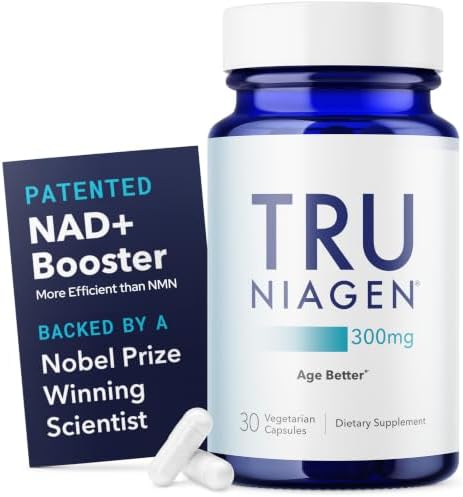
For adults who want to compare a straightforward NR supplement, this once-daily option is one of the clearer choices to review, but it should be treated as an optional add-on rather than a proven anti-aging fix.
- HEAD-TO-HEAD VS NMN: In a head-to-head clinical study at the same dose, Tru Niagen increased blood NAD+ 161% vs. 69% for NMN. (Berven et al. (2026). iScience (Cell Press). University of Bergen, Norway. Crossover design, n=6, 1,200mg/day for 8 days.)
- CLINICALLY SHOWN TO INCREASE NAD+: NAD+ supports cellular energy and healthy aging. Niagen is clinically shown to increase NAD+ levels by up to 150% in 3 weeks (1,000mg).
What NAD+ Is and Why It Matters in Aging
NAD+ stands for nicotinamide adenine dinucleotide. It is a coenzyme, which means it helps other cellular processes work. One of its main jobs is moving electrons during metabolism so cells can convert nutrients into ATP, the energy currency that powers daily life.
But NAD+ does more than help produce energy. It also supports enzymes involved in DNA repair and cellular signaling. That makes it relevant to how cells respond to stress, recover from damage, and maintain normal function over time.
Why levels may fall with age
Research suggests NAD+ availability tends to decline as people get older. Scientists are still studying the exact reasons, but the likely causes include greater cellular stress, changes in production pathways, and higher demand from repair systems. In plain terms, the body may have a harder time keeping up.
When NAD+ supply is lower, cells can struggle with energy production and repair. That does not mean low NAD+ alone explains aging, but it may be one piece of the puzzle that affects resilience, recovery, and metabolic health.
| General NAD+ status | What it may support | What people may notice |
|---|---|---|
| Higher or well-supported | Energy production and repair capacity | Better day-to-day resilience and steadier recovery |
| Moderate decline | Mitochondrial efficiency under stress | More fatigue during busy or demanding periods |
| Lower availability | DNA repair and normal cellular function | Reduced recovery and less metabolic flexibility |
What the Research Really Shows
NAD+ has become a major focus in longevity research because it is linked to several pathways involved in cellular maintenance. These include sirtuins, DNA repair enzymes, mitochondrial function, and stress responses. In lab models, those links make biological sense.
That is why studies in yeast, worms, mice, and other preclinical models created so much excitement. Researchers often found that boosting NAD+ or its precursors improved metabolic markers, mitochondrial function, or some aspects of healthspan. Those results helped launch the current wave of consumer interest.
Human studies are promising, but still limited
Human research is more mixed. Small clinical trials and early randomized studies suggest that oral precursors such as NR and NMN can raise blood NAD+ levels. Some studies also report improvements in select measures such as walking performance, sleep quality, or metabolic markers in certain groups. Still, these studies are usually short and relatively small.
That means the big unanswered question remains: does raising NAD+ lead to meaningful, lasting improvements in how people function or age? Right now, the evidence is not strong enough to promise that. If you want a broader overview, a recent systematic review of preclinical and clinical evidence is a useful starting point.
IV infusions versus what happens inside cells
IV NAD+ treatments are often marketed as a faster or stronger approach. They can raise blood levels quickly, but that does not prove they raise the in-cell supply that matters most for long-term function. Experts also point out that blood measurements and cellular effects are not the same thing.
There are practical downsides too. IVs are expensive, time-consuming, and can cause side effects such as nausea, flushing, burning, or feeling foggy during or after treatment. The FDA has also issued a reminder related to sterile compounding concerns when food-grade NAD+ ingredients are used in IV products, which adds another reason to be cautious with wellness-clinic hype.
- Mechanistic case: NAD+ is clearly important to cellular energy and repair pathways.
- Preclinical support: Animal studies show interesting effects, but animal findings do not always carry over to people.
- Human signal: Blood NAD+ can rise with oral precursors, yet long-term clinical benefits remain uncertain.
- Practical caution: IVs may change lab values faster, but they are not automatically the best or most evidence-based option.
Practical Ways to Support NAD+ Today
If your goal is healthier aging, the most useful starting point is not a drip bar. It is the group of habits that support metabolism, recovery, and overall health. These steps may not sound flashy, but they offer the best risk-to-reward ratio for most adults.
1) Build the lifestyle foundation first
Regular exercise is one of the most practical tools available. Aerobic activity and resistance training both support mitochondrial health and metabolic flexibility. You do not need a perfect plan to benefit. Brisk walking, cycling, bodyweight training, or lifting a few times per week can all help.
Sleep matters just as much. Poor sleep increases stress on the body and makes recovery harder. Managing body weight, blood sugar, and alcohol intake also matters because metabolic stress can influence the very systems NAD+ is supposed to support.
2) Use food as the baseline
Your body makes NAD+ from nutrients it gets through food. That is why a nutrient-dense eating pattern remains a smart starting place. Foods that provide niacin, tryptophan, and related building blocks include poultry, fish, dairy, legumes, whole grains, peanuts, avocados, and edamame.
Some people also experiment with time-restricted eating, such as a 10- to 12-hour overnight fast. That approach may support metabolic health for some adults, but it is not right for everyone. People with diabetes, a history of disordered eating, or other medical concerns should speak with a clinician before trying it.
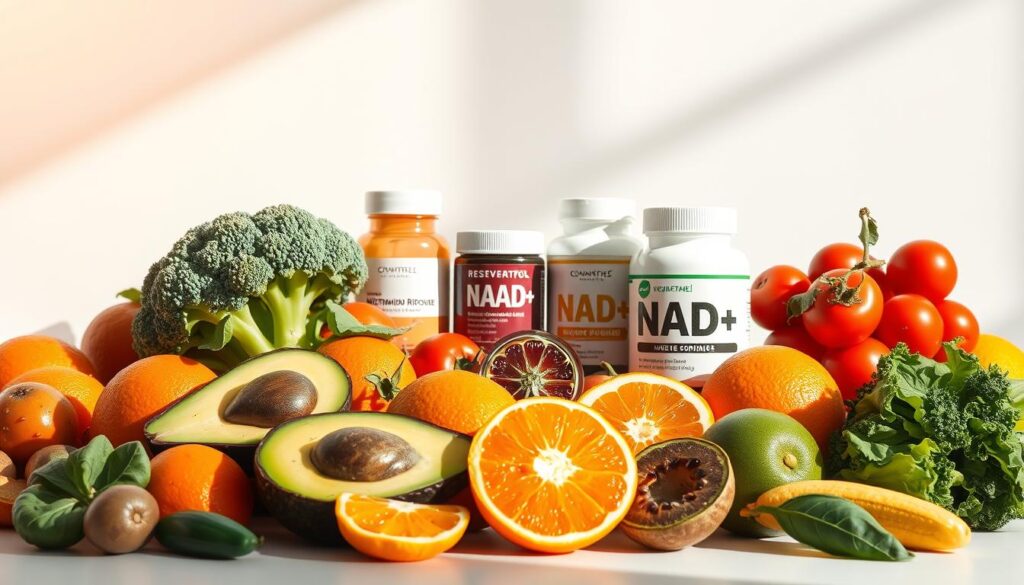
3) Consider supplements as optional tools, not core treatment
When people talk about “NAD supplements,” they are usually talking about precursors such as NR or NMN rather than NAD+ itself doing all the work directly. These products may help raise NAD+ levels in the blood, but that is not the same as proving anti-aging effects. They are better viewed as experimental wellness tools than as established solutions.
If you want to try one, look for a clear ingredient list, a sensible dose, and third-party testing or recognized quality markers. It is also wise to keep expectations modest. The goal is not to chase a miracle. The goal is to decide whether a supplement fits your budget, your health situation, and your comfort with limited long-term evidence.
One example to compare is TRU NIAGEN 300 mg, a once-daily nicotinamide riboside supplement. It stands out mainly because NR is one of the more studied NAD+ precursors, and this product has a straightforward formula. That said, it is still a supplement, not a treatment for fatigue, brain fog, or aging itself.
- HEAD-TO-HEAD VS NMN: In a head-to-head clinical study at the same dose, Tru Niagen increased blood NAD+ 161% vs. 69% for NMN. (Berven et al. (2026). iScience (Cell Press). University of Bergen, Norway. Crossover design, n=6, 1,200mg/day for 8 days.)
- CLINICALLY SHOWN TO INCREASE NAD+: NAD+ supports cellular energy and healthy aging. Niagen is clinically shown to increase NAD+ levels by up to 150% in 3 weeks (1,000mg).
- THE NR IN THE RESEARCH: The ingredient researchers use most for NR studies is Niagen, used in over 75% of published clinical studies on nicotinamide riboside.
- EVERY BATCH THIRD-PARTY TESTED: If it says Niagen, it's Niagen. Every batch of Tru Niagen is third-party tested. Buy from Tru Niagen's official Amazon store for authentic Niagen.
Supplements are not for everyone. People who are pregnant or breastfeeding, those with significant liver or kidney disease, and anyone taking regular medications or managing a complex medical condition should talk with a clinician before using NR, NMN, or similar products. Even when side effects are mild, they can include nausea, headache, dizziness, flushing, or stomach upset.
| Approach | Main purpose | Realistic takeaway |
|---|---|---|
| Regular exercise | Support mitochondrial and metabolic health | Best everyday foundation for energy and healthy aging |
| Nutrient-dense eating | Provide building blocks for normal NAD+ production | Low-cost, sustainable support with broad health benefits |
| Time-restricted eating | Support metabolic regulation in some adults | May help some people, but not appropriate for everyone |
| NR or NMN supplements | Raise precursor availability | Promising but not proven for long-term clinical outcomes |
| IV NAD+ | Rapid rise in blood levels | Costly, less practical, and not clearly superior for real-world benefits |
Conclusion
NAD+ matters because it sits at the crossroads of energy production, repair, and cellular resilience. That makes it a real and worthwhile target of aging research. But “important in biology” is not the same as “proven fix,” and that distinction is easy to lose in the current wellness market.
The most grounded way to think about NAD+ today is this: the science is interesting, oral precursors may be useful for some adults, and IV trends deserve more skepticism than marketing often suggests. If you are curious, start with sleep, exercise, and nutrition first. Then, if you still want to try a supplement, choose a vetted product, keep expectations realistic, and involve a clinician when your health history calls for it.
FAQ
What does NAD+ do in the body?
NAD+ helps cells turn nutrients into energy and supports enzymes involved in DNA repair, stress responses, and normal metabolic function.
Do NAD+ levels really drop with age?
Research suggests they often do. Scientists are still studying why, but the trend is one reason NAD+ is being investigated in aging research.
Are IV NAD+ treatments better than supplements?
Not necessarily. IVs can raise blood levels quickly, but that does not prove better cellular effects or better health outcomes. They are also more expensive and can cause side effects during treatment.
Are NR and NMN proven anti-aging supplements?
No. They are promising precursors that can raise NAD+ levels in some studies, but that is different from proving they slow aging or improve long-term health in a clear, reliable way.
Who should be cautious with these supplements?
Anyone who is pregnant or breastfeeding, has a complex medical condition, takes regular medications, or has liver or kidney disease should check with a clinician before using them.
What habits support healthy NAD+ function without supplements?
Regular exercise, consistent sleep, balanced meals, good metabolic health, and avoiding excess alcohol and smoking are the most practical habits for supporting the systems linked to NAD+.
How should I choose a supplement if I want to try one?
Look for a clear ingredient, transparent labeling, sensible dosing, and some sign of quality control or third-party testing. Avoid products that promise dramatic anti-aging results or use vague proprietary blends.




Don’t Miss These Picks