


Turmeric and ginger are two familiar kitchen spices with a long history in traditional medicine. Both contain natural compounds that researchers are studying for inflammation, joint discomfort, digestion, and other health concerns.
But does combining turmeric and ginger actually make them more effective? Laboratory research suggests their compounds may work together to influence inflammation. Human studies also show possible benefits from each spice separately, especially for certain types of pain and nausea. However, strong evidence that the combination works better than either spice alone is still limited.
You can enjoy both roots in tea, soups, rice, and other everyday meals. Concentrated supplements are another option, but they carry different risks and should not be treated like ordinary cooking spices.
This guide explains what the research really shows, which benefits are most promising, how to prepare turmeric and ginger together, and when extra caution matters.
Key Takeaways
- They contain different active compounds. Turmeric provides curcuminoids, including curcumin, while ginger contains gingerols and shogaols.
- Combining them may have complementary effects. Laboratory studies show promising interactions, but human evidence for added benefits remains limited.
- Joint discomfort and nausea have some of the stronger supporting evidence. Certain turmeric extracts may help knee osteoarthritis symptoms, while ginger may reduce pregnancy-related nausea.
- Food and supplements are not interchangeable. A cup of tea does not deliver the same amount of active compounds as a concentrated extract.
- Supplement safety matters. High-absorption curcumin products have been linked to rare liver injuries, and some herbal products can interact with medications.
Helpful Products at a Glance
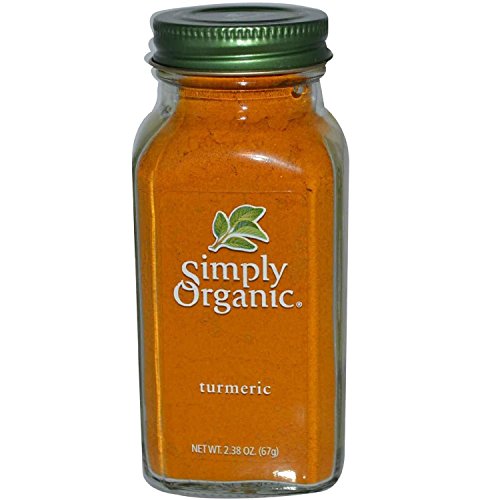
Simply Organic Ground Turmeric Root (2.38 oz, Pack of 3): A pantry option for people who regularly prepare curries, rice dishes, soups, or golden milk. The three-jar bundle may be more than occasional users need.
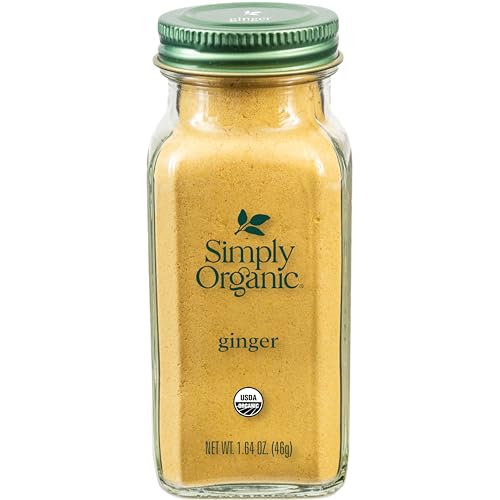
Simply Organic Ground Ginger Root (1.64 oz): A convenient dried spice for cooking, baking, and warm drinks when fresh ginger is not available. It has a different flavor and concentration from fresh ginger.
- Ground Ginger - This high-quality organic ground ginger root adds a warm, slightly spicy kick with a zesty sweetness, perfect for enhancing both sweet and savory dishes.
- Best uses - Perfect for gingerbread cookies, stir-fries, smoothies, and teas, this versatile ground ginger brings vibrant flavor and warmth to a wide variety of recipes.
Why Turmeric and Ginger Work Differently
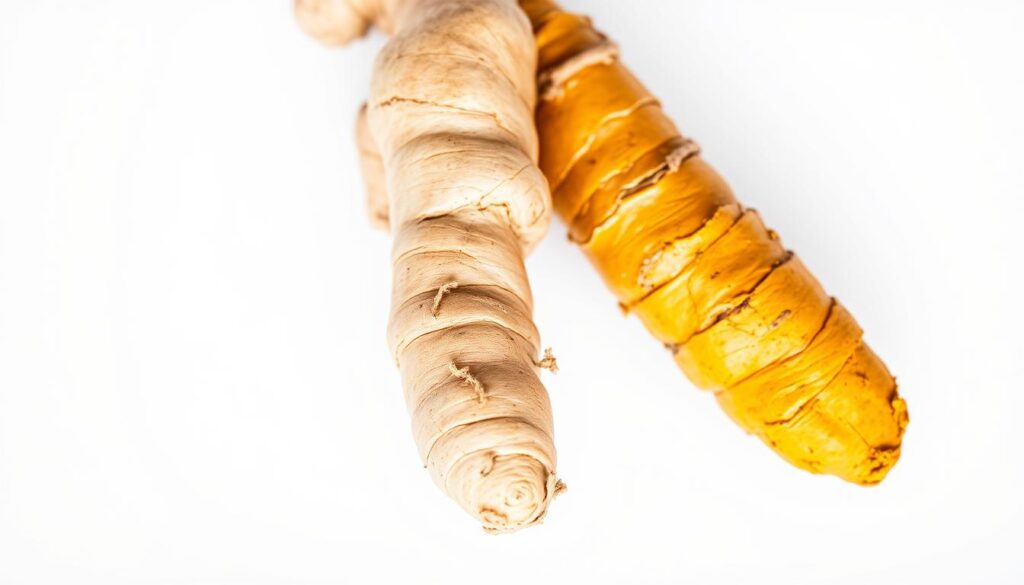
Turmeric (Curcuma longa) and ginger (Zingiber officinale) belong to the same plant family. Their underground stems, called rhizomes, are used fresh or dried and ground into spices.
Although they look similar before being cut open, they contain different natural compounds.
Curcumin: Turmeric’s Best-Known Compound
Curcumin is one of the curcuminoids that give turmeric its bright yellow color. Researchers study it because it can influence chemical pathways involved in inflammation and oxidative stress.
Oxidative stress happens when substances called free radicals overwhelm the body’s defenses and can damage cells. Laboratory studies suggest curcumin can affect some of these processes, but that does not automatically mean eating turmeric prevents disease.
Ground turmeric contains only a small percentage of curcumin, often around 2–5% by weight. The amount varies by source and processing method.
Gingerol and Shogaol: Ginger’s Active Compounds
Fresh ginger contains gingerols, which help give it a sharp, warming flavor. When ginger is dried or heated, some gingerols change into related compounds called shogaols.
These substances have been studied for possible effects on inflammation, pain signaling, and digestive activity.
The important difference: turmeric is often studied for joint symptoms and inflammation-related pathways, while ginger has more established research concerning certain forms of nausea.
Do the Two Spices Become Stronger Together?
A 2022 laboratory study found that certain combinations of ginger and turmeric extracts reduced inflammatory signals more effectively than the individual extracts under the tested conditions.
Scientists call this a synergistic effect, meaning two substances produce a stronger combined response than expected.
However, the experiment involved cells, not people drinking ginger-turmeric tea. It does not establish the best kitchen ratio or prove that combining the spices produces greater pain relief in humans.
Anti-Inflammatory Benefits: What Human Research Shows
Inflammation is a normal part of healing. It helps the body respond to injuries and infections. Problems can arise when inflammatory activity remains elevated or contributes to an ongoing health condition.
Researchers sometimes measure substances such as C-reactive protein (CRP) and interleukin-6 (IL-6) to study inflammatory processes. Changes in these markers can be useful, but they do not always mean someone will feel better or develop fewer diseases.

1. Knee Osteoarthritis and Joint Discomfort
Several clinical trials have examined turmeric or curcumin supplements for knee osteoarthritis, a condition that can cause pain, stiffness, and reduced mobility.
Some participants experienced improvements in pain and physical function. However, studies used different formulations, amounts, and treatment periods, making it difficult to identify a standard effective dose.
The National Center for Complementary and Integrative Health (NCCIH) describes the early findings as positive while emphasizing the need for better-quality research.
Ginger supplements might also help some people with knee osteoarthritis, although the evidence is less certain. Neither supplement has been shown to rebuild damaged cartilage.
2. Exercise-Related Muscle Soreness
Some small studies suggest ginger or curcumin supplements may reduce muscle soreness after demanding exercise.
That does not mean a turmeric-ginger drink will speed recovery after every workout. Study products often contain concentrated ingredients that differ greatly from ordinary tea.
For everyday recovery, adequate sleep, enough food, hydration, and a sensible training schedule remain more reliable foundations. For additional exercise guidance, see our guide to common fitness myths.
3. What About Taking Both Together?
A small clinical trial involving 60 people with knee osteoarthritis compared a turmeric, ginger, and black pepper formulation with naproxen over four weeks.
Both groups experienced reductions in a measured inflammatory substance called prostaglandin E2. However, this study did not establish that the herbal combination was better for pain or could safely replace naproxen.
These results make combined formulations worth studying further, rather than proving they work as substitutes for arthritis treatment.
How Strong Is the Evidence?
| Health concern | What research suggests | Important limitation |
|---|---|---|
| Knee osteoarthritis | Some curcumin formulations may ease pain and stiffness. | Study quality and formulations vary. |
| Exercise soreness | Some small trials report less discomfort. | Results do not reliably apply to food or tea. |
| Inflammatory blood markers | Certain extracts may lower selected markers. | Lower markers do not prove long-term disease prevention. |
| Turmeric and ginger together | Laboratory findings and limited human research are promising. | Added benefits over individual ingredients are unconfirmed. |
Digestive Health and Nausea: Where Ginger Stands Out
If your main concern is occasional nausea, ginger has more useful human research behind it than turmeric.
Ginger can influence stomach movement, including how quickly food leaves the stomach. That may help explain some digestive effects, although relief is not guaranteed for everyone.
Ginger for Pregnancy-Related Nausea
Research suggests ginger may reduce nausea and vomiting during pregnancy. Many studies used supplements rather than cups of ginger tea.
Pregnant people should check with their maternity care professional before taking ginger supplements because product strength varies and safety evidence is not conclusive.
Other Types of Nausea
- Menstrual discomfort: Ginger supplements may reduce the severity of cramps in some people.
- Motion sickness: Evidence is inconsistent, and most studies have not found a clear benefit.
- After surgery: Ginger has been studied for nausea, but results remain uncertain.
- During chemotherapy: Evidence is mixed. Any supplement should be discussed with the oncology team.
These findings are summarized in the NCCIH ginger research overview.
Does Turmeric Help Digestion Too?
Turmeric has traditionally been used for digestive discomfort. Researchers have explored curcumin for several gastrointestinal conditions, but findings are not yet strong enough to recommend it as a standard treatment.
Someone with a sensitive stomach may also find that concentrated turmeric or ginger causes heartburn, loose stools, or irritation rather than relief.

Immune Function and Respiratory Health: Benefits or Hype?
Turmeric and ginger contain compounds that have shown antimicrobial or antiviral activity in some laboratory experiments. Ginger has been studied against certain respiratory viruses in cell-based research, while curcumin has also shown effects in early experiments.
However, laboratory activity does not mean drinking these spices prevents respiratory infections or strengthens immunity in a clinically proven way.
A warm ginger-turmeric drink may feel soothing when your throat is irritated. The warmth and fluid can provide comfort even if the spices themselves do not directly treat the illness.

There is not enough human evidence to describe ginger as a proven natural decongestant or curcumin as an effective treatment for asthma, influenza, or other respiratory infections.
For a cold, focus on adequate fluids, rest, and appropriate symptom care. Seek medical attention for difficulty breathing, chest pain, dehydration, or worsening symptoms.
Can Turmeric and Ginger Support Brain, Mood, and Skin Health?
The possible benefits of turmeric and ginger extend beyond joints and digestion, but research in these areas is still developing.
Brain Function and Memory
Scientists are interested in curcumin because inflammation and oxidative stress are involved in several processes affecting brain health.
A few small human studies have examined curcumin formulations for attention and memory. Results are not consistent enough to claim that turmeric prevents dementia or reliably improves concentration.
Mood and Stress
Curcumin supplements have also been studied as possible additions to conventional depression treatment. Some trials suggest benefits, but the results depend on the population and product used.
There is little reliable evidence that combining ordinary ginger and turmeric in food produces a meaningful antidepressant effect. These spices should not replace effective mental health treatment.
Skin Health
Laboratory research suggests curcumin can influence certain inflammatory processes in skin cells. However, evidence that eating turmeric and ginger improves skin tone, acne, or redness remains limited.
Daily sun protection, gentle skin care, adequate nutrition, and treatment suited to the actual skin condition are more dependable starting points.

Weight Management, Blood Sugar, and Heart Health
Some clinical studies have investigated ginger and curcumin supplements for blood sugar regulation, cholesterol, blood pressure, and body weight.
Although certain trials report modest changes, the evidence varies across populations and formulations. It is not clear whether adding ordinary culinary amounts of these spices produces the same results.
Turmeric and ginger do not directly burn meaningful amounts of body fat or replace treatments for diabetes, high blood pressure, or high cholesterol.
The practical benefit is often simpler: these spices can make healthy meals more flavorful without relying on heavy sauces or excess added sugar.
- Flavor roasted vegetables with turmeric, ginger, and garlic.
- Use the spices in lentil soups or vegetable curries.
- Prepare unsweetened ginger-turmeric tea instead of a sugary drink.
- Combine them with balanced meals, regular activity, and consistent sleep.
If you use medication to control blood sugar or blood pressure, avoid adding high-dose herbal supplements without professional guidance. They may complicate medication management or monitoring.
How to Use Turmeric and Ginger Together Every Day
You do not need a complicated supplement routine to enjoy these spices. Start with food and use amounts that taste comfortable.
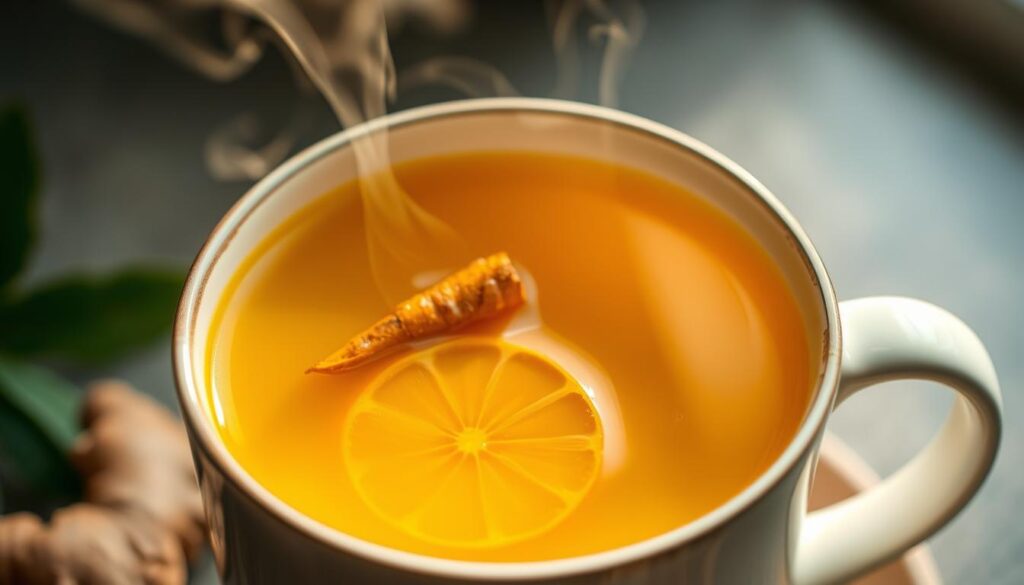
1. Make Simple Ginger-Turmeric Tea
This easy drink combines both roots without requiring concentrated extracts.
Ingredients for one cup:
- 1 cup water
- 3–4 thin slices of fresh ginger
- 2–3 thin slices of fresh turmeric, or about 1/4 teaspoon ground turmeric
- Optional lemon juice
- Optional small amount of honey
Preparation:
- Bring the water to a gentle simmer.
- Add the ginger and turmeric.
- Simmer for 5–10 minutes.
- Strain if using fresh roots.
- Allow it to cool slightly, then add lemon or honey if desired.
Begin with a milder mixture if you have a sensitive stomach. This is a comforting food-based drink, not a measured treatment dose.
2. Use Ground Turmeric in Everyday Cooking
Fresh turmeric has an earthy, slightly bitter flavor, while ground turmeric is easier to measure and store. Both work well in recipes, though the flavor and concentration differ.
For regular cooking, Simply Organic Ground Turmeric Root is one convenient option. It contains organic ground turmeric and can be used in soups, eggs, rice, curries, and warm milk drinks.
The Amazon listing covers three 2.38-ounce jars, making it more suitable for households that use turmeric frequently. If you cook with turmeric only occasionally, a smaller container from your grocery store may be more practical. There is no evidence that this particular culinary powder delivers superior medical benefits.
Try mixing a little turmeric into vegetable soup, scrambled eggs, or roasted chickpeas. Adding it to a meal containing some fat can also be useful because curcumin is poorly soluble in water.
A small amount of black pepper is a familiar cooking addition, but it should not be treated as a way to turn turmeric-containing food into a high-dose medical supplement.
3. Keep Ground Ginger for Quick Meals
Fresh ginger is useful for tea and stir-fries, but it requires washing, peeling when needed, and chopping. Ground ginger offers a convenient option for busy days.
Simply Organic Ground Ginger Root, 1.64 oz contains organic ground ginger without a mixture of added spices. It is suitable for baked goods, marinades, vegetable dishes, and warm drinks.
The manufacturer suggests approximately 1/4 teaspoon of ground ginger for every tablespoon of fresh ginger called for in a recipe. Adjust for flavor rather than treating the substitution as an equivalent medical dose.
- Ground Ginger - This high-quality organic ground ginger root adds a warm, slightly spicy kick with a zesty sweetness, perfect for enhancing both sweet and savory dishes.
- Best uses - Perfect for gingerbread cookies, stir-fries, smoothies, and teas, this versatile ground ginger brings vibrant flavor and warmth to a wide variety of recipes.
- Grown for something greater - Simply Organic works directly with sourcing partners whenever possible, paying fair prices directly to them, without a middleman, to maximize the grower's return.
- Organic Bottled Spices - Elevate your dishes with Simply Organic Bottled Spices, where the pure, delicious flavor of our spices and seasonings bring the goodness of organics to everyday meals.
You can combine both ground spices in homemade spice mixes or sprinkle a small amount into soups and curries. Fresh roots remain equally reasonable choices when you prefer their taste and texture.
4. Try Golden Milk or a Simple Spice Dressing
For golden milk, gently heat dairy or unsweetened plant milk with a little turmeric, ginger, and cinnamon. Stir well and adjust the spices to taste.
For a savory option, mix turmeric and ginger into olive oil, lemon juice, and a little garlic. Toss the dressing with cooked vegetables or use it in a grain bowl.
These recipes make the spices easier to include in a balanced diet without creating the expectation of a specific health outcome.
Supplements, Black Pepper, and Important Safety Precautions
Concentrated extracts deserve more caution than small amounts of turmeric and ginger used in cooking.
How Much Turmeric or Ginger Should You Take?
Human studies have used very different amounts. Some curcumin trials use several hundred milligrams to more than 1,000 mg daily, while ginger studies use preparations ranging from hundreds of milligrams to several grams.
These are research amounts, not standard recommended doses. A label saying 500 mg turmeric powder is not equivalent to 500 mg purified curcumin, and different extracts can contain very different concentrations of active substances.
If you are considering a supplement, check the ingredient amounts, intended use, and independent quality-testing information. Discuss the specific formulation with a clinician or pharmacist, especially when taking prescription medication.
Does Black Pepper Really Boost Curcumin Absorption?
Curcumin is naturally difficult for the body to absorb. Piperine, a compound found in black pepper, can change how the body handles it.
A small human study published in 1998 reported a 2,000% increase in curcumin bioavailability when researchers combined 2 grams of curcumin with 20 mg of piperine.
That finding is often used in supplement marketing, but it does not mean a pinch of black pepper increases absorption from every turmeric-containing meal by 2,000%. Nor does greater absorption automatically prove greater health benefits.
Because piperine can affect drug metabolism and highly absorbable curcumin formulations have raised safety concerns, stronger absorption is not always an advantage.
Who Should Be Especially Careful?
- People taking blood thinners or antiplatelet medicines: Discuss concentrated ginger, turmeric, or piperine supplements with a healthcare professional because of possible interactions.
- People taking diabetes or blood pressure medication: Check before starting high-dose supplements, particularly when medication adjustments or monitoring may be needed.
- People with liver disease: Avoid medicinal turmeric or curcumin products unless your clinician specifically approves their use.
- People with gallbladder problems: Seek advice before using concentrated turmeric products, especially with gallstones or bile duct conditions.
- Pregnant or breastfeeding people: Normal food use differs from supplemental doses. Turmeric supplements may be unsafe during pregnancy, and ginger supplements should be discussed with a maternity care professional.
- People receiving cancer treatment: Ask the oncology team before adding herbal extracts because of possible interactions with treatment.
Watch for Signs of Liver Problems
The NCCIH and Australia’s Therapeutic Goods Administration have reported rare but potentially serious liver injuries linked to turmeric or curcumin medicinal products, particularly some high-absorption formulations.
If you develop dark urine, yellowing of the skin or eyes, unusual tiredness, persistent nausea, poor appetite, or abdominal pain while taking a turmeric supplement, stop taking it and seek medical evaluation promptly.
Ordinary cooking amounts have a different risk profile from concentrated supplements. More is not automatically better.
Frequently Asked Questions
Is it better to take turmeric and ginger together or separately?
Either approach is reasonable for culinary use. Laboratory studies suggest possible complementary effects, but there is not enough human evidence to conclude that taking them together consistently works better than taking either one separately.
Can turmeric and ginger tea reduce arthritis pain?
There is some encouraging research involving concentrated turmeric or ginger products, but ordinary tea has not been shown to deliver the same benefits. Enjoy tea as a beverage rather than relying on it to manage arthritis.
Can I drink ginger-turmeric tea every day?
Many adults can enjoy modest food-based amounts regularly if the drink agrees with their stomach. Individual tolerances differ, and anyone with relevant medical conditions or medication interactions should seek advice before using unusually large or concentrated amounts.
How long does it take to notice benefits?
There is no reliable timeline for the combination. Research on joint symptoms often runs for several weeks, while studies of nausea may evaluate shorter periods. Feeling better after a warm drink does not necessarily mean inflammation markers have changed.
Are turmeric and ginger safe for children and older adults?
Ordinary culinary amounts are generally different from medicinal supplement doses. Supplements should not be given to children without professional guidance. Older adults, particularly those taking several medications, should check for possible interactions before using concentrated extracts.
Can turmeric and ginger prevent cancer?
No reliable clinical evidence establishes that consuming these spices prevents or treats cancer. Laboratory findings about cancer-related pathways are not proof of benefit in people. Anyone undergoing cancer treatment should discuss supplement use with their oncology team.
What should I look for in a supplement?
Choose a clearly labeled product that identifies the ingredient, extract type, and amount per serving. Independent testing from a recognized organization can offer additional quality assurance, although testing does not prove effectiveness or eliminate side-effect risks.
Conclusion: A Useful Pair, but Not a Miracle Treatment
Turmeric and ginger bring different natural compounds, flavors, and possible health effects to the table. Human research offers some encouraging findings for turmeric extracts in knee osteoarthritis and ginger for certain types of nausea. Laboratory studies also suggest their compounds may interact in useful ways.
Still, the extra benefits of combining them have not been firmly established in people. Claims about immunity, brain health, weight loss, and disease prevention need stronger clinical evidence.
The simplest way to begin is through food. Add a little turmeric and ginger to soups, vegetables, tea, or other meals you already enjoy. Choose concentrated supplements only when there is a clear reason to use them and their safety has been considered.
That approach gives you the flavor and flexibility of both spices without expecting them to replace proven medical care, healthy eating, exercise, or adequate sleep.


Don’t Miss These Picks