

Melatonin isn’t the only option when you’re struggling to sleep. If it leaves you groggy, causes vivid dreams, or doesn’t seem to help, you may be interested in natural alternatives that work differently.
Some herbs, amino acids, and minerals may support relaxation or improve certain aspects of sleep. Glycine, L-theanine, ashwagandha, chamomile, and magnesium are five options worth understanding. However, none has been proven consistently safer or more effective than melatonin for everyone.
The right choice depends on whether stress keeps you awake, you struggle to fall asleep, or you frequently wake during the night. Here’s what research says about these five alternatives, how to approach them safely, and which bedtime habits can make the biggest difference.
Key Takeaways
- Five alternatives worth considering: Glycine, L-theanine, ashwagandha, chamomile, and magnesium have been studied for sleep or relaxation, with varying levels of evidence.
- Benefits are not guaranteed: Some studies report improvements in sleep quality or daytime tiredness, but many are small or short-term.
- Match the option to your needs: L-theanine may suit stress-related wakefulness, while glycine has shown promising results in small sleep studies.
- Natural doesn’t always mean safer: Herbs and supplements can cause side effects or interact with medications. Ashwagandha requires particular caution.
- Sleep habits come first: A consistent schedule, morning daylight, and cognitive behavioral therapy for insomnia (CBT-I) have stronger support than most sleep supplements.
Helpful Products at a Glance
For adults considering glycine, NOW Glycine Powder offers a single-ingredient powder format that allows flexible serving measurements.
For those interested in L-theanine, Sports Research offers a 200 mg softgel made with Suntheanine and coconut oil.
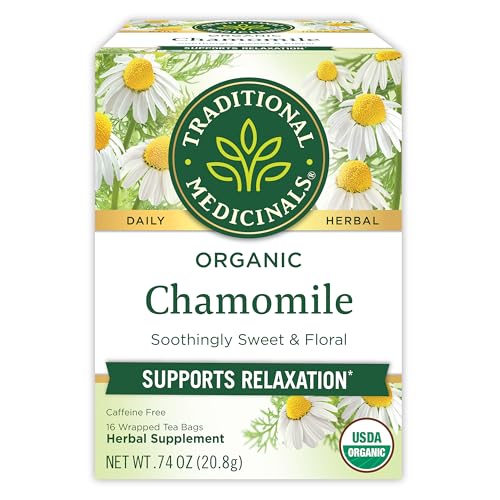
For a simple caffeine-free bedtime drink, Traditional Medicinals Organic Chamomile Tea is an option that doesn’t require capsules or measured supplement doses.
- Herbal stress relief tea: Organic Chamomile tea calms your nerves and supports healthy digestion to help you relax*
- Taste: Our chamomile tea organic formula is fragrant and floral with honey notes
Why Consider Natural Alternatives to Melatonin?
Melatonin is a hormone your brain naturally produces in response to darkness. It helps tell your body when it’s time to sleep. Supplements may be useful for jet lag or certain problems with sleep timing, but they aren’t a reliable solution for every type of insomnia.
Some people experience headaches, daytime drowsiness, dizziness, or vivid dreams after taking melatonin. Others find that it simply doesn’t address the stress or habits keeping them awake.

How do melatonin-free options work?
Unlike a melatonin supplement, which provides the hormone directly, other approaches may influence relaxation, stress responses, or processes involved in sleep. Their effects aren’t identical, and researchers are still studying how meaningful those effects are.
- Relaxation: L-theanine and some herbs may help reduce feelings of stress that interfere with bedtime.
- Body temperature: Glycine may support the normal drop in core body temperature associated with falling asleep.
- Nutrient support: Magnesium helps nerves and muscles function normally, although taking extra magnesium doesn’t necessarily improve sleep.
- Bedtime routines: Chamomile tea can become part of a calming evening habit, even when its direct effects on insomnia are uncertain.
According to the National Center for Complementary and Integrative Health (NCCIH), evidence for most complementary insomnia treatments remains limited or inconsistent.
For more detail about the hormone itself, read our guide to melatonin supplementation.
5 Natural Alternatives to Melatonin Worth Considering
1. Glycine: A Promising Amino Acid for Sleep Quality
Glycine is an amino acid your body uses to make proteins and support several important processes. It’s also involved in brain signaling and temperature regulation, both of which may influence sleep.
Small human studies suggest that taking glycine before bedtime may improve how rested people feel and reduce certain measures of daytime fatigue. A 2012 study found improvements in fatigue and aspects of attention among participants experiencing short-term sleep restriction.

Who might consider it? Adults with occasional poor-quality sleep who want to explore a non-melatonin option. However, glycine hasn’t been established as an effective treatment for chronic insomnia, and larger studies are needed.
Research has commonly used 3 grams before bedtime. That’s a studied amount, not a recommended dose for everyone. People with medical conditions or those taking medication should confirm suitability before trying concentrated glycine supplements.
NOW Glycine Powder comes in a 1-pound container and provides a powder format rather than fixed-dose capsules. It’s a practical option for someone who prefers measuring a serving, but the powder itself hasn’t been shown to outperform other glycine products.
2. L-Theanine: For Relaxation and Stress-Related Sleep Problems
L-theanine is an amino acid naturally found in tea leaves. It is associated with relaxation without necessarily producing the strong sedating effects of some sleep medications.
A 2025 systematic review and meta-analysis covering 19 studies found improvements in some reported measures of sleep quality, time taken to fall asleep, and daytime functioning. However, many studies used combination products, making it difficult to isolate the effect of L-theanine alone.
Who might consider it? Adults who feel mentally restless at bedtime or whose sleep problems seem connected to everyday stress. It isn’t guaranteed to prevent awakenings or eliminate next-day tiredness.
Some trials have investigated daily amounts around 200 mg or higher. There is no universally established L-theanine dose for insomnia, so don’t assume that taking more produces better results.
Sports Research L-Theanine provides 200 mg per softgel using Suntheanine, along with organic coconut oil. Its fixed-dose format may be convenient for adults considering this ingredient, although it won’t suit everyone and should be checked for ingredient sensitivities.
3. Ashwagandha: For Stress and Sleep Disturbances
Ashwagandha is an herb traditionally used in Ayurvedic practices. It’s often described as an adaptogen, meaning a substance believed to help the body respond to stress.
Several small randomized trials have found that certain standardized ashwagandha extracts may improve sleep quality, sleep duration, or perceived stress after several weeks. The results are promising, but different studies used different preparations and amounts.
The NCCIH’s ashwagandha review notes that evidence for sleep benefits is still developing and that long-term safety is unknown.

Who might consider it? Some adults experiencing stress-related sleep difficulties, provided a healthcare professional has reviewed possible risks. It shouldn’t be treated as a harmless everyday sleep supplement.
Important safety warning: Ashwagandha has been linked to rare liver injuries and may affect thyroid function. Avoid it during pregnancy and breastfeeding. It’s also not recommended for people with thyroid or autoimmune disorders, and it may interact with sedatives, immune-suppressing drugs, and other medications.
Because preparations vary and safety matters, there’s no single self-directed bedtime dose that can be recommended for everyone.
4. Chamomile: A Gentle Bedtime Tea Ritual
Chamomile has been used in herbal teas for generations. Its flowers contain plant compounds, including apigenin, that researchers have investigated for possible calming effects.
Some studies suggest small improvements in reported sleep quality or anxiety symptoms. However, clinical trials haven’t established chamomile as an effective treatment for insomnia.
Who might consider it? Someone who enjoys a warm, caffeine-free evening drink and wants a simple way to establish a wind-down routine.
Try brewing a cup according to the package directions roughly 30–60 minutes before bed. You don’t need an expensive extract or a concentrated capsule to enjoy the ritual. Avoid chamomile if you have an allergy to ragweed or related plants, and check for interactions if you take medications, particularly blood thinners.
Traditional Medicinals Organic Chamomile Tea contains 16 tea bags and is marketed as caffeine-free. It’s a convenient option for establishing this routine, though choosing this brand doesn’t guarantee better sleep than drinking another suitable chamomile tea.
- Herbal stress relief tea: Organic Chamomile tea calms your nerves and supports healthy digestion to help you relax*
- Taste: Our chamomile tea organic formula is fragrant and floral with honey notes
- Inspired by tradition: Our herbs are high in essential oils and hail from organic farms, from Bulgaria’s idyllic meadows and Egypt’s fertile Nile Valley to our chamomile tea bags
- Mindfully-made herbal tea: This USDA Certified Organic tea is also Kosher, Caffeine-Free, Compostable, and Herbalist-formulated
5. Magnesium: Important for Nerves and Muscles, but Sleep Evidence Is Mixed
Magnesium is an essential mineral involved in nerve signaling, muscle function, and hundreds of chemical reactions in your body. Getting enough magnesium is important for overall health.
Some research has explored magnesium supplements for insomnia, particularly in older adults. However, a 2026 systematic review of randomized trials found inconsistent results and low-to-very-low certainty evidence. It did not support routine magnesium supplementation as an insomnia treatment.
Who might consider it? Adults with inadequate magnesium intake or a confirmed deficiency may benefit from correcting that nutritional gap. Extra magnesium isn’t necessarily helpful if you’re already getting enough.
Start with food sources such as pumpkin seeds, nuts, beans, and leafy greens. If a supplement is appropriate, check the amount of elemental magnesium on the label rather than relying on the compound’s total weight.
The usual adult upper limit is 350 mg per day from supplements and medications unless a clinician directs otherwise. Excess magnesium may cause diarrhea and stomach cramps. People with kidney disease need particular caution, and magnesium can interfere with the absorption of certain medications.
How Do These Five Alternatives Compare?
The best choice depends on your sleep difficulties, safety considerations, and how strong the research is. None of these options is a guaranteed replacement for melatonin or a proven treatment for chronic insomnia.

| Alternative | Potential benefit | Evidence | Main caution |
|---|---|---|---|
| Glycine | Perceived sleep quality and next-day fatigue | Promising small trials | Limited large, long-term studies |
| L-theanine | Relaxation and some reported sleep outcomes | Encouraging reviews, with limitations | Uncertain ideal dose and long-term effects |
| Ashwagandha | Stress reduction and sleep quality | Some positive short-term trials | Liver, thyroid, pregnancy, and drug-interaction concerns |
| Chamomile | Calming bedtime routine | Limited evidence for insomnia | Allergies and possible interactions |
| Magnesium | Correcting inadequate mineral intake | Inconsistent sleep findings | Digestive effects, kidney concerns, medication interactions |
What About Other Natural Sleep Aids?
The original list of possible melatonin alternatives extends beyond these five. Several other compounds have been studied, but their evidence or suitability makes them less straightforward choices.
- Lemon balm: Small studies suggest possible calming effects, particularly in people experiencing stress. However, some studies used combinations of herbs, so its independent benefit remains uncertain.
- Valerian root: Traditionally used for sleep, but controlled studies have produced inconsistent results. It can cause side effects and shouldn’t be mixed with alcohol or sedative medications.
- Tart cherry juice: Some small trials found improvements in sleep measures, but results vary. Importantly, tart cherries naturally contain melatonin, so this isn’t strictly a melatonin-free approach.
- L-tryptophan: An amino acid used by the body to make serotonin and melatonin. Evidence for treating insomnia is limited, and supplements can cause dangerous serotonin-related interactions with certain medications.
- Bioactive milk peptides: Compounds such as alpha-s1 casein hydrolysate have shown possible improvements in reported sleep quality in small studies. Larger independent trials are needed, and milk-derived ingredients may not suit people with allergies.
- Black cumin seed oil: Early studies have explored stress and sleep satisfaction, but evidence is too limited to recommend it as a reliable sleep treatment.
More ingredients don’t automatically mean better results. Combining several supplements can increase interactions and make it difficult to identify what’s helping or causing side effects.
When and How Should You Take Natural Sleep Supplements?
Timing depends on the ingredient, formulation, and purpose. There’s no universal rule that every natural sleep supplement works best 30–60 minutes before bed.
Some ingredients have been studied shortly before bedtime, while others, including certain ashwagandha preparations, were evaluated through daily use over several weeks.

A practical evening routine
- Three hours before bed: Finish heavy meals when practical. Avoid using alcohol as a sleep aid because it can disrupt sleep later in the night.
- Two hours before bed: Lower bright lighting and shift toward quieter activities. If you’re sensitive to caffeine, stop it much earlier in the day.
- One hour before bed: Begin a calming routine. Try reading, gentle stretching, or caffeine-free chamomile tea.
- Closer to bedtime: If you’re considering glycine or L-theanine, use timing supported by the particular product’s instructions and relevant research, after checking suitability.
- At bedtime: Keep the bedroom dark, quiet, and comfortably cool. Avoid checking the clock repeatedly while trying to sleep.
Start with one change and track your results
If you decide to try a supplement, don’t immediately combine it with several others. Review the label, use a suitable dose, and watch for side effects rather than increasing the amount whenever you have a difficult night.
A simple sleep diary can help you notice patterns. Record:
- Approximate bedtime and wake-up time.
- How long you think it took to fall asleep.
- Nighttime awakenings and difficulty returning to sleep.
- How rested and alert you feel the next morning.
- Any supplement used, its amount, timing, or side effects.
Reviewing one or two weeks of observations can help you identify patterns, although it may not be enough to judge supplements studied over longer periods. Stop using a product if you develop concerning symptoms, and don’t continue an ineffective supplement indefinitely.
Buying Natural Sleep Aids in the U.S.: What to Check
Supplement quality matters because dietary supplements aren’t approved by the FDA for safety and effectiveness before reaching the market. Products containing the same named ingredient can differ in form, concentration, and additional ingredients.

Use this buying checklist
- Check ingredient amounts: Know exactly how much of each active ingredient a serving contains.
- Look for independent verification: Product-specific USP Verified or NSF certification can provide additional assurance about quality standards. A brand’s general reputation doesn’t mean every product is certified.
- Review standardized extracts: Herbal products should identify the plant, relevant part, and extract strength when applicable.
- Avoid unnecessary blends: Products containing many herbs, minerals, and sedating compounds make it harder to evaluate individual ingredients and interactions.
- Check allergens and other ingredients: Watch for milk-derived peptides, coconut oil, herbal allergens, and ingredients unsuitable for your diet or health needs.
- Review medications: Ask a pharmacist or clinician about possible interactions before taking a new supplement.
Products that advertise themselves as natural, pharmaceutical-grade, or clinically tested aren’t necessarily proven to improve sleep. Claims should be supported by studies of the actual preparation, not simply research involving a related ingredient.
Bedtime Habits That Can Improve Sleep Without Supplements
Before spending money on another sleep aid, address the daily factors that influence your body clock and sleep quality. These changes are useful whether or not you decide to try a supplement.
Manage light, caffeine, and temperature
- Get morning daylight: Spending time outside after waking helps reinforce your body’s daily sleep-wake rhythm.
- Reduce bright evening light: Dim screens and room lighting as bedtime approaches, especially if devices keep you mentally engaged.
- Limit caffeine: Many people need to avoid caffeine for at least six to eight hours before sleep, and some are sensitive for longer.
- Keep your bedroom comfortable: Choose a cool temperature, reduce noise, and block unwanted light.
- Exercise regularly: Walking, strength training, and other activity can support sleep. Adjust late workouts if they keep you feeling too alert.
Build a routine your body recognizes
Keep your wake-up time reasonably consistent, including weekends. Wind down with activities you find relaxing, such as gentle stretching, breathing exercises, or reading.
If you remain awake in bed for roughly 20 minutes and feel frustrated, get up and do something quiet in dim light until sleepy. Avoid turning the bedroom into a place where you regularly struggle to force sleep.
For additional practical advice, see the Mayo Clinic’s healthy sleep guidance.
When Natural Sleep Aids Aren’t Enough
Occasional restless nights are common. However, sleep problems that continue, worsen, or interfere with your daytime activities deserve more than another supplement.
Seek a medical evaluation if you experience:
- Persistent difficulty falling asleep or staying asleep.
- Excessive daytime sleepiness, especially while driving or working.
- Loud snoring, choking, or pauses in breathing during sleep.
- An uncomfortable urge to move your legs that disrupts sleep.
- Sleep problems alongside significant anxiety, low mood, pain, or other health symptoms.
Chronic insomnia generally involves sleep difficulties at least three nights a week for three months or longer, together with daytime problems. You don’t need to wait three months to seek help if symptoms are affecting your safety or quality of life.
Cognitive behavioral therapy for insomnia (CBT-I) is strongly recommended as a first-line treatment for chronic insomnia. It addresses sleep-related thoughts and behaviors through a structured approach and has better supporting evidence than most natural supplements.
Frequently Asked Questions
Are natural alternatives to melatonin safer?
Not automatically. Different supplements have different side effects and interactions. Chamomile tea may be a reasonable bedtime ritual for many adults, while concentrated products such as ashwagandha require more caution. No natural supplement is universally safer than melatonin.
Which melatonin alternative has the strongest evidence?
Among the options discussed here, L-theanine has encouraging findings from recent reviews, while glycine and certain ashwagandha extracts have shown benefits in smaller studies. However, research limitations prevent a confident overall ranking. CBT-I remains better supported for chronic insomnia.
Can I combine magnesium with L-theanine or glycine?
There isn’t enough strong evidence to recommend these combinations as better sleep treatments. Multiple supplements may increase side effects or interactions. Review your medicines and health conditions with a qualified professional before combining them.
Will these alternatives make me groggy the next morning?
Some small glycine and L-theanine studies reported encouraging next-day outcomes, but that doesn’t guarantee freedom from drowsiness. Individual responses differ, and herbs such as ashwagandha or valerian may cause drowsiness in some people.
Can I use these sleep aids every night?
Long-term safety and effectiveness haven’t been established for many of these supplements. Daily use should depend on the specific ingredient, your health, medications, and professional guidance. Persistent insomnia is a reason to seek an assessment rather than relying on supplements indefinitely.
Conclusion: Choosing the Right Melatonin Alternative
Glycine, L-theanine, ashwagandha, chamomile, and magnesium offer different approaches to sleep and relaxation. Some have encouraging early research, but none is a guaranteed fix or proven universally better than melatonin.
If stress is your main problem, focus first on a calming routine and consider whether an option such as L-theanine is appropriate. If you want a simple no-capsule habit, chamomile tea may fit. Magnesium makes the most sense when nutritional intake needs attention, while glycine remains a promising but incompletely studied option.
Start with the reason your sleep is suffering, not the supplement shelf. Improve your sleep schedule, evaluate possible underlying problems, and seek effective care when insomnia persists. Those steps offer a stronger foundation for restorative sleep than adding more products to your bedtime routine.