

Want a filling pasta lunch that tastes good, supports your protein goals, and doesn’t take an hour to prepare? Protein pasta meal prep makes it easier to enjoy satisfying lunches and dinners throughout a busy week.
The trick is combining the right noodles with ingredients you already enjoy. Chickpea or lentil pasta can add extra protein, while chicken, shrimp, turkey, tofu, or cottage cheese can turn an ordinary bowl into a more substantial meal.
Below, you’ll find 15 easy protein pasta ideas, a creamy cottage cheese sauce, a practical meal-prep schedule, and tips for keeping leftovers safe and delicious. You can make several meals from one cooking session without eating exactly the same thing every day.
Key Takeaways
- Choose your pasta wisely: Chickpea and lentil noodles generally provide more protein than regular wheat pasta, although amounts vary by brand.
- Build around protein: Chicken, shrimp, turkey, cottage cheese, tofu, and beans make pasta more filling and nutritious.
- Try 15 easy combinations: Rotate creamy, spicy, Mediterranean, seafood, and plant-based dishes to keep meals interesting.
- Save time with batch cooking: Prepare a few basic ingredients and combine them with different sauces and vegetables.
- Store meals safely: Refrigerate promptly, use most cooked leftovers within 3–4 days, and reheat thoroughly.
Why Protein Pasta Works So Well for Meal Prep
Regular pasta is convenient and affordable, but adding protein can make it a more balanced meal. Protein supports muscle maintenance and repair, while vegetables and fiber-rich noodles can help make meals more satisfying.
You don’t have to eliminate carbohydrates or switch to expensive ingredients. Even traditional pasta becomes a higher-protein meal when paired with a generous serving of chicken, turkey, beans, or tofu.
Protein pasta also works well for busy schedules because many ingredients can be prepared in advance. Cook the noodles, prepare your protein, chop vegetables, and portion everything into containers.
Instead of cooking a different meal every night, you can change the sauce or seasonings to create new flavors from the same basic ingredients.
What Makes a Pasta Dish High in Protein?
The amount of protein in your meal depends on three things: your pasta, your added protein, and your sauce or toppings. A dish doesn’t need a special protein-branded noodle to provide a substantial amount.
Choose the Right Pasta
Legume-based noodles are useful when you want additional plant protein without changing the basic meal. However, not every product labeled “protein pasta” contains the same amount.
| Pasta type | Approximate protein per 2 oz dry | Best use |
|---|---|---|
| Traditional wheat | 7 g | Everyday pasta dishes |
| Whole wheat | 7–8 g | Vegetable-rich meals |
| Chickpea | 11–14 g | Salads and creamy sauces |
| Red lentil | 12–14 g | Tomato sauces and pesto |
| Protein-enriched wheat blend | Varies; often around 10 g | Familiar pasta texture |
These are general examples, not guaranteed values. Check the Nutrition Facts label for the exact product and serving size. Two ounces of dry pasta is not the same measurement as two ounces of cooked pasta.
For example, Barilla Protein+ Penne combines wheat with protein from legumes. It offers a familiar pasta option, but it contains wheat and is not suitable for someone who must avoid gluten.
Add a Protein Source and Vegetables
Chicken breast, lean ground turkey, shrimp, eggs, tofu, tempeh, and beans are all useful additions. Cottage cheese and Greek yogurt can increase the protein in creamy sauces without relying entirely on heavy cream.
Add spinach, broccoli, bell peppers, zucchini, or tomatoes for fiber, flavor, and variety. Finish with a little olive oil, Parmesan, or herbs to make the dish satisfying without relying on a large amount of sauce.
15 Easy Protein Pasta Ideas for Meal Prep
These 15 combinations cover creamy comfort food, bold chicken dishes, seafood, and meatless meals. They’re flexible meal ideas rather than recipes with identical nutrition values, so adjust ingredients and portions to match your needs.
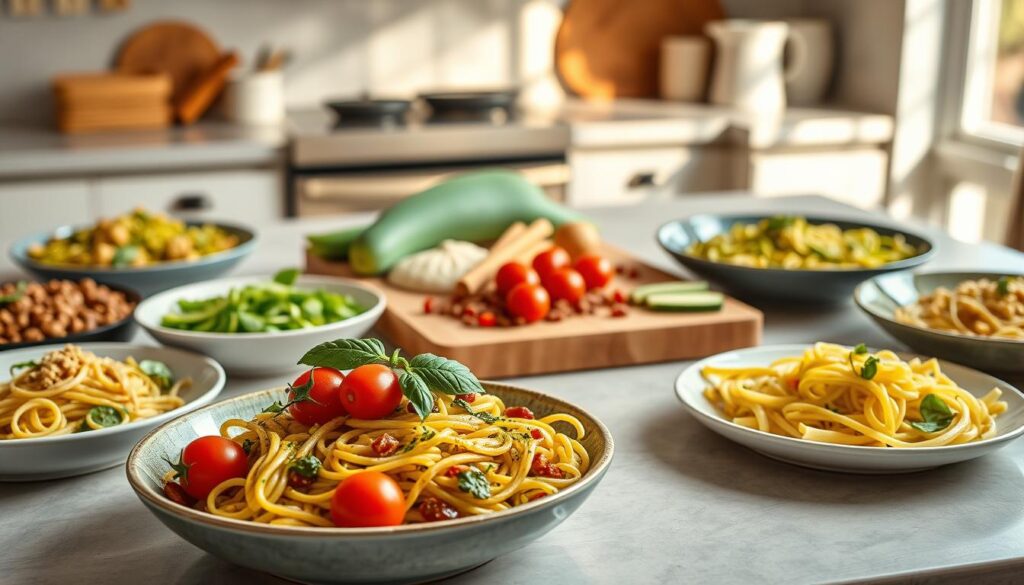
Chicken Protein Pasta Ideas
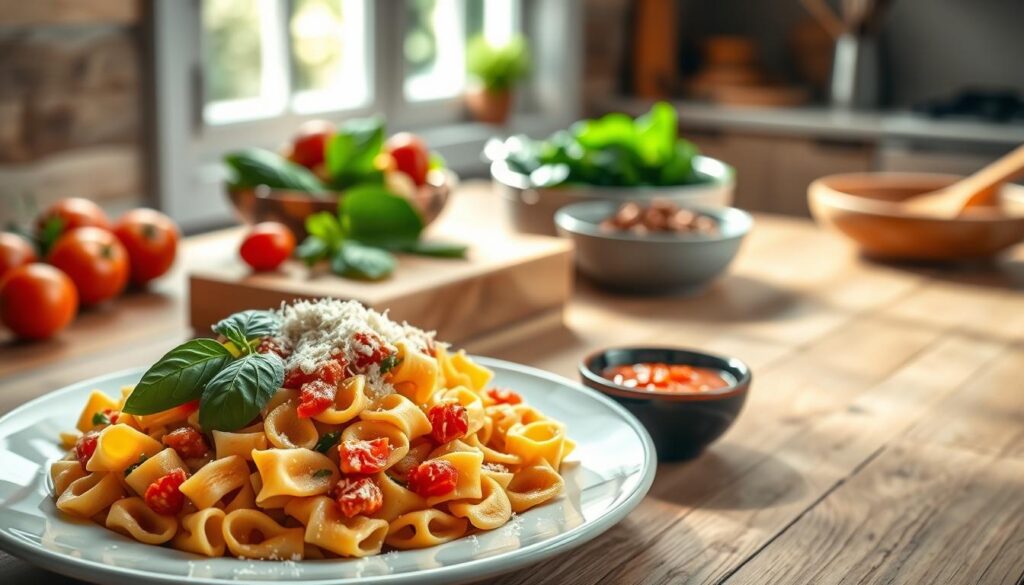
- Creamy sun-dried tomato chicken pasta: Toss cooked chicken and pasta with blended cottage cheese, garlic, and chopped sun-dried tomatoes. Add spinach near the end and finish with basil. This is a convenient choice when you want a creamy sauce without using heavy cream.
- Chicken sausage, spinach, and mushroom pasta: Brown sliced chicken sausage with mushrooms and garlic. Stir in pasta, spinach, and a little Parmesan. Check the sausage label because sodium and protein amounts vary considerably.
- Ranch chicken and broccoli pasta: Combine shredded cooked chicken, steamed broccoli, and pasta with a Greek yogurt-based ranch dressing. Add a splash of milk or water for a lighter consistency. Keep the dressing separate until serving if you prefer firmer noodles.
Beef and Turkey Favorites
- Cheesy taco turkey skillet: Brown lean ground turkey with taco seasoning, onions, and bell peppers. Mix with cooked pasta, tomatoes, and a modest amount of shredded cheese. Add cilantro or salsa when serving.
- High-protein turkey hamburger helper: Cook lean ground turkey with garlic and onion, then combine it with pasta, tomato sauce, and a little cheddar. Stir in some cottage cheese for extra creaminess. It’s an easy homemade alternative to boxed skillet meals.
- Healthy turkey baked ziti: Layer cooked penne or ziti with seasoned turkey, marinara sauce, spinach, and part-skim mozzarella. Bake until heated through and the cheese melts. Portion into containers after cooking for convenient lunches.
Seafood Options
- Creamy Cajun shrimp pasta: Sauté shrimp with Cajun seasoning, garlic, and bell peppers. Toss with pasta and a lightly warmed cottage cheese sauce. Use low heat when combining everything to help prevent the sauce from separating.
- Lemon-garlic shrimp pasta: Cook shrimp in olive oil with minced garlic, then add lemon juice and parsley. Toss with pasta and spinach or zucchini. Keep the lemon flavor bright by adding a little more fresh juice just before serving.
Vegetarian and Vegan Protein Pasta
- Cottage cheese mac and cheese: Blend cottage cheese, milk, and cheddar or Parmesan into a smooth sauce. Toss with cooked macaroni and gently warm. Chickpea pasta can add extra protein, but check the cheese and pasta labels when calculating a serving.
- Creamy vegan tofu and broccoli pasta: Blend silken tofu with garlic, lemon, nutritional yeast, and a little water for a dairy-free sauce. Combine with pasta and steamed broccoli. Firm tofu cubes are another option if you prefer a chunkier texture.
- White bean and basil pesto pasta: Blend basil, olive oil, garlic, white beans, and pumpkin seeds into a creamy pesto. Toss with lentil pasta and cherry tomatoes. Adjust the liquid gradually to keep the sauce from becoming too thick.
- Vegan lentil bolognese: Simmer cooked lentils with crushed tomatoes, onion, garlic, and Italian herbs. Serve over whole-wheat or chickpea pasta. Lentils give the sauce a hearty texture without ground meat.
Cold Salads and Quick Skillets
- Chicken Caesar pasta salad: Toss cooled pasta with chopped cooked chicken, romaine, Parmesan, and Caesar dressing. Store the lettuce and dressing separately so they stay crisp. Check the dressing ingredients if you have egg or fish allergies.
- Buffalo chicken pasta salad: Mix cooled pasta with shredded chicken, celery, carrots, and Buffalo sauce. Add a Greek yogurt-based dressing for creaminess. Keep everything chilled until serving.
- Ground beef, spinach, and tomato pasta skillet: Brown lean ground beef, drain excess fat if needed, and stir in tomatoes, garlic, and spinach. Fold in cooked pasta and season with Italian herbs. This works especially well with short pasta shapes.
Start with two or three combinations rather than cooking all 15. For more variations, explore these high-protein pasta recipe ideas and adapt them to your favorite ingredients.
Ingredient Game Plan: What to Keep in Your Kitchen
A useful meal-prep routine starts with ingredients that work in several dishes. You don’t need a complicated shopping list or a different sauce for every recipe.
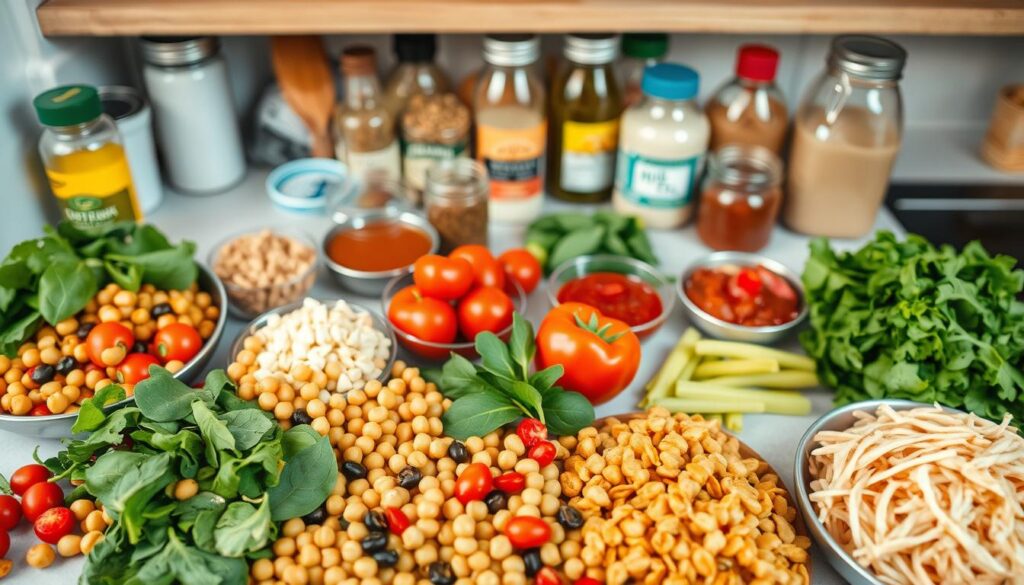
Build your weekly grocery list around these categories:
- Pasta: Whole-wheat, chickpea, lentil, or protein-enriched noodles.
- Animal proteins: Chicken breast, lean turkey, shrimp, or cooked chicken sausage.
- Plant proteins: Tofu, canned beans, lentils, or tempeh.
- Creamy ingredients: Low-fat cottage cheese, plain Greek yogurt, milk, or Parmesan.
- Vegetables: Spinach, broccoli, bell peppers, mushrooms, zucchini, and tomatoes.
- Flavor builders: Garlic, onions, olive oil, basil, lemon, and Italian or Cajun seasoning.
Frozen vegetables and canned beans are particularly convenient. They can help reduce waste and make it easier to prepare meals when fresh ingredients are running low.
Rotisserie chicken is another time-saver. Remove the meat promptly, divide it into portions, and refrigerate or freeze it safely. Check the seasoning and sodium content if those matter to your eating plan.
How to Make a Creamy High-Protein Cottage Cheese Sauce
Cottage cheese can make a smooth, creamy pasta sauce when blended with milk, garlic, and Parmesan. It’s a useful alternative when you want more protein and less saturated fat than a sauce made mainly with heavy cream, although the final nutrition depends on your ingredients and portions.
Ingredients
- 16 oz low-fat cottage cheese
- 1/2 cup 2% milk
- 1/2 cup grated Parmesan cheese
- 1 garlic clove
- Black pepper to taste
- Reserved pasta cooking water, as needed
Step-by-Step Method
- Blend: Add the cottage cheese, milk, Parmesan, and garlic to a blender. Blend until completely smooth.
- Season: Add black pepper and taste before adding salt, since cottage cheese and Parmesan already contain sodium.
- Combine: Place cooked pasta in a skillet over low heat. Add the sauce and stir gently.
- Adjust: Add a little reserved pasta water until the sauce coats the noodles evenly.
- Finish: Stir in spinach, basil, chopped tomatoes, or other cooked vegetables.
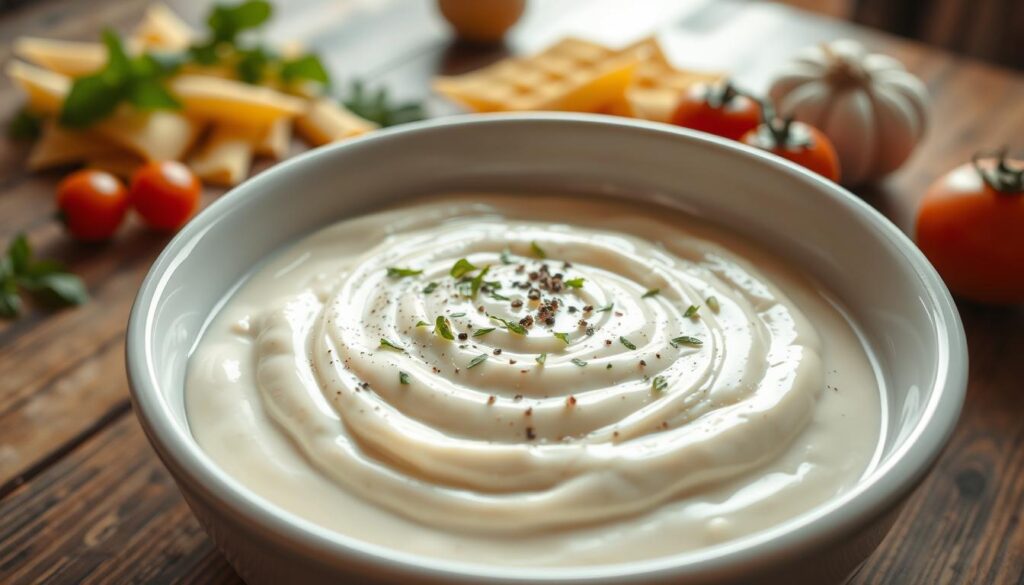
Important texture tip: Don’t boil the finished cottage cheese sauce. High heat may cause the proteins to separate and create a grainy texture. Warm gently and add liquid gradually.
You can change the flavor without making a new sauce from scratch. Add sun-dried tomatoes for a savory pink sauce, lemon zest for brightness, or crushed red pepper for heat.
For vegan meals, blend silken tofu with nutritional yeast, garlic, and lemon instead. The flavor and protein content will differ from the dairy version.
Protein Pasta for Meal Prep: Cook Once, Eat Several Times
The easiest approach is to prepare your basic ingredients separately and combine them in different ways. This keeps your meals flexible and makes it easier to adjust portions.
Step 1: Cook the Pasta Al Dente
Bring a large pot of salted water to a boil and cook the pasta according to its package instructions. Stop when the noodles are firm but fully cooked rather than soft and mushy.
Reserve a cup of cooking water before draining. The starchy water can help loosen sauces during immediate assembly. For later reheating, a little fresh water or milk works well.
Step 2: Prepare Your Protein
Cook chicken, turkey, tofu, or shrimp separately so you can portion it accurately. Season simply with garlic, pepper, or Italian herbs if you plan to use different sauces later.
Use a food thermometer for meat. Chicken and ground turkey must reach 165°F, while ground beef must reach 160°F, according to USDA safe cooking guidance.
Step 3: Prepare Vegetables and Sauces
Steam broccoli, sauté mushrooms, and wash leafy greens. Prepare one or two sauces, such as marinara and cottage cheese sauce, to create different meals without doubling your cooking time.
Keep delicate ingredients, including fresh lettuce and some cold dressings, separate until you’re ready to eat.
Step 4: Divide Meals Into Containers
Measure your pasta and protein portions, then add vegetables. Use enough sauce to keep the noodles from drying out, but avoid flooding containers with liquid.
Label each container with its preparation date. Use the refrigerator for meals you’ll eat soon and the freezer for suitable portions intended for later.
A Practical Weekly Protein Pasta Meal Plan
Rather than preparing seven days of refrigerated meals on Sunday, plan two smaller cooking sessions. This helps preserve flavor and keeps your schedule within recommended leftover storage times.
| Day | Meal idea | Preparation plan |
|---|---|---|
| Sunday | Batch-cooking day | Prepare pasta, chicken, vegetables, and sauces |
| Monday | Creamy chicken pasta | Add cottage cheese sauce and spinach |
| Tuesday | Chicken Caesar pasta salad | Use chilled pasta and chicken; add fresh lettuce |
| Wednesday | Second cooking session | Prepare turkey or tofu and fresh pasta |
| Thursday | Turkey taco pasta | Combine turkey with vegetables and salsa |
| Friday | Vegan pesto pasta | Use beans, basil pesto, and lentil noodles |
Choose your portions based on appetite, protein needs, and activity level. Meals with more vegetables may need a larger container without necessarily containing more calories.
20-Minute Protein Pasta: The Fastest Method
You can make a protein-rich pasta meal in about 20 minutes when you start with precooked chicken or another ready-to-eat protein. Preparing raw meat, heating a large pot of water, and cooking several portions may take longer.
- Minutes 0–5: Start boiling water. Gather precooked chicken, spinach, cottage cheese, and seasonings.
- Minutes 5–12: Cook the pasta according to its package instructions. Meanwhile, blend your cottage cheese sauce.
- Minutes 12–16: Drain the pasta, combine it with chicken and sauce, and warm gently.
- Minutes 16–18: Add spinach and stir until wilted. Adjust the sauce using a little water or milk.
- Minutes 18–20: Taste, season, and divide into shallow containers for prompt refrigeration.
If your pasta requires a longer cooking time, follow the package directions instead of forcing the 20-minute schedule. The result should be properly cooked, not rushed.
Storage and Reheating: Keep Protein Pasta Safe and Tasty
Food safety matters just as much as flavor when preparing several meals at once. Pasta dishes containing meat, seafood, beans, or dairy should be handled as perishable foods.
How Long Does Protein Pasta Last in the Refrigerator?
Most cooked leftovers should be eaten within 3–4 days when stored at 40°F or below. Divide large batches into shallow containers and refrigerate within two hours of cooking, or within one hour if the surrounding temperature exceeds 90°F.
You don’t need to leave food sitting on the counter until it reaches room temperature. Shallow portions can go directly into the refrigerator for faster cooling. These steps follow USDA leftover storage recommendations.
How to Reheat Without Mushy Noodles
- Skillet: Add a splash of water or milk, cover briefly, and stir as the meal reheats.
- Microwave: Use a microwave-safe container, cover loosely, and stir during heating to reduce cold spots.
- Sauce texture: Add liquid gradually if a creamy sauce becomes thick or grainy.
- Fresh toppings: Add lettuce, fresh herbs, and cold dressings after reheating.
Reheat leftovers to an internal temperature of 165°F, checking with a food thermometer. Gentle heating helps with texture, but reaching a safe temperature is essential. See the USDA reheating guidance for more details.
Can You Freeze Protein Pasta?
Yes, many pasta dishes can be frozen safely, but texture varies. Creamy dairy sauces may separate, while chickpea and lentil noodles can become softer after thawing.
For better results, freeze sturdy meat or tomato sauces separately and prepare fresh pasta when needed. If you freeze complete meals, portion them individually and thaw safely in the refrigerator or microwave rather than on the counter.
How Much Protein Should Each Pasta Meal Contain?
Protein needs vary with body size, activity, age, and health. For someone planning protein-focused meals, around 25–40 grams per serving can be a useful planning example, not a requirement for everyone.
Instead of trusting an estimated total for an entire recipe, calculate the protein from the ingredients you actually use.
| Ingredient | Example serving | Approximate protein |
|---|---|---|
| Cooked chicken breast | 3 oz | 26 g |
| Red lentil pasta | 2 oz dry | 12–14 g |
| Low-fat cottage cheese | 1/2 cup | 12–14 g |
| Cooked shrimp | 3 oz | 18–20 g |
| Cooked lentils | 1/2 cup | 9 g |
Values are approximate and depend on the product, preparation method, and serving weight. Use the Nutrition Facts label or a reliable nutrient database for more precise calculations.
For example, a meal containing 2 oz dry lentil pasta and 3 oz cooked chicken may supply roughly 38–40 grams of protein before adding cheese or vegetables. A larger portion can provide more protein, but it also changes the calories and other nutrients.
Remember: Higher protein doesn’t automatically mean lower calories. Pasta, olive oil, cheese, nuts, and sauces all contribute energy. Consider the entire plate rather than judging a meal by its protein number alone.
Easy Dietary Swaps and Budget-Friendly Choices
Protein pasta is flexible enough for many eating preferences, but a few substitutions require extra attention.
- Gluten-free: Choose pasta specifically labeled gluten-free, such as suitable chickpea or red lentil varieties. Check certification and cross-contact information when necessary, especially for celiac disease.
- Dairy-free: Use silken tofu or a bean-based sauce instead of cottage cheese. Check packaged ingredients for hidden dairy.
- Vegetarian: Combine lentil pasta with beans, tofu, Greek yogurt, or cheese according to your preferences.
- Vegan: Pair legume pasta with tofu, tempeh, lentils, and nutritional yeast. Nuts and seeds can add flavor and fat, but aren’t always concentrated protein substitutes.
- Budget-conscious: Compare protein per serving and total cost. Regular pasta with beans or eggs may be more economical than specialty noodles.
Some legume-based pastas have a stronger flavor or firmer texture than traditional pasta. Start with a small batch to see which type you prefer before preparing several days of meals.
Common Protein Pasta Meal-Prep Mistakes
Even simple meals can become disappointing when a few details are overlooked. These are worth checking before your next batch:
- Overcooking noodles: Pasta that starts too soft often becomes mushier after storage and reheating.
- Using too much sauce: Extra liquid can make refrigerated pasta soggy. Add more when serving if needed.
- Heating dairy sauces too aggressively: Cottage cheese and yogurt sauces may separate under excessive heat.
- Preparing too many refrigerated meals: Make a second batch midweek or freeze suitable portions rather than keeping cooked food too long.
- Ignoring serving sizes: Protein totals can be misleading when dry and cooked pasta weights are confused.
- Forgetting vegetables: A protein-heavy bowl can still lack useful fiber and variety. Add greens, beans, or colorful vegetables.
Frequently Asked Questions
Is Chickpea Pasta Better Than Regular Pasta for Protein?
Chickpea pasta generally contains more protein and often more fiber than traditional refined wheat pasta. However, it may cost more and has a different texture. Regular pasta paired with a suitable protein source can still make a balanced meal.
Can I Make Protein Pasta Without Meat?
Yes. Lentil noodles, tofu, tempeh, beans, cottage cheese, and Greek yogurt offer several meat-free combinations. Vegan options can use legume pasta with tofu or bean-based sauces.
Can I Eat Protein Pasta Every Day?
It can be part of a varied eating pattern. Change your protein sources, vegetables, and sauces to get a broader mix of nutrients rather than depending on one identical meal every day.
What’s the Best Pasta Shape for Meal Prep?
Penne, rotini, and other short shapes are convenient for portioning and mixing with vegetables. Choose one that holds its texture after refrigeration, and follow the cooking directions for your specific brand.
Can I Meal Prep Protein Pasta for Five Days?
Yes, but don’t refrigerate Sunday’s cooked batch for all five weekdays. Prepare a second batch during the week or freeze appropriate portions so refrigerated leftovers are used within the recommended 3–4 days.
How Can I Add More Protein Without Using Protein Powder?
Add cooked chicken, shrimp, turkey, tofu, beans, or a blended cottage cheese sauce. These everyday ingredients can increase protein while providing flavor and texture. Protein powder isn’t necessary for most pasta recipes.
Conclusion
Protein pasta meal prep doesn’t require complicated recipes or expensive ingredients. Start with noodles you enjoy, add a useful protein source, include vegetables, and choose a sauce that works with your schedule.
For your first batch, try creamy sun-dried tomato chicken pasta, a turkey taco skillet, or a white bean pesto bowl. Prepare enough for the next few days, refrigerate promptly, and switch flavors during the week.
The goal is simple: satisfying meals that are easy to prepare, safe to store, and enjoyable enough to eat again. Start with one or two of these 15 ideas and build a weekly routine that fits your appetite, budget, and time.