

Can listening to singing bowls, gongs, and gentle chimes actually help you sleep? After struggling with racing thoughts and restless nights, I wanted to find out whether a sound bath could make bedtime feel less stressful.
The first thing I noticed was a sense of calm. The gentle, overlapping tones gave my mind something to focus on besides tomorrow’s worries. My shoulders relaxed, my breathing felt easier, and falling asleep seemed less like a task I had to complete.
But feeling relaxed isn’t the same as treating insomnia. Research suggests sound meditation may reduce stress and improve sleep quality for some people, although the evidence remains limited. Here’s what the experience felt like, what science actually supports, and how to try a sound bath at home without spending much money.
Key Takeaways
- Sound baths may help you unwind before bedtime. Singing bowls, chimes, and other gentle sounds can provide a calming focus when your thoughts won’t slow down.
- Sleep benefits are possible but not guaranteed. Small studies suggest improvements in relaxation and sleep quality, but sound baths are not a proven treatment for chronic insomnia.
- You don’t need expensive equipment. A free 10–20-minute recording and a comfortable place to rest are enough to get started.
- Comfort matters more than frequency. There is no convincing evidence that a particular singing bowl frequency automatically produces deep sleep.
- Keep listening gentle. Moderate volume, comfortable positioning, and a consistent bedtime routine make the practice easier to enjoy safely.
Helpful Products at a Glance
For a hands-on sound meditation routine, the Himalayan Bazaar 4-Inch Tibetan Singing Bowl Set provides a compact bowl, cushion, and striker. It’s useful for creating your own tones, although it cannot reproduce a full group sound bath.
- COMPLETE SET: Includes 4” Handmade singing bowl x 1, hand-sewn silk cushion x 1, mallet covered with black leather x 1. A full set designed to create a peaceful environment for meditation, yoga, and relaxation.
- VERSATILE USE: The sound of the Tibetan singing bowl offers a calming effect, supporting mindfulness and focus. Ideal for meditation, yoga and other spiritual practices.

For masking distracting household noises, the LectroFan EVO Sound Machine offers adjustable background sounds. It’s an alternative for a quieter bedtime environment, not a replacement for singing bowl recordings.
- White Noise Machine: Adaptive Sound Technologies LectroFan EVO is a portable sleep device with multiple non-looping sounds and upward-facing speakers that fill the room with consistent soothing sound for uninterrupted sleep
- Non-Looping Sounds: Sleep with fewer interruptions with this reliable sound machine; 22 synthesized ocean sounds, fan noise, and white noise block disruptive sounds like snoring, crying, or loud neighbors

Why I Turned to Sound Healing for Sleepless Nights
My biggest challenge wasn’t always feeling tired. It was switching off my thoughts once I got into bed. Even when I followed a reasonable nighttime routine, my mind kept returning to unfinished tasks and the next day’s responsibilities.
I wanted something simple that didn’t involve another complicated routine. Sound baths appealed to me because they offered a way to rest without constantly trying to stop my thoughts.
What My First Sound Bath Felt Like
A typical sound bath involves lying or sitting comfortably while a practitioner plays instruments such as singing bowls, gongs, and chimes. Despite the name, there’s no water involved. You’re simply surrounded by changing layers of sound.
At first, I was very aware of the individual tones. Some rang clearly, while others seemed to fade slowly into the background. As the session continued, following those sounds became easier than following my usual stream of worries.

The most noticeable change was physical. I felt less tense, particularly around my shoulders, and my thoughts became quieter. I didn’t experience an instant cure for insomnia, but I appreciated having a calmer transition into bedtime.
After trying additional sessions, I became more interested in whether a short version at home could offer a similar sense of relaxation.
| Sound Bath Element | Potential Benefit | Practical Tip |
|---|---|---|
| Immersive tones | Give attention a calming focus | Try a gentle 15–20-minute recording |
| Steady background sounds | May make distracting noises less noticeable | Choose a comfortable, consistent volume |
| Regular evening practice | Creates a predictable wind-down routine | Start with 10 minutes before bed |
How Sound Baths May Affect Sleep and the Brain
Sound baths may support sleep indirectly by helping people feel less stressed and mentally alert. The idea is straightforward: when you’re paying attention to gentle sounds instead of worrying about sleep, relaxing may become easier.
However, some popular explanations go further than the science supports, especially claims about changing brainwaves or activating specific sleep stages.
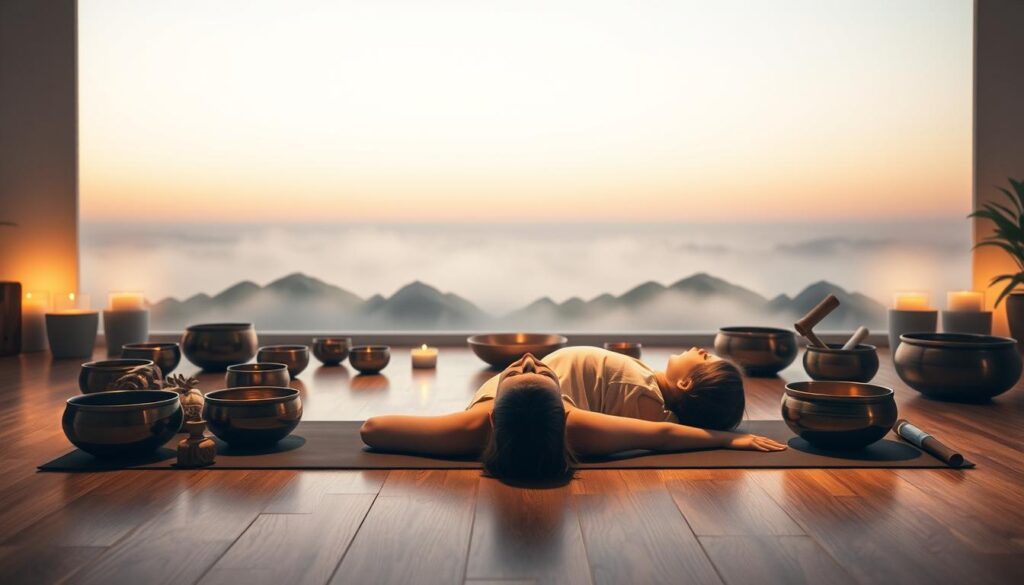
Brainwaves: Beta, Alpha, Theta, and Delta Explained
Brainwaves are patterns of electrical activity that researchers measure using an electroencephalogram, or EEG. Different patterns are associated with different states of alertness and sleep.
- Beta waves: Common during active thinking, concentration, and mental engagement.
- Alpha waves: Often associated with relaxed wakefulness, particularly when the eyes are closed.
- Theta waves: Can appear during drowsiness, early sleep, and certain relaxed states.
- Delta waves: Most prominent during deep, slow-wave sleep.
Some sound-healing programs claim that particular tones move the brain directly from beta to theta or delta activity. This is often called brainwave entrainment.
Researchers have studied this possibility, but results are inconsistent. A 2023 systematic review of binaural beat research found mixed evidence that audio stimulation reliably changes brainwave activity in the intended way.
That means you shouldn’t assume a recording labeled “delta sleep frequency” will produce deep sleep. A sound can feel calming without forcing your brain into a specific sleep stage.
How Sound May Reduce Stress Before Bed
Stress can keep the body in a state of increased alertness, sometimes called hyperarousal. When this happens at bedtime, thoughts may race, muscles may remain tense, and sleep can feel difficult.
Gentle sounds may help by:
- Redirecting attention: Giving your mind something neutral to follow instead of replaying worries.
- Supporting relaxed breathing: Making it easier to settle into a comfortable, unhurried rhythm.
- Creating a familiar routine: Helping you associate a consistent evening activity with winding down.
- Reducing distracting noise: Soft background audio may make intermittent environmental sounds less noticeable.
These are reasonable ways to understand why sound baths might feel helpful. However, claims that singing bowls consistently lower cortisol, reset circadian rhythms, or activate the parasympathetic nervous system remain insufficiently established.
What Scientific Studies Actually Show
A 2017 observational study involving 62 adults reported lower tension, anger, fatigue, and depressed mood after singing bowl meditation. That’s encouraging, but the study did not establish that sound baths treat insomnia or outperform other relaxation methods.
A broader 2025 systematic review of 19 clinical studies identified potential benefits for anxiety, depression, and sleep quality. However, the studies involved different populations and methods, limiting how confidently their findings can be applied to people with chronic insomnia.
The practical takeaway: Sound baths may be worth trying as a relaxation activity, but their effects on long-term insomnia still need stronger research.
How to Set Up a Sound Bath for Insomnia at Home
You don’t need a professional studio or a collection of instruments to try sound meditation. A comfortable room, a gentle recording, and a little uninterrupted time are enough for a beginner.
Step 1: Make Your Space Comfortable
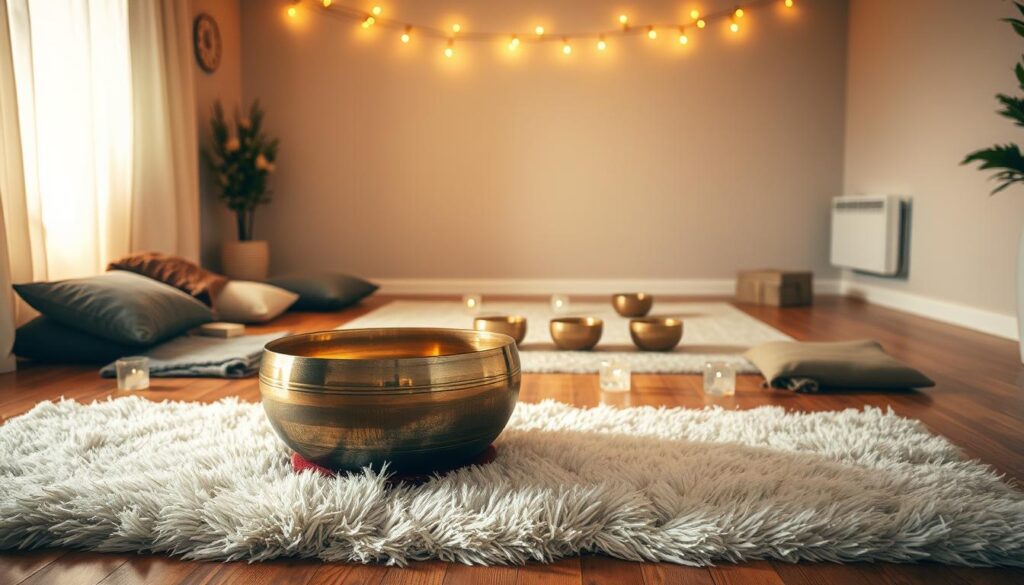
Start by choosing somewhere you can sit or lie down without discomfort. Your bedroom works perfectly well, although a quiet corner of the living room is another option.
- Dim the lights: Choose soft lighting instead of bright overhead lights.
- Keep the room comfortably cool: Avoid temperatures that make you shiver or sweat.
- Support your body: Use a pillow, folded blanket, or yoga mat if you’re resting on the floor.
- Limit interruptions: Silence unnecessary notifications and prepare your audio before settling down.
- Make fragrance optional: A mild lavender scent may feel pleasant, but skip essential oils if they trigger headaches, breathing problems, or irritation.
Don’t worry about creating a picture-perfect meditation space. A comfortable bed with the lights lowered can be just as useful for winding down.
Step 2: Choose a Recording or Singing Bowl
For beginners, recordings are usually the easiest option. Search for gentle singing bowl sessions lasting 10–20 minutes. Listen briefly beforehand so you aren’t surprised by loud gong strikes or sudden changes in volume.
If you enjoy creating sounds yourself, a physical singing bowl offers a more hands-on experience. Strike the bowl gently or move the striker around its rim to produce a sustained ringing tone.
The Himalayan Bazaar 4-Inch Tibetan Singing Bowl Set includes a compact hand-hammered bowl, cushion, and striker. It’s a practical example for someone interested in learning simple bowl-playing techniques at home.
Its smaller size makes it suitable for a personal mindfulness routine, although the sound will differ from the larger bowls and multiple instruments used in professional sessions. You can skip the purchase entirely if recordings meet your needs.
- COMPLETE SET: Includes 4” Handmade singing bowl x 1, hand-sewn silk cushion x 1, mallet covered with black leather x 1. A full set designed to create a peaceful environment for meditation, yoga, and relaxation.
- VERSATILE USE: The sound of the Tibetan singing bowl offers a calming effect, supporting mindfulness and focus. Ideal for meditation, yoga and other spiritual practices.
- GREAT GIFT IDEA: This Tibetan Singing Bowl Set makes a thoughtful gift for those who practice yoga, meditation, or mindfulness. Perfect for birthdays, holidays, or special occasions such as Mother’s Day and Father’s Day.
- PROUDLY MADE IN NEPAL: Each singing bowl is carefully crafted by skilled Nepalese artisans, ensuring high quality and attention to detail. These bowls are made for lasting use in your spiritual practices.
Step 3: Decide Between Solo and Group Sessions
Both approaches can provide a relaxing experience, but they serve different preferences.
- Home sessions: Offer privacy, adjustable volume, flexible timing, and little or no cost.
- Group sound baths: May include several instruments, a guided experience, and a more immersive listening environment.
- Live individual sessions: May offer greater control over instruments and intensity when the practitioner accommodates personal preferences.
Group sessions aren’t necessarily more effective. Some people enjoy the shared atmosphere, while others relax better when they can control the sound themselves.
If you attend a group session, ask whether the practitioner uses loud gongs or instruments close to participants’ ears. You should always feel comfortable requesting a quieter position or leaving when needed.
Step 4: Control Background Noise Without Making It Too Loud
Sometimes the biggest obstacle isn’t a racing mind. It’s traffic outside, conversations in another room, or unpredictable household sounds.
A gentle background sound can make these disruptions less noticeable. For example, an ocean or fan sound may provide a steady backdrop while you read or complete your evening relaxation routine.
The LectroFan EVO Sound Machine offers non-looping fan and noise options, including white, pink, and brown noise, along with ocean sounds and a sleep timer. It’s useful when your main concern is controlling distracting background noise.
However, it doesn’t recreate a guided singing bowl performance. If you want an actual sound bath, use a suitable recording or attend a session. You also don’t need a dedicated sound machine if your existing speaker provides comfortable audio.
- White Noise Machine: Adaptive Sound Technologies LectroFan EVO is a portable sleep device with multiple non-looping sounds and upward-facing speakers that fill the room with consistent soothing sound for uninterrupted sleep
- Non-Looping Sounds: Sleep with fewer interruptions with this reliable sound machine; 22 synthesized ocean sounds, fan noise, and white noise block disruptive sounds like snoring, crying, or loud neighbors
- Easy-To-Use Design: This white noise machine for sleeping suits bedrooms and nurseries and includes a convenient sleep timer and precision volume settings
- Travel-Ready, Compact Design: This portable travel sound machine has a lightweight build for hotels or travel, is energy-efficient, and features a built-in headphone jack
A Simple 20-Minute Sound Bath Routine Before Bed
The goal isn’t to force sleep within 20 minutes. It’s to make your evening calmer so that bedtime feels less stressful.
Here’s a simple routine that combines sound meditation with breathing and body awareness.

Minutes 1–3: Settle In and Breathe
Lie down comfortably or sit with your back supported. Close your eyes if that feels natural.
Begin with gentle breathing:
- Breathe in slowly through your nose for about four seconds.
- Exhale comfortably for approximately six seconds.
- Continue without forcing the breath or holding it.
- Return to normal breathing whenever you prefer.
There’s no need to follow exact counts. If you feel dizzy, breathless, or uncomfortable, return to your usual breathing pattern.
Minutes 4–15: Listen Without Trying to Fall Asleep
Start your chosen sound bath recording at a comfortable volume. Notice how the tones begin, change, and gradually fade.
You don’t have to empty your mind. When thoughts interrupt, acknowledge them and gently return your attention to the sounds.
If you prefer, imagine somewhere peaceful, such as waves reaching a quiet beach or a breeze moving through trees. This simple visualization gives your attention another calming place to rest.
Minutes 16–18: Relax Your Body
Bring your attention gradually from your feet toward your head. Notice any areas that feel tight without trying to force them to relax.
Pay particular attention to your jaw, neck, shoulders, and hands. Let the audio continue quietly while you release unnecessary muscle tension.
Minutes 19–20: Finish in Silence
Allow the recording to fade or stop naturally. Spend the final minute noticing how your body feels.
Afterward, move into your normal bedtime routine. Avoid immediately checking messages or reviewing tomorrow’s tasks if doing so makes you feel alert again.
On busier evenings, even a five- or ten-minute version may be a useful way to unwind.
Do Binaural Beats, Nature Sounds, and Delta Frequencies Help?
Not every relaxing audio track is a traditional sound bath. Some recordings blend singing bowls with nature sounds, electronic tones, or binaural beats.
Binaural Beats
Binaural beats involve playing slightly different tones into each ear through headphones. The brain may perceive an additional rhythmic beat based on the difference between them.
Some recordings advertise alpha, theta, or delta frequencies for relaxation and sleep. Although researchers are investigating possible benefits, reliable brainwave entrainment and meaningful insomnia improvement have not been established.
If you enjoy binaural beats, try a short session before bed at a low volume. You don’t need to wear headphones throughout the night.
Nature Sounds and Low-Pitched Tones
Rain, ocean waves, and gentle flowing water may feel easier to listen to than crystal bowls or gongs. These sounds can also provide a steady background that makes sudden noises less noticeable.
Deep tones may appeal to some listeners, but lower pitch doesn’t automatically mean deeper sleep. Choose whichever sounds feel pleasant rather than selecting recordings solely because of advertised healing frequencies.
Silence is also a valid choice. If audio keeps you alert or causes irritation, a quiet room may suit you better.
Benefits I Noticed and What You Can Realistically Expect
The biggest benefit I noticed was a change in how I approached bedtime. Instead of lying down and immediately worrying about sleep, I had a simple activity that helped me slow down.
The gentle tones gave me something to concentrate on, and the routine helped create a clearer boundary between a busy day and a quieter evening.

Possible Benefits Beyond Falling Asleep
Depending on personal preferences, sound meditation may provide several useful experiences:
- Less mental chatter: Gentle sounds may make it easier to redirect attention away from stressful thoughts.
- Reduced feelings of tension: Resting comfortably can help you notice and release tight muscles.
- A more pleasant bedtime routine: A familiar activity may make evenings feel calmer.
- Greater body awareness: Combining sound with breathing or a body scan can make physical tension easier to recognize.
However, these experiences vary. Some people find singing bowls deeply relaxing, while others dislike the ringing, vibrations, or changing sounds.
There is no established timeline for improvement. Feeling calmer after one session doesn’t guarantee better sleep, and practicing for several weeks doesn’t mean insomnia will disappear.
How to Track Whether Sound Baths Help Your Sleep
Rather than relying on a single good night, try keeping a simple sleep diary for two weeks.
Record:
- Approximately when you went to bed and woke up.
- How long you think it took to fall asleep.
- Whether you remember waking during the night.
- How rested you felt the following morning.
- Whether you used a sound bath and for how long.
Look for general patterns instead of analyzing every minute. If listening makes you more frustrated or causes you to worry about whether it’s working, shorten the routine or take a break.
When Sound Baths May Not Be the Right Choice
Sound baths are generally a low-effort relaxation activity when the volume is comfortable, but not everyone responds positively.
Consider the following precautions:
- Tinnitus or sound sensitivity: Ringing bowls or sudden gong sounds may feel unpleasant or aggravate symptoms. Choose gentler audio or avoid sessions that trigger discomfort.
- Migraines or headaches: Some sounds can be triggers. Stop listening if symptoms develop.
- Hearing protection: Avoid loud instruments close to your ears, and keep headphone and speaker volume low. The CDC recommends reducing loud sound exposure to help prevent hearing damage.
- Emotional discomfort: Meditation can occasionally bring up distressing feelings. Open your eyes, pause, or leave the session if you feel overwhelmed.
- Sleep disruption: If audio keeps you awake, try listening earlier in the evening rather than leaving it playing overnight.
When Insomnia Needs More Than Relaxation
Sound baths should not replace effective insomnia treatment. If sleep problems continue, interfere with daily life, or come with symptoms such as loud snoring, gasping during sleep, or significant daytime sleepiness, seek a professional evaluation.
The National Institutes of Health identifies cognitive behavioral therapy for insomnia (CBT-I) as the standard first treatment for chronic insomnia. It addresses habits, thoughts, and behaviors that contribute to sleep problems.
Sound meditation may complement an insomnia treatment plan, but it hasn’t been shown to replace CBT-I. For additional background on relaxation approaches, see the National Center for Complementary and Integrative Health’s guidance on sleep disorders.
Frequently Asked Questions
Can a Sound Bath Actually Cure Insomnia?
No. Sound baths may help some people relax before bedtime, but there isn’t strong evidence that they cure insomnia. Persistent sleep problems deserve evaluation and treatments with established benefits, particularly CBT-I.
How Long Should a Sound Bath Last for Sleep?
Beginners can try 10–20 minutes and adjust according to comfort. Professional group sessions may be considerably longer, but there is no proven minimum duration needed to improve sleep. A shorter, pleasant session is better than forcing yourself through one you dislike.
Is It Better to Listen to a Sound Bath Before Bed or While Sleeping?
Starting before bed is a practical choice because it allows you to relax without keeping audio on throughout the night. If you prefer background sound while sleeping, use a comfortable volume and avoid headphones that cause pressure or discomfort.
Are Crystal Singing Bowls Better Than Tibetan Singing Bowls?
Neither has been proven superior for treating insomnia. Crystal bowls and traditional metal singing bowls can produce different tones and sound qualities. Choose based on personal comfort, sound preference, and practicality rather than claims about special healing frequencies.
Can I Combine a Sound Bath With Breathing or Guided Meditation?
Yes. Gentle breathing, body scanning, and guided visualization are reasonable additions to an evening relaxation routine. Start with one or two techniques so the session remains simple rather than becoming another task to complete.
Do I Need to Buy Singing Bowls to Get the Benefits?
No. Free recordings can provide a listening experience without requiring equipment. A physical bowl is an optional choice for people who enjoy playing instruments or creating their own meditation routine.
Conclusion: Are Sound Baths Worth Trying for Insomnia?
For me, the most useful part of a sound bath was not a particular frequency or vibration. It was having a gentle way to stop focusing so intensely on falling asleep.
The layered sounds helped me feel calmer, and the experience made my evening routine more enjoyable. That personal response is meaningful, even though it doesn’t prove sound baths treat insomnia.
If you’re curious, start with a free, gentle 10–20-minute recording, keep the volume comfortable, and notice how you feel afterward. Give yourself permission to stop if the sounds aren’t relaxing.
Most importantly, treat sound baths as an optional wind-down practice rather than a sleep cure. Better sleep often requires attention to your overall routine, and ongoing insomnia may benefit from targeted professional treatment.